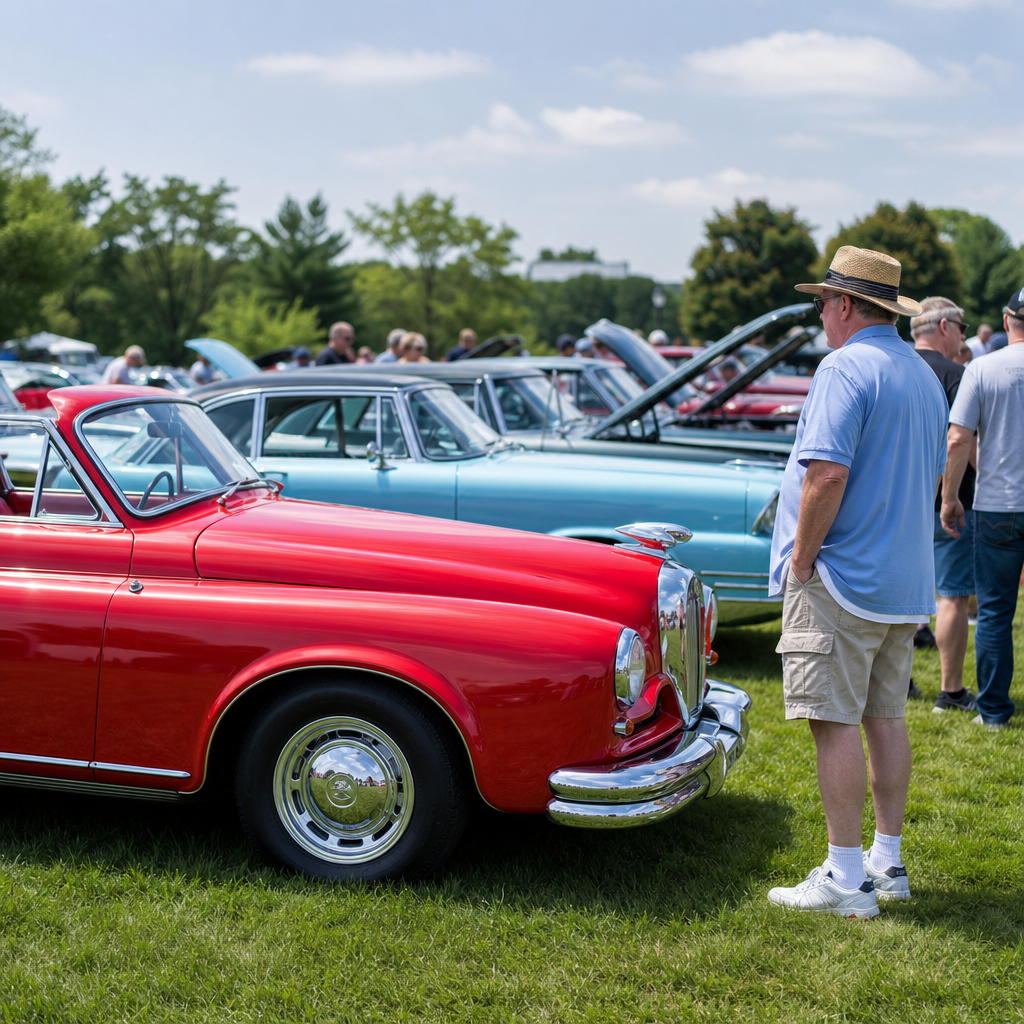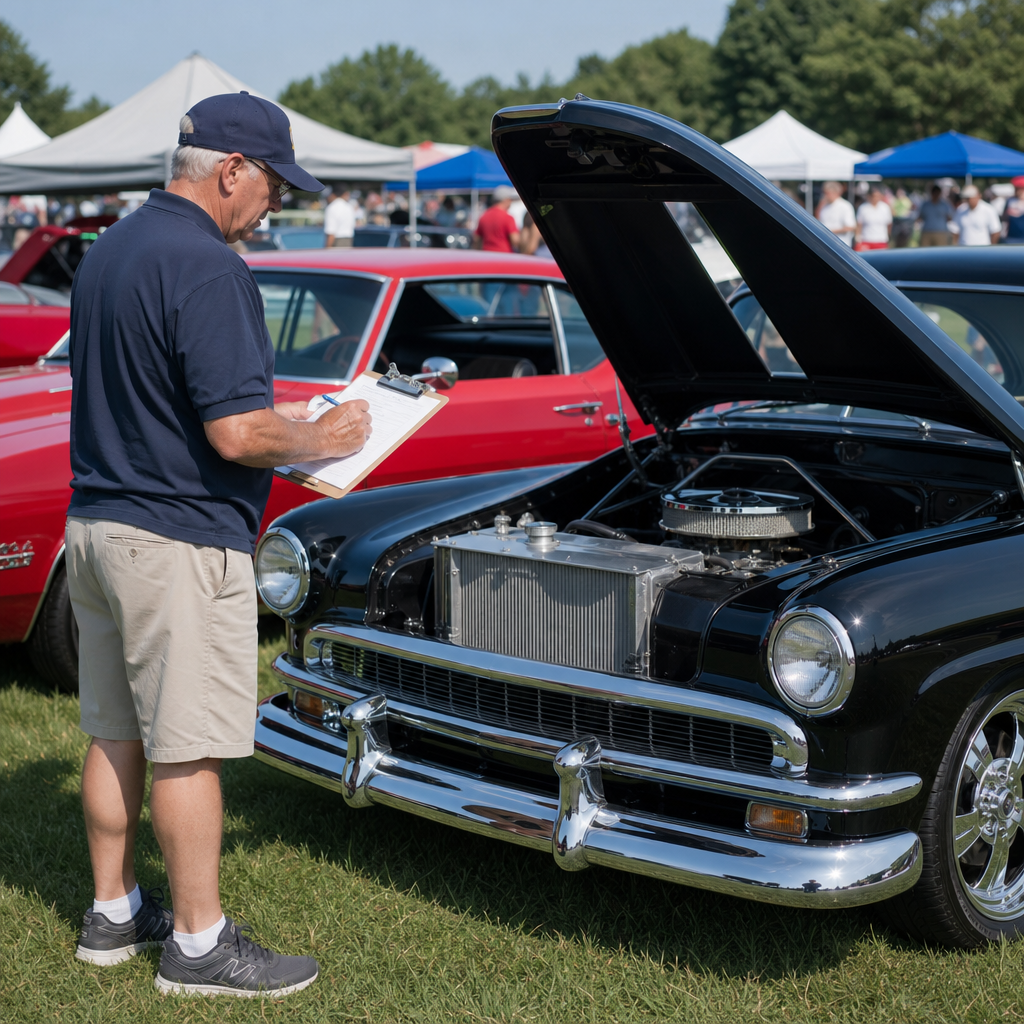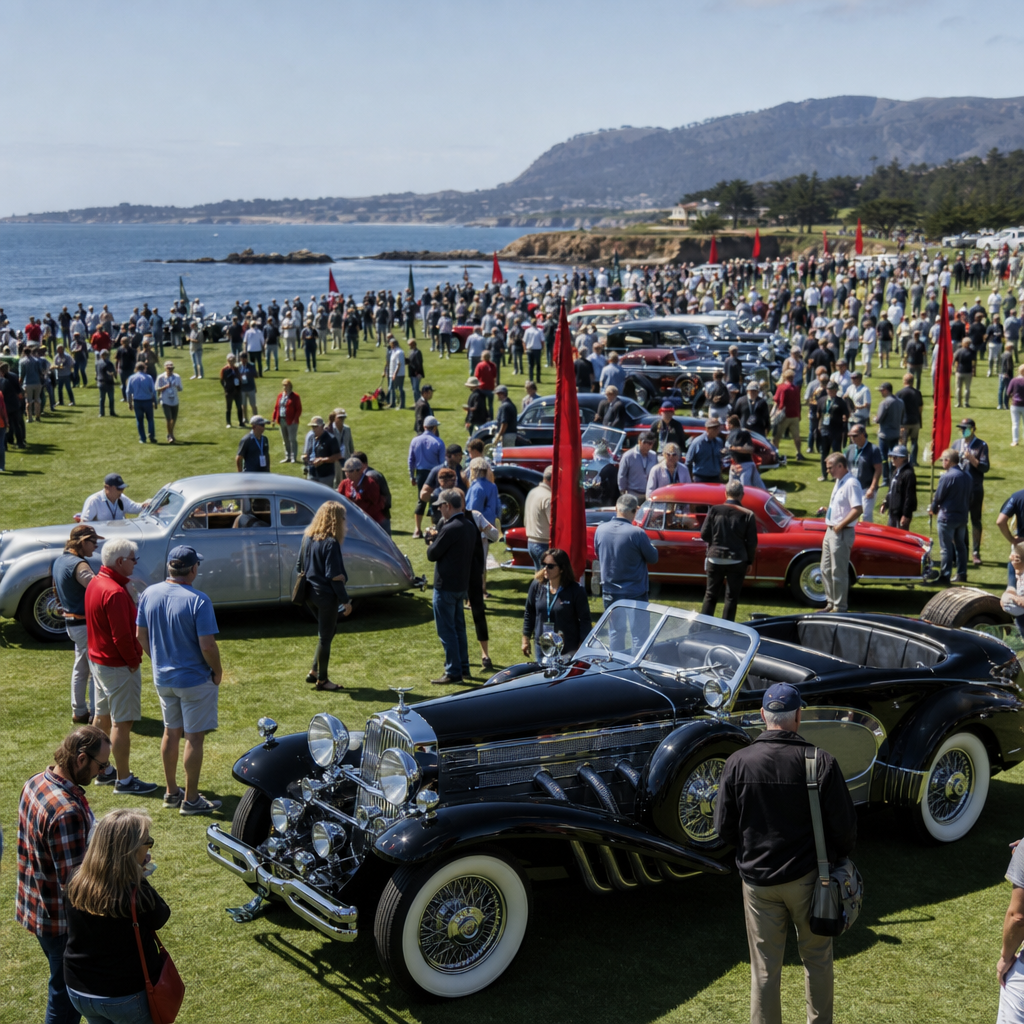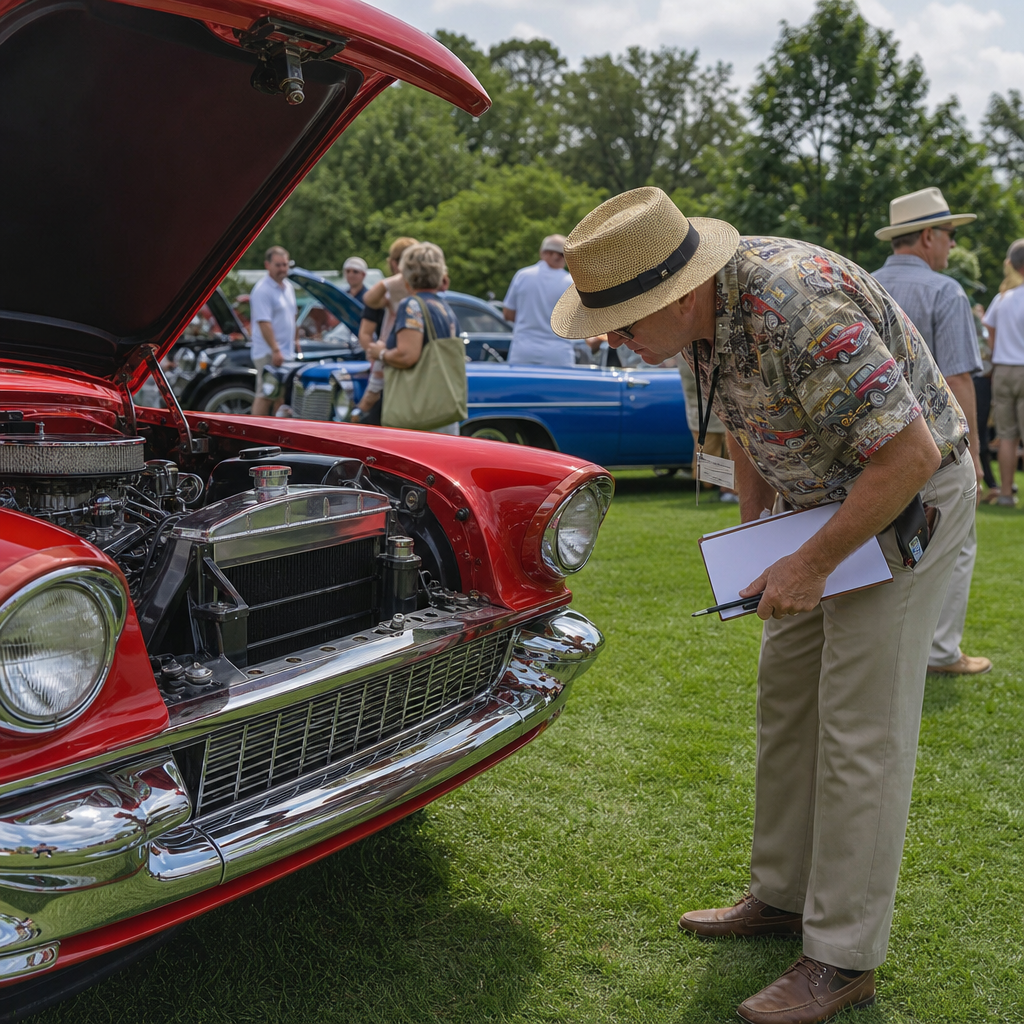
Classic car clubs remain one of the strongest entry points into American automotive culture because they connect ownership, preservation, social life, and technical knowledge in one place. A classic car club is an organized community built around vintage, antique, muscle, or special-interest vehicles, typically offering events, judging standards, restoration advice, classifieds, advocacy, and member networking. In practice, the best classic car clubs in the U.S. do far more than host weekend meetups. They help owners source impossible-to-find parts, decode factory trim tags, learn period-correct restoration methods, navigate insurance requirements, and protect the future of collector vehicles through lobbying and education. That matters because owning a classic car can be rewarding, but it can also be isolating and expensive without a knowledgeable network. After years around shows, swap meets, marque gatherings, and regional tours, I have seen the same pattern repeatedly: enthusiasts who join the right club keep their cars on the road longer, buy smarter, and enjoy the hobby more fully. This hub explains which national clubs stand out, what they offer, how to choose one, and where each type of enthusiast fits.
What makes a classic car club worth joining
The best classic car clubs in the U.S. share several traits. First, they provide access to trustworthy technical information. That can mean factory-authentic judging manuals, restoration guides, model-year registries, or member forums moderated by people who know the difference between a correct casting number and a close substitute. Second, strong clubs create structured opportunities to use the car. National meets, local chapter cruises, road tours, concours events, and driving schools matter because collector cars deteriorate when they sit. Third, great clubs produce tangible ownership value. Members often gain access to vetted vendors, club magazines, market reports, and private classifieds where cars and parts trade hands before they reach public marketplaces.
Membership quality also depends on culture. Some clubs lean heavily toward factory correctness and judged competition. Others prioritize driving, storytelling, and friendship over points sheets. Neither model is inherently better. The right fit depends on whether you own a Bloomington Gold-level Corvette, a survivor Ford pickup, a modified Tri-Five Chevy, or a first project car needing guidance. Strong governance matters too. Well-run clubs publish calendars early, maintain responsive chapters, keep dues reasonable, and communicate clearly about judging rules, event insurance, and code of conduct expectations.
Finally, a worthwhile club preserves more than cars. It preserves documentation, oral history, and practical skills. When a long-time member teaches a newer owner how to rebuild a Rochester carburetor, identify original lacquer colors, or verify a body tag, the club is doing archival work in real time. That transfer of knowledge is one reason the best organizations remain relevant even as online groups multiply.
Best national clubs for broad classic car enthusiasts
If you want the widest possible gateway into classic car culture, the Antique Automobile Club of America is usually the first organization to consider. Founded in 1935, AACA is one of the most established collector car organizations in the country, covering vehicles from brass-era cars to later classics through a large chapter network, national meets, publications, and recognized judging standards. For owners who value historical preservation, AACA offers credibility, education, and event depth that few clubs can match. I have watched first-time entrants at AACA meets learn quickly because the judging language is standardized and the community tends to be generous with practical feedback.
The Classic Car Club of America fills a different but important role. CCCA is narrower by design, focusing on “Full Classics,” a formal category generally centered on distinguished American and European cars produced between 1915 and 1948. If you own a Packard Twelve, Duesenberg, Lincoln Continental, or similar prestige automobile, CCCA offers one of the strongest environments for authenticity, touring, and preservation. Membership is especially valuable because these cars require specialized knowledge and sourcing that general enthusiast groups often cannot provide.
For owners who want active driving plus a broad event calendar, regional umbrella organizations and local collector car associations can also be effective, but the national names above offer the strongest infrastructure. They tend to maintain archives, magazines, event insurance experience, and chapter continuity that social-media-only groups cannot replicate.
Best marque-specific clubs in the U.S.
Marque-specific clubs often deliver the deepest technical value because every publication, forum archive, and event is built around a narrower set of vehicles. The Mustang Club of America is one of the strongest examples. It supports owners across generations, from 1964½ cars to modern performance variants, and its national shows, judging systems, and chapter network make it useful for both restorers and drivers. Because first-generation Mustangs have huge parts support, the club’s real advantage is helping owners separate merely available parts from correct parts.
The Porsche Club of America, while broader than strictly classic-only ownership, is another benchmark for how a club should function. PCA combines technical content, driving events, classifieds, and local chapter activity at a very high level. For air-cooled 356 and 911 owners, that ecosystem can be more valuable than any single manual because knowledge is distributed through events, newsletters, and member contacts. The same principle applies in the BMW Car Club of America, the Austin-Healey Club, and the Jaguar Clubs of North America, each of which helps members navigate authenticity, maintenance, and community.
American performance brands are especially well served. The National Corvette Restorers Society is invaluable for originality-focused Corvette owners because NCRS judging standards influence restoration decisions, values, and documentation practices throughout the market. The Vintage Chevrolet Club of America, Pontiac-Oakland Club International, and Buick Club of America also rank highly for depth of historical material and model-specific support. If you own one make and plan to keep it for years, a marque club is often the smartest first membership.
Best clubs for muscle cars, hot rods, and driver culture
Not every classic enthusiast wants white-glove judging. Many want to drive, modify, race occasionally, and meet people who appreciate period style without insisting on factory chalk marks. In that lane, clubs tied to muscle cars and hot rods are often the best fit. The Mopar Club network, Camaro-focused groups, GTO associations, and Chevelle clubs tend to attract owners who care deeply about authenticity but still value practical upgrades such as electronic ignition, improved cooling, and radial tires. These clubs are useful because they acknowledge the reality that many American performance cars survived through sensible modifications.
The National Street Rod Association plays a broader role for pre-1949 hot rods and street rods. NSRA events are less about factory originality and more about craftsmanship, safety, drivability, and shared style. For owners of chopped Fords, small-block-powered customs, and traditionally inspired builds, NSRA membership can deliver event access and a community that understands fabrication rather than simply restoration. Good Guys Rod & Custom Association occupies a similar space with major national events that bring together hot rods, customs, trucks, and muscle cars. Although some enthusiasts join primarily for event admission and insurance benefits, the larger value is immersion in a living culture of builders, vendors, and experienced owners.
| Club | Best For | Main Strength | Potential Limitation |
|---|---|---|---|
| AACA | Broad classic ownership | Judging, chapters, history | Can feel formal for casual owners |
| CCCA | Prewar prestige cars | Specialized expertise | Narrow vehicle eligibility |
| MCA | Mustang owners | National shows and technical depth | Most useful if you own a Ford product |
| NCRS | Corvette restorers | Authoritative originality standards | High-detail focus may intimidate beginners |
| NSRA | Street rods and customs | Builder culture and events | Less focused on factory correctness |
| PCA | Classic and modern Porsche owners | Driving events and chapter activity | Not centered only on vintage models |
Local chapters, regional clubs, and why geography matters
National reputation is important, but geography often determines whether you actually use a membership. A strong local chapter turns a club from a magazine subscription into a real social and technical asset. Regional groups organize breakfast meets, evening cruises, shop tours, holiday banquets, and short road rallies that keep members engaged between major national events. They also create practical support. If your generator fails before a local tour, a nearby member may have a spare on the shelf or know the one rebuilder in town who still understands it.
Regional culture shapes the club experience too. In the Northeast and upper Midwest, clubs often emphasize winter storage seminars, rust prevention, and spring revival procedures. In the Southwest, heat management, paint preservation, and long-distance touring logistics come up more often. In California and Florida, large populations and year-round car weather support dense event calendars, but competition for attention is also higher. Smaller markets can be surprisingly strong because members depend more on each other and attendance rates are often better.
When evaluating a local chapter, look beyond membership totals. Ask how many events were held in the past year, how many members typically attend, whether new members are welcomed, and whether the chapter communicates consistently by email, print newsletter, or social platform. A club with 500 names and little activity is less valuable than a chapter of 60 members that actually tours, teaches, and helps.
How to choose the right club for your car and goals
The right choice starts with your vehicle, but it should not end there. Begin by asking what you want from the hobby over the next three years. If you are restoring a split-window Corvette or concours Mustang, originality-centered clubs with formal judging standards will help protect both quality and value. If you own a driver-grade Bel Air, C10, or Firebird and mainly want events, parts leads, and friendships, a mixed regional club or performance-oriented group may suit you better. New owners often join a highly specialized club too early, then discover they really wanted driving companionship rather than point deductions on hose clamps.
Cost is usually modest, but the real investment is time. Review dues, event fees, travel expectations, and publication benefits. Check whether the club has an active website, current leadership contacts, and archived technical resources. Read recent newsletters if they are available. I also recommend attending one event before joining if the club allows guests. Watch how people treat newcomers. Healthy clubs answer basic questions respectfully, explain rules without gatekeeping, and celebrate imperfect cars that are honestly used.
Pay attention to policy positions as well. Some clubs actively support legislation related to registration, emissions exemptions, and collector vehicle use through organizations such as the Specialty Equipment Market Association’s advocacy arm. If preserving the legal freedom to own and drive older vehicles matters to you, that work has real value.
How classic car clubs support restoration, value, and long-term enjoyment
A good club saves money even when dues seem like an extra expense. The biggest savings usually come from avoiding bad purchases and poor restoration decisions. I have seen members prevent five-figure mistakes simply by asking the club to review a trim tag, engine pad stamp, or seller’s claim before writing a check. Clubs also improve resale outcomes because documented participation, judging results, restoration records, and known provenance strengthen buyer confidence. On highly collectible cars, recognition from respected organizations can materially affect market perception.
Restoration quality improves when owners can cross-check information against factory literature, survivor cars, and members with decades of experience. This is especially important where reproduction parts vary widely in fit and accuracy. A club may know which supplier makes the closest interior grain, which wheel covers are often misrepresented, or which date-code window glass is appropriate for a given build period. That detail separates a car that merely looks finished from one that is credibly restored.
Just as important, clubs sustain enjoyment after the restoration is complete. Many owners underestimate the emotional value of shared use. Road tours, museum visits, tech sessions, and charity shows give the car a life beyond storage and polishing. The best clubs keep enthusiasm stable across decades by making ownership social, educational, and active.
The best classic car clubs in the U.S. are not identical, and that is exactly why the hobby stays healthy. Broad organizations such as AACA offer history, structure, and chapter depth. Specialty groups such as CCCA, NCRS, and marque clubs deliver precision knowledge that general communities cannot match. Driver-focused organizations such as NSRA, Good Guys, and many muscle car associations keep the culture energetic, practical, and welcoming to owners who prioritize road time over concours points. The smartest choice depends on your vehicle, your standards, your budget, and the kind of relationships you want around the car.
If you are building this part of your enthusiast life from scratch, start with one national club and one active local chapter. Use the first year to attend events, read the publications, ask technical questions, and learn who consistently gives accurate advice. From there, add a second membership only if it fills a real gap, such as judging expertise, touring opportunities, or model-specific restoration guidance. Done well, joining the right classic car club will make you a better buyer, a better caretaker, and a more confident participant in the broader collector-car world.
Choose a club that matches how you actually use your car, not how you imagine the hobby should look. Then show up, volunteer, drive the car, and build your network. That is where the real value begins.
Frequently Asked Questions
What makes a classic car club one of the best in the U.S.?
The best classic car clubs in the U.S. usually stand out because they offer much more than casual meetups. A strong club creates real value for members through organized events, restoration resources, technical support, buying and selling networks, judging standards, and access to a community that understands the historical and mechanical importance of older vehicles. In other words, the top clubs help members enjoy their cars, preserve them correctly, and stay connected to the broader collector-car world.
Reputation also matters. Well-regarded clubs often have a long track record, active regional chapters, professionally run publications or newsletters, national events, and a clear mission centered on preservation and education. Some are broad umbrella organizations that welcome many types of vehicles, while others focus on a single make, era, or body style. Neither approach is automatically better. The best choice depends on whether an owner wants wide exposure to many classics or highly specialized knowledge about a specific marque such as Ford, Chevrolet, Cadillac, Corvette, or Mopar vehicles.
Another key factor is member engagement. A club may look impressive on paper, but the real test is whether members are active and helpful. The strongest clubs maintain lively forums, host tours and shows, provide access to trusted vendors and parts sources, and help new collectors learn what to buy, how to maintain it, and how to avoid common restoration mistakes. If a club can combine social energy, technical depth, and a genuine commitment to keeping classic cars on the road, it is usually considered one of the best.
Are classic car clubs only for serious collectors, or can beginners join too?
Classic car clubs are not just for high-end collectors or people with show-winning restorations. In fact, many of the best clubs in the U.S. are especially valuable for beginners because they provide a structured and welcoming way to enter the hobby. A new enthusiast may not know how to evaluate originality, source period-correct parts, interpret VIN and trim information, or choose between preservation and full restoration. A good club helps answer those questions quickly and often saves members from expensive trial-and-error mistakes.
Many clubs welcome people who do not even own a classic car yet. Prospective buyers often join to learn the market, understand ownership costs, and meet people with firsthand experience. That can be incredibly useful when comparing models, deciding what condition level is realistic, or figuring out whether a project car is a smart purchase. Through club events, online groups, and local chapters, beginners can see cars up close, ask practical questions, and build confidence before making a purchase.
For new owners, the benefits continue. Club members frequently share maintenance tips, shop recommendations, judging guidelines, insurance advice, storage practices, and event opportunities. That support system can make the difference between a car sitting unused in a garage and becoming an enjoyable long-term hobby. So while some clubs do attract advanced restorers and seasoned collectors, the best ones remain open to enthusiasts at every level, including complete newcomers.
What kinds of benefits do members usually get from joining a classic car club?
Membership benefits vary by organization, but most established classic car clubs offer a combination of educational, social, and practical advantages. One of the biggest benefits is access to technical knowledge. Whether a member is trying to identify an original engine component, troubleshoot a carburetor issue, decode factory options, or find correct upholstery materials, club networks often provide guidance that is difficult to get elsewhere. This is especially important for older vehicles where factory documentation may be limited and modern repair shops may lack model-specific experience.
Events are another major reason people join. The best clubs organize car shows, cruises, rallies, driving tours, swap meets, concours judging, seminars, and regional or national conventions. These gatherings allow members to showcase their cars, learn from others, and build friendships around a shared interest. For many enthusiasts, the social side of club life is just as important as the cars themselves. Clubs often create a sense of community that keeps owners engaged and motivated to continue maintaining and enjoying their vehicles.
There are also practical ownership benefits. Many clubs publish magazines or newsletters, maintain classified listings, connect members with restoration specialists, and advocate for legislation affecting antique and collector vehicles. Some help members understand title issues, registration categories, emissions exemptions, and preservation standards. Others offer access to judging manuals, historical archives, and reference materials that can improve both restoration quality and resale value. Taken together, these benefits make club membership one of the most effective ways to deepen involvement in classic car ownership and preservation.
Should I join a national classic car club, a local club, or both?
For many enthusiasts, the best answer is both, because national and local clubs often serve different but complementary roles. National clubs usually provide broad resources such as polished publications, large-scale events, standardized judging systems, historical archives, and access to members across the country. If you own a specific make or model, a national organization can be especially helpful for detailed restoration information, authenticity guidance, and connections to hard-to-find parts sources.
Local clubs, by contrast, tend to offer more immediate and personal engagement. They are often the best source for nearby cruise nights, weekend shows, charity events, repair shop recommendations, and friendships with people who can physically look at your car, help with a mechanical issue, or point you toward local vendors. A strong local group also makes the hobby more active on a regular basis, because it gives owners recurring opportunities to drive their cars instead of waiting for one or two major events each year.
Joining both can create the best overall experience. A local club keeps you plugged into your area’s car culture, while a national club expands your knowledge and connects you with the broader collector community. If budget or time only allows one membership, choose based on your goals. If you want technical depth and marque-specific expertise, start with a national club. If you want regular social interaction and nearby events, begin with a local club. Over time, many owners find that combining both types of clubs offers the strongest support system.
How do I choose the right classic car club for my vehicle and interests?
Start by identifying what you want from club membership. Some owners are most interested in restoration accuracy, while others care more about driving events, social gatherings, historical education, or buying and selling opportunities. If you own a highly specific vehicle, such as a first-generation Mustang, Tri-Five Chevrolet, air-cooled Volkswagen, or prewar Cadillac, a marque- or model-specific club may give you the most relevant expertise. If your interests are broader, a general antique or classic car club may provide more variety and a wider event calendar.
It is also smart to evaluate how active the club really is. Look at its event schedule, chapter structure, website or forum activity, publication quality, and member responsiveness. A club with regular tours, technical discussions, swap meets, and chapter meetups is usually more useful than one with a famous name but limited engagement. If possible, attend an event as a guest before joining. That will show you whether the culture is welcoming, whether members actually help one another, and whether the club’s focus matches your goals.
Finally, consider long-term value. The right club should make ownership easier, more enjoyable, and more informed. It should connect you to trustworthy people, improve your understanding of your vehicle, and give you opportunities to participate in the hobby beyond simply storing a car in the garage. Whether you choose a national organization, a local chapter, or a highly specialized registry, the best classic car club is the one that supports your interests while helping preserve the vehicle and the automotive history behind it.