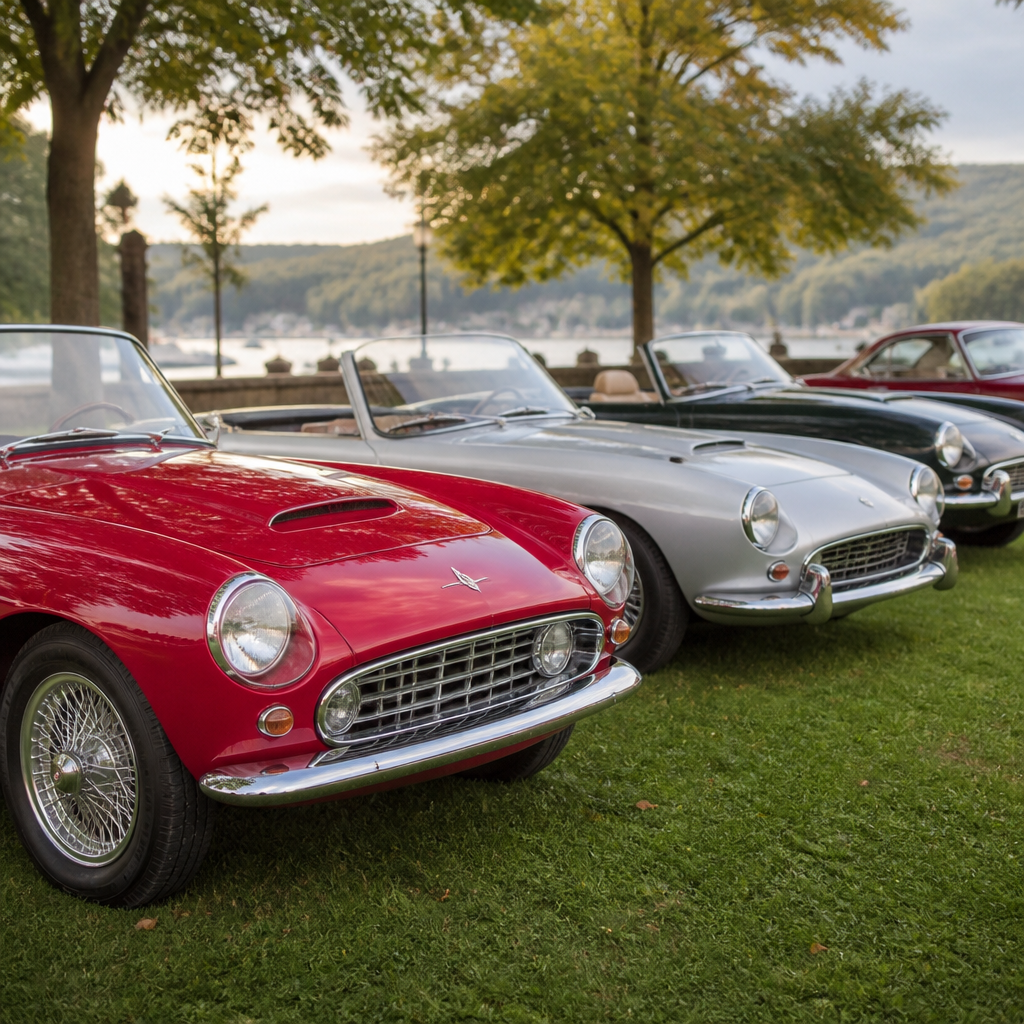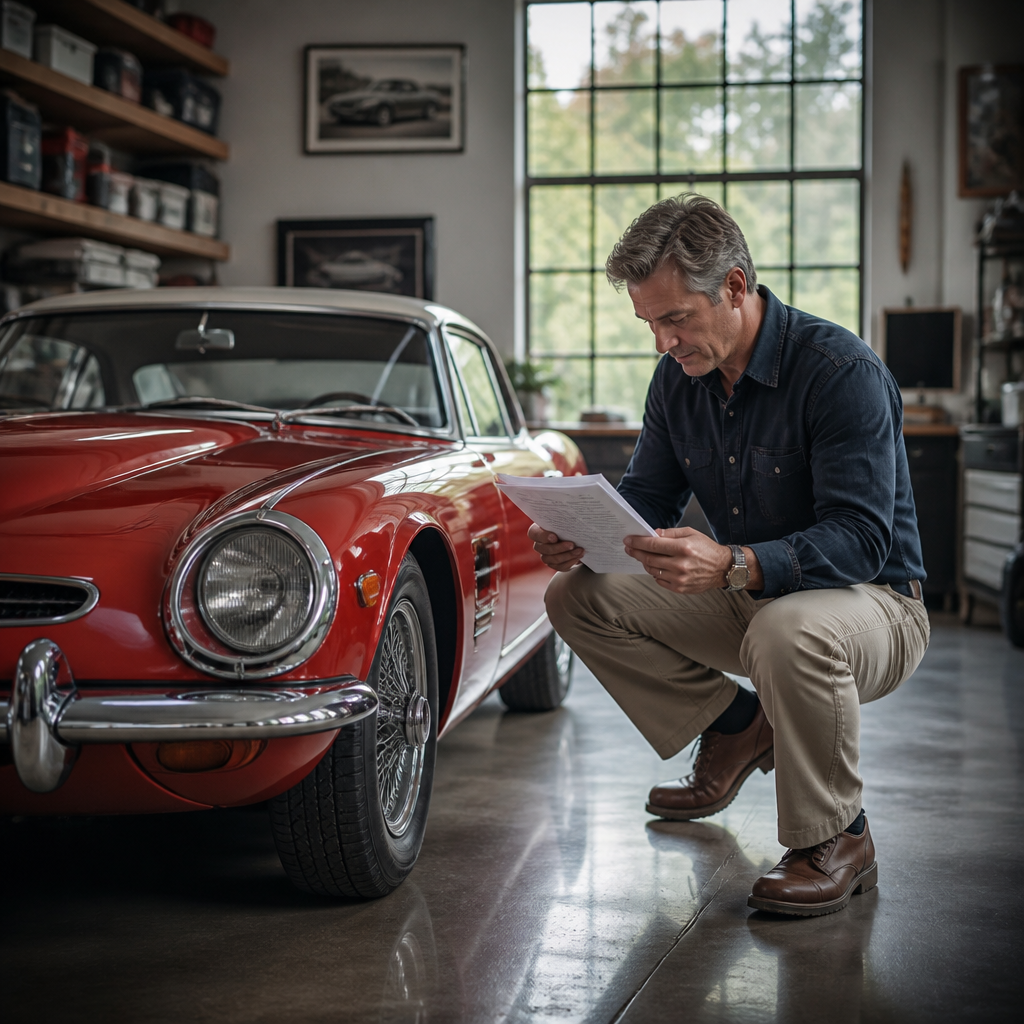
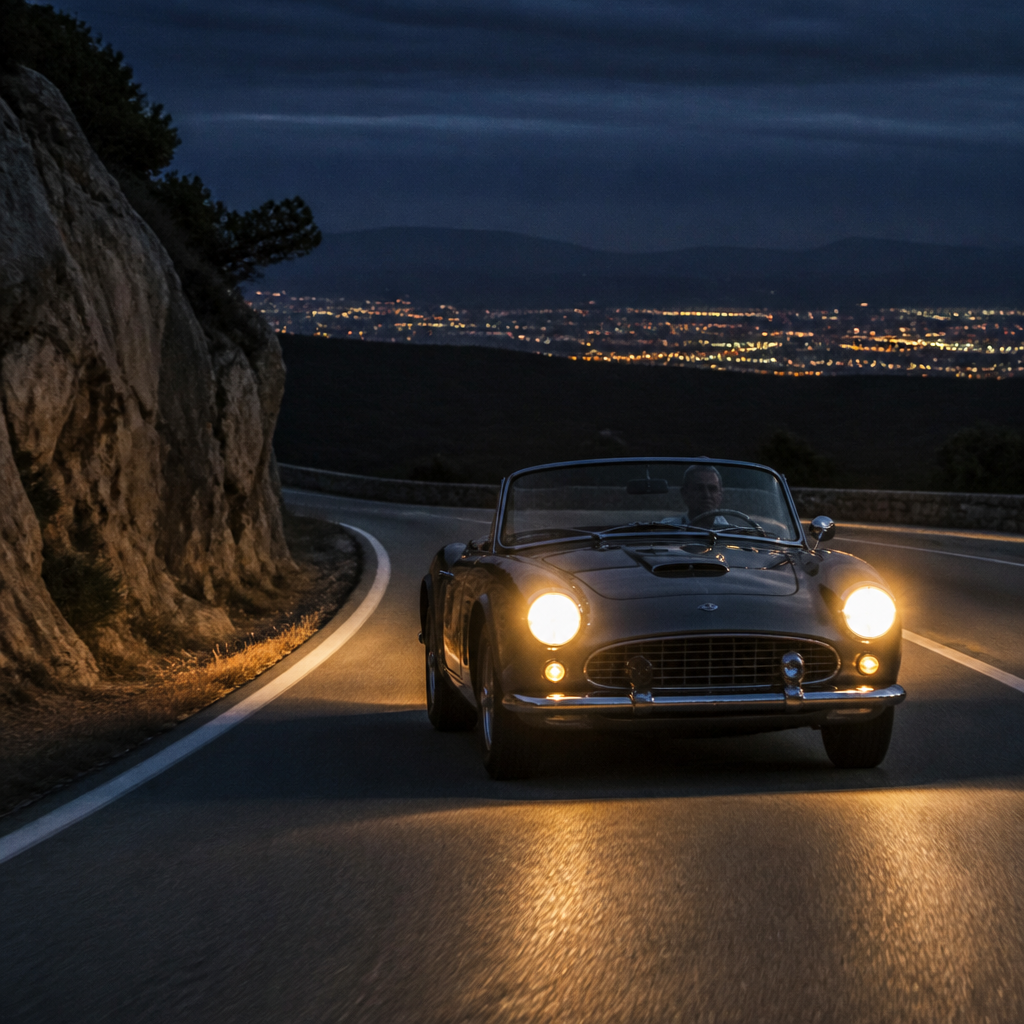
Night driving in a classic car asks more of the driver than the same trip in a modern vehicle, because older lighting, braking, visibility, and electrical systems were designed for different roads, lower speeds, and lighter traffic. Classic cars reward involvement, but after dark that involvement must become deliberate. If you own, maintain, or regularly drive a vintage coupe, sedan, roadster, truck, or muscle car, you need a practical system for seeing farther, being seen sooner, and preserving reliability for the whole trip.
In this guide, Night Driving Tips for Classic Cars are treated as a complete driving and safety framework, not a short checklist. That matters because the risks stack together. A dim sealed-beam headlight alone may be manageable. Add weak wiper performance, old door seals that fog the glass, marginal charging output at idle, bias-ply tire wander, and a dashboard with limited illumination, and the same drive becomes tiring and potentially unsafe. I have prepared many classics for evening tours and late-return events, and the cars that feel calm at night are never the ones with the biggest engines. They are the ones with the best fundamentals.
For this article, a classic car means an older vehicle built with period-correct or near-period-correct systems, including incandescent lighting, simpler alternators or generators, manual steering, drum brakes, vent windows, and less effective factory mirrors. Night driving means any use from dusk through full darkness, including urban traffic, rural roads, highways, and wet-weather conditions. The goal is simple: reduce workload, increase visibility, and create enough margin that the car remains enjoyable. As the hub for Driving & Safety Tips within Classic Car Ownership, this page connects the main ideas owners should master before diving into specialized topics such as lighting upgrades, brake setup, wet-weather storage, roadside kits, and defensive driving habits.
The most important point is that night safety in a classic car starts long before the key turns. Preparation matters more in old vehicles because they give less warning and offer fewer electronic backups. Modern cars can mask weak batteries, poor beams, or fading brakes through brighter lighting, stability control, and stronger HVAC systems. A classic car cannot. That is not a flaw; it is a design reality. Once you accept that reality, the best night driving practices become clear and repeatable.
Start with visibility: headlights, lenses, glass, and your sightline
The first rule of safe night driving in a classic car is to maximize every source of usable light. On many vintage vehicles, the original sealed-beam lamps or early halogen units produce less output than owners remember. Age makes the problem worse. Reflectors tarnish, connectors corrode, grounds weaken, and voltage drop steals brightness before current ever reaches the bulb. In workshop testing, even a modest drop from battery voltage at the lamp can noticeably reduce light output and beam reach. That is why owners often describe old headlights as yellow, short, or soft.
Begin with alignment, because badly aimed good lights are still bad lights. Headlamps that point too low shorten reaction time. Lights that point too high create glare for others and can make the road ahead appear flatter than it is. Follow period service manual procedures or use a professional aiming machine. Then inspect the entire circuit: battery condition, alternator or generator output, bulb sockets, grounds at the radiator support or buckets, and the headlight switch itself. On some American classics, the headlight switch and dimmer switch carry significant current and can build resistance over time. Relays are one of the most useful low-visibility upgrades because they reduce voltage loss while preserving the switchgear’s role in control.
Glass clarity matters as much as bulb output. Clean the windshield inside and out before every night drive. The inside surface often causes more glare than owners realize because it holds a film of vinyl outgassing, tobacco residue, dust, and skin oils. Oncoming headlights hit that haze and turn a manageable road into a bright smear. Inspect for wiper arc scratching, pitting, and delamination at the windshield edges, all of which scatter light. If your car has vent windows or quarter glass, clean them too; side glare affects mirror use and lane awareness.
Drivers also need to be honest about their own sightline. If the seat foam has collapsed or the wheel angle forces you to sit too low, you lose effective visibility over the hood and through the mirrors. I have seen owners chase bulb upgrades when the bigger problem was driving posture. Rebuilt seat cushions, correct seat tracks, and mirror adjustment often improve nighttime confidence immediately.
Build mechanical margin before dark
Reliable night driving depends on systems that many owners associate more with daytime touring: brakes, tires, steering, charging, cooling, and weather sealing. Darkness compresses your decision window, so any weakness in those systems becomes harder to manage. Brakes are the obvious example. Manual drum brakes in proper adjustment can work well, but they require anticipation and consistency. If the car pulls, fades, or needs pumping, solve that before planning evening use. Brake shoe adjustment, fluid condition, hose age, wheel cylinder integrity, and drum condition all matter. If your car has front discs, confirm pad thickness, rotor condition, and rear brake balance rather than assuming the conversion solved everything.
Tires deserve the same attention. Old tread can look acceptable and still be unsafe at night because rubber hardens with age, reducing grip exactly when temperatures fall and roads collect dew. Check date codes, pressures, sidewall cracking, and tread depth. Bias-ply tires track differently from radials and can follow grooves or crown more noticeably, especially on poorly lit roads. There is nothing inherently wrong with running correct-style tires on a show-quality car, but the driver must understand the handling tradeoff and adjust speed and spacing accordingly.
The charging system becomes critical after sunset because lights, wipers, heater fan, and turn signals all raise electrical load. A generator-equipped car that seems fine in daylight parade traffic may struggle to maintain battery charge at idle with lamps on. Test output with accessories operating, not just at a fast idle in ideal conditions. Weak charging creates a chain reaction: dim lights, slower wipers, weak ignition, and difficult hot restarts during fuel or coffee stops. If the car regularly sees night use, verify belt tension, regulator operation, battery health, and all primary grounds.
Do not ignore weather sealing and cabin air management. Defroster performance in many classics is modest even when everything works. Hardened windshield seals, missing cowl gaskets, leaking heater valves, or disconnected ducts can turn a cool night into a fogging problem within minutes. Replace wiper blades even if they look serviceable. Night rain magnifies every defect in glass, wipe pattern, and blower performance.
Use a pre-drive inspection that fits classic cars
A disciplined pre-drive routine prevents most avoidable problems. I use the same sequence before evening events because consistency catches faults early. Walk around the car with the lights on. Confirm low beam, high beam, tail lamps, brake lamps, front and rear turn signals, license-plate lamp, and instrument lighting. Check that the brake lights do not dim excessively when the turn signals flash, which can hint at poor grounding. Look for fuel smells near carburetor bowls or flexible hoses, because a minor seep is far more dangerous when visibility is reduced.
Then check the items that are easy to skip when you are eager to leave: windshield washer operation, wiper speed, horn, tire pressure, coolant level, oil level, and mirror cleanliness. Pack a small but serious kit. At minimum, carry a flashlight or headlamp, reflective triangle, basic hand tools, spare fuses, electrical tape, a charged phone, gloves, and any model-specific spares your car commonly needs, such as points, condenser, fan belt, or fuel filter. Older cars are not unreliable by definition, but they are less forgiving when one small part fails on a dark shoulder.
| Checkpoint | What to verify | Why it matters at night |
|---|---|---|
| Headlights and aim | Low/high beam function, equal brightness, correct alignment | Maximizes sight distance and reduces glare complaints |
| Brake and signal lamps | All bulbs work, lenses clean, grounds solid | Helps faster drivers recognize your intentions early |
| Windshield and wipers | Inside glass clean, blades fresh, washer sprays properly | Prevents glare and keeps rain visibility usable |
| Battery and charging | Healthy battery, correct output, tight terminals | Avoids dim lights and weak restarts with accessories on |
| Tires and brakes | Proper pressure, sound rubber, predictable stopping | Preserves control when reaction time is shorter |
| Emergency kit | Light, tools, reflective warning gear, key spares | Reduces roadside risk if a minor fault occurs |
This kind of inspection becomes even more valuable if your classic car is used occasionally rather than weekly. Cars that sit develop subtle problems: drained batteries, varnished fuel, flattened spots in tires, sticky wheel cylinders, and oxidized contacts. Ten minutes in the driveway is cheaper than diagnosing them on an unlit road.
Drive differently after dark: spacing, speed, scanning, and communication
Driving a classic car safely at night is not just about vehicle condition; it also requires a different technique. Increase following distance beyond what feels normal in daylight. Older brakes, narrower tires, and lower headlight output all justify a larger gap. If you need a number, use at least four seconds in dry conditions and more on rural roads or in rain. That space lets you brake progressively instead of abruptly, which is easier on drum brakes and gives drivers behind you more warning.
Control speed based on what you can actually see, not on the posted limit alone. On a dark two-lane road, your safe speed is governed by beam distance, animal activity, road surface quality, and your car’s stopping ability. Overdriving the headlights is one of the classic nighttime errors. If you cannot stop within the illuminated area ahead, you are moving too fast for conditions, regardless of engine confidence or traffic pressure.
Scan broadly rather than staring into the brightest point ahead. Use a repeating pattern: far road, near road, mirrors, instruments, shoulders, then back ahead. This helps you catch pedestrians, stalled vehicles, wildlife, and changing traffic flow. Oncoming glare is a special challenge in classics because interior reflections can be stronger and mirror dimming may be absent or primitive. Shift your eyes slightly toward the right edge line when a bright vehicle approaches, but keep peripheral attention on lane position.
Communication is another overlooked safety tool. Signal earlier than you would in a modern car, because the brake lamps and indicators on many classics are smaller and dimmer. Tap the brakes lightly before a full slowdown if traffic is close behind. Use hand signals only if your lighting has failed and only when they can be seen clearly; otherwise prioritize getting off the road. Make lane changes gradual and obvious. The central principle is simple: give other road users extra time to understand a car that may not accelerate, stop, or illuminate like their own.
Manage common night hazards unique to older vehicles
Some hazards affect all drivers, but classic cars magnify them. Fogging is one. Many older heater boxes deliver limited airflow to the screen, and fresh-air controls may be confusing or partially inoperative. Learn your car’s vent and heat settings before you need them in traffic. Sometimes cracking a vent window or quarter glass improves defogging faster than moving heater levers randomly. Keep a clean microfiber cloth in the cabin for emergencies, but treat it as a backup, not the plan.
Another issue is fuel system behavior. Carbureted cars can stumble after hot stops, especially with modern fuel blends that vaporize more readily than period gasoline. At night, a rough restart in an unfamiliar area feels more stressful and can encourage risky roadside troubleshooting. Heat shields, proper fuel routing, carburetor spacer selection, and sound ignition tune reduce this problem substantially.
Rural driving introduces wildlife risk, especially for low-light classics on narrow roads. Deer are the obvious concern, but livestock, raccoons, and loose dogs can be just as dangerous because older cars often lack the tire grip and ABS needed for emergency maneuvers. If one animal crosses, expect another. Slow early and hold a straight line whenever possible. Swerving a short-wheelbase classic with manual steering and vintage tires can create a worse outcome than controlled braking.
Finally, be realistic about trip planning. Choose familiar routes when possible, avoid peak bar-closing traffic, and know where fuel is available late. A well-planned route reduces stress and lowers the chance of stopping in poor lighting with a car that attracts attention. For many owners, the best safety improvement is simply deciding that a sixty-mile rural run is wiser than a congested urban shortcut full of distracted drivers and hard-to-read lane markings.
Upgrade carefully without losing the character of the car
The best classic car safety upgrades for night driving respect the vehicle while addressing genuine risk. Headlight relays, quality H4 conversions where legal, halogen sealed-beam replacements, brighter tail lamps, and improved ground paths deliver large benefits with little visual impact. In many cases, the biggest gain comes not from exotic parts but from restoring factory performance and reducing voltage drop. If you upgrade bulbs without addressing wiring, you may add heat without adding useful light.
Other worthwhile improvements include three-point seat belts where feasible, a third brake light integrated discreetly, radial tires for regularly driven cars, refreshed weatherstripping, and better mirror glass. Instrument lighting can often be improved with careful restoration, though avoid overly bright replacements that ruin night adaptation. Keep modifications balanced. Ultra-bright headlights on a car with weak tail lamps and vague brakes solve only one side of the problem.
Documentation matters too. Use wiring diagrams, retain removed parts, and choose reversible upgrades when originality is important. If the car is judged in concours settings, discuss acceptable changes with the event or marque community first. A classic car should still feel like a classic car. The point of smart upgrades is not to modernize everything, but to remove avoidable weaknesses that stand between the driver and a relaxed, safe evening drive.
Night driving in a classic car is safest when preparation, mechanical condition, and driving technique all support each other. Clear glass, properly aimed lights, healthy brakes, sound tires, strong charging output, and a tested pre-drive routine create the foundation. From there, success comes from disciplined habits: more following distance, lower speed on limited sightlines, earlier signaling, active scanning, and route choices that match the car’s capabilities. None of these steps are complicated, but together they transform the experience.
That is the real benefit of applying Night Driving Tips for Classic Cars consistently. You preserve the charm of analog motoring while cutting the risks that darkness adds to older machinery. As the hub for Driving & Safety Tips within Classic Car Ownership, this guide gives you the core framework to build on across lighting, braking, maintenance, and emergency-preparedness topics. Use it before your next evening cruise: inspect the car, fix the weak link you already know about, and make your next night drive smoother, calmer, and safer.
Frequently Asked Questions
What makes night driving in a classic car more challenging than in a modern vehicle?
Night driving in a classic car is usually harder because the vehicle was engineered for a very different driving environment. Many vintage cars were built when roads were darker, traffic moved more slowly, and drivers faced fewer distractions from bright LED headlights, dense suburban lighting, and high-speed multi-lane highways. As a result, a classic car’s original headlamps, windshield design, mirrors, braking system, and charging system often deliver less margin for error after sunset than what modern drivers are used to.
Lighting is one of the biggest differences. Sealed-beam headlights on older cars can be dimmer and narrower in pattern than modern projector or LED systems, which means you may not see as far ahead or as clearly into curves. At the same time, your taillights, brake lights, and turn signals may be less noticeable to other drivers, especially in busy traffic. Visibility inside the cabin matters too. Older dashboards can have limited instrument illumination, and decades of wear in lenses, switches, wiring, and grounds can reduce performance even further.
Braking and handling also require more attention. Many classic cars have longer stopping distances, more body movement, less tire grip, and more steering play than a newer vehicle. Add reduced visibility at night, and the need for smooth, deliberate inputs becomes much more important. Even something as simple as a windshield with minor scratches or haze can create heavy glare from oncoming lights. In short, the challenge is not that classic cars are unsafe by default, but that they ask the driver to compensate actively for older technology, age-related wear, and tighter performance limits after dark.
How should I prepare my classic car before driving it at night?
The best approach is to treat night driving as something you prepare for, not something you simply do. Start with the entire lighting system. Make sure headlights are aimed correctly, because even good bulbs perform poorly if they are pointed too low, too high, or unevenly. Check high and low beams, front parking lamps, taillights, brake lights, turn signals, side markers if equipped, and license plate illumination. On a classic car, poor grounds, corroded sockets, tired switches, and aging connectors are common causes of dim or inconsistent lighting, so electrical health matters just as much as the bulbs themselves.
Next, inspect the windshield, windows, and mirrors carefully. Clean both the inside and outside glass, because interior film and haze can create surprising glare at night. If the windshield is badly pitted or scratched, especially in the driver’s line of sight, nighttime visibility can suffer dramatically even if it looks acceptable during the day. Make sure wipers work properly and that the washer system functions, since a dirty windshield on a dark road can quickly become a major safety problem.
You should also check tires, brakes, and steering before any nighttime trip. Proper tire pressure improves stability and helps the car track more predictably. Well-adjusted brakes and fresh brake fluid can make a meaningful difference in confidence after dark. Verify that the battery is healthy and the charging system is keeping up, because older generators or alternators can be stressed by lights, heater blowers, and accessories operating together. Finally, bring practical backup items: a flashlight, reflective triangles, basic tools, spare fuses, and a charged phone. A classic car that is only marginally ready in daylight becomes much less forgiving at night.
What upgrades can improve nighttime safety in a classic car without ruining its character?
There are several tasteful upgrades that can improve safety while preserving the car’s original spirit. One of the smartest is improving the lighting system while keeping a period-correct appearance. High-quality halogen sealed beams or discreetly upgraded housings can provide better light output and a cleaner beam pattern than tired originals. Just as important, adding relays for the headlights can reduce voltage drop through old switches and wiring, allowing the bulbs to perform closer to their rated output. In many classics, that electrical improvement alone can make the lights noticeably brighter without changing the look of the car.
Brake and signal visibility are also worth addressing. If your local regulations allow it, brighter bulbs or carefully chosen LED conversions for taillights and brake lights can help other drivers see you sooner. The key is to use components designed for the car’s electrical system and lens design, since poor-quality conversions can create reliability issues or an unfocused light pattern. Some owners also add a discreet third brake light for extra protection in modern traffic. This is especially helpful in cars with small rear lamps or low rooflines.
Beyond lighting, consider upgrades that improve control and reliability. Better tires, refreshed suspension bushings, correctly adjusted brakes, and a well-maintained charging system all pay dividends at night. If your car still has very weak instrument lighting, modest improvements there can help you monitor speed and engine condition without distraction. The goal is not to turn a classic into a modern car. It is to remove avoidable weaknesses so you can enjoy the original driving experience with a larger safety margin after dark.
What driving techniques help most when operating a classic car at night?
The most effective technique is to slow the entire pace of your decision-making. In a classic car, smoothness and anticipation matter more than aggressive reactions. Leave more following distance than you think you need, because older brakes, bias-ply or vintage-style tires, and less precise steering all reduce your options if something changes suddenly. Drive at a speed that matches what you can actually see with your headlights, not what feels normal in a modern car. If the beam pattern only gives you a limited view ahead, that should directly influence how fast you travel.
Scan farther down the road and wider across the scene. Look for reflections from signs, movement at intersections, wildlife near the shoulder, and the taillights of vehicles far ahead. Because classic headlights may not illuminate the road edges as well as modern systems, curves and obstacles can appear later than expected. It helps to use high beams whenever conditions permit, then dip them early for oncoming traffic. Avoid staring into bright headlights, and instead shift your gaze slightly toward the right edge of your lane to preserve night vision while maintaining lane position.
It is also wise to reduce in-car distractions. Keep the cabin organized, know where key controls are by touch, and avoid fiddling with vents, radios, or loose items while driving. On long nighttime trips, fatigue is a serious factor, especially in louder or less insulated older cars that demand more concentration. If you feel your attention narrowing, stop and rest. Night driving in a classic car is safest when it feels calm, unrushed, and intentional. The more proactively you manage speed, spacing, visibility, and attention, the more enjoyable and secure the drive becomes.
How can I make sure other drivers see my classic car at night?
Being seen is just as important as seeing well. Start by making certain every exterior light is functioning at full brightness and that the lenses are clean. Cloudy, faded, or dirty lenses can significantly reduce output, especially on older cars with already modest lighting. Brake lights should activate instantly and evenly, and turn signals should be bright enough to stand out in modern traffic. If your car sits low, has small rear lamps, or blends into dark pavement, visibility to following drivers can be weaker than you realize, particularly in bad weather or on brightly lit urban roads.
Your positioning on the road also affects conspicuity. Avoid lingering in blind spots, signal earlier than you would in a modern car, and make lane changes gradually and clearly. At intersections, do not assume another driver has noticed you just because your headlights are on. Many classic cars have less prominent front lighting signatures than newer vehicles, so a cautious pause and clear lane positioning can prevent conflicts. If you are driving on rural roads, remember that your car may be harder to identify quickly by oncoming drivers who are used to the brightness and height of modern SUVs and trucks.
Simple habits make a real difference. Use headlights before full darkness, not after. Keep a safe buffer around the car whenever possible so others have more time to react. If you need to pull over, choose a well-lit area and use hazard flashers if equipped. Reflective emergency gear is worth carrying in every classic. Ultimately, nighttime visibility is about layering advantages: bright and reliable lights, clean lenses, predictable signaling, smart road position, and defensive awareness. In a classic car, those small choices add up quickly and can make you much easier for others to recognize and avoid.