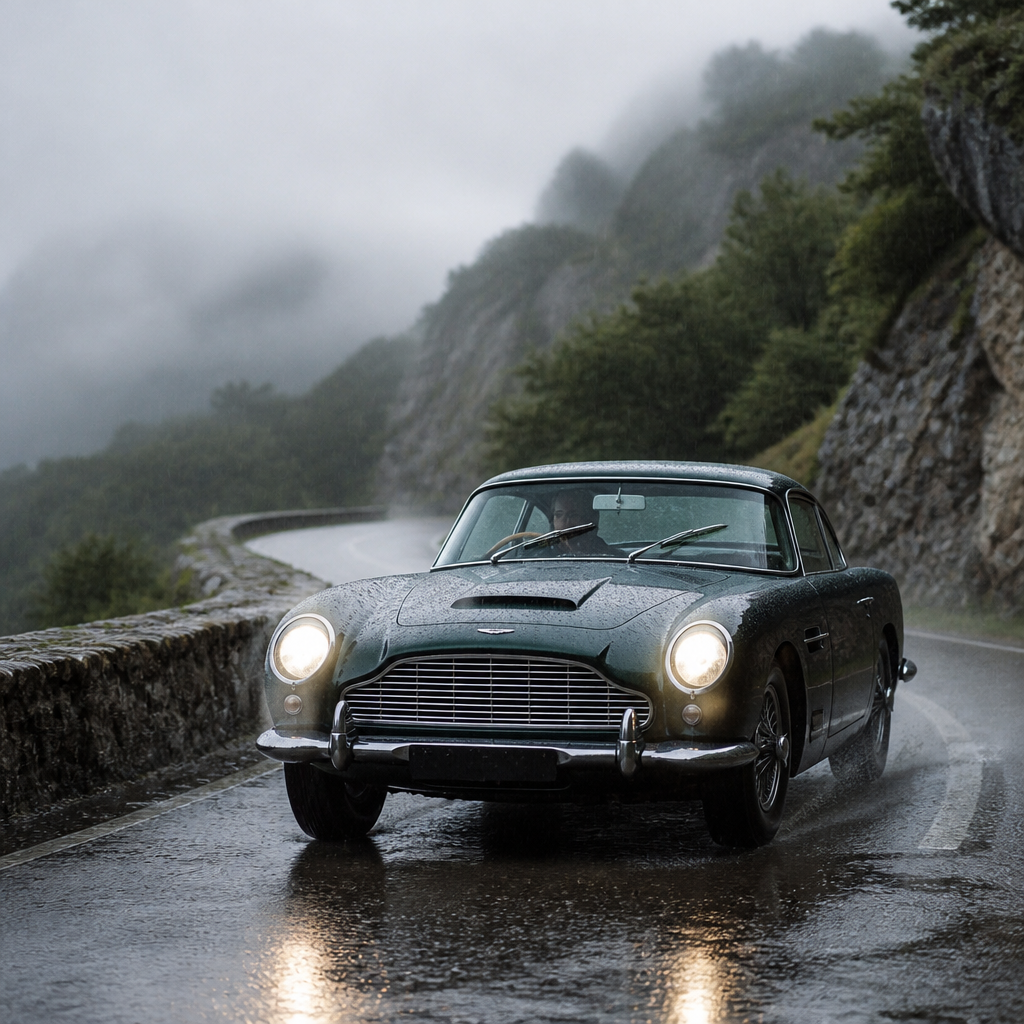
Driving a classic car in rain and bad weather demands a different mindset than driving a modern vehicle. Older cars were engineered in an era before anti-lock brakes, stability control, sophisticated tire compounds, and powerful defroster systems became standard. That difference matters the moment the road turns slick, visibility drops, or crosswinds start pushing a lightweight coupe across its lane. If you own a vintage sedan, muscle car, roadster, or pickup, learning wet-weather technique is not optional; it is central to protecting the car, its occupants, and everyone around it.
In practical terms, bad-weather driving includes rain, standing water, fog, cold damp conditions, and storms that reduce traction or visibility. For classic car owners, the risks are amplified by longer braking distances, vague steering boxes, drum brakes, worn weather seals, less effective windshield wipers, and electrical systems that can be more vulnerable to moisture. I have driven carbureted classics through sudden summer downpours, coastal mist, and long highway rain, and the pattern is always the same: the drivers who stay safe are the ones who prepare the car before they prepare their route.
This guide serves as a hub for classic car driving and safety tips by focusing on the core question owners ask most often: how do you drive a classic car in rain and bad weather without damaging it or losing control? The answer starts with understanding your machine. Tire age matters as much as tread depth. Brake balance matters more than advertised stopping power. Defroster output, windshield treatment, headlight aim, and door seals all influence safety. The goal is not merely to “take it easy.” The goal is to build a repeatable process for deciding when to drive, how to prepare, how to adjust your technique, and when to pull over.
Done properly, bad-weather classic car driving is manageable. It requires realistic limits, careful maintenance, and smooth inputs. The sections below cover pre-drive inspection, visibility, traction management, rain technique, emergency responses, and storage decisions so this article can anchor the broader Driving & Safety Tips section of classic car ownership.
Prepare the car before the forecast tests it
The safest rainy-day classic car is the one inspected before clouds arrive. Start with tires, because they determine more wet-weather performance than any other component. Many classic cars wear tires that look good cosmetically yet are six to ten years old. Rubber hardens with age, reducing wet grip even when tread appears acceptable. Check the DOT date code, sidewall condition, pressure, and tread depth across the full contact patch. For rain driving, uneven wear is a warning sign of poor alignment or suspension issues that can trigger wandering or hydroplaning.
Brakes come next. If your car uses drums on all four corners, assume stopping distances will be significantly longer in wet conditions, especially before the shoes clear surface water. If it has front discs and rear drums, confirm the system is balanced and the rear wheels do not lock prematurely. Inspect flexible hoses, wheel cylinders, calipers, fluid condition, and pedal feel. A soft pedal on a dry day becomes dangerous in traffic when roads are slick. Brake fluid should be fresh enough to resist moisture contamination, which lowers boiling resistance and promotes corrosion.
Electrical reliability is another classic-car priority. Rain exposes weak ignition components quickly. Inspect distributor cap condition, plug wires, coil connections, battery terminals, and charging output. A lightly cracked cap or tired wires may run fine in dry weather but misfire under humidity and spray. Also test every exterior light. In heavy rain, being seen matters as much as seeing. Weak tail lamps on a dark-colored classic can disappear behind road spray.
Finally, confirm wipers, washers, heater, and defroster operation. Vacuum wipers, common on older models, may slow under acceleration or climbing loads, which can become a major visibility problem. If your car has them, know their limits and avoid high-speed rain travel. Replace brittle blades, clear washer nozzles, and verify warm air actually reaches the windshield. A classic with a beautiful paint finish but no effective defogging system is not road-ready in bad weather.
Visibility is the first safety system
In rain and bad weather, visibility failures usually happen before traction failures. The windshield fogs, the wipers streak, headlights reflect off wet pavement, and side glass mists over at intersections. On a classic car, these issues can escalate quickly because cabin sealing and ventilation are often primitive by modern standards. The fix is to manage both glass condition and interior airflow.
Clean every window thoroughly inside and out. Film buildup causes glare and makes oncoming lights bloom across the windshield. Apply a dedicated water-repellent treatment to the exterior windshield if compatible with your wiper setup. This can improve beading at speed, though some owners notice chatter with certain blade materials, so test it first. Keep microfiber towels in the cabin for side windows and carry spare fuses for blower motors or accessory fans.
Headlights should be properly aimed and bright enough to cut through rain without blinding other drivers. Many classics still run sealed beams that have dimmed over time. High-quality halogen replacements, where legal and electrically appropriate, can improve forward visibility substantially without altering the car’s character. Equally important are demisting habits: use the heater early, crack a window slightly if cabin humidity rises, and avoid bringing dripping floor mats or soaked jackets into a tightly sealed interior.
Bad-weather classic car driving also requires extra space because your sightlines are often worse than those in surrounding traffic. Modern SUVs sit higher, shed water better, and stop harder. Assume the drivers around you can brake more aggressively than you can and may not notice your smaller lamps or slower reaction margin. Leave a larger gap than feels necessary. In classic-car rain driving, margin is not wasted road; it is your primary defense.
Adjust your driving technique for older mechanical limits
How you operate the controls matters more in a classic than in a modern car with electronic safety aids. Every input should be deliberate and progressive. Accelerate gently to avoid breaking rear traction, especially in torquey V8 cars with light rear ends. Brake earlier and with smoother pedal pressure. Turn the wheel with measured motions rather than sudden corrections that can unsettle soft suspensions and narrow tires.
Most classic cars communicate traction loss differently. Steering may go light before the front pushes wide, or the rear may step out gradually instead of snapping as some modern performance cars do. Learn those signals in safe, low-risk conditions, never in traffic. An empty wet parking lot can reveal how your car responds to mild braking, gentle slalom inputs, and low-speed skid recovery, provided it is legal and done responsibly. That familiarity pays off when weather deteriorates unexpectedly on the road.
Manual transmissions can help in bad weather, but only if used smoothly. Downshifting too aggressively can upset the driven wheels, especially on wet downhill grades. Match revs where possible and favor a higher gear when traction is limited. Carbureted engines also deserve attention. Abrupt throttle openings on a damp intake setup can create hesitation just when you need clean, predictable response. Keep engine tune sharp so the car behaves consistently in transitional conditions.
| Condition | Classic Car Risk | Best Driver Response |
|---|---|---|
| Standing water | Hydroplaning, wet brakes, splash into ignition | Reduce speed early, drive straight, avoid sudden braking |
| Heavy rain at night | Poor lane visibility, glare, weak lighting | Increase following distance, lower speed, use well-lit routes |
| Cold damp roads | Low grip before tires warm slightly | Use gentle throttle and brake inputs for the first miles |
| Fogged cabin glass | Severely restricted visibility at junctions | Run defroster immediately, crack windows, stop if needed |
| Crosswinds in storms | Lane drift in light, tall, or softly sprung cars | Hold wheel firmly, slow down, avoid exposed highways if severe |
Manage rain, standing water, and hydroplaning risks
Hydroplaning happens when tires ride on a film of water instead of cutting through it to the pavement. Classic cars are not immune; in some cases they are more vulnerable because of older tread designs, narrow contact patches with aged rubber, and suspension geometry that does not stabilize the chassis under sudden water displacement. The safest response is prevention. Slow down before reaching visible water, especially on highways where grooves and ruts collect runoff.
If the car begins to hydroplane, do not stab the brakes or crank in large steering inputs. Ease off the throttle, keep the wheel pointed where you want to go, and wait for the tires to reconnect with the road. Cars without anti-lock braking systems demand restraint here. Locked wheels on standing water remove what little directional control you have left.
Watch large vehicles carefully. Trucks can throw enough spray to blind you temporarily, while also masking deep puddles and lane markings. If you cannot see through the spray, back off. Driving close to a truck in heavy rain is a common mistake because drivers assume the larger vehicle is “cutting a path.” In reality, it often leaves you with less reaction time and worse visibility. Also remember that old weather stripping and floor pans may not keep water out effectively; pooled cabin water can interfere with pedals, carpeting, and wiring on some models.
Flooded roads are a separate issue. Do not drive a classic through standing water of unknown depth. Water ingestion can destroy an engine, and even shallow flooding can soak carpets, jute padding, connectors, and hidden cavities that then rust from the inside out. For collector cars, avoiding water intrusion is not cosmetic caution; it is preservation.
Know the mechanical weak points unique to classics
Classic cars fail in bad weather for predictable reasons. Ignition systems dislike moisture. Drum brakes can pull when wet. Vent window seals leak onto door cards and switches. Heater control valves stick. Old cowl drains clog with leaves and send water into footwells. These are not rare quirks; they are ownership realities. A reliable rain-driving classic is usually owned by someone who has already addressed them.
Start with the cooling and ventilation path. If the heater core leaks even slightly, windshield fogging can become constant in damp weather, accompanied by a sweet coolant smell and greasy film on the glass. Cowl drains should be cleaned seasonally, especially on cars parked outdoors. I have seen otherwise solid classics sidelined because rainwater entered through blocked drains and soaked fuse panels or kick-panel wiring.
Door and trunk seals deserve the same attention. Water entering the trunk can affect spare tire wells, jack storage, and rear body seams. In wagons, hatchbacks, and convertibles, leaks around tailgates and tops can be even more destructive. Convertibles require special caution in storms because top seals, rear window clarity, and drainage channels vary enormously with age and restoration quality. If your top is older, test it with a hose before trusting it on the road.
Suspension condition also changes wet-weather stability. Worn shocks, tired bushings, sloppy steering couplers, and excessive play at the wheel make lane-keeping harder when roads are crowned or pooled. A classic that feels “normal” on dry back roads can become tiring and unpredictable in a downpour. Good rain behavior starts with tight fundamentals, not heroic driving skill.
Build a bad-weather plan and know when not to drive
The smartest classic car safety tip is knowing when to leave the car parked. Not every storm is worth challenging, and not every route suits an older vehicle. Before any trip, check radar, route options, daylight timing, and road types. Interstates with standing water, fast closing speeds, and heavy truck spray are often worse than slower secondary roads, even if the latter take longer. If your classic has marginal wipers, weak heat, old bias-ply tires, or unresolved brake issues, the decision should be simple: wait for better conditions.
Carry a compact weather kit tailored to older cars. Include a flashlight, reflective vest, nitrile gloves, basic tools, towels, spare ignition parts if appropriate, fused phone charger, and a battery jump pack. Add paper towels for condensation, and keep emergency contact information for a tow service that understands collector vehicles. Flatbed towing is usually the right choice for low cars, fragile drivetrains, or vehicles with unknown roadside recovery points.
If conditions deteriorate beyond your comfort level, pull off safely and reassess. There is no penalty for stopping early. In fact, disciplined decision-making is what separates experienced classic owners from optimistic ones. Preserve the car, protect yourself, and choose the next drive on your terms.
Driving a classic car in rain and bad weather is entirely possible when preparation, maintenance, and technique work together. The essentials are clear: inspect tires, brakes, wipers, lights, seals, and ignition components before you need them; protect visibility with clean glass and working defrosters; use smooth steering, braking, and throttle inputs; and treat standing water and night rain with extra caution. Classic cars can be wonderfully usable machines, but they are honest machines. They reveal neglect quickly and reward preparation just as clearly.
As the hub for Driving & Safety Tips within classic car ownership, this topic connects to every other practical decision you make, from tire selection and brake upgrades to seasonal maintenance and route planning. Safer bad-weather driving does not require turning a vintage car into something modern. It requires understanding its limits and operating within them consistently. Review your car now, fix the weak points before the next storm, and build wet-weather habits that let you enjoy your classic with confidence.
Frequently Asked Questions
1. Is it safe to drive a classic car in heavy rain, or should I avoid it altogether?
It can be safe to drive a classic car in rain, but only if the car is mechanically sound and you adjust your driving style to match the conditions. Unlike modern vehicles, classic cars typically lack anti-lock brakes, traction control, electronic stability systems, and advanced wiper, lighting, and defrost technology. That means the driver must make up the difference with preparation, patience, and smoother inputs. If your classic has worn tires, weak brakes, old weather seals, poor windshield wipers, or electrical issues, rain can turn a manageable drive into a risky one very quickly.
Before heading out, check the basics carefully: tire tread depth and age, brake response, wiper blade condition, exterior lights, heater and defroster operation, and all fluid levels. Inspect door seals and window seals too, since leaks can fog glass and distract you. If the forecast calls for torrential rain, standing water, high winds, or near-freezing temperatures, it is usually smarter to postpone the trip. Classic cars are often lighter, less planted, and more vulnerable to hydroplaning, crosswinds, and poor visibility than modern daily drivers.
So the best rule is simple: light to moderate rain can be manageable in a well-maintained classic, but severe weather is usually not worth the gamble. A classic car should never be forced into conditions it was not designed to handle. When in doubt, wait it out.
2. What driving techniques help keep a classic car under control on wet roads?
The biggest adjustment is to drive more smoothly and more slowly than you would in a modern car. Wet pavement reduces traction, and classic cars often communicate less forgiveness when that traction disappears. Smooth steering, gentle throttle application, and longer stopping distances are essential. Sudden movements can upset the chassis, especially in rear-wheel-drive classics with older suspension designs, narrow tires, or a short wheelbase.
Increase your following distance significantly, ideally well beyond what you would normally allow in dry conditions. Brake earlier and more progressively, because many classics have drum brakes, unassisted brakes, or brake systems that are simply less effective in the wet. If your car does not have ABS, hard braking can lock the wheels and send the car sliding. That means you should squeeze the brakes with steady pressure rather than stomping on the pedal at the last second.
Cornering also requires more discipline. Slow down before the turn, not during it. Enter corners at a conservative speed, maintain balance through the middle of the turn, and accelerate gently only when the car is pointed straight enough to accept power. If the rear tires break loose, overcorrecting can make the slide worse. Stay calm, reduce throttle smoothly, and steer carefully in the direction you want the car to go. In wet weather, classic-car control is less about aggressive reactions and more about preventing the loss of grip in the first place.
3. How can I improve visibility in a classic car during rain and bad weather?
Visibility is often one of the biggest challenges in a classic car because older defrosters, heaters, windshield washer systems, and wipers are rarely as effective as modern equipment. Start with the windshield itself. Clean it thoroughly inside and out, because even a thin film on the glass can create glare and smearing at night or in rain. Replace old wiper blades regularly, and make sure the washer system actually sprays correctly and has enough fluid. If your wiper motor is weak or inconsistent, repair it before driving in poor weather.
Interior fogging is another common problem. Test your heater and defroster before the season changes, not during the first storm. Make sure air is reaching the windshield properly, and crack a side window slightly if needed to help reduce humidity inside the cabin. Wet carpets, leaking window seals, and damp upholstery can all contribute to persistent fogging, so addressing water leaks matters as much as mechanical maintenance.
Exterior lighting should be treated as a safety system, not a cosmetic detail. Confirm that your headlights, brake lights, tail lights, and turn signals are bright and working properly. Rain reduces contrast and makes it harder for other drivers to judge your position, especially if your classic has smaller or dimmer original lighting. If legal and appropriate for your vehicle, discreet upgrades such as better bulbs or improved electrical grounds can make a meaningful difference. In bad weather, seeing clearly is only half the job; being seen is just as important.
4. Why do classic cars feel more unstable in rain, and what causes hydroplaning?
Classic cars can feel less stable in rain because many of them were designed around older tire technology, simpler suspension geometry, lighter overall weight, and fewer built-in safeguards against skidding. Modern cars benefit from advanced tire compounds, wider contact patches tuned for all-weather grip, computer-managed braking and stability systems, and chassis engineering that masks mistakes. In a classic, the driver gets a more direct and less filtered experience, which can be rewarding in good weather but demanding when roads become slick.
Hydroplaning happens when the tires cannot move water out of the way fast enough, causing the tread to ride on top of a thin layer of water instead of contacting the pavement. When that happens, steering, braking, and acceleration all become far less effective. Worn tires make this much more likely, but speed is a major factor too. Even a well-maintained classic can hydroplane if driven too fast through standing water. Because older cars may have less predictable weight transfer and less refined suspension control, the sensation can be abrupt and unsettling.
If you begin to hydroplane, the key is not to panic. Ease off the accelerator, keep the steering wheel steady, and avoid slamming on the brakes. As the tires regain contact with the road, you will feel steering control return. The best defense is prevention: slow down well before puddles and low spots, avoid driving through standing water when possible, and make sure your tires are in excellent condition. In a classic car, tire quality and tread depth are not minor details; they are central to wet-weather safety.
5. What maintenance should I do before driving a vintage car in bad weather?
Preparation starts long before the first raindrop hits the windshield. Tires should be your first priority. Check tread depth, sidewall condition, inflation pressure, and tire age. A classic that is driven infrequently may still have old tires with plenty of tread but hardened rubber, which performs poorly in the wet. Next, inspect the brake system carefully. Confirm that the car stops straight, the pedal feels consistent, and there are no signs of fluid leaks, pulling, grabbing, or fade. If the car has drum brakes, remember they may be more sensitive to wet conditions and may require extra caution.
Electrical reliability is equally important. Rain exposes weak ignition components, poor grounds, cracked plug wires, failing alternators, and tired batteries. A classic that runs perfectly on a dry day may stumble or stall when moisture enters the equation. Check all exterior lights, horn function, and charging-system health. Make sure the wipers operate at proper speed and that the washer system works. Verify that the heater and defroster are functional, because driver visibility is a core safety issue.
Finally, inspect seals, drains, and underbody protection. Door seals, trunk seals, cowl drains, and window channels should all be in good order to keep water out of the cabin and away from vulnerable electrical areas. If the roads may be wet for extended periods, consider the corrosion risk as well. Classics are generally more susceptible to rust than modern vehicles, so cleaning and drying the car afterward matters. A smart bad-weather routine is not just about surviving the drive; it is about protecting the car for the long term while keeping the driver fully in control.