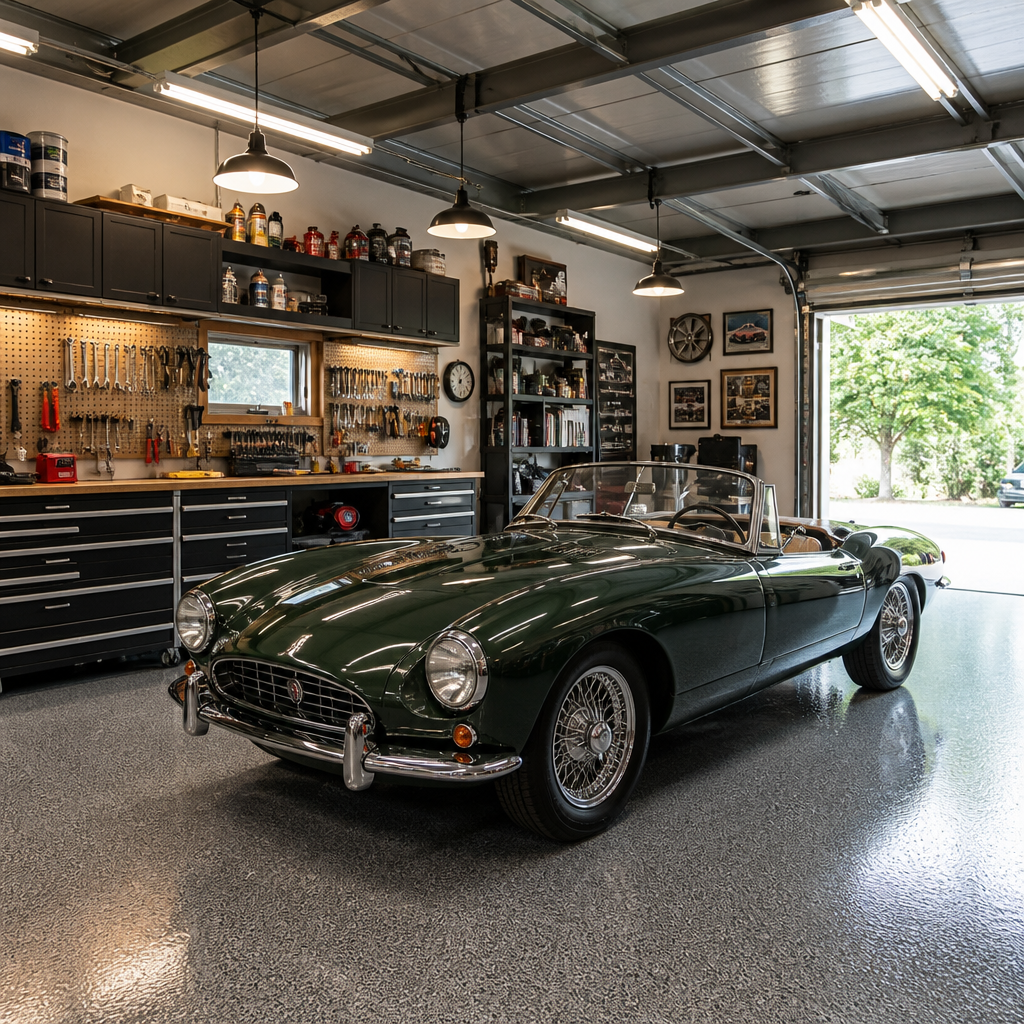
A classic car garage is more than a parking space; it is a controlled environment, workshop, display room, and social hub built to protect machines that often cannot be replaced. In the classic car world, “must-have features” means the practical systems and design choices that preserve originality, support maintenance, improve safety, and make time spent with the cars more enjoyable. A garage and man cave for vintage vehicles has to do several jobs at once: shield paint and trim from moisture, keep tools and parts organized, provide enough power and light for mechanical work, and create a setting where owners can study service manuals, host friends, and appreciate the history parked in front of them.
I have worked in garages that looked impressive on day one but failed after one wet season because they lacked drainage, ventilation, or reliable electrical service. I have also seen modest buildings outperform luxury spaces because they were designed around the actual needs of carbureted engines, aging seals, chrome trim, delicate interiors, and scarce replacement parts. That is why planning matters. A classic car garage should not be judged by square footage alone. The real test is whether the space supports storage, detailing, restoration, troubleshooting, and comfortable long-term ownership without creating new risks for the vehicles.
This hub article covers the essential garage and man cave ideas every classic car owner should understand before building, renovating, or upgrading a space. It explains environmental control, flooring, lighting, lifts, security, storage, workflow, lounge design, and utility planning in plain terms, with examples drawn from real enthusiast setups. Whether you own a single 1967 Mustang, a row of British roadsters, or a mix of muscle cars and air-cooled imports, the same principles apply: preserve the car, support the work, and make the garage a place you want to use regularly. Start with function, and the style follows naturally.
Climate control and building envelope
The first must-have feature is stable climate control supported by a proper building envelope. Classic cars are vulnerable to humidity swings, condensation, and temperature extremes in ways modern daily drivers often are not. Chrome pits, bare steel surface-rusts, old leather dries, wood trim moves, and electrical contacts corrode when a garage is damp. The target is not a tropical showroom. It is a steady environment with controlled humidity, limited air leakage, and insulation that prevents rapid temperature swings.
In most climates, the best baseline is insulated walls and ceiling, weather-sealed doors, and a dedicated dehumidification plan. A mini-split heat pump works well because it provides both heating and cooling without burning fuel inside the space. For many collectors, keeping relative humidity around 45 to 55 percent is the sweet spot. Below that, some organic materials can dry excessively; above that, corrosion risk rises. A standalone commercial-grade dehumidifier with a drain line is often more important than air conditioning alone. I recommend treating the floor slab too, because unsealed concrete continuously releases moisture.
Ventilation matters just as much. If you start and move cars inside, exhaust gases and fuel vapors have to clear quickly. A simple exhaust fan is helpful, but balanced ventilation with controlled intake is better because it prevents negative pressure from pulling dust and moisture through cracks. If the garage doubles as a lounge, choose quiet equipment. Owners often spend heavily on décor, then discover the room is too damp for posters, tools, and seat upholstery. Climate control is the feature that protects every other investment in the garage.
Flooring, drainage, and easy-clean surfaces
Garage flooring for classic cars should prioritize chemical resistance, traction, ease of cleaning, and long-term durability. Raw concrete stains easily, creates dust, and absorbs oil, brake fluid, and moisture. An epoxy or polyaspartic floor coating is a major upgrade because it seals the slab, brightens the room, and makes leaks visible immediately. Polyaspartic systems usually cure faster and resist UV yellowing better, while high-quality epoxy can be excellent when installed over a properly prepared slab. Surface preparation is non-negotiable; if the installer skips grinding or moisture testing, the coating may fail.
Drainage is another overlooked feature. Water from rain, washing, or snow-melt should move away from stored vehicles, not under them. A subtle floor slope toward trench drains near the overhead door can work well, but the design has to avoid creating trip hazards or low spots under lift posts. In working garages, I prefer washable lower wall finishes such as semi-gloss paint, PVC panels, or sealed masonry. They survive splashes, wipe down easily, and hold up better than unfinished drywall.
Choose finishes with maintenance in mind. Textured coatings improve slip resistance, yet too much texture traps dirt and makes creeper use frustrating. Black-and-white checkered tiles look great in a display-focused man cave, but interlocking tiles can allow spills to seep underneath if they are not installed with edge management and routine inspection. For owners who do their own mechanical work, a sealed, bright, smooth floor with defined drainage will deliver better day-to-day value than a purely decorative surface.
Lighting, electrical service, and power distribution
Most garage problems are easier to solve under the right light. A classic car garage needs layered lighting: bright general illumination, targeted task lighting, and display-friendly accent lighting. I aim for high-output LED fixtures with a color temperature around 4000K to 5000K for work zones because they show paint defects, fluid leaks, and wiring colors accurately. Place fixtures to reduce shadows along the sides of the vehicle, not just overhead in a single center row. Under-cabinet lighting above benches and movable LED inspection lamps make detailed jobs dramatically easier.
Electrical capacity should be planned early. A serious garage can outgrow a basic residential circuit layout quickly once you add a lift, compressor, welder, battery maintainers, HVAC, dehumidification, and entertainment equipment. A dedicated subpanel is often the smartest move because it keeps expansion simple and maintenance safer. Install more outlets than you think you need, including ceiling outlets for retractable cord reels and wall outlets spaced along every bay. Ground-fault and arc-fault protection must follow local code, especially near sinks or wash areas.
Classic car owners also benefit from clean power habits. Battery maintainers should be connected through organized, labeled outlets so cords do not become a tangle. If you use sensitive diagnostic tools, paint correction equipment, or a home office corner in the man cave, surge protection is worthwhile. Good lighting and abundant power do not merely make the garage comfortable. They directly improve workmanship, reduce mistakes, and make preventive maintenance more likely to happen on schedule.
Storage, lifts, and workshop layout
Storage defines whether a garage remains useful after the honeymoon phase. Classic car ownership generates tools, spare parts, fluids, literature, trim pieces, wheels, jacks, and cleaning supplies faster than most owners expect. The solution is not random shelving. It is zoning. Keep frequently used tools near the workbench, detailing supplies near wash and polishing areas, seasonal accessories in higher cabinets, and valuable small parts in labeled drawers with inventory notes. Metal cabinets with lockable doors keep dust off supplies and create a cleaner visual field than open shelves.
If ceiling height and slab thickness allow it, a vehicle lift is one of the highest-value upgrades. Four-post lifts are popular for storage because they are stable and owner-friendly, while two-post lifts provide better access for suspension, brake, and exhaust work. The choice depends on use case, ceiling clearance, and whether the concrete meets the manufacturer’s minimum requirements. Before buying, verify arm reach, lifting points, door clearance, and power needs. Many classic cars have unique underbody layouts, so lift pad adapters may be necessary.
A practical workshop layout follows the natural sequence of tasks: bring the car in, inspect it under strong light, access tools and compressed air, move to the bench for parts cleaning or documentation, and store removed components safely. A deep bench with a sturdy vise, parts trays, and manual storage is indispensable. I also recommend a rolling workstation because old cars often require the tools to come to the car, not the other way around.
| Feature | Best for | Main advantage | Key limitation |
|---|---|---|---|
| Four-post lift | Storage and light service | Simple drive-on use and added parking capacity | Takes more floor length and limits wheel-free access |
| Two-post lift | Mechanical work | Excellent underbody and wheel access | Needs correct slab specs and careful vehicle positioning |
| Wall cabinets | Clean parts and supplies | Dust control and secure organization | Higher cost than open shelving |
| Open shelving | Bulk items and quick access | Lower cost and flexible reconfiguration | Looks cluttered and gathers dust |
Security, fire safety, and risk reduction
Classic cars attract attention, and not all of it is welcome. Security starts with the structure itself: reinforced door hardware, quality locks, covered windows or privacy film, and exterior lighting that eliminates dark approach zones. Smart cameras with local recording and motion alerts are now standard, but they should complement physical barriers, not replace them. If the garage is detached, monitored alarm coverage is especially important because break-ins can go unnoticed longer than they would at the house.
Fire safety deserves equal priority. Older vehicles can leak fuel, vent vapors, and rely on aging electrical systems, so the garage should include clearly mounted ABC extinguishers, a fire blanket, smoke and heat detection suited to the space, and safe storage for flammables. Oily rags belong in a self-closing metal container, and gasoline should not be stored casually next to water heaters, compressors, or battery chargers. If welding or grinding happens in the garage, establish a hot-work area with spark-resistant surroundings and a post-work fire watch routine.
Risk reduction also means controlling small hazards before they become expensive problems. Wheel chocks, jack stands rated for the vehicle, drip pans, absorbent materials, and first-aid supplies should be immediately accessible. I have seen beautifully finished garages damaged by one unattended battery charger, one forgotten solvent rag, or one overloaded extension cord. The best classic car garage feels relaxed, but its safety systems are deliberate and visible.
Comfort, display, and the man cave experience
A garage and man cave hub is incomplete without the lifestyle component. Owners spend hours researching parts, watching race footage, planning road trips, and talking cars with friends, so the space should support that rhythm. Comfortable seating, a durable rug in the lounge zone, a refrigerator, and a small media setup can coexist with serious workshop capability if the layout separates clean and dirty activities. Keep upholstered furniture away from grinding dust, welding sparks, and direct door drafts.
Display choices should celebrate the cars without turning the garage into clutter. Framed period advertisements, marque signs, restored gas pumps, license plate collections, and shelves for trophies or model cars work best when grouped by era or theme. Good display lighting and consistent framing create a museum-like feel without overwhelming the vehicles themselves. If space allows, include a desk or reading corner for service manuals, build sheets, and ownership records. Documentation is part of classic car culture, and keeping it in the garage encourages better maintenance habits.
Sound control is worth planning too. Insulation, acoustic panels, and weather seals help tame echo, making conversation and music more pleasant. A mini-split system also helps here because it is quieter than many conventional setups. The best man cave garages are not gimmicky. They are comfortable, easy to maintain, and rooted in the identity of the cars they house. That balance makes the space useful on ordinary weekdays, not just during parties or photo-worthy moments.
Smart planning for future projects and long-term ownership
The most effective classic car garages are designed for the next ten years, not just the next season. Projects grow. Collections change. Tools accumulate. A space that only fits the current cars with inches to spare will feel obsolete quickly. Leave room for door swing, rolling jacks, engine hoists, parts carts, and a future lift, even if you are not installing one now. Conduit for additional circuits, backing for wall-mounted storage, and plumbing rough-ins for a sink or wash bay are inexpensive during construction and costly later.
Long-term planning also means choosing systems that simplify routine care. Install compressed air where you will actually use it. Add hose reels that retract cleanly. Create a dedicated detailing area with shelving for pH-balanced shampoos, microfiber towels, clay bars, polishers, and paint-safe lighting. If you maintain multiple cars, use labels and checklists for fluids, tire pressures, battery care, and exercise intervals. Classic cars deteriorate fastest when maintenance becomes inconvenient. Good garage design removes friction from ownership.
The essential idea is simple: build a space that protects the car, supports hands-on work, and makes the culture around classic cars more accessible every day. Start with climate control, flooring, lighting, electrical service, storage, lifts, security, and safety. Then add the comfort features that turn the garage into a real destination. If you are planning a new build or upgrading an existing space, map your workflow honestly, invest in the infrastructure first, and create a garage that serves both the machine and the memories built around it.
Frequently Asked Questions
What are the most important climate-control features in a classic car garage?
The most important climate-control feature is consistency. Classic cars do not respond well to big swings in temperature or humidity, even if the space looks clean and secure. Moisture is one of the biggest long-term threats because it can lead to rust on body panels, corrosion in electrical connections, mold in interiors, and deterioration of rubber seals, wood trim, leather, and headliners. A well-designed classic car garage should include insulation in the walls and ceiling, properly sealed doors and windows, and a dedicated HVAC or dehumidification system that keeps the environment stable throughout the year. In many cases, maintaining moderate humidity is just as important as managing heat and cold.
Good ventilation also matters, but it should be controlled rather than drafty. You want air exchange without inviting outside moisture, dust, or sudden temperature shifts. For owners in humid climates, a reliable dehumidifier with drainage is often essential. In colder regions, radiant heat can be a smart choice because it provides even warmth without blasting airborne dust around the garage. If the garage doubles as a workshop or lounge area, separate climate zones can make the space more comfortable without compromising the storage conditions for the cars. The goal is to create a protective envelope that preserves paint, chrome, upholstery, and mechanical components over the long term.
How should a classic car garage be designed for maintenance and restoration work?
A classic car garage should be designed so routine maintenance feels easy and restoration work feels possible. That starts with space. You need enough room to open doors fully, move around the vehicle comfortably, position tool carts, and work at the front, rear, and sides without constantly rearranging the garage. Ceiling height is another major consideration, especially if you plan to install a lift. Even if a full restoration is not the immediate goal, planning for future mechanical work is wise because classic car ownership almost always leads to hands-on maintenance at some point.
Lighting is one of the most overlooked but most valuable workshop features. Bright, even overhead lighting reduces eye strain and helps you spot leaks, paint imperfections, and hardware issues. Task lighting over benches, under cabinets, and near lifts adds another level of usefulness. Electrical service should also be upgraded beyond what a standard household garage may offer. Plenty of outlets, dedicated circuits for compressors or welders, and safe placement for battery chargers and specialty equipment make the space far more practical. Durable flooring matters too. A smooth, sealed surface resists chemical spills, makes creeper work easier, and is much simpler to clean after fluid changes or fabrication projects.
Storage should support the way classic cars are actually maintained. That means cabinets for detailing supplies, shelves for parts, secure drawers for specialty tools, and labeled bins for items removed during repairs. A sturdy workbench, sink, compressed air access, and safe fluid storage can turn a basic garage into a true service-friendly environment. If the goal is serious restoration, consider adding a separate parts-cleaning area and a clean zone for trim, gauges, or interior components. A garage that supports maintenance well will save time, reduce mistakes, and make ownership far more enjoyable.
What safety and security features are must-haves for protecting irreplaceable vintage vehicles?
Classic cars require a higher level of protection than ordinary vehicles because many parts are rare, replacement costs can be steep, and sentimental value is often impossible to replace. Security starts with the building itself. A reinforced garage door, solid side-entry doors, quality locks, and well-secured windows form the first layer of defense. Exterior lighting, cameras, and monitored alarms add another level of deterrence and help protect both the vehicles and the tools often stored alongside them. For collectors with high-value cars, discreet security features are often better than flashy ones because they reduce attention while improving real protection.
Fire safety is equally critical. A classic car garage should include smoke and heat detection, properly rated fire extinguishers placed in accessible locations, and careful planning around fuel, oil, paint, solvents, and battery storage. If welding or fabrication is part of the setup, that area should be clearly organized and separated as much as possible from stored vehicles and flammable materials. Electrical work should be up to code and sized for the actual demands of the space. Old wiring, overloaded outlets, and poor extension-cord habits create unnecessary risk in a garage filled with valuable machines and combustible products.
Beyond theft and fire, think about day-to-day vehicle safety. Wheel chocks, lift safety locks, non-slip flooring, good drainage planning, and proper ventilation for exhaust fumes all matter. If the garage includes a social or lounge component, traffic flow should keep guests away from active work zones and moving vehicles. The best classic car garages are secure without feeling industrial, but they never sacrifice protection for appearance. Safety and security systems are not extras in this kind of space; they are foundational features.
What storage and organization features make a classic car garage more functional?
Organization is what separates a garage that merely stores cars from one that truly supports ownership. Classic car enthusiasts tend to accumulate parts, literature, tools, detailing products, memorabilia, and sometimes duplicate components saved for future repairs. Without a smart storage plan, even a large garage becomes crowded and inefficient. Built-in cabinetry, wall-mounted systems, overhead storage used carefully, and dedicated shelving for boxed parts all help preserve floor space and keep the environment tidy. The best storage systems protect sensitive items from dust and moisture while making them easy to find when needed.
Parts organization deserves special attention because vintage vehicles often involve hard-to-source components, original trim pieces, and model-specific hardware. Clear labeling, drawer dividers, sealed containers, and shelf sections organized by vehicle or project can prevent costly confusion. A separate space for manuals, service records, provenance documents, and restoration photos is also a smart feature, especially for owners who care about originality and long-term value. In the classic car world, documentation can be almost as important as the parts themselves.
Tool storage should support how work happens in the garage. Frequently used hand tools should be close to the work area, while specialty tools can be secured in drawers or cabinets. Detailing supplies should be stored away from sparks or heat sources, and chemicals should have their own safe location. Tire racks, battery-maintenance stations, and hidden storage for covers or display materials can also add practical value. A well-organized garage reduces frustration, speeds up repairs, protects valuable components, and makes the space feel like a purpose-built home for the cars rather than a catch-all storage room.
Can a classic car garage also function as a display room and social space without sacrificing protection?
Yes, and in many cases it should. A classic car garage often becomes more than a workshop because these vehicles are meant to be appreciated, discussed, and enjoyed. The key is balancing presentation with preservation. If the garage will also serve as a display room or gathering place, finishes should still support the needs of the cars first. That means using durable, easy-to-clean surfaces, maintaining proper climate control, and avoiding decorative choices that introduce excess moisture, dust, or heat. Lighting can be both functional and flattering, with bright work lighting supplemented by accent fixtures that highlight body lines, chrome, signs, or period memorabilia.
Thoughtful layout makes a big difference. Seating areas, a bar, media wall, or display cases should be positioned so they do not interfere with vehicle access, maintenance paths, or garage-door operation. The social area should feel connected to the collection without crowding the cars. This is especially important if friends and family will spend time in the space regularly. You want people to enjoy the atmosphere while keeping a respectful distance from paintwork, open tools, and fragile trim. Separate zones for lounging and working help the garage perform both roles well.
Details can elevate the space without turning it into a showroom that is impractical to use. Framed vintage posters, branded cabinets, model displays, and carefully chosen furniture can create character, while hidden storage, quality sound systems, and insulated doors improve comfort. If entertaining is part of the plan, include enough electrical capacity, comfortable climate control, and easy-to-maintain finishes. The best classic car garage and man cave setup feels welcoming and personal, but it never forgets its main purpose: protecting and celebrating cars that deserve exceptional care.