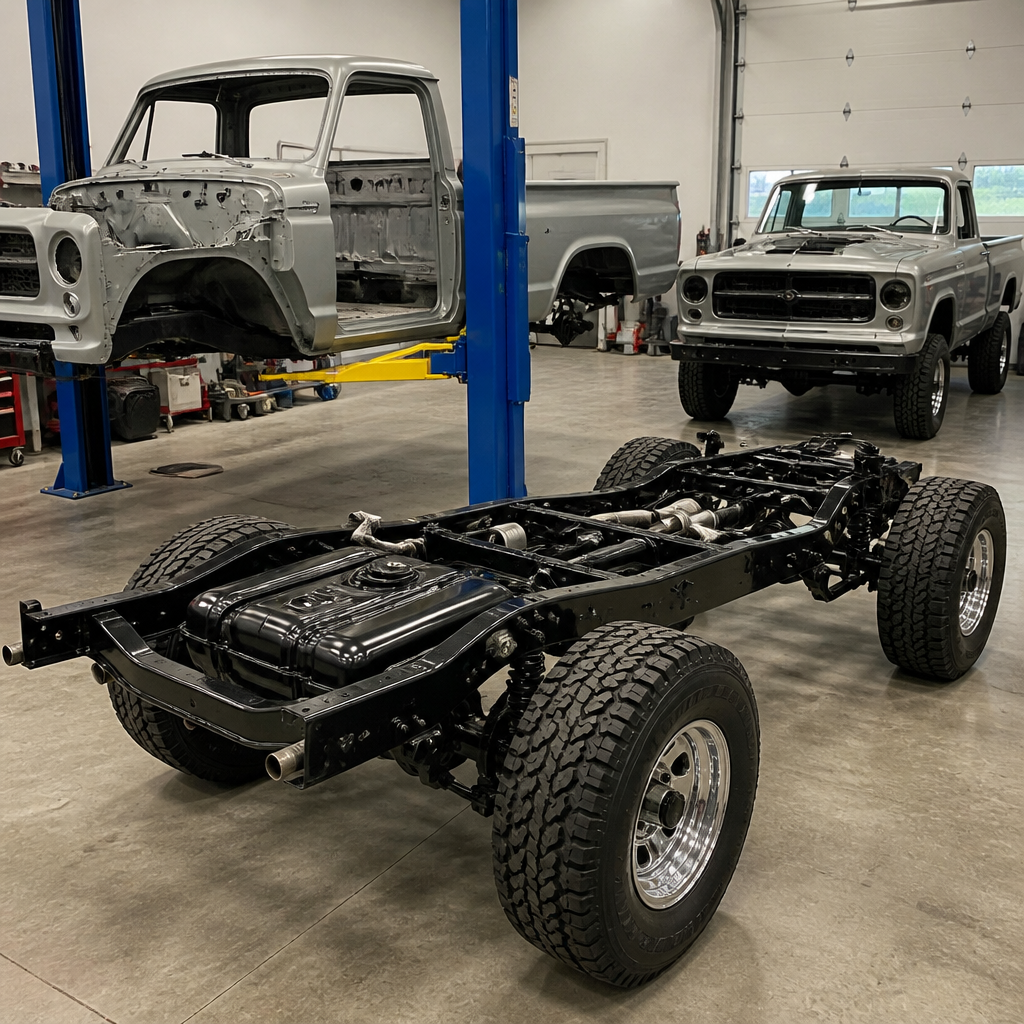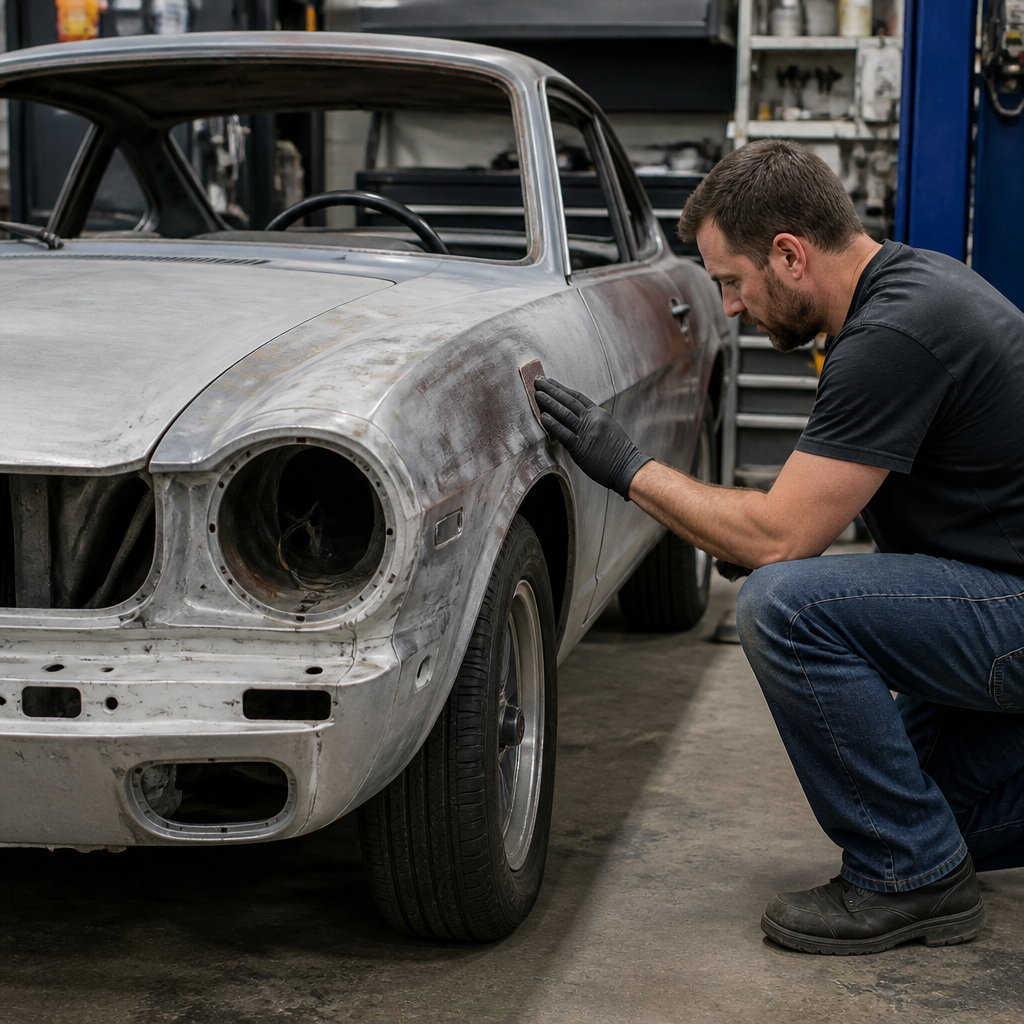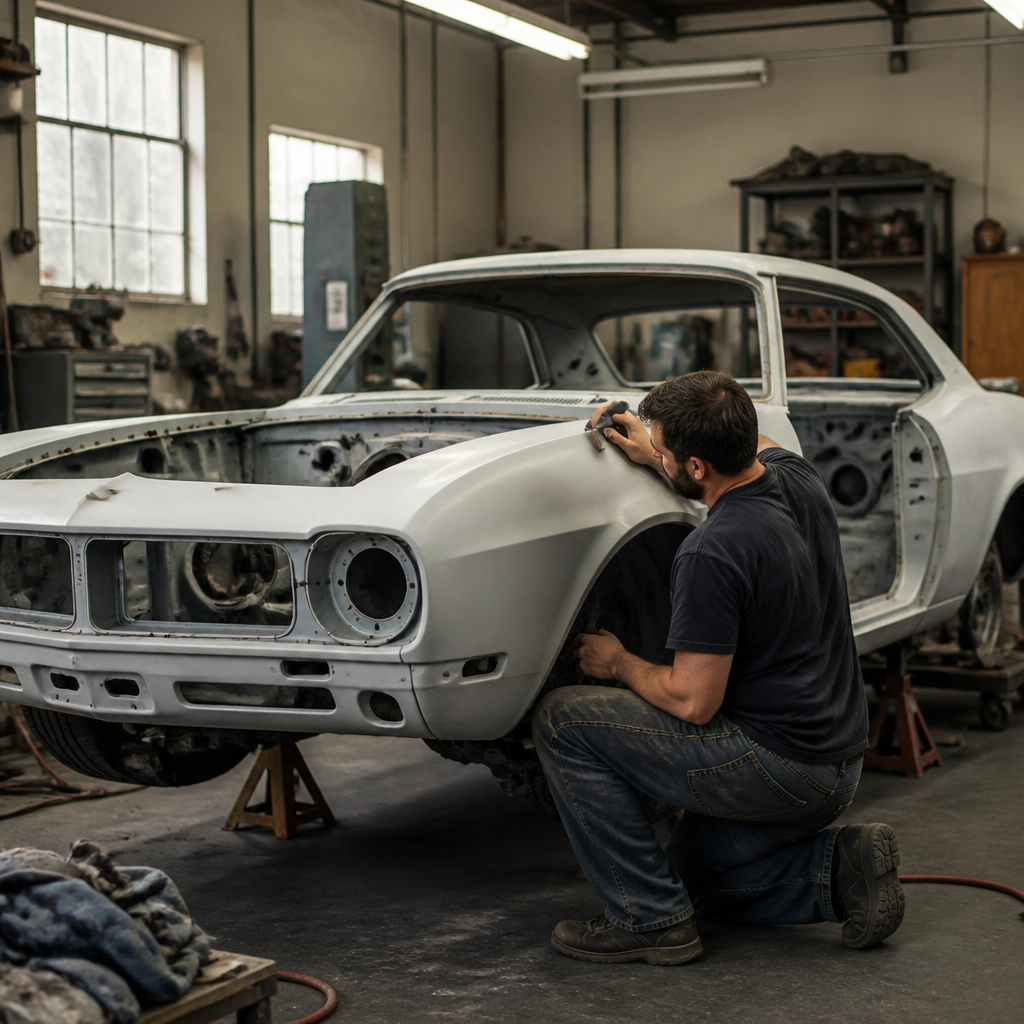
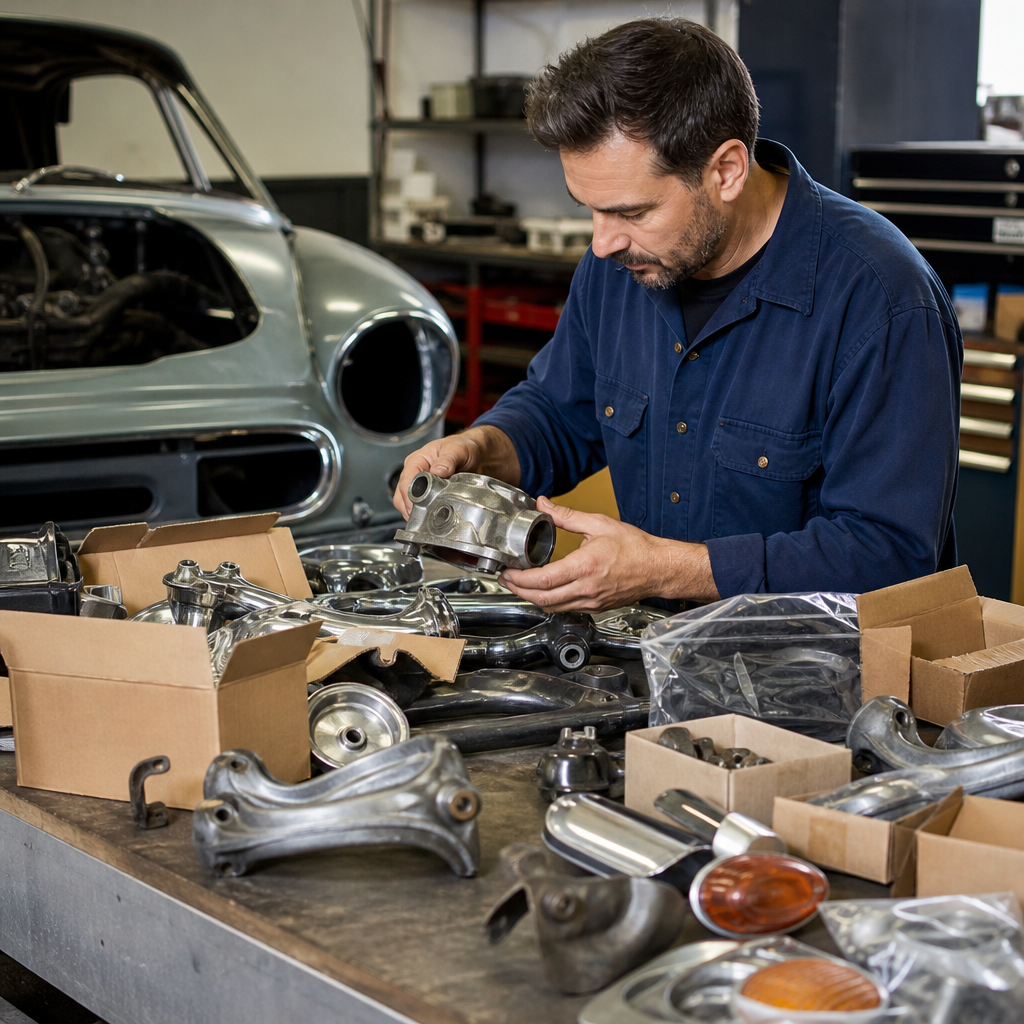
How to source parts for restoration projects starts with understanding that restoration is not shopping; it is evidence-based problem solving. In restoration and maintenance work, every purchase affects authenticity, safety, cost, and completion time. A correct part preserves original function and fit, while a convenient but inaccurate substitute can create new failures, reduce value, and force rework later. That is why experienced restorers treat sourcing as a core skill, not a final errand after disassembly.
Restoration basics begin with a few terms. New old stock, usually shortened to NOS, means original parts manufactured in the period but never installed. OEM refers to original equipment manufacturer parts built to the same specification as the factory component, though the label is sometimes used loosely in online listings. Reproduction parts are newly made replacements, ranging from excellent licensed copies to poor approximations with incorrect materials or tolerances. Donor parts come from another machine, vehicle, appliance, or fixture and may require refurbishment before use. Interchangeability describes whether a part from another year, trim, or model will function without unsafe modification.
This topic matters because sourcing determines whether a project is feasible at all. I have seen restorations stall for months not because the repair was technically difficult, but because the owner ordered by appearance instead of part number, skipped lead-time checks, or failed to verify dimensions before media blasting the original sample. Good sourcing protects your budget, helps you plan work in the right sequence, and gives you confidence that when assembly begins, the necessary parts, consumables, and documentation are already on hand.
As the hub for restoration basics, this guide explains how to identify the exact part you need, evaluate quality, choose reliable suppliers, use donor components intelligently, and document every sourcing decision. It also frames the tradeoffs between originality and usability. Whether you are restoring a classic car, vintage motorcycle, farm tractor, old radio, industrial machine, or household hardware, the same sourcing principles apply: verify first, buy second, inspect on arrival, and keep records that support future maintenance.
Start with identification, documentation, and a sourcing plan
The first step in sourcing parts for restoration projects is establishing exactly what the machine was when it left the factory and exactly what it is now. Serial numbers, casting dates, engineering codes, trim tags, and revision marks matter because production changes often occurred midyear. On older equipment, a July-built unit and a November-built unit can use different fasteners, electrical connectors, gaskets, or control linkages despite sharing the same sales name. Before ordering anything, record identification numbers, photograph assemblies from multiple angles, and tag each removed component. I use a simple intake sheet listing condition, measurements, markings, missing pieces, and whether the original can be repaired.
Reference material is your second tool. Factory service manuals, parts books, dealer bulletins, interchange guides, and marque-specific forums usually answer questions that general web searches cannot. A factory parts catalog is especially valuable because it shows supersessions, quantity per assembly, and exploded views that reveal hidden clips, shims, and seals. For household fixtures and appliances, manufacturer diagrams, patent drawings, and trade catalogs can serve the same purpose. The goal is to source by verified specification, not by hopeful resemblance.
Once documentation is complete, build a sourcing plan. Divide needs into structural parts, wear items, safety-critical components, cosmetics, hardware, and consumables. Then prioritize long-lead or scarce parts first. If a windshield seal or unobtainable carburetor body will decide whether the project proceeds, source it before investing heavily in paint or upholstery. This sequencing prevents a polished shell from becoming an expensive storage object while you hunt for one unavailable bracket.
Know the difference between NOS, OEM, reproduction, and donor parts
Every restorer asks the same question: which type of part should I buy? The right answer depends on function, visibility, risk, and project goals. NOS parts offer period correctness and often the best fit, but age alone can make rubber, cork, paper, and some plastics unreliable. An NOS master cylinder kit from the 1960s may be collectible, yet unsuitable for a driver if seal material has degraded. OEM service parts can be excellent when still available through legacy channels, although later production revisions may differ cosmetically from the original installation.
Reproduction parts solve availability problems, but quality varies widely. The best reproductions are reverse engineered from factory drawings or pristine samples and tested for fit and material properties. Poor reproductions copy appearance only. In practice, I trust reproductions most for weatherstripping, trim clips, seat covers, and lenses from reputable specialists, and I scrutinize them more heavily for precision machined components, electrical switches, and pot-metal castings where tolerance stack-up causes immediate trouble.
Donor parts are often the smartest route when originality matters and no quality reproduction exists. A donor assembly can provide impossible-to-find cores such as hinges, brackets, cast housings, control knobs, and stamped steel pieces that can be cleaned, repaired, plated, and reused. The limitation is hidden wear. A used steering box, variator, or clock movement may look complete but still need a full rebuild. Buy donors as rebuildable cores unless the seller can demonstrate tested function under load.
| Part type | Best source | Main advantage | Main risk |
|---|---|---|---|
| Rubber seals and hoses | Quality reproduction or modern equivalent | Fresh material and better reliability | Incorrect profile or durometer |
| Trim, brackets, and cast housings | Donor or NOS | Original fit and appearance | Corrosion, cracks, or fatigue |
| Bearings, seals, and standard hardware | Industrial suppliers | Precise specification and wide availability | Ordering wrong dimensions |
| Safety-critical hydraulics and brakes | Rebuilt OEM or premium new production | Known standards and testability | Cheap imports with inconsistent quality |
| Cosmetic soft trim | Specialist reproduction vendor | Color and texture options | Poor stitching or inaccurate grain |
Use part numbers, measurements, and standards to widen your options
The fastest way to improve sourcing results is to stop searching only by the machine’s model name. Search by original part number, casting number, supplier code, dimensions, thread pitch, bearing designation, seal size, and material specification. Many restoration projects rely on common industrial standards hiding behind branded packaging. Bearings often cross-reference by series number, oil seals by shaft and bore size, and fasteners by thread standard and grade. A tractor, motorcycle, or drill press may use components still available from SKF, Timken, NTN, CR, or McMaster-Carr even when the original branded package disappeared decades ago.
Measurements must be disciplined. Use calipers, thread gauges, pitch gauges, and bore measurements instead of estimating from photographs. Verify left-hand versus right-hand threads, countersink angles, connector indexing, and terminal width. With electrical components, compare voltage, amperage, resistance, and grounding scheme, not just mounting pattern. On fuel and brake systems, verify compatibility with modern ethanol blends or DOT fluid requirements. Restoration basics include knowing when modern material science improves safety without compromising the project’s character.
Cross-referencing also reveals hidden interchange opportunities. A window crank used on one marque may share a supplier with another. An agricultural ignition switch may match an industrial engine application. Vintage appliance knobs, escutcheons, and burners often appeared across product lines after minor finish changes. The key is to confirm the shared specification, then evaluate whether any visible difference matters on your finished project.
Find trustworthy suppliers and verify listings before you buy
Reliable sourcing depends as much on the seller as on the part. Specialist vendors usually outperform general marketplaces because they understand application details, packaging needs, and common fitment mistakes. For classic vehicles, marque clubs and restoration shops often maintain vendor lists based on years of field experience. For machinery and appliances, independent rebuilders and industrial surplus dealers can be better sources than consumer marketplaces filled with copied listings. I favor suppliers who publish clear photos, dimensional data, material descriptions, and return policies, and who answer specific technical questions directly.
When reviewing a listing, inspect language carefully. “Fits” does not always mean “matches original.” “For restoration use” can signal that extra finishing, drilling, or trimming is required. “OEM style” is not the same as OEM. Ask whether the part is licensed, where it was manufactured, whether it was test-fitted, and whether mounting hardware is included. On expensive components, request photos of casting marks, connector faces, date codes, or measurement points. Serious sellers expect these questions.
Watch for common marketplace problems: reused stock images, incompatible superseded part numbers, and shipping damage from poor packaging. Trim, glass, gauges, and brittle plastics need thoughtful packing. Heavy castings can destroy lighter components in the same box. Before purchase, confirm stock status, lead times, and whether the part is truly in hand. “Available” sometimes means the seller will begin searching only after you pay. That delay can derail a build schedule built around paint, machine work, or upholstery appointments.
Balance originality, function, safety, and budget
Not every restoration should chase maximum originality. A concours car, museum display, family heirloom radio, and working farm truck have different requirements. Your sourcing strategy should match the project’s intended use. For driven vehicles and operating equipment, safety-critical parts deserve strict standards. Brake hydraulics, tires, fuel hose, wiring insulation, pressure vessels, and steering components should favor proven reliability over romantic attachment to old stock. For display pieces, preserving unusual original finishes or manufacturing quirks may matter more than daily-service durability.
Budget discipline comes from categorizing parts by consequence. Spend more where fit, safety, or labor overlap makes failure expensive. A poor door seal can sometimes be replaced later; a low-quality timing component or under-spec electrical switch can destroy hours of assembly work. I advise clients to build three numbers into the plan: acquisition cost, refurbishment cost, and failure cost. A cheap used part that needs plating, bushing work, and custom shipping may exceed the price of a premium reproduction. Conversely, an expensive reproduction with weak reviews may be worse value than rebuilding an original core.
Originality also has layers. Matching finishes, casting textures, fastener head marks, and supplier logos can matter on judged restorations. On practical builds, invisible upgrades such as modern fuse protection, stainless sleeved cylinders, or ethanol-resistant diaphragms may be the wiser choice. The best restorations are honest about these decisions and document them clearly for the next owner or technician.
Inspect, test, and catalog every part when it arrives
Ordering a part is only half the job. Inspection on arrival prevents surprise delays during assembly, when return windows may already be closed. Compare each item against your original sample, parts-book illustration, and measurements. Check machining quality, plating consistency, connector orientation, thread engagement, and package completeness. Test moving parts for smoothness and inspect castings for porosity, flash, or warping. Electrical components should be bench tested when possible, and rebuilt units should be checked for paperwork showing what was replaced and what standards were used.
Create a receiving log with supplier, date, price, shipping cost, condition, and verdict: approved, rework needed, or return. Keep labels, invoices, and correspondence together. In larger projects, I assign each part a bin location and note whether it belongs to pre-assembly, final assembly, or trim-out. This small habit saves enormous time later, especially when multiple subcontractors are involved or a project pauses for months.
Finally, preserve what you remove. Even broken originals are valuable references for dimensions, finishes, and fit. They can also be cores for rebuilding or patterns for fabrication. Restoration and maintenance work rewards careful recordkeeping. When you source methodically, you reduce wasted money, avoid compatibility mistakes, and protect the integrity of the finished restoration. Start every project with identification and research, buy from proven sources, inspect everything, and document your choices so the next repair is easier than the first.
Sourcing parts well is what turns restoration basics into successful restoration outcomes. The process begins with accurate identification, grows through solid documentation, and succeeds when every purchasing decision reflects the project’s purpose. Use factory literature, dimensions, and standards to verify what you need. Distinguish clearly between NOS, OEM, reproduction, and donor parts, because each has a place and each carries different risks. Buy early for scarce items, buy carefully for safety-critical systems, and buy only after confirming fit, material, and supplier credibility.
The central benefit of a disciplined sourcing strategy is control. You control cost by prioritizing scarce and high-consequence parts first. You control quality by comparing listings against part numbers, measurements, and known standards. You control downtime by inspecting shipments immediately and keeping organized records. Most important, you control the final character of the restoration, deciding where originality matters most and where a modern equivalent improves reliability without compromising the spirit of the machine.
As a hub for restoration basics, this guide should help you approach every subtopic with the right mindset: research before removal, verify before purchase, and preserve documentation after installation. That approach works whether you are rebuilding a classic engine, refreshing a vintage appliance, or returning workshop equipment to service. The details differ, but the sourcing principles do not.
Use this framework on your next project. Start a parts list, gather the manuals, photograph everything, and contact specialist suppliers before disassembly goes too far. Better sourcing produces smoother restorations, fewer surprises, and results you can trust for years.
Frequently Asked Questions
How do I identify the correct part before I start shopping?
The most important step in sourcing parts for a restoration project is confirming exactly what you need before you spend any money. Restoration is not simply buying something that looks close enough; it is a process of matching function, dimensions, materials, finish, and application to the original equipment. Start by documenting the existing part in detail. Record casting numbers, stamped part numbers, date codes, finish type, measurements, mounting points, thread pitch, electrical ratings, and any signs of prior modification. Take clear photos from multiple angles and compare what you have against factory parts books, service manuals, assembly manuals, and period catalogs whenever possible.
It also helps to determine whether the part on the vehicle, machine, or component is actually original. Many restoration projects have gone through decades of repairs, and the installed part may be a substitute from a later period. If you source a replacement based only on what is currently there, you may accidentally preserve someone else’s workaround instead of restoring the original specification. Cross-checking serial numbers, production dates, trim levels, engine codes, and regional variations can prevent expensive mistakes. Experienced restorers treat this research phase as essential because a few extra hours of verification can save weeks of rework, shipping delays, and incorrect purchases later.
Should I buy original used parts, reproduction parts, or modern replacements?
The right answer depends on the goals of the project. If authenticity and historical accuracy matter most, original new old stock or high-quality original used parts are often the best choice because they preserve correct fit, materials, appearance, and period construction. For show restorations, collector-grade vehicles, or historically significant equipment, originality can directly affect value. However, original parts may be scarce, more expensive, and sometimes degraded by age even if they have never been installed. Rubber, seals, finishes, and electrical components can deteriorate over time, so originality should always be weighed against condition and safety.
Reproduction parts can be an excellent solution when originals are unavailable or prohibitively costly, but quality varies widely. Some reproductions are carefully engineered from factory drawings or precise samples, while others are generic approximations with poor tolerances, incorrect finishes, or weak materials. Modern replacements may offer better reliability, especially for consumables or safety-critical systems like brakes, bearings, hoses, and wiring, but they may compromise appearance or originality. The best sourcing decisions come from ranking your priorities in advance: authenticity, drivability, safety, budget, and turnaround time. Once those priorities are clear, choosing among original, reproduction, or updated parts becomes far more straightforward.
What are the best places to source hard-to-find restoration parts?
Hard-to-find parts usually come from a mix of sources rather than one perfect supplier. Specialist vendors are often the first place to look because they understand specific makes, models, or eras and can help confirm interchange information. Factory parts books, marque clubs, enthusiast forums, swap meets, salvage yards, estate sales, auction platforms, and private collector networks are also valuable. In many restoration niches, the best parts never reach a public listing because they change hands through relationships and reputation. That is why networking matters. Joining owner groups, attending events, and speaking with experienced restorers can uncover leads that simple online searching will miss.
When searching, use more than one description for the same item. A part may be listed by factory number, common name, casting number, application, or even a misspelling. Broaden your search to include compatible years, related models, or supplier interchange references, but verify every claimed match carefully. For discontinued items, machine shops, rebuilders, and restoration specialists can sometimes repair, remanufacture, or recondition original components when replacements are unavailable. In difficult cases, sourcing may involve buying a larger assembly, a donor unit, or even an entire parts vehicle or machine just to obtain one correct component. Skilled restorers stay flexible and patient, because rare parts are often found through persistence rather than speed.
How can I tell whether a seller or supplier is trustworthy?
Trustworthy sourcing depends on evidence, communication, and consistency. A reliable seller should be willing to provide detailed photos, measurements, part numbers, condition notes, and an honest description of flaws or uncertainties. Vague terms like “should fit,” “looks right,” or “untested” are not always deal breakers, but they should prompt more questions. Ask whether the part is original, reproduction, rebuilt, or modified. Confirm whether all mounting hardware, brackets, connectors, or internal pieces are included. If the seller cannot answer basic identification questions or avoids providing additional images, that is a warning sign, especially for expensive or rare components.
It is also smart to review the seller’s track record. Look for established business information, return policies, packaging standards, payment protections, and feedback from restorers who bought similar parts. In specialist communities, reputation often matters more than polished marketing. A supplier who understands the nuances of your project can be far more valuable than a large reseller with generic inventory listings. Before purchasing high-value items, confirm shipping methods, insurance, and how damage claims are handled. The goal is not only to receive a part, but to receive the correct part in the advertised condition with enough supporting information to install it confidently and avoid delays.
How do I avoid costly mistakes when buying parts for a restoration project?
The most effective way to avoid mistakes is to build a disciplined sourcing process. Start with a written parts list that separates must-have items from optional upgrades and cosmetic pieces. For each part, note the correct number, condition requirements, acceptable alternatives, target budget, and installation dependencies. This prevents impulse buying and helps you prioritize parts that affect assembly sequence, safety, and long lead times. It is also wise to compare the cost of the part itself against the total cost of using the wrong part, which may include wasted labor, return shipping, damaged adjacent components, and project delays.
Another important habit is to inspect every part as soon as it arrives. Do not wait until final assembly to open boxes and verify dimensions, threads, finish, side-to-side orientation, or compatibility with your specific build. Restoration projects often involve hidden changes between production dates, so even a correctly labeled part can still be wrong for your application. Keep records of invoices, correspondence, reference photos, and installation notes so you can trace what was purchased and why. Experienced restorers know that successful sourcing is rarely about luck. It comes from careful research, documentation, supplier vetting, and the willingness to pause and verify before every purchase that affects authenticity, safety, cost, or completion time.