Classic car weather damage is preventable when you treat storage, cleaning, moisture control, and seasonal inspection as a single maintenance system rather than a list of occasional chores. In restoration shops, I have seen beautifully rebuilt engines ruined by condensation in a neglected garage and original paint preserved for decades simply because an owner followed disciplined routines. Weather damage includes ultraviolet fading, corrosion from humidity and road salts, mold growth in interiors, dried seals from heat, and brittle wiring caused by temperature swings. Protecting a classic car means controlling the environment around the vehicle, monitoring vulnerable materials, and responding before minor exposure becomes structural deterioration. That matters because classics use older paint chemistry, natural rubber, chrome plating, steel body panels, and trim pieces that react differently than modern materials. Replacement parts are often expensive, hard to source, or impossible to match to factory originality.
Maintenance tips for classic cars work best when they are proactive. Waiting until you see bubbling paint, pitted chrome, mildew on seat bolsters, or water pooled in the trunk usually means damage has already spread beneath visible surfaces. Weather protection also affects value. Collectors and appraisers look closely at rust in seams, floor pans, battery trays, lower fenders, windshield channels, and underbody joints because those areas reveal how the car was stored and maintained. A dry-climate car with intact weatherstripping and documented upkeep can command a meaningful premium over an otherwise similar vehicle with hidden corrosion. As the maintenance hub within restoration and maintenance, this guide covers the practical routines that connect daily care to long-term preservation: proper storage, washing, protective coatings, seal inspection, climate control, and seasonal planning. Follow these fundamentals consistently, and every other maintenance task becomes easier, cheaper, and far more effective over time.
Start with the right storage environment
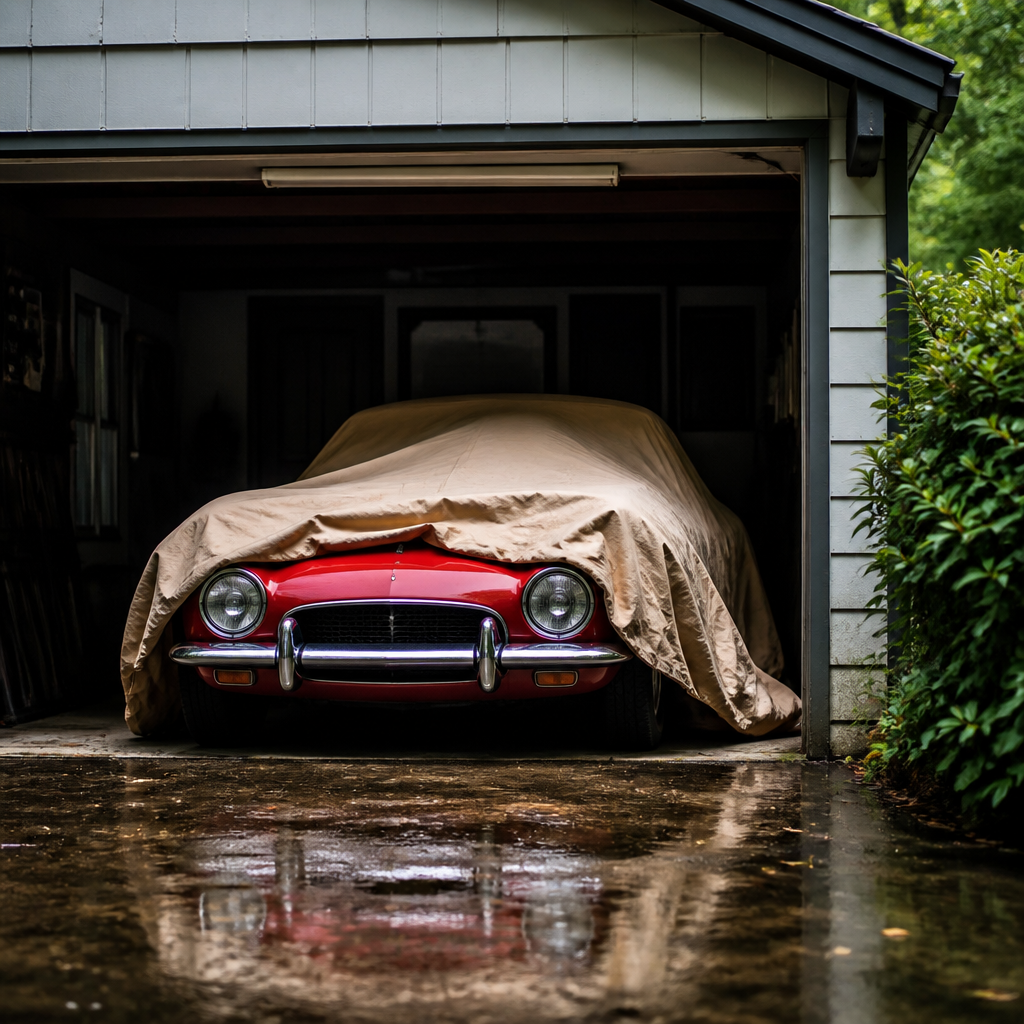
The best defense against weather damage is a stable storage environment. A fully enclosed garage is ideal, but not every enclosed space is automatically safe. The target is consistency: moderate temperature, low humidity, clean airflow, and protection from direct sun, rain intrusion, and standing moisture. In practical terms, that means fixing roof leaks, sealing gaps around doors, checking that concrete floors do not wick water upward, and avoiding storage beside fertilizer, pool chemicals, or open water heaters that raise humidity or corrosion risk. I recommend using a hygrometer in the garage and aiming for relative humidity around 45 to 55 percent. Much above 60 percent, corrosion risk climbs sharply, especially on bare metal hardware, brake components, and electrical contacts.
If the garage is damp, add a compressor-based dehumidifier or a desiccant unit suited to the room size. Good air circulation matters too, but do not point a fan directly at one section of the car for months; uneven drying can encourage dust accumulation and localized temperature shifts. For owners in coastal regions, salt-laden air is an additional threat even when the car never touches the road. In those cases, enclosed storage, controlled humidity, and frequent wipe-downs of chrome, polished aluminum, and exposed fasteners are essential. If indoor storage is impossible, a temporary shelter with a breathable, weatherproof structure is better than open exposure, but it remains a compromise. Outdoor storage accelerates seal hardening, paint oxidation, and corrosion at a rate most classic vehicles simply cannot absorb without long-term consequences.
Use covers, coatings, and barriers correctly
A car cover can protect a classic car from weather damage, but only if it fits the conditions. Breathability is nonnegotiable. Non-breathable covers trap condensation, especially after a drive or a humid evening, and that trapped moisture can dull paint and feed rust in trim edges and panel seams. Indoors, use a soft, breathable cover designed for dust protection and minor contact. Outdoors, use a multi-layer cover made for UV resistance and precipitation while still allowing moisture vapor to escape. Fit matters because loose covers flap in the wind and create abrasion on raised body lines, mirror housings, and fender tops.
Protective coatings add another layer. A high-quality wax or paint sealant helps water sheet off the body and reduces contamination from pollen, acid rain, and bird droppings. On well-preserved original paint, I prefer conservative products without aggressive abrasives. For driver-quality classics, modern ceramic coatings can be worthwhile if the paint is fully corrected and stable, but they are not magic shields. They reduce cleaning effort and improve environmental resistance, yet they cannot stop rust forming under compromised paint or around hidden seams. Chrome, stainless trim, vinyl roofs, and convertible tops each need their own products. Using one universal dressing across every surface often causes more harm than benefit. Silicone-heavy dressings may create shine, but they can also attract dust, complicate later repainting, and leave trim looking artificially greasy.
| Component | Main Weather Threat | Best Protection Method | Maintenance Frequency |
|---|---|---|---|
| Paint | UV, acid rain, dust abrasion | Wash gently, apply wax or sealant, keep covered indoors | Wash monthly, protect every 3 to 6 months |
| Chrome and brightwork | Moisture, salt air, pitting | Dry thoroughly, polish lightly, use corrosion-inhibiting protectant | Inspect monthly |
| Rubber seals | Heat, ozone, drying, cracking | Clean and condition with rubber-safe treatment | Every 2 to 3 months |
| Interior materials | Sun, humidity, mold | Sunshades, ventilation, leather or vinyl-specific conditioners | Inspect monthly, condition seasonally |
| Undercarriage | Water, road salt, trapped grime | Rinse carefully, dry, inspect drain points and coatings | After wet or salted road exposure |
Wash and dry with rust prevention in mind
Many owners focus on shine and miss the true purpose of washing: removing corrosive contamination before it has time to react with metal and finishes. Rainwater itself is not the only problem. Dust holds moisture, bird droppings are acidic, tree sap hardens and stains, and road film often carries salt, petroleum residues, and fine grit. Wash the car using pH-balanced automotive shampoo, separate wash media for upper and lower panels, and plenty of lubrication. Avoid household detergents because they strip protective layers and dry out older finishes. Pressure washers can be useful at controlled distance, but never force water into aging seals, vent openings, cowl drains, or loose trim.
Drying is where weather protection often succeeds or fails. Water left in mirror bases, bumper mounts, rocker seams, wheel lips, grille recesses, and weatherstrip channels creates ideal corrosion conditions. Use microfiber drying towels and compressed air or a filtered blower to remove trapped water from crevices. After washing, open the doors, trunk, and hood long enough to release hidden moisture, especially on cars with complex body seams or older rubber seals. If the underbody was rinsed after rain or road salt exposure, allow extra time for drying before covering the car. Putting a cover over a damp classic is one of the fastest ways to trap humidity against paint, chrome, and rubber components.
Inspect seals, drains, and hidden moisture paths
Water intrusion usually begins with simple failures: flattened trunk seals, cracked windshield gaskets, blocked cowl drains, missing body plugs, or hardened door weatherstripping. These issues often go unnoticed because leaks travel. Water entering at the windshield can soak insulation under carpets. Moisture in the trunk can come from taillight gaskets, not the trunk lid. During routine maintenance, inspect every seal for shrinkage, cracks, tears, and compression set. Run a clean cloth along weatherstripping; if it catches or leaves black residue everywhere, the rubber is likely degrading. Replacement quality varies, so buy from marque specialists whenever possible. Poorly molded reproduction seals can leak even when new.
Drain management is equally important. Cowl drains, sunroof drains on later classics, convertible top channels, quarter window drains, and door bottom weep holes must remain open. I use plastic trim tools and low-pressure air to clear debris, never stiff metal picks that can puncture coatings or enlarge openings. Check carpets, jute padding, trunk mats, and spare tire wells by touch, not by sight alone. A cabin can look dry while underlayment holds moisture for weeks. If you suspect a leak, use controlled hose testing in sections rather than soaking the whole car randomly. Isolating the entry point saves time and prevents misdiagnosis. Weather protection becomes much easier once you eliminate the hidden pathways that let water sit where rust starts unseen.
Protect paint, trim, glass, and the interior from sun and temperature swings
Sun exposure damages classics even in dry climates. Ultraviolet radiation oxidizes paint, fades dyes, dries rubber, clouds plastics, and weakens stitching. Dark interiors suffer the most because cabin temperatures can exceed ambient air by a large margin, stressing dashboards, adhesives, instrument lenses, and headliners. To reduce this load, park away from direct sun whenever possible, use a windshield sunshade, and crack windows slightly only if the storage environment is secure and dry. For convertibles, make sure the top material is clean before folding or covering it; trapped grit abrades fabric and vinyl.
Material-specific care matters. Leather needs a balanced cleaner and conditioner that restores flexibility without leaving a slick surface. Vinyl benefits from UV-protective products that do not contain harsh solvents. Wood trim needs gentle cleaning and controlled humidity, not soaking oils. Exterior glass should be kept free of mineral deposits because etched glass becomes harder to restore over time. Wiper blades should be lifted or replaced if they bake against hot glass for long periods. Temperature swings also affect mechanical systems. Repeated heating and cooling expands and contracts metal, accelerates gasket aging, and increases condensation inside exhaust systems and crankcases when cars are started briefly but not driven long enough to reach full operating temperature.
Plan for seasonal use, long-term storage, and recovery after storms
Seasonal planning separates well-preserved classics from weathered ones. Before winter storage, wash the body and undercarriage thoroughly, change the oil if it is due, top off fluids as appropriate, stabilize fuel for longer layups, inflate tires correctly, and disconnect or maintain the battery with a quality smart tender. Do not start the car periodically just to “keep it alive” unless you can drive it long enough to evaporate moisture from the exhaust, transmission, and engine oil. Short idle sessions create condensation and carbon without delivering any preservation benefit.
In spring, inspect for rodent activity, flat-spotted tires, coolant leaks, mold odors, and corrosion on terminals or fasteners before the first drive. After heavy rain, hail, or a wind event, inspect immediately. Look for fresh water trails in the trunk, chips on horizontal panels, clogged drains from storm debris, and soaked insulation under mats. If the car was exposed to floodwater, treat it as an emergency. Flood exposure can contaminate bearings, interiors, wiring, and hidden cavities far beyond what is visible, and professional assessment is mandatory.
Classic car weather protection is ultimately routine, not luck. Store the car in a controlled space, use breathable barriers, keep contaminants off the surfaces, maintain seals and drains, and adapt your process to the season and climate. Those maintenance tips preserve originality, reduce restoration costs, and make the car more enjoyable to own because you spend less time reversing damage and more time driving or improving it. Build a written checklist for monthly, seasonal, and annual care, then follow it consistently. If you do, your classic car will age on your terms, not the weather’s.
Frequently Asked Questions
What is the best way to store a classic car to prevent weather damage?
The best storage setup for a classic car is a clean, enclosed, well-ventilated garage that stays as stable as possible in temperature and humidity. Weather damage often starts long before you see it on the paint or under the carpet. Condensation can form when warm, moist air meets cool metal surfaces, and that moisture slowly attacks body panels, chrome, wiring, and even internal engine components. That is why storage should be treated as the first line of defense, not an afterthought.
Ideally, keep the car on a dry concrete floor, use a breathable car cover designed for indoor use, and avoid plastic tarps or non-breathable covers that trap moisture against the finish. If the garage is prone to dampness, use a dehumidifier or humidity monitor and aim for moderate, consistent humidity rather than trying to create extreme dryness. Good airflow matters because stagnant air encourages mold, mildew, and corrosion. It also helps to seal obvious water entry points in the garage, such as gaps under doors or around windows, especially in regions with heavy rain or snow.
Long-term storage also means protecting the car from indirect threats. Do not park it over bare dirt or gravel if you can avoid it, because moisture rises from the ground and increases humidity underneath the car. Use tire cradles or move the vehicle occasionally to prevent flat spots, and place moisture absorbers in the cabin and trunk if the car is stored for extended periods. In restoration environments, some of the worst weather-related damage appears on cars that were technically “inside” but left in garages with roof leaks, poor ventilation, and constant dampness. A disciplined storage routine preserves original paint, chrome, upholstery, and drivetrain parts far better than occasional cosmetic care ever will.
How can I protect my classic car’s paint and exterior from sun, rain, and humidity?
Protecting the exterior starts with understanding that ultraviolet light, moisture, and airborne contaminants work together to break down finishes over time. Sun exposure fades paint, dries out trim, and weakens older clear coats. Rain leaves behind minerals and pollutants, while humidity creates the conditions for corrosion in seams, around trim, and beneath weatherstripping. For a classic car, especially one with original or older paint, regular protective care is essential.
Wash the car with a gentle automotive shampoo, dry it thoroughly with soft microfiber towels, and apply a high-quality wax or paint sealant on a routine schedule. The goal is not just shine. A protective layer helps reduce oxidation, shields against UV exposure, and makes it harder for moisture and contaminants to sit directly on the paint. If the vehicle spends any time outdoors, even occasionally, this becomes even more important. Pay attention to vulnerable areas such as wheel arches, rocker panels, lower doors, and around badges or trim where water tends to linger.
Chrome and brightwork need their own care as well. Clean and protect them with products suitable for metal finishes, and inspect regularly for pitting or hazing, which can be early signs of moisture damage. Rubber seals around windows, doors, and trunks should be cleaned and conditioned so they remain flexible and continue keeping water out. If seals dry out or crack, moisture often gets into places owners do not notice until rust or mildew appears. In practical terms, consistent exterior protection is less about one perfect detailing session and more about maintaining a routine that blocks UV exposure, removes contaminants quickly, and keeps every surface dry and protected before damage starts.
Why is moisture control so important for classic cars, and how do I manage it properly?
Moisture control is one of the most important parts of classic car preservation because water does not only damage visible metal surfaces. It affects nearly every material in the vehicle. High humidity can cause corrosion in body cavities, undercarriage components, brake parts, fuel systems, and even inside the engine if condensation forms during storage. It also creates ideal conditions for mold growth in seats, carpets, door panels, headliners, and trunk liners. Once that process starts, the damage can be difficult and expensive to reverse.
The first step is to control the storage environment. Use a hygrometer to monitor humidity in the garage so you are not guessing. If humidity regularly stays high, a dehumidifier is a smart investment. Ventilation is equally important because trapped, stale air often leads to moisture buildup. At the same time, avoid drastic temperature swings whenever possible, since they encourage condensation. This is especially important in spring and fall, when warm days and cool nights can leave metal surfaces damp even in an enclosed space.
Inside the vehicle, keep the cabin and trunk clean and dry. If the car ever gets caught in rain or develops a leak, dry it immediately rather than assuming it will air out on its own. Remove floor mats, inspect carpets, and check beneath them for hidden dampness. Weatherstripping, window channels, trunk seals, and cowl drains should be inspected regularly because small failures in these areas often let in just enough water to cause slow, long-term interior damage. In professional restoration settings, I have seen gorgeous mechanical work undermined by neglected moisture issues in storage. Moisture control is not glamorous, but it is one of the most effective ways to preserve both originality and value.
How often should I inspect a classic car for seasonal weather damage?
A classic car should be inspected at least seasonally, with additional checks before and after periods of harsh weather or long storage. Think of inspections as preventive maintenance rather than problem-solving. Weather damage is much easier to stop in its early stages than to repair after rust spreads, interior fabrics stain, or seals fail. A disciplined seasonal inspection schedule helps you catch small issues while they are still manageable.
In spring, check for moisture accumulation, corrosion, and any effects of winter storage. Look closely at the underbody, suspension components, brake lines, and lower body panels, especially if the car was driven near salted roads or stored in a damp environment. Summer inspections should focus on UV exposure, paint condition, rubber seals, and signs of interior drying or cracking from heat. In fall, prepare the car for cooler and wetter conditions by checking drainage points, weatherstripping, battery condition, and storage readiness. Winter inspections, particularly for stored vehicles, should include humidity checks, cover condition, evidence of leaks, and signs of rodents or mildew.
During every inspection, examine the trunk, floor pans, rocker panels, wheel wells, around windows, and anywhere water can collect unnoticed. Open doors and the hood, smell for mustiness, feel carpets for dampness, and look for fogging inside the glass that might indicate trapped moisture. Also inspect the engine bay for corrosion on metal fittings and electrical connections. Owners who maintain a checklist often do better than those who rely on memory, because weather-related deterioration is usually gradual. Seasonal inspections turn classic car care into a system, and that consistency is what prevents expensive surprises.
Can driving and cleaning habits make a difference in preventing weather-related damage?
Yes, driving and cleaning habits make a major difference. Weather protection is not only about where the car sits; it is also about what happens when you use it and how quickly you respond afterward. A classic car driven in light rain, humid conditions, or on roads with salt residue is not necessarily in danger if it is cleaned and dried properly. Problems develop when moisture, grime, and corrosive deposits are allowed to remain on the vehicle for days or weeks.
After any drive in questionable weather, rinse and wash the exterior promptly, paying extra attention to the undercarriage, wheel wells, lower body panels, and behind trim areas where dirt and salts collect. Dry the vehicle thoroughly rather than letting it air dry in a closed garage. If water entered around windows, doors, or the trunk, address it immediately. Cleaning should be gentle but complete. Harsh brushes and household cleaners can damage older finishes, so use products intended for automotive paint, chrome, rubber, vinyl, and leather. Interior care matters too, especially if the cabin has absorbed humidity. Wipe down surfaces, let the interior breathe in a controlled environment, and use moisture absorbers when needed.
Driving choices also matter. Avoid taking the car out when roads are heavily salted, during severe storms, or when you know it will have to sit wet afterward. If you do use the car regularly, combine enjoyment with routine protection by inspecting it after drives, touching up chips before rust forms, and keeping protective coatings fresh. In practice, classic cars hold up best when owners treat each outing as part of a complete care cycle: drive thoughtfully, clean promptly, dry thoroughly, and inspect consistently. That approach does more to prevent weather damage than any single product on the shelf.