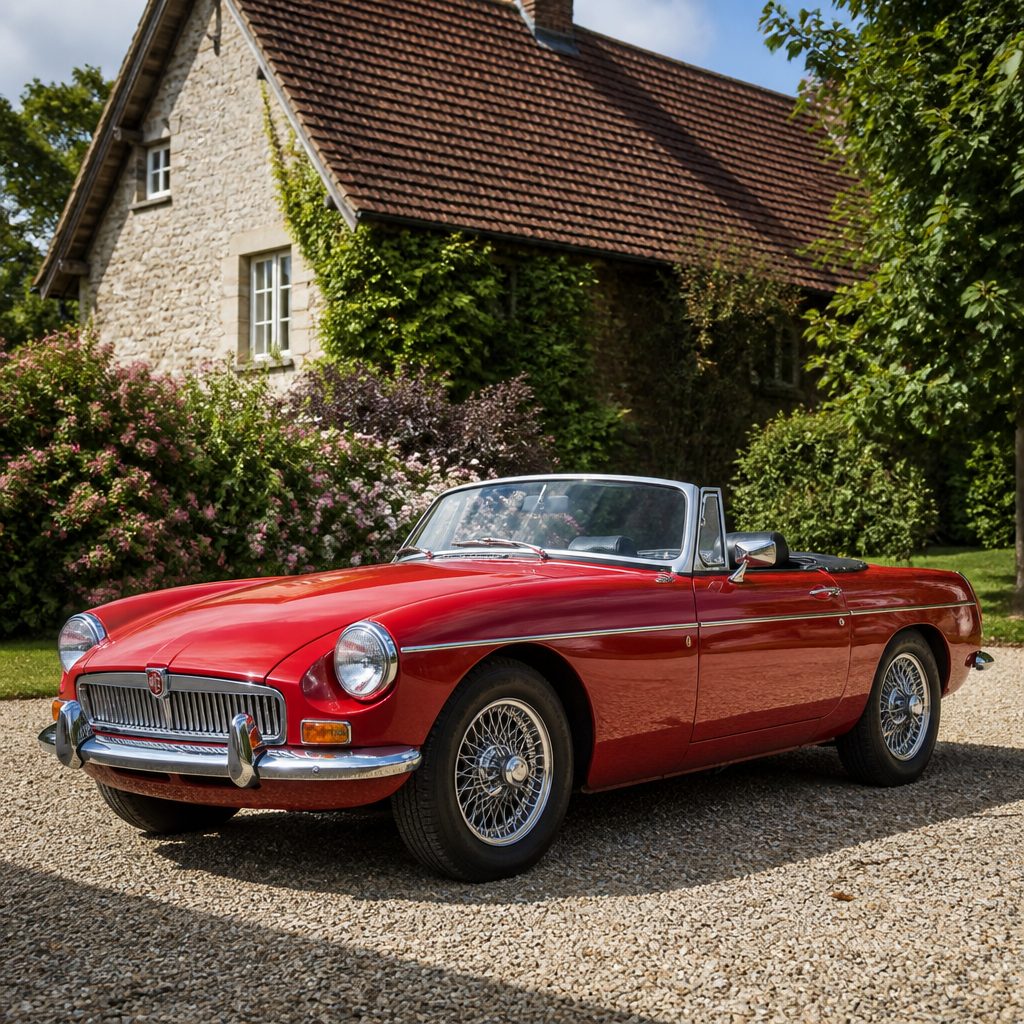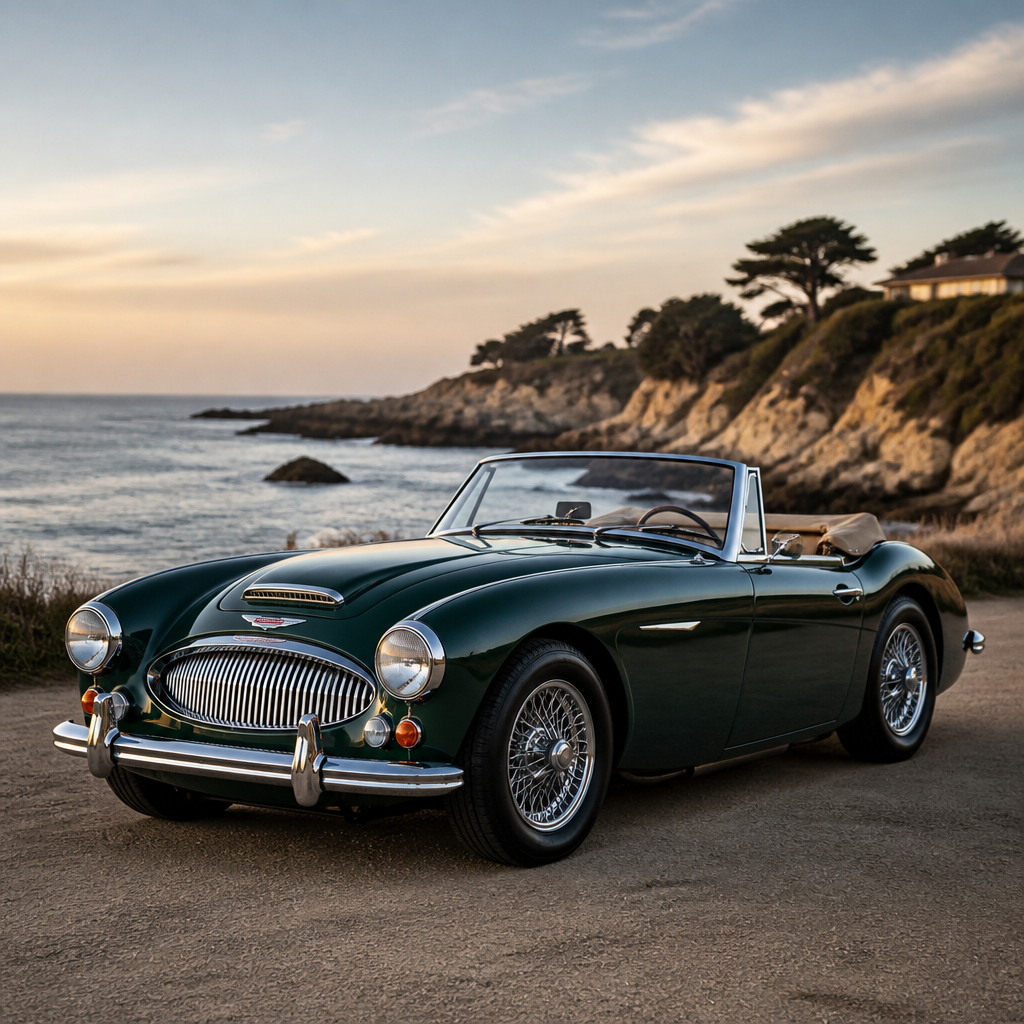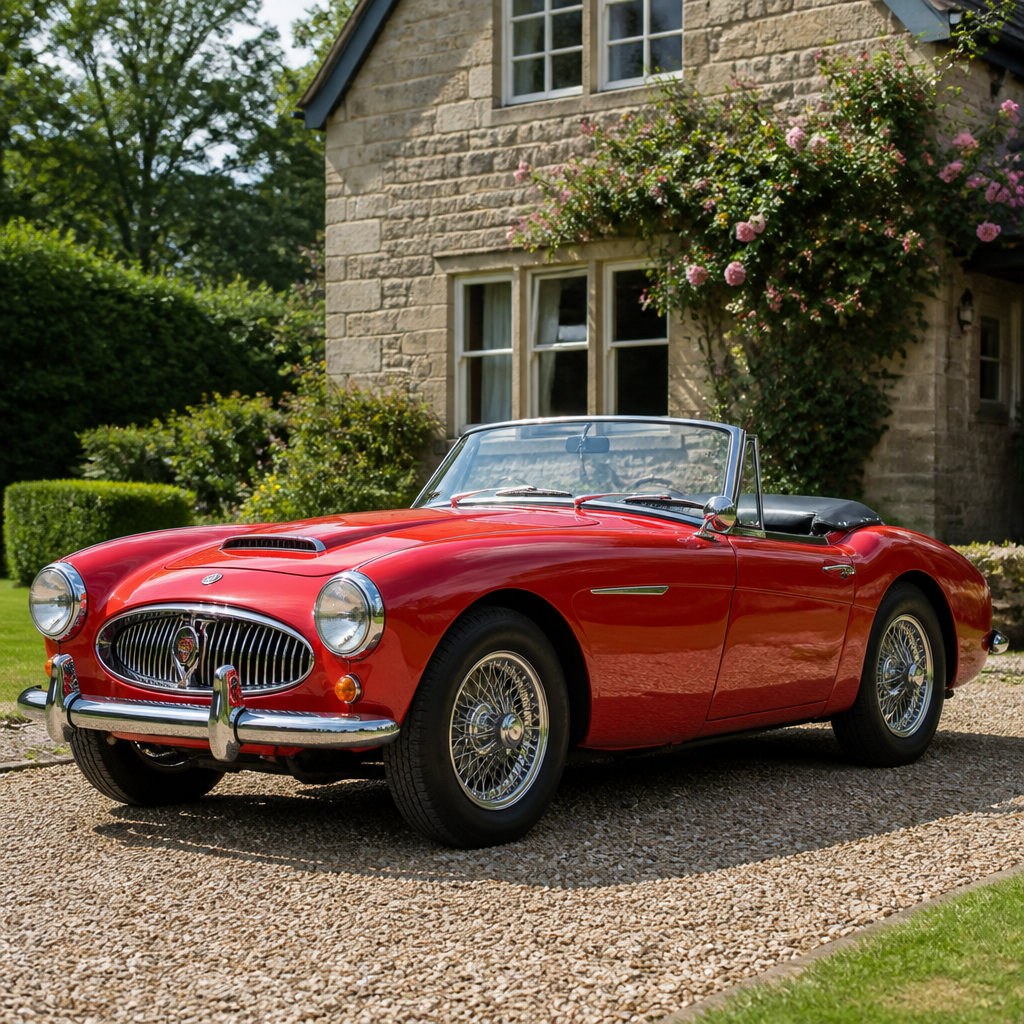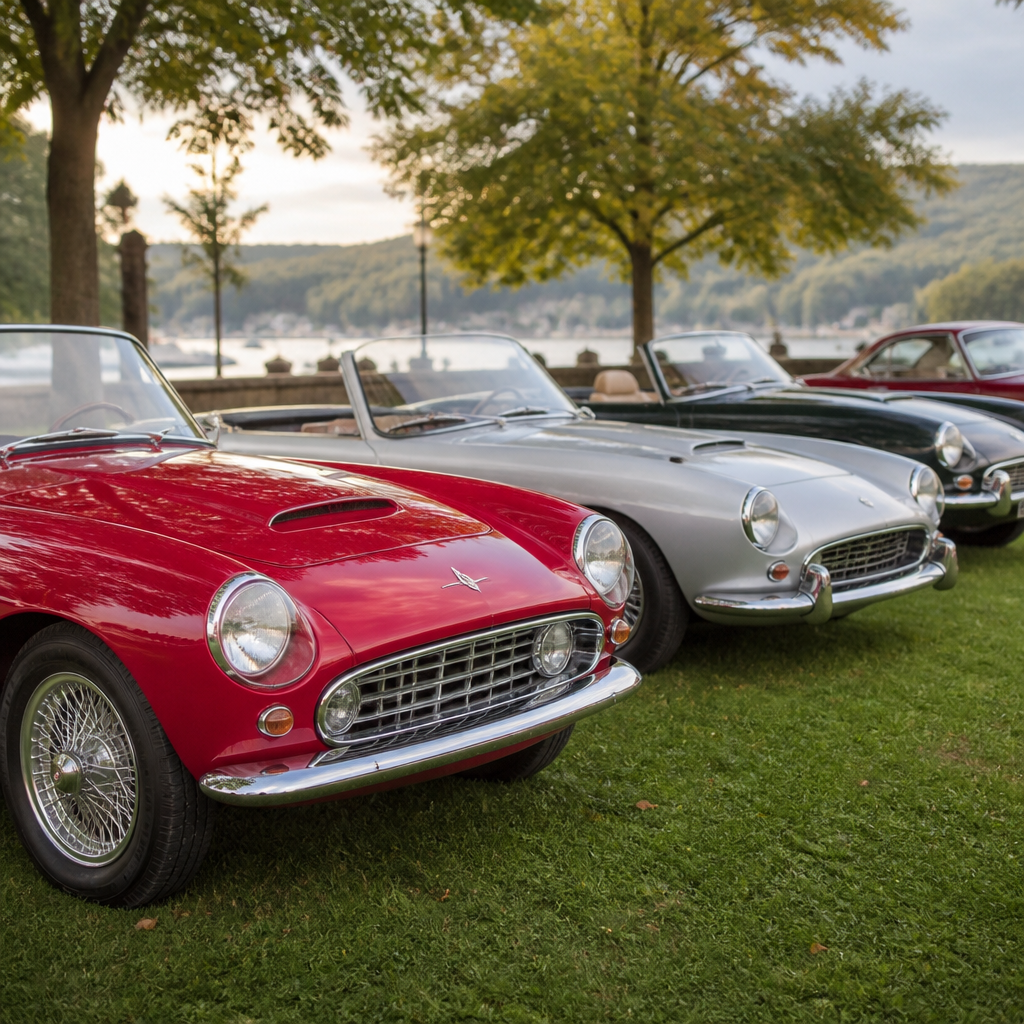
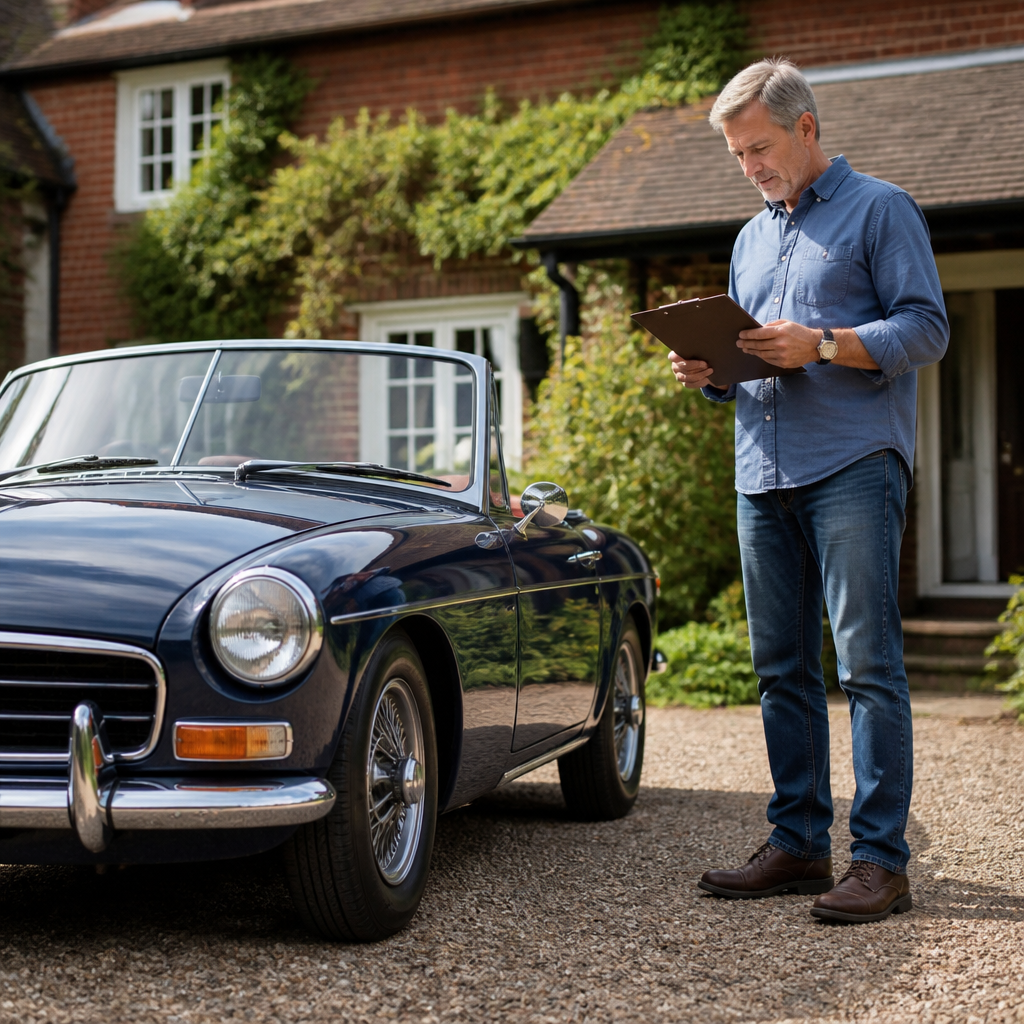
Classic car insurance can be surprisingly affordable, but only when the policy matches how collectors actually use, store, and maintain older vehicles. I have helped owners insure everything from weekend-driven 1967 Mustangs to six-figure air-cooled Porsches, and the same pattern appears every time: premiums drop when insurers see low annual mileage, secure storage, careful drivers, documented values, and a car that is not exposed to everyday risks. Understanding how classic car insurance works is the first step to lowering your classic car insurance premium without weakening protection.
Classic car insurance is specialized coverage for vehicles that are older, well maintained, not used as daily transportation, and often appreciating in value. Unlike standard auto insurance, which usually pays actual cash value after depreciation, classic car policies often use agreed value coverage. Agreed value means you and the insurer set the vehicle’s value in advance, and that stated amount is the basis for a covered total-loss payout, subject to policy terms. For collectible vehicles, that structure is essential because market prices for restored, rare, or historically important cars rarely follow ordinary depreciation curves.
This topic matters because a cheap policy that is wrong for the vehicle can become expensive at claim time. A driver may save a few dollars on a standard auto policy, then discover after a fire, theft, or collision that the insurer values the car like an old used vehicle instead of a collectible. At the same time, many owners overpay because they assume classic car insurance is always expensive. In practice, insurers such as Hagerty, Grundy, American Collectors, and Safeco often price collectible coverage competitively when the owner can show responsible use, secure storage, and a clean driving profile. The real objective is not simply to buy less insurance. It is to present the car and the owner as a lower-risk account while keeping the coverage structure that protects collector value.
How classic car insurers calculate premiums
To lower premiums intelligently, you need to know what underwriters are measuring. The biggest rating factors are usually vehicle value, usage, storage, driver eligibility, location, and the scope of coverage selected. Agreed value is central. If a 1970 Chevrolet Chevelle is insured for $85,000 instead of $65,000, the premium will generally rise because the insurer is taking on a larger potential payout. However, agreed value should reflect the real market supported by restoration records, comparable sales, and photos. Underinsuring a collectible may shave premium now but creates a painful gap after a total loss.
Usage rules are another major factor. Most classic car insurers expect pleasure use rather than commuting, commercial activity, or routine errands. Annual mileage caps vary by carrier. Some use fixed tiers, while others judge usage more flexibly. In my experience, owners who can document that the car only attends shows, club drives, and occasional weekend trips typically receive better pricing than owners who say they might use it “whenever needed.” Specificity lowers underwriting uncertainty.
Storage directly affects theft, vandalism, weather, and fire exposure. A locked private garage is usually the baseline for the best rates. Carports, apartment lots, or street parking can increase premiums or disqualify the vehicle. Driver profile matters too. Most carriers want all household drivers to have clean records, regular-use vehicles for daily transportation, and sufficient driving experience. A single speeding ticket may not ruin eligibility, but multiple violations, DUI history, or youthful household drivers with broad access can change pricing fast.
Choose the right agreed value and document the car properly
One of the most effective ways to control cost is to set an accurate agreed value instead of guessing high. Owners often anchor to emotional value or the highest auction result they have seen online. Underwriters look for defensible value. Use recent comparable sales from Bring a Trailer, Mecum, Barrett-Jackson, Hemmings, or marque-specific marketplaces. Separate exceptional concours sales from realistic private-market numbers. A numbers-matching big-block Corvette restored to NCRS standards is not valued the same way as a driver-quality small-block car with non-original paint.
Good documentation can reduce friction in underwriting and claims. I advise owners to maintain a file with detailed photographs, VIN and body tags, restoration invoices, appraisal reports when appropriate, and a list of modifications. Receipts matter because they show condition and investment, but they do not automatically equal market value. A $40,000 restoration on a car worth $28,000 is common. The goal is to insure the marketable collector value, not every dollar spent.
Formal appraisals can help for rare vehicles, customs, or examples with unusual provenance, but they are not always required. Some carriers accept photos and owner-supplied information for mainstream classics. Still, if value is hard to establish, a qualified appraisal can support a reasonable agreed amount and prevent overinsurance. Review the value every year or two. Collector markets move. Values for analog sports cars, square-body trucks, and certain Japanese performance models have shifted sharply in recent years.
Reduce risk with storage, security, and maintenance
If you want lower premiums, make the insurer’s risk picture cleaner. Start with storage. A locked, fully enclosed garage is one of the strongest premium reducers available because it addresses several loss causes at once. If the garage also has an alarm, cameras, and controlled access, that strengthens the account further. For higher-value vehicles, battery cutoffs, GPS trackers, and immobilizers may qualify for discounts or at least improve underwriting comfort.
Geography matters, but mitigation helps. Owners in hurricane, hail, or wildfire-prone areas should show how the car is protected: elevated storage, fire-resistant construction, dehumidification, battery tenders, and seasonal relocation plans. Not every safeguard earns a formal discount, yet practical risk management often supports better underwriting outcomes, especially for six-figure collector cars. I have seen carriers become much more flexible when an owner can explain exactly how the vehicle is stored during storm season and who has access to the garage.
Maintenance also affects claims frequency. Fuel leaks, degraded wiring, aging brake hoses, and dry-rotted tires are common sources of avoidable losses. Keep maintenance records and address safety items proactively. Insurers prefer cars that are roadworthy and exercised responsibly over “barn finds” with unknown mechanical condition. If the vehicle has modifications, document them carefully. Upgraded disc brakes, modern tires in period-correct sizes, and concealed electrical improvements can reduce real-world risk, but undeclared engine swaps or performance additions may increase it or affect eligibility.
Use policy design to lower premium without gutting coverage
Premium is shaped not only by the car, but by how the policy is built. Deductibles are the clearest example. Moving from a zero-deductible comprehensive and collision structure to a $500 or $1,000 deductible often produces meaningful savings. The right choice depends on your tolerance for small losses. If you can comfortably absorb minor damage, a higher deductible may be efficient. If originality is critical and repair costs are high, paying more for lower out-of-pocket exposure can still make sense.
Coverage extras deserve close review. Many classic policies include benefits such as spare parts coverage, automobilia coverage, towing with flatbed requirements, trip interruption, and flexible repair-shop choice. Those features are valuable, especially when sourcing vintage trim or transporting a low-clearance car. Still, owners should confirm limits align with reality. If you do not store valuable spares or memorabilia, you may not need higher sub-limits. If you have multiple classics, consider whether a collection policy bundles them more efficiently than insuring each vehicle in isolation.
Bundling can lower cost, although not every collector insurer writes home or daily-driver policies. Sometimes the best structure is split: a specialist for the classic car and a mainstream insurer for the household fleet. Compare total cost, not just the collector premium alone. Also ask about mileage plans, lay-up periods, and event-use terms. A seasonal car in the upper Midwest may qualify for lower effective exposure than a year-round pleasure-use car in a mild climate.
| Premium lever | What insurers want to see | Typical effect on cost |
|---|---|---|
| Storage | Locked private garage, alarm, limited access | Often lowers premium and improves eligibility |
| Mileage | Low annual use, no commuting, documented pleasure driving | Usually lowers premium materially |
| Agreed value | Realistic market-supported amount | Lower value lowers premium, but underinsurance creates risk |
| Deductible | $500 or $1,000 rather than zero | Can reduce premium noticeably |
| Driver profile | Clean record, mature drivers, separate daily-use vehicles | Strong impact on rate and acceptance |
| Vehicle condition | Maintained, roadworthy, fully documented | Supports favorable underwriting |
Control mileage, usage, and driver eligibility
The simplest answer to how to lower your classic car insurance premium is this: drive the car like a collector car, not like a second commuter. Insurers price for limited exposure. If the vehicle goes to shows, club events, test drives after service, and occasional leisure trips, that is a very different risk profile from weekday traffic, public parking lots, and all-weather use. Be accurate when describing use. Misstating usage to get a lower rate can create claim problems later.
Driver eligibility rules are often stricter than people expect. Most carriers require every licensed household member to have a regular-use vehicle. That rule exists to reduce the chance that the classic becomes backup transportation. If a teenage driver lives in the home, ask the insurer how access restrictions are handled. Some companies are comfortable if the teen is excluded and has another car; others may add pricing pressure simply because of household exposure. Transparency matters.
Training and club involvement can help indirectly. Participation in marque clubs, the Antique Automobile Club of America, the Classic Car Club of America, or local collector organizations signals enthusiast ownership and lower-risk use. A safe driving course for mature drivers can also be worth asking about. Formal discounts vary, but insurers consistently favor owners who treat the vehicle as part of a managed hobby rather than casual transportation.
Shop specialist insurers and compare policy wording carefully
Not all classic car insurance is equivalent, and the cheapest quote is not always the best value. Compare the valuation method first. Agreed value should be explicit, not implied. Then review usage terms, spare parts limits, roadside assistance conditions, and repair provisions. Some policies insist on approved repair facilities. Others allow broad choice, which can be critical if your car needs a marque specialist familiar with lacquer finishes, carburetor tuning, wood framing, or hand-formed trim.
Claims handling reputation matters as much as rate. Ask how total-loss values are settled, whether diminished value is addressed where applicable, and how original parts versus reproduction parts are treated. For example, a 1963 split-window Corvette or a first-generation Ford Bronco may have components that materially affect collector value if replaced incorrectly. A specialist adjuster understands that difference better than a generalist who mostly handles modern commuter cars.
As a hub page for insurance for classic cars, this topic connects to several decisions owners should explore in depth: agreed value versus stated value, how mileage limits work, when an appraisal is necessary, how modifications affect coverage, what restoration insurance covers during a project, and how to insure a collection across multiple vehicles. Those subjects deserve dedicated comparison guides, but the principle is consistent across all of them: read the policy form, not just the declarations page.
A practical checklist to lower your classic car insurance premium
Start by gathering photos, maintenance records, title details, restoration receipts, and recent comparable sales. Next, confirm the car is stored in a locked garage and add basic security if needed. Request quotes from at least three specialist insurers. Ask each one the same questions about agreed value, mileage, event use, spare parts, and deductibles so the comparison is fair. Then test pricing at different agreed values and deductible levels. Small adjustments can reveal a better balance between premium and protection.
After binding coverage, revisit the policy annually. If the market softens, reduce agreed value to a justified level. If your mileage stays well below the plan, ask whether a lower-use tier exists. If you move, remodel the garage, install an alarm, or add another daily driver to the household, tell the insurer. Underwriting improvements only help when the company knows about them. Classic car insurance rewards owners who are organized, realistic, and proactive.
Lowering your classic car insurance premium comes down to presenting less risk while preserving collector-grade coverage. The most reliable strategies are straightforward: insure the car at a realistic agreed value, store it in a locked garage, keep mileage limited, maintain a clean driver profile, choose deductibles thoughtfully, and compare specialist policies line by line. Those steps reduce cost because they reduce the insurer’s expected loss, not because they strip away essential protection.
For classic car ownership, that balance matters. A collectible vehicle is part transportation, part asset, and part personal history. Insurance should reflect all three. When the policy is designed correctly, you protect market value, avoid unpleasant surprises at claim time, and stop paying for risk you do not actually create. Review your current policy today, gather your documentation, and request fresh quotes from specialist insurers. A few careful adjustments can produce better coverage and a lower premium at the same time.
Frequently Asked Questions
How can I lower my classic car insurance premium without reducing important coverage?
The best way to lower a classic car insurance premium is to make the vehicle look less risky to insure while keeping the protections that actually matter. In practice, that usually means showing the insurer that the car is driven sparingly, stored securely, maintained carefully, and insured on a policy designed specifically for collector vehicles rather than a standard auto policy. Classic car insurers price differently because they know these vehicles are often weekend cars, show cars, or long-term collectibles, not daily transportation. If your policy reflects that limited use, premiums are often much lower than owners expect.
Start by reviewing your mileage allowance. Many collector policies offer lower rates when annual mileage is limited because fewer miles generally means fewer chances for an accident. Next, make sure your storage details are accurate. A locked private garage, gated storage facility, or other secure indoor setup can significantly improve pricing compared with driveway or street parking. Also review who is listed as a driver. If the car is only driven by experienced, low-risk drivers with clean records, that can help reduce costs. Another major factor is agreed value coverage. When the insurer has clear documentation of the car’s value, condition, and use, underwriting is more precise and you avoid paying for a poorly structured policy that does not fit the car. In short, lower premiums usually come from matching the coverage to real collector ownership habits, not from stripping away protection.
Does limiting annual mileage really make a difference in classic car insurance rates?
Yes, limited annual mileage is one of the most important factors in classic car insurance pricing. Insurers generally view collector cars as lower risk when they are driven only to weekend events, car shows, club gatherings, maintenance appointments, or occasional pleasure drives. The less time the vehicle spends on the road, the less exposure it has to accidents, weather events away from home, inattentive drivers, and everyday commuting hazards. Because of that, carriers often reward lower mileage with meaningfully lower premiums.
That said, the key is accuracy and honesty. If you estimate your annual mileage too aggressively just to chase a lower rate, you could create problems later if the insurer reviews usage after a claim. It is much better to choose a mileage band that reflects how you actually use the car. Owners who truly keep their classics off the road most of the year usually benefit the most. If the vehicle is a 1967 Mustang that comes out for sunny weekend drives or a collector Porsche used only for occasional events, those are exactly the use patterns many specialty insurers prefer. Ask the insurer whether they offer tiered mileage plans, and compare how premium changes at 1,000, 2,500, or 5,000 miles per year. Small differences in allowed usage can produce meaningful savings while still keeping the policy practical.
Why does secure storage matter so much when trying to reduce a premium?
Secure storage matters because where a classic car lives is one of the clearest indicators of loss risk. A vehicle kept in a locked garage is generally better protected from theft, vandalism, hail, falling debris, and avoidable damage than a car left outside or parked regularly on the street. Collector cars also tend to attract attention, and rare or high-value models can be especially vulnerable if they are visible and easy to access. From an insurer’s perspective, enclosed storage lowers the chance of both large claims and small preventable losses, so it often leads to better pricing.
To improve your premium, be specific about your storage setup. A fully enclosed private garage is ideal, but even a secure storage unit or monitored collector facility may help. If you have added security measures such as an alarm system, cameras, motion lighting, wheel locks, kill switches, or climate-controlled storage, mention them. These details can reinforce that the car is being treated like a collectible asset rather than ordinary transportation. Storage also signals how the owner thinks about the vehicle. A car tucked away safely, protected from weather and everyday exposure, aligns with the low-risk ownership profile that classic car insurers want to see. In many cases, upgrading storage can be one of the simplest long-term ways to support lower premiums.
Will an agreed value policy help save money on classic car insurance?
An agreed value policy can absolutely help, both by improving coverage quality and by preventing you from paying for the wrong type of policy. With agreed value coverage, you and the insurer establish the vehicle’s insured value upfront based on documentation such as photos, appraisals, restoration receipts, market comparables, and ownership history. If there is a covered total loss, the policy pays that agreed amount rather than depreciating the vehicle like a standard auto insurer might. For classics, this is often the most appropriate structure because market value, rarity, originality, and restoration quality matter much more than age alone.
While agreed value does not automatically mean the lowest premium in every case, it often creates more accurate pricing. A properly documented collector car on a specialty policy may cost less than a poorly classified vehicle insured under a conventional auto policy that assumes broader use and higher exposure. It also reduces disputes over what the car was worth before the loss. To get the best premium, provide strong documentation and avoid inflating the car’s value beyond what can be supported. If the number is unrealistically high, you may pay more than necessary. The goal is not to insure the car for the biggest possible figure, but for a realistic amount that reflects what it would actually cost to replace or recover financially if the vehicle were seriously damaged or stolen.
What driver and vehicle habits do insurers look for when offering lower classic car insurance premiums?
Insurers usually reward a combination of responsible driver history and low-risk ownership habits. On the driver side, a clean record matters. Fewer accidents, violations, and claims generally lead to better rates, especially when the people driving the classic are mature, experienced motorists. Many collector insurers also prefer that all household members have regular-use vehicles for daily transportation. That helps confirm the classic is not being used for commuting, errands, school runs, or other routine driving that increases exposure. The more clearly the insurer sees that the vehicle is a hobby car rather than a practical necessity, the better the pricing tends to be.
On the vehicle side, maintenance, documentation, and use all matter. A well-maintained car with up-to-date mechanical work, safe tires, and proper storage is usually seen as less likely to suffer preventable losses. Detailed records of restoration work, service history, and current condition can also strengthen the application. If the vehicle is modified, disclose that clearly, because some changes affect risk and value. Finally, avoid using the car in ways that fall outside collector policy expectations. Frequent commuting, commercial use, or lending the vehicle casually to others can work against you. The lowest premiums usually go to owners who can show a consistent pattern: limited mileage, secure storage, careful maintenance, documented value, and disciplined use that keeps the car away from everyday driving risks.