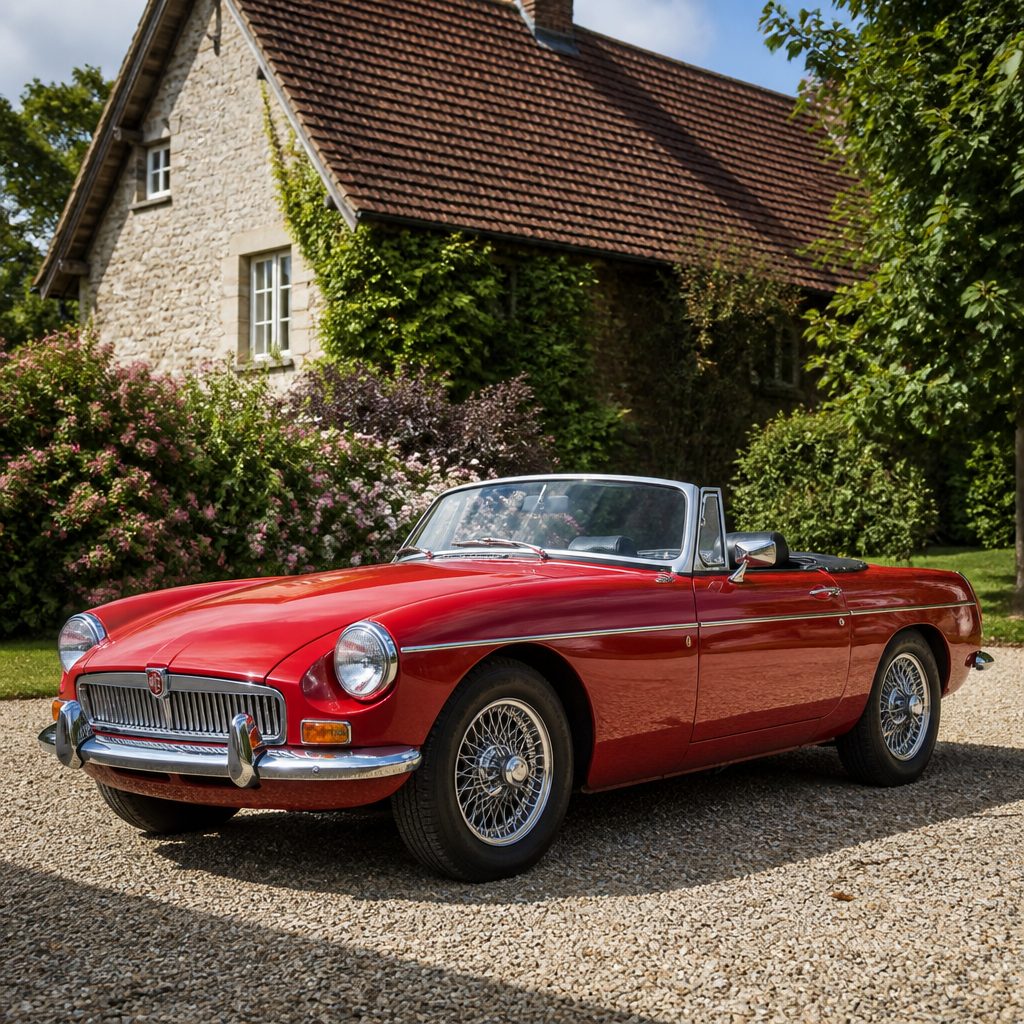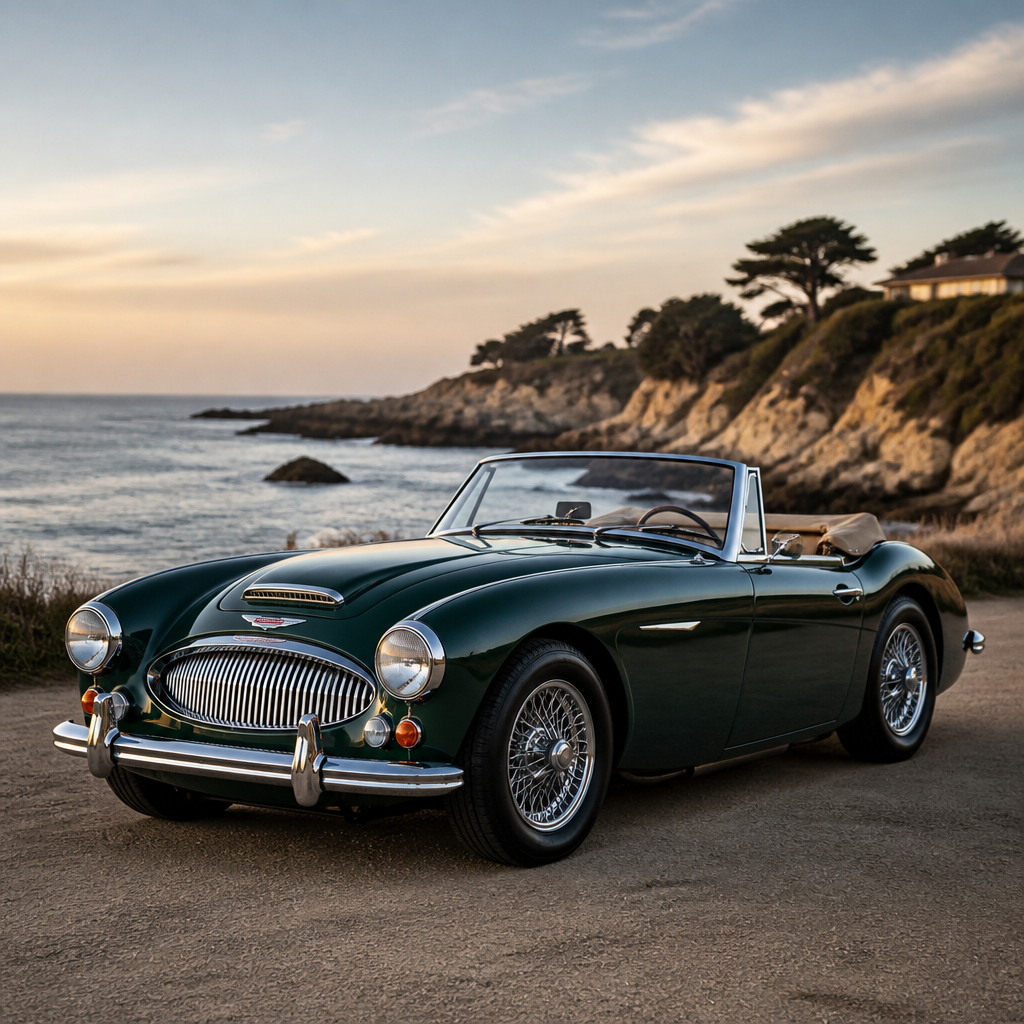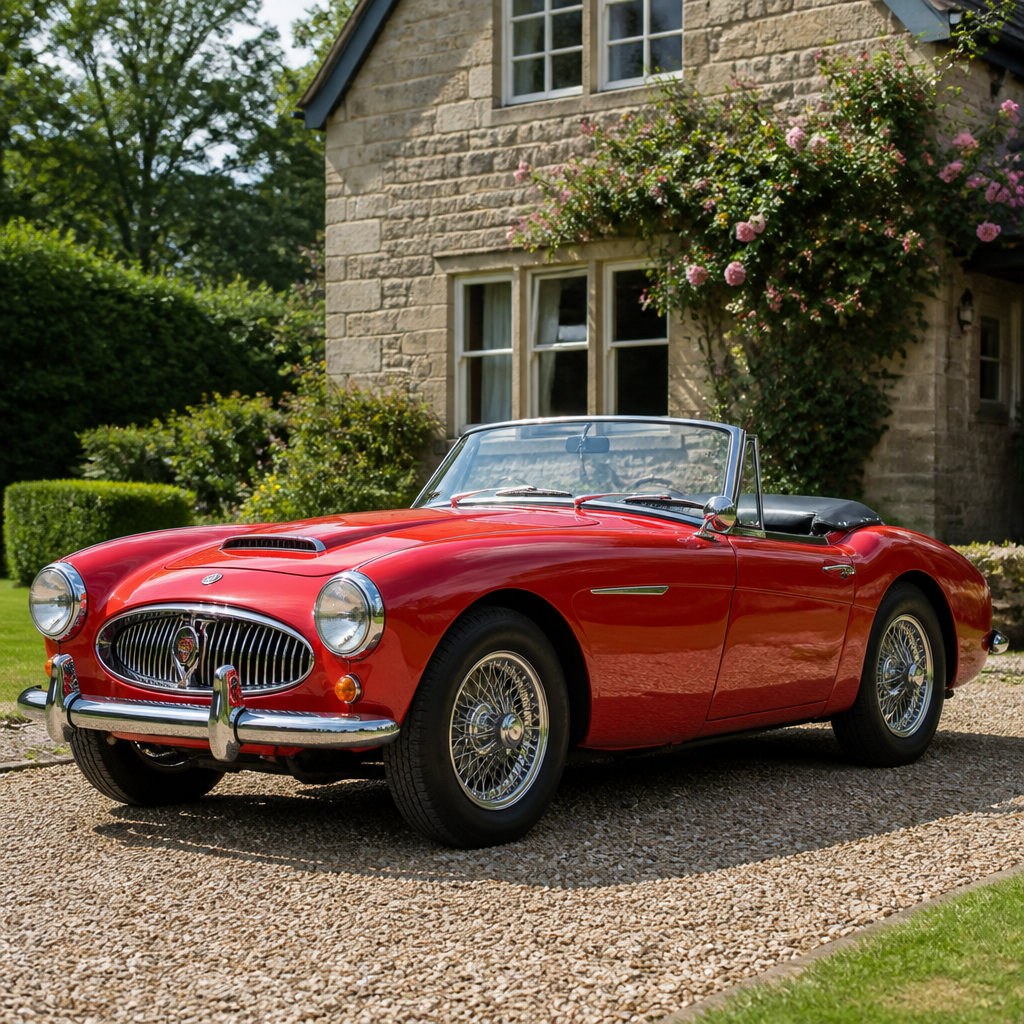
Classic car insurance can cover modifications, but only when the policy specifically recognizes those changes, values them correctly, and treats them as part of the insured vehicle rather than as undeclared extras. In practice, that distinction is where many owners lose money after a claim. I have reviewed collector-car policies for stock restorations, period-correct upgrades, resto-mod builds, and heavily customized classics, and the same rule applies every time: if the insurer does not know exactly what is on the car, you should not assume it is covered. For anyone researching insurance for classic cars, this is one of the most important issues to understand because modifications directly affect agreed value, underwriting eligibility, repair methods, parts sourcing, and claims settlement.
Classic car insurance differs from standard auto insurance because it is built around limited use, careful storage, enthusiast ownership, and a value model that reflects collector markets rather than ordinary depreciation. Instead of actual cash value, many specialist policies use agreed value, meaning the insurer and owner set a stated payout amount in advance, subject to policy terms. That approach is often the right fit for older vehicles whose replacement cost cannot be estimated from standard price databases. A modified 1967 Mustang, an air-cooled Porsche with suspension upgrades, or a Chevrolet C10 fitted with a modern driveline may be worth far more than a generic guide would suggest, but only if documentation supports the number.
Modifications matter because they can either increase or reduce insurability. Some changes are low risk and easy to underwrite, such as upgraded radial tires, electronic ignition, improved cooling, or front disc brakes on a car that originally had drums. Other changes trigger closer scrutiny, including engine swaps, roll cages, nitrous systems, altered chassis geometry, custom paint with high replacement cost, and modern infotainment integrated into a vintage dash. Insurers want to know whether the modifications improve reliability and safety, materially raise replacement cost, or change how the vehicle is used. Owners need this page as a hub because every major classic car insurance question connects back to modifications, from how to appraise the car to how to document spare parts, choose mileage limits, or file a total-loss claim.
What classic car insurance usually covers
Insurance for classic cars generally includes liability coverage where required by law, plus optional comprehensive and collision coverage tailored for collector vehicles. The defining feature is usually agreed value coverage. If the policy lists the car at $45,000 and a covered total loss occurs, the insurer aims to pay that amount minus any deductible, rather than a depreciated book figure. Most specialist carriers also build in flexible repair expectations, recognizing that OEM new parts may not exist and that labor often involves restoration shops rather than conventional body shops.
Policies may also include towing with flatbed requirements, spare parts coverage, automobilia endorsements, and coverage during shows or club events. Some offer inflation guard or automatic value increases at renewal, but those features should not be treated as a substitute for a fresh review after meaningful upgrades. If you install a rebuilt fuel-injected crate engine, commission a bare-metal repaint, or add a custom leather interior, the old agreed value may become outdated immediately.
The main limitation is usage. Collector policies often restrict commuting, commercial activity, racing, or routine daily transportation. Storage requirements are common, with many insurers expecting a fully enclosed, locked garage or similar secure facility. A modified classic that is street legal but used for track days, endurance rallies, or paid wedding work may need a different form of coverage than a weekend cruiser. That is why insurance for classic cars should be approached as a specialty product, not a commodity purchase based on premium alone.
Do modifications count as covered equipment?
Yes, modifications can count as covered equipment, but only if they are disclosed, accepted by underwriting, and reflected in the insured value or endorsed separately. Many owners ask a simple question: if the car is already insured, are the upgrades automatically included? The reliable answer is no. Standard assumptions create claim disputes. An insurer may cover the base vehicle while excluding undeclared equipment added later, especially if the additions materially changed value or risk.
Covered modifications usually fall into three broad categories. First are period-correct enhancements, such as dealer-style mag wheels, vintage carburetor upgrades, wood-rim steering wheels, or factory-optional trim packages installed after production. These are often straightforward if documented. Second are functional upgrades that improve drivability or safety, including overdrive transmissions, modern wiring harnesses, electronic fuel injection, power steering conversions, and four-wheel disc brake kits. Third are custom or performance changes like superchargers, full air suspension, chopped roofs, custom fabrication, and one-off interiors. These require the most evidence because replacement cost is highly specific.
In claims work, the difference between documented and undocumented modifications is enormous. I have seen owners submit receipts totaling $28,000 for paint, upholstery, and driveline work on a truck insured years earlier for $22,000. Even with excellent receipts, recovery is limited if the policy was never updated. The insurer is not required to discover your upgrades for you. Owners must report them.
How insurers evaluate modified classic cars
Underwriters assess modified classics by looking at age, rarity, condition, driver history, storage, intended use, and build quality. They also distinguish between tasteful, professionally executed upgrades and modifications associated with elevated loss frequency. A well-documented LS-swapped restomod with Wilwood brakes, QA1 suspension, and a Tremec transmission may be insurable at a strong agreed value if the workmanship is professional and the owner uses it for limited pleasure driving. The same car, if built without receipts, with unresolved title issues, and with evidence of street racing, may be declined.
Valuation is central. Insurers commonly request photos from all sides, interior, engine bay, trunk, VIN, and close-ups of key modifications. For higher-value builds, they may ask for a professional appraisal. Appraisers often rely on market comparables from auction results, private sales, marque experts, and parts-and-labor documentation. Tools such as Hagerty Valuation Tools, NADA classic values, and recent Bring a Trailer or Mecum results can help establish a range, but custom work does not always return dollar for dollar. A $15,000 audio install or bespoke airbrush mural may cost that much to create yet add less than its build cost to market value.
Insurers also evaluate whether modifications change repair complexity. A stock 1955 Chevrolet can be repaired using established reproduction parts channels. A custom wide-body build with hand-formed panels cannot. That repairability issue affects both eligibility and premium because severe claims may be more likely to become total losses.
Documentation that protects your payout
The strongest classic car insurance files include a current agreed value, a recent photo set, organized receipts, and a clear modification list. Owners should keep digital and paper copies. If a garage fire, theft, or major collision destroys the car and the records stored inside it, cloud copies become crucial. At minimum, maintain invoices for parts and labor, before-and-after photos, appraisal reports, dyno sheets if relevant, and serial numbers for major components such as crate engines or custom wheels.
Use this checklist whenever you update insurance for classic cars:
| Item | Why it matters | Best practice |
|---|---|---|
| Agreed value | Sets total-loss payout baseline | Review after every major upgrade or every renewal |
| Receipts | Proves cost and scope of modifications | Save itemized invoices in cloud storage |
| Photos | Shows condition and installed equipment | Update at least annually and after build changes |
| Appraisal | Supports unusual or high-value builds | Use a qualified classic car appraiser |
| Usage details | Affects eligibility and premium | Disclose mileage, events, storage, and drivers accurately |
| Parts inventory | Helps cover spares and rare components | List valuable extras separately |
This paperwork does more than justify value. It also helps claims adjusters source like-kind replacements and understand what was on the vehicle at the time of loss. If your Jaguar E-Type had upgraded triple Weber carburetors, stainless exhaust headers, and a five-speed conversion, the file should make those facts obvious without guesswork.
Common exclusions and gray areas owners miss
The biggest mistake owners make is assuming every modification adds covered value. Policies can exclude wear and tear, mechanical breakdown, faulty workmanship, manufacturer defects, rust, corrosion, and damage caused by racing or speed contests. If a poorly installed fuel line leads to an engine fire, coverage may hinge on exact cause, policy wording, and whether resulting fire damage is covered even if defective workmanship itself is not. Those distinctions matter.
Another gray area is parts that are not yet installed. Many owners keep rare trim, extra wheels, original engines, or NOS components in the garage. Some collector policies offer limited spare parts coverage, but limits vary widely. If the removed matching-numbers engine from your restomod 1970 Camaro is worth $12,000, confirm whether it is insured as a spare, under homeowners insurance, or not covered at all.
Diminished value is also misunderstood. After a major collision repair, a modified classic may be worth less in the collector market even if repaired well. Not all policies address that loss explicitly. Likewise, transportation damage, overseas shipping, and restoration-in-progress exposures may require separate arrangements. A shell at a body shop awaiting paint is not always protected the same way as a road-ready, fully insured collector car.
Choosing the right policy for a stock car, restomod, or custom build
Stock classics generally fit the broadest range of collector policies because originality is easy to value and parts sources are familiar. Restomods require a closer match between insurer and build philosophy. If your car retains vintage styling but uses modern mechanicals for safer road use, prioritize carriers comfortable with non-original drivetrains and with claims teams that understand custom labor. Fully custom builds require the most specialized approach because every major component may be unique.
When comparing policies, ask direct questions. Is the valuation fixed at agreed value or subject to depreciation language? Are modifications automatically included up to a small limit, or must every change be reported? Can you choose your own repair shop? Are OEM, reproduction, salvaged, or custom-fabricated parts acceptable in settlement? Is there coverage for tools, spare parts, automobilia, and trailers? What happens if market values rise sharply between renewals?
Insurers active in the collector market often differ meaningfully in underwriting appetite. Some are strongest for concours restorations, some for broad enthusiast fleets, and some for six-figure customs. Premium should be evaluated alongside policy wording, valuation flexibility, and claims reputation. For modified cars, cheap coverage is often expensive when the payout language is weak.
How to file a claim on a modified classic
After a loss, start by protecting the vehicle from further damage, then notify the insurer promptly and provide a complete modification record. Send current photos, receipts, the appraisal, and any prior correspondence showing the insurer accepted the build as described. If police reports, tow records, or fire department reports exist, request copies quickly. For theft claims, detailed photos and unique build identifiers are especially important.
Be prepared to explain not just what the parts cost, but what they do and how they affect replacement. A custom independent rear suspension, hand-stitched interior, or one-piece forged wheel set cannot be evaluated like ordinary aftermarket accessories. Good adjusters understand that, but they still need documentation. If the insurer proposes a value that ignores accepted modifications, point back to the agreed value declaration and the underwriting file.
For major losses, involve your appraiser or restoration shop early. They can support repair estimates, identify hard-to-source components, and explain why a build may qualify as a constructive total loss. Clear records make these discussions faster and more accurate. Review your policy before you need it, then update it whenever the car changes. That one habit is the simplest way to make sure your classic car insurance actually covers modifications when it matters most.
Classic car insurance works best when it treats a collector vehicle as it really exists, not as a generic old car. That is the central answer to the question, “Does classic car insurance cover modifications?” Yes, but only if the policy is built around the true specification, value, and use of the vehicle. For owners exploring insurance for classic cars, that principle ties together every decision on this subtopic: agreed value selection, storage requirements, mileage limits, spare parts coverage, appraisals, restoration documentation, and claim strategy.
The practical takeaway is simple. Disclose every meaningful modification, update your agreed value after major work, store receipts and photos securely, and choose a specialist insurer that understands stock restorations, restomods, and custom builds. Modifications can improve safety, drivability, and market appeal, but they also change underwriting and repair economics. Ignoring that reality is what creates unpleasant surprises after a loss.
If you own a classic car, review your policy today against the current build sheet. Then use this hub as your starting point for deeper articles on valuation, mileage restrictions, storage rules, spare parts, appraisals, and claims. The better your documentation and policy fit, the more confidently you can enjoy the car on the road, at shows, and in your garage.
Frequently Asked Questions
Does classic car insurance cover modifications?
Yes, classic car insurance can cover modifications, but only if those changes are fully disclosed to the insurer and specifically reflected in the policy. That is the key issue. Many owners assume that if a modified part is bolted onto the car, it is automatically insured as part of the vehicle. In reality, coverage usually depends on whether the insurer knows about the modification, agrees to insure it, and includes its value in the car’s insured amount. If that process does not happen, a claim may be settled as though the car were stock, which can leave the owner absorbing a substantial financial loss.
This matters whether the car has mild upgrades or extensive customization. Period-correct wheels, upgraded brakes, performance engine work, custom paint, modern drivetrains, suspension conversions, and interior rework can all affect value. Some insurers are very comfortable with these changes, especially in the collector and agreed-value market, while others are much more restrictive. The safest approach is to treat every modification as something that must be declared, documented, and valued before a loss occurs. If the insurer recognizes the upgrades as part of the insured vehicle, they can usually be covered properly. If not, they may be treated as undeclared extras or ignored entirely during the claims process.
What kinds of modifications are usually covered under a classic car policy?
Coverage often extends to a wide range of modifications, but what is acceptable depends on the insurer and the type of build. Many collector-car insurers will consider common categories such as engine upgrades, transmission swaps, suspension improvements, brake conversions, custom wheels, paint and bodywork, interior restorations, audio upgrades, and safety improvements. Policies may also cover period-correct enhancements that improve drivability or preserve the car’s era-appropriate character, such as electronic ignition, upgraded cooling systems, or vintage-style accessory additions.
More significant changes, such as LS swaps, pro-touring setups, chopped tops, air suspension, widened bodywork, modernized interiors, or full resto-mod conversions, can also be insurable, but they typically require more underwriting scrutiny. Insurers may ask for a detailed build sheet, receipts, photographs, and sometimes even an appraisal. The main question is not just whether the modification exists, but whether the insurer is willing to assign value to it and include it in the vehicle’s agreed or stated amount. Some carriers specialize in stock or lightly restored classics and may limit heavily customized builds. Others specifically target modified collector vehicles and are better equipped to insure them accurately.
Owners should also remember that not every add-on is treated the same way. Permanently integrated modifications are more likely to be folded into the vehicle’s insured value, while removable equipment or recently installed parts may need separate attention. The best way to avoid surprises is to ask the insurer to confirm, in writing if possible, that the listed modifications are included in the valuation and covered under the policy terms.
How do I make sure my modifications are properly valued by the insurance company?
The most reliable way to protect modified classics is to document everything and work toward an agreed-value policy that reflects the car as it actually sits today. Start by creating a full list of modifications, including parts, labor, and any custom fabrication. Keep receipts for components, invoices from shops, before-and-after photos, dyno sheets if relevant, and restoration records. If the car has undergone major customization, an appraisal from someone familiar with modified collector vehicles can be extremely helpful. The point is to give the insurer enough evidence to understand both the existence and the value of the upgrades.
Agreed value is especially important because it establishes, in advance, what the insurer will pay in the event of a covered total loss, subject to policy terms. That can be far better than relying on generic market estimates that may not account for a custom build’s true replacement cost. A modified classic often has value tied not just to the base vehicle, but to the quality of workmanship, rarity of parts, and cost of labor. If the policy value was set without those factors in mind, the owner may discover after a loss that the settlement falls well short of what was invested.
It is also wise to revisit the valuation regularly. Modified classics can change quickly. A winter engine build, new paint, interior upgrade, or suspension overhaul can materially increase the car’s value. If the policy is not updated after those changes, the coverage can lag behind the build. Review the insured value at each renewal and whenever a major modification is completed. In short, accurate valuation is not a one-time event. It is an ongoing part of properly insuring a modified classic car.
Will a claim be denied if I did not tell the insurer about modifications?
It can be, or the payout can be reduced significantly. Undisclosed modifications create one of the most common problems in classic car claims. If the insurer issued the policy based on the understanding that the vehicle was stock, lightly restored, or configured differently than it really was, they may argue that the risk was misrepresented. Depending on the circumstances, that can affect coverage, valuation, or both. In some cases, the claim itself is not denied outright, but the insurer pays only for the car in its declared form rather than including the value of the undeclared upgrades.
For example, if a classic Mustang insured as a mostly original car actually has a high-dollar engine build, custom suspension, upgraded brakes, and bespoke interior work, a loss settlement based on a stock valuation may leave thousands or even tens of thousands of dollars uncovered. Even smaller omissions can matter. Wheels, paintwork, trim changes, audio systems, and performance parts all contribute to value. If they are not disclosed, the insurer may have little reason to include them after the fact.
This is why transparency matters so much with collector coverage. Telling the insurer about modifications before a loss gives them the opportunity to underwrite the car correctly, set an accurate value, and confirm whether they are comfortable with the build. That process protects both sides. If you are unsure whether a change is significant enough to report, report it anyway. With classic and modified vehicles, over-disclosure is usually far safer than under-disclosure.
Are modified classics harder or more expensive to insure?
Sometimes, yes. Modified classics can be harder to place and more expensive to insure because they may present higher repair costs, more specialized parts needs, and valuation challenges. A stock restoration is often easier for an insurer to understand because comparable values, replacement parts, and market expectations are clearer. A custom or heavily modified car may require individualized underwriting, especially if it has one-off fabrication, performance enhancements, or a build quality that is difficult to price using standard guides.
That said, higher cost does not always mean unaffordable or impossible. Specialty classic car insurers often have programs designed for modified vehicles, including resto-mods and custom builds. Premiums depend on several factors beyond the modifications themselves, such as storage, mileage limits, driver history, location, usage, and the agreed value selected. In many cases, the modifications increase the insured value because the car is simply worth more, not because the insurer automatically sees it as a bad risk. A carefully stored, seldom-driven modified classic may still qualify for favorable collector rates if it meets the carrier’s underwriting requirements.
The real challenge is finding the right insurer rather than just the cheapest one. Owners of modified classics should look for a company that understands collector vehicles, accepts the specific type of build involved, and is willing to document the car’s configuration clearly. Paying a little more for a policy that actually recognizes the modifications is usually a better outcome than buying a cheaper policy that leaves major portions of the build uninsured. With modified classics, proper coverage is less about getting any policy and more about getting the right one.