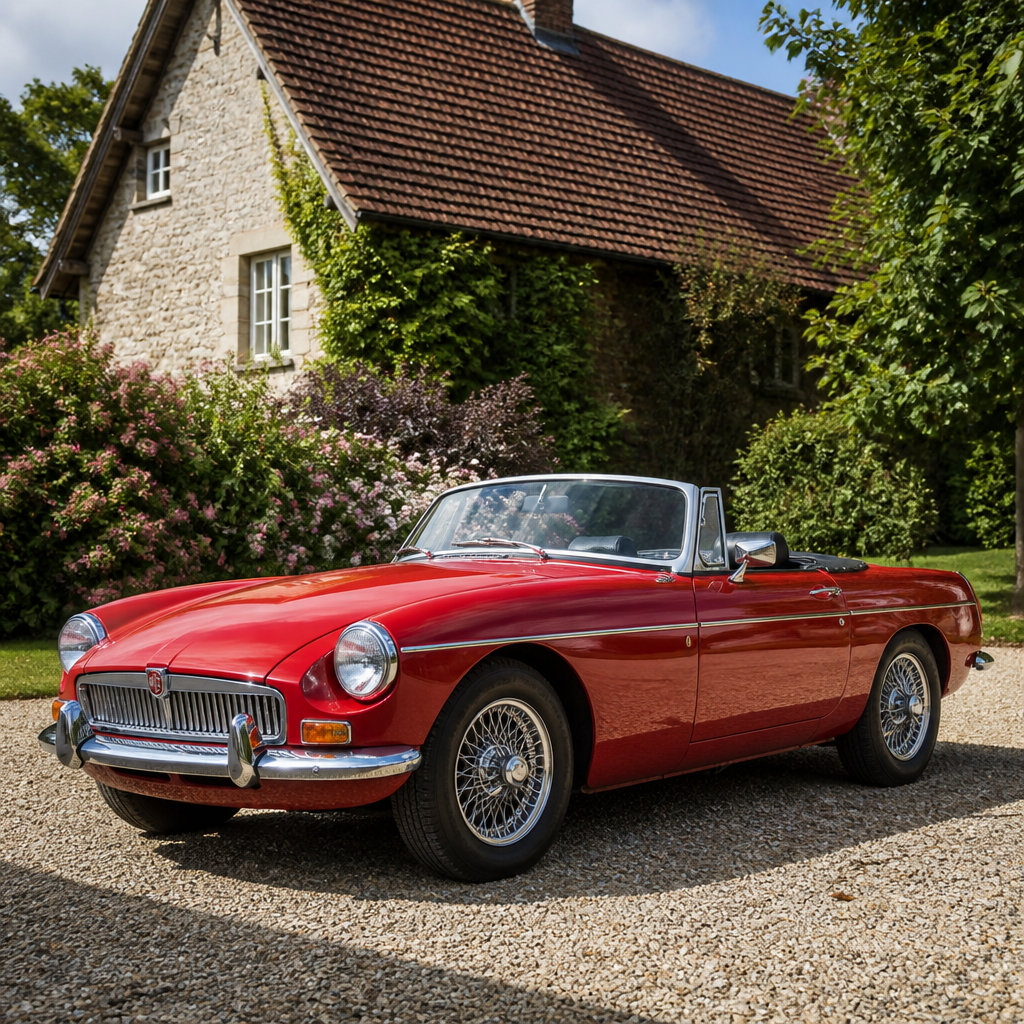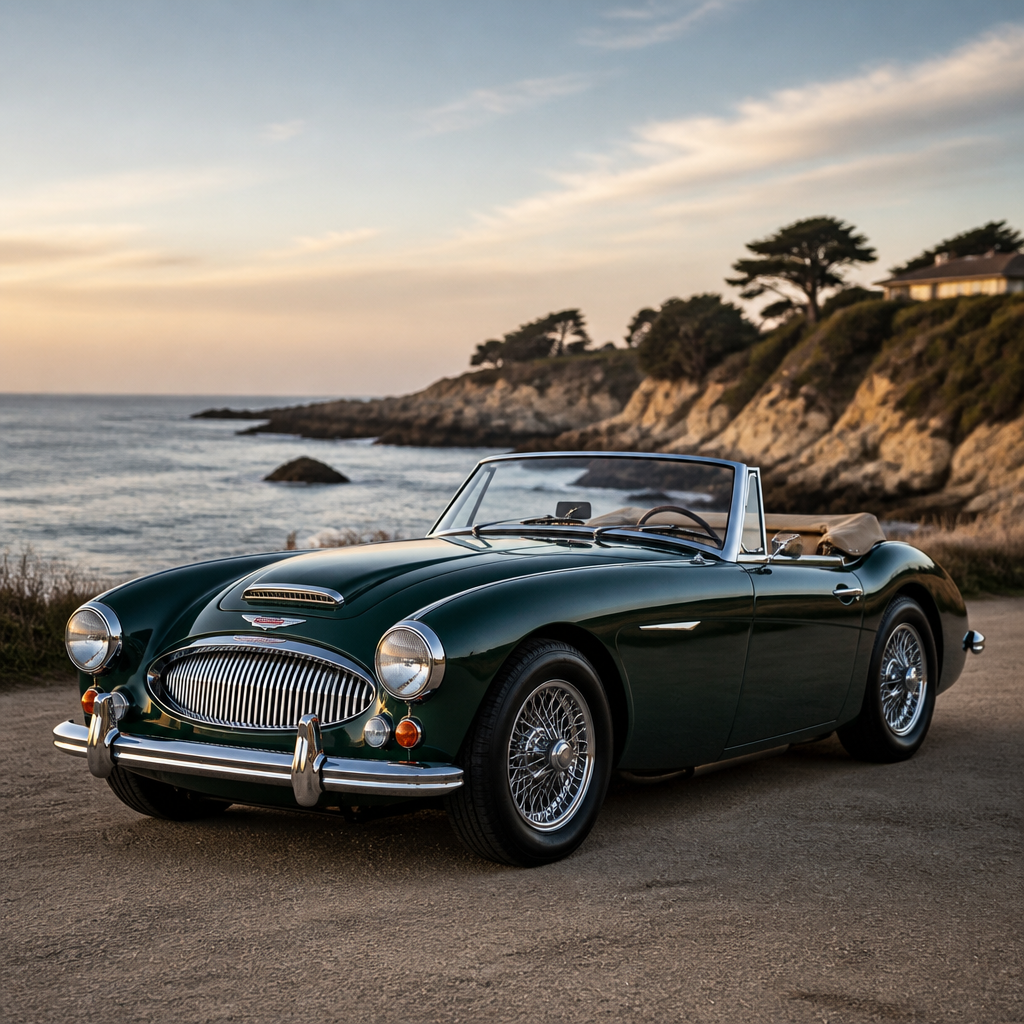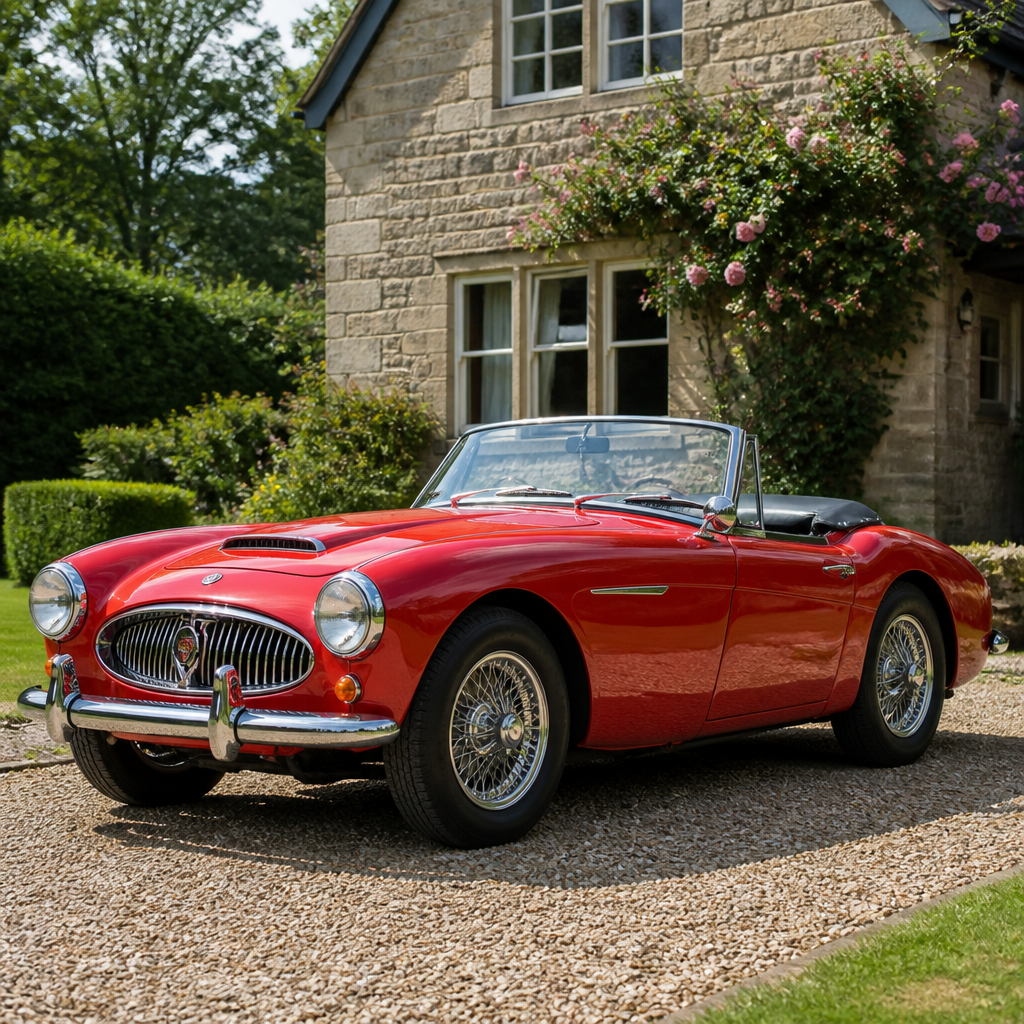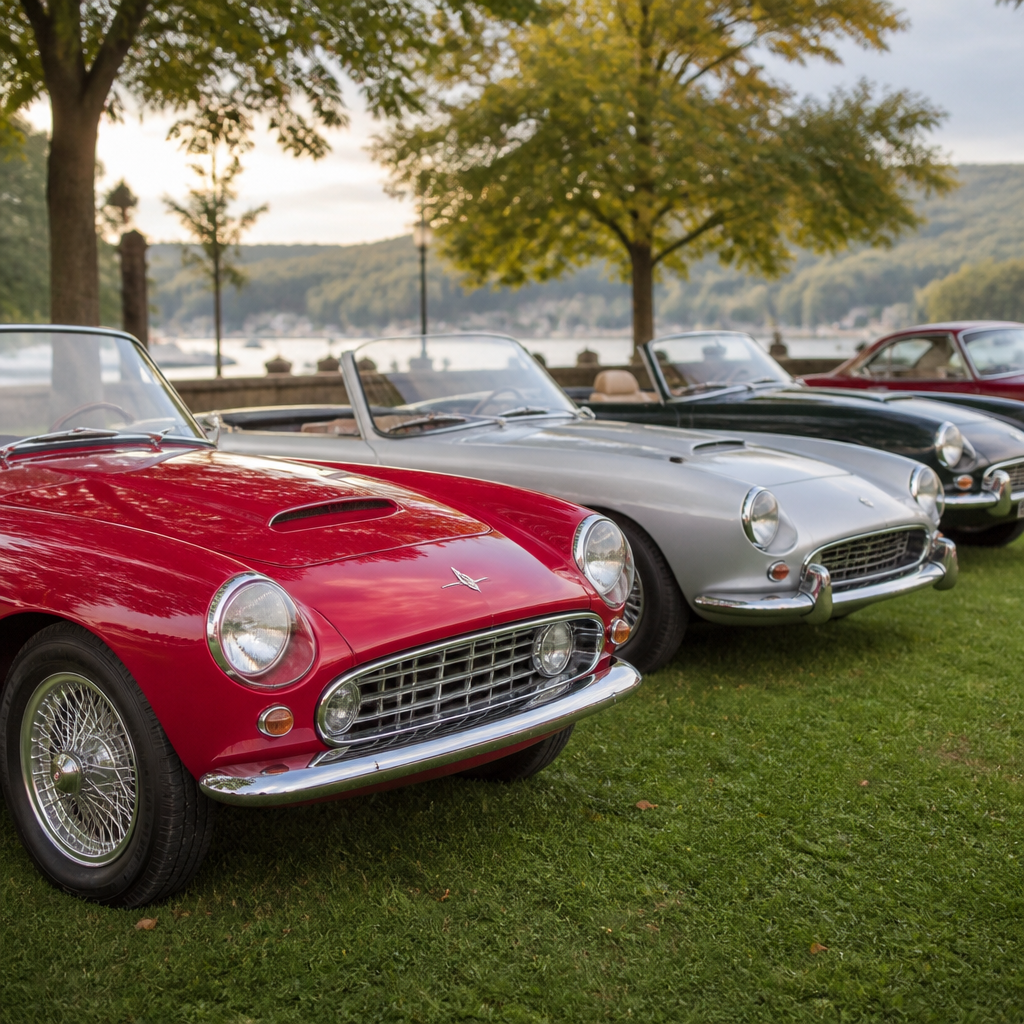
Classic car insurance is not just standard auto coverage with a vintage label; it is a specialized policy built around collector use, agreed value, storage standards, and proof of a vehicle’s condition and history. If you own a muscle car, brass-era tourer, postwar British roadster, air-cooled 911, or a carefully preserved pickup, the most important step before shopping for coverage is documentation. In practical terms, documenting your classic car for insurance means creating a clear record of what the vehicle is, what condition it is in, what work has been done, what parts are fitted, how it is stored, and why it is worth the amount you want insured.
This matters because insurers do not price collectible vehicles the way they price daily drivers. A 1967 Chevrolet Corvette coupe with matching numbers, NCRS history, and recent paint correction is not interchangeable with a driver-grade small-block car that has replacement trim and an unknown engine block. The policy structure reflects that difference. Many classic car insurers offer agreed value coverage, where you and the carrier approve a value up front. If the car is declared a total loss under covered circumstances, that agreed amount is generally the benchmark for settlement, subject to policy terms. To get there, you need evidence, not assumptions.
I have helped owners assemble insurance files after restorations, before auctions, and after near misses with fire, theft, and transit damage, and the pattern is consistent: the owners who document well resolve quotes, underwriting questions, and claims faster. Good records reduce disputes over condition, authenticity, modifications, and replacement cost. They also help when you move the car, refinance it, place it in a trust, or sell it later. For a subtopic as broad as insurance for classic cars, documentation is the hub because it connects valuation, underwriting, mileage limits, parts coverage, and claims handling into one defensible package.
At a minimum, your file should include ownership documents, high-resolution photos, VIN and body tags, appraisal or valuation support, maintenance and restoration receipts, storage details, and a current odometer reading. Better files also include videos, cold-start footage, provenance, club judging sheets, and an inventory of spares. If you want the short answer to the common question, “What does an insurer need?” it is this: proof of identity, proof of ownership, proof of condition, proof of value, and proof of how the car is used and protected. Everything else strengthens those five pillars.
Know what classic car insurers are actually underwriting
Before you gather records, understand what the carrier is trying to measure. Underwriters want to know the probability of loss and the likely cost if loss occurs. For collector vehicles, that means they assess garage storage, driver eligibility, annual mileage, commute restrictions, prior claims, modifications, theft exposure, and whether the requested value aligns with market reality. Companies such as Hagerty, Grundy, American Collectors, and J.C. Taylor each have slightly different appetite and eligibility rules, but the questions are similar. If your documentation anticipates them, the process becomes smoother.
Three valuation concepts appear repeatedly. Actual cash value is depreciation based and usually least favorable for classics. Stated value lets you declare an amount, but settlement can still be limited by actual cash value language. Agreed value is generally preferred because the insured amount is established in advance. Documentation supports all three, but it is essential when you seek agreed value because the insurer must be convinced that your number is grounded in comparable sales, condition, rarity, and restoration quality. This is especially important for cars that trade in thin markets, such as coachbuilt European cars or highly modified restomods.
Usage classification matters just as much as value. Most collector policies assume pleasure driving, club events, shows, parades, and occasional maintenance runs. They often exclude routine commuting, commercial use, racing, timed events, and unattended transport situations unless specifically endorsed. If your car appears at weddings for hire, participates in track days, or lives part of the year in another state, document that accurately. Trying to fit unusual use into a standard collector policy creates claim risk later.
Build the core documentation file before you request quotes
The strongest insurance file starts with ownership and identification. Include the title or registration, bill of sale, VIN plate photos, body plate photos, engine stampings, and any state-issued inspection documents. Matching-numbers claims should be backed by photos and marque-specific records where possible. For example, a Porsche Certificate of Authenticity, a British Motor Industry Heritage Trust certificate for many British cars, Pontiac Historical Services documents for Pontiacs, or factory build records for Mopar E-body cars can materially support originality claims. These records will not guarantee a value, but they strengthen the narrative the underwriter sees.
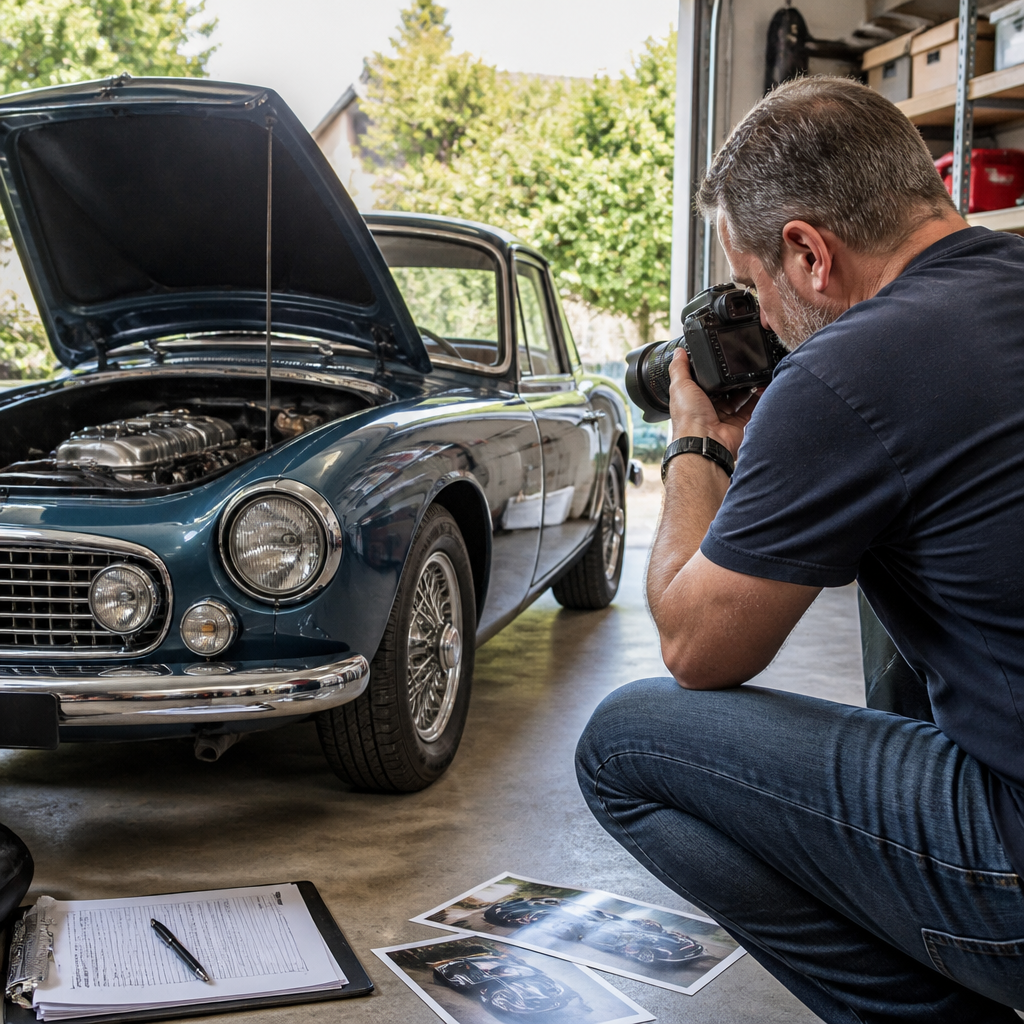
Next, create a condition record. Photograph every exterior angle, the roof, hood, trunk, glass, wheels, tires, undercarriage, engine bay, trunk interior, cabin, gauges, VIN plate, and any flaws. Use natural light and date-stamped originals. I advise owners to shoot both beauty photos and clinical photos. Beauty photos help establish overall presentation; clinical photos show chip size, chrome pitting, panel fit, seat wear, casting numbers, and underbody cleanliness. Add a walkaround video and start-up video. If the car has a fresh restoration, include before-and-after images because they explain why current value exceeds older comps.
Receipts are the next layer. Save invoices for paintwork, engine machining, upholstery, chrome plating, weatherstripping, glass replacement, wiring harnesses, and major parts purchases. Organize them by system: body, drivetrain, suspension, interior, electrical, and trim. A spreadsheet summary is useful, but scanned invoices are better evidence. Do not assume restoration spend equals market value; often it does not. However, those records prove the quality, recency, and scope of work, which directly affects both underwriting confidence and claim settlement.
Document value with appraisals, comps, and market evidence
The question owners ask most is simple: how much documentation do I need to justify value? The practical answer is enough to show that your requested insured amount is reasonable today, not what you paid five years ago and not what a television auction might have shown for a different car. Start with recent comparable sales. Use RM Sotheby’s, Gooding, Bonhams, Mecum, Bring a Trailer, Cars & Bids, Hemmings, and marque forums. Condition and originality matter more than broad model similarity. A factory big-block four-speed convertible with documented options is not comparable to a small-block automatic coupe, even if both share the same badge and year.
Published pricing guides help frame expectations. Hagerty Price Guide is widely used for collector vehicles, and NADA classic values may appear in lending or insurance conversations. These guides are directional, not definitive. They become more persuasive when you pair them with your car’s actual features, documented restoration, and sale history. If your vehicle sits between guide conditions, explain why. For instance, a highly presentable driver with fresh mechanicals and older paint may sit above a condition-four car but below a condition-two example.
For higher-value cars, unusual vehicles, or heavily restored examples, a professional appraisal is often worth the cost. Choose an appraiser with collector-car expertise, not a general property appraiser. USPAP familiarity helps, and marque knowledge is even better. A credible appraisal should describe provenance, authenticity, condition by system, photos, market comps, and the reasoning behind the concluded value. Review it for errors. Wrong engine codes, omitted options, or exaggerated originality claims can undermine trust with underwriters.
| Document | What it proves | Why insurers care |
|---|---|---|
| Title, registration, bill of sale | Legal ownership and identity | Confirms insurable interest and matches VIN |
| Comprehensive photo set | Current condition and completeness | Supports value and speeds claim review |
| Restoration and maintenance receipts | Work performed and parts installed | Shows quality, recency, and investment |
| Market comps and price guides | Current value range | Anchors agreed value request in market evidence |
| Professional appraisal | Independent valuation opinion | Helps with rare, high-value, or modified cars |
| Garage and security details | Risk controls | Influences underwriting acceptance and price |
Record modifications, authenticity, and spare parts accurately
Modified classics need especially careful documentation because insurance problems often start with vague descriptions. “Upgraded engine” is not enough. List displacement, block casting, induction, ignition, transmission type, rear axle ratio, brake conversion, wheel size, tire specification, suspension changes, and electrical upgrades. Include brands where relevant: Holley Sniper EFI, Wilwood disc brakes, Tremec five-speed, QA1 coilovers, Vintage Air, or Painless wiring. Insurers do not automatically penalize modifications, but they need to know what exists, what it would cost to replace, and whether it changes usage or performance risk.
Authenticity claims deserve the same precision. If a car is numbers-matching, define what matches: engine, transmission, rear axle, body tags, colors, and options. If the car is a tribute, continuation, rebody, or restomod, say so plainly. The worst outcome in underwriting or claims is a file that implies originality the car does not have. A truthful, well-supported modified car can still earn a strong agreed value. Many restomods sell for six figures because build quality and component choice are exceptional. The documentation simply needs to match reality.
Do not forget spare parts and automobilia if you want them considered. Extra wheels, hardtops, rare trim, date-coded carburetors, removable side curtains, and tool rolls may require separate listing or limited collectibles coverage. Read the policy wording. Some insurers include spare parts up to a sublimit; others require endorsement. If you have $15,000 in NOS trim on shelves, take photos, record part numbers, and ask specifically how those items are insured.
Show how the car is stored, maintained, and used
Storage documentation is more influential than many owners expect. A locked private garage is often the baseline requirement for collector coverage. Some carriers accept carports less readily or not at all. If the vehicle is kept in a shared building, condo garage, workshop, or rural barn, explain access controls, alarm systems, cameras, fire suppression, battery disconnects, and whether the car is trailered to events. Clear garage photos can reassure an underwriter that the car is protected from theft, vandalism, weather, and accidental damage.
Maintenance records matter because they show the vehicle is roadworthy, which reduces preventable losses. Keep dated logs for fluid changes, tune-ups, brake service, tire aging, fuel system cleaning, and battery replacement. Ethanol fuel issues, dry-rotted hoses, and aged bias-ply tires are common causes of breakdowns and fires in older cars. If the car has an extinguisher, battery cutoff, trickle charger, or kill switch, note that too. These details show attentive ownership, and attentive ownership is exactly what collector insurers prefer.
Usage records can prevent misunderstandings. Track annual mileage with odometer photos and service entries. If the policy restricts commuting, avoid ambiguous patterns that suggest daily-driver use. Some owners keep a simple trip log for tours, shows, and service drives. If you trailer the car, document the trailer, tow vehicle, and storage method. If the car is displayed internationally or shipped to concours events, ask in advance about transit coverage, marine cargo policies, and territorial limits. Standard collector coverage does not always follow the car everywhere you assume it does.
Prepare for claims before anything goes wrong
The best time to organize a claim file is before a loss. Keep a digital folder in cloud storage and a second backup offline. Save scans as searchable PDFs and retain full-resolution image files. Update the file at least annually, and always after major work or a sharp market change. If values rise quickly, as they did for several air-cooled Porsches, analog Ferraris, and certain Japanese classics in recent years, your insured amount may lag behind replacement cost unless you review it proactively.
After a loss, accurate documentation shortens the path from first notice to settlement. The adjuster can see pre-loss condition, verify options, and understand the basis for value. That matters in partial losses too. If a shop must source date-coded glass, triple-plate chrome, hand-formed aluminum, or discontinued weatherstrip, your prior records justify why repairs cost more than modern-car estimates. Ask the insurer whether you can use a repair shop experienced with classics and whether OEM, reproduction, or used parts are contemplated by the policy language.
As the hub for insurance for classic cars, documentation ties every coverage decision together. It supports agreed value, validates authenticity, protects modifications, clarifies spare-parts exposure, and proves responsible storage and limited use. Owners who build a complete file before requesting quotes generally get more accurate coverage and fewer surprises later. Start with photos, ownership records, receipts, and market comps, then add appraisal support, garage details, and annual updates. If your file can explain the car to a stranger in ten minutes, it is ready. Review it now, close the gaps, and speak with a collector-car insurer before your next drive.
Frequently Asked Questions
What documents do I need to insure a classic car properly?
At a minimum, insurers usually want enough information to confirm ownership, establish the car’s condition, and support the value you are asking them to insure. That typically starts with the vehicle title or current registration, your driver’s license, and basic vehicle identifiers such as the VIN, year, make, model, and mileage. From there, the most important documentation is visual and historical: clear photos of the exterior, interior, engine bay, trunk, undercarriage if possible, and any distinctive features, restoration work, or rare options. Good lighting and multiple angles matter because they help show the true condition of the car rather than a flattering snapshot.
You should also gather service records, restoration receipts, parts invoices, ownership history, appraisals if you have one, and any factory documentation or marque-specific certificates that verify originality. If the car has modifications, include a list of upgrades along with receipts and installation details. Storage information is also important, since many classic car policies ask whether the vehicle is kept in a locked garage, storage unit, or other protected location. In short, the goal is to build a file that proves what the car is, what has been done to it, what condition it is in, and why it is worth the amount you want covered for. The more complete and organized that file is, the easier it is for an insurer to underwrite the policy accurately and the less room there is for disputes later.
Why is documentation so important for agreed value classic car insurance?
Documentation is the foundation of agreed value coverage because this type of policy is built around a specific insured amount that you and the insurer accept in advance. Unlike standard auto insurance, which may pay actual cash value after depreciation, classic car policies often insure the vehicle based on a mutually agreed figure. That number is only as strong as the evidence behind it. If you say your car is worth significantly more than a typical example, the insurer will expect proof showing why. That proof may include restoration records, rarity documentation, professional appraisals, auction comparisons, recent sales of similar vehicles, and photographs that support the car’s true condition.
Strong documentation also protects you when it matters most: after a theft, total loss, or major damage claim. If your records clearly show the vehicle’s originality, quality of restoration, matching-numbers status, rare trim level, or historically correct components, it becomes easier to demonstrate that your agreed value was justified from the beginning. Without that paper trail, a claim can become more difficult, slower, and more open to challenge. In practical terms, documentation helps prevent undervaluation, reduces confusion during underwriting, and creates a defensible record that supports a fair settlement if something goes wrong.
What kind of photos should I take when documenting my classic car for insurance?
The best photo set is complete, current, and honest. Start with full exterior shots from all four corners of the vehicle, plus direct front, rear, and side views. Then photograph the interior thoroughly, including the seats, dashboard, gauges, steering wheel, door panels, headliner, carpeting, and cargo area or trunk. Next, include the engine bay, the VIN plate, odometer reading, wheels, tires, and any identifying tags or data plates. If the vehicle has a frame-off restoration, rare factory markings, matching-numbers stampings, or exceptional underbody condition, document those as well. These details can be especially useful for collectible vehicles where authenticity and condition heavily influence value.
It is also smart to photograph any imperfections, chips, scratches, wear points, or unfinished areas. That may seem counterintuitive, but accurate documentation is more credible than a photo set that looks selectively staged. Insurers appreciate records that reflect the car’s actual condition. Use high-resolution images, good natural or even lighting, and a plain background when possible. Save the files with dates and keep them backed up digitally in more than one location. Updating your photos every year, after major repairs, or following restoration work is a good habit because insurance documentation should be treated as a living record, not a one-time task.
Do I need an appraisal, and when is a professional valuation worth getting?
A formal appraisal is not always required, but it can be very helpful, especially when the car’s value is not obvious from standard market guides. If you own a rare model, a heavily restored vehicle, a car with unusual provenance, or one that has substantial investment in parts and labor, a professional appraisal can provide a structured and credible value opinion. That can be useful when you are requesting a higher agreed value than a typical example would command. It can also help if the vehicle has features that general insurance underwriting may not fully capture, such as historically significant ownership, concours-level restoration, period-correct competition equipment, or uncommon factory options.
An appraisal is particularly worthwhile after a major restoration, when market values have changed sharply, or when you are moving from basic documentation to a more serious collector policy. Even if an insurer does not require one, a current appraisal can strengthen your file and support negotiations. That said, an appraisal works best when it is paired with your own records, including photos, receipts, and maintenance history. Think of it as one piece of the documentation package rather than the entire package by itself. A well-prepared appraisal from a qualified classic car specialist can add authority, but it is most effective when the rest of the vehicle’s story is already documented clearly.
How often should I update my classic car insurance documentation?
You should review and update your documentation at least once a year, and sooner whenever something important changes. Major triggers include restoration work, repainting, engine rebuilding, interior refurbishment, new parts purchases, market value increases, storage changes, or any modification that affects value or insurability. If you attend shows, transport the car, or use it seasonally, it is wise to keep the file current before the driving season starts. Waiting until you need to file a claim is too late. The best time to organize documentation is when the car is safe, accessible, and the details are easy to verify.
A strong update routine usually includes taking a fresh set of dated photos, adding recent maintenance and parts receipts, reviewing mileage, confirming where and how the car is stored, and checking whether your agreed value still reflects the current market. Collector vehicle prices can change, and underinsuring a rising-value car can leave you short after a loss. Keep both physical and digital copies of everything, and store digital backups in the cloud or another secure off-site location. If your insurer allows it, send updated materials when major changes occur so the policy file stays aligned with the car’s actual condition and value. Consistent updates make claims smoother, support accurate coverage, and help ensure your classic car is protected the way it should be.