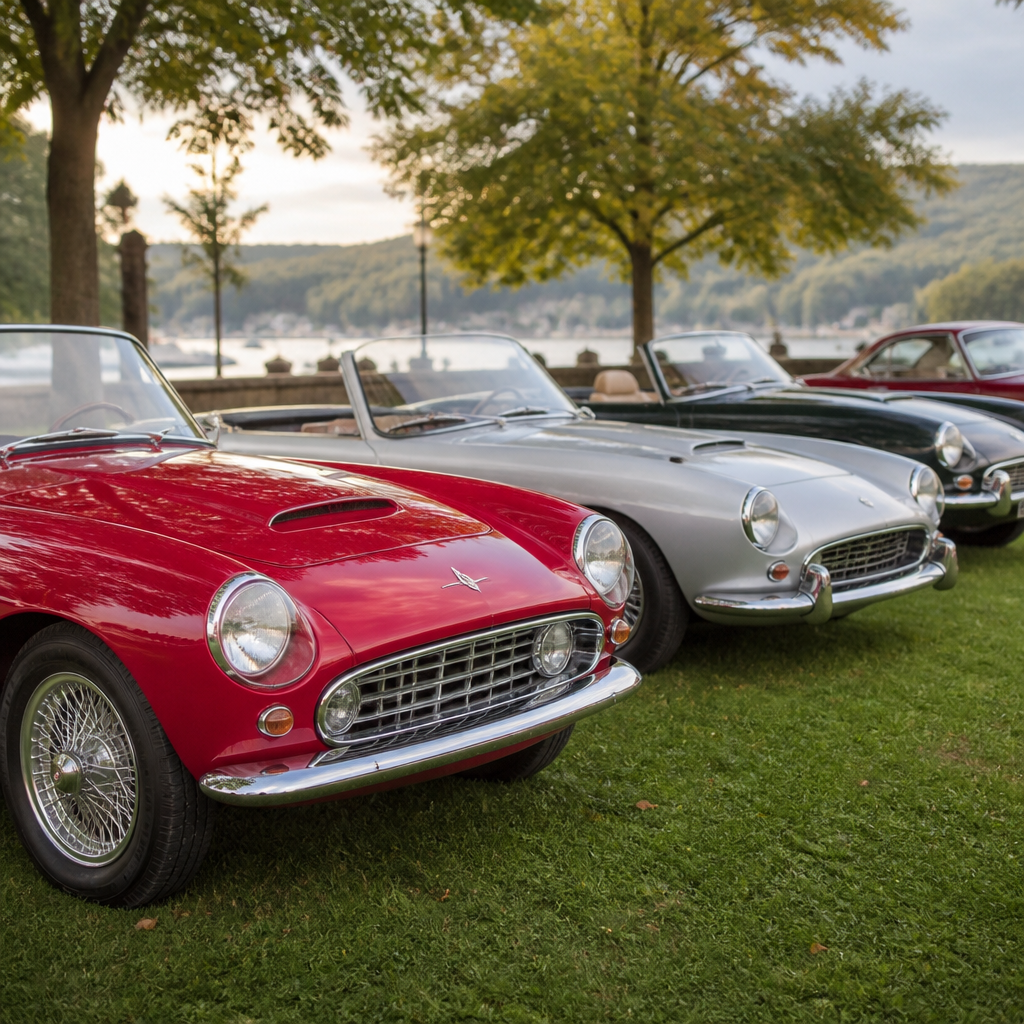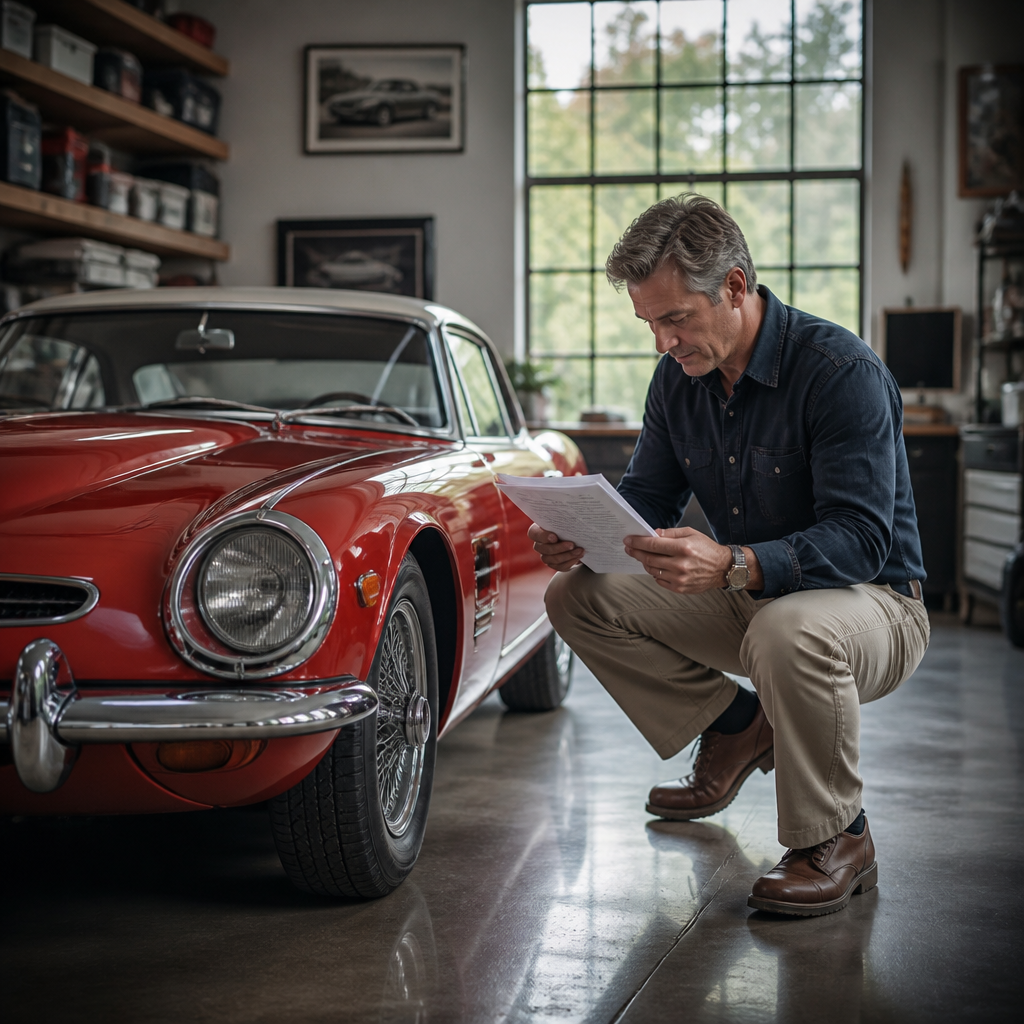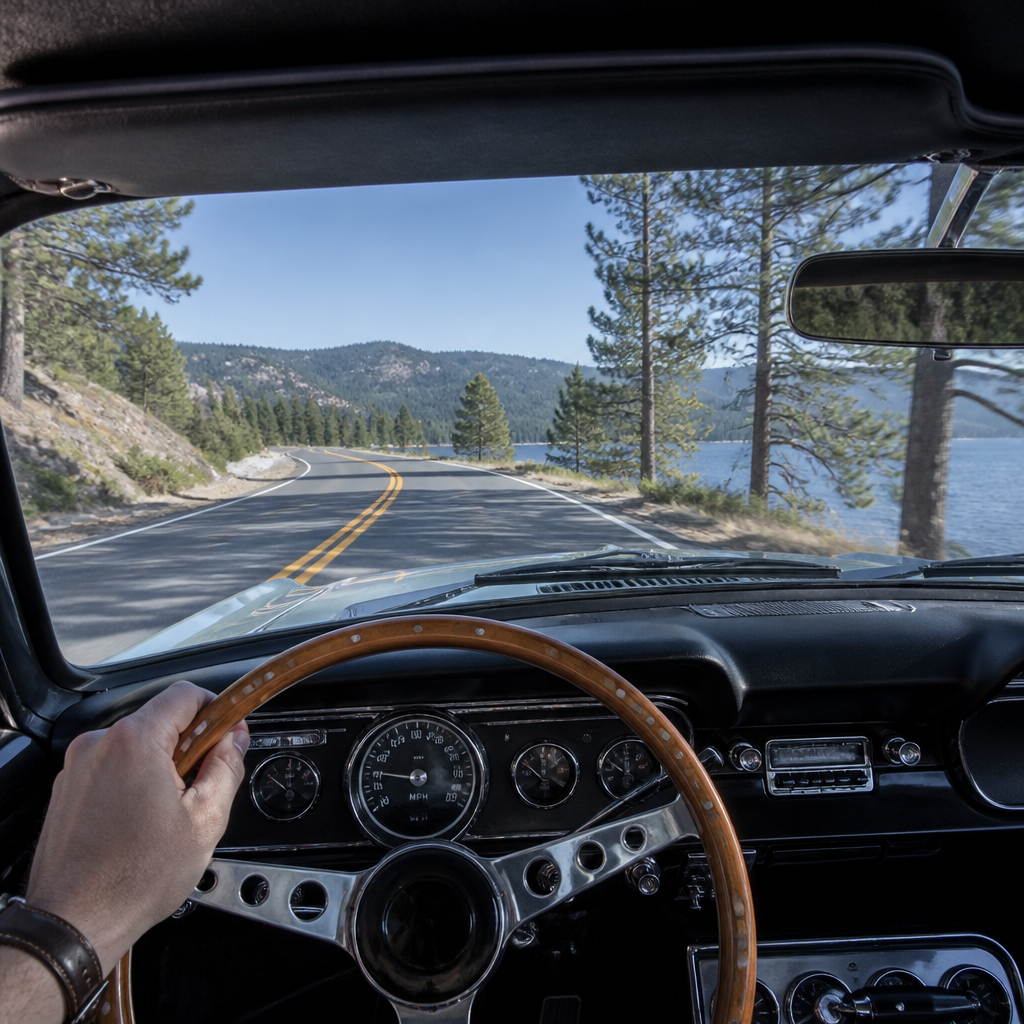
Visibility is one of the most overlooked safety limitations in classic cars, yet it shapes every mile of driving, parking, reversing, and night travel. In modern vehicles, drivers benefit from wide greenhouse designs, powerful LED headlights, anti-fog systems, blind-spot monitoring, rear cameras, and carefully engineered mirrors. In a classic car, many of those advantages simply do not exist. Sightlines are often narrower, glass can be smaller or flatter, exterior mirrors may be tiny, interior mirrors may vibrate, and original lighting can be dim by current standards. If you own, restore, or regularly drive an older vehicle, improving visibility in classic cars is not cosmetic. It is a core safety upgrade.
When I evaluate a vintage vehicle for road use, I treat visibility as a complete system rather than a single part. Clear forward vision depends on windshield condition, wiper performance, demisting capability, dashboard glare, and headlight aim. Side and rear visibility depend on mirror placement, seating position, quarter-window blind spots, and even how luggage is packed. Weather matters too. Rain, condensation, road spray, and low winter sun can turn a pleasant drive into a high-risk one very quickly. The good news is that most visibility problems in classic cars can be reduced with thoughtful maintenance, sympathetic upgrades, and better driving habits.
This hub article covers the full range of driving and safety tips that support better visibility in classic cars. It explains how to assess the car itself, where targeted improvements make the biggest difference, and which habits keep vision clear in traffic, at night, and in poor weather. It also serves as a central guide for the wider classic car ownership topic, because visibility connects directly to lighting, maintenance, weather preparedness, defensive driving, and safe touring. For owners who want to preserve originality while making their cars safer to use, this is one of the most practical places to start.
Start with a Full Visibility Assessment
The first step is to identify exactly where your classic car limits what you can see. Many owners focus only on the windshield, but a proper assessment includes the entire field of vision from the driver’s seat. Sit in your normal driving position, adjust the seat and steering wheel if possible, and check forward, side, and rearward views. Look for common issues such as wiper sweep that leaves large unwiped zones, thick A-pillars, poorly placed door mirrors, scratched side glass, and rear seats or parcel shelves that block the back window. In convertibles, evaluate visibility with the top up and down, because the folded hood frame or raised top can create very different blind spots.
I usually recommend doing this assessment in three conditions: daylight, darkness, and rain. Problems that seem minor on a dry afternoon become obvious at night or in bad weather. For example, fine windshield scratches from old wiper blades can create severe glare from oncoming headlights. Slight haze on interior glass can bloom under streetlights. A rear window that appears acceptable in a garage may be almost useless when covered with road spray. If you document these issues systematically, you can prioritize the fixes that deliver the largest safety benefit first.
A practical assessment should also account for how the car is actually used. A weekend roadster driven only on sunny local routes needs a different solution set than a saloon used for evening events, motorway travel, or long-distance rallies. Some owners are comfortable relying on originality and slower driving; others need discreet upgrades that support frequent real-world use. There is no single correct specification, but there is a correct process: inspect honestly, test in realistic conditions, and improve the biggest weaknesses before they become near misses.
Restore Clear Glass, Wipers, and Demisting Performance
The simplest way to improve visibility in classic cars is to maximize the clarity of every piece of glass. Windshields accumulate pitting, wiper arcs, mineral deposits, and delamination over decades. Side and rear windows often carry scratches from worn channels, old felt guides, or careless cleaning. Start by deep-cleaning all glass inside and out with a proper automotive glass cleaner, then inspect under direct light. If the windshield is heavily pitted or scratched in the primary sightline, replacement is often safer than repeated polishing. Laminated glass with edge fogging should also be replaced, because the defect tends to spread and can distort light.
Wiper systems on older cars deserve more attention than they usually get. Replace blades with quality refills that match the arm pressure and screen curvature. Check wheelboxes, linkages, motor speed, and park position. A weak motor or sloppy linkage can dramatically reduce swept area in heavy rain. On cars with vacuum-operated wipers, verify that the system still works under load, because acceleration can slow the blades at the exact moment you need them most. If originality is less important than usability, discreet electric conversions can transform wet-weather safety.
Demisting is equally important. Heater valves seize, blower motors weaken, ducts leak, and foam seals disintegrate. The result is a car that never truly clears in damp weather. Refreshing the heater box, replacing perished ducting, and ensuring warm air reaches the base of the windshield can make a classic much more usable. Basic habits help too: keep a microfiber cloth in the car, avoid introducing moisture with wet mats, and crack a side window slightly if cabin humidity builds. On many classics, a well-serviced heater and ventilation system delivers a larger real-world safety gain than any cosmetic restoration item.
Upgrade Lighting Without Compromising Character
Headlights define how far ahead you can see and how quickly other road users notice you. Many classic cars left the factory with sealed beams or older reflector designs that struggle on modern roads, especially where traffic speeds are higher and roadside lighting is poor. Before modifying anything, confirm that the existing system is working as designed. Corroded grounds, old connectors, voltage drop through the switchgear, and poor headlight aim can make even decent lamps perform badly. I have seen cars gain noticeably better night vision simply by cleaning grounds, fitting relays, and restoring full battery voltage at the bulbs.
Once the baseline is correct, sympathetic upgrades can bring substantial improvement. Halogen conversions for compatible housings, high-quality H4 units from suppliers such as Cibie or Hella, and period-sensitive warm-color LED bulbs in legal applications can increase output while preserving appearance. The key is beam control. A bright bulb in a poor reflector creates glare rather than usable illumination. Always choose components with a precise beam pattern and verify legality in your region. Auxiliary fog lamps or driving lamps can help on some touring cars, but only if they are properly mounted, wired, and aimed.
Do not neglect the rear and side of the vehicle. Brake lights, tail lamps, indicators, side markers where applicable, and number plate illumination all affect how visible the car is to others. Because many classics have small lamp lenses, LED upgrades are often worthwhile if they maintain proper color and diffusion. Indicators should flash at the correct rate, and brake lights should illuminate instantly. When a classic blends into traffic visually, especially in rain or at dusk, the risk comes not only from what you cannot see, but from drivers behind failing to read your intentions in time.
Use Mirrors, Seating Position, and Simple Upgrades Strategically
Classic car mirror setups are often inadequate by modern standards, but careful adjustment and selective upgrades can reduce blind spots significantly. The interior mirror should provide the widest possible rearward view without being blocked by passengers, luggage, or a poorly positioned sun visor. Door mirrors should be adjusted wider than many drivers expect, with only a small sliver of the car visible, so adjacent lanes appear sooner. If the car originally had only one exterior mirror, adding a matching opposite-side mirror is one of the most defensible safety modifications you can make.
Seating position matters more in older cars because many do not offer the ergonomic range of modern seats. If you sit too low, too close, or offset from the controls, your view through the windshield and over the scuttle suffers. Check seat frame integrity, cushion height, and rail adjustment. Collapsed foam can lower your eye line enough to worsen blind spots around the A-pillars and make judging corners harder. In some restorations, rebuilding the seat to original height improves visibility more than any mirror change.
| Visibility area | Common classic car problem | Most effective fix |
|---|---|---|
| Forward view | Pitted windshield and weak headlights | Replace glass if needed, restore voltage, and align lamps |
| Side view | Small mirrors and broad blind spots | Add matching door mirror and reset mirror angles |
| Rear view | Blocked backlight or vibrating mirror | Repack cargo, tighten mount, and improve rear lamp brightness |
| Wet weather | Poor wipe pattern and cabin fogging | Service wipers, heater box, and demist ducts |
| Night driving | Glare from scratches and weak beam control | Polish or replace glass and use quality headlamp units |
Small additions can also help without changing the character of the car. Convex mirror glass can widen the field of view, though it alters distance perception and takes practice. Anti-glare rearview mirrors, if period-correct or neatly integrated, improve night comfort. For owners who tour frequently, a discreetly mounted rear camera can be justified on larger coupes or wagons with especially poor rearward vision. The best approach is always to improve the driver’s natural sightlines first, then supplement them only where the original design leaves a persistent safety gap.
Adapt Driving Habits to the Car and Conditions
Even a well-prepared classic car requires different habits than a modern daily driver. You cannot assume rapid acceleration will rescue a poor merge, or that bright factory lighting will reveal hazards early. Good visibility in classic cars depends on deliberate observation. Scan farther ahead, check mirrors more often, and move your head physically at junctions to look around pillars and vent windows. On many older cars, that extra movement is essential because the structure creates blind zones that mirror adjustment alone cannot remove.
Weather should influence route choice and speed. Heavy rain, spray from trucks, and winter darkness amplify every weakness in an older vehicle. If your car has marginal defrosting, no intermittent wipers, and modest lighting, motorway driving in foul weather may simply be the wrong choice. There is no shame in postponing a trip or choosing daylight roads instead. Defensive spacing is especially important. Increase following distance, brake earlier, and avoid sitting in the blind spots of taller vehicles that can hide you from view and throw dirt onto your windshield.
Parking and reversing deserve their own discipline. Use a spotter when available, particularly in crowded event spaces. Reverse slowly, pause often, and do not let spectators pressure you into rushing. In city traffic, leave yourself an exit path and avoid being boxed in where limited visibility makes lane changes stressful. If your classic is left-hand drive in a right-hand-drive country, or vice versa, overtaking and junction positioning require even more caution. Safe classic driving is not about fear; it is about recognizing the car’s visual limits and operating comfortably within them.
Build a Long-Term Safety Plan Around Visibility
The most effective owners treat visibility as part of ongoing maintenance, not a one-time fix. Add glass condition, wiper performance, washer operation, lamp aim, bulb output, mirror tightness, and heater function to your regular inspection routine. Before any long trip, clean all glass thoroughly, test every light, and confirm the demister works from cold. Carry simple spares such as bulbs, fuses, a microfiber cloth, and screen wash. These are small preparations, but they prevent common visibility failures that can turn a routine drive into a recovery problem.
This driving and safety hub also connects naturally to the rest of classic car ownership. Better visibility supports safer night driving, more confident touring, easier bad-weather preparation, and fewer low-speed parking incidents. It also protects the car itself. Many minor classic car accidents involve unseen posts, hidden curbs, motorcycles in blind spots, or late recognition of slowing traffic. Preventing those incidents preserves bodywork, chrome, and irreplaceable trim as much as it protects occupants.
Improving visibility in classic cars is ultimately about preserving the pleasure of driving them. A vintage car that is easy to see out of, easy for others to notice, and manageable in changing conditions gets used more often and with less stress. Start with the fundamentals: clear glass, effective wipers, proper demisting, strong lighting, accurate mirrors, and a seating position that supports full awareness. Then refine your habits to match the car. If you are building out your classic car ownership knowledge, use this hub as the foundation for every other driving and safety decision, and review your own car this week with visibility as the priority.
Frequently Asked Questions
Why is visibility usually worse in a classic car than in a modern vehicle?
Classic cars were designed in a very different era of automotive engineering, and visibility standards were not approached with the same tools, testing, or safety priorities used today. Many older vehicles have smaller glass areas, thicker pillars, flatter windshields, shorter mirror surfaces, and cabin layouts that create larger blind spots than drivers are used to in modern cars. Even when a classic car feels open and airy, the actual sightlines can still be limited by dashboard height, seating position, vent windows, mirror placement, and body styling. In addition, most classic cars lack built-in driver aids such as blind-spot monitoring, rear-view cameras, auto-dimming mirrors, and advanced headlight systems, which means the driver must rely almost entirely on direct visual awareness. Age also plays a role. Over time, glass can become hazy, mirror coatings can deteriorate, weatherstripping can sag, headlight lenses and reflectors can lose effectiveness, and suspension wear can subtly alter ride height and sightlines. All of that combines to make visibility one of the most important safety areas to address in any vintage vehicle.
What are the best ways to improve daytime visibility in a classic car without changing its character?
The most effective improvements usually start with restoration and adjustment rather than radical modification. First, make sure every piece of glass is as clear as possible. Old windshields often develop fine scratches, wiper arcs, mineral staining, and internal haze that reduce clarity even in daylight, especially when driving into the sun. Replacing damaged glass or professionally polishing minor imperfections can make a dramatic difference. Next, inspect the mirrors. Many classic cars came with very small side mirrors or only a driver-side mirror, and upgrading to period-correct but slightly larger mirrors can significantly improve side and rearward awareness without harming the car’s look. Proper mirror adjustment is equally important, since many owners unknowingly leave large blind zones on both sides of the vehicle. Seating position matters more than most drivers realize. If the seat foam has collapsed or the tracks are worn, you may be sitting lower or farther back than intended, which changes your view over the hood and around the pillars. Restoring the seat structure can improve visibility as much as any accessory. It also helps to keep the dashboard uncluttered, use quality windshield wipers, and ensure the defroster is functioning correctly. Small refinements like these preserve originality while making the car noticeably easier and safer to drive.
How can I make night driving in a classic car safer and easier to see?
Night driving is where many classic cars show their biggest visibility weaknesses, so improvements here can deliver major safety benefits. Start with the headlights, but do it correctly. In many older cars, poor nighttime vision is not just caused by outdated bulb technology; it is often the result of corroded wiring, voltage drop, weak grounds, aged switches, and worn reflectors. Before changing bulbs, verify that the entire lighting circuit is delivering proper power. A relay upgrade and refreshed wiring can noticeably improve headlight output while reducing strain on original switches. If you choose brighter bulbs or period-appropriate upgraded lamp units, make sure they are properly aimed so you improve visibility without creating glare for other drivers. Clean lenses, restore reflectors if needed, and confirm that high and low beams are working as intended. Inside the car, reduce distractions by making sure the instrument lights are not overly dim or excessively bright. Exterior visibility also depends on your ability to keep glass clear, so a properly functioning defroster and fresh weather seals are important. Finally, remember that classic cars often have slower braking, weaker lighting, and less road presence than modern traffic. At night, it is wise to leave extra following distance, reduce speed on unfamiliar roads, and assume that you may not see hazards as early as you would in a newer vehicle.
Are mirror upgrades, blind-spot mirrors, or backup cameras worth adding to a classic car?
Yes, in many cases they are absolutely worth considering, especially if the upgrades are installed thoughtfully and with respect for the vehicle’s style. Mirrors are one of the most practical visibility improvements you can make because they directly address a common weakness in classic cars: limited rearward and side visibility. A larger or better-positioned side mirror can transform lane changes and merging, particularly on highways. Small convex blind-spot mirrors can also be very effective if they are placed carefully and do not create visual clutter. For owners who regularly drive, park in crowded areas, or manage a car with a long hood, high rear deck, or poor rear glass angle, a discreet backup camera can add real safety and convenience. This is especially helpful in cars where reversing visibility is compromised by body design or tiny mirrors. The key is choosing solutions that match your goals. If originality is the top priority, look for period-style mirror upgrades or hidden camera systems that preserve the cabin’s appearance. If regular usability is more important, a well-integrated modern aid can reduce stress and help prevent low-speed accidents. In either case, these tools should support good driving habits, not replace them. You still need proper mirror adjustment, shoulder checks where possible, and a clear understanding of the car’s blind spots.
What routine maintenance helps preserve or improve visibility in a classic car over time?
Visibility depends heavily on maintenance, and in a classic car, even small neglected issues can have a noticeable effect on safety. Clean glass is the foundation, but this goes beyond a quick wipe-down. Interior windshield film, old tint deterioration, hard-water spotting, and fine scratches all reduce contrast and make glare worse, especially in low sun or at night. Wiper blades should be replaced regularly, and the windshield washer system should actually function, since many classic cars have pumps, hoses, or nozzles that have not worked properly in years. Check door and window seals because moisture intrusion can lead to persistent fogging, mildew, and glass haze. The defroster and heater should be kept operational, even if the car is mostly used in fair weather, because sudden temperature changes can fog windows quickly. Mirrors need attention too; loose housings, aging reflective surfaces, and vibration can make them far less useful than they appear when parked. Headlights, marker lights, brake lights, and reverse lights should be inspected not only for operation but for brightness, lens condition, and proper alignment. Finally, suspension and steering health indirectly affect visibility by changing how confidently and accurately you can place the car on the road. A classic car that wanders, dives excessively, or sits unevenly is harder to control and harder to see out of consistently. Regular maintenance keeps the entire driving environment clearer, more predictable, and much safer.