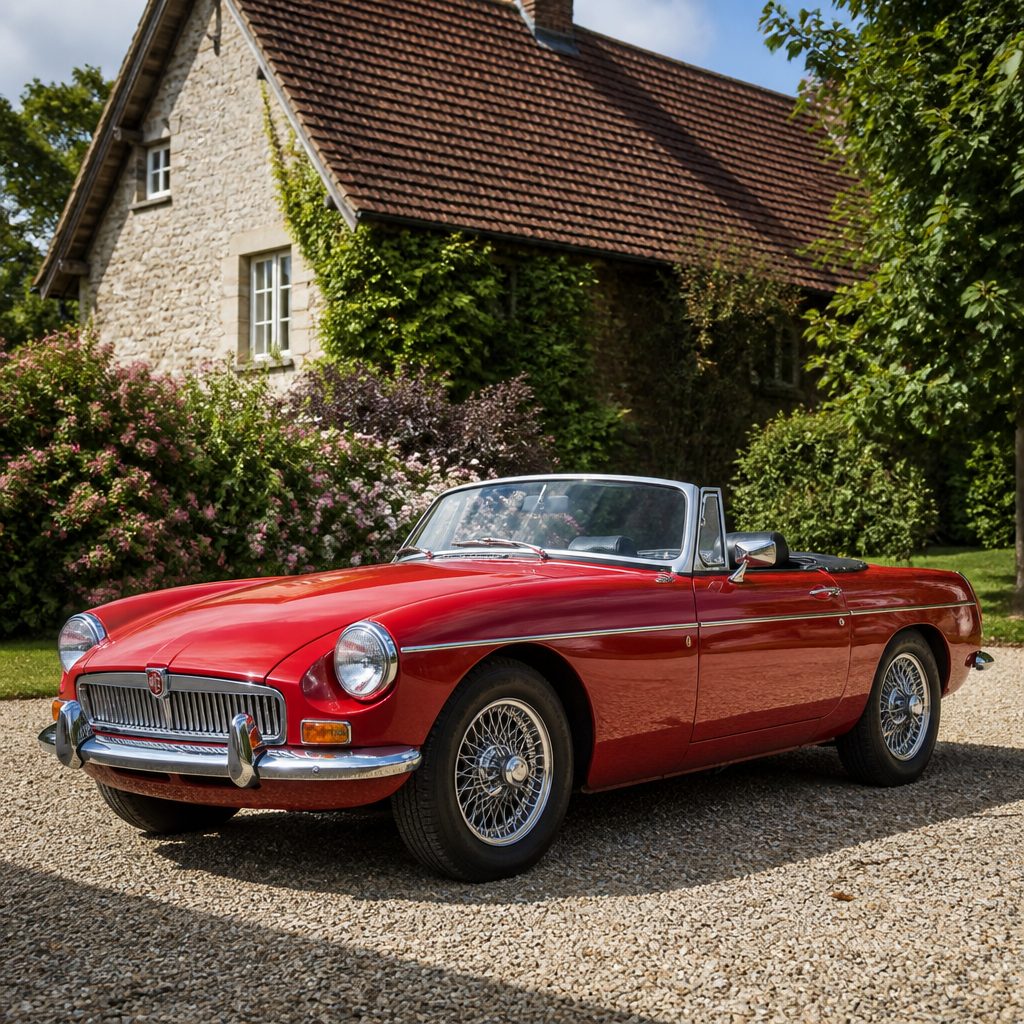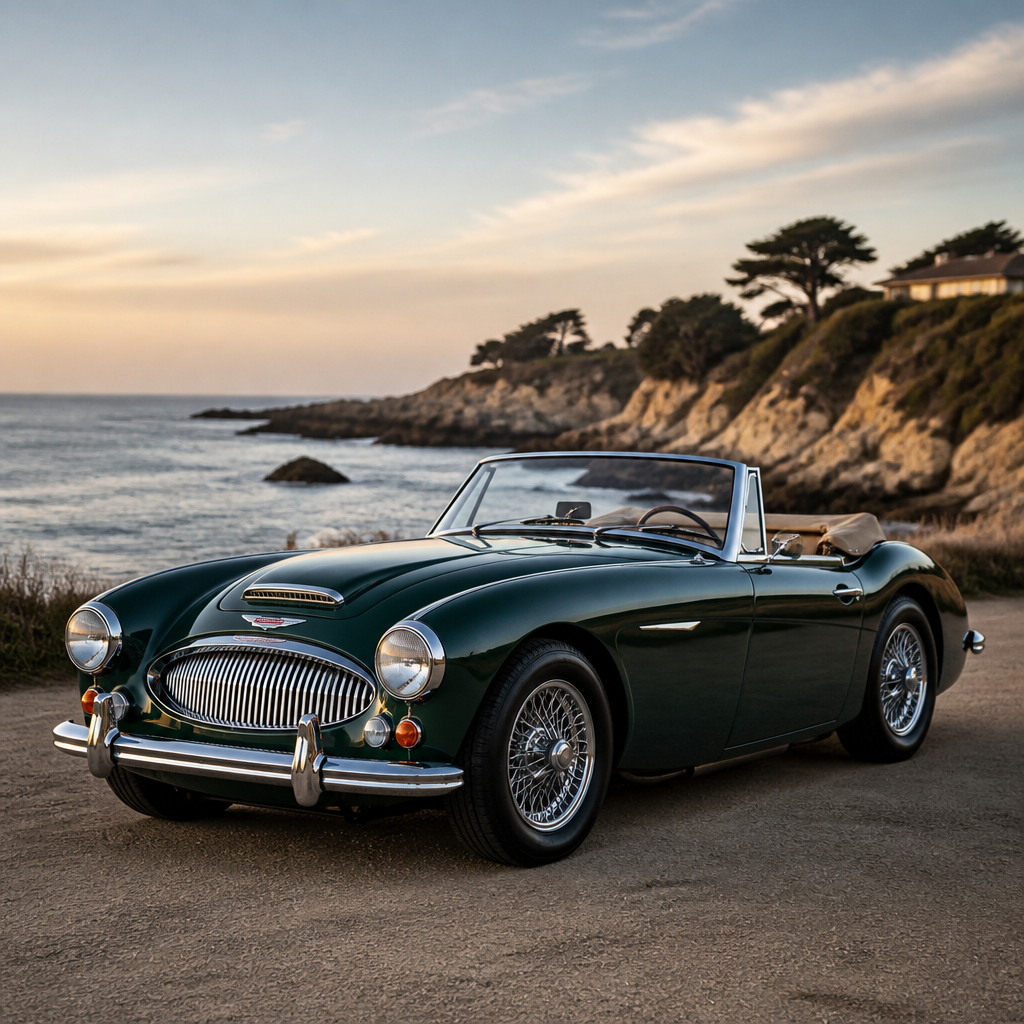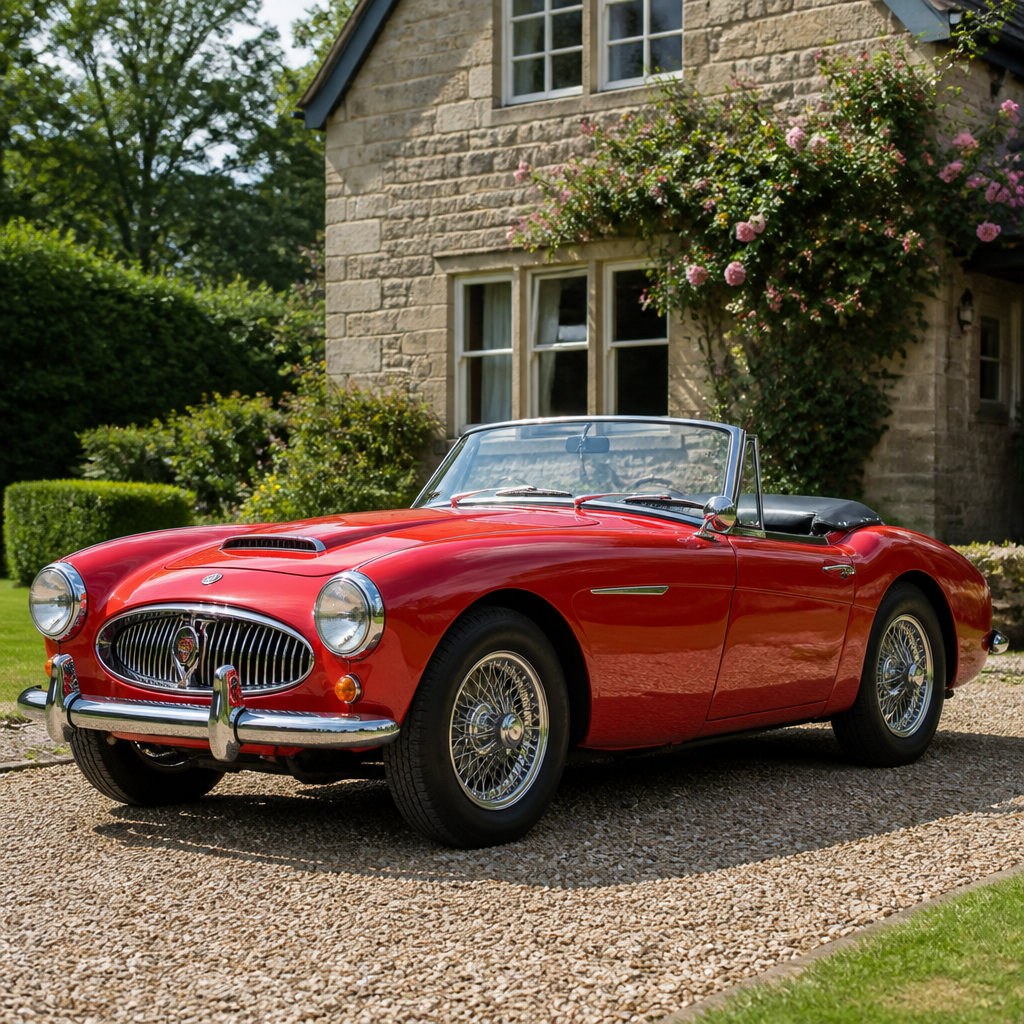
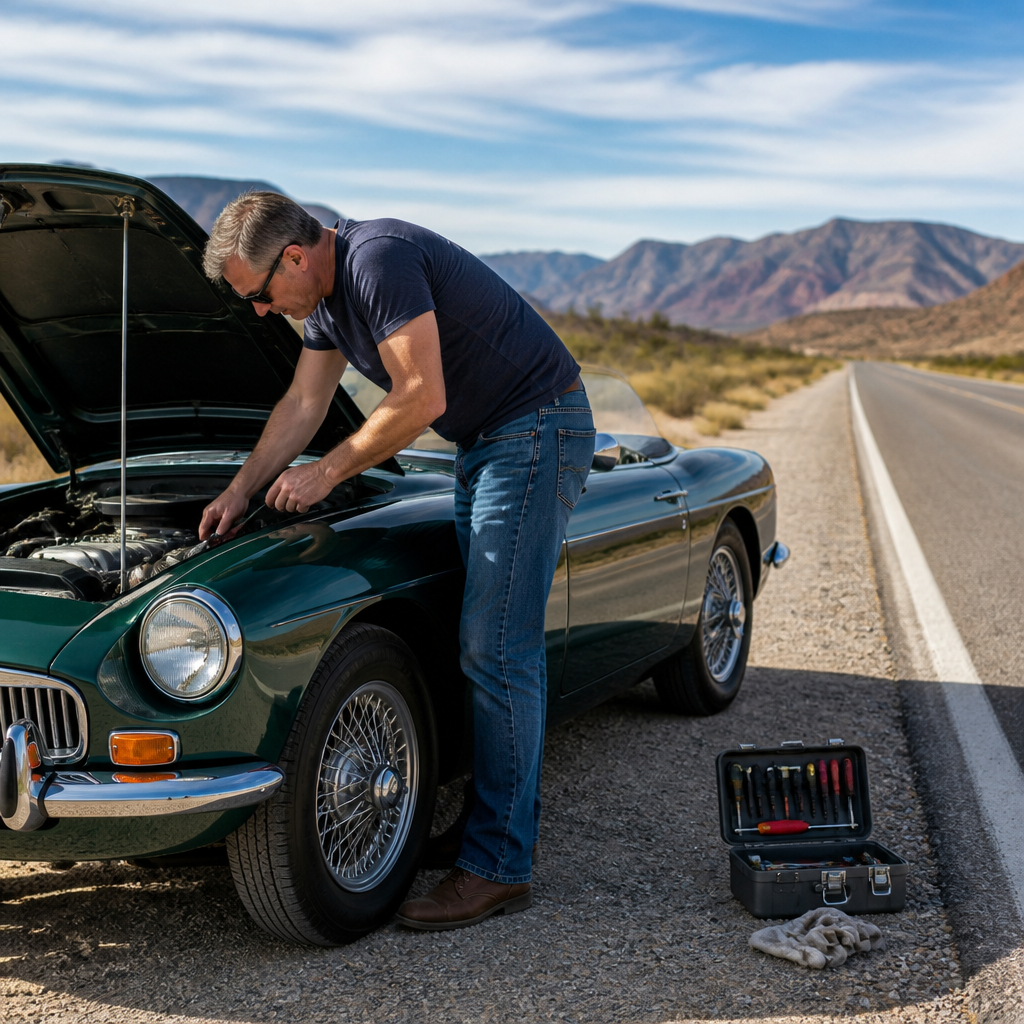
A classic car road trip safety checklist starts long before the engine turns over. It begins with understanding that older vehicles were built in a different era, with different materials, looser tolerances, simpler electrical systems, and far fewer built-in protections than modern cars. When I prepare a vintage car for distance driving, I treat safety as a system, not a single inspection. Tires, brakes, cooling, fuel delivery, charging, weather sealing, visibility, and driver stamina all affect whether the trip becomes a memorable tour or a shoulder-side repair. For owners focused on classic car ownership, driving and safety tips matter because breakdowns are rarely random. Most are preventable with disciplined inspection, realistic route planning, and the right spares. A useful checklist covers roadworthiness, emergency preparation, driving technique, passenger protection, and post-drive monitoring, so the car can be enjoyed with confidence rather than guesswork.
Start With Mechanical Readiness
The first rule of classic car road trip safety is simple: do not use a road trip as a test drive for unfinished work. Any repair involving ignition timing, carburetor tuning, wheel bearings, brake hydraulics, clutch adjustment, steering linkage, or charging output should be completed and proven locally before departure. I like to put at least 100 shakedown miles on a car after meaningful service, because heat cycles and vibration reveal loose fasteners, seepage, and electrical faults that a garage idle never shows.
Begin with the braking system. On drum-brake cars, confirm shoe adjustment, check for wheel cylinder seepage, inspect flex hoses for cracking, and flush old fluid if its service history is unknown. DOT 3 and DOT 4 brake fluid absorb moisture over time, lowering boiling point and promoting internal corrosion. On disc-brake conversions, verify caliper slide movement and inspect rotor thickness. Pedal feel should be firm and consistent. If the pedal slowly sinks under pressure, postpone the trip and diagnose the hydraulic leak or master cylinder bypass.
Steering and suspension deserve equal attention. Excessive play at the steering wheel often traces to tie-rod ends, idler arms, steering boxes, rag joints, or worn kingpins and bushings. Any wandering that feels manageable around town becomes exhausting at highway speed, especially in crosswinds. Grease fittings should be serviced with the correct chassis lubricant, and alignment should be checked after replacing front-end parts. Bias-ply tires magnify every flaw in suspension geometry, while radial tires can mask some problems without truly fixing them.
The cooling system is another primary failure point. Inspect the radiator core for blockage, pressure-test the cap if the car uses a pressurized system, examine hoses for soft spots, and make sure the fan belt is correctly tensioned. A thermostat stuck partly closed may not overheat during short drives yet can push temperatures into danger on grades or in traffic. If the car has an overflow tank, verify proper fill level. If not, leave expansion space in the radiator neck rather than topping it completely full.
Inspect Tires, Wheels, and Bearings Thoroughly
Tires on classic cars fail more from age than from tread wear. A tire with deep tread but a date code older than six to ten years is a risk, particularly at sustained highway speeds in hot weather. Sidewall cracking, flat spotting, and separation are common on cars stored for long periods. Check load rating and speed rating against the vehicle’s actual use, especially if the car carries luggage, passengers, or a full-size spare. Inflate pressures to match the tire manufacturer’s recommendation for the vehicle setup, not a generic modern number stamped on a random replacement tire.
Wheel integrity matters just as much. Original steel wheels should be checked for bent rims, rust around the bead seat, and ovaled lug holes. Wire wheels require inspection for spoke tension, trueness, and hub spline wear if applicable. Torque lug nuts or knock-offs properly, then recheck after the first segment of the trip. I have seen vibration blamed on driveshaft balance when the true cause was an improperly seated wheel center.
Wheel bearings should spin quietly and smoothly with no roughness or looseness. Serviceable tapered bearings need clean grease, correct preload, and good seals. A failed front wheel bearing on a modern car is inconvenient; on a heavy classic with vague steering and weaker brakes, it can become dangerous very quickly. Do not forget the spare tire. A perfect roadside change means little if the spare is underinflated, dry-rotted, or missing the correct jack hardware.
Protect the Fuel and Electrical Systems
Fuel and electrical issues cause a large share of classic-car roadside stops because age hardens rubber, corrodes contacts, and weakens insulation. Start by replacing any cracked fuel hose with ethanol-resistant line rated for modern gasoline. Inspect metal fuel lines for rust pitting, especially near clips and frame contact points. A carbureted car with a mechanical fuel pump may still run acceptably with minor seepage, but any visible leak in the engine bay is unacceptable before travel. Keep the fuel filter where it is safe and properly mounted; avoid unsupported plastic filters hanging over hot exhaust parts.
Electrical reliability begins with clean connections. Battery posts, grounds, starter terminals, bulkhead connectors, and fuse clips should be bright and tight. Measure charging voltage with the engine running. A healthy 12-volt charging system usually lands around 13.8 to 14.5 volts, depending on regulator design and temperature. Generator-equipped cars can be perfectly road-trip capable, but only if the belt, regulator, and battery condition are all sound. Dim headlights at idle, slow cranking when warm, or intermittent ignition cut-out are warning signs that deserve diagnosis before departure.
Carry basic electrical spares that match the car: fuses, bulbs, points, condenser, rotor, cap clips, and a short length of primary wire with terminals. If the car has electronic ignition, pack the module-specific spare only if you know how to install it. Random parts without the tools or knowledge to use them add weight, not security. For convertibles and coupes alike, confirm all exterior lights work consistently. Brake lights, turn signals, tail lamps, and hazard flashers are not optional niceties in modern traffic; they are your language on the road.
Pack Tools, Spares, and Documents You Will Actually Use
The best classic car emergency kit is specific to the vehicle. I build mine after asking one question: what has this car historically needed to keep moving? A British roadster may benefit from ignition parts and a fuel pump hammer trick, while a full-size American V8 cruiser may need belts, hoses, and a voltage regulator. Include tools sized to the car’s actual fasteners. An adjustable wrench and optimism are not a strategy.
| Category | What to Pack | Why It Matters |
|---|---|---|
| Safety | Reflective triangles, flashlight, gloves, fire extinguisher | Improves visibility and response during roadside stops |
| Tire service | Inflated spare, jack, lug wrench, tire gauge, portable inflator | Lets you handle the most common roadside failure quickly |
| Mechanical spares | Belts, hoses, fuses, bulbs, clamps, ignition parts, fluids | Covers predictable failures on older systems |
| Tools | Socket set, screwdrivers, pliers, test light, multimeter | Supports diagnosis instead of blind part swapping |
| Documents | Insurance card, registration, roadside-assistance info, shop contacts | Reduces delays when help is needed away from home |
Bring paper documentation even if everything also lives on your phone. Battery failure can take your maps, contacts, and policy details with it. Include a printed wiring diagram if one exists, because electrical diagnosis on the shoulder goes much faster when color codes and circuit paths are visible. Membership in a roadside-assistance program that supports flatbed towing is especially important for low-clearance or fragile classics. Standard hook towing can damage bumper brackets, transmission internals, or front valances.
Plan the Route Around the Car, Not Just the Destination
Route planning is a major part of driving and safety tips for vintage vehicles. The fastest route is not always the safest route. An interstate may offer smooth pavement and easy service access, but some classics are happier at 55 mph than 75 mph, especially those with short gearing, drum brakes, or marginal cooling. Secondary highways often reduce stress on the car and the driver, though they can limit fuel options and cell coverage. Match the route to the car’s true capabilities, not the speed of surrounding traffic.
Fuel range should be calculated conservatively. A carbureted V8 with a small tank can consume fuel quickly at highway speeds or in mountain terrain, and fuel-gauge accuracy on older senders is often optimistic. I advise refueling around half a tank in remote areas rather than waiting for the light, if the car even has one. Ethanol-free fuel can help with hot-start behavior and storage, but availability varies. If the engine requires premium due to compression ratio or ignition advance, identify stations in advance using current fuel apps.
Weather planning matters more in classics because older seals, wipers, defrosters, and ventilation systems are often marginal. Rain can expose windshield leaks, weak blower motors, and poor tire traction. Extreme heat raises cooling-system load and can trigger vapor lock on carbureted engines with underhood fuel boil. If a heat wave is forecast, shift departure to early morning, reduce cruising speed, and leave more space in traffic to minimize braking heat. Night driving should also be evaluated honestly. Many sealed-beam headlight systems provide less reach than modern lamps, and generator output at idle may be limited.
Use Safer Driving Techniques in a Vintage Car
Classic cars reward smoothness and punish assumptions. Their stopping distances are often longer, steering response slower, and crash protection dramatically lower than modern vehicles. The safest approach is to drive with a wider margin everywhere. Increase following distance, scan farther ahead, and plan lane changes early. Downshift on long descents to preserve braking capacity, especially with drum brakes that can fade when overheated. If the car develops pull, vibration, smoke, or a new odor, do not rationalize it away. Pull over while the symptom is still small enough to diagnose safely.
Driver fatigue is a real risk in older cars. Cabin noise, heat soak, manual steering effort, and constant correction for road crown can wear down concentration much faster than a modern commuter. Break every 90 to 120 minutes, hydrate, and rotate drivers if possible. Passengers should know how to help by watching gauges, spotting leaks during stops, and identifying changes in sound. On long grades, monitor coolant temperature and oil pressure rather than waiting for warning lights. Many classics have only gauges, and knowing the car’s normal readings is one of the most valuable skills an owner can develop.
Seat belts, if fitted, should be inspected for fraying, latch function, and anchor integrity. If the car predates shoulder belts, consider a carefully engineered retrofit using model-specific kits or professional fabrication. Child safety is nonnegotiable: many classics cannot safely accommodate modern child seats due to belt geometry, seat shape, or lack of anchors. In those cases, choose a different vehicle for family travel. Enjoyment should never outrank occupant protection.
Check the Car During the Trip and After Each Day
Daily walk-around inspections prevent small issues from becoming trip-ending failures. Each morning, look under the car for fresh fluid drips, check engine oil and coolant level where applicable, and verify tire pressures visually and with a gauge when conditions change significantly. During fuel stops, touch wheel centers carefully for abnormal heat, which can suggest dragging brakes or bearing trouble. Look for sling marks that indicate grease loss, and smell for raw fuel after shutdown. These habits take minutes and routinely catch problems before they escalate.
At the end of each day, note any trends: harder hot starting, higher coolant temperature in traffic, increased steering play, or a charging gauge that sits lower than usual. Classics rarely fail without warning; they usually whisper first. Keep a small notebook or use your phone to log mileage, fuel economy, oil added, and symptoms. Patterns matter. A sudden drop in fuel economy may point to a sticking choke, retarded timing, or dragging brake. A repeated need to top off coolant can reveal a clamp issue before it becomes a roadside overheat. Good ownership is attentive ownership, and attentive owners travel farther with fewer surprises.
A dependable classic car road trip is the result of preparation, not luck. If you inspect mechanical systems thoroughly, replace age-sensitive parts before they fail, pack targeted tools and spares, and choose a route suited to the vehicle, you dramatically improve both safety and enjoyment. The most important driving and safety tips are practical: know the car’s limits, leave more margin than you think you need, and check the vehicle continuously during the trip. Classic car ownership is at its best when confidence replaces anxiety and every mile feels earned. Use this checklist as your hub for future trip planning, maintenance reviews, and driver habits, then take the car out often enough to keep both machine and owner sharp.
Frequently Asked Questions
What should I inspect first before taking a classic car on a road trip?
The first inspection should focus on the core systems that can leave you stranded or create an immediate safety issue: tires, brakes, steering, cooling, fuel delivery, and charging. With a classic car, age matters just as much as mileage. A tire may look acceptable on the outside but still be unsafe if it is old, hardened, cracked, or beginning to separate internally. Brake hoses can appear intact while failing under pressure, wheel cylinders may seep, and older master cylinders can deteriorate without much warning. Steering components such as tie rod ends, idler arms, center links, steering boxes, and suspension bushings should be checked for play, looseness, and uneven wear because even a small amount of slop can become exhausting or dangerous at highway speeds.
From there, move to the systems that most often cause classic cars to overheat or quit during extended driving. Check all coolant hoses, heater hoses, hose clamps, belts, fan operation, radiator condition, coolant level, and signs of seepage around the water pump, thermostat housing, freeze plugs, and radiator tanks. Inspect the fuel system closely for brittle rubber lines, damp fittings, carburetor leaks, and fuel pump issues, especially because older fuel systems may not tolerate modern fuel blends as well as newer vehicles do. The charging system also deserves special attention. Test battery condition, inspect cables and grounds, confirm that the generator or alternator is charging properly, and make sure lights, ignition, and accessories do not overwhelm the system. A classic car road trip checklist should start with the items that affect safe control and continuous operation, not cosmetics or convenience.
Are classic car tires and brakes more important to check than the engine itself?
Yes, in many cases they are even more urgent than the engine. An engine problem may inconvenience you, but a tire or brake failure can create an immediate safety emergency. Classic cars often spend long periods parked, and that kind of storage can be hard on tires, seals, hydraulic components, and friction materials. Tires should be checked for age, sidewall cracking, flat spotting, uneven tread wear, dry rot, poor balance, and correct inflation. It is also worth verifying load rating and speed rating, especially if the car has older reproduction tires or bias-ply tires that behave very differently from modern radials. If you are driving at sustained highway speeds, tire condition is not negotiable.
Brakes on older vehicles require an equally serious inspection. Confirm pad and shoe thickness, rotor and drum condition, fluid quality, pedal feel, brake line integrity, hose flexibility, parking brake operation, and whether the car pulls, pulses, fades, or leaks. Many classic cars have manual brakes or drum brakes, which can work well when properly maintained but require more driver anticipation and more stopping distance than modern systems. If the car has not been driven regularly, brake fluid may have absorbed moisture, wheel cylinders may be sticking, or rubber hoses may be internally collapsing. On a long trip, repeated stops, downhill grades, and hot weather place extra strain on old braking systems. A strong-running engine does not compensate for weak stopping power, so tires and brakes always belong near the top of the safety checklist.
What spare parts and tools should I bring in a classic car?
A sensible classic car road trip kit should be built around the parts most likely to fail and the tools required to replace them at the roadside. At minimum, carry belts, upper and lower radiator hoses if practical, heater hose, hose clamps, spare fuel line, fuses, bulbs, ignition components appropriate to your car, basic hand tools, electrical tape, zip ties, wire, coolant, oil, brake fluid if applicable, a flashlight, gloves, and a tire pressure gauge. For points-ignition cars, many experienced owners also carry points, condenser, rotor, distributor cap, spark plugs, a coil, and a test light. For carbureted cars, a fuel filter and small supply of clamps and gaskets can be extremely useful. If the car uses a mechanical fuel pump and that model has a known failure pattern, carrying a spare can save a trip.
Just as important as the parts is knowing how to use them. Pack the correct wrench sizes for battery terminals, hose clamps, wheel lug nuts, distributor hold-downs, and carburetor adjustments. Bring a jack that actually fits under the car with a flat tire, and verify that the spare tire is usable, inflated, and accompanied by the proper lug wrench. A fire extinguisher is a smart addition in any classic car, especially one with an older fuel system or aging wiring. You should also have jumper cables or a jump pack, reflective warning triangles, and a charged phone with roadside assistance information. The best travel kit is not the biggest one; it is the one matched to your vehicle’s known weak points, your mechanical ability, and the type of trip you are taking.
How can I prevent overheating in a classic car during a long drive?
Preventing overheating starts with accepting that many older cooling systems operated with less reserve capacity than modern vehicles. What was acceptable for local driving decades ago may struggle in present-day traffic, hotter ambient temperatures, and long high-speed runs. Before your trip, inspect the radiator for external blockage and internal restriction, confirm the coolant is clean and properly mixed, pressure-test the system if possible, and look for leaks at hoses, clamps, the water pump, thermostat housing, radiator seams, and core plugs. Check belt tension and condition, verify that the fan, fan clutch, or electric fan works correctly, and make sure the thermostat opens at the proper temperature. Even a partially clogged radiator or collapsing lower hose can cause trouble after an hour on the road.
Driving habits matter too. Watch the temperature gauge regularly and learn what is normal for your specific car before the trip begins. If temperatures rise in traffic, on climbs, or during hot weather, do not wait for steam to react. Pull over safely, let the engine cool, and investigate. Keep in mind that timing, fuel mixture, dragging brakes, low coolant, weak ignition, and transmission issues can all contribute to heat buildup. Some owners benefit from pre-trip upgrades such as a shroud correction, improved fan, rebuilt radiator, fresh hoses, or a properly calibrated gauge, but even without modifications, a well-maintained stock system can usually travel reliably. Overheating prevention is really about system integrity, realistic expectations, and paying attention before a minor temperature creep becomes a roadside failure.
What non-mechanical safety items are easy to overlook on a classic car road trip?
Some of the most overlooked safety factors have nothing to do with the engine bay. Visibility is a major one. Wiper blades, washer operation, defroster performance, windshield clarity, mirror adjustment, headlight aim, turn signals, brake lights, and instrument lighting all need to be fully functional before a trip. Weather sealing also matters more than many people expect. Water leaks can fog glass, soak carpets, affect electrical systems, and make a long drive much more fatiguing. Seat belts should be inspected for condition and secure mounting, doors and latches should close reliably, and the horn should work every time. If the car has old glass, dim lighting, or small mirrors, you may need to be even more conservative about night driving and lane changes.
Driver endurance is another big part of classic car safety. Older vehicles are louder, hotter, less insulated, and more physically demanding to drive than modern cars. Manual steering, manual brakes, vague ventilation, and higher cabin temperatures can wear down even an experienced driver over the course of a day. Plan shorter driving intervals, stay hydrated, allow extra stopping distance, and build flexibility into your schedule so you are never tempted to push a tired car or a tired driver. It is also wise to review your route, identify fuel stops, carry paper backup directions in case phone service drops, and let someone know your travel plan. A classic car road trip is safest when you think beyond mechanical reliability and prepare for visibility, weather, comfort, and decision-making just as carefully as you prepare the vehicle itself.