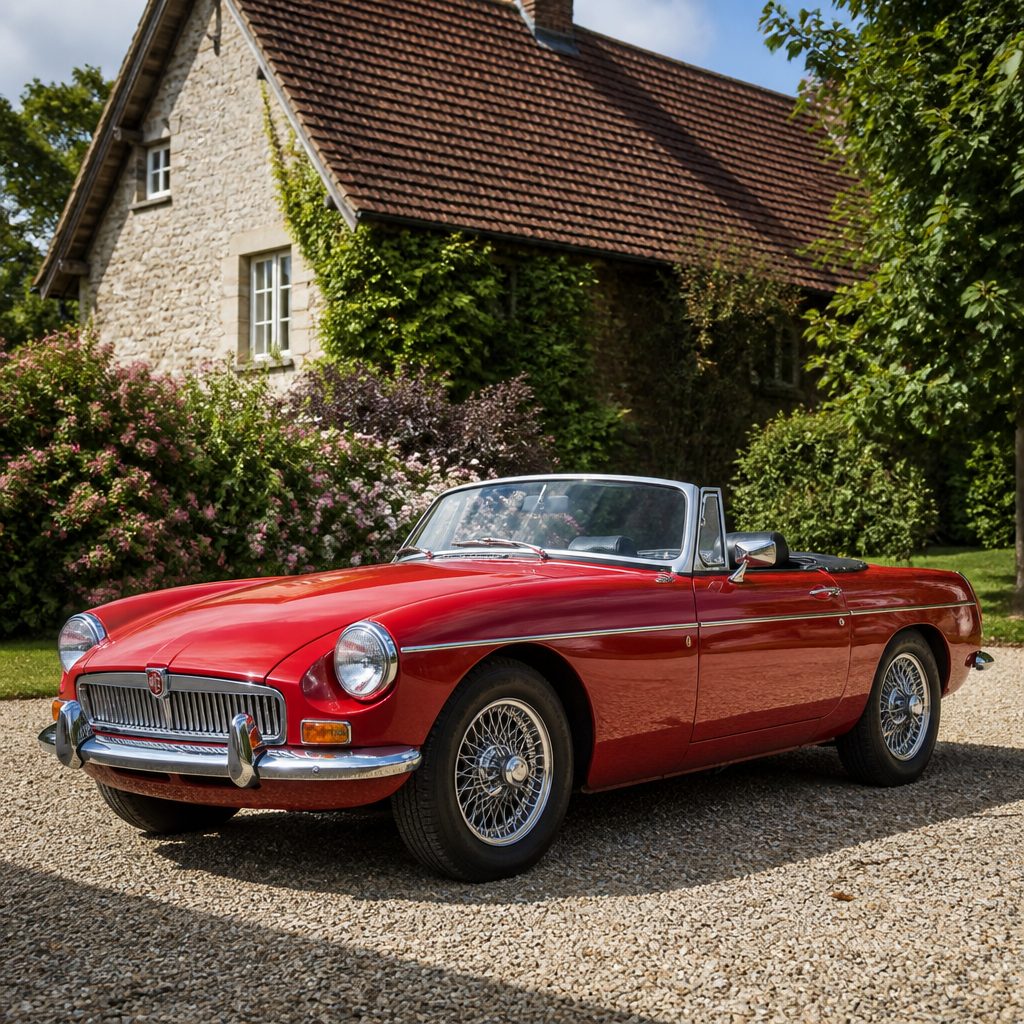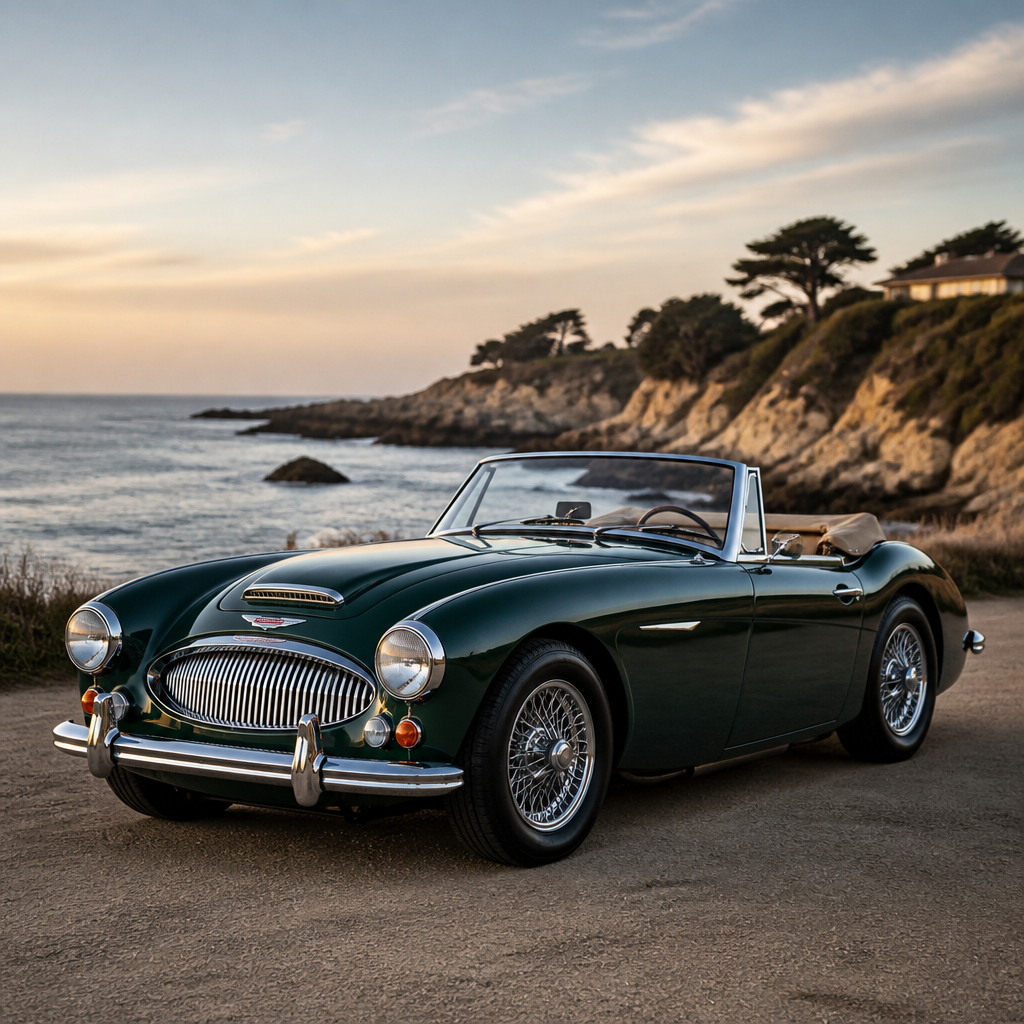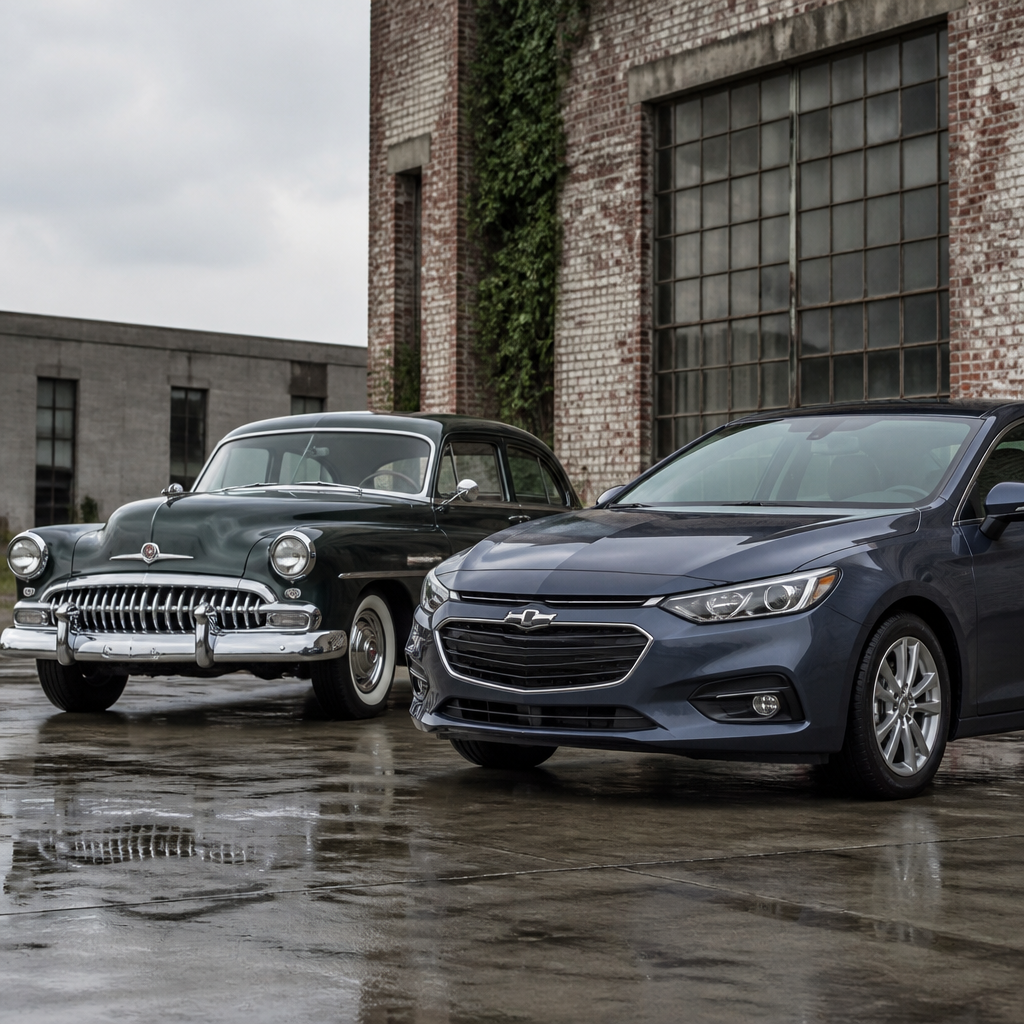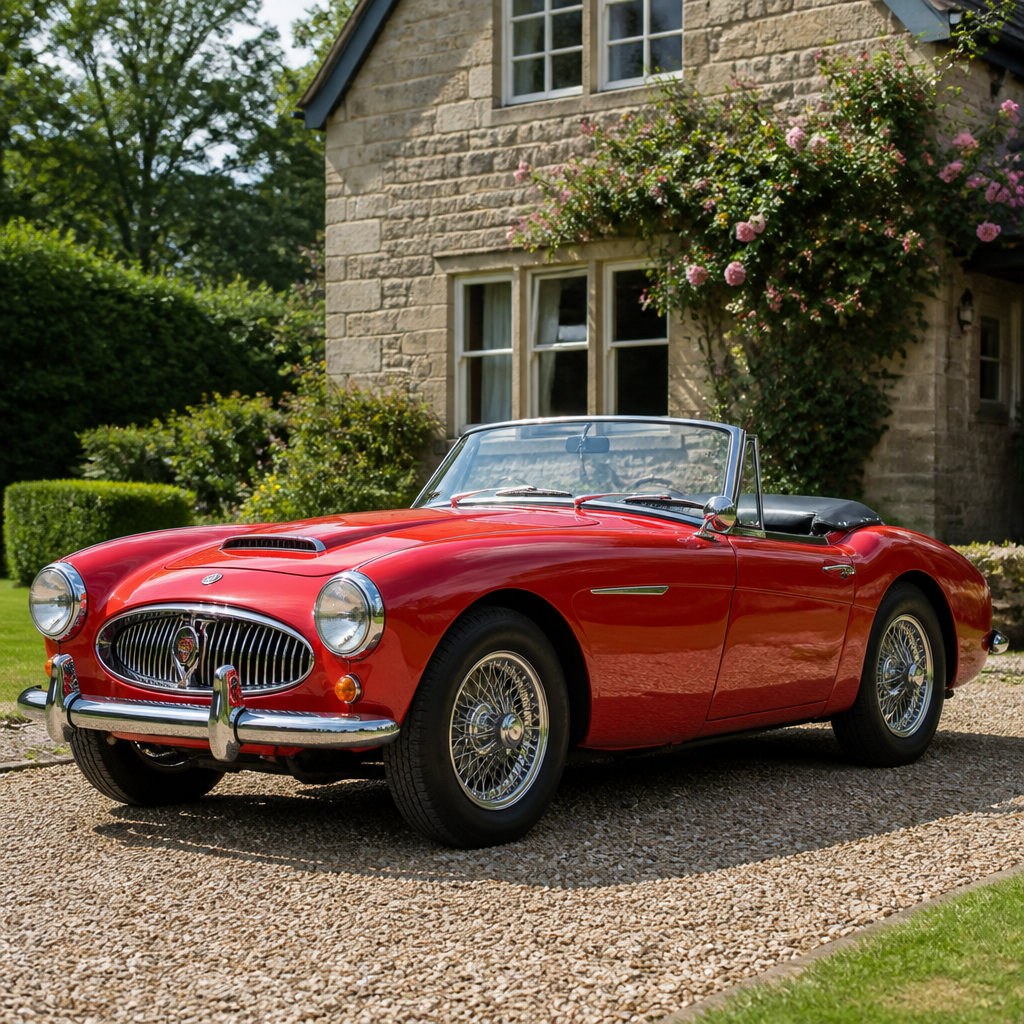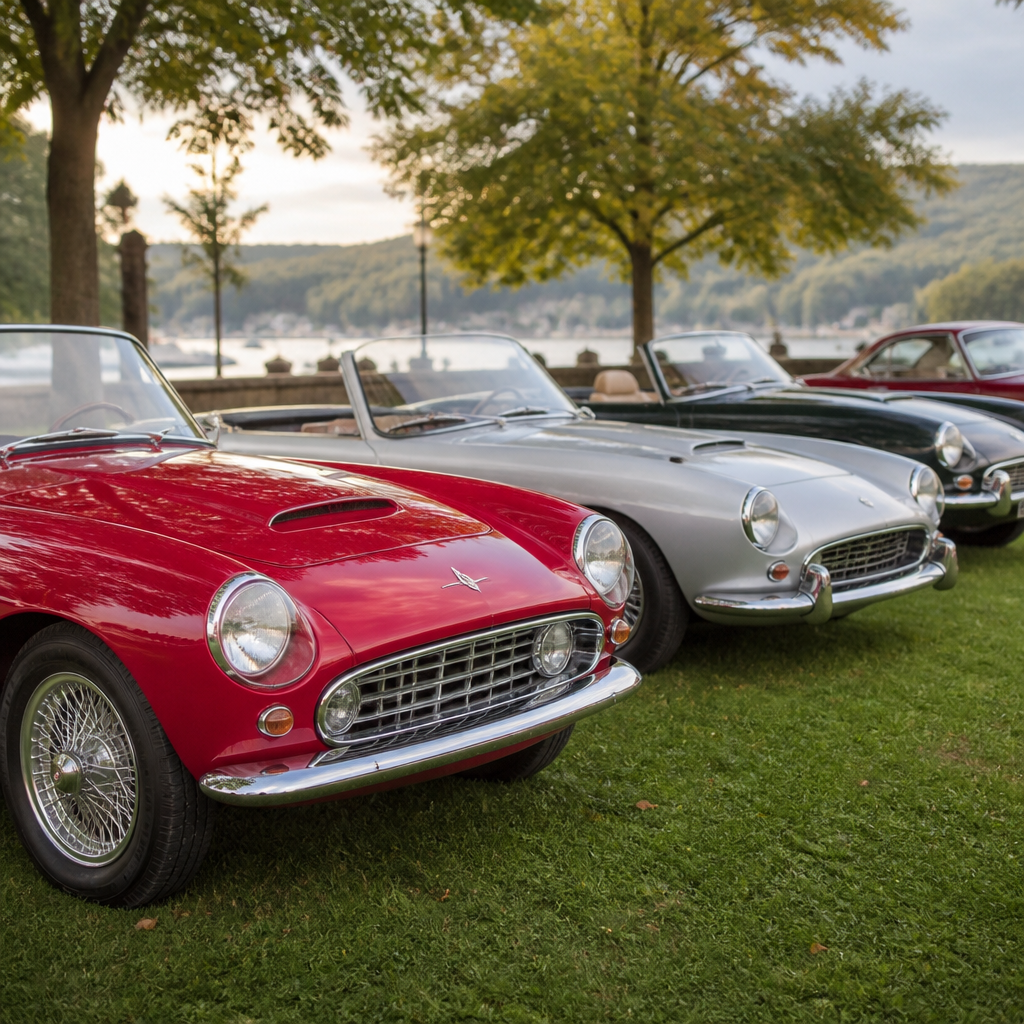
Driving a classic car safely requires more than enthusiasm, because older vehicles respond differently from modern cars and punish common driving mistakes more quickly. In this hub on driving and safety tips, I will cover the errors I see most often among classic car owners, why those mistakes happen, and how to avoid them with habits that protect the driver, passengers, and the car itself. A classic car is generally a vehicle old enough to represent a past era of design and engineering, often lacking modern aids such as anti-lock brakes, traction control, electronic stability control, crumple zones, and advanced lighting. That difference matters on every drive. Mistakes that feel minor in a new vehicle, such as following too closely, braking late, or accelerating hard on a damp road, can become serious incidents in a vintage Mustang, MG, Beetle, or Chevrolet Bel Air. Good technique also preserves scarce parts, original trim, and driveline components that are expensive to replace. For owners building confidence, this article serves as a practical hub: a guide to seating position, braking, cornering, weather awareness, visibility, road manners, and mechanical sympathy, with clear examples drawn from real classic car use.
Skipping the pre-drive check and treating a classic like a daily commuter
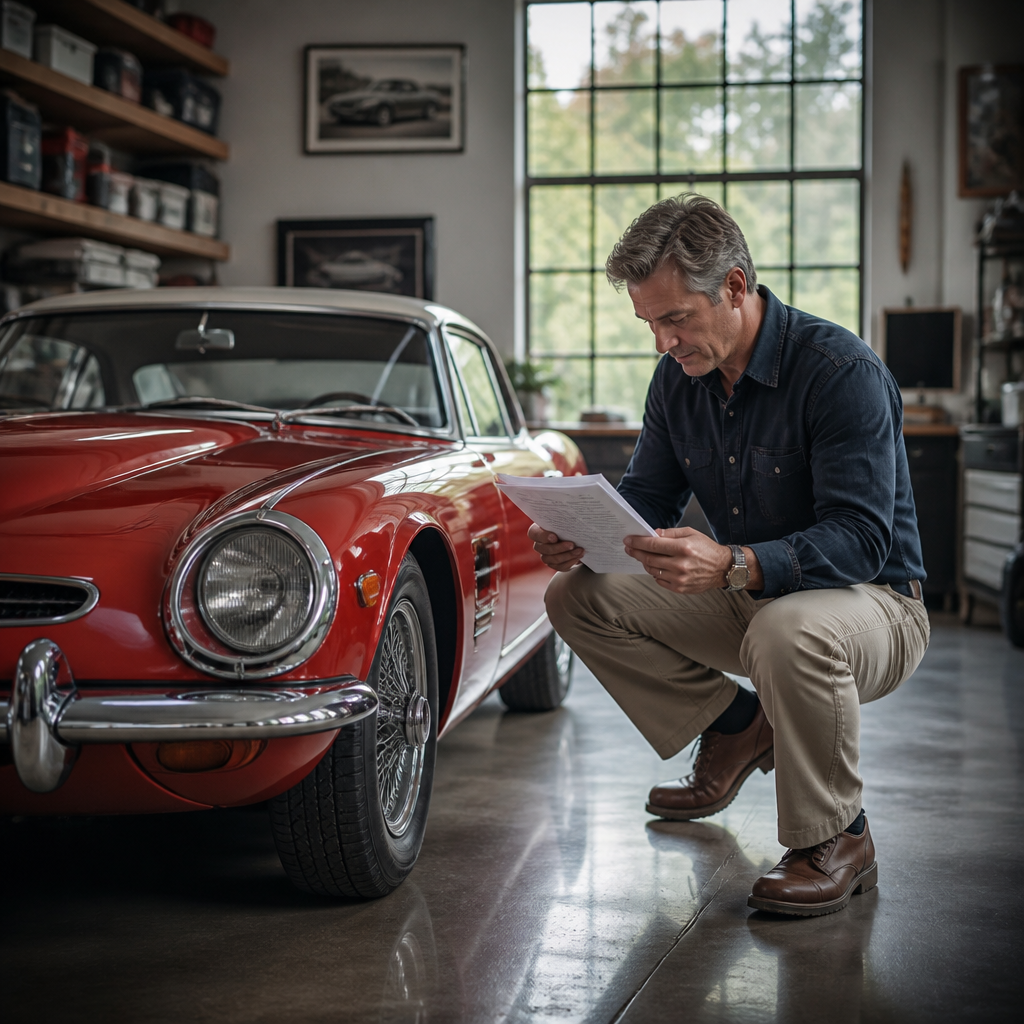
The first driving mistake happens before the car leaves the garage: assuming the vehicle is ready because it ran well last week. With classics, a quick inspection is not optional. Rubber fuel lines harden, brake fluid absorbs moisture, carburetor linkages stick, and tire pressures drift while the car sits. I have seen owners pull onto a main road only to discover a dragging brake, weak battery, or sticking throttle that a two-minute walkaround would have caught. Before any drive, check for fluid leaks under the car, confirm tire condition and pressure, test brake pedal feel, verify lights and turn signals, and make sure the horn works. Look at coolant level only when safe to do so, and confirm engine oil is within range. Cars with drum brakes may need a moment to normalize after storage or damp weather. If the vehicle has manual choke, know its setting before startup. This habit reduces breakdowns and prevents the dangerous overconfidence that comes from treating a forty- or fifty-year-old machine like a modern appliance.
Poor seating position, weak mirror setup, and limited visibility awareness
Many drivers inherit an awkward seating position from the car’s era and never correct it. In classics, steering wheels are often larger, pedal boxes narrower, and seat adjustment more limited than current cars, so posture directly affects control. Sit close enough to fully depress the clutch or brake without stretching, keep a slight bend in the elbows, and position both hands for leverage rather than lounging one-handed. Adjust mirrors before moving, not while driving. Older mirrors are smaller and body lines create larger blind spots, especially in coupes, convertibles with tops up, and wagons carrying luggage. Visibility is also reduced by dim sealed-beam headlights, thin wipers, and windscreen fogging. A driver who fails to compensate makes late lane changes, misses motorcycles, or misjudges closing speed at intersections. Clean glass inside and out, use an anti-fog treatment where appropriate, and understand that old mirror geometry leaves gaps. Turning your head to verify adjacent lanes is essential in a classic, not old-fashioned. Good visibility management is one of the simplest ways to avoid collisions and improve confidence in mixed traffic.
Following too closely and underestimating classic braking distances
The most common on-road error is driving at modern traffic pace without respecting vintage braking capability. Many classic cars use front discs only, or drums on all four corners, and even well-maintained systems usually need longer stopping distances than a new car with ABS and performance tires. Brake fade is also more likely on downhill roads or repeated stops. The solution is straightforward: increase following distance beyond the common three-second rule and make it larger in rain, traffic, or unfamiliar conditions. Scan farther ahead so you can brake progressively instead of reacting late. Progressive braking keeps the car balanced and reduces the chance of front-wheel lockup or rear instability. If your car has non-assisted brakes, the required pedal effort may surprise drivers used to boosted systems. Practice in an empty lot to learn threshold braking, pedal pressure, and how the car behaves during emergency stops. Never assume the car behind understands your stopping limits either; leave room to steer out if needed. Space is the cheapest safety feature a classic car owner can create, and it costs nothing except patience.
Using abrupt inputs instead of smooth steering, braking, and throttle
Classic cars reward smoothness and expose rough technique immediately. Abrupt steering can unsettle tall sidewall tires. Sudden throttle in a torquey rear-wheel-drive car can break traction on worn pavement. Harsh clutch release shocks the driveline and can upset the car mid-corner. I tell new owners to imagine they are handling a tray of full glasses: every input should be deliberate, measured, and connected to what the chassis is doing. This matters even more in leaf-spring cars, swing-axle designs, and vehicles with recirculating-ball steering, because response may be slower at first and then build unexpectedly. Smoothness is not just about comfort; it keeps weight transfer manageable. When you brake gently before a turn, turn in progressively, and squeeze the throttle on exit, the tires keep a larger share of available grip. That basic principle applies whether you drive a Triumph Spitfire, a Jaguar XJ6, or a first-generation Camaro. Drivers who chase quick reactions often create the instability they were trying to avoid.
Entering corners too fast and misunderstanding weight transfer
Cornering mistakes in classic cars usually start with entry speed. Older suspensions, narrower tires, and slower steering ratios mean you must complete most braking before turning. If you enter too fast, the car may push wide in understeer, or the rear may come around if you lift abruptly. Weight transfer explains why. Braking shifts load forward, acceleration shifts it rearward, and turning loads the outside tires. In a classic with softer damping and less ultimate grip, these shifts are more pronounced and slower to settle. The safe method is simple: slow in a straight line, choose a conservative entry speed, look through the bend, make one clean steering input, and accelerate only when the car is set. On mountain roads and rural lanes, trouble often comes from tightening-radius corners, gravel near the apex, or mid-corner bumps that upset old suspensions. Respecting weight transfer is especially important in rear-engined cars like classic 911s and VW-based models, where trailing-throttle lift can rapidly change balance. Good cornering is not about speed; it is about preserving options when the road surprises you.
Ignoring road surface changes, weather, and the limits of old tires
Many classic car incidents happen on perfectly ordinary roads in imperfect conditions. Painted lines, diesel spills, tar snakes, standing water, steel bridge decks, and loose gravel affect every car, but classics usually have less grip, less chassis composure, and fewer electronic safeguards. Tire choice matters enormously. A period-correct tread may look right at a show, yet a modern tire built in the proper size often offers better wet traction, braking, and heat stability. Check the date code, because tread depth alone does not reveal age-related hardening. In rain, drive slower than traffic expects, avoid sudden lane changes, and remember that classic wipers and demisters are weaker. In hot weather, watch coolant temperature and fuel percolation in carbureted cars. In cold weather, assume tires and brakes need more time to work consistently. The table below summarizes common conditions and the right adjustment. Drivers who anticipate changing surfaces make fewer corrections and preserve both safety and mechanical integrity.
| Condition | Typical Risk in a Classic Car | Best Driver Response |
|---|---|---|
| Heavy rain | Longer braking, poor demisting, hydroplaning | Increase following distance, reduce speed, test brakes lightly |
| Hot traffic | Overheating, fuel vapor issues, weak idle | Watch gauges, avoid unnecessary idling, plan escape routes |
| Loose gravel | Reduced grip, stone damage, rear step-out | Brake early, steer gently, maintain a steady throttle |
| Night driving | Dim lighting, slower hazard detection | Slow down, clean lenses, leave extra margin |
Distracted driving, overconfidence, and failing to plan around other traffic
Classic car drivers often make a unique combination of mistakes: they become distracted by the car itself while also assuming other motorists see them clearly. Gauges, unfamiliar noises, manual choke adjustments, vent windows, and non-synchronized gearboxes all demand attention. At the same time, your car may sit lower than SUVs, have weaker brake lights than modern LED units, and accelerate more slowly into gaps. Defensive driving is therefore non-negotiable. Plan lane changes early, signal sooner than you think necessary, and avoid lingering beside larger vehicles. If the car is newly restored or newly purchased, treat the first several drives as shakedown trips close to home and off peak traffic. Overconfidence is particularly risky after a few uneventful outings, when the driver starts to push harder before fully understanding the car’s hot-start behavior, steering free play, brake fade, or gearbox quirks. If passengers want photos or conversation, let them know your attention stays on the road. A classic car attracts waves, stares, and phones held out of windows; none of that changes stopping distance. Calm planning beats reactive driving every time.
Misusing the gearbox, clutch, and engine on the move
Mechanical sympathy is a safety skill, not just a maintenance preference. Drivers who ride the clutch on inclines, force cold shifts, lug the engine in high gear, or over-rev during downshifts create failures that can quickly become hazardous. A slipping clutch limits acceleration when merging. A missed shift can lock the driven wheels or over-speed the engine. An overheated automatic may flare between gears just when you need steady power. Learn the operating range of your specific engine and gearbox. Many older manuals prefer deliberate pauses, especially before selecting first or reverse. Non-synchromesh or weakly synchronized transmissions may benefit from double-clutching. Downshift only when road speed matches the lower gear, and use engine braking as a supplement, not a substitute, for proper brakes. Watch gauges and warning lights, but also learn the analog signs: detonation under load, a new vibration through the shifter, or a brake pedal that gradually sinks. These are messages to slow down and reassess, not to continue because the destination is close. A classic that feels slightly wrong usually is.
Building safer habits for every drive
The driving mistakes to avoid in a classic car all lead back to one principle: give the vehicle more margin than you would give a modern car. Check it before you drive, sit where you can control it properly, leave extra space, use smooth inputs, slow down before corners, respect weather and surfaces, and pay attention to what the machinery is telling you. Those habits make driving safer, but they also make the experience better. A well-driven classic feels composed, communicative, and satisfying in a way newer cars often do not. For owners using this page as a hub for driving and safety tips, the next step is practical: choose one habit from this article and apply it on your next outing, then build from there. Better classic car driving is not about bravery or speed. It is about preparation, awareness, and consistency, and those are skills every owner can improve.
Frequently Asked Questions
Why do classic cars require a different driving approach than modern vehicles?
Classic cars were built in a different era, with different engineering priorities, materials, braking systems, steering feel, suspension design, tire technology, and safety features. That means they often react more slowly, provide less margin for error, and demand more attention from the driver. A mistake that a modern car might mask with anti-lock brakes, traction control, power steering, stability systems, or advanced tires can become much more serious in an older vehicle. In practical terms, this means a classic car may need longer stopping distances, smoother steering inputs, gentler acceleration, and more anticipation in traffic.
One of the most common mistakes drivers make is assuming a classic car will behave like a newer daily driver. That assumption leads to late braking, abrupt lane changes, taking corners too fast, or following other vehicles too closely. Many older cars also have drum brakes, softer chassis dynamics, and less precise steering, so they reward patience and punish aggressive driving. The safest approach is to slow down mentally as well as physically: look farther ahead, leave more space around the car, make every input deliberate, and learn the specific quirks of the vehicle before driving it in busy or high-speed conditions. Respecting those differences is one of the best ways to avoid common driving mistakes and protect both the car and its occupants.
What is one of the biggest driving mistakes classic car owners make in traffic?
Following too closely is one of the biggest and most dangerous mistakes. In modern traffic, many drivers are used to responsive brakes and electronic safety aids that help them stop quickly and maintain control. Classic cars usually do not offer that same level of braking performance, especially if the system is older, not perfectly adjusted, or still using original-style components. Even a well-maintained classic often needs more distance to stop safely, and that gap becomes even more important in wet weather, on downhill roads, or in stop-and-go traffic.
When a driver tailgates in a classic car, they leave themselves very little time to react to sudden changes ahead. If the vehicle in front brakes hard, the classic car driver may have to brake sharply enough to lock the wheels, lose steering control, or unsettle the car. The better habit is to leave a generous following distance at all times and increase it whenever road conditions are poor or visibility is limited. A good rule is to create more space than you think you need, then add even more if you are still learning the car. This extra buffer gives you time to downshift if appropriate, brake progressively, and keep the car stable rather than forcing it into a panic stop it may not handle well.
Why is braking too late such a common mistake in older cars?
Late braking happens because many drivers subconsciously rely on modern-car expectations. They are used to powerful disc brakes, brake assist, and highly predictable pedal feel, so they carry those habits into an older vehicle without realizing it. In a classic car, the brake pedal may feel firmer, softer, longer-travel, or simply less immediate than what the driver expects. Some vehicles also dive, wander slightly under braking, or feel less settled when stopping hard. If the driver waits too long, the car may not slow down as quickly as planned, especially at higher speeds.
The safest correction is to brake earlier, more progressively, and more intentionally. Start by learning the car’s stopping behavior in a safe, low-traffic environment so you understand how much pressure and distance it needs. Anticipate red lights, intersections, curves, and slower traffic sooner than you would in a modern vehicle. Instead of waiting until the last moment, begin shedding speed early and smoothly. This not only improves safety but also reduces wear on older brake components and helps preserve the overall balance of the car. Good classic car driving is less about dramatic reactions and more about calm planning, and early braking is a perfect example of that mindset.
How can overconfidence lead to unsafe driving in a classic car?
Overconfidence often appears when enthusiasm outruns experience. Many classic car owners love the sound, style, and personality of their vehicles, which is completely understandable, but that excitement can sometimes encourage them to drive beyond the car’s limits or their own skill level. They may enter corners too quickly, accelerate hard on old tires, underestimate body roll, or assume the car can recover easily from a mistake. The problem is that classic cars typically communicate their limits differently than modern cars, and when those limits are exceeded, they can be much less forgiving.
A confident driver is not necessarily a safe driver unless that confidence is backed by familiarity, restraint, and mechanical understanding. The better approach is to build skill gradually. Learn how the steering loads up in a turn, how the brakes respond when hot or cold, how the gearbox behaves under downshifts, and how the car feels on uneven pavement. Avoid showing off, especially with passengers in the car or on unfamiliar roads. Smooth, conservative driving is not boring in a classic car; it is the mark of a driver who understands what the vehicle needs. Respect for the machine is what keeps enjoyment high and risk low.
What habits help drivers avoid common mistakes and stay safer in a classic car?
The most effective safety habits are simple, consistent, and proactive. First, perform a thorough pre-drive check. Classic cars benefit from regular attention to tire pressure, brake feel, fluid levels, lights, steering response, and any unusual sounds or leaks. Mechanical condition plays a much bigger role in driving safety when the car is older, so preventing problems before the drive is just as important as reacting well during it. Second, give yourself extra time and space on the road. Drive at a pace that allows you to think ahead, scan constantly, and react without rushing the car.
It also helps to use smooth inputs everywhere: accelerate gently, steer progressively, and brake early. Avoid distractions, because classic cars often demand more hands-on attention than newer vehicles. Be especially careful in poor weather, at night, or in heavy traffic, where limited visibility and reduced traction can magnify small errors. If you are new to classic ownership, spend time getting comfortable in low-pressure conditions before attempting longer trips or crowded events. Finally, remember that safe classic car driving is really about discipline. The drivers who make the fewest mistakes are not the ones who take the biggest risks; they are the ones who stay patient, observant, and consistently respectful of what an older vehicle can and cannot do.