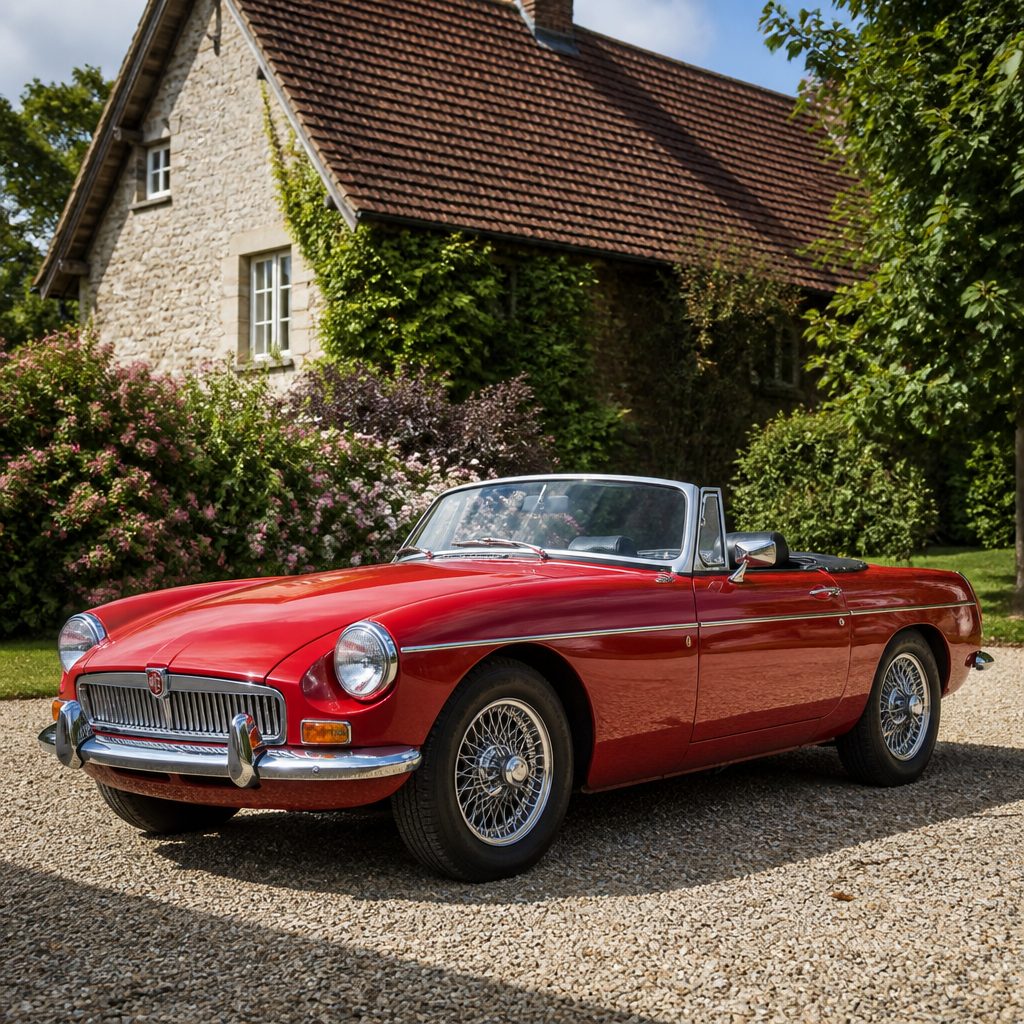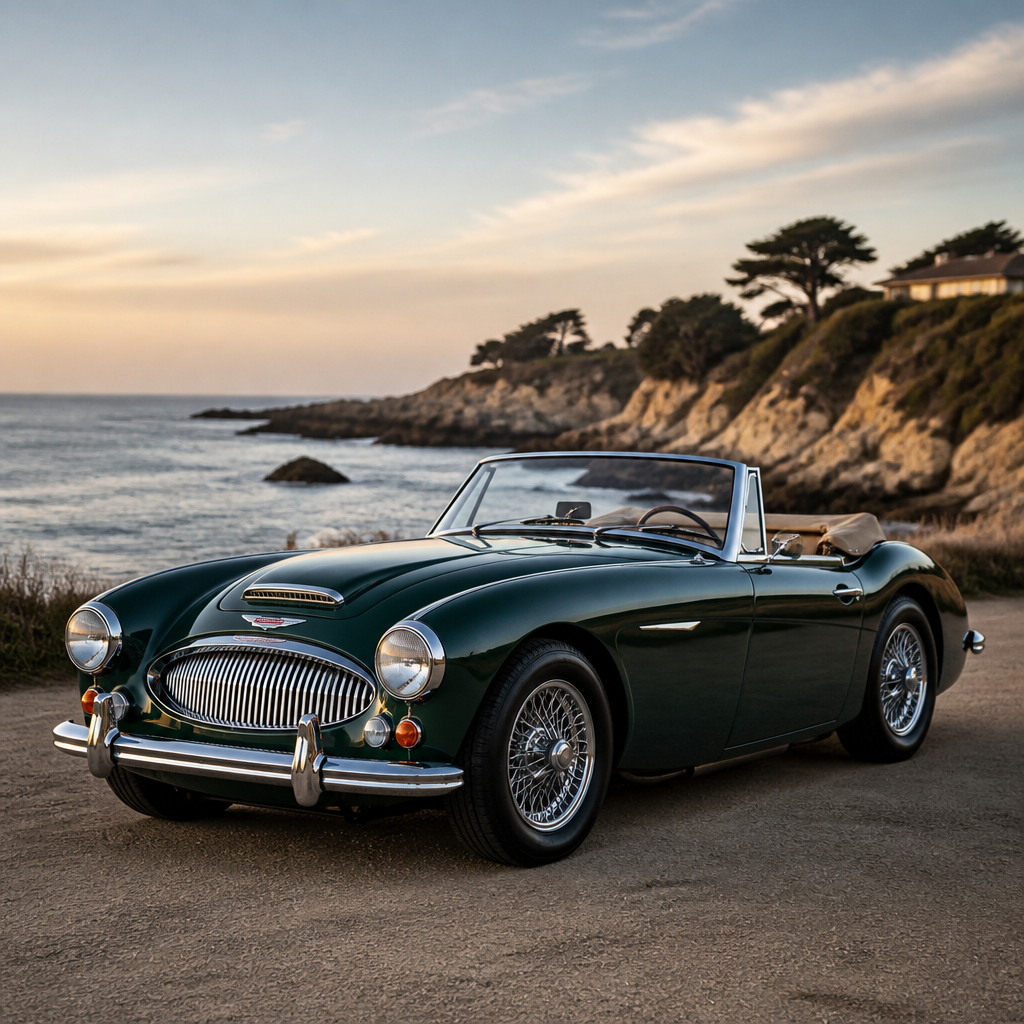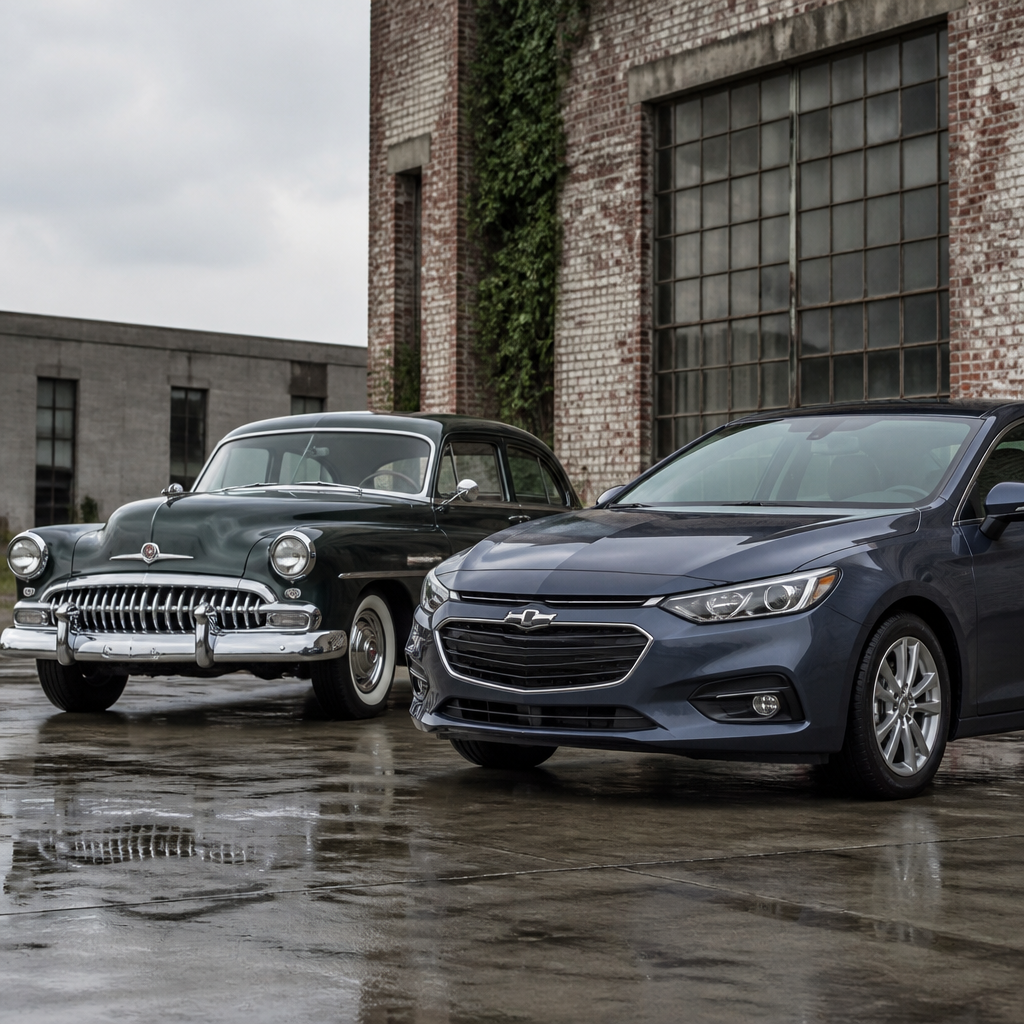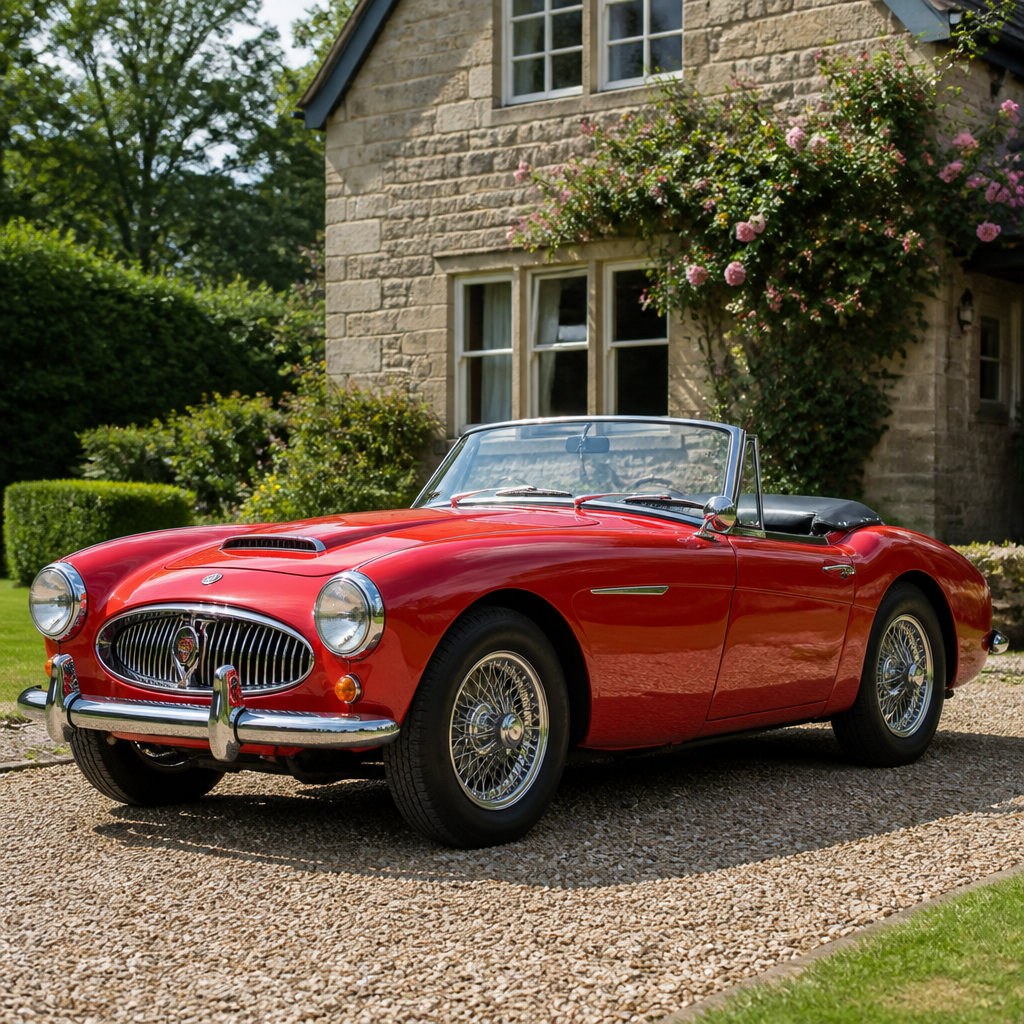
Classic cars reward patience, mechanical sympathy, and attention, but they also demand a different approach to safety than modern vehicles built around airbags, crumple zones, anti-lock brakes, and electronic stability control. Improving safety in classic cars means reducing risk through maintenance, thoughtful upgrades, better driving habits, and realistic planning. In practical terms, a classic car is usually a vehicle old enough to predate current safety standards, often built before features such as three-point belts, head restraints, collapsible steering columns, side-impact protection, and modern tire compounds became common. Driving and safety tips matter because the gap between vintage design and current traffic conditions is enormous: today’s roads are faster, vehicles are heavier, and distracted driving is more common. I have learned through restoring and road-testing older cars that most dangerous situations do not come from dramatic failures; they come from small weaknesses stacking up, like tired brake hoses, dim lights, loose steering, underinflated tires, or a driver who forgets how long stopping distances really are. The good news is that classic car safety can be improved substantially without destroying originality. The goal is not to make a 1965 coupe behave like a 2025 sedan. The goal is to understand limits, correct avoidable hazards, and make measured upgrades that preserve character while protecting occupants and everyone else on the road.
Start with a complete mechanical safety baseline
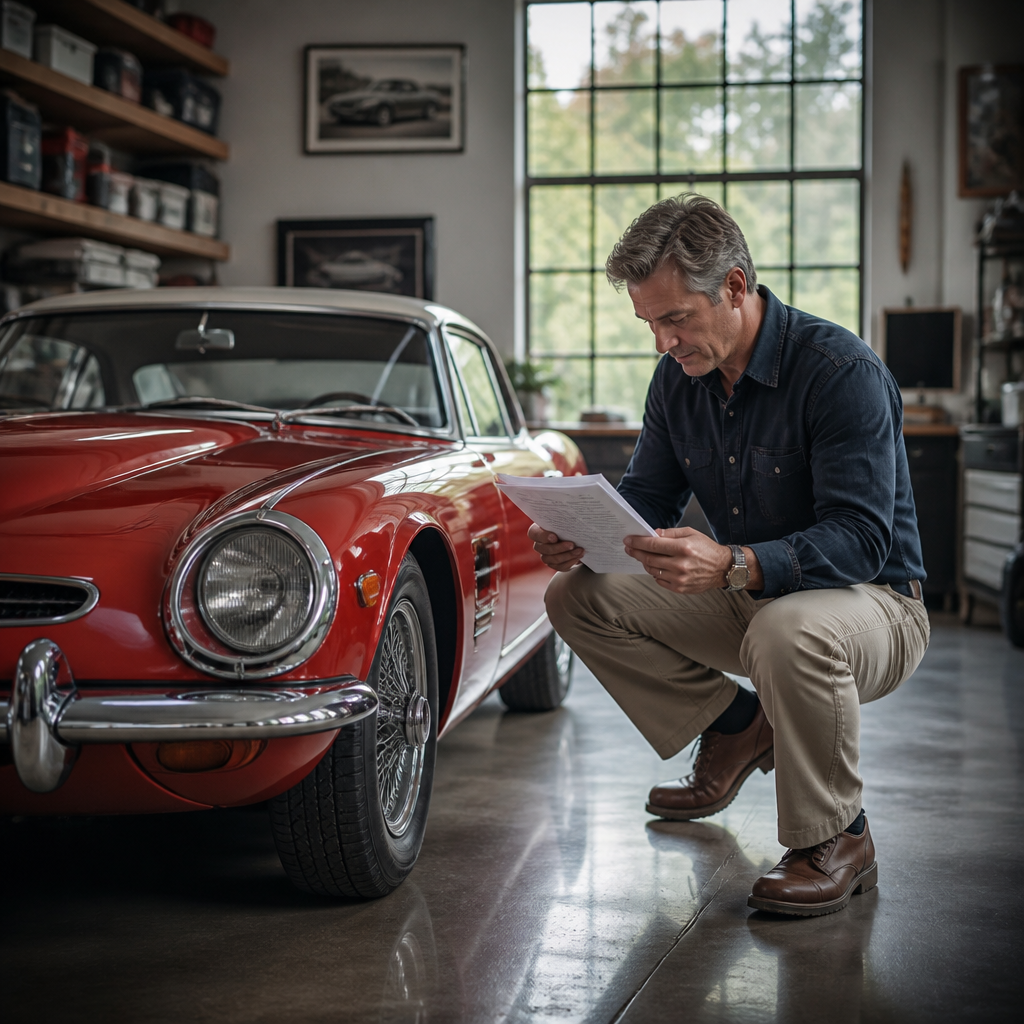
The first step in improving safety in classic cars is establishing a verified mechanical baseline. Before adding accessories or performance parts, inspect the systems that determine whether the car can steer, stop, see, and be seen. Begin with the brakes: check drum or disc condition, wheel cylinders or calipers, master cylinder seals, hard lines for corrosion, rubber flex hoses for cracking or swelling, and the age of the brake fluid. Many classics still run glycol-based DOT 3 or DOT 4 fluid, which absorbs moisture over time and lowers boiling point, so a flush is basic safety work, not cosmetic maintenance. Next, evaluate steering and suspension. Worn ball joints, tie-rod ends, idler arms, control-arm bushings, kingpins, or steering boxes introduce play that can turn an emergency maneuver into a lane departure.
Tires deserve special scrutiny because appearance is deceptive. A classic may have deep tread yet still be unsafe if the tires are over six to ten years old, depending on storage and condition. Check the DOT date code, sidewall cracking, flat spotting, and load rating. Bias-ply tires may be period-correct, but modern radials usually improve grip, wet braking, and highway stability. Wheel bearings, shocks, leaf springs, and alignment settings also affect control. I treat lighting and electrical reliability as equal priorities. A charging system that drops voltage at idle, a poor ground, or brittle wiring can leave brake lights dim and headlamps weak when visibility matters most. Finally, inspect fuel lines, tank venting, and carburetor fittings. Fire prevention is safety work. A thorough baseline inspection, ideally documented with measurements and parts dates, gives every later driving and safety decision a sound foundation.
Upgrade restraint systems, seating, and occupant protection
Seat belts are the single most important safety upgrade for many classic cars. If a vehicle has only lap belts or none at all, adding properly mounted three-point belts should be high on the list. The exact solution depends on body structure. Some cars accept bolt-in kits using reinforced factory points; others need engineered anchor plates mounted to strong structural sections. The key is load path. A belt is only as safe as the metal supporting it, so universal kits installed into thin sheet metal can create false confidence. For convertibles and hardtops without head restraints, improved seats or retrofitted headrests reduce whiplash risk in rear impacts. I have seen owners focus on engine upgrades while leaving slick vinyl bench seats and weak latches untouched, even though staying planted behind the wheel during hard braking is a core safety issue.
Door latches, seat tracks, and steering columns also matter. Many older cars used latch designs that do not resist side impacts well; rebuilding worn latch mechanisms and striker alignment can keep doors closed in a crash or abrupt swerve. If the original steering wheel has a hard metal center and the column is non-collapsible, the driver should understand that frontal crash risk is fundamentally higher than in newer vehicles. Some owners add discreetly integrated roll bars in convertibles or install inertia-reel belts for easier daily use, but every upgrade should be judged for structural integrity, comfort, and authenticity. Child passenger safety deserves special caution. Many classics lack rear shoulder belts, proper tether anchors, or seat geometry that works with modern child seats. In many cases, the safest decision is not to transport young children in the car at all unless the setup has been evaluated carefully against current restraint requirements and local law.
Improve braking, tires, and road holding without compromising character
When owners ask how to improve classic car safety without making the car feel modernized beyond recognition, I usually start with tires, brakes, and chassis tuning. These changes preserve the driving experience while addressing the areas most likely to prevent a crash. Modern radial tires with correct dimensions and quality compounds offer a major gain over aged or budget reproductions. Reputable brands publish wet grip, load, and speed data; using those specifications matters more than choosing the most nostalgic sidewall. Braking upgrades can range from better friction materials and fresh drums to front disc conversions, dual-circuit master cylinders, and vacuum boosters where appropriate. A dual-circuit master cylinder is especially valuable because it separates front and rear hydraulic circuits, reducing the chance of total brake loss after a single failure.
Suspension improvements should follow diagnosis, not fashion. New shocks, properly rated springs, rebuilt bushings, and a correct alignment often produce more stability than dramatic lowering kits. Sway bars can reduce body roll, but too much front bar without balanced rear grip can worsen understeer. The right setup depends on weight distribution, tire choice, and intended use. The table below summarizes sensible safety-focused upgrades for a street-driven classic car.
| Component | Typical Original Limitation | Practical Safety Upgrade | Main Benefit |
|---|---|---|---|
| Tires | Aged rubber, bias-ply behavior, limited wet grip | Quality radial tires in correct load range | Shorter stopping distances and better stability |
| Brakes | Single-circuit hydraulics, fade, pulling | Dual-circuit master cylinder, fresh lines, disc conversion if suitable | Improved reliability and controllable braking |
| Suspension | Worn dampers and bushings, excess float | New shocks, rebuilt joints, correct alignment | More predictable steering response |
| Steering | Excess play and slow response | Rebuilt box or rack components, proper lubrication | Better lane control and emergency maneuvering |
| Lighting | Dim sealed beams and weak grounds | Halogen-compatible housings or relays with stock-style lamps | Improved night visibility |
None of these upgrades remove the need for realistic expectations. Drum brakes in perfect condition can work well within their design envelope, but they are still more susceptible to fade during repeated hard stops. Manual steering and long-travel suspensions can be enjoyable and safe when sorted, yet they require more anticipation than newer systems. The best results come from coherent setups rather than isolated parts swaps.
Make classic cars easier to see and easier to notice
A large share of classic car risk comes from visibility, both from the driver’s seat and from the perspective of other road users. Many older vehicles have small mirrors, dim lighting, weak turn signals, and limited rearward vision. Start with the basics: ensure the windshield is free from hazing, wiper arms apply proper pressure, washer nozzles work, and the defroster clears the glass. Replace old sealed-beam headlamps or tired bulbs with approved brighter options that preserve beam pattern rather than simply increasing glare. Adding relays can deliver full battery voltage to headlamps in cars where current originally traveled through long, resistive wiring runs and the switchgear itself. This is one of the highest-value electrical upgrades I recommend because it improves light output without visibly altering the car.
Rear lighting matters just as much. Brake lights on many classics are small and can disappear in bright sunlight. Restoring reflector surfaces, cleaning grounds, and using quality bulbs can make a bigger difference than owners expect. Some models support discreet high-mounted auxiliary brake lights that are removable and less intrusive than permanent body modifications. Mirror upgrades should be practical. A slightly larger side mirror or a better interior mirror can reduce blind spots significantly, especially in coupes with thick pillars. Visibility also includes paint, trim, and road position. Dark cars with small lamps are harder to detect at dusk and in rain, so owners should use headlights earlier than they might in a modern vehicle with daytime running lights. On multilane roads, avoid lingering in the blind spots of SUVs and trucks. Being visible is not passive; it is an active part of classic car driving and safety planning.
Adapt your driving technique to vintage limits and modern traffic
Safe classic car driving begins with accepting that the car cannot be driven exactly like a new one. Stopping distances are longer, acceleration may be slower, steering feedback may be stronger but less precise, and crash protection is lower. That reality should shape every choice behind the wheel. Leave larger following distances than the common three-second rule, especially in wet conditions or downhill traffic. Scan farther ahead because older brakes and tires give you fewer recovery options when traffic compresses suddenly. Plan lane changes early and avoid abrupt maneuvers that unsettle the chassis. In manual-transmission classics, practice smooth rev-matched downshifts so deceleration remains balanced. In carbureted cars, be aware that cold drivability can be inconsistent, which affects how predictably the engine responds when merging.
Defensive driving matters even more because other motorists misjudge classic cars. Some assume they are slow and pull out in front of them; others crowd them out of curiosity. I coach owners to maintain an escape route, avoid tailgating entirely, and treat every intersection as a potential conflict point. Weather judgment is another learned skill. Older heater systems, narrow tires, vacuum wipers, and simple demisters can make rain and cold conditions much more demanding. Many classics are happiest on dry roads in daylight, and there is no shame in choosing not to drive when conditions exceed the car’s strengths. Night driving deserves separate respect. Reduced lighting, older instrument illumination, and glare from taller modern vehicles increase fatigue. The safest classic car owner is not the one who proves the car can handle every scenario; it is the one who knows when to skip a trip, slow down, or take a different route.
Prepare for emergencies, storage risks, and safe trip planning
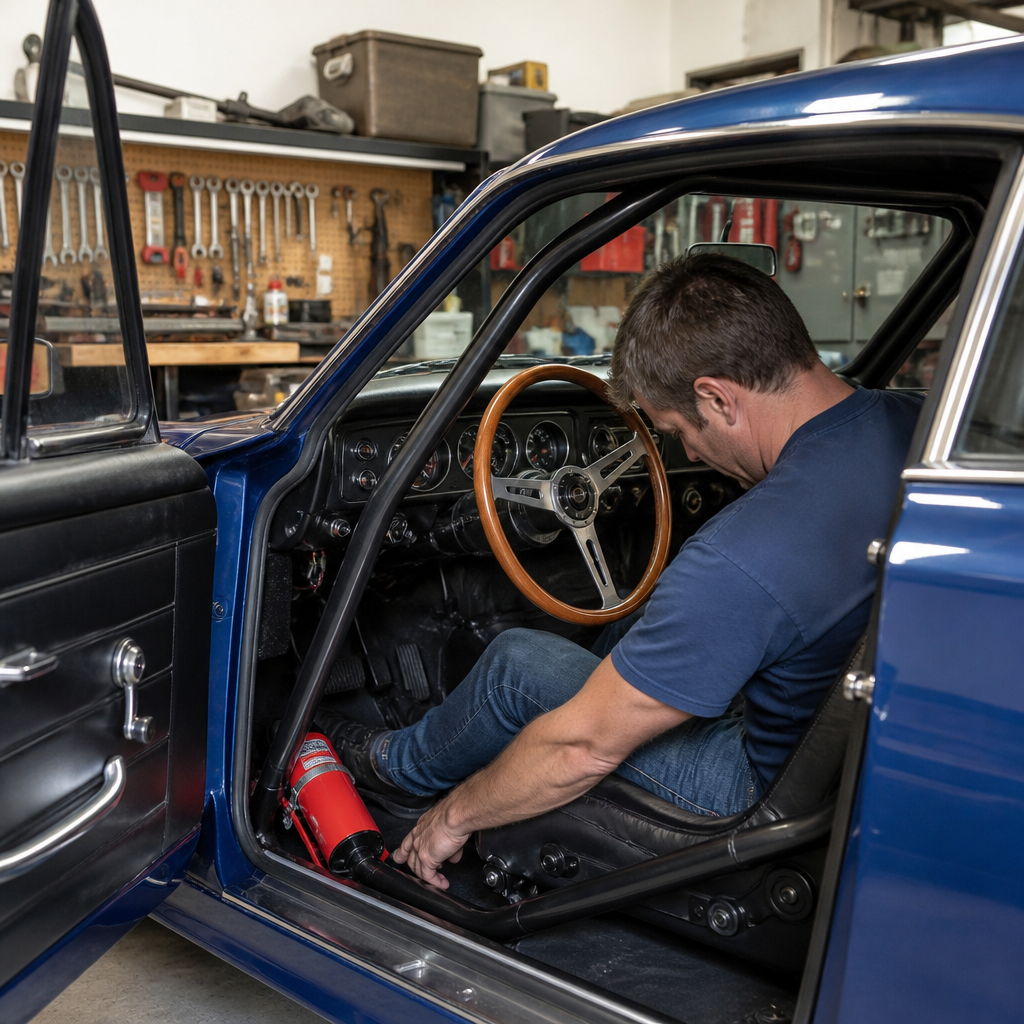
Classic car safety extends beyond the moving vehicle. Breakdowns, fuel leaks, vapor lock, overheating, and electrical faults are part of ownership, so emergency preparation is essential. Carry a fire extinguisher rated for automotive use, mounted securely within reach but away from likely impact zones. Keep a basic toolkit, flashlight, warning triangles, gloves, fuses, spare belts if applicable, and a charged phone power bank. For points-ignition cars, a spare condenser or ignition component can turn a roadside failure into a short delay instead of a tow. Tire-related preparation should include a usable jack, verified spare, and lug wrench that actually fits aftermarket wheels if those are installed. Membership in a roadside assistance plan that covers older vehicles is worthwhile because towing procedures for low cars, automatics, or cars with fragile bodywork can differ from modern norms.
Storage and pre-drive routines also prevent incidents. Fuel systems on classics can deteriorate quietly, so inspect for seepage before starting after long rests. Rodents damage wiring and insulation in stored cars, creating hidden fire risks. Battery maintainers help, but charging systems should still be tested under load. Before each drive, I recommend a short walk-around: check tire pressure visually and with a gauge, look for fluid drips, verify lights, test pedal feel, and confirm steering response in the first few yards. Trip planning should account for the car’s range, cooling margins, and cruising speed. A route with lower traffic stress, fuel availability without ethanol issues when relevant, and safe pull-off areas is often smarter than the fastest highway option. Owners who prepare methodically experience fewer failures and make better decisions when something does go wrong.
Build a long-term safety strategy around use, originality, and maintenance records
The best way to improve safety in classic cars is to treat it as an ongoing ownership system rather than a one-time project. Define how the car will actually be used: occasional fair-weather shows, weekend back-road driving, family cruising, or longer tours. That use case determines sensible safety priorities. A lightly used concours car may justify mostly reversible upgrades, while a frequently driven classic benefits from radials, a dual master cylinder, better lighting, and modern belts without apology. Keep maintenance records with dates, mileage, and part brands. Documentation helps you track fluid age, hose replacement intervals, alignment settings, and recurring issues. It also increases confidence when another shop works on the car or when the car changes hands.
Use reputable components and recognized standards whenever possible. Brake hose quality, wheel stud engagement, torque values, and fuel line routing are not areas for guesswork. If fabrication is required, involve a specialist who understands both structural loads and the vehicle’s original design. Periodically reassess the car after each change. A new tire size can alter steering effort and clearance; a suspension upgrade can expose weak body mounts; a brighter charging system may reveal aging connectors elsewhere. Safety improvements work best when the car remains balanced, predictable, and well understood by its driver. Classic car ownership is more enjoyable when confidence replaces uncertainty. Start with inspection, address the fundamentals, choose upgrades that fit the car, and drive with deliberate care. That approach preserves authenticity while meaningfully lowering risk. If you own a classic, schedule a full safety inspection this month and make your next drive the safest one yet.
Frequently Asked Questions
What are the most important first steps to make a classic car safer?
The best place to start is with the basics: mechanical condition, reliability, and predictability. Before adding any upgrades, make sure the car can stop straight, steer accurately, and operate consistently in real-world traffic. That means inspecting and servicing the brakes, steering components, suspension bushings, wheel bearings, tires, lights, and electrical system. Old rubber hoses, cracked belts, aging fuel lines, weak ignition components, and worn brake parts can create dangerous situations long before a lack of modern crash protection becomes the issue.
Next, focus on anything that directly affects control. Tires are one of the biggest safety improvements you can make because many classic cars either sit for long periods or run outdated, hardened, or incorrectly sized tires. Fresh, properly rated tires dramatically improve braking, cornering, and wet-weather confidence. The same applies to shocks, springs, alignment, and brake adjustment. A classic car that wanders, pulls, fades under braking, or reacts unpredictably is far more difficult to drive safely than one that has been carefully sorted.
After that, evaluate visibility and driver awareness. Confirm that headlights, brake lights, turn signals, wipers, mirrors, horn, and windshield washers all work as they should. Many classic cars are simply harder for other drivers to see and understand in modern traffic, so making your intentions clear is a real safety upgrade. In short, the first steps are not glamorous, but they are foundational: restore the car to dependable operating condition, eliminate deferred maintenance, and make sure it behaves consistently every time you drive it.
Which safety upgrades are worth considering without ruining the character of a classic car?
The most worthwhile upgrades are usually the ones that improve control, restraint, visibility, and reliability while respecting the car’s original design. Seat belts are high on the list if the vehicle lacks them or has outdated, worn, or poorly mounted belts. Properly installed three-point belts can significantly improve occupant protection in a survivable crash and often represent one of the most practical safety improvements available for older cars.
Brake upgrades are also commonly worthwhile, especially if the car originally came with marginal drum brakes or a single-circuit master cylinder. Converting to a dual-circuit master cylinder adds redundancy so one hydraulic failure does not eliminate all braking. In some applications, front disc brake conversions can improve consistency, fade resistance, and confidence in modern traffic. However, any brake upgrade should be engineered correctly, balanced front to rear, and installed with quality components rather than pieced together casually.
Electronic ignition can improve dependability, especially on cars that are driven regularly, because it reduces maintenance-related misfires and starting issues. Better lighting is another smart area to address. Brighter bulbs, relays for headlights, improved tail lamps, or discreet auxiliary brake lighting can make the car easier to see without obviously changing its appearance. Some owners also add mirrors, hazard flashers, or a fire extinguisher mounted within reach. The key is to choose upgrades that reduce risk in meaningful ways while avoiding poorly engineered modifications that create new problems. A thoughtful classic is safer than a heavily modified one assembled without a clear plan.
How much does driving behavior matter when it comes to classic car safety?
Driving behavior matters enormously because classic cars generally provide less margin for error than modern vehicles. Even a well-maintained vintage car may have longer stopping distances, slower steering response, more body roll, less traction in emergency maneuvers, and fewer protections if something goes wrong. That means the safest classic car drivers adopt a more patient, deliberate style behind the wheel. They leave more following distance, plan lane changes earlier, avoid abrupt inputs, and assume that other drivers may not notice them or may misjudge their speed.
Mechanical sympathy is part of safety as well. A driver who understands warm-up needs, brake feel, steering play, carburetor quirks, and the way the car reacts over bumps is better prepared to avoid trouble. Many incidents in classic cars happen not because a component fails catastrophically, but because the driver overestimates the vehicle’s capabilities in modern traffic conditions. Hard braking from highway speeds, sudden evasive moves, or aggressive cornering can expose limitations that were normal in the car’s era but feel surprising today.
Smart classic car driving also includes choosing when and where to drive. Night driving, heavy rain, congested highways, and stop-and-go commuting may present more risk than a daytime drive on familiar roads. If the weather is poor or traffic is especially aggressive, leaving the car parked can be the safest decision. In practice, driving habits are one of the most powerful safety tools available because they cost nothing, preserve the car, and reduce the odds that you will ever need to test the vehicle’s limited crash protection.
Are classic cars safe enough for regular road use if they are well maintained?
A well-maintained classic car can absolutely be usable on public roads, but it is important to be realistic about what “safe enough” means. Good maintenance can greatly reduce the chance of breakdowns, brake issues, steering problems, tire failures, fuel leaks, and electrical faults. It can also make the car far more stable, controllable, and predictable. However, maintenance cannot fully overcome the fact that many classic cars were designed before modern expectations for crashworthiness, occupant restraint, impact absorption, and electronic accident avoidance systems existed.
In other words, a sorted classic can be safe to operate responsibly, but it is rarely as forgiving as a modern daily driver. If an accident occurs, especially a high-speed collision or side impact, the occupants may face much greater risk simply because the vehicle lacks airbags, reinforced passenger structures, engineered crumple zones, anti-lock brakes, and stability control. That does not mean classic cars should never be driven. It means owners should match use to the vehicle’s limitations and think carefully about route, speed, weather, traffic density, and maintenance discipline.
For many enthusiasts, the best approach is balanced use rather than casual assumptions. Drive the car often enough to keep it healthy and enjoyable, but not as if it were a modern appliance with modern protections. If regular road use is the goal, ongoing inspections, high-quality parts, careful storage, and preventive maintenance become essential. A classic car can be safely enjoyed, but safe enjoyment depends less on optimism and more on honesty about the vehicle’s age, design, and operating limits.
What maintenance items are most often overlooked but have a big impact on safety?
Several overlooked items can have an outsized effect on safety in classic cars. Brake hoses are a major one. They may look acceptable from the outside while deteriorating internally, causing restricted fluid flow, dragging brakes, or inconsistent pedal feel. The same goes for old steel brake lines that may corrode from within or in hidden areas. Fuel hoses are another frequent weak point, especially with modern fuels that can degrade older rubber compounds. Replacing aging fuel lines and clamps is important not only for reliability but also for fire prevention.
Suspension and steering wear is also commonly underestimated. Loose tie-rod ends, cracked control arm bushings, tired idler arms, worn kingpins or ball joints, and deteriorated steering couplers can make the car feel vague or unstable, particularly during emergency maneuvers. Wheel bearings, shock absorbers, and alignment settings deserve close attention for the same reason. Even small amounts of wear can add up to a vehicle that feels acceptable at low speed but becomes unsettled at highway pace.
Owners also often neglect electrical grounds, charging performance, and lighting output. Dim headlights, intermittent brake lights, and unreliable turn signals are genuine safety problems, not minor inconveniences. Wiper blades, washer operation, door latches, hood latches, and trunk seals can be overlooked too, yet they matter when conditions turn bad. Finally, do not ignore the age of the tires just because the tread looks good. A classic car may see limited miles, but old tires harden and lose grip over time. In many cases, replacing time-expired tires, rubber hoses, worn steering parts, and questionable lighting components delivers a much bigger safety benefit than more dramatic modifications.