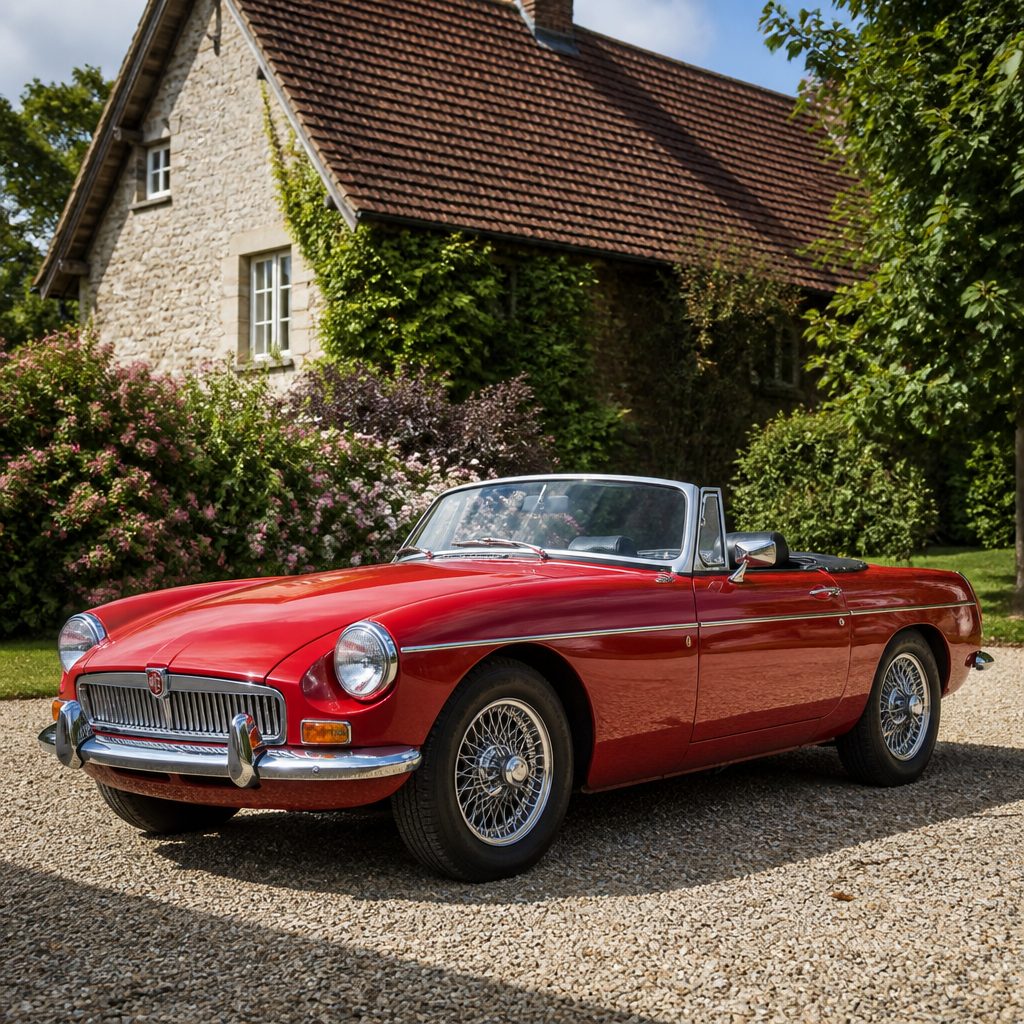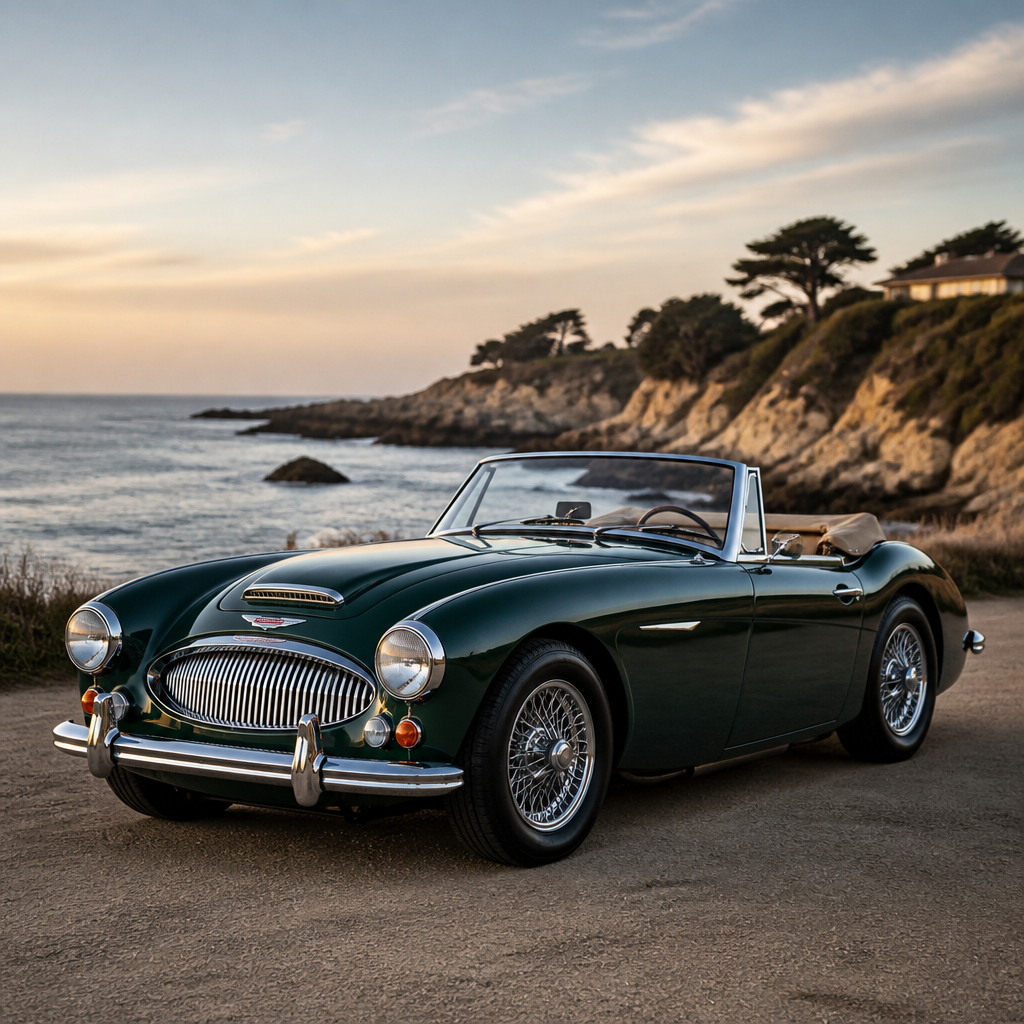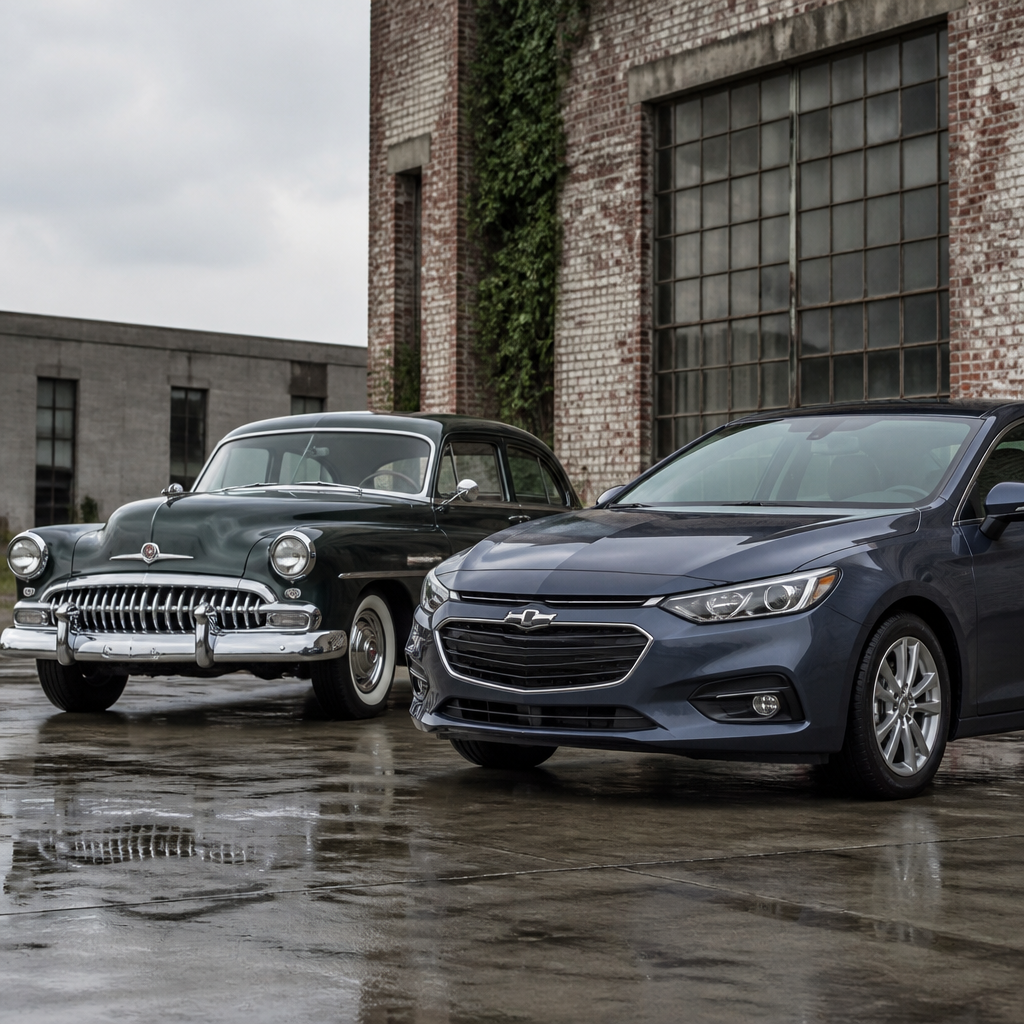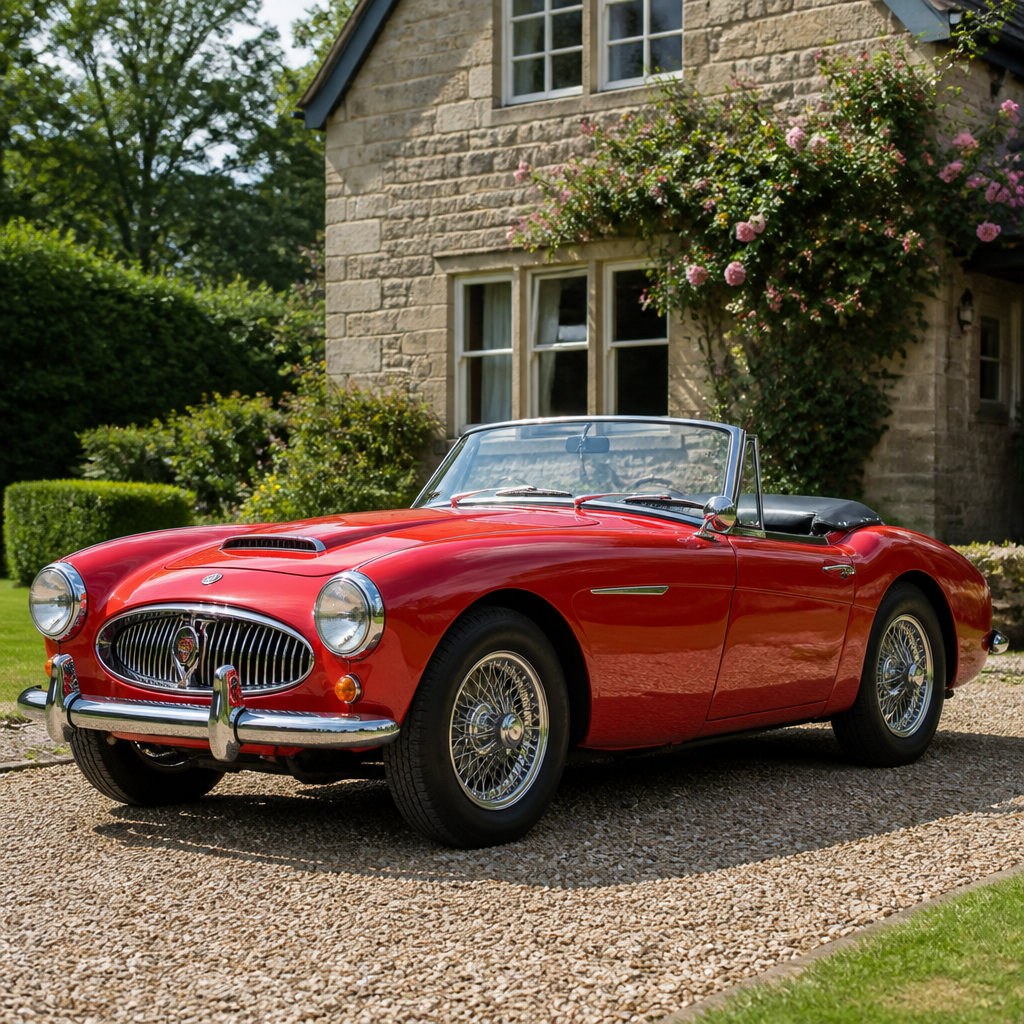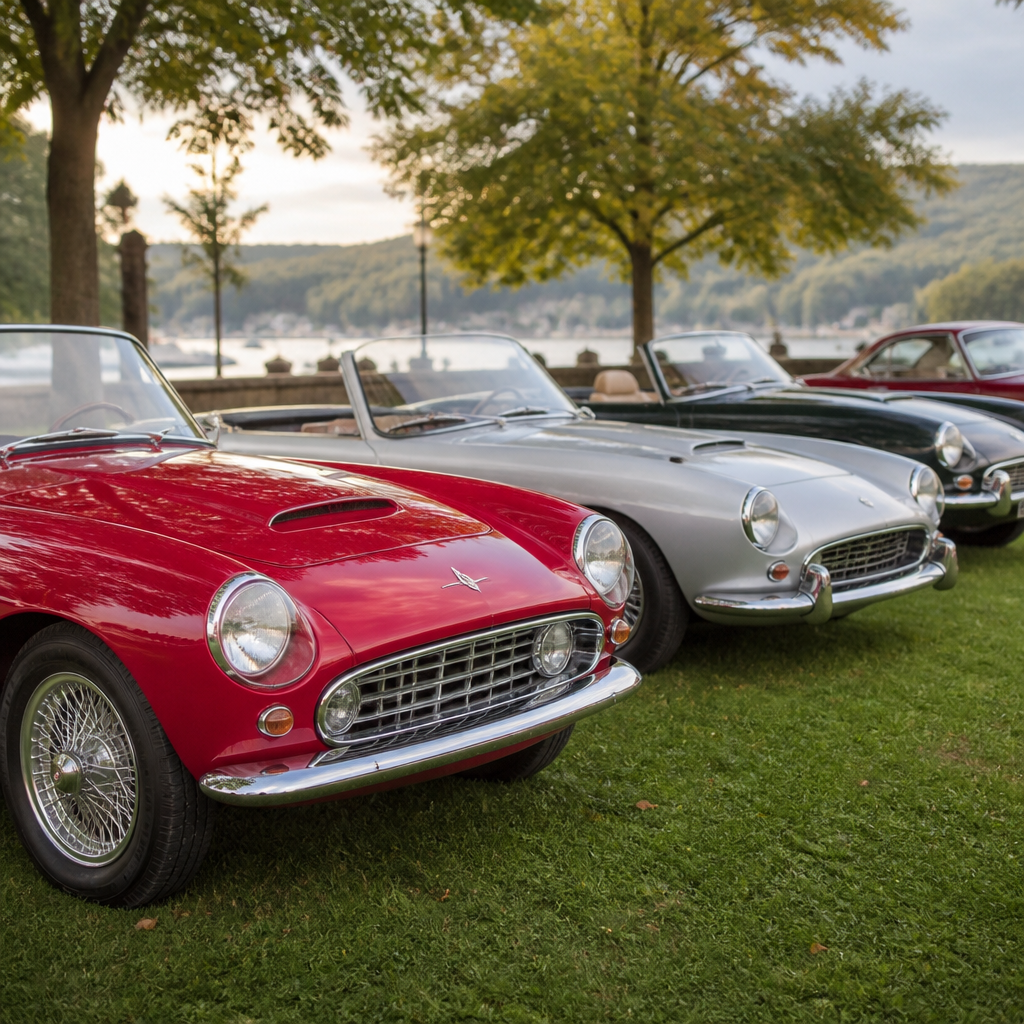
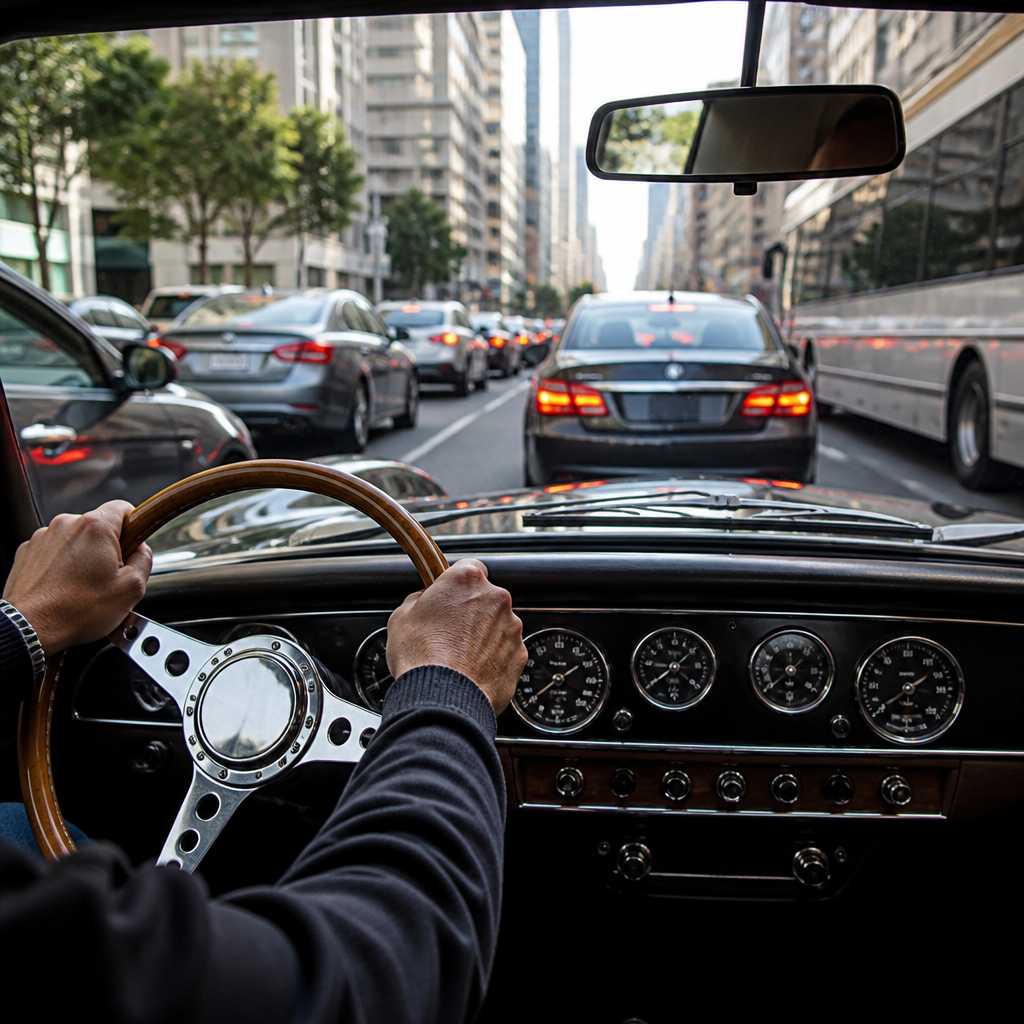
Driving a classic car in modern traffic is one of the most rewarding parts of ownership, but it demands a different mindset than driving a late-model vehicle. A classic car, for practical purposes, is usually a vehicle built before widespread adoption of modern crash structures, anti-lock brakes, electronic stability control, fuel injection, and advanced driver assistance systems. That means the charm is real, yet so are the limitations. I have driven carbureted coupes, drum-brake sedans, and manual-steering convertibles in dense commuter traffic, summer heat, and sudden rain, and the same lesson applies every time: safety comes from preparation, mechanical honesty, and disciplined driving habits.
Modern traffic moves faster, stops harder, and leaves less margin for error than the roads these cars were designed for. SUVs sit higher, LED headlights are brighter, distracted driving is common, and urban congestion punishes weak cooling systems and heavy clutches. Many classic cars also lack shoulder belts, collapsible steering columns, head restraints, and side-impact protection. Even a well-restored car can feel outmatched if the driver treats it like a new one. Understanding braking distance, steering response, visibility constraints, and component reliability is essential because these factors shape every safe decision behind the wheel.
This hub covers the core driving and safety practices every classic car owner should understand before merging into modern traffic. It explains how to assess roadworthiness, adapt your driving technique, manage weather and night conditions, plan routes, and choose upgrades that improve safety without undermining originality. It also addresses common questions directly: Can you daily drive a classic car? What maintenance matters most for safe road use? Which upgrades offer the biggest benefit? The answer is not simply “drive slower.” Safe classic car driving is a system. When the car is mechanically sorted and the driver respects its limits, these vehicles can be used confidently, regularly, and responsibly.
Start with mechanical roadworthiness, not confidence
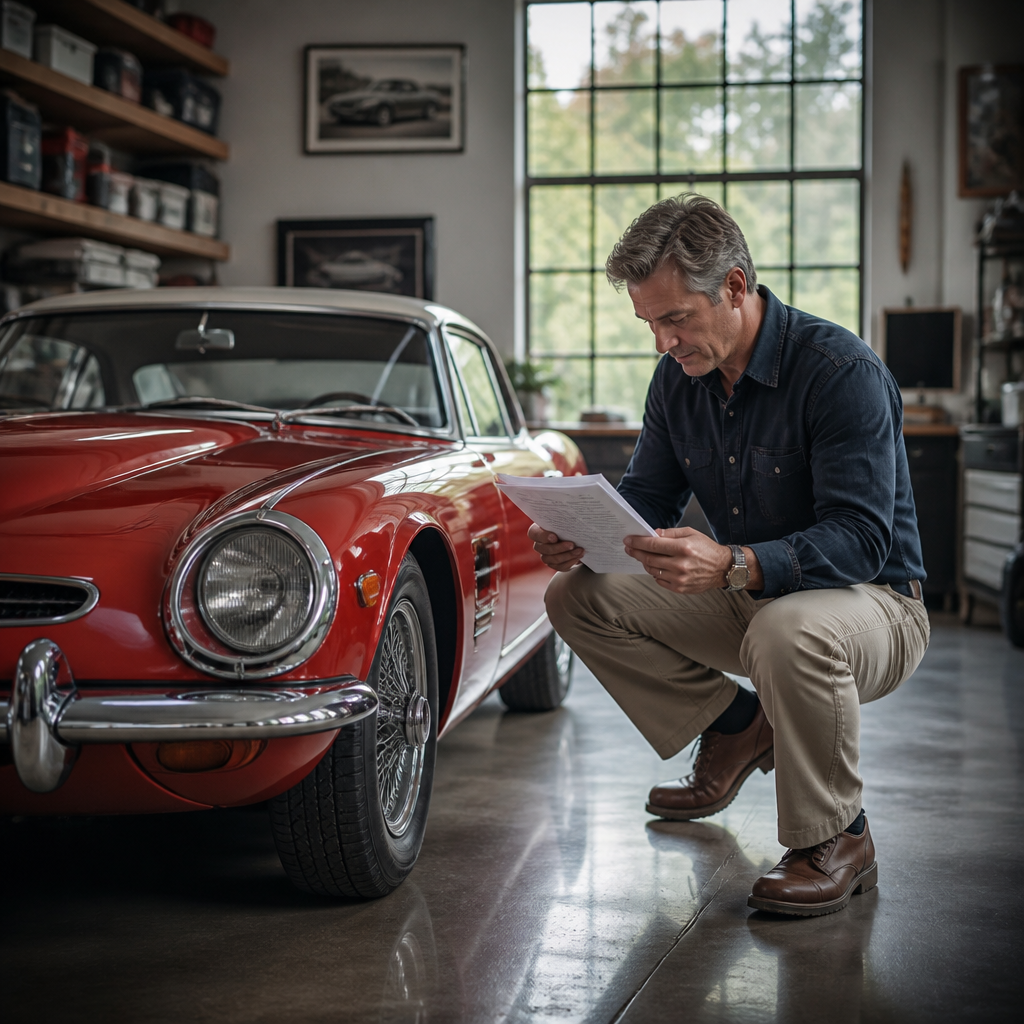
The first rule of driving a classic car safely is simple: never ask a marginal car to handle modern traffic. Owners often focus on appearance first, yet reliability and stopping ability determine whether a drive is enjoyable or stressful. Before any regular road use, inspect the braking system, steering linkage, suspension bushings, wheel bearings, tires, fuel lines, cooling system, charging system, and all exterior lighting. On cars with drum brakes, adjustment matters. A classic with correctly adjusted drums, fresh shoes, sound wheel cylinders, and quality fluid can stop predictably, but neglected drums create pull, fade, and alarming pedal travel.
Tires deserve special attention because many classics sit on old rubber that looks acceptable but has aged out. Check the DOT date code, sidewall cracking, tread depth, and load rating. Bias-ply tires may be authentic, but radials usually improve grip, tracking, and wet-weather performance. If originality matters for shows, many owners keep period-correct tires for display and use modern radials for driving. Brake hoses can swell internally even when they look fine outside. Fuel hoses harden and split. Cooling hoses soften near clamps. Replace age-sensitive parts proactively, because roadside failures in modern traffic tend to escalate quickly.
Electrical integrity is equally important. Dim brake lights, weak grounds, and slow wipers create hazards that were easier to tolerate decades ago than they are today. Verify charging output, battery condition, horn operation, and turn signals. If your car uses points ignition, carry spares and know the dwell and timing specifications. If it has been converted to electronic ignition, confirm the installation quality and keep the old parts if you travel far. A classic that starts consistently, idles without loading up, tracks straight, and stops evenly is not merely more pleasant; it is fundamentally safer.
Know the limits built into classic car design
Classic cars behave differently because their engineering priorities were different. Many have slower steering ratios, more body roll, narrower tires, higher center-of-gravity movement, and longer stopping distances. Carburetors can stumble on hot restarts or during abrupt throttle changes. Four-wheel drum brake cars may need more pedal pressure and are more susceptible to fade on long descents. Manual steering at parking speeds requires planning, and manual brakes reward smooth, early inputs. None of this makes a classic unusable, but it does mean the driver must manage momentum carefully.
Visibility is another major difference. Thick pillars, small mirrors, and low seating can hide modern crossovers and motorcycles. Rearward visibility in coupes, convertibles with tops up, and wagons loaded with luggage can be poor. Wind noise and drivetrain noise also make it harder to hear surrounding traffic. At night, sealed-beam headlights on original wiring often produce less useful light than modern drivers expect. These design traits should influence how you drive: leave larger following gaps, position the car where you can be seen, and avoid aggressive lane changes.
Occupant protection is the hardest truth. Most classics lack engineered crumple zones and restraint systems comparable to modern vehicles. That reality should shape route choice, speed, and weather decisions. A classic car is safest when it is driven defensively, maintained meticulously, and kept out of situations where another driver’s mistake leaves no escape space. Preservation and safety are aligned here. Respecting the car’s design era is not fear; it is competent operation.
Adjust your driving technique for modern traffic flow
Safe classic car driving starts with anticipation. In a modern vehicle, electronics often rescue late decisions. In a classic, the driver must create time and space before they are needed. Keep a longer following distance than the standard three-second rule; four to six seconds is often smarter, especially in rain or downhill traffic. Scan farther ahead than you normally would, because early recognition of brake lights, merging traffic, or debris gives you time to brake progressively rather than abruptly. Smooth inputs are not just more comfortable; they maintain tire grip and reduce the chance of upsetting an older chassis.
Lane positioning matters more in a classic than in a modern car. Avoid sitting in blind spots beside tall SUVs or delivery vans. If your car is small, bright daytime running lights are not available to help you stand out, so use deliberate positioning to stay visible in mirrors. At traffic lights, leave an escape gap to the car ahead so you can maneuver if a distracted driver approaches too quickly from behind. On freeways, choose the lane that minimizes sudden merging conflicts rather than the lane that seems fastest. There is no prize for proving an old car can outpace traffic.
Mechanical sympathy should shape every move. Let the engine warm before demanding full throttle. Downshift early on grades if you drive a manual, and monitor coolant temperature in stop-and-go conditions. If the steering has noticeable play, avoid abrupt corrections and schedule repair before regular use. If the brakes pull slightly, treat that as a shop problem, not a personality trait. Good classic drivers distinguish between quirks and defects, then refuse to normalize the defects.
Upgrade strategically without compromising character
Not every classic needs major modification, but some upgrades provide clear safety benefits. The best approach is reversible, well-documented improvement that preserves the car’s identity while reducing risk on today’s roads. Three-point seat belts are among the most valuable additions where mounting points and structural considerations allow proper installation. Front disc brake conversions can improve fade resistance and consistency, though a properly restored drum system may be adequate for moderate use. Halogen or LED headlamp upgrades, when done with correct aiming and relays, improve night visibility without overloading original switches. An auxiliary transmission cooler, aluminum radiator, or shrouded electric fan can help cars that genuinely struggle in heat, although cooling problems should first be diagnosed rather than masked.
| Upgrade | Main Safety Benefit | Best Use Case | Key Tradeoff |
|---|---|---|---|
| Three-point seat belts | Better occupant restraint in sudden stops or collisions | Cars driven regularly on mixed roads | Requires proper mounting and interior alteration |
| Front disc brakes | Improved consistency and reduced fade | Heavier cars, hilly routes, frequent traffic use | Higher cost and possible originality concerns |
| Radial tires | Better grip, tracking, and wet performance | Almost any road-driven classic | Different steering feel from period-spec tires |
| Headlight relays and brighter lamps | Stronger, more reliable night illumination | Evening driving or rural roads | Must be aimed correctly to avoid glare |
| Dual-circuit master cylinder | Redundancy if one brake circuit fails | Cars originally built with single-circuit brakes | Conversion complexity varies by model |
Choose upgrades based on actual use. A weekend cruiser that rarely leaves local roads may benefit most from belts, tires, and lighting. A car used for touring might justify cooling improvements, a dual-circuit master cylinder, and a discreet hazard flasher. Document every change, keep removed original parts when practical, and use known suppliers. Poorly engineered modifications create new risks. Safety upgrades should make the car more predictable, not merely more modern-looking.
Master weather, night driving, and seasonal risks
Weather exposes every weakness in an older car. In rain, drum brakes can need a brief drying application after splash-through, wipers may be slow, and demisters can be marginal. Reduce speed early, increase following distance, and test brake feel gently after driving through standing water. If your windshield fogs easily, check heater controls, defroster ducts, and fresh-air seals before the season changes. I have seen owners spend heavily on cosmetic restoration while ignoring a failing blower motor that makes the car nearly unusable in wet weather. Practical fixes often improve safety more than expensive detailing.
Night driving requires realism. Headlight performance depends on bulb output, reflector condition, lens clarity, wiring integrity, and voltage at the lamp. On many classics, adding relays can recover substantial brightness because the original switch and long wiring run reduce voltage. Also confirm that tail lamps, brake lamps, and dash illumination are visible without being distracting. If your car has weak reverse lights or none at all, back into parking spaces when possible so departures are safer.
Heat and cold create different hazards. Summer traffic can trigger vapor lock, overheating, and battery stress. Winter driving, where corrosion is a concern, often introduces poor traction, stiff lubricants, and salt damage. Many owners avoid salted roads entirely, which is sensible preservation and sound safety policy. If you do operate in colder months, check choke function, battery reserve, washer system performance, and tire compound suitability. A classic can handle seasonal use, but only when the owner prepares for the season instead of reacting mid-drive.
Plan routes, emergency gear, and driver habits like a touring pro
The safest classic car trip is planned before the key turns. Route selection matters because steep grades, high-speed interchanges, and long construction zones place extra demand on cooling, braking, and visibility. Whenever possible, choose roads that suit the car’s strengths. A torquey V8 sedan may cruise happily on secondary highways, while a small-bore vintage coupe is often better on scenic routes where traffic speed is moderate. Build fuel stops into the plan, especially if the gauge is optimistic or the tank sender is unreliable. Older cars can have short range, and ethanol-blended fuel may affect storage and hot-start behavior depending on the system.
Carry sensible spares and tools: belts, hoses, points or ignition modules as applicable, basic hand tools, a flashlight, fuses, fluids, a tire inflator, reflective triangles, and a fire extinguisher rated for automotive use. Membership in Hagerty Drivers Club, AAA, or another roadside assistance provider that understands flatbed transport is worth having. Save the towing instructions for your model, because improper hookup can damage bumpers, steering, or driveline components. Emergency readiness is not pessimism; it is part of responsible ownership.
Driver habit is the final layer. Do not drive when tired, rushed, or emotionally distracted, because a classic asks more of the operator. Use both hands on the wheel, avoid phone use entirely, and resist the temptation to demonstrate acceleration, noise, or attention-grabbing quirks in traffic. If passengers are unfamiliar with old cars, explain seat belts, door latches, vent windows, and the need to avoid distracting the driver. Good habits turn vintage motoring from a gamble into a practiced skill.
Build a long-term safety routine that supports ownership
Driving a classic car in modern traffic safely comes down to systems, not luck. Start with a car that is mechanically honest: brakes adjusted, tires fresh, steering tight, cooling reliable, lights bright, and fuel lines secure. Learn the design limits of the vehicle you own, then drive in a way that creates time and space around those limits. Make selective upgrades where they provide measurable benefit, especially in restraint systems, tires, lighting, and brake redundancy. Treat rain, heat, darkness, and congestion as conditions that require adaptation, not as minor inconveniences. And plan every trip with the same discipline you would use for a long tour.
For classic car ownership, this driving and safety guidance is the hub because every related topic branches from it: brake maintenance, tire choice, night visibility, summer cooling, route planning, roadside kits, and sensible upgrades. Owners who build a repeatable inspection routine and keep accurate service records enjoy their cars more often and with far less stress. That is the real benefit. A classic that feels trustworthy gets driven, shared, and preserved through use rather than parked indefinitely out of uncertainty.
If you want more from your classic than static display, make safety your operating standard. Inspect the car honestly, fix defects before they strand or scare you, and practice defensive techniques every time you drive. Then use this hub as your starting point for every other driving and safety article in the Classic Car Ownership series, and turn vintage motoring into a confident, sustainable part of your life.
Frequently Asked Questions
What makes driving a classic car in modern traffic different from driving a newer vehicle?
Driving a classic car in modern traffic is fundamentally different because the vehicle was engineered for a very different road environment. Most classic cars were built before modern crash protection, anti-lock brakes, electronic stability control, high-visibility lighting, precise steering systems, and advanced driver assistance features became standard. In practical terms, that means you are operating a car that may require longer stopping distances, more steering correction, slower acceleration, and more driver attention at all times. Even something as simple as merging onto a fast highway can feel very different in a carbureted, drum-brake car than it does in a late-model vehicle with fuel injection, four-wheel disc brakes, and sophisticated traction systems.
Another major difference is predictability. Modern cars are designed to mask small mistakes and stabilize themselves under stress. A classic car usually does not. If you brake hard in a vehicle with drum brakes, it may pull slightly or require noticeably more pedal effort. If the road is crowned, grooved, or uneven, older steering and suspension designs may wander more than drivers are used to today. Many classic cars also have less effective mirrors, weaker headlights, less powerful windshield defrosters, and cabins that are noisier at speed, all of which add to fatigue and reduce situational awareness if you are not prepared.
Traffic itself has changed too. Modern drivers tend to brake harder, accelerate faster, follow more closely, and expect every vehicle around them to behave like a current production car. A classic car rarely fits that pattern. The safest approach is to adopt a more defensive, anticipatory driving style. Leave extra following distance, plan lane changes well in advance, avoid abrupt inputs, and assume other drivers may misjudge your speed or capabilities. The experience is still deeply enjoyable, but it rewards patience, smoothness, and mechanical sympathy much more than quick reactions or aggressive driving.
How much extra stopping distance should I allow in a classic car?
You should generally allow significantly more stopping distance than you would in a modern vehicle, even if your classic car is well maintained. The exact amount depends on the car’s weight, brake design, tire compound, suspension condition, road surface, and traffic speed, but the rule of thumb is simple: leave more space than feels necessary. Many classics use drum brakes on all four corners or a front-disc, rear-drum setup, and even well-sorted systems usually do not deliver the same repeated, fade-resistant stopping performance as modern four-wheel discs with ABS. Without anti-lock brakes, heavy braking also requires more finesse because wheel lockup can happen quickly, especially in the wet.
It is wise to build a larger cushion in every situation. In city traffic, that means resisting the urge to close gaps just because modern drivers behind you expect tighter spacing. On suburban roads and highways, it means extending your following distance far beyond the minimum. If weather is poor, traffic is unpredictable, or you are carrying passengers, add even more room. A classic car may also respond differently as the brakes heat up, particularly on downhill grades or during repeated stop-and-go driving. What feels acceptable on the first stop may feel much less reassuring by the fifth.
The best habit is to think several vehicles ahead and brake earlier, lighter, and smoother. Downshifting in a manual-transmission car can help manage speed, but it should not be used as a substitute for a healthy brake system. If you notice pulling, fading, excessive pedal travel, or inconsistency from side to side, address those issues before regular traffic use. Safe stopping in a classic car is less about one dramatic panic stop and more about consistently giving yourself enough time and space so panic stops become far less likely in the first place.
What maintenance matters most before regularly driving a classic car in traffic?
If you plan to drive a classic car regularly in modern traffic, the most important maintenance areas are brakes, tires, steering, suspension, cooling, fuel delivery, and electrical reliability. These systems directly affect whether the car can stop safely, track straight, remain controllable, and tolerate long idling or hot-weather driving. A visually attractive classic that starts on the weekend but has old rubber brake hoses, dry-rotted tires, loose steering components, or a marginal radiator is not truly road-ready, no matter how nicely it presents at a car show.
Start with the brake system. Inspect or replace shoes, pads, wheel cylinders, calipers, master cylinder seals, flex hoses, hard lines, and fluid as needed. Make sure the car stops straight and consistently. Then evaluate the tires carefully. Tread depth alone is not enough; age matters enormously. Old tires can look decent but provide poor grip and unpredictable behavior, especially in rain or emergency maneuvers. Steering and suspension should also be checked for worn bushings, ball joints, tie rods, shocks, leaf spring hardware, and alignment issues. Many drivability complaints in classic cars are really deferred maintenance problems rather than unavoidable traits of old design.
Cooling and fuel systems are especially important in present-day traffic because older cars were not always optimized for extended idling, hotter underhood temperatures, or ethanol-blended fuel. A clean radiator, sound hoses, functioning fan, proper ignition timing, and a well-tuned carburetor make a huge difference. On the electrical side, verify charging output, battery health, grounds, lighting brightness, and signal operation. Weak voltage can affect starting, lights, gauges, and ignition performance. In short, the safest classic is not necessarily the most modified one. It is the one that has been thoroughly inspected, properly sorted, and maintained with real-world traffic use in mind.
Are upgrades like seat belts, disc brakes, better tires, or electronic ignition worth considering?
For most people who actually drive their classic cars in modern conditions, sensible upgrades are absolutely worth considering. The goal is not to erase the character of the car, but to improve reliability, predictability, and safety in ways that make regular use more practical. Seat belts are one of the clearest examples. If the car was not originally equipped with effective belts, adding them is a highly worthwhile safety improvement. The same logic applies to better tires. Modern tires in the correct size, load rating, and construction can transform braking, grip, ride quality, and wet-weather confidence without visually changing the car very much.
Brake upgrades can also be valuable, especially if the vehicle is driven frequently, used on faster roads, or operated in hilly areas. A properly engineered front disc brake conversion may improve stopping consistency and reduce fade, but it should be approached thoughtfully. The master cylinder, pedal ratio, wheel and tire package, and front-to-rear balance all matter. An upgrade that is poorly matched to the rest of the system can create new problems. Electronic ignition is another popular improvement because it can increase starting consistency, reduce maintenance, and help the engine run more reliably in everyday use, especially in heat or humidity.
The key is choosing upgrades that respect how the car is used. If the vehicle spends most of its life on calm local roads, you may prioritize tires, belts, lighting, and a thorough brake rebuild over more invasive modifications. If you commute, tour, or drive in dense traffic, upgrades that reduce breakdown risk and improve stopping performance may be especially worthwhile. Purity has its place, but so does practicality. A classic car that starts reliably, stops confidently, signals clearly, and protects its occupants better is often a car that gets driven and enjoyed more often.
What are the best driving habits for staying safe and comfortable in a classic car today?
The best driving habits in a classic car are built around anticipation, smoothness, and restraint. Think farther ahead than you would in a modern vehicle. Scan well beyond the car directly in front of you, watch traffic patterns early, and make decisions sooner. Lane changes should be planned in advance because older mirrors, slower acceleration, and larger steering corrections can make last-second moves stressful. Smooth throttle, brake, and steering inputs keep the car balanced and reduce the chance of unsettling an older chassis or overworking vintage brakes.
It also helps to choose your routes and timing wisely. Not every drive has to involve rush hour, the busiest interstate, or the most aggressive local bottleneck. A classic car is often happier on roads that allow a steady pace and more room around you. If you do need to drive in congestion, leave early and give yourself permission to stay in the slower lane. There is no prize for keeping up with the most impatient driver on the road. Staying visible matters too. Use turn signals early, keep lights in top condition, and remember that your car may be smaller, dimmer, or less conspicuous than modern SUVs and trucks.
Comfort and safety are closely connected, so pay attention to fatigue, heat, noise, and workload. Older cars can demand more physical effort from the driver, especially if they have heavy steering, a firm clutch, or limited ventilation. If you are tense, hot, or distracted by mechanical concerns, your margin for error shrinks. Build confidence gradually, learn the car’s responses in low-stress conditions, and never ignore changes in how it feels or sounds. The most skilled classic-car drivers are not the ones who hustle the hardest. They are the ones who respect the machine, understand its limits, and drive with enough awareness that the entire trip feels controlled, deliberate, and enjoyable.