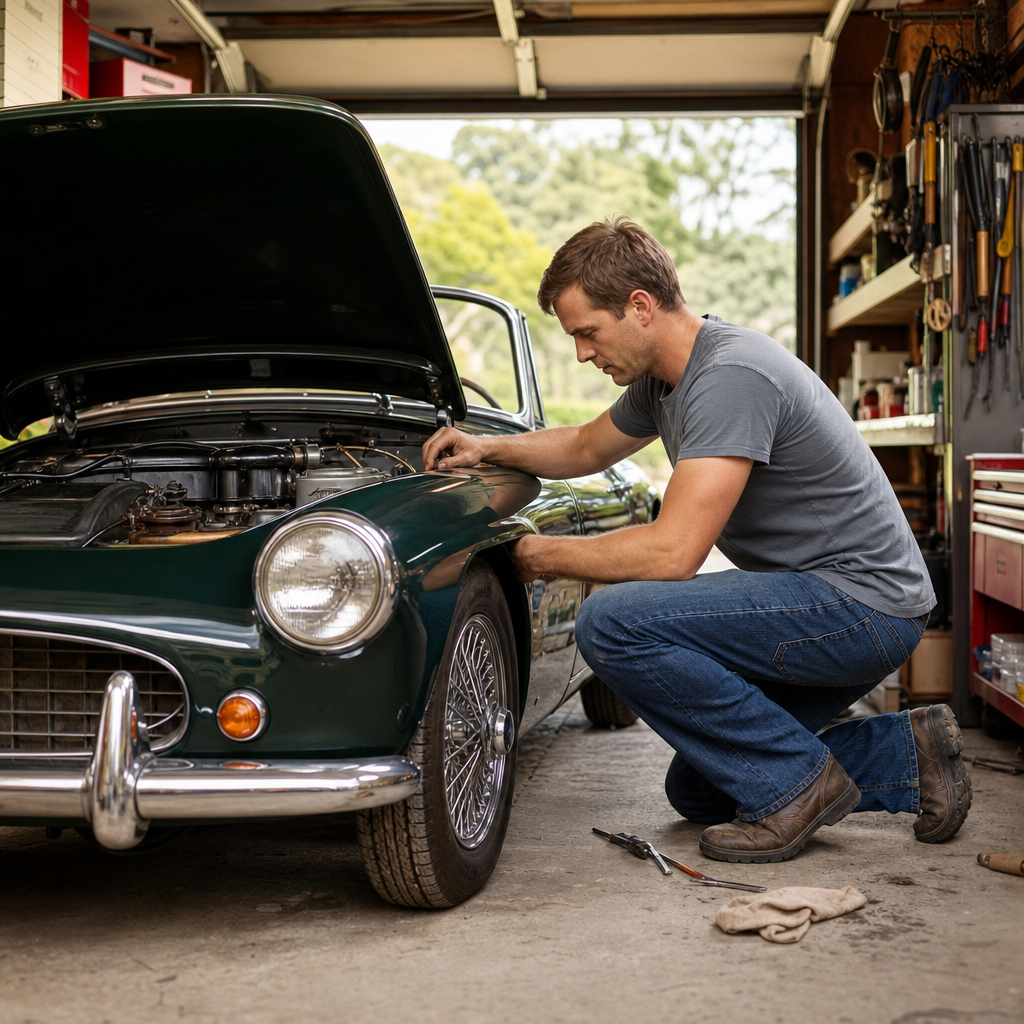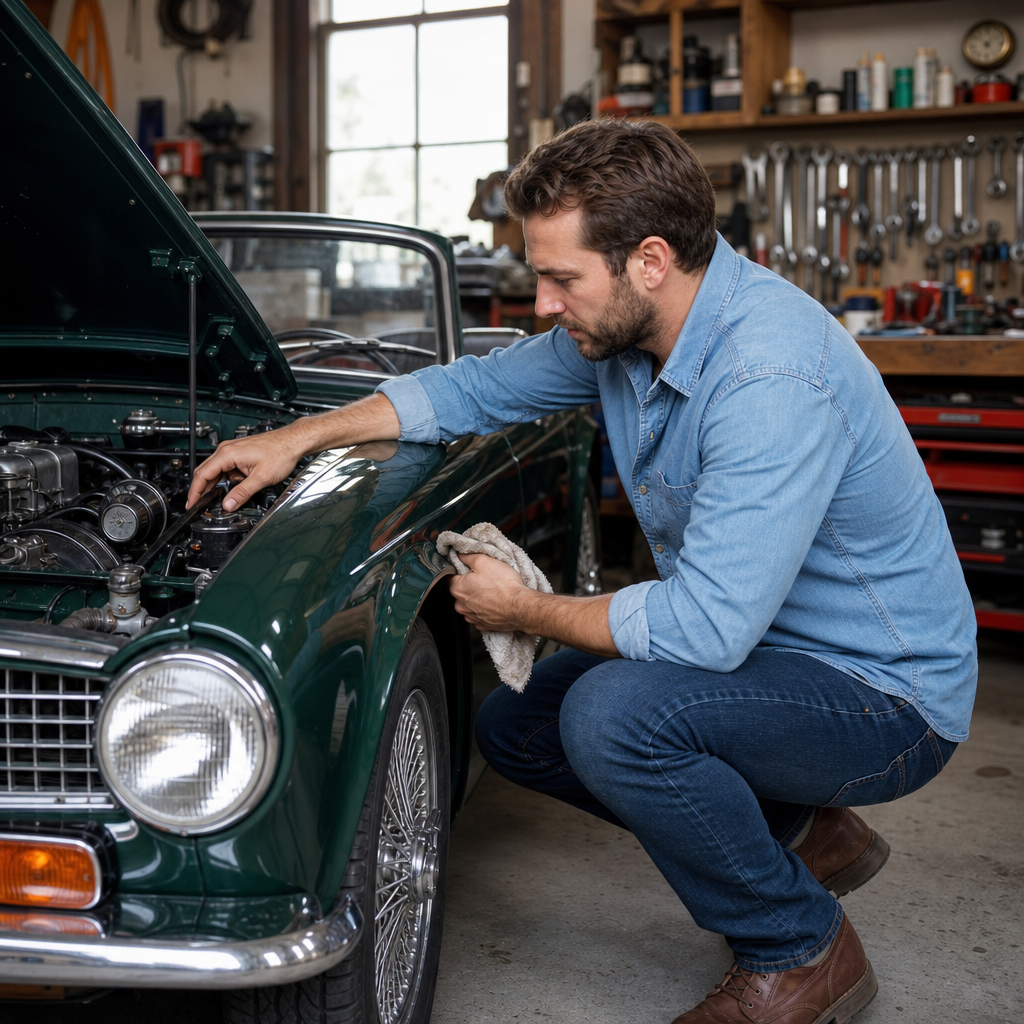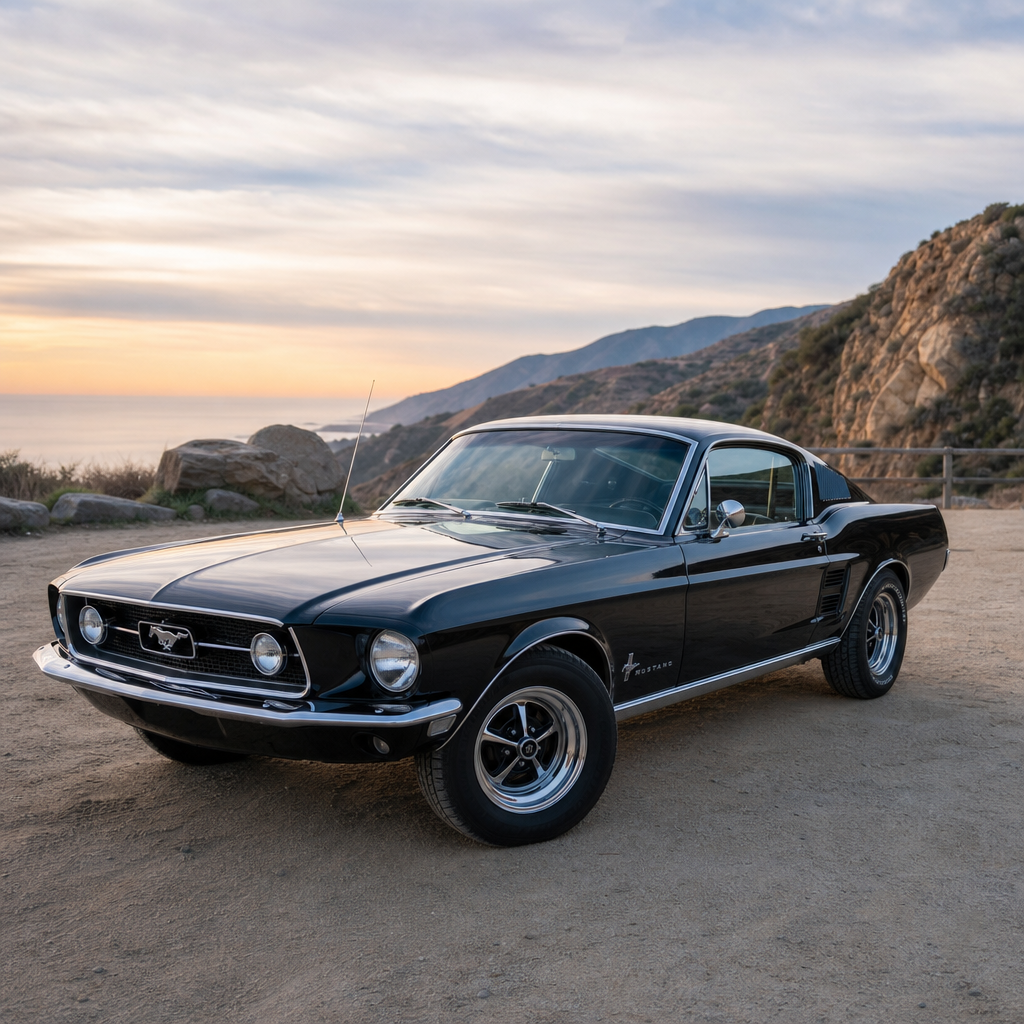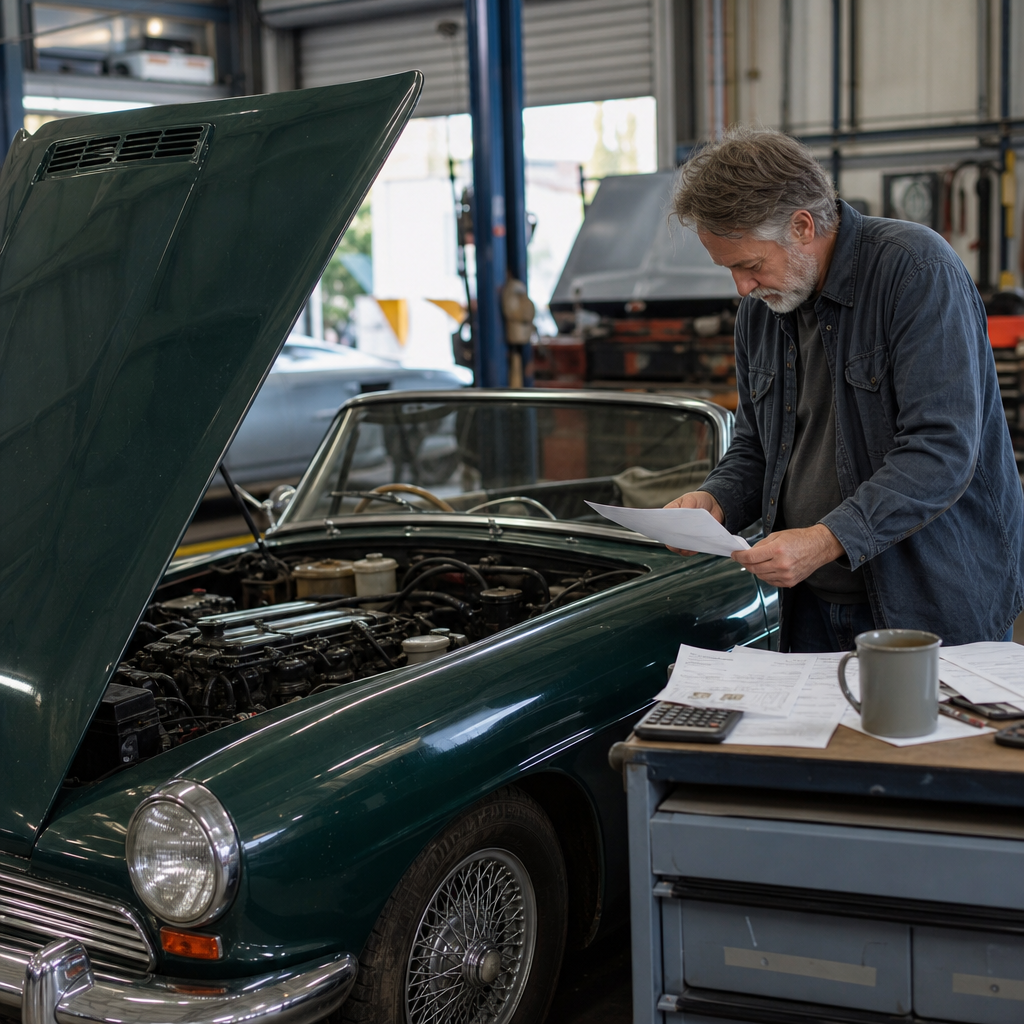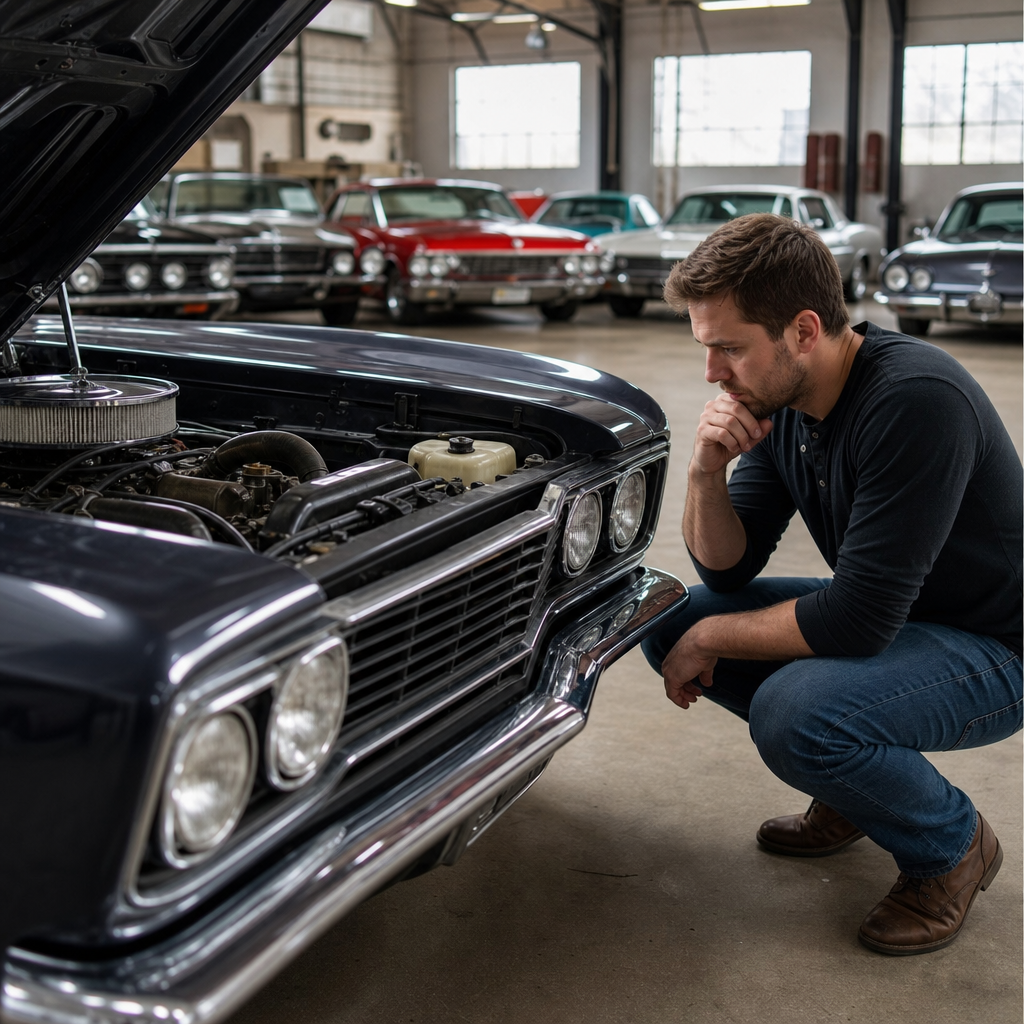
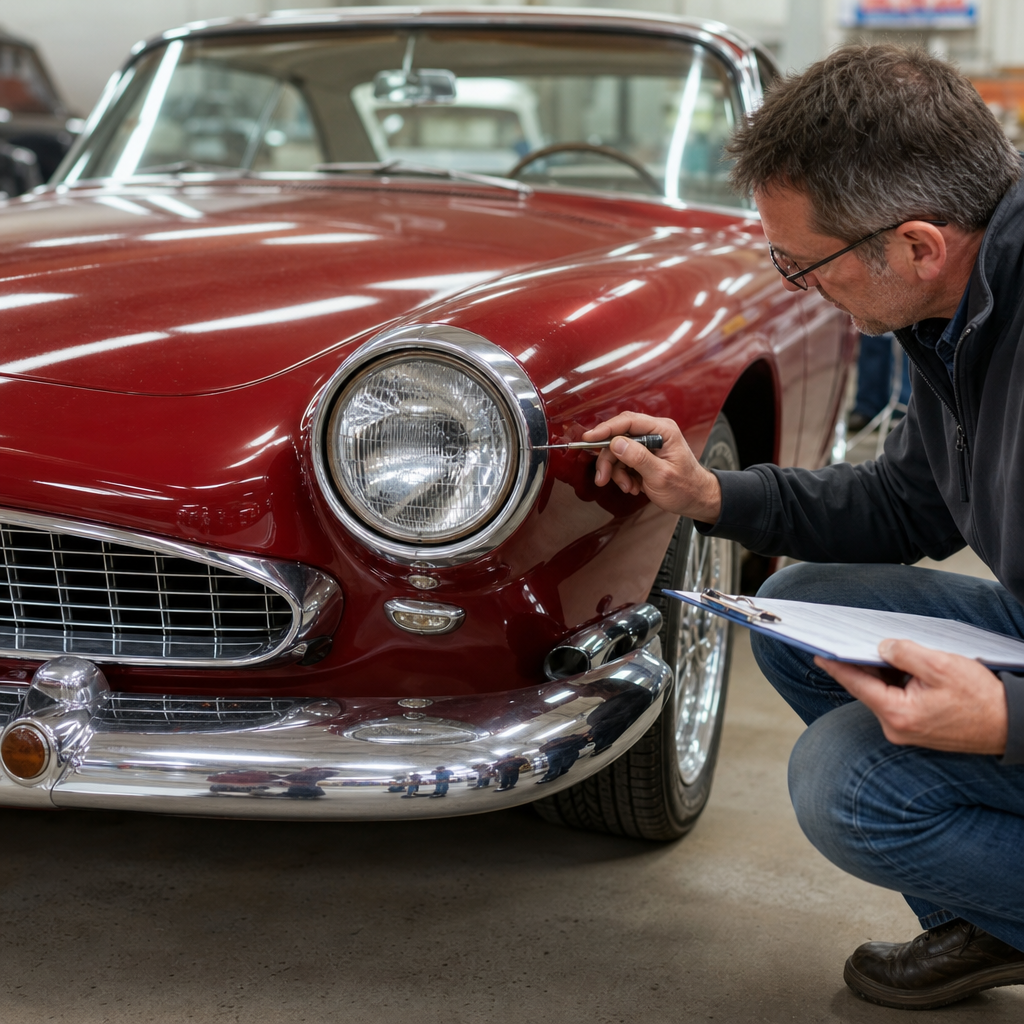
Identifying a classic car starts with a simple question that turns out to have several layers: what, exactly, makes a vehicle a classic? In practice, the answer depends on age, originality, historical significance, production volume, design era, and how the car is recognized by insurers, clubs, registries, and licensing authorities. I have inspected cars at auctions, club meets, estate sales, and private garages, and the same lesson comes up every time: a badge alone does not tell the full story. To identify a classic car correctly, you need to verify the vehicle’s age, decode its identification numbers, confirm its specification, assess authenticity, and understand where it fits within automotive history.
The term classic car is often used loosely, but serious buyers and owners use more precise categories. In many markets, an antique car is typically older than a classic, while a vintage car usually refers to a specific early twentieth-century era. Meanwhile, collector car is the broadest term and includes muscle cars, limited-production sports cars, luxury sedans, homologation specials, and culturally important vehicles that may not yet qualify as classic by age. Some insurers define a classic as a vehicle at least twenty or twenty-five years old that is maintained for hobby use, while many clubs and event organizers reserve the label for older, historically notable models. That difference matters because the identification process changes depending on whether you are documenting a 1967 Ford Mustang, a 1987 Buick Grand National, or a 1995 Acura NSX.
Knowing how to identify a classic car matters for more than curiosity. Accurate identification affects value, insurability, restoration decisions, parts sourcing, tax treatment, title correction, and eligibility for marque clubs or concours events. A misidentified trim level, replacement engine, or altered body shell can move a car from highly collectible to merely interesting. The good news is that the process is systematic. Start with what the car says about itself through tags, plates, and castings. Then compare that evidence with factory records, registries, and expert references. Finally, inspect the car as an assembled object, because originality is confirmed not by one number but by many details aligning. This guide walks through that process step by step so you can identify a classic car with confidence.
Start with the Age, Category, and Historical Context
The first step is to place the vehicle in the correct age bracket and automotive category. A car can be old without being meaningfully collectible, and it can be collectible before most people would call it classic. In the United States, state registration laws often set milestones at twenty, twenty-five, or thirty years, while the Antique Automobile Club of America historically recognized vehicles at least twenty-five years old. Insurers such as Hagerty and Grundy also use age plus usage restrictions as part of their qualification standards. In the United Kingdom, rolling historic vehicle tax exemptions generally begin at forty years, which influences how owners and dealers describe cars.
Historical context sharpens the identification. A 1957 Chevrolet Bel Air belongs to the chrome-heavy postwar American era, where trim and body style heavily affect identity. A 1969 Porsche 911 must be read through chassis evolution, engine family, and market specification. A 1970 Dodge Challenger requires knowledge of E-body production, R/T packages, and engine codes. An eighties hot hatch such as a Volkswagen Golf GTI is identified differently again, because originality may hinge on market-specific bumpers, wheels, upholstery, and emissions equipment. The point is simple: before decoding numbers, know what type of car you are dealing with and what features should matter for that period.
This stage is also where you separate folk definitions from practical ones. Not every old Mercedes-Benz is a classic in the collector sense, and not every low-volume special edition deserves a premium. Build your baseline using recognized reference points: model years, production changes, platform generations, and historically important trims. If you can say, “This appears to be a first-generation Camaro, likely 1967 to 1969, and the seller claims it is an SS convertible,” you already know which evidence you need next.
Decode the VIN, Chassis Number, and Data Plates
The most important identification evidence is the vehicle identification number, though the format varies by era. Modern standardized 17-character VINs were widely adopted for the 1981 model year onward, but earlier vehicles often use shorter serial numbers, chassis numbers, and manufacturer data plates. On classic cars, you may find the primary identifier on the dashboard, firewall, door pillar, inner fender, cowl, or chassis rail. Always check that the visible number matches the title and registration exactly, including prefixes and suffixes.
For pre-1981 cars, the serial number usually encodes manufacturer, series, body style, assembly plant, and production sequence. For example, a 1965 Ford Mustang VIN can indicate engine type and body code, while a 1967 Chevrolet serial can identify model series, engine format, and assembly plant. European manufacturers often used chassis numbers tied to factory build records rather than full spec decoding in the number itself. Mercedes-Benz, Porsche, Jaguar, Alfa Romeo, and BMW all require marque-specific references to decode correctly. In my experience, many identification mistakes happen because buyers use generic VIN tools that are designed for modern cars and provide false confidence on older vehicles.
Data plates add another layer. Trim tags, body tags, commission plates, and build plates can reveal original paint color, interior trim, scheduled build date, axle ratio, transmission, and option packages. General Motors cowl tags, Mopar fender tags, and British Motor Industry Heritage certificates are especially useful. However, tags can be missing, swapped, or reproduced. If a tag says the car left the factory in Ivy Green with a black vinyl interior, but the shell shows red paint in hidden areas and the upholstery mounting points do not line up with factory trim, treat the tag as one piece of evidence, not final proof.
Verify the Make, Model, Trim, and Drivetrain
Once the identifiers are recorded, verify the car’s actual specification. This means checking whether the body shell, trim, engine, transmission, rear axle, and major options align with the claimed model. Sellers often describe cars by their most desirable variant, but the physical details tell the truth. A true Jaguar E-Type Series 1 has distinct headlight and switchgear characteristics. A genuine Pontiac GTO from the mid-sixties must be distinguished from a Le Mans with badges. A real BMW 2002tii differs mechanically and visually from a standard 2002. On American muscle cars, clone cars are common, especially when a rare big-block or high-performance package commands a major price premium.
Engine and transmission numbers matter because matching-numbers status can significantly affect value. The exact definition varies by manufacturer and era. On some cars, the engine block carries a partial VIN or serial derivative; on others, you rely on casting numbers, date codes, suffix stamps, and assembly marks. A correct-date replacement engine may be period-correct but not original to the chassis. That distinction should be stated clearly. The same applies to carburetors, cylinder heads, intake manifolds, rear axle housings, and transmissions. NCRS judging in the Corvette world, Porsche Certificates of Authenticity, and factory heritage services from brands like Jaguar and BMW provide frameworks for what counts as correct.
| Item to Verify | What to Check | Why It Matters |
|---|---|---|
| VIN or chassis number | Location, format, title match, tamper signs | Confirms legal identity and basic model information |
| Body or trim tag | Paint, trim, build date, option codes | Supports originality and factory specification |
| Engine numbers | Casting dates, suffix stamps, serial derivatives | Determines original or replacement drivetrain status |
| Transmission and axle | Codes, date ranges, ratio tags | Validates performance package and correctness |
| Body features | Grilles, lights, moldings, vents, wheelbase | Separates years, trims, and clones |
| Documentation | Build sheet, service records, heritage certificate | Corroborates the physical evidence |
Use factory literature whenever possible. Dealer brochures, shop manuals, parts books, assembly manuals, and homologation papers are better sources than social posts or auction copy. If you are unsure whether a 1971 Chevelle is a true SS, a build sheet and driveline code analysis are more reliable than hood stripes and emblems. Identification is strongest when the paperwork and hardware agree.
Inspect Body Design, Materials, and Factory Details
Body inspection is where experience pays off. Even when the tags are correct, the shell can reveal whether a car has been rebodied, heavily modified, or assembled from multiple donor cars. Panel seams, spot-weld patterns, undercoating texture, factory lead loading, drain hole shapes, and bracket placement are all clues. On unibody cars, look closely at the radiator support, trunk floor, inner fenders, and rear valance. On body-on-frame vehicles, inspect frame stampings, crossmember type, suspension mounts, and body mount configuration. A classic car’s identity is often tied to small production details that restorations rarely reproduce exactly.
Exterior trim also helps narrow the year and specification. Grille pattern, side marker placement, mirror style, wheel covers, bumper overriders, and script badges often changed from one model year to the next. For example, the difference between a 1964 and 1964½ Mustang matters to enthusiasts and can be spotted in features such as generator-versus-alternator setup and interior details. Early and late split-window Volkswagen Beetles are separated by obvious glass shape, but authenticating rarer variants like a Karmann Ghia or special-market Beetle requires closer study. British classics frequently changed lamps, bumper heights, and switch layouts to satisfy export regulations, so market specification is part of identification.
Materials tell stories too. Original upholstery grain, dash veneer, steering wheel composition, and carpet binding can indicate whether the cabin matches the claimed trim level. A Ferrari with incorrect switchgear, a Cadillac with nonstandard seat patterns, or a Porsche with modern seam construction may still be a fine driver, but it is no longer fully authentic. When I inspect a car, I always look behind cosmetic work. Hidden overspray, nonfactory fasteners, fresh seam sealer over old repairs, and replacement panels with incorrect pressing lines are all signs that the car’s identity or originality needs deeper confirmation.
Use Documentation, Registries, and Expert Communities
Paperwork can transform a tentative identification into a confident one. The strongest documents are factory build records, original window stickers, invoices, warranty booklets, service history, ownership trail, and period photographs. Build sheets found under seats, behind door panels, or on top of fuel tanks are valuable because they often list original equipment as assembled. For brands with formal archive services, order a heritage certificate or production record. Jaguar Daimler Heritage Trust, Porsche, BMW Group Classic, Mercedes-Benz Classic Center, and the British Motor Industry Heritage Trust have all provided useful verification documents for many models.
Registries and clubs are equally important, especially for low-production cars. The Shelby American Automobile Club, marque-specific Porsche registers, Ferrari Classiche, Corvette judging organizations, and model forums maintain deep institutional knowledge. They know which stamp fonts are correct, which carburetor dates make sense, and which colors were actually available with certain interiors. A good registry can also tell you whether a supposedly rare chassis is already known, stolen, scrapped, or carrying a reconstructed identity. For prewar cars and coachbuilt bodies, club expertise is often indispensable because factory records may be incomplete.
That said, documentation should be evaluated critically. Reproduced window stickers, forged trim tags, and altered titles exist. Auction catalogs occasionally repeat seller claims without proving them. The best practice is triangulation: compare the documents, the physical car, and independent records. If all three support the same story, identification is strong. If one source conflicts, pause and investigate rather than explaining away the inconsistency.
Watch for Clones, Restomods, and Legal Red Flags
Not every attractive old car is pretending to be something it is not. Some are honestly built tribute cars, some are tastefully modified restomods, and some are reconstructed around salvageable identities. The problem arises when those distinctions are hidden. A clone is usually a standard model cosmetically converted to resemble a rarer version, such as a six-cylinder Mustang made to look like a GT350 or a small-block Camaro dressed as a Z/28. A restomod keeps the classic appearance but adds modern brakes, fuel injection, overdrive transmissions, or crate engines. Both can be enjoyable cars, but they must be identified accurately.
Legal warning signs deserve immediate attention. Rivets that do not match factory type, VIN plates attached over fresh paint, mismatched title eras, altered stampings, or numbers that appear double-struck can indicate tampering. State-assigned VINs, reconstructed titles, and gray-market imports are not automatically disqualifying, but they change the car’s identity and market position. In many jurisdictions, removing or altering a VIN plate is illegal. If the story depends on “the original tag was lost during restoration,” demand documentation and proceed carefully. For high-value classics, a pre-purchase inspection by a marque expert is standard, not excessive.
The final step is to write down your findings in plain language. Identify the car by year, make, model, body style, engine, transmission, factory colors, known options, and originality status. Note what is confirmed, what is likely, and what remains unknown. That approach protects buyers, helps insurers, and sets up future restoration work properly.
Learning how to identify a classic car is really learning how to read evidence. Age gives you the broad category, but the decisive proof comes from VINs, chassis numbers, trim tags, driveline codes, factory records, and the physical details stamped into the vehicle itself. The best identifications are not based on a seller’s description or a shiny restoration. They come from multiple sources agreeing: the paperwork matches the hardware, the hardware matches the production year, and the details fit what the manufacturer actually built.
For owners and buyers, that discipline pays off immediately. You avoid overpaying for clones, spot hidden title issues, source the right parts, and understand whether a car is original, period-correct, restored, or modified. You also gain a clearer sense of historical significance. A base coupe, a rare homologation model, and a documented matching-numbers survivor may share a silhouette, but they are not the same car in the eyes of collectors, insurers, or judges. Precise identification is the foundation for every decision that follows.
If you are evaluating a vehicle now, start with the numbers, photograph every tag, compare them to marque references, and document what you see before making assumptions. Then use clubs, registries, and factory archives to confirm the story. That step-by-step method will help you identify a classic car accurately and buy, insure, restore, or enjoy it with confidence.
Frequently Asked Questions
What actually qualifies a car as a classic?
A classic car is not defined by age alone, even though age is usually the first filter people use. In many situations, a vehicle becomes eligible for “classic” status once it reaches a certain number of years old, often 20, 25, or 30 years, depending on the insurer, state agency, club, or registry involved. That said, age only opens the door. True classic status usually reflects a combination of factors, including originality, design significance, limited production, collector interest, historical relevance, and the vehicle’s place within a recognizable automotive era.
For example, a mass-produced sedan from the 1990s may technically be old enough to qualify for antique or classic registration in some places, but that does not automatically make it a sought-after classic in the collector world. By contrast, a lower-production sports coupe, a luxury touring car, or a model associated with a major engineering milestone may earn classic recognition much more readily. The strongest approach is to look at how the car is treated across multiple standards: insurance classifications, marque clubs, auction listings, factory records, enthusiast registries, and local licensing rules. If those sources consistently identify the vehicle as a classic, you are on much firmer ground than if you rely on the badge or model year alone.
How can I verify whether a specific car is truly original?
Originality is one of the most important parts of identifying a classic car correctly, and it requires more than a quick visual inspection. Start with the vehicle identification number, chassis number, engine number, body tags, trim tags, and any factory plates attached to the firewall, door jamb, or inner fender. These numbers should match the car’s documented build information and align with the correct year, model, engine type, production plant, and trim level. If the numbers indicate one configuration but the car presents as another, that is a sign you need to investigate further.
Next, examine the car’s components with a critical eye. Look at the engine, transmission, carburetor or fuel system, wheels, interior materials, gauges, badges, lighting, and paint codes. It is common for older vehicles to have replacement parts, period-correct upgrades, or restoration work, but those changes should be disclosed and ideally documented. A car can still be a legitimate classic if it has been restored, but it is important to know whether it is numbers-matching, factory-correct, tastefully modified, or substantially altered from original specification. Service records, ownership history, restoration invoices, factory build sheets, and authenticity certificates can all help confirm what you are looking at. In practice, originality is best evaluated as a spectrum rather than a yes-or-no label, and the more documentation you can tie to the vehicle, the more confidently you can identify it.
Why are production numbers and historical significance so important when identifying a classic car?
Production numbers and historical significance help separate an old car from a car with true collector identity. A vehicle produced in small numbers is often more desirable because scarcity tends to increase attention from collectors, clubs, and historians. Limited production may mean the car was a specialty model, a performance edition, a coachbuilt variant, or an example from a short-lived brand or body style. Even if two vehicles are the same age, the one built in lower numbers often carries greater classic interest, especially when supported by surviving records and enthusiast demand.
Historical significance matters just as much. Some cars become classics because they introduced a major engineering advance, defined the styling of an era, won races, appeared in film or popular culture, or marked a turning point for a manufacturer. Others are important because they represent the first or last year of a notable platform, an influential design language, or a landmark drivetrain. When assessing a vehicle, ask what role it played in automotive history. Was it innovative? Was it iconic? Was it important to a brand’s legacy? These questions help you understand whether the car has recognition beyond nostalgia. In many real-world cases, the market, registries, and enthusiast communities reward cars that tell a broader story, not just cars that happen to be old.
What documents and sources should I use to confirm a car’s identity?
The most reliable way to confirm a car’s identity is to combine official documents with expert reference sources. Start with the title, registration, VIN plate, chassis stampings, and any factory identification tags. These should be consistent with one another and free from signs of tampering. From there, look for supporting paperwork such as service records, previous registrations, restoration receipts, original window stickers, owner’s manuals, warranty booklets, factory build sheets, and heritage certificates from the manufacturer or an authorized archive. The more uninterrupted the paper trail, the easier it is to verify the car’s origin and specifications.
After checking the documents, compare the vehicle against trusted external sources. Use factory literature, model-specific buyer’s guides, marque club publications, production databases, auction house archives, and registry information maintained by recognized enthusiast organizations. These sources can help you confirm correct badging, engine options, paint combinations, trim details, and production-year changes. If the car is especially rare or valuable, it is wise to involve a marque expert or professional appraiser who knows that exact model line. Small details matter. Incorrect fasteners, reproduction tags, non-original stampings, and inconsistent casting dates can all reveal a misidentified car, a clone, or a vehicle assembled from multiple donors. The goal is not simply to prove that the car exists, but to prove that it is exactly what it claims to be.
Can a modified or restored vehicle still be considered a classic car?
Yes, a modified or restored vehicle can still be considered a classic, but the type and extent of the changes make a major difference in how the car is classified and valued. Restoration is common in the classic car world because age naturally brings paint deterioration, interior wear, corrosion, mechanical fatigue, and missing parts. A properly restored vehicle that stays faithful to factory specifications is generally accepted as a classic without much debate. In fact, many well-regarded classics on the road today have undergone partial or full restorations simply to remain functional and presentable.
Modification is more nuanced. Mild, period-correct upgrades such as safety improvements, rebuilt drivetrains, or era-appropriate accessories may still allow a car to retain strong classic identity, especially if the original character of the vehicle remains intact. Heavier modifications, such as engine swaps, body alterations, custom interiors, modern suspension conversions, or changed trim packages, can move the car into a different category, such as restomod, custom, or tribute vehicle. That does not erase its age or its underlying platform, but it does affect how insurers, judges, collectors, and registries may recognize it. The best way to think about it is this: a restored car may preserve classic authenticity, while a modified car may preserve only part of it. When identifying a vehicle, always distinguish between what the car started as, how it is configured now, and how the relevant community recognizes it today.