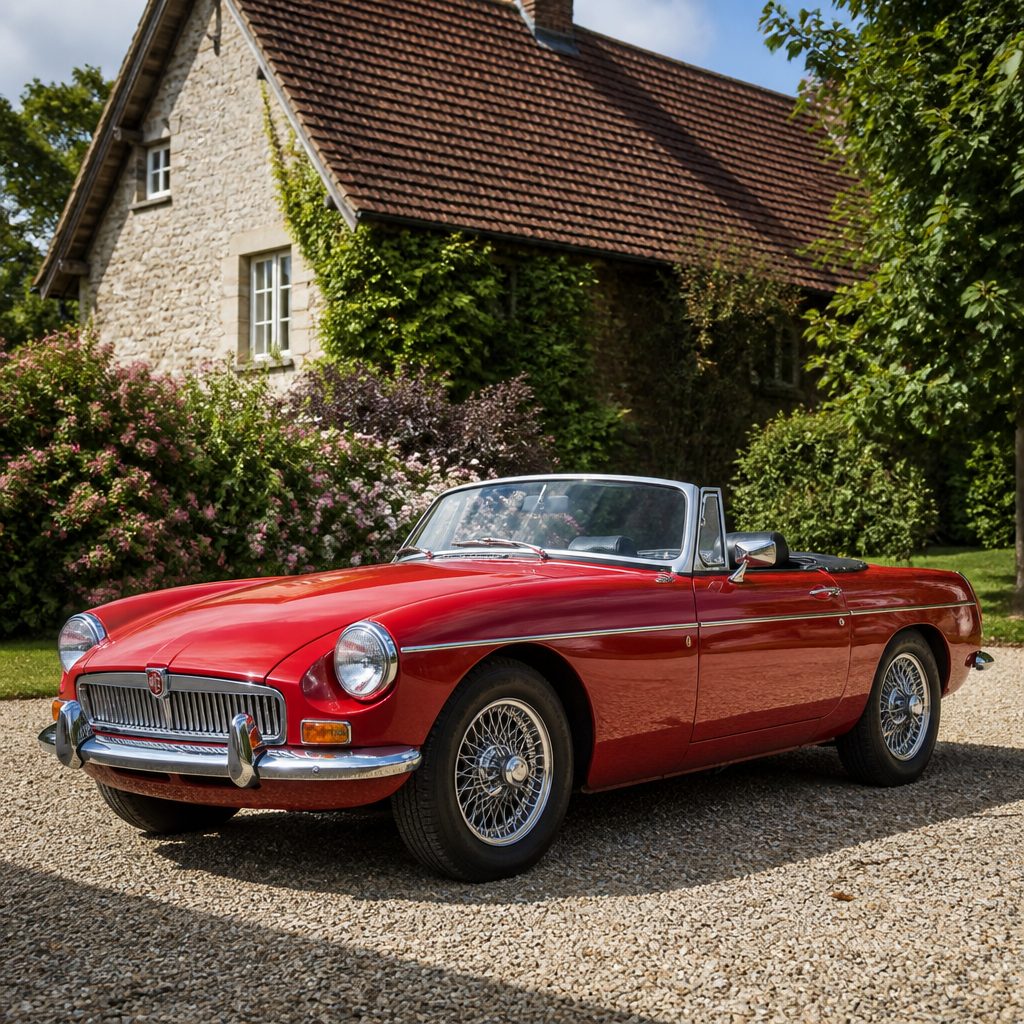

How to handle breakdowns safely is one of the most important skills any classic car owner can learn, because older vehicles are charming, mechanical, and far less forgiving when something fails at the roadside. In the years I have spent driving and recovering carbureted saloons, British roadsters, and early fuel-injected coupes, I have learned that the safest response to a breakdown is rarely dramatic. It is methodical. A breakdown means any vehicle failure that prevents normal driving or makes continued travel unsafe, from overheating and battery failure to fuel starvation, punctures, electrical faults, and brake problems. For classic car ownership, breakdown planning matters more than it does for many modern cars because parts age, wiring insulation hardens, seals perish, and previous repairs are often undocumented.
Safe breakdown handling starts before a trip, continues through the first sixty seconds after a fault appears, and ends only when the car is repaired, recovered, or secured. That full process matters because roadside incidents are dangerous primarily due to traffic exposure, poor visibility, and rushed decisions. According to long-standing highway safety guidance used across the UK, Europe, and North America, standing near moving traffic is the greatest immediate risk during a roadside emergency. Mechanical damage can usually wait; personal safety cannot. For classic owners, this article serves as a practical hub for driving and safety tips: how to recognize early warning signs, where to stop, what to carry, when to attempt a repair, how to speak to recovery services, and how to avoid the same failure next time.
If you understand these fundamentals, you protect yourself, your passengers, and the car itself. You also reduce the chances of a minor fault becoming a major incident. A split coolant hose can become a warped cylinder head if you keep driving. A charging fault can become an electrical fire if you ignore the smell of hot insulation. Knowing what to do, in order, is the difference between a manageable interruption and a dangerous roadside event.
Recognize the warning signs before the car stops
Most breakdowns do not happen without warning. Classic cars usually tell you something is wrong before they quit entirely, but you need to know how to read the signals. Common signs include rising coolant temperature, dimming lights, misfiring under load, a fuel smell in the cabin, sudden steering heaviness, brake pull, smoke from the engine bay, or a red ignition warning light glowing at speed. On older cars with basic instrumentation, your senses matter as much as the gauges. Listen for knocking, exhaust changes, bearing rumble, belt squeal, and relay chatter. Feel for vibration through the seat or steering wheel. Smell for coolant, oil, fuel, or burning insulation.
When I drive a classic on a long run, I scan instruments every few minutes because old senders and wiring can drift, and trends matter more than absolute numbers. For example, an ammeter slowly moving into discharge while the engine still runs normally is often the earliest clue of a failing dynamo, alternator, voltage regulator, or fan belt. A temperature gauge creeping above its usual cruising position after a motorway climb may point to a blocked radiator core, sticking thermostat, collapsed lower hose, or weak fan. Catching the trend early gives you options. Waiting for steam or a dead battery removes them.
The practical rule is simple: if a warning suggests loss of braking, steering, visibility, or risk of fire, stop as soon as it is safe. If the symptom is drivability related but stable, reduce speed, switch off unnecessary electrical loads, and move deliberately toward a safer stopping place. Do not continue merely because the car is still moving.
Make the first minute count after a breakdown
The first minute after a breakdown determines whether the situation remains controlled. Your priorities are location, visibility, and people. If the car still has momentum, signal early and steer to the safest available place well away from live traffic. A hard shoulder, emergency refuge area, lay-by, wide verge, car park entrance, or quiet side road is preferable to a live lane. Avoid stopping just beyond a blind bend, at the brow of a hill, or where other drivers have little reaction time. On a manual classic, keep enough rolling speed to avoid stalling in a dangerous position if the engine is failing.
Once stopped, apply the handbrake firmly, select first gear or park, switch on hazard lights if fitted, and turn the front wheels away from traffic if you are on a slope. At night or in rain, side lights may help visibility if the electrical system still supports them, but do not drain the last of the battery if you need it for hazards or emergency communication. If there is any sign of fuel leakage, smoke, or overheating near wiring, switch off the ignition immediately.
Then move occupants to safety. On high-speed roads, get everyone out through the side away from traffic if possible and stand behind a barrier or far up the bank. Do not let passengers remain in a stranded car on a fast road unless exiting would clearly be more dangerous. Pets should be restrained before doors open. The car is replaceable; people are not.
Choose the right response for the fault
Not every breakdown deserves the same response. The correct decision depends on whether the issue is dangerous, uncertain, or minor and isolated. The table below summarizes the safest default action for common classic car failures.
| Problem | Typical signs | Immediate action | Roadside repair attempt? |
|---|---|---|---|
| Overheating | Gauge high, steam, coolant smell | Stop, switch off, let engine cool | Only after full cool-down and leak check |
| Charging failure | Ignition light on, dim lamps, weak starter | Reduce electrical load, stop safely before battery dies | Check belt and connections |
| Fuel starvation | Sputtering, loss of power, empty filter bowl | Move off road, verify fuel supply and pump operation | Yes, if no leak or fire risk |
| Puncture | Pulling, thumping, flat tire | Stop on level ground away from traffic | Yes, if location is safe |
| Brake problem | Long pedal, pull, fluid warning, grinding | Stop immediately | No, recover the car |
| Fuel leak or burning smell | Visible drip, fumes, smoke | Switch off, evacuate occupants, use extinguisher if needed | No, recover the car |
This framework prevents a common mistake among enthusiasts: trying to preserve the journey instead of assessing the risk. I have seen owners keep driving an overheating MGB to “the next town” and turn a hose failure into a head-gasket job. I have also seen a simple ignition coil swap get a car home in ten minutes because the owner recognized the symptom, stopped in a safe place, and worked systematically. The dividing line is not confidence; it is exposure and consequence. If the road environment is dangerous or the fault could lead to fire, brake loss, or loss of control, call for recovery.
Carry the right breakdown kit in a classic car
A proper breakdown kit for classic car driving and safety tips should support visibility, personal protection, diagnosis, and simple repairs. Minimum safety items are a high-visibility vest, warning triangle where legally appropriate and safe to deploy, torch, gloves, waterproof jacket, phone charger or power bank, and a small first-aid kit. Add a fire extinguisher rated for automotive use and mount it securely within reach of the driver. For roadside repairs, carry screwdrivers, combination spanners, pliers, electrical tape, cable ties, spare fuses, a test lamp or multimeter, insulated wire, hose clips, a fan belt if your engine uses a simple external belt, spare bulbs, engine oil, coolant or water for emergency topping up, and a tire inflator or pressure gauge.
For carbureted classics, I also recommend a spare ignition coil, condenser if applicable, rotor arm, contact points, and a short length of fuel hose. For older British and Italian cars, those few parts solve a surprising percentage of non-start and cut-out faults. If your car uses electronic ignition, carry the specific module only if failure is common and replacement is straightforward. Do not fill the boot with parts you cannot identify or fit. Weight, clutter, and false confidence are not safety equipment.
Your kit should be matched to the car and your skill level. A Jaguar XJ6 with electronic fuel injection needs different spares than an air-cooled Beetle. Review the workshop manual, note the failure points owners commonly report, and pack accordingly. Check expiry dates on extinguishers and first-aid contents at least once a year.
Know when to repair, when to wait, and when to recover
The safest roadside repair is the one that is simple, low-risk, and done entirely away from moving traffic. Good examples are replacing a blown fuse in a car park, tightening a loose battery terminal on a quiet side street, or changing a wheel on firm level ground with the car fully clear of the carriageway. Bad examples are crawling under the car beside a live lane, opening a hot cooling system, or tracing a fuel leak with a naked work light. A classic car’s simplicity is an advantage, but it can tempt owners into unsafe improvisation.
Use a three-question test. First, is the location safe enough for you to work without distraction from traffic? Second, is the fault clearly identified? Third, can the repair be completed with basic tools in minutes, not hours? If the answer to any question is no, call for assistance. Professional recovery is not defeat. It is risk management.
Be especially cautious with overheating. Never remove a radiator cap on a hot engine unless the system is explicitly designed for safe access and you are trained to do it. Pressurized coolant can cause severe burns. With electrical faults, disconnect the battery ground if you smell burning insulation or see smoke. With fuel leaks, keep ignition sources away, do not crank the engine repeatedly, and use the extinguisher only if a small fire can be tackled without personal risk. Otherwise move away and call emergency services.
Communicate clearly with recovery services and other drivers
When you call for roadside assistance, accurate information speeds recovery and improves safety. Give your exact location using road number, direction of travel, nearest marker post, mile marker, GPS pin, or landmark. Then describe the car precisely: year, make, model, color, registration, and any access issues such as low ground clearance, non-rolling wheels, or a transmission that must not be towed with driven wheels on the ground. Many classics require flatbed transport to avoid driveline damage, bodywork scraping, or bumper distortion. Tell the dispatcher if the car leaks fuel, carries passengers with mobility needs, or is in a live lane.
Good communication also matters with other road users. Hazard lights are your first signal. If safe and legally appropriate, warning triangles can provide additional notice on slower roads, but they should never put you at risk. On motorways and similar high-speed roads, local guidance often discourages triangle deployment because walking behind a stranded car is dangerous. Follow the rules for your region.
If police, traffic officers, or highway responders attend, tell them the fault symptoms and any hazards immediately. Mention battery location, fuel shutoff if fitted, and whether the car has fiberglass panels or modified wiring. Classic cars are often idiosyncratic. Clear information protects both you and the responders helping you.
Prevent the next breakdown with disciplined maintenance
The best way to handle breakdowns safely is to reduce how often they happen. Classic car reliability improves dramatically when maintenance is preventive instead of reactive. Before any meaningful trip, inspect fluid levels, tire pressures including the spare, belt condition, coolant hoses, battery terminals, lights, and brake feel. Look under the parked car for fresh drips. Wiggle key electrical connectors gently and check that the charging system is working with a voltmeter or gauge. On points-ignition cars, dwell and timing should be checked at the intervals recommended in the workshop manual. On SU or Weber carburetor setups, heat soak, float level, and fuel pump condition are recurring causes of drivability complaints, especially after winter storage.
Longer term, replace age-sensitive parts on condition, not sentiment. Rubber fuel hoses should be modern ethanol-resistant line. Cooling hoses, thermostat, belts, and suspect wiring should be renewed before they fail. Brake fluid should be changed on schedule because moisture lowers boiling point and corrodes internals. Tires with good tread but old date codes are a common classic car hazard; sidewall age matters as much as wear. If a component has failed once intermittently, assume it can fail again until root cause is confirmed.
Keep records. A notebook or maintenance app that tracks temperature behavior, charging voltage, starting issues, and previous repairs becomes a diagnostic tool over time. Patterns emerge. You stop guessing and start managing the car like a machine with a history.
Handling a breakdown safely comes down to preparation, observation, and disciplined decisions under pressure. Learn your classic car’s normal sounds and gauge readings, carry a sensible kit, and treat every unusual smell, warning light, or change in behavior as useful information rather than an inconvenience. When trouble starts, your first job is not fixing the car. It is getting everyone to a safer place, making the vehicle visible, and judging whether the fault is suitable for a quick roadside remedy or professional recovery.
For classic car ownership, this approach protects more than convenience. It prevents injuries, avoids secondary damage, and preserves confidence in using older vehicles on modern roads. A safe owner knows when to stop early, when to step back, and when to call for help. That judgment is part of responsible driving, just like smooth braking or defensive lane positioning.
Use this guide as your hub for driving and safety tips, then build a routine around it: pre-drive checks, a reviewed tool kit, an active recovery policy, and honest limits on what you will repair roadside. The result is simple: fewer emergencies, calmer responses, and safer miles in the classic car you enjoy. Before your next trip, inspect the car, restock your kit, and save your recovery contact in your phone.
Frequently Asked Questions
What should I do first if my classic car breaks down while I am driving?
The first priority is to stay calm and think about safety before diagnosis. If the car begins to lose power, misfire, overheat, develop a strange noise, or show any sign that normal driving is no longer safe, ease off the accelerator and assess your surroundings. Avoid sudden braking or sharp steering inputs. If possible, signal early, move toward the shoulder, a lay-by, or another safe stopping area, and aim to stop somewhere with good visibility for other drivers. Once stopped, switch on your hazard lights immediately. If it is dark or visibility is poor, sidelights may also help, provided it is safe to use them and your electrical system is still functioning.
After the vehicle is stationary, decide whether it is safer to remain inside or exit. On a high-speed road, it is often safest to leave the vehicle from the side away from traffic and move well behind a barrier if one is present. On quieter roads, you may be able to step out carefully and assess the situation from a safe position. Apply the handbrake firmly, select first gear or park, and turn the wheels away from traffic if you are on a slope. Do not lift the bonnet immediately if there is smoke, the smell of fuel, or any sign of fire risk. A methodical response is what protects you. The breakdown itself may be inconvenient, but the greater danger usually comes from passing traffic, poor visibility, or rushing into repairs without securing the scene first.
Is it safe to try fixing a classic car at the roadside, or should I always call for recovery?
It depends on the location, the fault, the weather, and your level of experience. A classic car owner may be perfectly capable of changing a failed ignition component, tightening a loose battery terminal, or replacing a blown fuse, but mechanical ability alone does not make a roadside repair safe. If you are stopped on a motorway hard shoulder, a narrow country lane with blind bends, or a busy urban road with little room to work, recovery is usually the right answer. The safest repair is the one you do not attempt in a dangerous place. Even a minor job can become risky if you are standing close to moving traffic, working in the dark, or distracted by other hazards.
If you do decide to investigate, keep the assessment simple and disciplined. Look for obvious issues such as a detached ignition lead, empty fuel filter, loose battery connection, broken fan belt, or steam from an overheating cooling system. Do not crawl under the car unless it is properly supported in a genuinely safe environment, which roadside conditions rarely provide. Be especially cautious with fuel leaks, hot coolant, and electrical faults. Older vehicles can have brittle wiring, leaking carburetor fittings, weak charging systems, and aging rubber hoses that turn a small issue into a fire hazard quickly. If there is any doubt, step back and arrange recovery. There is no loss of pride in choosing the safer option. Good judgment is part of competent classic car ownership.
What safety equipment should I keep in a classic car for breakdowns?
A well-prepared classic car should carry equipment for both personal safety and basic fault-finding. At minimum, keep a warning triangle if local laws permit and if it is appropriate for the roads you use, a high-visibility vest, a torch with fresh batteries, gloves, and a charged mobile phone or alternative way to call for help. A compact fire extinguisher is especially wise in older cars because fuel lines, carburetors, mechanical fuel pumps, and vintage electrical systems can all increase fire risk compared with modern vehicles. It is also sensible to carry water for yourself, a warm layer, and weather protection, particularly if you tour in rural areas or drive in colder months.
For the car itself, a thoughtful basic kit can make minor breakdowns easier to understand and sometimes resolve. Useful items include spare fuses, bulbs, ignition points or condenser if your car uses them, a rotor arm, a fan belt, a few hose clips, electrical tape, cable ties, basic hand tools, a tyre inflator or pressure gauge, and any specialist items your particular model is known to need. Owners of classic cars often learn the common weaknesses of their own vehicle, and that knowledge should shape the kit you carry. That said, equipment should support safety rather than encourage risky roadside heroics. The purpose of being prepared is not to rebuild the car on the shoulder; it is to stay visible, protected, and ready to deal with simple faults without creating new dangers.
How can I tell whether a breakdown is a minor fault or something dangerous, such as a fire or serious mechanical failure?
The key is to pay attention to warning signs and treat the more serious ones with respect. A minor fault may include rough running, intermittent hesitation, a flat battery after stopping, or a non-critical electrical issue. A dangerous fault usually announces itself more clearly: the smell of petrol, visible fuel dripping, heavy smoke, rising temperature gauge, steam from the bonnet, sudden loss of oil pressure, loud knocking from the engine, a wheel wobble, brake failure, or any sign that steering or braking is compromised. If the car feels unstable, if the brakes are fading, or if the engine is making violent mechanical noises, do not continue driving in the hope it will clear. Pull over safely and shut the car down as soon as you reasonably can.
Fire risk deserves special attention in older cars. If you smell fuel strongly, see smoke, or suspect an electrical short, turn off the engine and ignition immediately if it is safe to do so. Move away from the vehicle and have passengers do the same. Open the bonnet cautiously, if at all, because introducing oxygen to a fire can worsen it. If flames are visible and you have a suitable extinguisher, use it only if the fire is still small and you can act without putting yourself in danger. Otherwise, keep clear and call emergency services. The same principle applies to coolant and oil-related problems. An overheating engine may tempt you to open the radiator cap, but doing so while the system is hot can cause serious burns. Let the car cool fully before inspection. When in doubt, assume the fault is more serious until you can prove otherwise from a safe position.
What is the safest way to prevent future breakdowns in a classic car?
The safest breakdown is the one you avoid through consistent maintenance and realistic trip planning. Classic cars reward owners who inspect them regularly rather than waiting for service intervals alone. Before any meaningful journey, check engine oil, coolant level, brake fluid, tyre pressures, tread condition, battery security, fan belt tension, and the general state of hoses, clamps, and wiring. Look underneath for fresh leaks and pay attention to changes in starting, charging, idling, or temperature behaviour. Older vehicles often give small warnings before a larger failure, but those warnings are easy to miss if the car is only driven occasionally and never checked with care.
Prevention also means understanding the character of your specific car. Many classic breakdowns are predictable: vapor lock in hot weather, ignition issues caused by heat or damp, charging faults from aging dynamos or alternators, weak fuel delivery, sticking carburetor floats, and perished hoses that split without much warning. If your model has a known weak point, address it before it strands you. Join owners’ clubs, read workshop manuals, and build a maintenance routine around known failure patterns. It is also smart to plan routes with fuel stops, mobile signal, and recovery access in mind, especially on longer drives. Finally, carry breakdown cover that accepts older vehicles and understand exactly what it includes. Good preparation does not remove every risk, but it turns many breakdowns from hazardous surprises into manageable inconveniences.