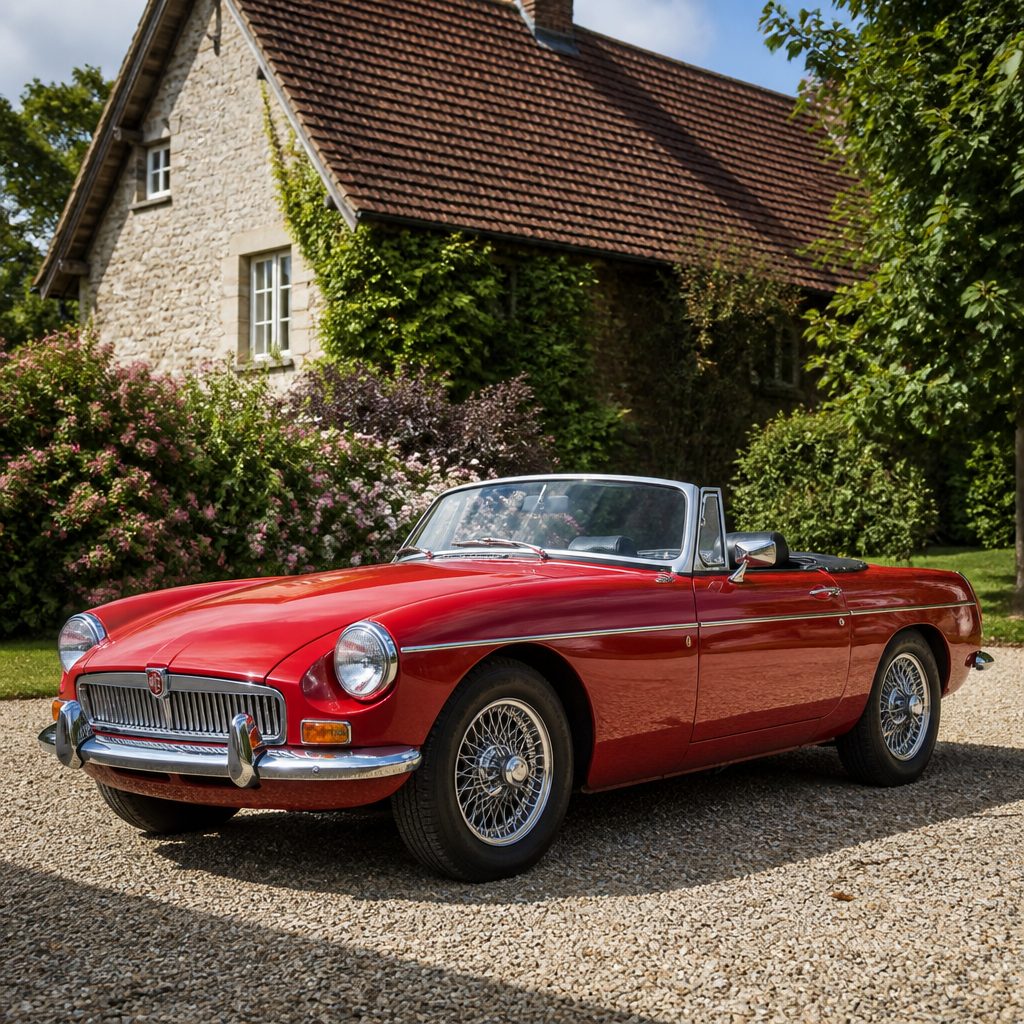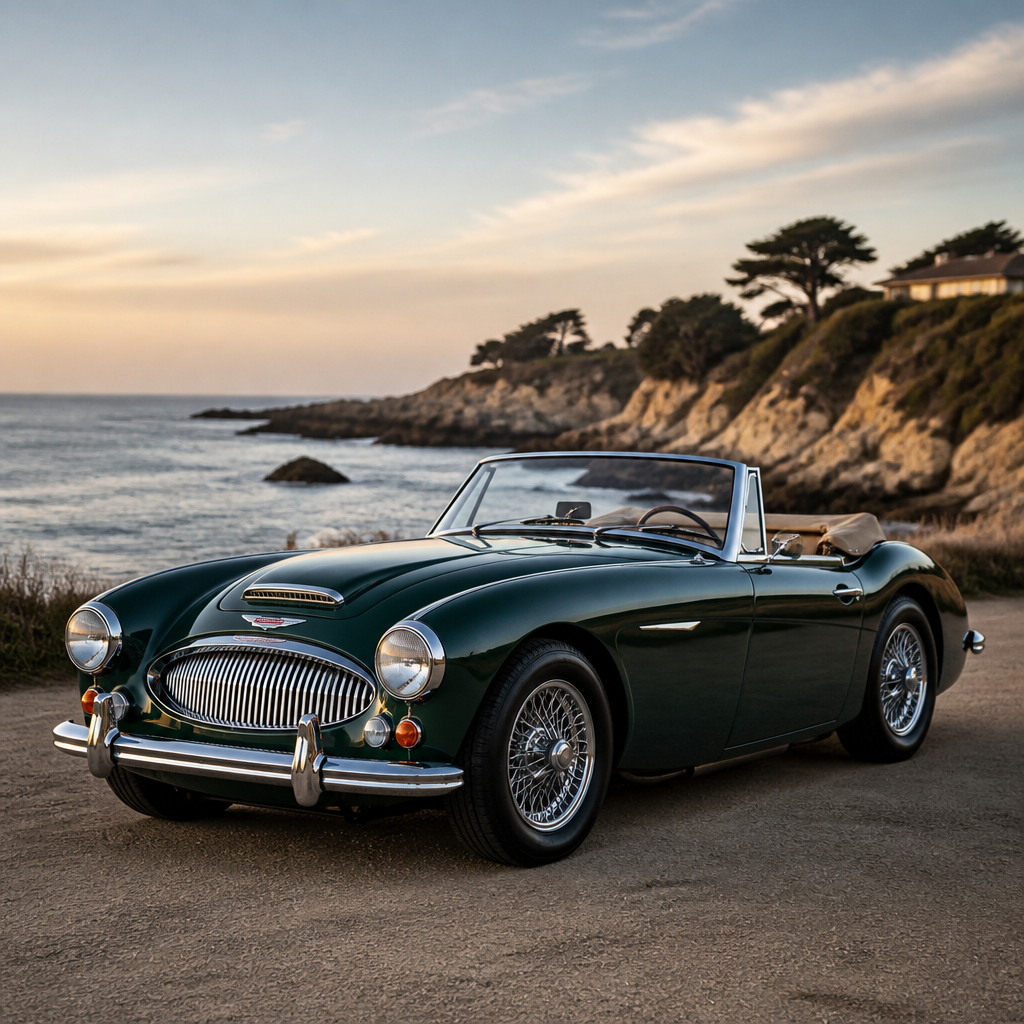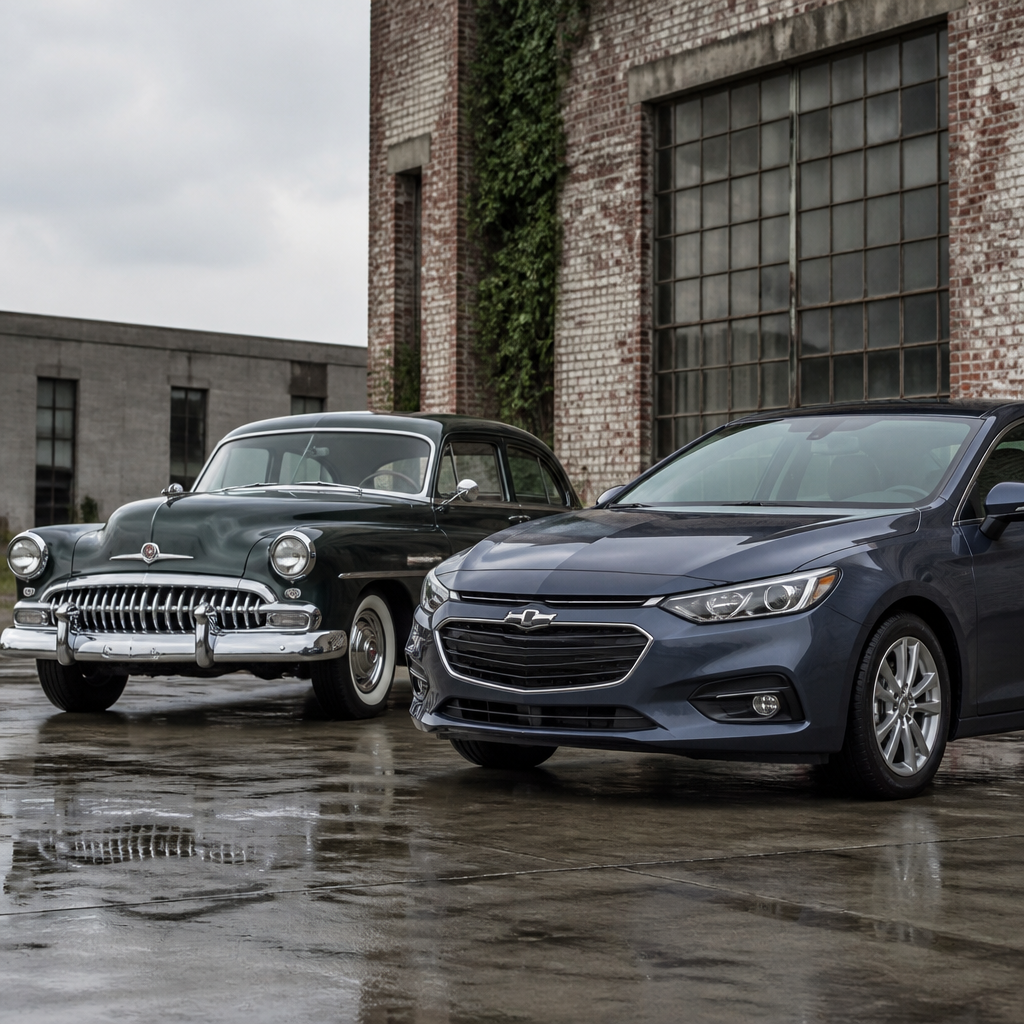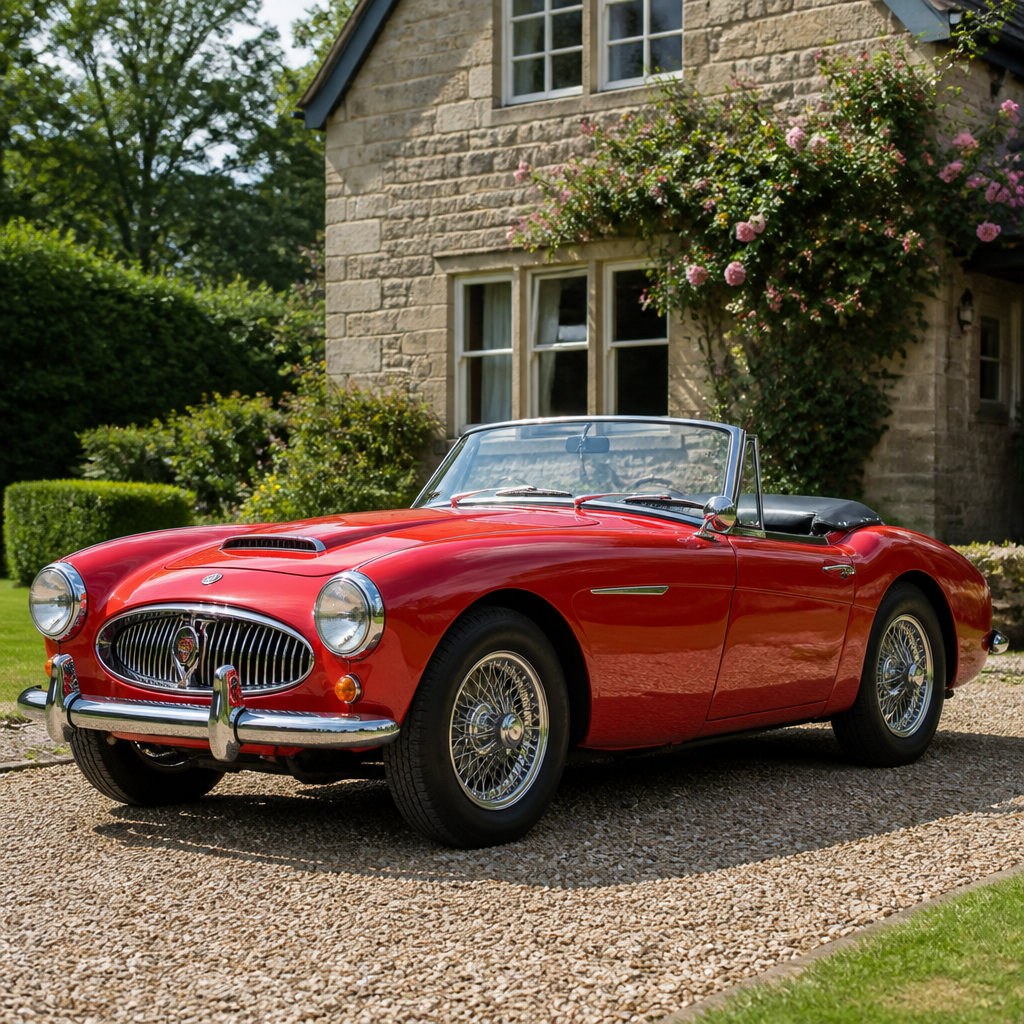
Owning a vintage vehicle is deeply rewarding, but classic car safety requires a different mindset than modern motoring. When people search for seat belts and safety upgrades for classic cars, they usually want clear answers to three questions: what protection their car lacks, which upgrades are worth doing, and how to improve safety without destroying originality. I have helped owners retrofit belts, inspect steering and brake systems, and prioritize practical upgrades, and the lesson is always the same: the safest classic car is the one upgraded thoughtfully, not modified blindly.
Classic cars were built in an era before federal crash standards, collapsible steering columns, side-impact protection, and computer-managed braking became normal. Many vehicles from the 1950s and early 1960s did not include factory-installed three-point belts, head restraints, or padded interiors. Even cars from the 1970s, while better equipped, often fall short of current expectations for occupant protection. That gap matters because a collision at neighborhood speeds can produce forces that older cabins were never designed to manage.
Seat belts are the starting point because they keep occupants in the survival space of the car. A lap belt reduces ejection risk, but a properly mounted three-point belt spreads crash forces across the pelvis, chest, and shoulder, which is far safer. Safety upgrades for classic cars, however, go well beyond restraints. Tires, brakes, lighting, steering linkage, mirrors, seats, and fuel system integrity all determine whether a car avoids a crash in the first place. In practical terms, safety is both crash protection and crash prevention.
This hub page for classic car driving and safety tips explains the core systems every owner should evaluate before regular road use. It covers restraint upgrades, braking improvements, tire and suspension considerations, visibility, fire protection, and habits that reduce risk every time you drive. It also addresses a common concern in the classic car community: preserving authenticity. Good safety work respects the vehicle, uses reversible methods when possible, and follows recognized engineering principles rather than improvisation. If you want a classic that feels usable, confidence-inspiring, and responsibly prepared for modern traffic, these are the upgrades and checks that matter most.
Start with seat belts, anchors, and seat structure
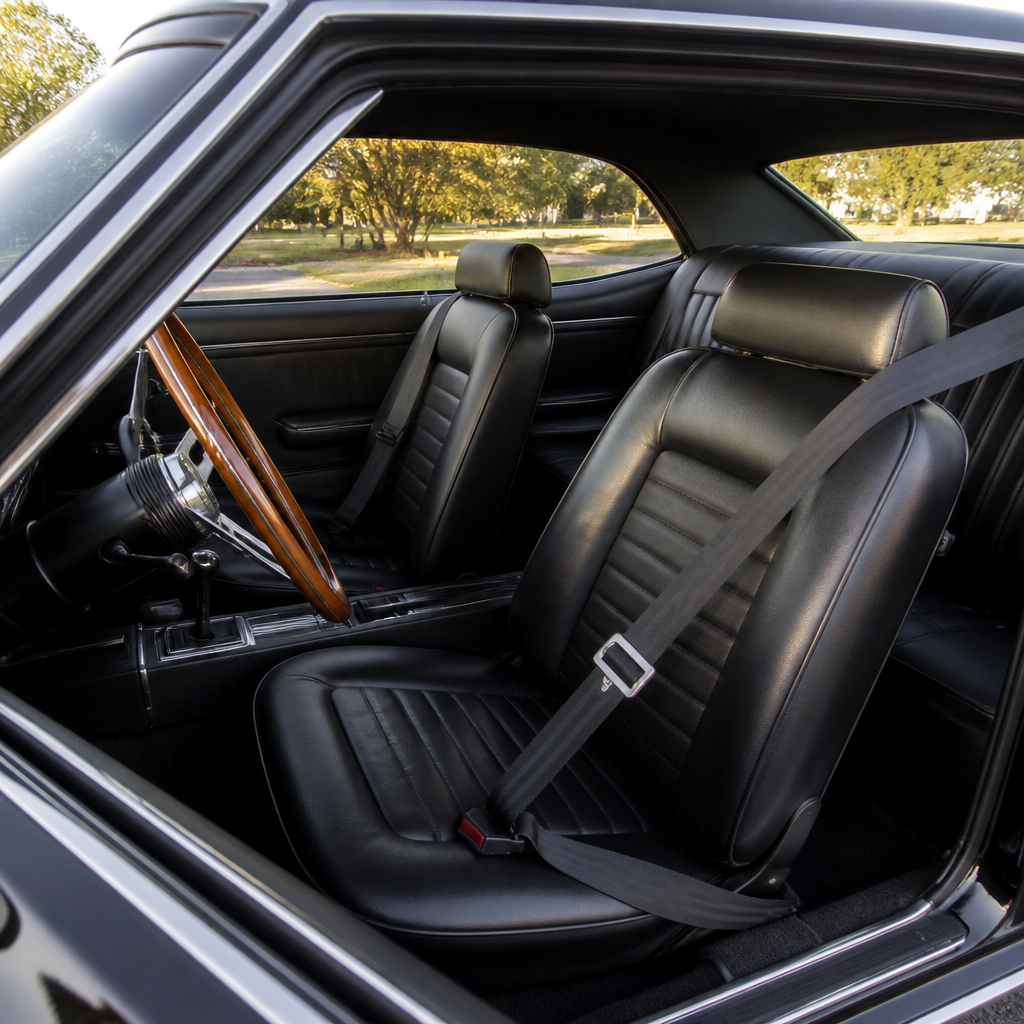
If a classic car has no belts, installing them is the highest-value safety upgrade in most cases. If it has only lap belts, a conversion to three-point belts is usually the next best move, provided the mounting geometry is correct. Belt kits from established suppliers such as Morris Classic Concepts, Juliano’s, and RetroBelt are popular because they are engineered for older platforms, but the kit is only half the job. The anchor points must be strong enough, backed correctly, and positioned so the shoulder belt crosses the center of the shoulder rather than the neck or upper arm.
In the workshop, I treat belt installations as structural work, not trim work. Sheet metal alone is not enough where loads will concentrate in a crash; reinforcement plates, proper hardware grades, and correct torque matter. The Federal Motor Vehicle Safety Standards are written for manufacturers, yet the engineering logic is useful for restorers too: belts must manage very high loads without tearing free. For hardtops, coupes, and some sedans, shoulder anchors can often be integrated into the B-pillar or package-tray structure. Convertibles are trickier because there may be no strong upper mounting point, so some owners use reinforced rollover bars or specialized harness bars designed for road use. Not every convertible can accept a safe three-point setup without fabrication, and that limitation should be acknowledged honestly.
The seat itself must also be inspected. Worn tracks, loose floor mounts, cracked frames, and weak seatbacks can turn a new belt into a false sense of security. In a frontal impact, the belt restrains your body, but if the seat tears loose from the floor, protection drops sharply. Bench seats present another challenge because outer seating positions are easier to retrofit correctly than the center position. For family use, remember that many classics lack proper rear-seat anchor geometry for child restraints, so a vintage car should not be assumed to be child-seat friendly without a careful review.
Upgrade braking before adding power
Many classic car owners think about engine upgrades early, but braking upgrades should come first. Original drum brakes can function well when rebuilt and adjusted properly, yet they are more prone to fade under repeated stops, can pull when contaminated or out of adjustment, and generally require more anticipation in modern traffic. A front disc brake conversion is one of the most sensible classic car safety upgrades because it improves heat management, consistency, and wet-weather stopping performance. On many American classics, proven kits from Wilwood, SSBC, Baer, and OEM-style conversion suppliers are readily available.
Brake safety is not only about disc versus drum. The hydraulic system must be sound from pedal to wheel. Single-circuit master cylinders, common on older vehicles, are a major vulnerability because one leak can mean near-total brake loss. Converting to a dual-circuit master cylinder is a substantial safety improvement because it separates the front and rear hydraulic circuits. Add fresh hard lines where corrosion exists, quality rubber or braided flex hoses, and correctly matched wheel cylinders or calipers, and the car becomes far more predictable under emergency braking.
Power brakes are helpful, but pedal feel and bias matter more than assist alone. I have driven manual-brake classics that stopped confidently because the system was balanced and freshly rebuilt, and I have seen power-assisted cars with vague, overboosted pedals that inspired less trust. If you change front brake hardware, verify rear contribution and proportioning. A poorly sorted conversion can increase stopping distance even if it looks impressive behind the wheels.
| Upgrade | Main Benefit | Best Use Case | Key Caution |
|---|---|---|---|
| Three-point seat belts | Better occupant restraint and lower ejection risk | Cars driven regularly in mixed traffic | Requires strong upper anchor geometry |
| Dual-circuit master cylinder | Brake redundancy if one circuit fails | Any classic with a single reservoir system | Must be matched to pedal ratio and brake type |
| Front disc brake conversion | More consistent stopping and less fade | Heavier cars, hilly routes, frequent driving | Check wheel fitment and brake bias |
| Modern radial tires | Improved grip, tracking, and wet performance | Nearly all road-driven classics | Do not exceed wheel or suspension limits |
Brake fluid should be replaced on schedule, usually every two to three years for glycol-based fluids, because moisture lowers boiling point and promotes corrosion. Parking brakes also deserve attention; they are a true backup system, not just a convenience. For a hub article on driving and safety tips, this point is central: any classic car that cannot stop straight, repeatedly, and without drama is not ready for regular road use.
Tires, wheels, steering, and suspension prevent crashes
The best restraint system in the world cannot compensate for poor grip or unstable handling. Tires are the only contact patch with the road, yet they are often the most neglected item on lightly used collector cars. Tread depth is only part of the story. Rubber ages out before it wears out, especially on vehicles stored indoors and driven sparingly. The DOT date code should be checked, and in most cases tires older than six to ten years deserve replacement regardless of appearance. Dry rot, hardening, and internal degradation reduce braking and wet traction long before a tire looks obviously unsafe.
For road-driven classics, modern radial tires are usually superior to old-style bias-ply tires in emergency maneuvers, lane stability, and ride quality. That does not mean every concours-level car should abandon original-type tires, but owners need to be realistic about tradeoffs. A radial-equipped 1960s sedan will generally track straighter on crowned roads, stop better, and feel less nervous around trucks. Matching tire size to wheel width and suspension clearance is essential; oversized combinations can create rubbing, heavier steering, and geometry problems.
Steering and suspension components deserve the same scrutiny. Worn tie-rod ends, loose idler arms, cracked control-arm bushings, and leaking shocks make a classic tiring to drive and slower to react. Many older steering boxes benefit from correct adjustment, but over-tightening to mask wear is a mistake. After front-end work, a proper alignment using modern targets suited to radial tires can transform stability. More positive caster, where the design allows it, often improves straight-line tracking and steering return. This is one of those changes owners immediately feel on the road.
Visibility upgrades matter as much as crash hardware
Most near misses happen because a driver did not see something soon enough. Classic cars often have dim sealed-beam headlights, small mirrors, weak wipers, and marginal demisting. Improving visibility is a safety upgrade, not a cosmetic one. Start with the basics: clean grounds, proper voltage at the lamps, correct bulb aim, fresh headlight buckets if corrosion affects adjustment, and lenses that are not clouded. Many owners are surprised by how much performance returns simply by restoring the factory electrical path.
When more output is needed, halogen conversions or complete LED headlamp units can improve night driving substantially, provided the beam pattern is controlled and legal in your area. Cheap LED bulbs inserted into optics designed for incandescent filaments often create glare and poor focus, which helps no one. Relays are a smart addition on many classics because they reduce load through the headlight switch and can deliver fuller system voltage to the lamps.
Mirrors are another common weak point. A driver-side remote mirror, a properly adjusted passenger-side mirror, and an unobstructed rearview mirror reduce blind spots significantly. If the car has tiny original mirrors and sees frequent highway use, a period-sensitive upgrade can be justified. Wiper blades, washer pumps, and defroster ducts also deserve service, especially on cars that are only occasionally driven in bad weather. In the real world, a clear windshield and bright, well-aimed lamps prevent more accidents than many owners realize.
Fire safety, electrical integrity, and fuel system health
Classic car fire risk is real because age affects fuel hoses, clamps, carburetor gaskets, wiring insulation, and charging components. The first rule is simple: never ignore a fuel smell. Replace old rubber lines with modern ethanol-compatible hose where applicable, secure them away from heat, and inspect metal lines for abrasion and corrosion. Carbureted engines should be checked for seepage around accelerator pumps, inlet fittings, and float bowls. Mechanical fuel pumps can leak externally or internally; both failure modes matter.
Electrical systems need equal attention. Brittle insulation, amateur splices, unfused accessory circuits, and undersized alternator wiring are common problems on old cars. A harness from American Autowire, Painless Performance, or a correct reproduction supplier can dramatically improve reliability if the original wiring has been altered beyond trust. Even when the stock harness is retained, adding proper fusing for accessories and confirming ground integrity can eliminate overheating and intermittent faults.
Every classic car should carry an accessible fire extinguisher mounted securely within reach of the driver or front passenger. A compact ABC extinguisher is practical for general road use, while some owners prefer clean-agent extinguishers to reduce residue damage. The extinguisher is not a substitute for maintenance, but it can save a car in the first seconds of an engine-bay fire. Battery hold-downs, insulated terminals, and a functioning charging system are also nonnegotiable basics.
Driving habits and trip preparation complete the safety picture
Mechanical upgrades matter, but safe classic car driving depends just as much on how the vehicle is used. Older cars demand more following distance, smoother inputs, and better route planning. They usually lack anti-lock braking systems, electronic stability control, side airbags, and crash structures designed for modern SUVs. That means the driver must compensate with margin. Leave more space, avoid aggressive lane changes, and assume other motorists do not see you or understand your braking capability.
Before any longer drive, perform a short pre-trip inspection: check tire pressures cold, verify brake pedal feel, inspect fluid levels, test lights, and look under the car for fresh leaks. Listen for changes in steering effort or driveline vibration during the first few miles. On newly restored or seldom-driven cars, bring basic tools, spare fluids, a flashlight, and roadside coverage. Heat soak, vapor lock, charging issues, and cooling-system weaknesses often reveal themselves only after real use.
Weather and speed should be judged conservatively. A classic with manual steering, drum brakes, and no shoulder belts may be perfectly enjoyable on fair-weather back roads yet poorly suited to dense interstate traffic at night in the rain. That is not defeatist; it is responsible ownership. Safety upgrades expand the usable envelope, but they do not turn a 1965 coupe into a 2025 sedan. Wise owners know the difference and drive accordingly.
Insurance and documentation also belong in the safety conversation. Agreed-value policies from collector insurers often include mileage assumptions and storage expectations; using the car beyond those terms can complicate claims. Keep records of restraint, brake, and electrical upgrades, including part numbers and installation dates. Good documentation helps with maintenance, resale, and any future inspection of the work.
Seat belts and safety upgrades for classic cars are ultimately about making vintage vehicles usable in the conditions they actually face today. The highest priorities are clear: install properly engineered restraints, ensure the seats and anchor points are structurally sound, build a reliable brake system with hydraulic redundancy, fit safe modern tires, restore precise steering and suspension control, and improve visibility for day and night driving. Add fuel, wiring, and fire-suppression safeguards, and the car becomes meaningfully safer without losing its character.
The main benefit is confidence. A classic that starts, tracks straight, stops consistently, lights the road properly, and protects its occupants with real restraint systems is a car you will drive more often and enjoy more fully. Originality still matters, but originality should never excuse preventable risk when practical, reversible upgrades are available.
Use this hub as your starting point for every classic car driving and safety decision. Review your car system by system, prioritize the weaknesses that matter most, and make upgrades with the same care you would bring to engine or paint work. A safer classic is not less authentic; it is better prepared for the road.
Frequently Asked Questions
1. Why do classic cars need seat belts and safety upgrades if they were originally built without them?
Most classic cars were engineered in an era when crash standards, occupant protection, and road conditions were very different from what we deal with today. Even a beautifully restored vintage vehicle may lack the most basic protections modern drivers take for granted, including three-point seat belts, collapsible steering columns, head restraints, reinforced seating, dual-circuit brakes, and improved lighting. That does not mean the car is unsafe to own, but it does mean the owner needs to understand its limitations honestly and address the most important risks first.
The biggest issue is that many classic vehicles offer very little restraint in a collision. Without proper seat belts, the driver and passengers can be thrown into the steering wheel, dashboard, windshield, or even out of the car entirely. Beyond that, older braking systems may require longer stopping distances, steering components may have more play than they should, and original tires or suspension setups may not inspire confidence in emergency maneuvers. In real-world driving, those weaknesses matter far more than appearance or collector value when something unexpected happens.
Safety upgrades are not about turning a classic into a modern car, because that is rarely possible. They are about reducing avoidable risk while preserving the car’s character. In most cases, adding proper restraints, confirming the integrity of the brakes and steering, improving visibility, and making sure the seats and mounting points are structurally sound can dramatically improve safety without changing the personality of the vehicle. The goal is practical protection, not over-restoration or unnecessary modification.
2. What type of seat belt is best for a classic car: lap belts, three-point belts, or retractable systems?
The best choice depends on the vehicle’s design, available mounting points, and how the car is used, but in general, a properly installed three-point belt offers significantly better protection than a lap belt alone. Lap belts are certainly better than having no restraint at all, and they are often the simplest option in very early classics that lack strong upper mounting locations. However, lap-only belts can allow substantial upper-body movement in a crash, which increases the chance of head, chest, and spinal injuries.
A three-point belt restrains both the pelvis and upper torso, which is why it is the preferred solution whenever the vehicle can support it safely. For many classics, retrofit kits are available that use reinforced anchor points and hardware designed specifically for older vehicles. Some systems are fixed in place, while others are retractable. Retractable three-point belts are often the most user-friendly because they are easier to wear correctly, less likely to be left unused, and more comfortable for regular driving. That convenience matters, because the best seat belt is the one people will actually wear every time they drive.
The critical factor is not just belt style, but correct installation. The anchor points must be reinforced properly, the belt angle must be appropriate for the seat position, and the hardware should meet recognized safety standards. On a classic car, the floorpan, pillar structure, or parcel area may not be strong enough in original form, so backing plates and reinforcement may be required. A poor installation can create a false sense of security, which is why fitment should be planned carefully rather than improvised. If preserving originality is important, many suppliers now offer period-sensitive belt colors and discreet hardware that look at home in a vintage interior.
3. What safety upgrades should classic car owners prioritize first?
If you want the biggest improvement in real-world safety, start with the systems that help you avoid a crash and survive one if it happens. That usually means beginning with seat belts, brakes, steering, tires, and lighting. These are the upgrades and inspections that make the greatest practical difference, especially on a car that still sees road use rather than just static display or occasional trailer transport.
Seat belts are often first on the list because restraint systems are fundamental. Right behind them is a complete brake inspection. On a classic car, that means evaluating more than just pad or shoe thickness. Flexible hoses can swell internally, wheel cylinders can leak, master cylinders can fail without warning, drums can be out of round, and old fluid can introduce corrosion throughout the system. If the car has a single-circuit master cylinder, many owners choose to upgrade to a dual-circuit system for an added margin of safety. Front disc brake conversions are also common on some models, though whether they are necessary depends on the weight, speed, and intended use of the car.
Steering and suspension deserve the same level of attention. Worn tie-rod ends, ball joints, bushings, idler arms, steering boxes, and shocks can make a classic vague or unstable, especially in emergency situations. Tires are another overlooked priority. Even if the tread looks good, old tires can become hard, cracked, and unreliable with age. Fresh, high-quality tires in the correct size can transform how securely a classic car drives. Finally, improved lighting, including brighter bulbs, upgraded wiring, relays, or discreet LED conversions where appropriate, can make nighttime and poor-weather driving substantially safer. If you address those areas in a logical order, you usually gain far more real safety than you would from cosmetic or novelty modifications.
4. Can I improve classic car safety without ruining originality or collector value?
Yes, in many cases you can make meaningful safety improvements without noticeably compromising the car’s original appearance or spirit. The key is to focus on reversible, sympathetic upgrades and to choose parts that suit the vehicle visually as well as mechanically. A well-planned safety upgrade does not have to look out of place. In fact, some of the best retrofits are almost invisible to anyone who is not specifically looking for them.
Seat belts are a good example. Many aftermarket suppliers offer belts in colors and buckle styles that blend well with vintage interiors, and skilled installers can often place them in ways that minimize visual disruption. Brake upgrades can sometimes be hidden behind original-style wheels, and subtle improvements such as dual-circuit master cylinders, better brake linings, upgraded hoses, or improved lighting relays may not alter the appearance at all. Even safety items like inertia-reel belts can often be packaged discreetly in coupes, sedans, and some convertibles with careful planning.
From a collector standpoint, documentation matters. Keep records of what was changed, use quality components, and save any original parts that are removed if practical. Many buyers appreciate tasteful safety improvements, especially when they make the car more usable without cutting, hacking, or permanently altering rare trim and structure. If your vehicle is especially valuable or historically significant, it may be worth consulting a marque specialist before modifying anything. In most cases, though, sensible safety upgrades do not “destroy originality.” They simply reflect responsible ownership and a desire to enjoy the car with fewer unnecessary compromises.
5. How do I know whether my classic car is safe enough to drive regularly?
The only honest way to answer that question is through a careful, system-by-system inspection rather than assumptions based on how nice the car looks or how well it starts. A classic can be freshly painted and beautifully trimmed yet still have serious weaknesses in the brake hydraulics, steering linkage, fuel system, seat mountings, or electrical wiring. Before regular road use, the car should be evaluated as a machine, not just admired as an object.
Start with structural integrity. Floors, rocker areas, frame sections, and belt mounting locations must be solid enough to support both the occupants and any restraint system in a collision. Then assess the brakes thoroughly, including the master cylinder, lines, hoses, wheel cylinders or calipers, drums or rotors, parking brake, and fluid condition. Steering should be tight, predictable, and free of dangerous wear. Suspension bushings, springs, shocks, wheel bearings, and alignment all affect stability and control. Tires should be replaced if they are aged out, weathered, mismatched, or otherwise questionable, regardless of tread depth.
After that, review occupant protection and drivability. Are there usable seat belts? Are the seats securely mounted? Can you see clearly at night or in rain? Do the wipers, turn signals, brake lights, and horn work reliably? Is the throttle return dependable? Are there fuel leaks, electrical shorts, or overheating problems? A classic car that passes these tests and is driven within its limits can be enjoyable and reasonably safe for regular use, but it still requires a different mindset than modern motoring. Defensive driving, greater following distance, realistic speed expectations, and regular maintenance are all part of the safety equation. In other words, the car is only as safe as its condition, its upgrades, and the judgment of the person behind the wheel.