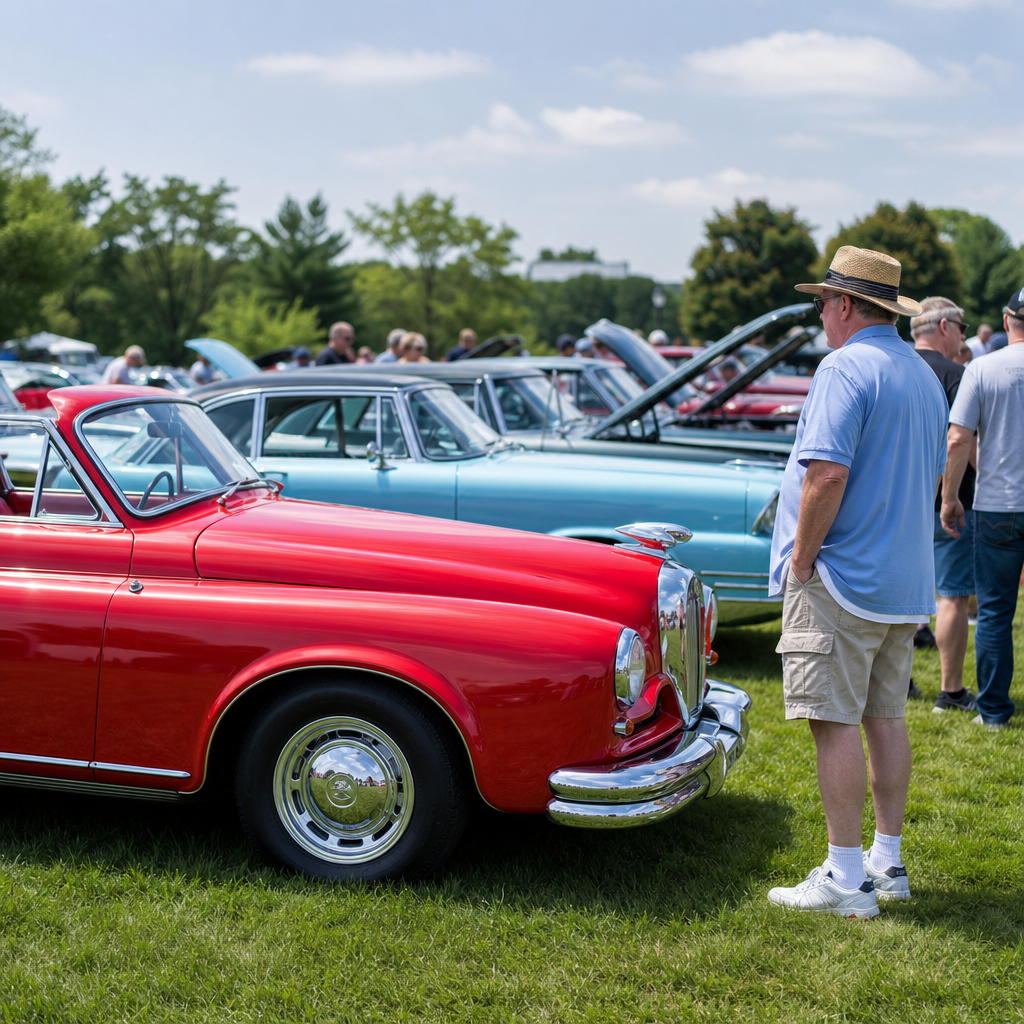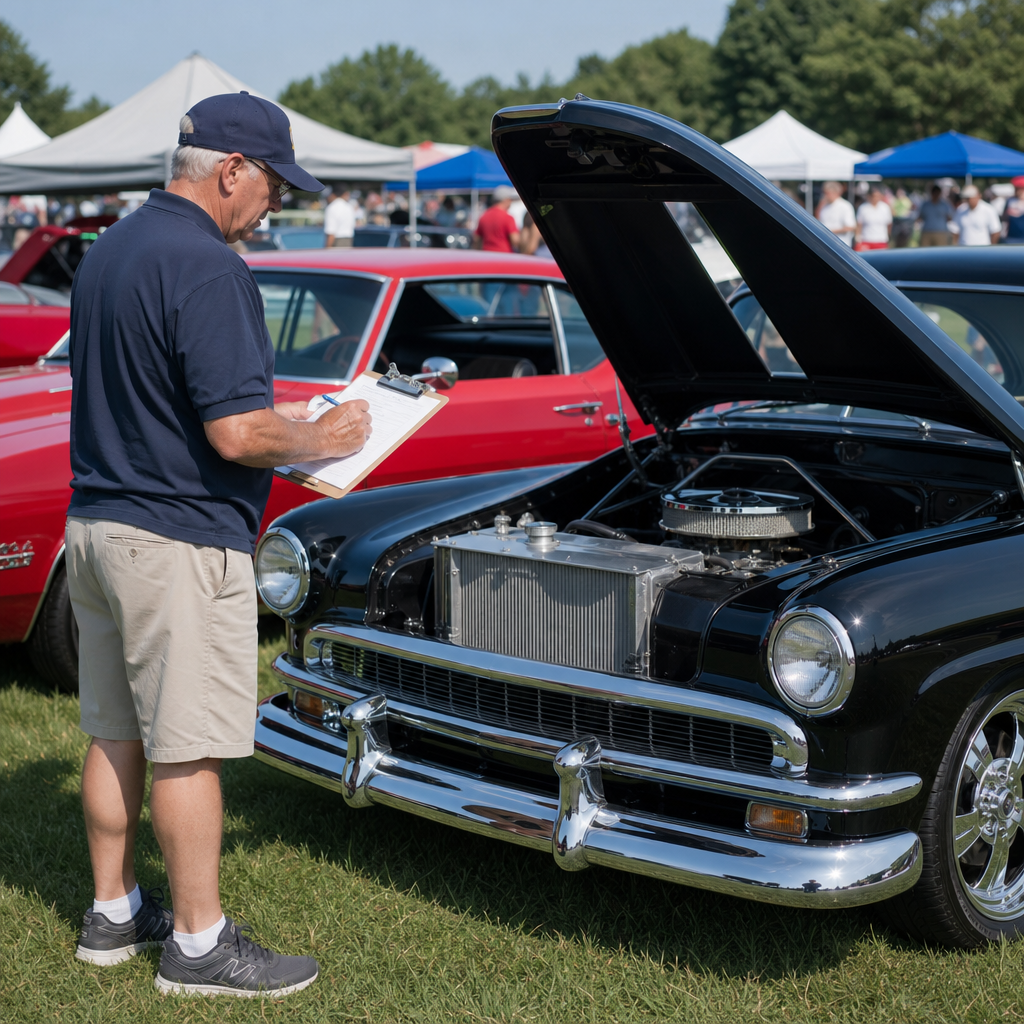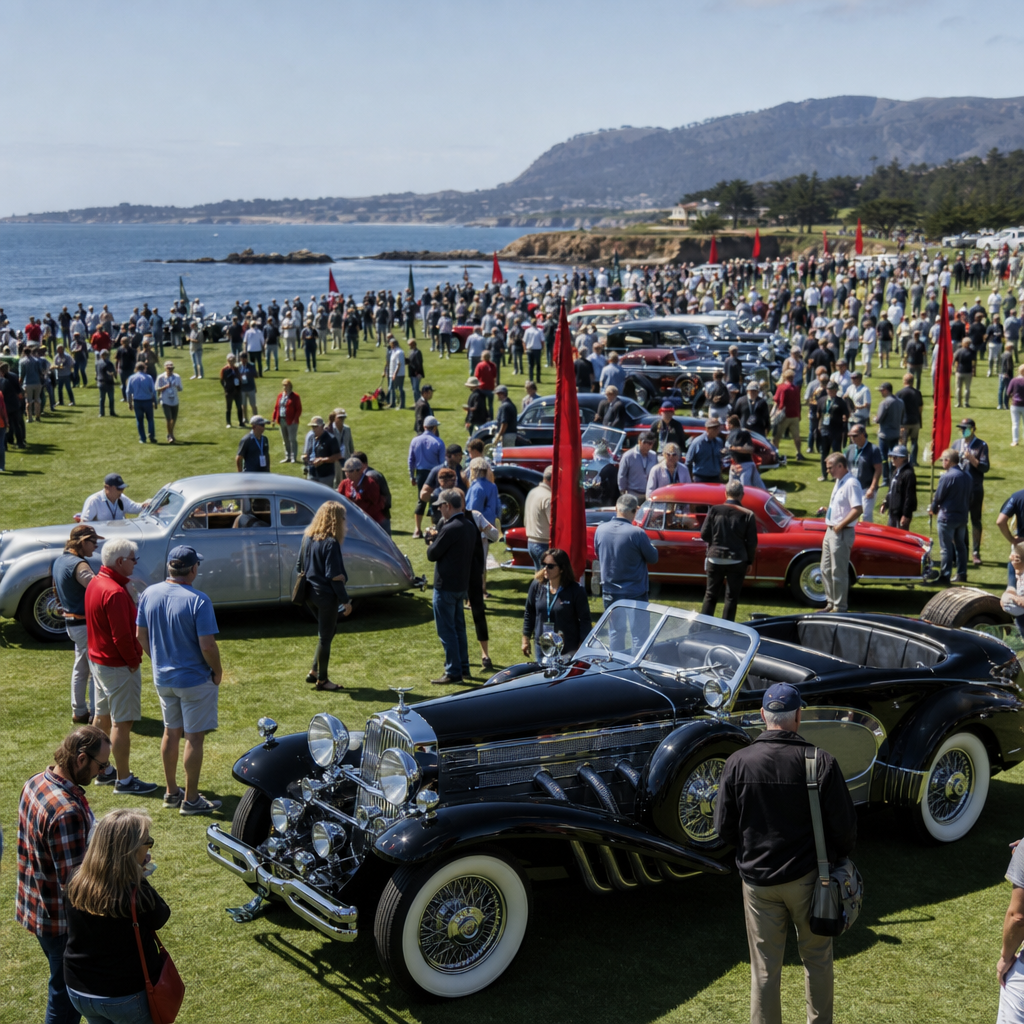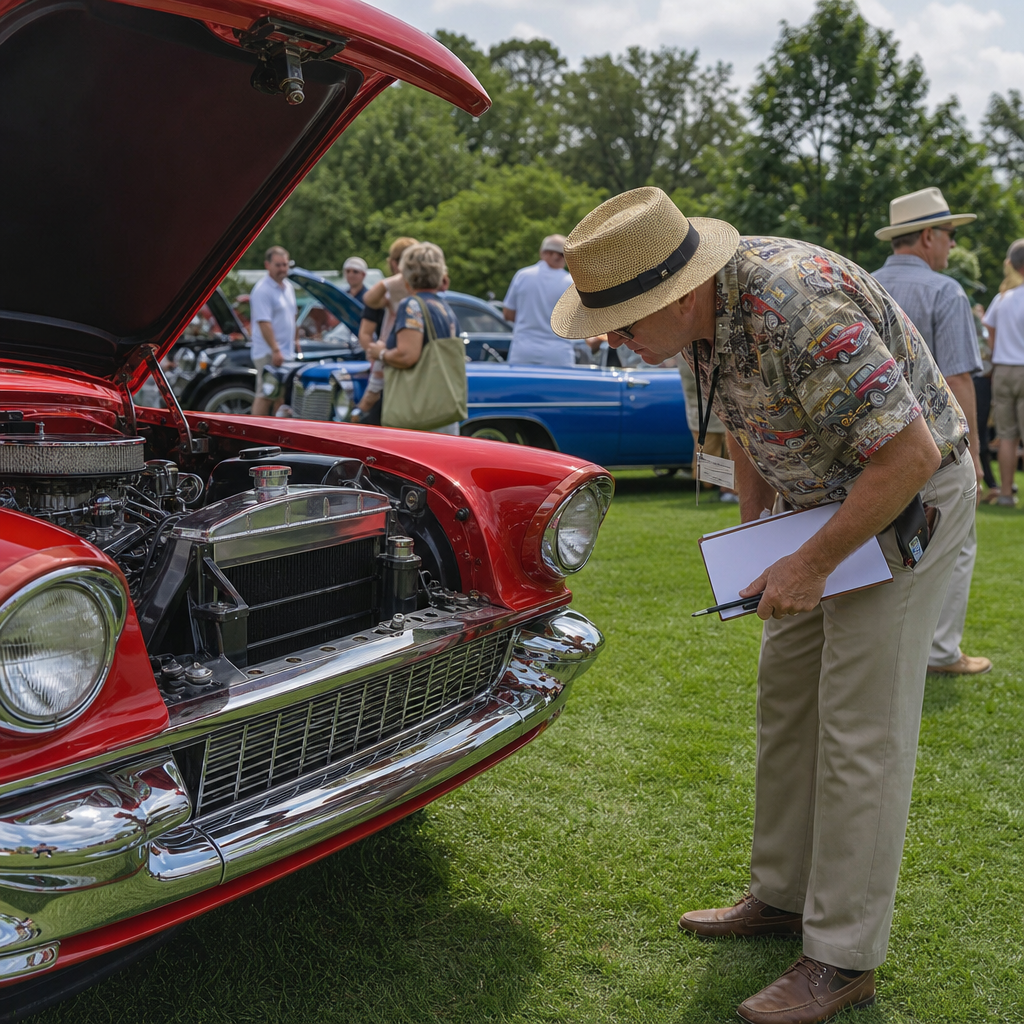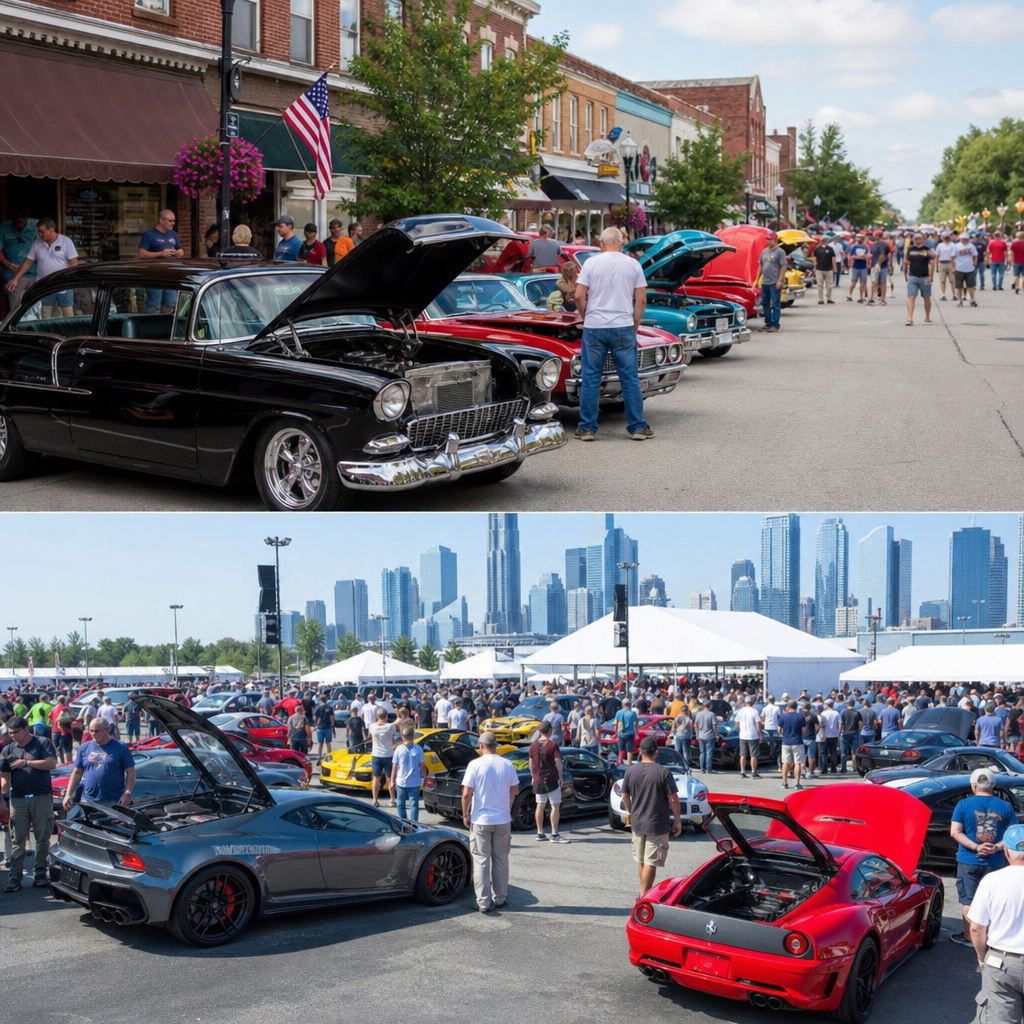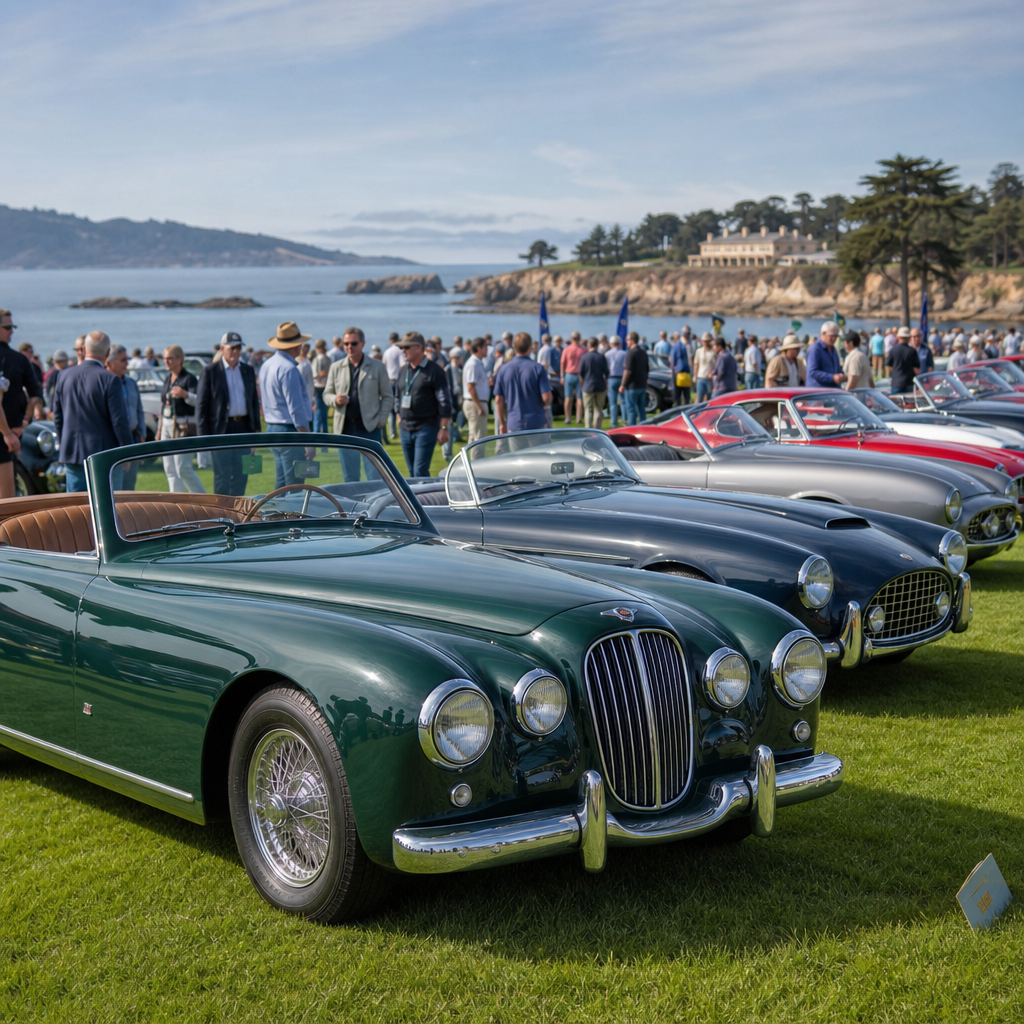

Finding the right classic car club can shape your entire ownership experience, from how often you drive to how much you learn and whom you meet along the way. A club is more than a list of members with similar vehicles. In practice, it is a community organized around shared models, eras, restoration philosophies, driving habits, and social expectations. Some groups center on concours originality. Others care more about road trips, wrenching weekends, advocacy, or swapping hard-to-find parts. Choosing well matters because the right club saves time, reduces ownership frustration, improves technical knowledge, and turns a solitary hobby into a durable social life.
Within classic car culture, “club” can mean several things. A marque club focuses on one manufacturer such as Porsche, MG, Mercedes-Benz, or Ford. A model club narrows further to vehicles like the Alfa Romeo Spider or C3 Corvette. A regional club may welcome all makes but serve one city or county. National organizations often combine local chapters, magazines, judging standards, insurance partnerships, archives, and annual conventions. Informal driving groups may have no dues, constitution, or formal leadership, yet still function like a club because they create repeat participation and shared norms. I have worked with owners who joined three groups before realizing that the issue was not the hobby itself, but a mismatch between club culture and personal goals.
This matters especially for people entering the scene for the first time. Classic cars require knowledge networks. You need trusted mechanics, transport contacts, appraisers, upholstery specialists, parts suppliers, and other owners who have solved the same problems before. Clubs often become the channel for all of that information. They also influence how owners spend money. A preservation-focused club may encourage careful documentation and period-correct repairs. A touring club may push reliability upgrades, modern tires, and roadside preparedness. A social club may make ownership feel easy and fun, while a highly competitive judging club can motivate deeper research and better restoration discipline. The right choice depends on what kind of classic car life you actually want, not what sounds impressive online.
As a hub for classic car clubs, this guide explains how to evaluate your needs, compare club types, judge the quality of a group, and avoid common mistakes. If you are asking, “What does a classic car club do,” “Should I join a local or national organization,” or “How can I tell whether a club is worth the dues,” you will find direct answers here. The goal is simple: help you identify the club that fits your car, your schedule, your budget, and your personality so the hobby becomes more rewarding year after year.
Start with Your Real Goal as an Owner
The fastest way to find the right club is to define what you want from ownership in plain language. Most people say they want “community,” but that word is too broad to guide a decision. In real club selection, useful goals are specific: I need help sourcing trim pieces for a W108 Mercedes; I want monthly drives within two hours of home; I want to learn how judging works before restoring my Mustang; I want a family-friendly group that welcomes children; I want access to a library of factory manuals; I want to show the car twice a year but mainly drive it. Once you state the goal clearly, many club options immediately fall away.
Owners usually fit into a handful of patterns. The restoration-oriented owner benefits from groups with technical registries, archives, and members who document factory changes by production year. The driver benefits from active touring calendars, route planning, and roadside support culture. The collector benefits from strong valuation knowledge, concours standards, and market awareness. The casual enthusiast may need nothing more than inclusive local meetups and no-pressure events. I have seen owners waste years in clubs whose members were pleasant but irrelevant to their needs. A person restoring a rare British saloon does not gain much from a general cruise-night group if nobody there knows Lucas electrical systems or trim suppliers.
It also helps to identify what you do not want. Some members dislike rigid judging rules. Others do not enjoy breakfast meets at 7 a.m., long board meetings, or constant fundraising. Some want modified cars welcomed; others want factory-correct presentation respected. These preferences are not trivial. Club culture determines whether you feel energized or obligated. If attendance starts feeling like homework, the fit is wrong.
Understand the Main Types of Classic Car Clubs
Classic car clubs usually fall into four broad categories: local general-interest clubs, marque clubs, model-specific clubs, and national organizations with regional chapters. Local general-interest clubs are easiest to join and often best for frequent social contact. They host cruise-ins, charity shows, cars-and-coffee events, and short drives. Their biggest strength is convenience. Their limitation is technical depth. If your car is unusual, you may enjoy the company but still need another club for serious expertise.
Marque clubs focus on one manufacturer and are often the best balance between community and knowledge. A Jaguar or Volkswagen club can connect you with owners across generations of vehicles, plus trusted vendors and repair experience. Model-specific clubs go deeper still. These groups may know production changes by chassis range, factory color availability, and recurring weak points in minute detail. If you own a car with obscure trim, unique carburetion, or limited parts interchange, model-level expertise can save thousands of dollars in mistaken purchases.
National organizations provide scale. They may offer print magazines, technical advisors, judging manuals, classified listings, youth programs, and annual conventions. In the United States, clubs tied to the Antique Automobile Club of America or marque-specific national bodies often preserve historical records and event standards that local groups cannot match. Their limitation is distance. A national membership is valuable, but if no active chapter exists near you, your practical benefit may be mostly educational rather than social.
| Club Type | Best For | Main Advantage | Common Limitation |
|---|---|---|---|
| Local general-interest | New owners, frequent meetups | Easy social access and nearby events | Limited model-specific knowledge |
| Marque club | Owners loyal to one manufacturer | Good mix of expertise and community | Broader than some rare-model needs |
| Model-specific club | Rare cars, detailed restorations | Deep technical accuracy and parts insight | Smaller membership base |
| National organization | Long-term involvement, standards, archives | Resources, publications, major events | Local chapter activity may vary |
Evaluate Club Culture Before You Join
Culture matters as much as the cars. Two clubs can own similar vehicles yet feel completely different. One may be welcoming to beginners, answer basic questions patiently, and celebrate cars at every condition level. Another may reward only finished restorations and unintentionally discourage owners still learning. Neither is automatically wrong, but only one may fit where you are now. The quickest way to judge culture is to attend at least two events before joining. Watch how members greet newcomers, how long conversations last, and whether technical knowledge is shared freely or guarded as status.
Pay attention to event mix. Healthy clubs usually balance static shows with active use: drives, tech sessions, shop visits, swap meets, and occasional family-friendly gatherings. If every event is a parking-lot meet, members may not actually use their cars much. If every event is a judged show, owners who prefer driving may lose interest. Good clubs also communicate well. Look for a maintained website, current calendar, clear membership process, and recent photos that show participation. A dormant social media account and outdated event page often signal weak leadership or declining activity.
Diversity of ownership style is another positive sign. Strong clubs make room for survivor cars, driver-quality vehicles, fresh restorations, and newcomers with projects. In my experience, the best groups are confident enough in their standards to be inclusive without becoming directionless. They know what they value, but they do not weaponize expertise. If members spend more time correcting small details than helping people enjoy the hobby, expect friction.
Check Practical Value: Knowledge, Events, and Member Benefits
A worthwhile classic car club should produce measurable value beyond a name badge. Start with technical support. Does the club have a forum archive, technical advisors, printed restoration guides, or a searchable newsletter library? Some of the most useful knowledge in the hobby lives in decades of club bulletins, where owners recorded part substitutions, paint code corrections, and maintenance procedures long before video tutorials were common. If you are comparing dues, put a number on that information. One correct tip about a fuel pump, trim fastener, or gearbox supplier can repay several years of membership.
Next, evaluate events. Consistency matters more than ambition. A club that reliably holds a monthly breakfast, quarterly drive, and annual show often provides more real value than one promising a huge calendar that never fully happens. Ask whether routes are well planned, whether events accommodate breakdowns, and whether the group communicates weather changes clearly. Organized touring is an underrated test of competence. Clubs that can move twenty older cars across back roads smoothly usually have solid leadership and practical experience.
Finally, consider formal benefits. Some national clubs negotiate discounts with insurers, tool suppliers, hotels, and transport providers. Others provide valuation guides, judging schools, youth programs, scholarships, or access to marque archives. These should not be the sole reason to join, but they do matter. If you are building your involvement in classic car culture over time, a club with both local activity and substantial member resources often delivers the best long-term return.
Match the Club to Your Car, Budget, and Time
The right club must fit your actual life. Start with the car itself. If you own a broadly supported model like a first-generation Mustang, MGB, or Tri-Five Chevrolet, you can choose among several strong groups. If you own a low-production Italian coupe or prewar sedan, you may need multiple layers: a national marque club for knowledge, a model registry for parts information, and a local mixed club for nearby events. Owners of modified cars should verify that the group welcomes tasteful upgrades. Some clubs accept alternators, electronic ignition, radial tires, and upgraded cooling systems as practical necessities. Others prefer strict originality.
Budget matters too. Dues vary, but cost alone rarely decides value. A modest annual fee is worthwhile if it includes technical material, event access, and introductions to trusted specialists. Hidden costs are more important than dues: travel distance, hotel stays, show entry fees, banquet tickets, and the pressure to prepare a car to club norms. Time is the other major filter. If your schedule supports only six events a year, choose a club whose best activities are local and well spaced. It is better to participate consistently in one or two good groups than carry four memberships you barely use.
Conclusion: Join Deliberately and Let the Club Grow With You
The best classic car club is the one that supports the way you want to enjoy the hobby now while leaving room for your interests to expand later. Start by defining your goal clearly, then compare club types, observe culture, and test practical value before committing. Look for groups that share knowledge generously, run consistent events, and respect different ownership styles. Balance social enjoyment with useful expertise. If a club helps you drive more, learn faster, solve problems cheaper, and build lasting friendships, it is the right fit.
Remember that club choice is not permanent. Many experienced owners belong to both a local group and a national marque organization because each serves a different purpose. Reassess as your car, skills, and interests change. A first-year owner may need beginner-friendly support, while a later-stage restorer may want judging standards and archival research. Treat membership as part of your ownership strategy, not just a social add-on.
If you are ready to get more from classic car culture, attend two nearby events this month, ask members what value they personally receive, and compare that answer to your own goals. That simple step will point you toward the right club and a much richer life with your car.
Frequently Asked Questions
How do I know what kind of classic car club is right for me?
The best club for you usually depends less on the badge on your car and more on how you want to enjoy ownership. Some classic car clubs are built around a single make or model, while others are focused on a broader era, a style of restoration, or a shared activity such as touring, showing, or technical problem-solving. Before joining, think about what you actually want from the experience. If you care most about originality and judged events, a concours-oriented club may be a strong fit. If you prefer regular drives, relaxed meetups, and practical maintenance advice, a touring or enthusiast-focused group may be much more rewarding.
It also helps to consider your personality and your stage of ownership. A first-time owner may benefit from a club with active mentors, technical archives, and members who are generous with advice. A seasoned restorer may prefer a highly specialized club with deep knowledge of production changes, trim details, and factory-correct parts. The right club should make you feel more confident, more connected, and more excited to use your car. If a group’s priorities, pace, and culture line up with your own, you are far more likely to stay engaged and get real value from membership.
Should I join a marque-specific club or a more general classic car club?
Both options can be excellent, but they serve different purposes. A marque-specific club tends to offer the deepest technical knowledge, the most accurate model information, and the strongest network for sourcing rare parts or identifying correct components. If you own a car with limited production numbers, unusual engineering, or model-specific restoration challenges, a dedicated club can be incredibly valuable. Members often know the common weak points, the best suppliers, and the historical details that are difficult to find elsewhere.
A general classic car club, on the other hand, often provides broader social opportunities and a more varied event calendar. These clubs can be ideal if you mainly want to drive, attend local gatherings, meet a wide range of enthusiasts, and enjoy the hobby without a heavy emphasis on factory originality. They also tend to be more welcoming for people who own multiple vehicles or who are still deciding which corner of the hobby they enjoy most. In many cases, the best answer is not choosing one over the other but combining both. A general club can offer community and activity, while a marque-specific club supplies specialized expertise and long-term support.
What should I look for before joining a car club?
Start by looking beyond the membership form and studying how the club actually operates. Review its event calendar, newsletter, online presence, and member engagement. A healthy club usually shows signs of consistent activity, clear leadership, and a mix of opportunities for different interests. You want to see whether events are mostly car shows, technical workshops, road tours, casual breakfasts, or formal meetings. That mix will tell you a great deal about the club’s priorities and whether they match your own.
It is also wise to pay attention to the social atmosphere. Visit a meeting or attend an event as a guest if possible. Notice whether newcomers are welcomed, whether conversations are inclusive, and whether the club seems supportive rather than cliquish. Ask practical questions too: Are dues reasonable for what is offered? Is there a member directory or technical library? Do members help each other find parts, recommend shops, or troubleshoot repairs? A good club should provide more than a name and a decal. It should give you access to knowledge, relationships, and experiences that genuinely improve your time in the hobby.
How can I tell if a club’s culture is a good fit for me?
Club culture matters as much as the cars themselves. Two clubs may focus on the same marque or era and still feel completely different once you spend time with their members. One may be highly structured, formal, and centered on originality standards, while another may be casual, hands-on, and more interested in keeping cars on the road than preserving factory perfection. Neither approach is inherently better. The key is whether the group’s attitude matches your goals and comfort level.
The fastest way to judge this is to observe how members talk about cars, restoration, and each other. If you enjoy learning in a supportive setting, a club that encourages questions and shares knowledge freely will likely feel right. If you are turned off by gatekeeping, harsh judging, or status-driven behavior, pay attention to those signs early. You should also think about expectations around participation. Some clubs are very event-driven and want active involvement, while others are more flexible. A strong fit means you can show up as you are, contribute naturally, and feel motivated to return. The right culture will make ownership more enjoyable, not more stressful.
Can joining the right club really improve my classic car ownership experience?
Absolutely. The right club can save you time, money, frustration, and years of trial-and-error learning. Experienced members often know which repairs are straightforward, which parts vendors are trustworthy, and which restoration decisions help or hurt long-term value. That guidance can be especially important if you own a car with scarce parts availability, confusing production variations, or specialized service needs. Instead of figuring everything out alone, you gain access to a network of people who have likely faced the same challenges before.
Just as important, the right club changes how often and how confidently you use your car. Many owners drive more when they have people to tour with, events to attend, and encouragement to keep the car active. Clubs can also create friendships, introduce you to local specialists, and open doors to rallies, swap meets, educational workshops, and regional gatherings you might never find on your own. In short, the right club turns ownership from a solitary project into a richer, more connected experience. That is why taking the time to find a club that matches your interests, standards, and personality is one of the smartest decisions a classic car owner can make.