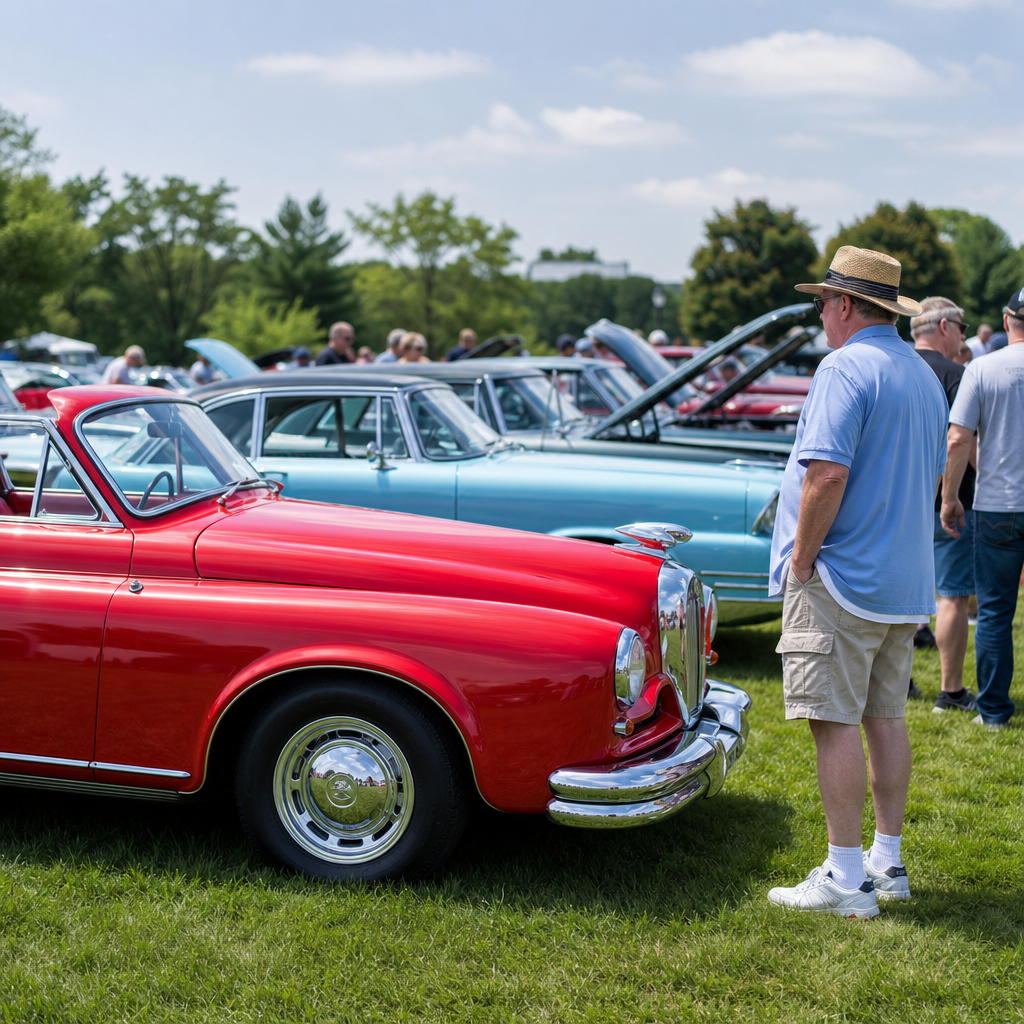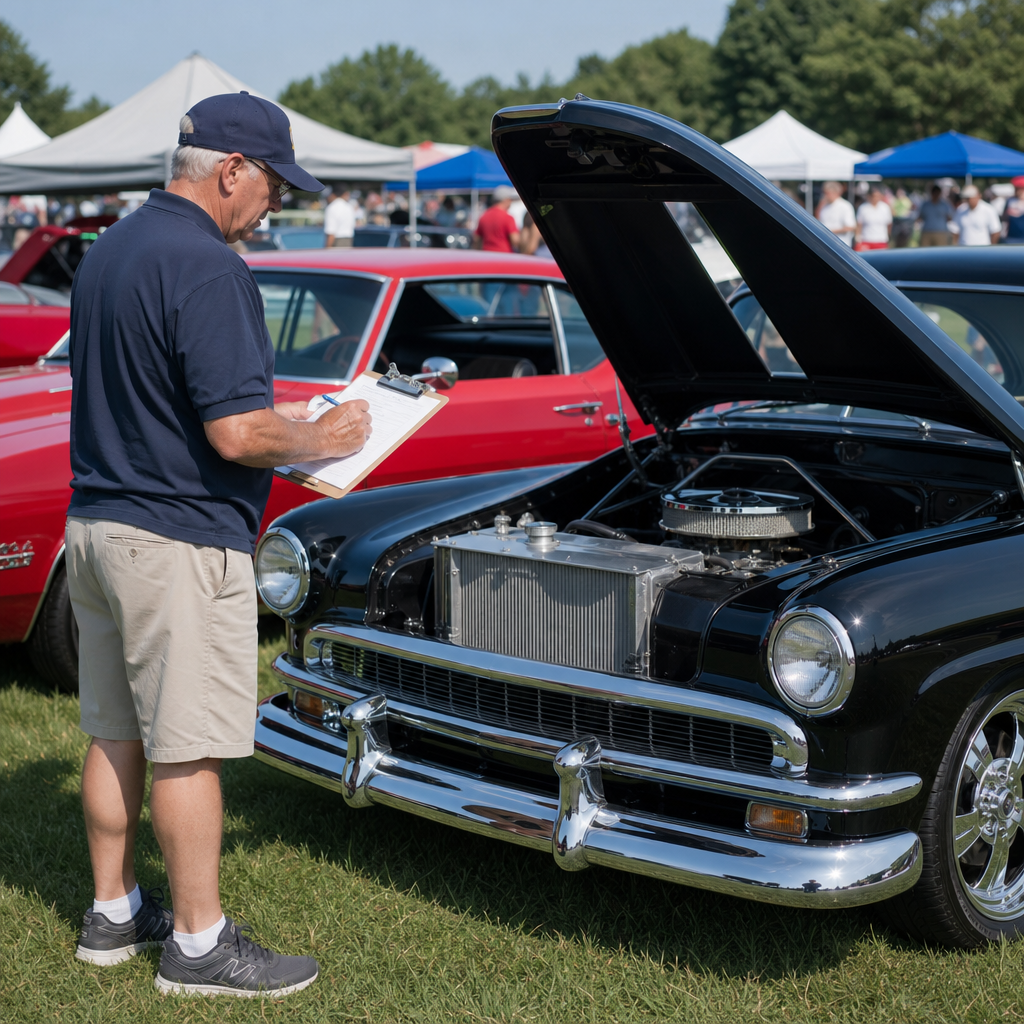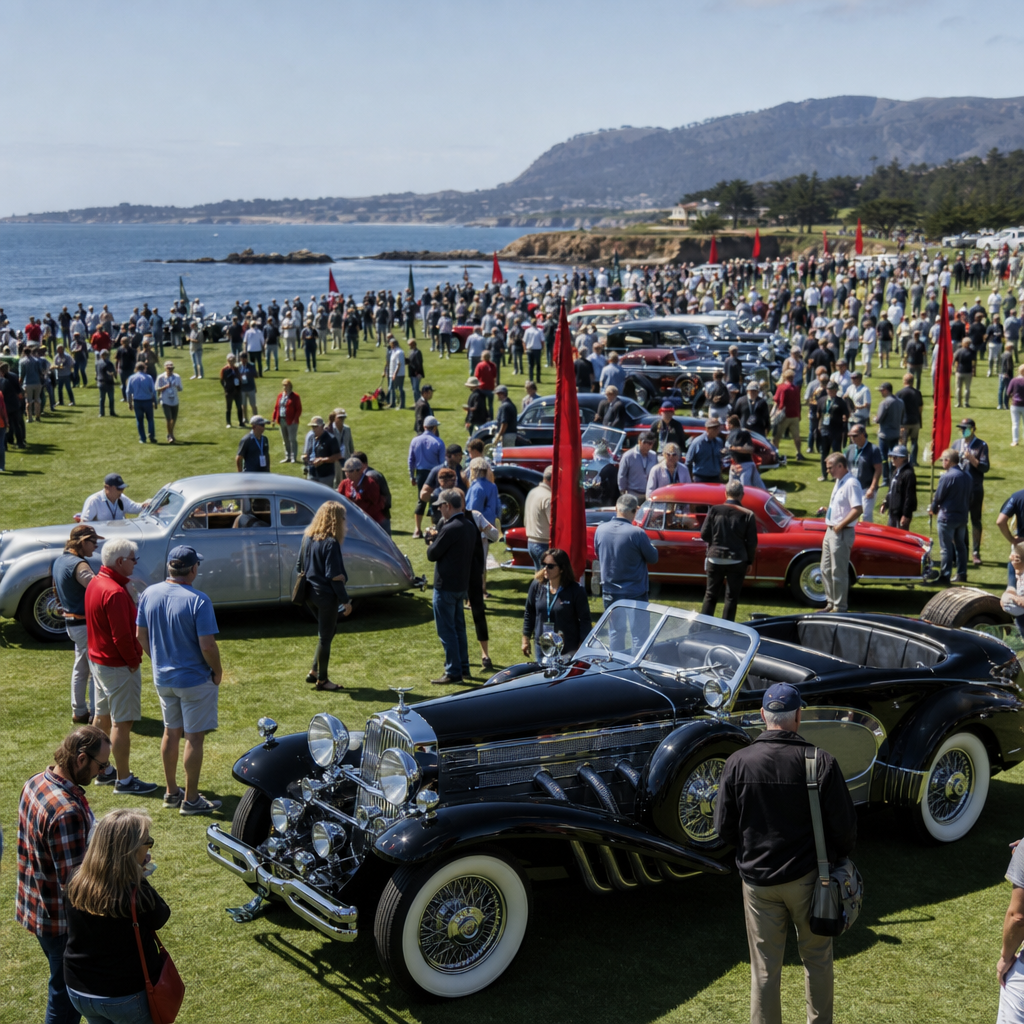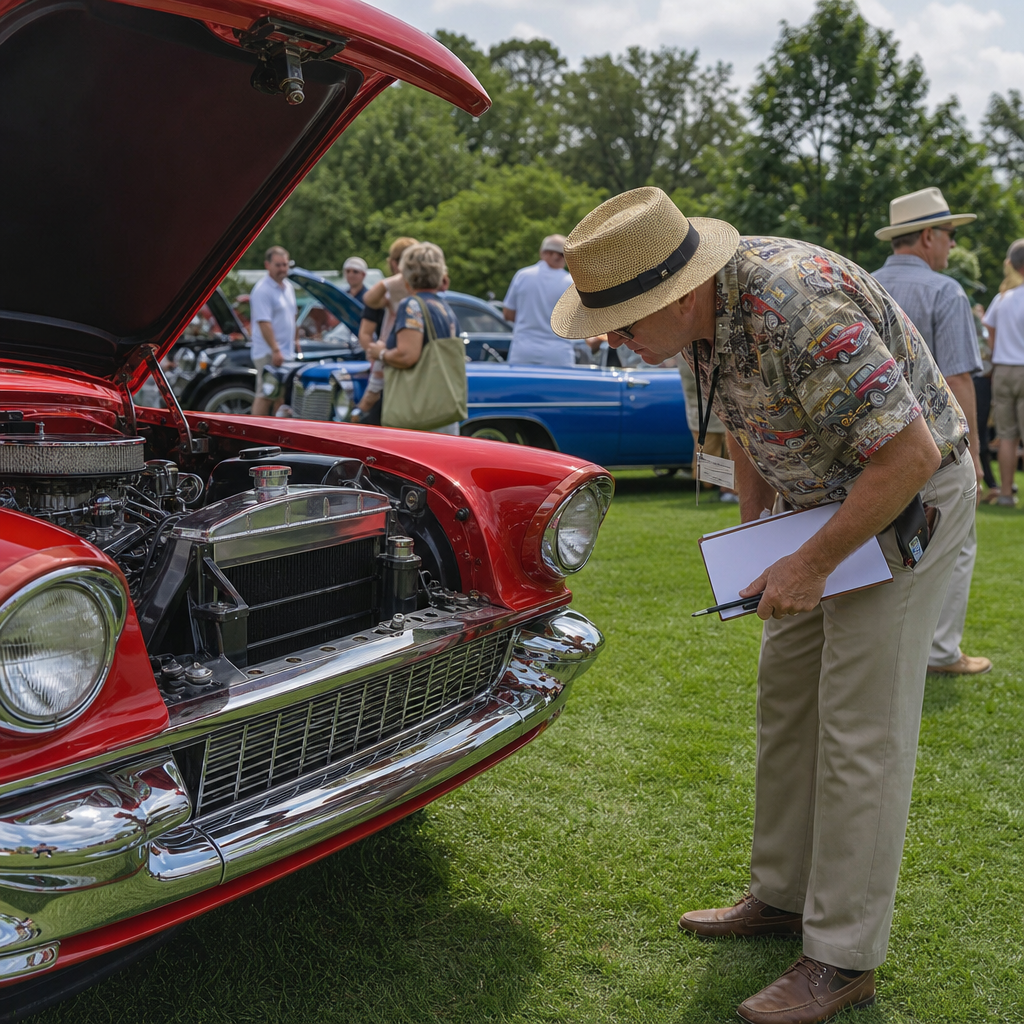
Documenting your classic car journey turns a simple drive into a lasting record of places, people, repairs, and memories. In classic car travel, “documentation” means more than photos of a polished hood at a gas station. It includes trip planning notes, maintenance logs, route maps, lodging records, event passes, fuel receipts, restoration observations, and the stories gathered along the way. A well-documented journey helps owners preserve provenance, improve reliability, share advice with other enthusiasts, and create content that remains valuable long after the road trip ends.
This matters because classic car travel is different from modern road tripping. Older vehicles demand more preparation, more mechanical awareness, and more flexibility. A 1966 Mustang, a Triumph TR6, or a Mercedes-Benz W113 can deliver unmatched character, but each mile also produces information worth keeping: temperature behavior in summer traffic, fuel economy at highway speed, brake fade on mountain descents, or the exact spare parts that solved a roadside issue. I have seen owners regret skipping these details when they later sell the car, retrace a favorite route, or troubleshoot a recurring problem. The strongest travel records combine emotion with evidence.
As a hub for classic car travel, this guide explains how to document the full journey from pre-trip preparation to post-trip archiving. It covers what to record, which tools work best, how to capture meaningful photos and video, how to log maintenance on the road, and how to turn scattered notes into a useful narrative. Whether you drive to regional cruise nights, cross several states for a concours event, or take annual vintage road tours, the same principle applies: the better you document the trip, the more practical and memorable your classic car life becomes.
Start With a Travel Record System Before the Engine Fires
The best documentation starts before departure. Build a repeatable travel record system that you can use for every outing, from a fifty-mile Sunday drive to a thousand-mile tour. At minimum, create a trip file containing the vehicle year, make, model, VIN or chassis number, odometer reading, route summary, travel dates, passengers, and planned stops. Add a checklist for fluids, belts, hoses, ignition parts, tire pressures, jack, tools, and spares. If the car is modified, note exactly what has changed, such as electronic ignition, aluminum radiator, overdrive gearbox, or radial tire conversion. Those details explain how the car performs on the road.
I recommend using a dual system: digital for convenience and paper for redundancy. A cloud note app, spreadsheet, or dedicated mileage tracker is easy to search later. A printed binder or clipboard works when mobile signal disappears or when your battery dies at a remote overlook. Include emergency contacts, insurance documents, roadside assistance numbers, and parts references such as spark plug type, oil grade, fan belt number, and tire size. Owners traveling in orphan marques or low-production cars should also list specialist suppliers. This one preparation step saves time and adds confidence when something goes wrong far from home.
Your travel record should also define the purpose of the trip. Are you chasing scenic roads, attending a show, testing a fresh restoration, or visiting automotive museums? Purpose determines what matters most. A shakedown run after restoration needs close notes on overheating, vibration, charging voltage, and fluid leaks. A tourism-focused trip needs stronger location notes, photography plans, and lodging details. A judged event trip may require provenance documents and meticulous cleanliness records. When your documentation system reflects the trip’s goal, your notes become organized rather than random.
What to Record During a Classic Car Road Trip
While traveling, capture information in categories instead of trying to remember everything at day’s end. Record route data, vehicle behavior, maintenance events, costs, and personal observations. Route data should include roads taken, weather, mileage between stops, fuel octane used, average speed, and elevation changes if relevant. Vehicle behavior should include cold start quality, hot idle, temperature range, oil consumption, brake feel, steering response, unusual noises, and electrical issues. Costs matter too. Fuel, oil, tolls, lodging, parking, entry fees, and repair purchases show the real economics of classic car travel and help plan future trips more accurately.
Personal observations are equally important because they transform a logbook into a story. Note the diner where three retired mechanics told you about driving the same model in the 1970s. Write down the mountain town where your generator light flickered at sunset. Mention the child who asked why the vent windows open. These moments are part of classic car culture and often become the most meaningful details later. Good travel documentation balances technical information with human experience.
| Category | What to Capture | Why It Matters |
|---|---|---|
| Vehicle condition | Temperature, oil pressure, voltage, leaks, noises, tire wear | Helps diagnose issues and compare performance across trips |
| Route details | Road names, mileage, weather, traffic, fuel stops | Makes routes repeatable and improves future planning |
| Expenses | Fuel, lodging, tolls, parts, event fees | Builds realistic trip budgets and ownership records |
| Memories | People met, landmarks, meals, scenic stops, events | Turns a mechanical log into a personal travel archive |
| Repairs | Symptoms, parts used, tools needed, fix outcome | Creates a practical reference for recurring problems |
Keep entries short while driving and expand them later. A voice memo at a fuel stop saying, “210 degrees in traffic, settled to 185 at speed, slight stumble after hot restart, filled with 91 octane in Flagstaff,” is enough to preserve useful facts. At night, convert those prompts into full notes. This method is realistic, safe, and much better than trusting memory after several long days behind the wheel.
Use the Right Tools for Photos, Video, and Mapping
The best tools for documenting classic car travel are simple, reliable, and easy to use with greasy hands. A smartphone covers most needs: photos, video, GPS, voice notes, and cloud backup. Pair it with a windshield or dash mount for parked walkaround clips and route summaries, not active handheld filming. A compact mirrorless camera can improve image quality, especially in poor light or at events, but it only helps if you actually carry and use it. For many owners, the phone remains the best default tool because speed matters more than perfection on the road.
Photo coverage should follow a repeatable shot list. Capture departure mileage, the car loaded for travel, front three-quarter and rear three-quarter angles at major stops, dashboard instruments during breaks, engine bay condition each morning, and one wide environmental image showing where the car is in context. That context separates a travel archive from a generic gallery. A Jaguar E-Type parked beneath a motel sign on Route 66 says more than another isolated glamour shot in a parking lot. Include details too: vintage maps, worn shift knobs, event wristbands, and handwritten motel receipts all add texture.
Video works best when it answers clear questions. How did the straight-six sound on a cold start? What did the cabin experience feel like at seventy miles per hour? How difficult was the steep canyon climb in second gear? Short clips outperform long, unfocused footage. Record startup, idle, drive-by passes, scenic pull-offs, and quick end-of-day recaps. If you use an action camera, verify mounting security and local laws. Safety and legality come first.
Mapping tools deserve more attention than they get. Save planned routes in Google Maps, Apple Maps, Gaia GPS, or Roadtrippers, but also export key waypoints separately. Older roads, mountain areas, and cross-border trips can expose connectivity limits. Mark fuel stations that offer premium fuel if your engine requires it. Tag trusted repair shops, marque specialists, and towing providers along the route. Over time, your custom map becomes one of the most useful assets in your classic car travel archive.
Document Maintenance, Breakdowns, and On-the-Road Fixes
Every classic car trip generates maintenance data, and this is where many owners either create long-term value or lose it. Record every check, adjustment, and repair with date, mileage, location, symptom, diagnosis, and resolution. If the SU carburetors needed balancing in Santa Fe, note the conditions that revealed the problem. If the small-block Chevy ran hotter after a long grade with the air conditioning on, document ambient temperature, coolant mix, and fan behavior. Specificity matters. “Ran hot” is vague. “Climbed to 225 degrees during a fifteen-minute uphill traffic jam at 95°F, recovered after fan override switch was engaged” is useful.
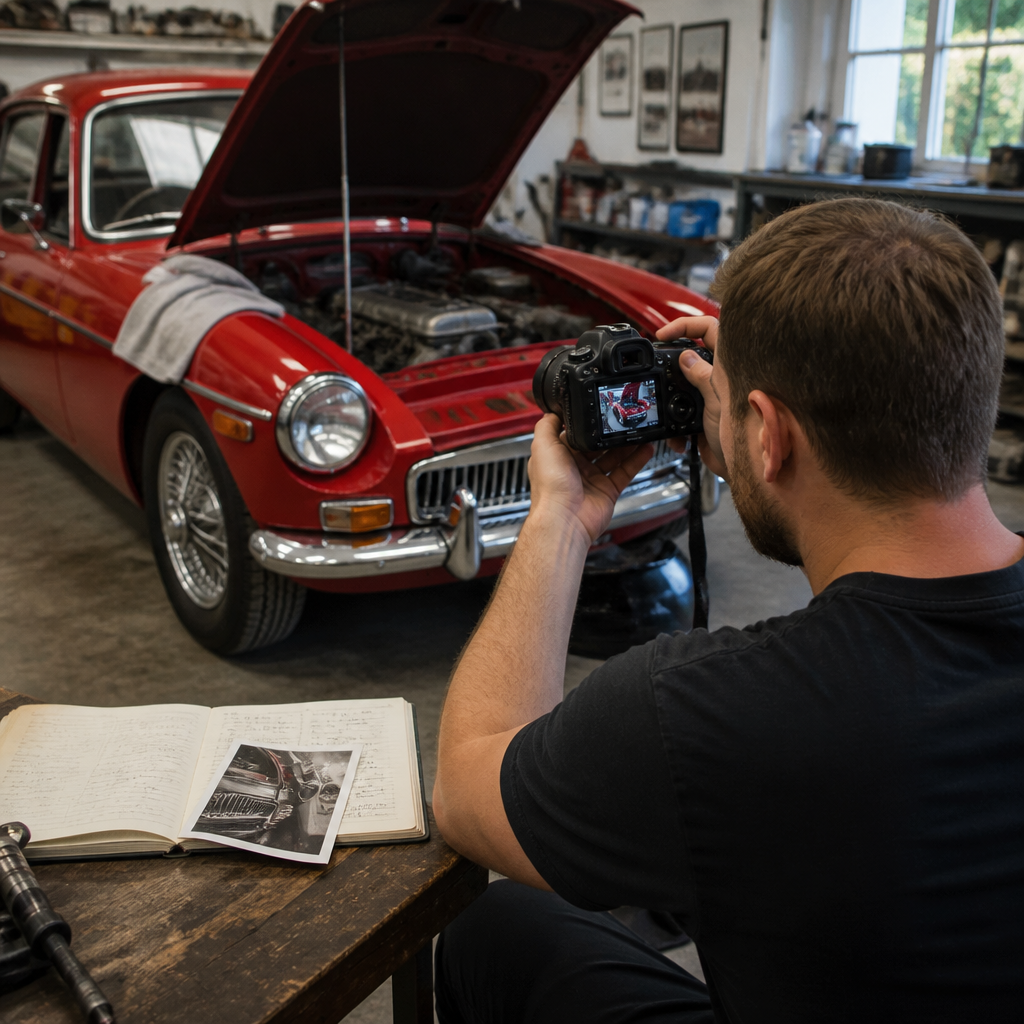
Photograph problem areas before and after repairs whenever possible. Take a picture of the cracked upper radiator hose, the failed voltage regulator, or the improvised throttle return spring that got you to the next town. Save receipts for parts, fluids, towing, and shop labor. If a local mechanic helps, record the shop name and what they noticed. These details support future troubleshooting and also strengthen the car’s ownership history. Buyers and insurers appreciate organized evidence, especially on cars that are driven rather than trailered.
Be honest in your records. Do not hide breakdowns to make the trip sound flawless. A realistic log showing one ignition failure, one fuel vapor issue, and a successful three-thousand-mile completion is more credible than a polished story with no setbacks. In my experience, the most respected classic car travel stories are not the ones without trouble; they are the ones where the owner explains how preparation, adaptability, and sound mechanical judgment kept the trip moving.
Turn Travel Notes Into Stories People Actually Want to Read
Good documentation becomes more valuable when you shape it into a narrative for family, club members, or a broader enthusiast audience. The easiest framework is chronological: preparation, departure, first challenge, best road, memorable stop, lesson learned, and final reflection. This structure works for blog posts, club newsletters, forum reports, social media threads, or printed trip albums. Keep the writing concrete. Instead of saying the drive was amazing, explain that the car tracked straight through a pine-lined two-lane at sunrise, the overdrive dropped engine speed noticeably, and the cabin smelled faintly of warm oil and old vinyl.
If you publish online, answer common reader questions directly. What car did you drive? How far did you go? What broke? What fuel economy did you get? Would you take the same route again? What tools and spare parts were essential? Readers searching for classic car travel advice want decisions and outcomes, not vague sentiment. Include model-specific notes when relevant. An air-cooled Volkswagen owner needs different preparation than a Cadillac owner with a big-block V8 and automatic transmission. Precision is what makes hub content genuinely useful.
This is also where internal topic connections help. A classic car travel hub should point readers toward related subjects such as road trip packing, pre-trip inspections, vintage rally etiquette, roadside emergency kits, trailer-versus-drive decisions, and how to find classic-friendly lodging. When your documentation identifies recurring questions, it naturally reveals the supporting articles enthusiasts need next. That makes your travel archive useful both as memory preservation and as a roadmap for future content.
Archive Everything So the Journey Stays Usable for Years
The final step is archiving. Without a clean archive, even excellent notes become digital clutter. Create one master folder for each trip named by year, car, and route, such as “2026 Porsche 356 Blue Ridge Parkway Tour.” Inside, separate photos, videos, scanned receipts, maintenance logs, maps, event documents, and final written summaries. Rename image files with meaningful terms instead of leaving them as default camera numbers. Back up the folder in at least two places, such as a cloud service and an external drive. Important paper items should be scanned at readable resolution and stored in acid-free sleeves if you keep originals.
Update the car’s long-term service history with trip findings. If you noticed weak charging, uneven tire wear, or recurring vapor lock, add that information to the main maintenance file and schedule follow-up work. This closes the loop between travel and preservation. Over time, your records may show patterns: perhaps the car consistently prefers one ignition timing setting on modern premium fuel, or perhaps a certain brand of electric fuel pump solved hot-weather restart issues. Patterns only become visible when documentation is consistent.
A well-built classic car travel archive preserves more than miles. It protects the car’s story, improves maintenance decisions, and gives every journey a second life after the engine cools. Start with a simple system, record facts as they happen, capture the people and places around the car, and organize the results as soon as you return. If you want your classic car journey to matter beyond the moment, document the next trip with intention and keep building your archive one drive at a time.
Frequently Asked Questions
What should I include when documenting my classic car journey?
A strong record of a classic car journey should capture both the mechanical facts and the human story behind the trip. Start with the basics: dates, destinations, mileage, routes taken, fuel stops, weather conditions, and where you stayed along the way. From there, add maintenance details such as oil checks, fluid top-offs, tire pressure changes, tune-ups, roadside adjustments, and any parts replaced during the trip. These notes are especially valuable with older vehicles because they help you spot patterns, prevent repeat issues, and build a more accurate operating history over time.
Just as important are the supporting materials that give the journey context. Keep copies of fuel receipts, lodging confirmations, event passes, ferry tickets, parking stubs, and service invoices. Save route maps, handwritten travel notes, and restoration observations you make before, during, and after the drive. Photos and videos should go beyond glamour shots of the car. Capture the dashboard at key mileage points, engine bay conditions, roadside repairs, scenic stops, people you meet, local car events, and the small details that make the trip memorable. When combined, these items create a complete picture of how the car was used, how it performed, and what the experience meant.
If you want your documentation to be truly useful in the long term, include personal reflections as well. Record what the car felt like at highway speed, how it handled mountain roads, what conversations the trip sparked, and what you learned as an owner. That combination of provenance, practical records, and storytelling turns a simple travel log into a meaningful archive that can support future maintenance, enhance resale credibility, and preserve memories for years to come.
Why is documentation so important for classic car owners?
Documentation matters because classic cars are rarely judged on appearance alone. Their value, reliability, authenticity, and story are all strengthened by a clear paper trail. When you document a journey carefully, you create evidence of how the vehicle has been maintained, exercised, and cared for in real-world conditions. That can be useful for your own planning, but it also becomes important if you ever sell the car, insure it at an agreed value, enter it in shows, or explain its restoration history to future owners.
Travel records also help owners make better decisions. A simple maintenance log can reveal that a certain hose tends to loosen after long highway runs, or that fuel consumption changes noticeably in hotter weather or at higher elevations. Notes like these improve trip planning and reduce guesswork before the next drive. For classic cars, where parts age, systems behave differently from modern vehicles, and preventative care matters tremendously, documentation becomes a practical reliability tool rather than just a sentimental exercise.
There is also a preservation angle that should not be overlooked. A classic car journey is often about more than transportation. It connects the owner to automotive history, local communities, vintage events, and shared experiences with family or fellow enthusiasts. By keeping organized records, you preserve not just where the car went, but how it lived. That gives the vehicle a richer, more traceable history and makes your ownership chapter a meaningful part of its ongoing story.
What is the best way to organize photos, receipts, maintenance logs, and trip notes?
The best system is one you will actually use consistently, and for most owners that means combining digital and physical records. Create a dedicated folder structure for each trip and name everything clearly with dates and locations. For example, you might use folders for route planning, photos, receipts, service documents, event materials, and journal entries. Within those folders, label files with useful details such as “2026-05-14_Fuel_Stop_Amarillo” or “2026-05-15_WaterPump_Inspection.” This makes it much easier to retrieve information later, especially if you want to compare multiple trips over several seasons.
Physical items should also be preserved carefully. Store receipts, passes, handwritten notes, postcards, and maps in acid-free sleeves, envelopes, or binders organized by trip. If a receipt is printed on thermal paper, scan it quickly because the text can fade over time. Maintenance invoices should be paired with your own notes explaining why the work was done, what symptoms led to it, and whether the repair fully solved the issue. This additional context often becomes more valuable than the receipt itself months or years later.
For the most complete system, keep a master journey log that summarizes each trip in one place. Include the start and end mileage, major route segments, maintenance performed, significant costs, memorable encounters, and lessons learned. Link this summary to your photo archive and scanned documents. Cloud backup is strongly recommended, along with a second copy on a local drive. With older vehicles, records can become part of the car’s legacy, so treating your files like an archive rather than loose memorabilia is the smartest long-term approach.
How often should I update my travel and maintenance records during a classic car trip?
The ideal approach is to update records throughout the trip rather than waiting until you get home. Small details disappear quickly, especially after a long day on the road. Make brief entries at each fuel stop, at the end of each driving day, and any time the car shows unusual behavior. Record mileage, fuel quantity, oil usage if relevant, route changes, temperature conditions, and any adjustments you make. If the car develops a rattle, runs hotter than expected, hesitates on climbs, or needs a quick repair, document it immediately while the information is fresh and accurate.
Daily updates are usually enough for general travel notes, but maintenance-related observations should be logged whenever they happen. Even a minor note such as tightening a battery connection, adding coolant, or cleaning a carburetor component can become important later if the same issue returns. These in-the-moment records help you distinguish between one-off incidents and recurring patterns. They also help mechanics, restoration specialists, or future owners understand how the car behaved in actual use instead of relying on memory alone.
To make this easy, use a simple routine. Keep a notebook in the glovebox or use a notes app on your phone for quick entries, then transfer everything into a more organized format each evening or after the trip. You can also take timestamped photos of receipts, odometer readings, and repair work as a fast backup method. Consistency matters more than perfection. A record updated in small, regular increments is usually far more useful than a polished summary written weeks later.
Can documenting a classic car journey increase the car’s long-term value?
Yes, thorough documentation can absolutely strengthen a classic car’s long-term value, although the impact depends on the vehicle, the quality of the records, and the interests of future buyers or collectors. Documentation does not replace originality, condition, or mechanical quality, but it supports all three by proving how the car has been maintained and used. A buyer is far more likely to trust a vehicle that comes with organized trip logs, service records, route history, photos, restoration observations, and receipts than one with vague claims and little supporting evidence.
Well-kept journey records can also enhance provenance. If the car has participated in notable tours, attended recognized events, completed memorable road trips, or been maintained with consistent care over time, those facts become part of its story. Provenance is often what separates an interesting old car from one with a well-documented ownership history. Even if the car is not a top-tier concours model, clear records can make it more appealing because they reduce uncertainty and show attentive stewardship.
There is also value beyond resale price. Documentation helps protect the owner’s investment by supporting insurance appraisals, justifying restoration decisions, and preserving historical continuity as the car changes hands. In many cases, the real benefit is confidence: confidence in what has been done, confidence in how the car performs, and confidence that the memories attached to it will not be lost. For a classic car, that kind of documented history is often one of the most meaningful assets the vehicle can carry.