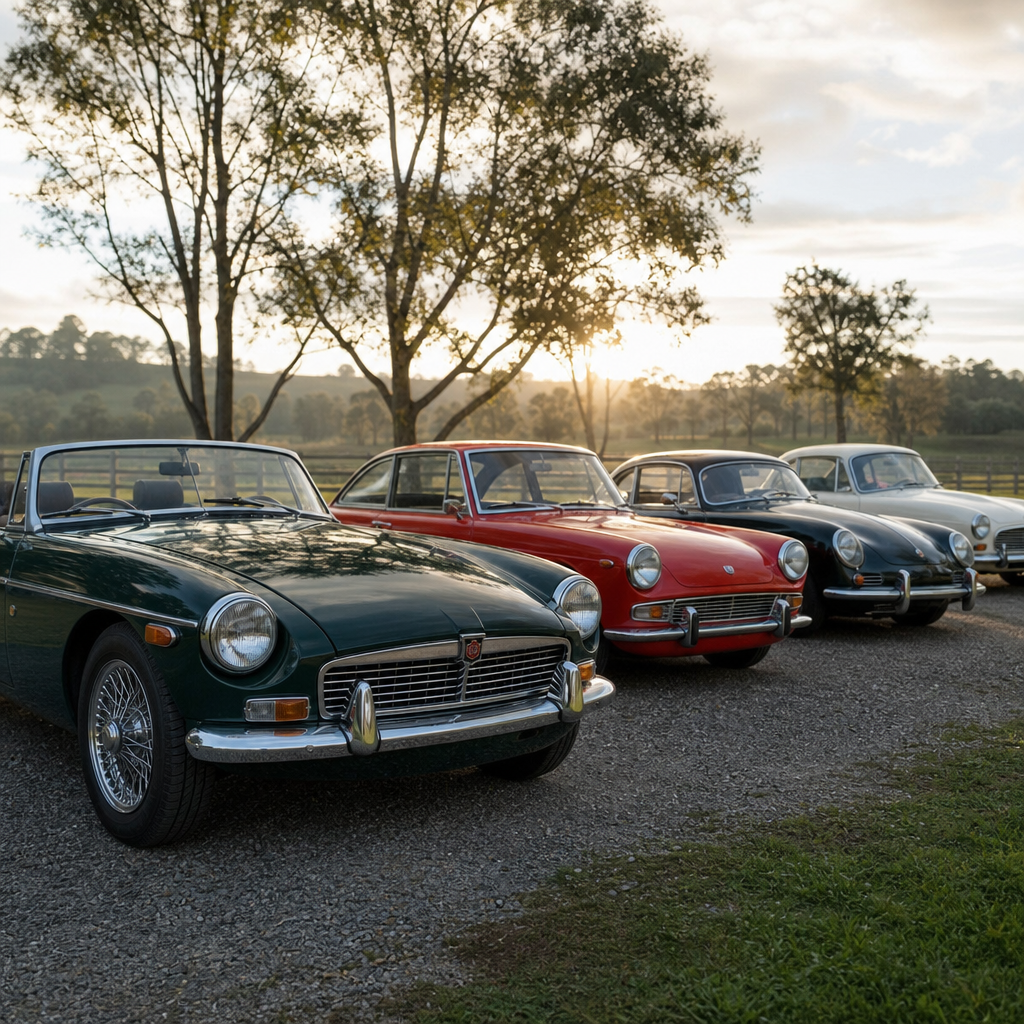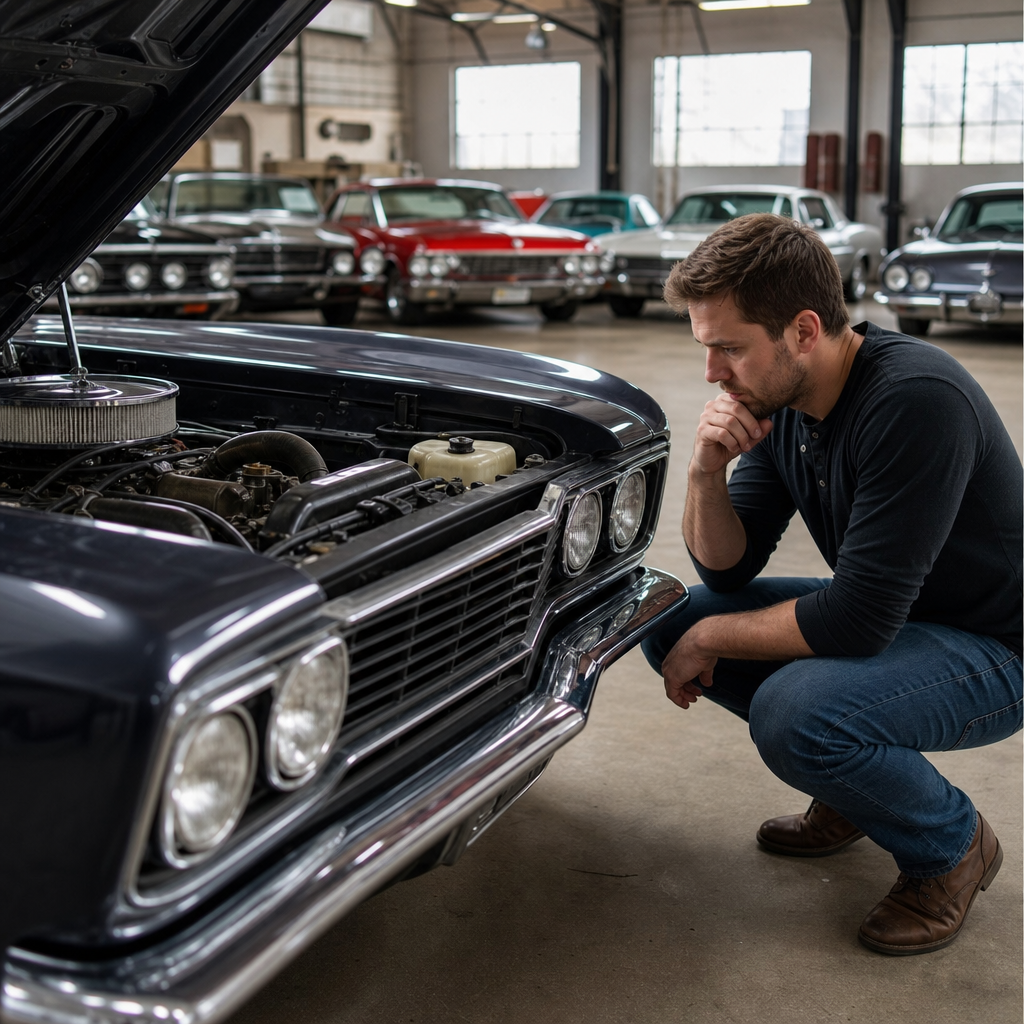

Choosing the right classic car for your lifestyle starts with a simple truth: the best vintage vehicle is not always the rarest, fastest, or most expensive, but the one you will actually enjoy owning, driving, maintaining, and affording. In the classic car world, “right” means a practical match between your goals and a car’s age, condition, parts support, driving character, storage needs, and long-term costs. “Classic car” usually refers to an older enthusiast vehicle with historical, design, or cultural significance, though insurers and clubs often define the term differently, commonly using 20 to 25 years as a threshold. I have helped first-time buyers evaluate everything from chrome-heavy 1950s cruisers to fuel-injected 1990s sports coupes, and the same pattern appears every time: people are happiest when they buy for use, not fantasy.
This matters because classic car ownership is unlike buying a modern commuter. There is no single blue-book shortcut that captures originality, rust repair quality, documentation, trim completeness, and model-specific mechanical weaknesses. A car that looks cheaper upfront can become more expensive after one upholstery refresh, brake overhaul, and fuel-system rebuild. A supposedly “easy” starter classic can also disappoint if it cannot keep up with your intended driving, family needs, or comfort expectations. On the other hand, a well-chosen beginner classic can teach mechanical basics, hold value reasonably well, connect you with clubs and events, and turn ordinary weekend drives into memorable experiences. This guide works as a hub for beginner guides within classic car basics and education, covering the major decisions every first-time buyer should make before shopping seriously.
Define Your Lifestyle Before You Define the Car
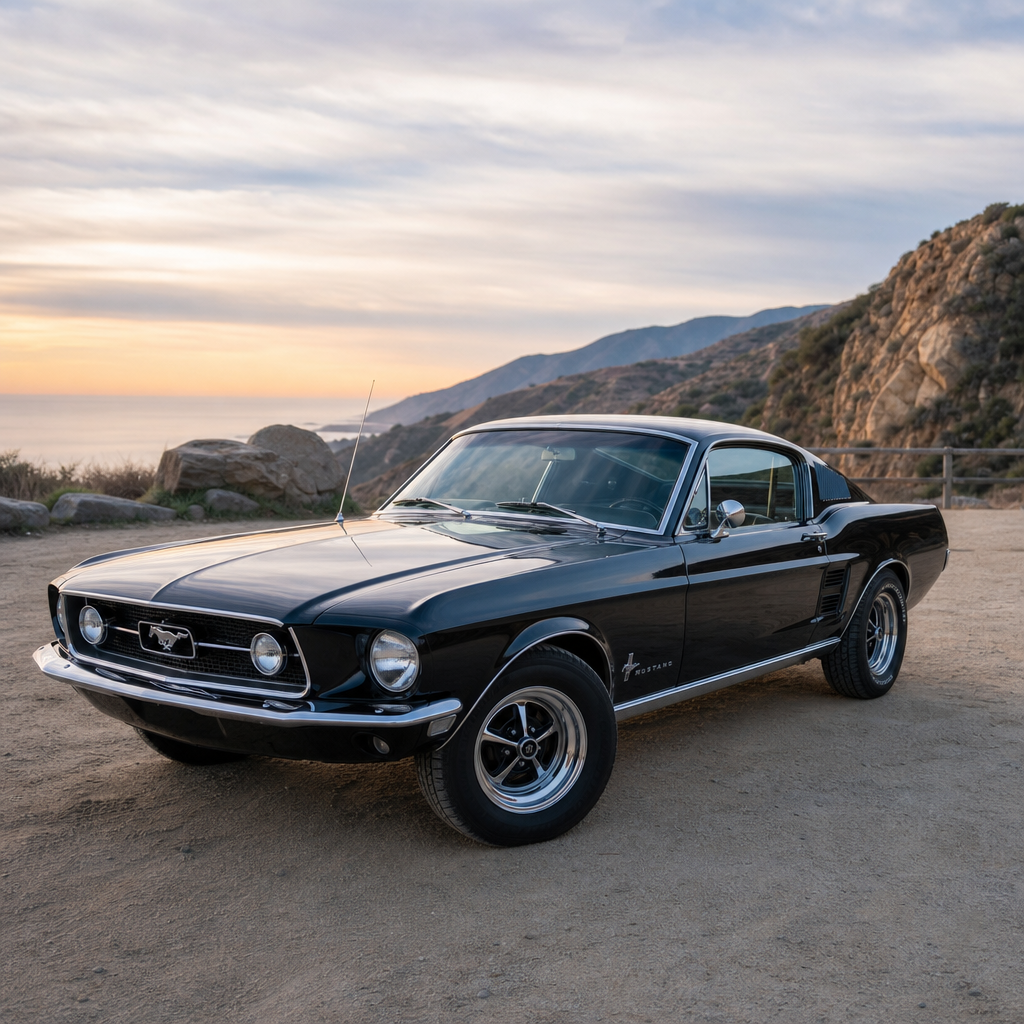
The first step is to decide how the car will fit into your life. Ask whether you want a weekend cruiser, a show car, a back-road driver, a family-friendly classic, a project, or a vehicle you can use for errands and local commuting. Each use case points toward a different type of classic. A retired couple who wants scenic Sunday drives may love a 1965 Ford Mustang convertible, but a young family might be better served by a 1970s Mercedes-Benz sedan with four doors and stronger parts availability. If you enjoy road trips, overdrive gearing, parts interchangeability, and decent cooling performance matter more than concours originality.
Climate and storage should influence your shortlist immediately. If you live in a wet region and only have outdoor parking, chrome trim, old weather seals, and vulnerable floorpans create real headaches. Rust is the single biggest financial trap for beginners because it affects structure, paint, trim fit, and future resale. Dry-climate cars from the Southwest often command premiums for good reason. Likewise, if your garage has a steep driveway or limited width, low sports cars or long finned coupes can become frustrating. A classic that is easy to cover, start, and move gets used more often. One that is physically awkward or weather-sensitive often becomes an expensive decoration.
Your comfort threshold matters too. Some owners genuinely enjoy manual steering, drum brakes, vent windows, carburetor warm-up routines, and non-synchronized first gears. Others think they do until they spend two hours in traffic on a summer day. Be honest about how much vintage behavior you find charming. A 1994 Mazda MX-5 Miata, C4 Chevrolet Corvette, or W124 Mercedes-Benz often gives a beginner a classic-era ownership feel with better drivability than a 1950s or early 1960s car. There is no prize for choosing a more demanding car than your lifestyle supports.
Set a Realistic Budget Beyond the Purchase Price
A beginner should think in terms of total acquisition cost, not listing price. That means purchase price plus transport, inspection, tax, registration, insurance, immediate maintenance, and a reserve fund for the first year. In my experience, even solid driver-quality classics usually need baseline work after purchase: fluids, belts, hoses, tires, battery, ignition components, brake inspection, and often fuel-system cleaning. Cars that have sat for long periods can need more than actively driven cars, even if their paint looks excellent. Rubber ages, seals dry out, and stale fuel causes issues that a test drive may not reveal.
The market also rewards discipline. It is often smarter to buy the best example of a modest model than the cheapest example of a prestigious one. A sorted Chevrolet Nova, Volvo 240, or MGB can be a better beginner ownership experience than a tired Jaguar E-Type or Porsche 911 with deferred maintenance. Premium marques carry premium parts pricing, specialized labor, and stronger penalties for incomplete trim or poor bodywork. Paint and body restoration consume budgets faster than most mechanical repairs. An engine rebuild on a common small-block V8 can be manageable; repairing hidden rust around a windshield frame, quarter panels, and trunk floor can spiral quickly.
| Buyer Goal | Best Beginner Fit | Why It Works | Main Watchouts |
|---|---|---|---|
| Weekend cruising | 1965–1973 American coupe or convertible | Strong club support, simple mechanics, broad parts catalogs | Rust, poor prior restorations, weak brakes on base models |
| Reliable regular use | 1980s–1990s Mercedes, Volvo, or BMW sedan | Comfort, practicality, fuel injection, better road manners | Electrical aging, vacuum leaks, model-specific service costs |
| Affordable sports driving | Mazda MX-5, MGB, Alfa Spider | Engaging handling, strong enthusiast communities | Rust, soft-top wear, cooling and carburetion on older cars |
| Family outings | Classic wagon or full-size sedan | More seating, easier entry, luggage space | Large storage footprint, fuel economy, trim scarcity |
| Hands-on project | Popular domestic platform with complete parts support | Lower complexity, easy drivetrain sourcing | Scope creep, hidden rust, missing interior and exterior pieces |
Insurance is another major factor. Agreed-value policies from specialty insurers such as Hagerty or Grundy can be cost-effective, but they usually assume limited use, secure storage, and a second daily driver. Read mileage and use restrictions carefully. If you expect to drive often, verify whether your policy allows commuting, event travel, or overnight parking away from home. A cheap premium is not a bargain if it does not match how you plan to use the car. Build your budget around realistic ownership, not best-case assumptions.
Choose the Right Era, Body Style, and Mechanical Complexity
Different eras deliver very different ownership experiences. Prewar and immediate postwar cars offer strong historical appeal but require more specialized knowledge, slower-road expectations, and often more fabrication. Cars from the mid-1950s through early 1970s are what many buyers picture first: chrome, simple engines, analog feel, and straightforward repair access. They can be excellent beginner choices if you accept older safety standards and comfort limitations. Late 1970s cars vary widely. Some are affordable entries into the hobby, while others suffer from emissions-era drivability compromises and weak aftermarket support depending on model.
For many beginners, the sweet spot is the 1980s through 1990s. These vehicles often combine classic styling and growing collectibility with electronic fuel injection, better brakes, improved rustproofing, and highway usability. Models like the Fox-body Ford Mustang, third-generation Chevrolet Camaro, BMW E30, Mercedes R107, and Jeep Cherokee XJ have broad communities and deep knowledge bases. They are also easier to integrate into modern traffic. If your lifestyle includes frequent driving, passengers, or longer trips, this era deserves serious attention. You still need model-specific research, but the learning curve is often gentler than with earlier cars.
Body style changes the ownership equation more than many buyers expect. Convertibles offer the strongest sense of occasion, but they are noisier, less secure, and often structurally less rigid. Coupes usually deliver cleaner styling and better body integrity. Sedans and wagons are underrated for beginners because they are easier to live with and often cost less than equivalent sporty models. Pickup trucks are appealing because parts can be simple and utility is high, but ride quality and cabin comfort vary dramatically by generation. The right body style is the one that supports your actual routine, not only your idealized weekend photo.
Research Parts Availability, Community Support, and Known Problems
A beginner-friendly classic is one with a strong support ecosystem. Before you buy, check whether major mechanical, trim, glass, weatherstrip, and interior parts are available from reputable suppliers. Popular American models often benefit from extensive reproduction catalogs from companies like National Parts Depot, YearOne, and CJ Pony Parts. British and European classics may rely on specialists such as Moss Motors, FCP Euro, Pelican Parts, or marque-specific vendors. Availability of consumables is not enough. You also need confidence that hard-to-find trim, lenses, switches, and body seals can be sourced without months of hunting.
Owner communities are equally important. A good forum archive, active Facebook group, regional club, and model registry can save you thousands of dollars in mistakes. When I evaluate a potential beginner classic, I look for signs that the community has already mapped the common failure points and repair solutions. For example, air-cooled Volkswagen buyers benefit from decades of shared knowledge on engine tuning and parts interchange. Fox Mustang buyers can find near-endless information on driveline swaps and suspension upgrades. Mercedes W123 owners have detailed guides for vacuum systems, diesel maintenance, and climate-control troubleshooting. Community depth reduces uncertainty.
Every model has known problem areas, and you should learn them before seeing a single car. A Triumph TR6 may hide frame rust and electrical issues. A C3 Corvette can look stunning while concealing birdcage corrosion. A BMW E30 may have odometer gear failure, cooling system age, and rust around battery trays or jacking points. Older American muscle cars often suffer from VIN ambiguity, non-original drivetrains, and cosmetic restorations that mask poor metalwork. Reading factory service manuals, buyers’ guides, and club-authored checklists will make you faster and more confident during inspections. Education lowers cost because it helps you reject the wrong cars early.
Inspect Condition, Originality, and Documentation Like a Buyer, Not a Dreamer
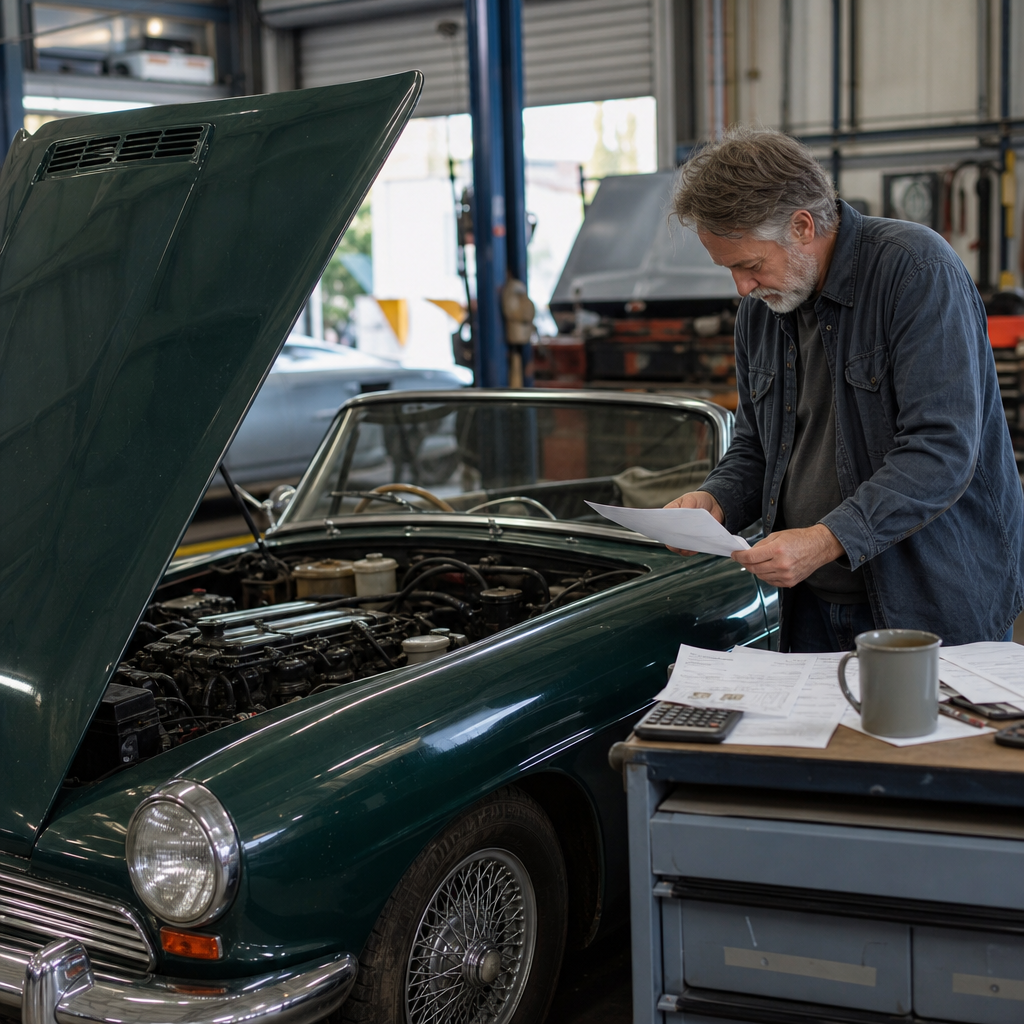
Condition is king, and rust-free structure beats shiny paint almost every time. Start with body gaps, floorpans, rocker panels, trunk floors, frame rails, suspension pickup points, and lower fenders. Bring a flashlight and magnet where appropriate, but also use your eyes: mismatched undercoating texture, overspray on seals, and bubbling near trim are warnings. Fresh paint is not proof of quality. I have seen beautiful auction photos hide poor welds, thick filler, and patchwork repairs that only become obvious on a lift. If you are new, pay for a pre-purchase inspection by a shop that knows the exact model.
Originality matters differently depending on your goals. For investment-oriented buyers, matching numbers, original colors, factory options, and documented provenance may be critical. For lifestyle buyers, tasteful upgrades can actually improve enjoyment. Electronic ignition, radial tires, front disc brakes, improved cooling, and discreet seat belts can make a classic safer and more usable. The key is transparency and quality. Documented, reversible modifications are far better than hacked wiring, cut dashboards, or engine swaps done without supporting upgrades. Buy the car that aligns with your purpose, but know how modifications affect value and insurability.
Documentation should include title clarity, VIN or chassis verification, service records, restoration invoices, ownership history, and any judging sheets or original manuals. A thick folder does not guarantee a good car, but missing paperwork should lower confidence and price. During a test drive, evaluate cold start behavior, idle stability, oil pressure, charging performance, transmission operation, steering play, braking feel, cooling temperature, and any vibration under load. Let the car warm fully. Many issues appear only after heat soak. A disciplined inspection turns an emotional purchase into an informed one, which is exactly what first-time classic car buyers need.
Match the Car to Your Skills, Time, and Ownership Goals
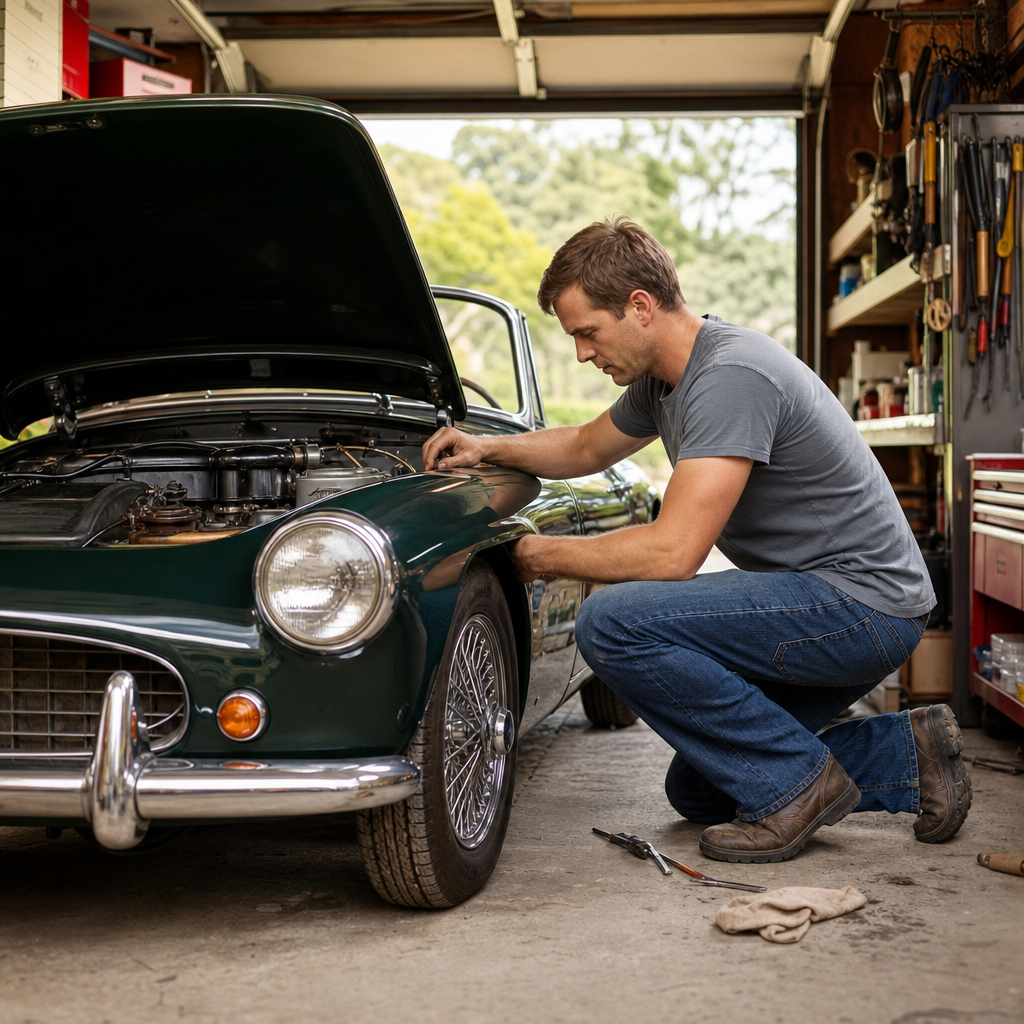
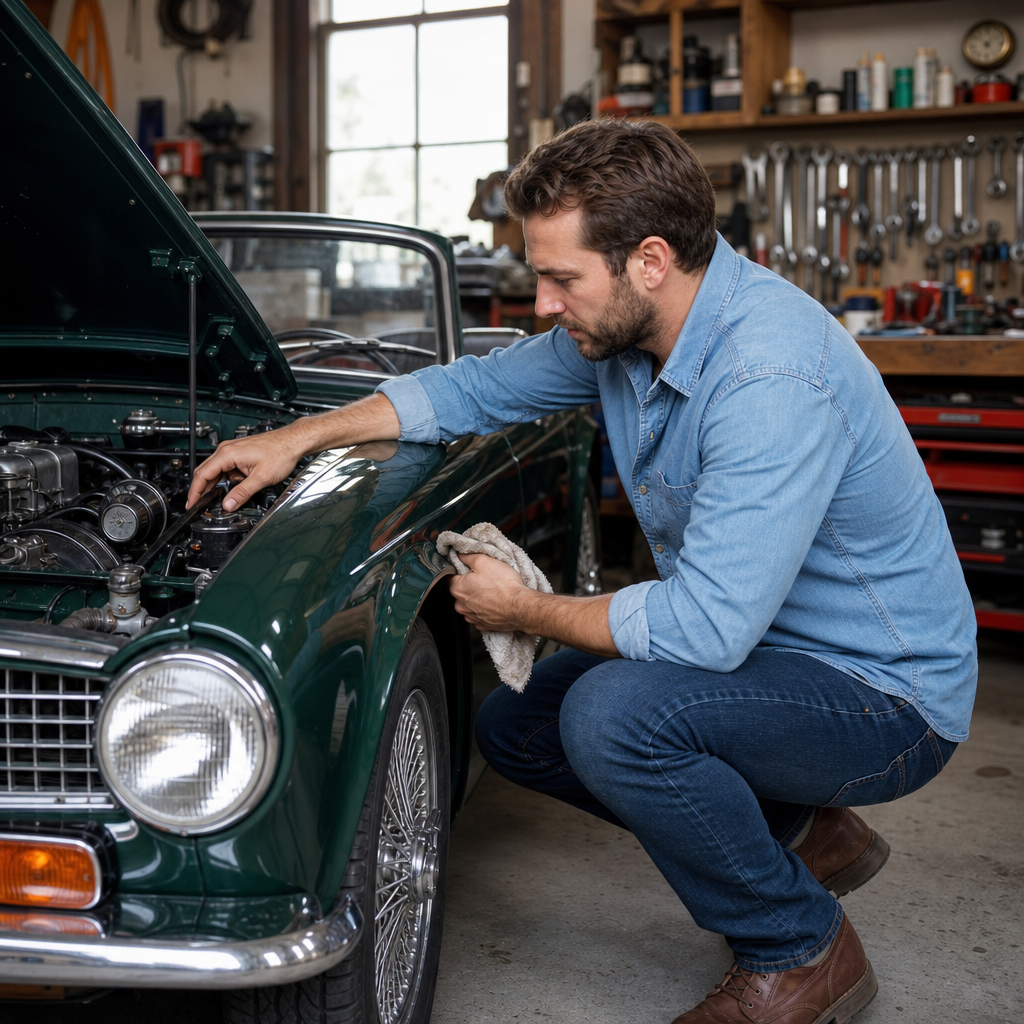
The final decision should reflect who will maintain the car and how much time you can give it. If you enjoy learning with a basic tool set, a carbureted domestic coupe, classic truck, or simple British roadster can be rewarding. If you prefer driving over wrenching, choose a model with strong specialist support nearby and proven reliability in driver condition. There is no shame in outsourcing work. The mistake is buying a project that assumes skills, space, and patience you do not have. Unfinished restorations frequently change hands because owners underestimated the commitment.
Think about your first year of ownership as an educational phase. Plan to join a club, buy a factory service manual, create a baseline maintenance list, and set a realistic schedule for improvements. If your goal is family memories, prioritize seating, safety upgrades, and consistent starting. If your goal is local shows, focus on cosmetics and documentation. If your goal is spirited driving, pay attention to suspension condition, tire quality, and brake confidence before horsepower. The right classic car for your lifestyle is the one that supports your habits and helps you build experience without draining your enthusiasm or your finances.
Choosing the right classic car for your lifestyle comes down to alignment. Define how you will use the car, set a full ownership budget, choose an era and body style that fit your comfort level, research support networks and known faults, and inspect condition with discipline. Beginners do best when they favor solid structure, complete trim, available parts, and a strong owner community over badge prestige or bargain pricing. The best first classic is usually a well-sorted driver you can enjoy immediately while learning the hobby at a sustainable pace.
If you remember one principle, make it this: buy with your calendar, your garage, and your bank account in mind. A classic that starts reliably, fits your family or driving routine, and has a clear path to maintenance will deliver more satisfaction than an aspirational car that sits under a cover waiting for money and time. Use this beginner guide as your hub, then continue with deeper research on inspections, insurance, storage, maintenance planning, and model-specific buying guides before making an offer.
Start your shortlist now. Pick three models that match your lifestyle, study their common issues, and arrange a professional inspection before you buy. That approach will put you ahead of most first-time classic car shoppers and greatly increase the odds that your first vintage car becomes a lasting pleasure instead of a costly lesson.
Frequently Asked Questions
What does it really mean to choose a classic car that fits your lifestyle?
Choosing a classic car that fits your lifestyle means looking beyond appearance, auction headlines, and badge prestige to focus on how the car will actually function in your daily world. The right classic is not automatically the rarest model, the most powerful engine, or the one with the highest future value potential. It is the car that matches the way you plan to use it, the amount of time you can devote to maintenance, the budget you can comfortably sustain, and the type of driving experience you genuinely enjoy. For one owner, that may be a reliable, easy-to-source 1960s or 1970s coupe that starts consistently and can be driven on weekends with minimal fuss. For another, it may be a more specialized vintage sports car that demands hands-on attention but rewards mechanical involvement and historical character.
A lifestyle-based choice also means being honest about practical realities. Will the car be used for local cruise nights, long-distance touring, family outings, occasional commuting, or as a hobby project in the garage? Do you have covered storage, access to a trusted specialist, and the patience to deal with older braking systems, slower steering, or limited creature comforts? Classic cars vary enormously in ease of ownership. Some are surprisingly usable and forgiving, while others are best suited to experienced enthusiasts who enjoy constant tinkering. When buyers ignore these differences, they often end up with a car they admire more than they drive. The smartest approach is to define your goals first, then select a vehicle whose condition, mechanical simplicity, parts availability, and ownership demands align with how you live.
How important are maintenance needs and parts availability when buying a classic car?
They are absolutely central, and in many cases they should influence your decision as much as styling or performance. Every classic car, no matter how well restored, will require maintenance because age affects seals, wiring, hoses, fuel systems, suspension components, and countless other parts. The key difference between an enjoyable ownership experience and a frustrating one often comes down to how easily the car can be serviced and how readily replacement parts can be found. Models with strong enthusiast communities and healthy aftermarket support are generally easier and less stressful to own. If a vehicle shares components with other popular models, benefits from reproduction parts, or has a broad network of specialists, repairs tend to be more manageable in both cost and downtime.
By contrast, a rare or obscure classic can become expensive very quickly if parts are scarce, model-specific expertise is limited, or key components must be custom rebuilt. Even seemingly small issues can lead to long delays if you are waiting for hard-to-find trim pieces, electrical parts, carburetor components, or suspension hardware. Before buying, it is wise to research parts suppliers, owner forums, club support, service manuals, and specialist shops in your area. Also consider whether you plan to do any maintenance yourself. Some classic cars are mechanically straightforward and ideal for hobbyists, while others are tightly packaged, technically complex, or require marque-specific knowledge. A beautiful car with weak parts support may still be the right choice for a committed collector, but for most buyers, accessible maintenance and dependable parts availability are major indicators of long-term satisfaction.
Should I buy a fully restored classic car, a well-preserved original, or a project car?
The right choice depends on your budget, experience level, patience, and reason for owning the car. A fully restored classic is often the most convenient option for someone who wants immediate enjoyment and fewer surprises at the beginning of ownership. If the restoration was done properly, with documentation and quality workmanship, this route can provide confidence, visual appeal, and a quicker path to driving the car regularly. However, restored cars are usually more expensive upfront, and buyers should never assume that a fresh paint job or polished engine bay guarantees mechanical integrity. Restoration quality varies dramatically, so inspections and records remain essential.
A well-preserved original car can be an excellent middle ground. These vehicles often retain authentic finishes, factory details, and honest patina, which many enthusiasts value more than over-restoration. A solid original may also tell you more about the car’s true condition because it has not been cosmetically disguised. In some cases, preserving and maintaining a strong original example is more rewarding than buying a heavily restored one. A project car, on the other hand, is best for buyers who fully understand the time, cost, and emotional commitment involved. Project cars are often underestimated. What appears to be a bargain can become significantly more expensive than purchasing a sorted example once bodywork, interior restoration, mechanical rebuilding, and missing parts are factored in. If you enjoy the restoration process and have the skills, tools, and space, a project can be deeply satisfying. But if your main goal is to drive and enjoy a classic in the near term, a finished or well-preserved car is usually the safer and more lifestyle-friendly choice.
How do I decide which type of classic car matches the way I want to drive?
Start by thinking about your real driving habits rather than your fantasy ones. A classic car that feels perfect at a car show may not be ideal on modern roads, and a model that sounds exciting on paper may not suit your comfort level once you spend hours behind the wheel. If you want relaxed weekend cruising, a comfortable grand tourer, personal luxury coupe, or classic convertible may be a better fit than a high-strung vintage sports car. If you want nimble back-road fun and don’t mind tighter cabins, firmer suspension, and fewer conveniences, a smaller roadster or lightweight coupe may deliver more enjoyment. If you plan to take passengers or attend events with family and friends, seating capacity, trunk space, and ease of entry matter far more than many first-time buyers expect.
It is also important to understand how older cars differ from modern vehicles. Braking distances may be longer, steering may be heavier, cabins may be noisier, and highway cruising comfort may vary greatly depending on gearing, engine design, and suspension setup. Some classics are charming at 35 mph on scenic roads but tiring on busy interstates. Others are robust long-distance tourers with enough power and stability for modern traffic. This is why test drives, ride-alongs, and owner conversations are so valuable. They reveal whether a car’s visibility, seating position, pedal layout, transmission feel, and road manners match your expectations. The best classic for your lifestyle is one whose driving character encourages you to use it often, not one that constantly reminds you of compromises you were not prepared to make.
What ownership costs should I evaluate before buying a classic car?
Purchase price is only the beginning, and one of the most common mistakes buyers make is underestimating the total cost of ownership. A realistic budget should include insurance, routine maintenance, unexpected repairs, tires, fluid service, battery replacement, detailing, registration, fuel consumption, and storage. If the car needs immediate sorting after purchase, which is common even with good examples, you may also face costs for brake work, cooling system updates, suspension refreshes, carburetor tuning, ignition improvements, or electrical repairs. Cosmetic needs such as upholstery repair, chrome refinishing, weatherstripping, and paint correction can add up quickly as well. On some vehicles, labor is the largest expense, especially when access is difficult or specialists are required.
You should also think in terms of ownership rhythm, not just isolated bills. Classic cars often require periodic attention even when they are not driven much. Improper storage can accelerate deterioration, and infrequent use can create its own problems with fuel systems, seals, and batteries. If you do not have secure indoor storage, your costs may include garage rental or preservation measures to protect the car from weather and theft. It is equally wise to research whether the market supports the car’s value over time, although that should remain secondary to usability and enjoyment. A financially sensible classic is one you can maintain properly without stress. When your budget allows room for both expected upkeep and surprise expenses, ownership becomes far more rewarding, and the car is much more likely to remain a pleasure rather than turning into a burden.