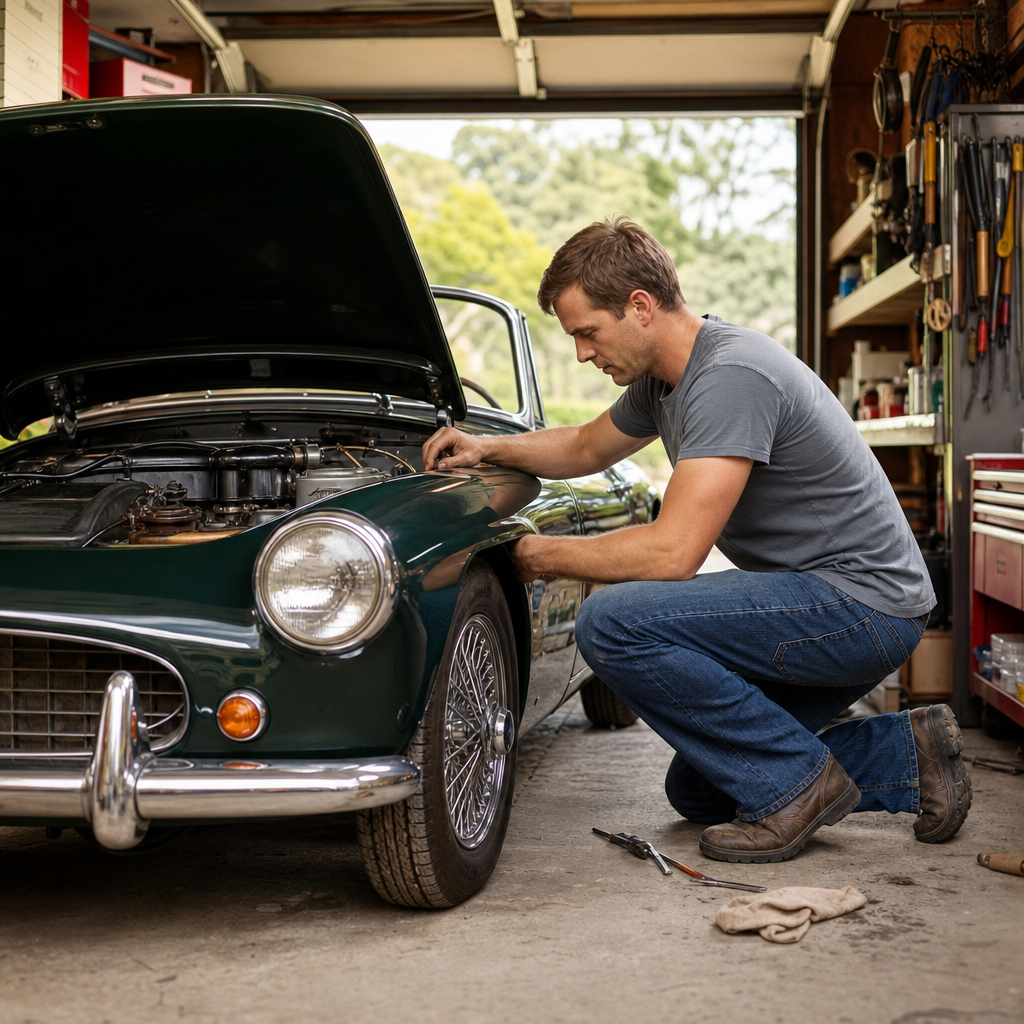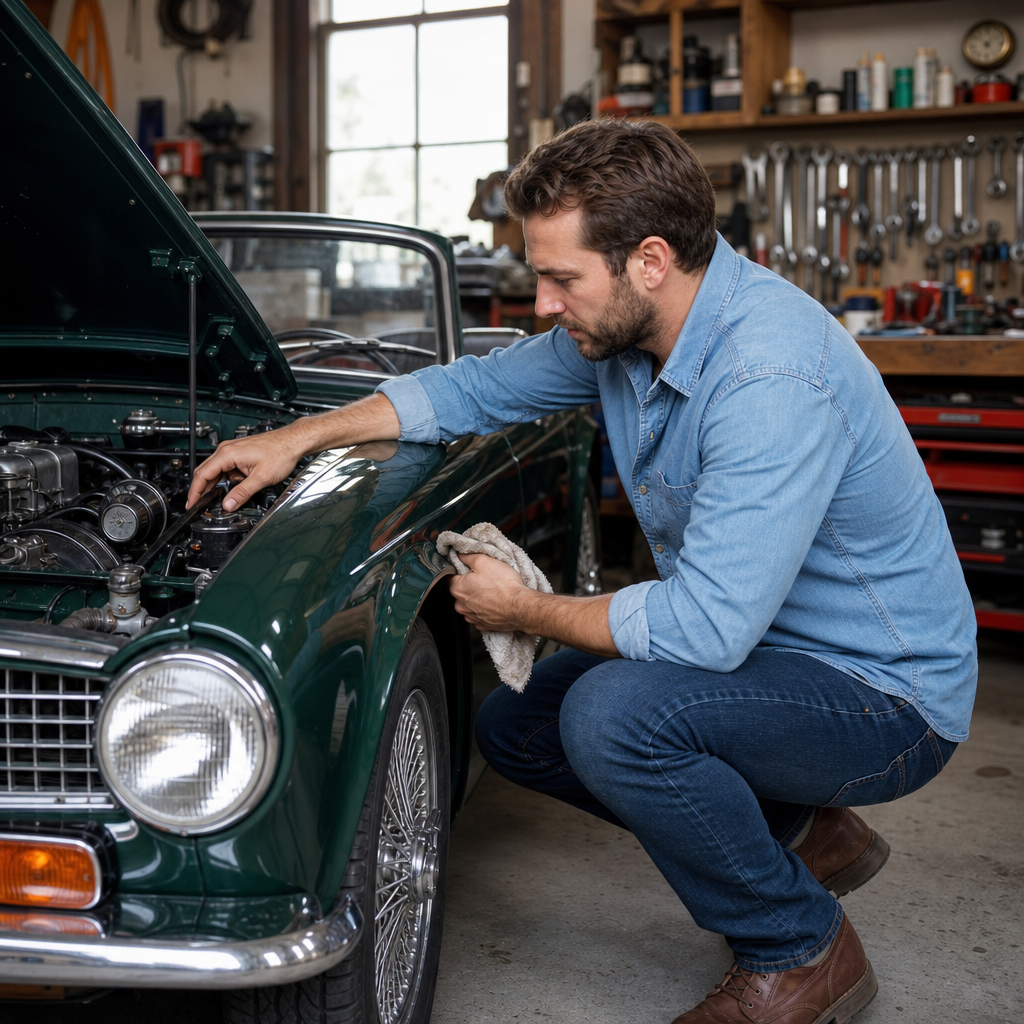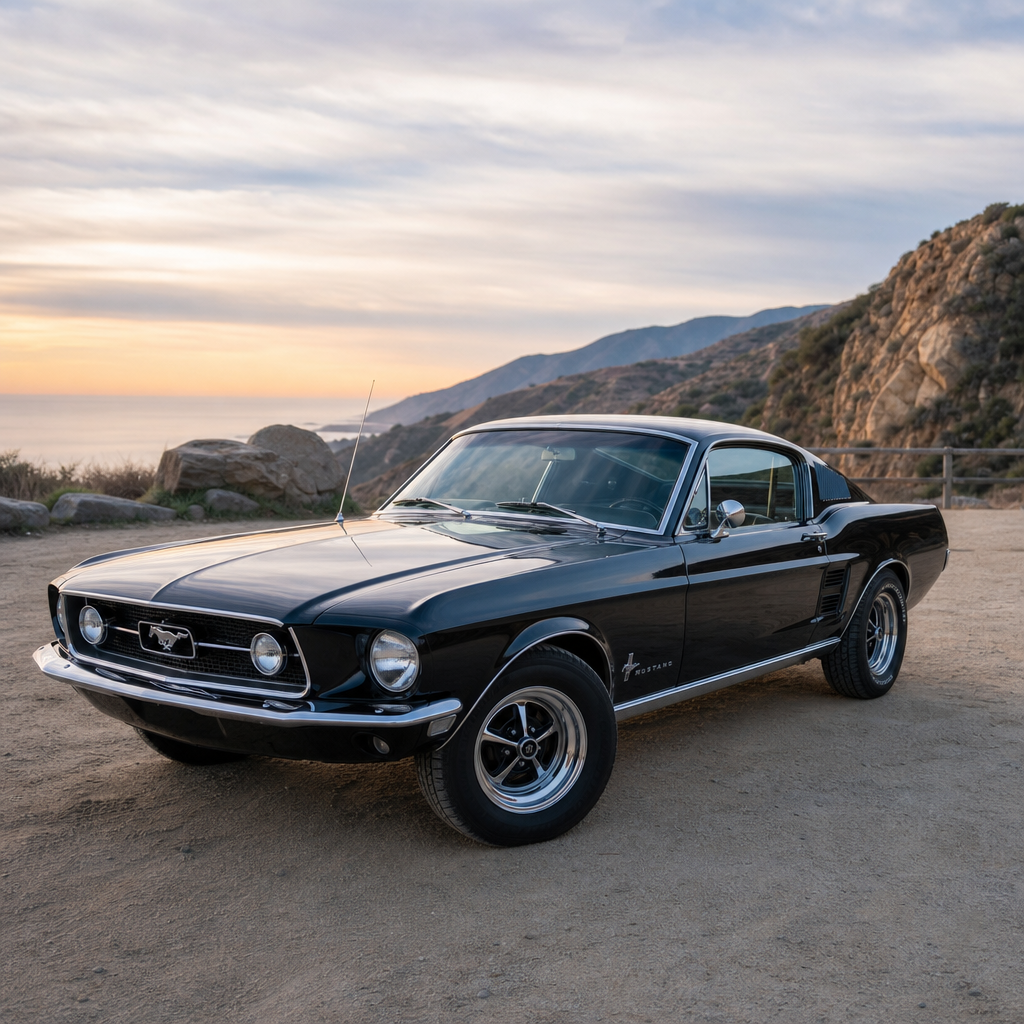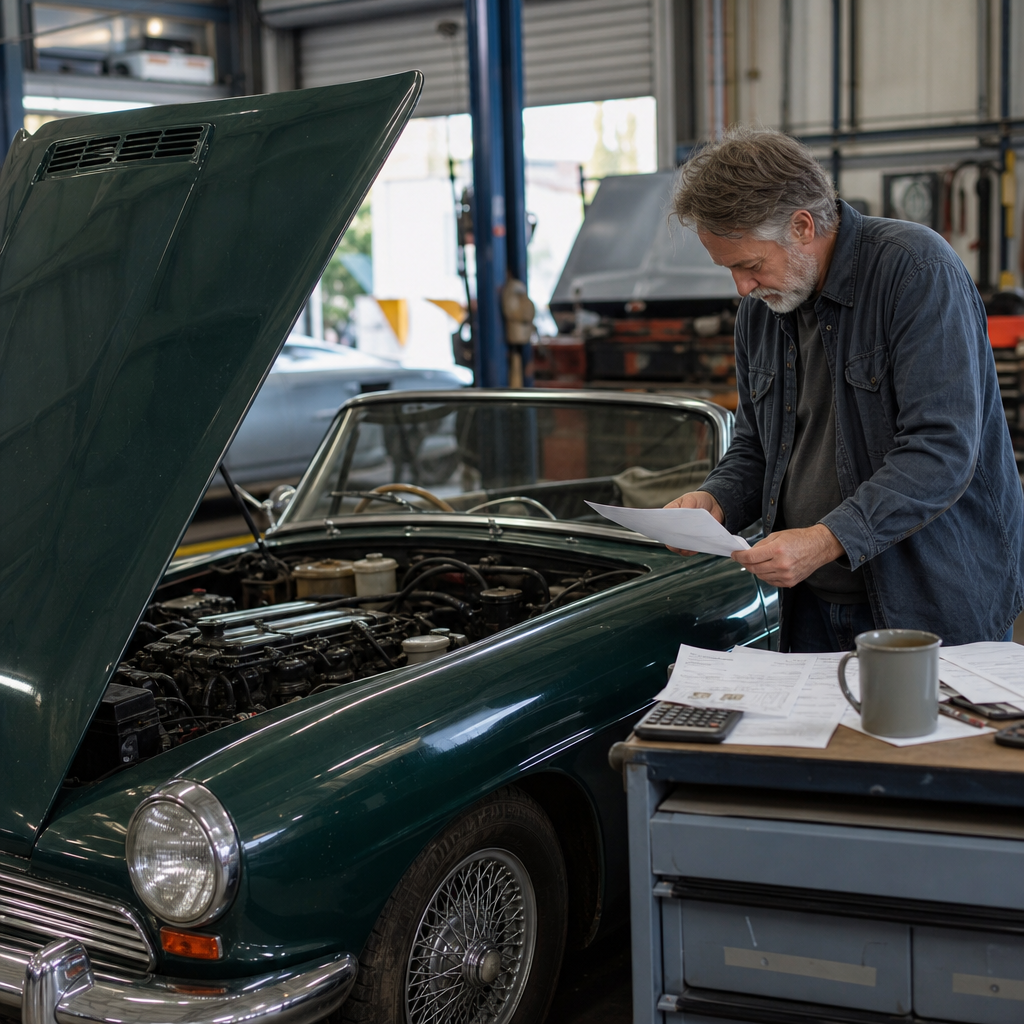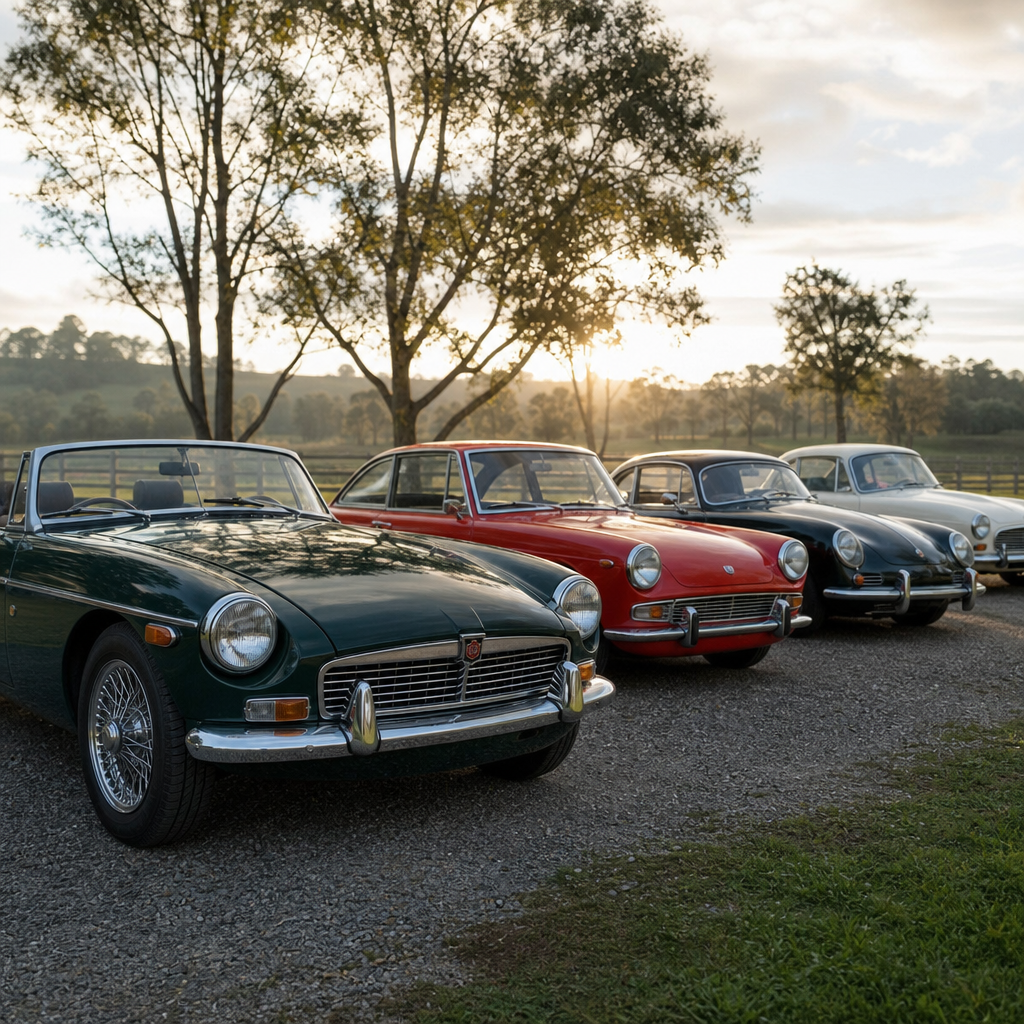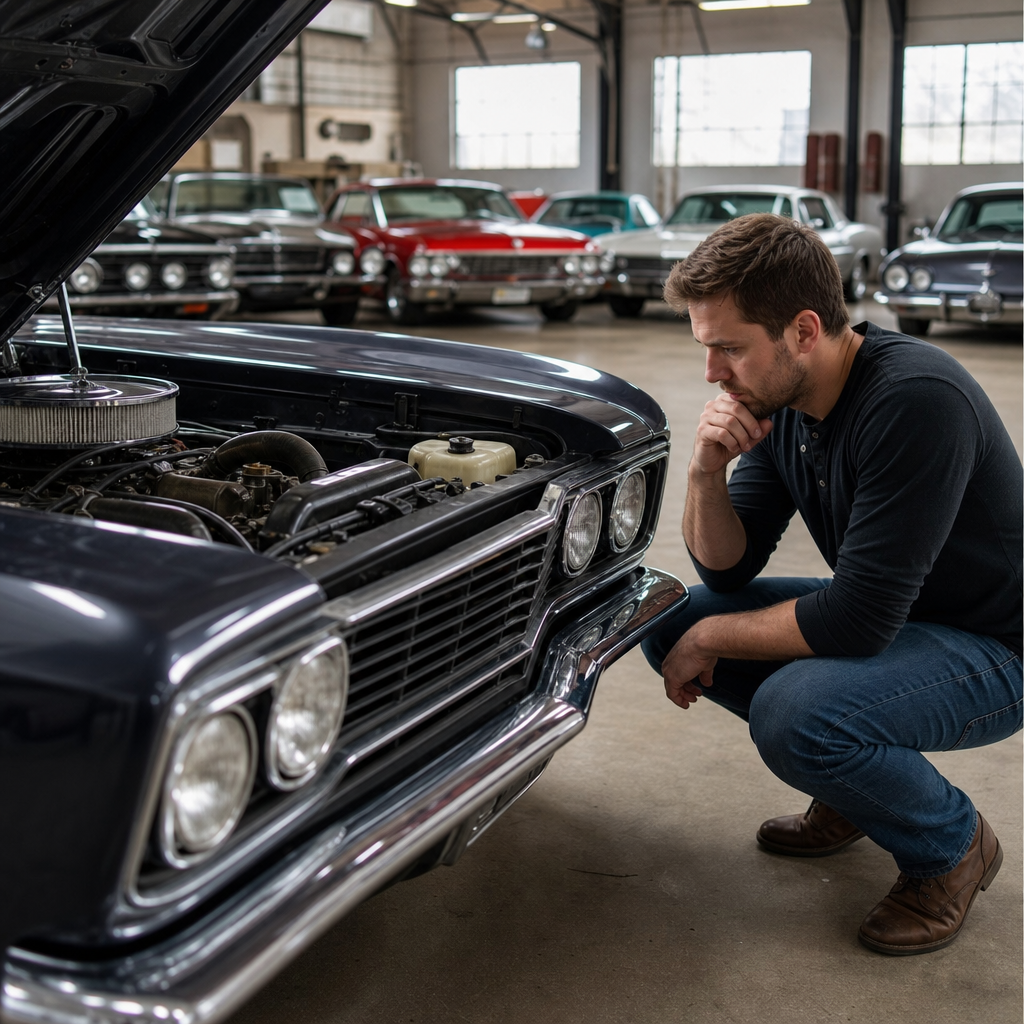

Classic car ownership myths debunked starts with a simple truth: buying and living with an older vehicle is usually less mysterious than newcomers expect, but only when you understand what “classic,” “ownership costs,” “originality,” “restoration,” and “driver-grade” actually mean. In practice, a classic car is not just an old car. Insurers, state motor vehicle agencies, auction houses, and enthusiast clubs often use different age thresholds, typically twenty to thirty years, while collectors divide the field by era, body style, rarity, cultural significance, and condition. A restored concours car, an unrestored survivor, and a dependable weekend driver can all be classics, yet they require very different budgets and expectations.
I have helped first-time buyers inspect cars at swap meets, decode trim tags, compare maintenance records, and walk away from shiny mistakes. The same myths appeared every time. People assumed classic cars are always unreliable, impossible to insure, too expensive for normal households, and suitable only for retired mechanics with huge garages. Those assumptions stop beginners from entering the hobby, and they also cause bad purchases when buyers overcorrect and believe every old car is automatically an appreciating asset. The reality sits in the middle: classic car ownership can be practical, enjoyable, and financially manageable when you match the right vehicle to your skills, storage, local climate, and intended use.
This beginner guide serves as a hub for anyone learning the fundamentals of classic car ownership. It covers the questions new enthusiasts ask first: What does upkeep really cost? Can a classic be driven regularly? Should you buy restored or original? How hard is it to find parts? What role do clubs, inspection checklists, service manuals, and specialty insurance play? By answering those questions directly, this guide gives you a framework for evaluating every later topic in classic car basics and education, from pre-purchase inspections to seasonal storage. If you understand the myths and the facts behind them, you make calmer decisions, avoid common beginner traps, and enjoy the car for what it is rather than what internet folklore says it should be.
Myth 1: Classic Cars Are Always Expensive to Buy and Own
The most persistent misconception is that entering the hobby requires six figures and a climate-controlled showroom. In reality, the classic car market is segmented. Blue-chip models such as air-cooled Porsche 911s, first-generation Broncos, and big-block muscle cars can command high prices, but thousands of accessible cars remain. American full-size sedans from the 1960s, Mercedes-Benz W123s, MG Midgets, Volvo 240s, Fox-body Mustangs, and many 1980s and 1990s domestic coupes often provide affordable entry points. The key is to separate purchase price from total cost of ownership. A cheaper car with severe rust, poor repairs, and missing trim can quickly become more expensive than a well-kept example bought at a fair market value.
When I coach beginners, I suggest building a first-year budget in categories: purchase, transport, inspection, registration, insurance, immediate safety work, fluids, tires, and a contingency reserve. That structure instantly debunks the myth. A $12,000 driver-quality classic with documented maintenance may be far less risky than a $6,000 “project” needing brakes, wiring repairs, glass seals, upholstery, and fuel system work. Hagerty valuation tools, completed Bring a Trailer sales, marque forums, and local club members provide market context, but ownership costs depend more on condition than on age alone. A maintained small-block Chevrolet with abundant parts support may cost less to keep than a newer luxury car with complex electronics.
| Ownership factor | Common myth | What beginners usually find |
|---|---|---|
| Purchase price | All classics are collector-level expensive | Many driver-grade cars remain attainable if you prioritize condition over prestige |
| Insurance | Coverage is unaffordable or unavailable | Agreed-value specialty policies can be competitively priced for limited-use cars |
| Maintenance | Everything breaks constantly | Routine mechanical upkeep is predictable on sorted cars with simple systems |
| Parts | No replacement parts exist | Popular models often have strong reproduction and used-parts ecosystems |
| Storage | You need a museum-grade garage | A dry, secure space and sensible prevention measures are usually enough |
Cost also varies by your ownership goal. If you want a weekend cruiser, a mechanically sound driver with cosmetic imperfections is often the smart buy. If you want a show car, your budget rises sharply because paint, chrome, and correct interior materials are labor-intensive. Beginners commonly overspend on appearance and underspend on structure. Rust repair, panel alignment, and hidden collision damage are where budgets implode. That is why the best classic car beginner advice is blunt: buy the best-condition car you can afford, not the cheapest running example you can find.
Myth 2: Classic Cars Are Inherently Unreliable
Older cars are different from modern cars, but different does not mean unusable. Most classics rely on simpler fuel, ignition, cooling, and charging systems. Carburetors need proper adjustment. Mechanical fuel pumps, points ignitions, vacuum lines, and drum brakes have maintenance rhythms many newer drivers have never learned. Once serviced correctly, these systems can be dependable. I have seen unrestored six-cylinder sedans start reliably for years because owners replaced hoses, cleaned grounds, rebuilt the carburetor, set timing accurately, and used the car regularly. I have also seen freshly restored cars strand owners because cosmetic work was prioritized over electrical integrity and cooling capacity.
Reliability in a classic car usually comes down to baselining. A new owner should assume nothing and verify everything. That means replacing aged rubber fuel lines, checking brake hydraulics, inspecting wheel bearings, testing the charging system, flushing coolant, reading spark plugs, and confirming the condition of belts, tires, and battery cables. Factory service manuals, period shop manuals from Bentley or Chilton, and modern digital communities make this easier than many people realize. If you address deferred maintenance before failure, a classic can be very predictable. Long road trips still require planning, but planning is not the same as unreliability.
There are tradeoffs. A classic generally lacks the self-diagnostics, fuel injection compensation, corrosion resistance, and safety margins of a current vehicle. Cold starts may take more attention. Vapor lock can occur in hot conditions on some carbureted setups. Drum brakes can fade under repeated hard use. Yet these are known behaviors, not random mysteries. Good ownership means understanding the car’s operating envelope. For a beginner, that often means choosing a model with strong parts support, a documented maintenance history, and a broad owner community instead of chasing rarity immediately.
Myth 3: You Must Be a Mechanic to Own One
This myth scares off capable beginners more than any price tag. You do not need professional-level mechanical skill to own a classic car, but you do need curiosity, patience, and a willingness to learn basic inspection and maintenance tasks. Many owners start with simple jobs: checking fluid levels, lubricating chassis points, replacing filters, gapping spark plugs, cleaning battery terminals, and learning how to read a wiring diagram. Those skills save money and build confidence, yet they are not prerequisites for buying the car. Plenty of owners rely on specialist shops for major work while handling routine care themselves.
The real requirement is access to knowledge and support. Join a marque club, read the factory manual, search model-specific forums, and talk to parts suppliers who know the platform. On older British roadsters, for example, identifying whether a starting problem is fuel delivery, ignition, or grounding is far easier when the community has documented common failure points. On classic American V8s, you can learn which carburetor kits fit correctly, which aftermarket ignition conversions are proven, and where reproduction quality varies. As a first-time owner, your job is not to know everything on day one. Your job is to avoid guessing and to document what the car needs.
It also helps to define your threshold. If you live in an apartment with no work space, choose a car supported by reputable local specialists. If you enjoy hands-on learning, start with a mechanically simple model such as an air-cooled Volkswagen Beetle, a first-generation Mustang with an inline-six, or a W123 diesel Mercedes. These platforms teach fundamentals without overwhelming complexity. A classic car beginner guide should say this clearly: ownership success is less about innate talent than about choosing a car that matches your environment and appetite for involvement.
Myth 4: Originality Is Always Better Than Sensible Upgrades
Originality matters, but not in the simplistic way internet comment sections suggest. In the collector market, highly original cars with matching numbers, factory colors, correct trim, and documented provenance can command premiums, especially in rare or historically significant models. However, many classics are owned to be driven, not judged on a concours field. For those cars, sensible upgrades can improve safety, reliability, and comfort without destroying value. Radial tires, electronic ignition conversions hidden inside original-style distributors, improved cooling fans, dual-circuit master cylinders, and upgraded seat belts are common examples.
The important distinction is reversibility and quality. A period-correct car modified with clean workmanship and documented original parts retained in storage often remains attractive to future buyers. By contrast, cutting the body for poorly fitted flares, hacking the wiring for accessories, or swapping in incompatible components can reduce value and create maintenance headaches. I advise beginners to think in layers. Preserve what makes the car itself significant, then improve what makes ownership practical. If a classic overheats in normal traffic because of a marginal radiator and tired fan clutch, solving that problem is not betrayal; it is responsible stewardship.
This is especially relevant for safety. Many cars from the 1950s through 1970s were designed before current crash standards, tire technology, and braking expectations. You cannot modernize them completely, but you can make informed improvements. Upgraded halogen lighting in stock housings, refreshed suspension bushings, modern tire compounds, and carefully selected brake components can materially improve the driving experience. Beginners should stop asking whether every deviation from factory spec is wrong and start asking whether the change is documented, reversible, and appropriate for the intended use.
Myth 5: Parts Are Impossible to Find
Parts availability depends heavily on make, model, production volume, and trim level, so broad statements are misleading. For popular classics, parts support is often excellent. Mustang, Camaro, Beetle, C10, Tri-Five Chevrolet, MGB, Mini, and classic Jeep owners benefit from deep aftermarket catalogs, reproduction body panels, remanufactured components, and active used-parts networks. Even where genuine new old stock is scarce, specialist suppliers often offer serviceable alternatives. In some cases, mechanical parts are easier to source than cosmetic details because engines, brakes, and ignition systems were shared across multiple vehicles.
Where beginners struggle is not absolute scarcity but quality variation. Reproduction weatherstripping may fit poorly. Cheap chrome trim may pit quickly. Electrical switches from unknown suppliers can fail early. This is why experienced owners compare vendors, check forum recommendations, and prioritize proven brands. A car with broad support becomes much easier to own when you know which radiator recore shop, carburetor rebuilder, upholstery source, and salvage yard the community trusts. Parts sourcing is therefore a research skill, not just a shopping problem.
Rare models do present challenges. Limited-production European coupes, orphan brands, and one-year-only trim packages can require patience. Yet even then, clubs and specialist dismantlers often keep the hobby alive. The practical beginner move is to avoid starting with a car whose value depends on hard-to-find decorative pieces unless you are specifically prepared for that search. If your goal is learning classic car ownership basics, choose a model with robust supply chains so your first experience is educational rather than frustrating.
Myth 6: Insurance, Storage, and Paperwork Are Major Obstacles
These concerns are real, but they are usually manageable. Specialty insurers such as Hagerty, Grundy, and American Collectors Insurance commonly offer agreed-value policies for collector vehicles. Agreed value matters because it sets a predetermined payout amount rather than relying on depreciated actual cash value after a loss. Eligibility often depends on secure storage, another primary-use vehicle for daily transportation, and limited annual mileage. For many owners, premiums are surprisingly reasonable because usage patterns are lower and owners tend to maintain the vehicles carefully. The catch is that policy terms vary, so beginners must read restrictions on commuting, drivers, modifications, and storage.
Storage also has more nuance than myth allows. A dry garage is ideal, but the objective is moisture control, security, and protection from ultraviolet exposure and rodents. I have seen well-preserved cars stored in modest detached garages with breathable covers, battery maintainers, fuel stabilizer, and regular movement. I have also seen expensive restorations deteriorate in poor “showroom” spaces with hidden dampness. If indoor storage is impossible, a classic may still be viable with high-quality external protection, though exposure raises the risk profile significantly, especially in humid or salty climates.
Paperwork should be part of the buying decision, not an afterthought. Verify the VIN, title status, engine and chassis numbers where relevant, emissions exemptions in your state, and any inspection requirements for antique registration. Inconsistent documentation is a bigger red flag than minor cosmetic flaws. A beginner-friendly classic is one with clear ownership records, receipts, and a title that transfers cleanly. That paperwork supports insurance, future resale, and basic peace of mind.
Classic car ownership becomes far less intimidating when myths are replaced by practical standards. The essentials are straightforward: define your budget realistically, buy condition and documentation, baseline the mechanical systems, learn the car’s specific needs, and use the support network around the model. Ownership is not reserved for wealthy collectors or master mechanics. For many beginners, the best first classic is a driver-grade car with honest flaws, strong parts support, and a community willing to share hard-earned advice.
The biggest benefit of understanding these myths is better decision-making. You stop chasing unrealistic bargains, stop fearing every maintenance task, and stop confusing originality with usability. Instead, you evaluate a classic the way experienced owners do: by structure, service history, parts ecosystem, and fit for purpose. That perspective saves money, avoids disappointment, and makes the hobby more enjoyable from the first test drive onward. It also prepares you for the next steps in classic car basics and education, whether that means learning inspection checklists, restoration planning, seasonal storage, or valuation trends.
If you are ready to move from curiosity to action, start with one model you genuinely like and research it deeply. Read buyer guides, join an owner forum, compare recent sale prices, and schedule a pre-purchase inspection before you commit. That single disciplined process will do more for your success in classic car ownership than any myth ever will.
Frequently Asked Questions
What actually qualifies as a classic car, and is every old car considered one?
No. One of the biggest myths in the hobby is that any vehicle that reaches a certain birthday automatically becomes a classic. In reality, the term “classic car” is used differently depending on who is using it. Insurance companies may set one age threshold, a state motor vehicle agency may use another for registration or plate eligibility, and auction houses or enthusiast clubs may apply their own standards based on historical significance, rarity, condition, or collectibility. In many cases, the practical range starts around twenty to thirty years old, but age alone is not the whole story.
A true classic is usually a vehicle that has some combination of cultural importance, enthusiast demand, distinctive design, mechanical interest, or limited production appeal. That means two cars built in the same year can be viewed very differently by the market. One may be a sought-after collectible, while the other is simply an older used car. Condition matters too. A neglected vehicle with severe rust, missing parts, and poor documentation may technically be old enough to qualify for certain legal or insurance categories, but that does not make it desirable or valuable in the collector world.
For new buyers, the smartest approach is to separate legal definitions from market definitions. Ask what your state considers a classic or antique for registration purposes, what an insurer requires for specialty coverage, and how buyers and clubs talk about the specific model you are considering. Understanding those distinctions early helps prevent disappointment, overpaying, or assuming a car will appreciate simply because of its age.
Is classic car ownership always expensive, or can it be affordable for beginners?
Classic car ownership is not automatically expensive, but it is rarely as cheap as first-time buyers hope if they have not budgeted realistically. The myth comes from two extremes: some people assume every classic is a six-figure museum piece, while others believe an older car is just a bargain-priced toy with minimal ongoing costs. The truth is usually in the middle. There are many affordable entry points into the hobby, especially if you focus on driver-grade cars, common models with strong parts support, and vehicles that have already been sorted mechanically.
The total cost of ownership depends less on the car’s age and more on its condition, parts availability, maintenance history, and how you plan to use it. Purchase price is only the starting point. You also need to think about insurance, storage, preventive maintenance, tires, fluids, battery care, occasional repairs, and the cost of fixing problems caused by deferred maintenance from prior owners. A cheaper project car often becomes more expensive than a higher-priced, well-maintained example once you account for labor, missing components, and the time required to make it reliable and safe.
That said, classic ownership can be very manageable if you buy strategically. Many owners keep costs reasonable by choosing models with broad enthusiast support, using specialty insurance, performing basic maintenance themselves, and buying a car that matches their goals. If you want something to drive and enjoy on weekends, a solid driver-grade example is often the best value. It may have cosmetic imperfections, but it can provide the core experience of classic ownership without the financial pressure that comes with chasing concours-level originality or a full restoration. Affordability is absolutely possible, but only when the buyer understands the difference between a romantic purchase and a financially informed one.
Do classic cars need to be completely original to be worthwhile or valuable?
No. Another persistent myth is that a classic car must be 100 percent factory-original to have value, credibility, or enjoyment. Originality does matter in the collector market, especially for rare, historically significant, or high-end vehicles, but it is not the only standard by which a classic should be judged. In many segments of the hobby, a well-maintained, correctly repaired, or sympathetically upgraded car can still be desirable and highly usable. For many owners, practicality, reliability, and driving enjoyment matter just as much as strict factory correctness.
The key is understanding where originality matters most. Matching numbers, original drivetrains, factory colors, correct trim, and period-correct components can significantly affect value in certain models, particularly those with strong concours or investment appeal. However, many classic cars have lived long, complicated lives. Engines get rebuilt, interiors get redone, paint gets changed, and safety or drivability upgrades get added. Those changes do not automatically ruin a car. In some cases, sensible upgrades such as electronic ignition, improved cooling, better tires, or front disc brakes make a classic easier and safer to enjoy without destroying its character.
What matters is honesty, quality, and fit for purpose. A car represented as fully original should be just that, with documentation to support the claim. A modified car should be described transparently, and ideally the work should be professionally done or at least thoughtfully executed. Buyers should not ask only, “Is it original?” They should also ask, “Is it well preserved, well repaired, well documented, and right for the kind of ownership I want?” For many enthusiasts, a clean, dependable car with tasteful deviations from factory spec is far more satisfying than an “original” car that is fragile, neglected, or difficult to use.
Is restoring a classic car the best way to get into the hobby?
Usually not. Restoration is often romanticized as the ideal path into classic ownership, but for most beginners, buying a completed or well-sorted driver is the better decision. A full restoration can be rewarding, especially for experienced hobbyists who enjoy the process, have realistic expectations, and understand the time and cost involved. But it is rarely the fastest, cheapest, or simplest route to actually enjoying a classic car. Many first-time owners underestimate how long projects take, how expensive parts and labor can become, and how easily small problems turn into major structural, mechanical, or cosmetic jobs.
Restorations also vary widely in scope. Some people mean a mechanical recommissioning that makes a car safe and drivable. Others mean a body-off, nut-and-bolt, factory-correct rebuild. Those are very different undertakings. A car that “just needs paint and interior” may also need rust repair, wiring work, suspension rebuilding, fuel system cleaning, weather seals, glass work, and hard-to-find trim pieces. Once you begin, the budget often expands because every restored component makes the next worn component stand out. This is why project cars are so often sold halfway through the process.
If your goal is to learn, drive, and enjoy the hobby, a driver-grade classic with known needs is often the smarter choice than a dead project. You can still gain experience by handling maintenance and gradual improvements, but you avoid the long delay between purchase and use. Restoration makes sense when you specifically want the build process, have a strong parts and shop network, and accept that the finished car may cost more than it will ever be worth on the open market. In other words, restoration can be deeply satisfying, but it is not automatically the best entry point, and it should never be mistaken for the easy path.
Are classic cars unreliable and impractical for regular enjoyment?
Not inherently. The belief that classic cars are always unreliable usually comes from comparing a decades-old machine to a modern car without accounting for design differences, maintenance expectations, and current condition. A classic car will not behave exactly like a new vehicle with advanced electronics, sealed systems, and long service intervals. It generally requires more attention, more preventive care, and more owner awareness. But that does not mean it is doomed to constant breakdowns. A properly maintained classic can be dependable within the limits of its era and design.
Reliability in the classic world usually comes down to preparation and realism. Cars that sit for long periods, receive inconsistent maintenance, or carry years of neglected repairs are far more likely to cause frustration than cars that are exercised regularly and kept on a sensible maintenance schedule. Fuel systems, cooling systems, ignition components, rubber hoses, belts, tires, and electrical connections all deserve inspection and preventive replacement when needed. Many reliability complaints trace back not to the age of the vehicle itself, but to old consumables, poor previous workmanship, or unrealistic expectations about how an older machine should be operated and maintained.
Practicality also depends on how you intend to use the car. A classic may be excellent for weekend drives, local events, scenic touring, and fair-weather commuting, while being less ideal for daily stop-and-go traffic, long unattended parking, or situations where modern crash protection and climate control are top priorities. That does not make ownership impractical; it means classic cars are best enjoyed when matched to the right use case. For many owners, that is part of the appeal. A classic asks for engagement, attention, and a little planning, but in return it offers a driving experience modern cars often cannot match. With the right car, realistic expectations, and consistent maintenance, classic ownership can be far more usable and enjoyable than the myths suggest.