How old does a car have to be to be considered classic? The short answer is that there is no single universal age threshold, because insurers, state motor vehicle agencies, collectors, auction houses, and enthusiast clubs all use slightly different definitions. In practice, many people treat 20 years as the point when a vehicle starts to be discussed as a classic, while 25 years is a common legal or market milestone, and 30 years often marks full enthusiast acceptance. To understand what is a classic car, you need to look beyond age alone and consider rarity, originality, historical significance, cultural impact, and how the vehicle is used and maintained.
I have worked with collector car valuations, registration research, and enthusiast restorations long enough to see the same confusion come up repeatedly. An owner buys a well-kept 1999 sports coupe and assumes it qualifies everywhere as a classic. Another owner has a 1978 sedan with collector plates in one state but learns that an insurer in another state classifies it differently. The phrase classic car sounds simple, yet it is really a layered category shaped by law, commerce, and enthusiast culture. That matters because the classification affects insurance eligibility, registration rules, emissions exemptions, financing, storage expectations, and market value.
At the broadest level, a classic car is an older vehicle regarded as collectible because it has enduring interest. Antique usually refers to something older still, often 45 years or more depending on the source, while vintage is frequently used for very early automobiles, especially pre-World War II models, though casual use varies. Collector car is the most practical umbrella term because it includes classics, antiques, exotics, muscle cars, future classics, and special-interest vehicles. When someone asks, what is a classic car, the best answer is this: it is a vehicle old enough and desirable enough to be preserved, collected, and driven in a way that recognizes its historical or enthusiast value.
Age matters because it creates distance from ordinary used-car status. Once a model is no longer common on the road, surviving examples become easier to evaluate as artifacts of design, engineering, and social history. Yet age by itself does not make every vehicle classic. A neglected fleet sedan with no enthusiast following may simply be an old car, while a limited-production homologation special can become collectible before it reaches 20 years old. The hub question, then, is not only how old does a car have to be to be considered classic, but what additional traits turn old transportation into a recognized classic car.
Why there is no single official definition
The biggest reason definitions vary is that each institution uses the term for a different purpose. State agencies use age categories to administer registration, plate programs, inspection requirements, and road-use limits. Insurers use them to price risk, limit mileage, and justify agreed-value policies. Auction companies and price guides use market demand and provenance. Clubs focus on historical authenticity and enthusiast recognition. Because these goals differ, the threshold differs too.
For example, many U.S. states issue historic, antique, or classic plates with age minimums ranging from 20 to 30 years, and they often include restrictions such as exhibition use, club activities, maintenance trips, or occasional pleasure driving. Insurance companies such as Hagerty, American Collectors Insurance, and Grundy usually care not only about age but also about storage, driver history, annual mileage, and whether the vehicle is a daily driver. In the United Kingdom, the Driver and Vehicle Licensing Agency and HM Revenue and Customs use age-based rules for historic vehicle taxation, while the MOT exemption framework applies to vehicles of a certain age that have not been substantially changed. None of these systems is identical, so owners should always verify local rules and policy language.
The market creates another layer. A 1997 Toyota Supra Turbo, 2002 BMW M3, or 1989 Porsche 911 Carrera can be viewed as a classic by buyers long before some agencies would classify them that way. That is because demand, performance reputation, motorsport heritage, and nostalgia can accelerate collectibility. By contrast, many mass-market vehicles become eligible by age but never achieve strong classic status in the market.
Common age thresholds collectors and agencies use
Although there is no universal standard, several age markers appear again and again. Twenty years is the entry point where enthusiasts often begin calling a vehicle a modern classic, especially if it has a loyal following or notable engineering. Twenty-five years is important in the United States because imported vehicles become exempt from certain federal compliance requirements at that age, which is why the 25-year rule is so often discussed. Thirty years is a common threshold for broader collector recognition and for some registration categories. Forty-five years and beyond is where antique classifications often begin.
| Age of vehicle | How it is commonly viewed | Typical implications |
|---|---|---|
| 15 to 20 years | Emerging collectible or future classic | Growing enthusiast interest, limited insurer acceptance |
| 20 to 25 years | Modern classic in enthusiast circles | Eligible for some specialty policies and club recognition |
| 25 to 30 years | Widely accepted classic threshold | Important import and registration milestones in many places |
| 30 to 45 years | Established classic car | Broader market legitimacy, stronger parts and restoration communities |
| 45 years and older | Often treated as antique | Special plate programs, museum and preservation interest |
These ranges are useful, but they are not automatic. I have seen 22-year-old performance cars insured on agreed-value collector policies because they were garaged, lightly driven, and clearly collectible. I have also seen 32-year-old vehicles declined by specialty insurers because they were heavily modified, stored outdoors, or used as daily transportation. Age opens the door; condition and usage decide whether the vehicle can walk through it.
What actually makes a car classic besides age
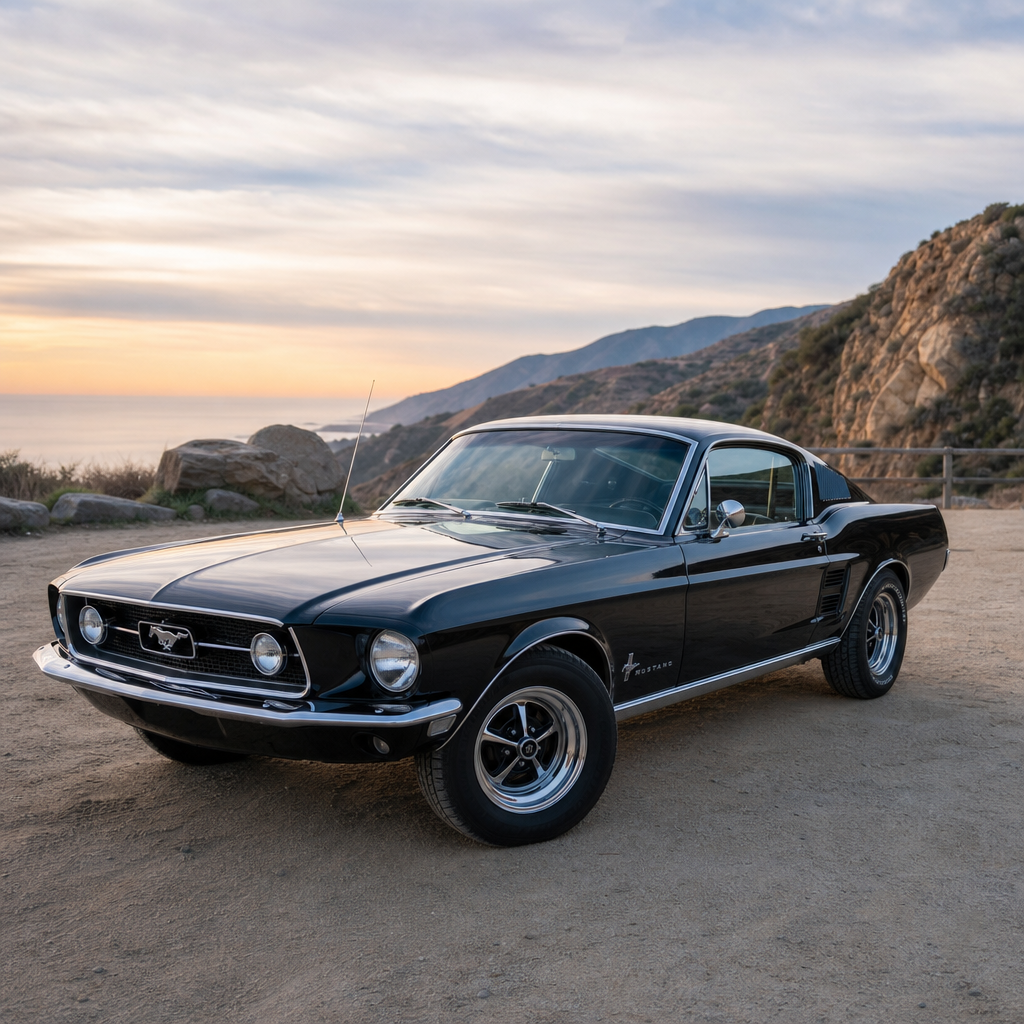
If you want the most complete answer to what is a classic car, think in five filters: significance, rarity, originality, condition, and community support. Significance can be historical, technological, stylistic, or cultural. The original Mini matters because it transformed small-car packaging. The Ford Mustang matters because it defined the pony car segment. The Citroen DS matters because of its suspension and design innovation. These cars are remembered for changing the conversation.
Rarity matters, but not in a simplistic way. Limited production numbers help, yet a rare car nobody wants is still not highly collectible. Desirability must accompany scarcity. A low-volume trim package may have less pull than a higher-production model with stronger brand recognition and better driving dynamics. Originality is another major factor. Numbers-matching drivetrains, factory-correct colors, documented options, and intact interiors generally support classic status and value. Heavy modifications can increase appeal for some buyers but reduce authenticity in traditional judging and valuation.
Condition shapes whether a car is merely old or truly collectible. The hobby commonly refers to condition tiers ranging from concours-quality restorations to sound drivers and project cars. A rust-free, mechanically sorted car with complete records will usually command more respect than an identical model in poor cosmetic and structural condition. Community support also matters more than newcomers expect. Strong owner clubs, technical forums, reproduction parts networks, specialist mechanics, and auction visibility all help a vehicle graduate from forgotten used car to recognized classic.
Legal, registration, and insurance definitions owners need to check
The legal definition of a classic car is whatever the relevant authority says it is for that specific purpose. That means owners should read the exact wording from their state or national agency and from their insurer. Registration categories may sound generous, but they often come with restrictions. Some jurisdictions limit annual mileage. Some prohibit commuting. Some allow exhibition, maintenance, and club activities only. Violating those terms can create problems during an accident claim or roadside inspection.
Insurance definitions are just as important. Specialty insurers usually prefer vehicles kept in locked garages, driven occasionally, and not used for routine errands or work. They also often require another car for regular transportation. The advantage is that collector policies can offer agreed value rather than actual cash value. Agreed value means the insurer and owner set a value in advance, which is critical for classics because ordinary depreciation models often undervalue collectible vehicles. If your car has appreciated, a standard auto policy may not protect you adequately.
Documentation strengthens every part of ownership. Keep photos, restoration invoices, service records, option codes, registration history, and provenance documents. For high-value vehicles, third-party appraisals can support insurable value and resale credibility. In my experience, cars with organized records sell faster, insure more easily, and face fewer disputes after a loss.
Examples of vehicles commonly considered classic
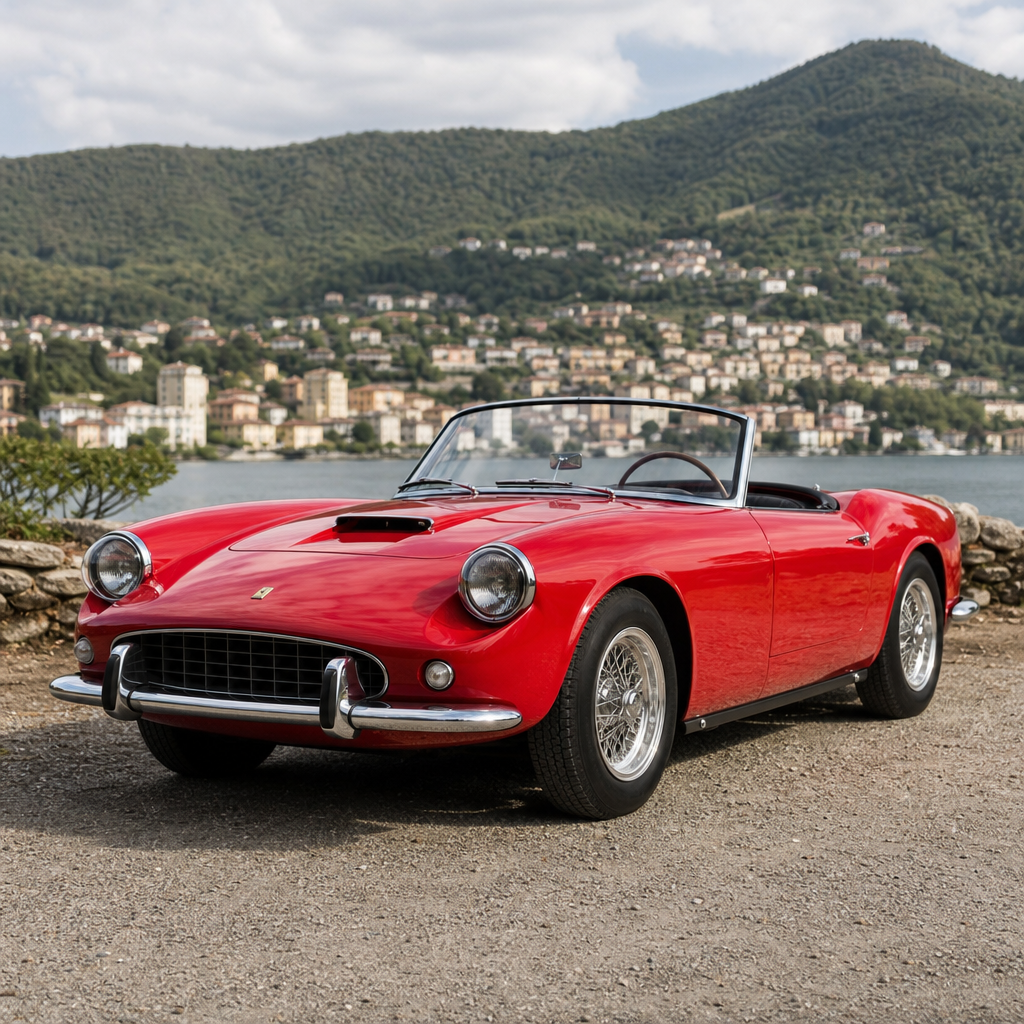
Some vehicles are almost universally recognized as classics because they score highly across age, significance, and enthusiast demand. Examples include the 1955 to 1957 Chevrolet Bel Air, first-generation Ford Mustang, Jaguar E-Type, Mercedes-Benz 300SL, air-cooled Porsche 911, Chevrolet Corvette C2 and C3, Volkswagen Beetle, and early Land Rover models. These cars have stable identities in the hobby because they shaped design trends, motorsport, or popular culture.
Then there are modern classics, which are especially relevant for newer collectors. The Mazda MX-5 Miata NA, Acura Integra Type R, BMW E30 and E46 M3, Nissan Skyline GT-R generations, Mercedes-Benz W124 E-Class, and Toyota Land Cruiser 80 Series are strong examples. They are not just old enough; they are admired for engineering character, analog driving feel, durability, and cultural memory. Many buyers who grew up seeing these cars in films, magazines, and racing games now have the income to collect them, which is one reason values moved upward in the past decade.
Ordinary cars can become classics too, especially if they represent a vanished type of motoring. A clean station wagon, compact pickup, or base-spec family sedan can gain historical interest because so few survived unmodified. Survivorship itself can create collectibility. That does not make every survivor valuable, but it does mean the classic car conversation is broader than exotic badges and six-figure auctions.
How to tell whether your car is a classic now or just getting there
Start with age, but do not stop there. Check whether the model has active owner clubs, specialist parts suppliers, auction results, and dedicated media coverage. Look at price trend data from Hagerty Price Guide, Classic.com, Bring a Trailer results, marque forums, and major auction houses such as RM Sotheby’s, Gooding Christie’s, and Bonhams. If buyers consistently seek the model, if condition and originality noticeably affect price, and if experts discuss production changes by year and trim, the vehicle is operating in the collector space.
Next, assess your specific car. Is it complete, rust free, and mechanically healthy? Does it retain its original engine, transmission, interior, and colors? Are modifications reversible and tastefully documented? Does it have notable provenance, such as single-family ownership, rare options, or competition history? A common model in exceptional original condition can be more collectible than a rarer model that has been altered beyond recognition.
Finally, consider intent. A classic is not defined only by the market; it is also defined by stewardship. Owners who preserve, document, and maintain a car as part of automotive history help create its classic identity. If you think your vehicle may qualify, research local plate rules, request a specialty insurance quote, gather records, and connect with a marque club. Those practical steps will tell you more than casual opinions ever will.
A car becomes classic when age, significance, condition, and demand converge. For most people, that journey starts around 20 years, becomes more widely accepted at 25, and feels firmly established at 30 or more. Still, no single number settles the question everywhere. Laws, insurers, and the market each apply their own standards, which is why smart owners verify the exact definition that applies to registration, insurance, and valuation before making decisions.
The most useful takeaway is simple: old is not automatically classic, and classic is not based on age alone. The strongest classic cars combine recognizable history, enthusiast support, sound documentation, and careful preservation. Whether you own a 1967 Mustang, a 1994 Supra, or a well-kept 2001 Mercedes wagon, the right way to evaluate it is through both objective criteria and real-world collector behavior.
If you are building your knowledge of classic car basics, use this page as your starting point. Review your local rules, study your model’s market, organize your records, and talk with a specialty insurer or marque club. Those steps will help you determine not only whether your car is considered classic, but how to protect its value and enjoy it responsibly.
Frequently Asked Questions
How old does a car have to be to be considered a classic?
There is no single universal age that automatically makes every vehicle a classic. The term “classic car” is used differently depending on who is doing the classifying. Insurance companies may set one minimum age, state motor vehicle agencies may use another for registration purposes, and collectors or enthusiast clubs may rely more on historical importance, originality, rarity, or cultural impact than on a strict number of years. That is why the answer is not as simple as pointing to one official birthday.
In everyday use, many people begin referring to a car as a classic when it reaches about 20 years old, especially if it has become less common on the road and still attracts interest from enthusiasts. At 25 years, a vehicle often reaches an important milestone because that age is frequently recognized in legal, import, registration, or market discussions. By 30 years old, many vehicles that have survived in good condition are more broadly accepted in enthusiast circles as true classics, particularly if they represent a notable design era, performance category, or brand heritage.
So, if you are asking for a practical rule of thumb, 20 years is often the starting point for the conversation, 25 years is a common benchmark, and 30 years is where classic status feels much more established. Still, age alone does not guarantee that a car will be viewed as a classic. Condition, originality, rarity, and significance all play a major role.
Is a 20-year-old car considered classic, or is 25 years the real cutoff?
A 20-year-old car can absolutely be discussed as a classic, but whether it is officially treated that way depends on context. At around 20 years old, a vehicle often begins to transition from “used car” to “older enthusiast car,” especially if it represents a distinctive period in styling, engineering, or automotive culture. Models from that age range may start appearing at car shows, in collector forums, and on specialty insurance applications, particularly if they were limited-production, high-performance, luxury, or culturally influential vehicles.
That said, 25 years is often viewed as a more meaningful threshold because it is widely used as a legal or market milestone. In many cases, state agencies, classic or antique plate rules, import laws, and insurance underwriting standards use 25 years as a reference point. This does not mean every 25-year-old car is automatically a classic, but it does mean that once a vehicle reaches 25 years, it is much more likely to be treated as one for practical purposes.
The easiest way to think about it is this: 20 years may put a car in the “emerging classic” category, while 25 years often moves it into more broadly recognized classic territory. If the car is especially desirable, rare, well-preserved, or historically important, it may be considered a classic even earlier by collectors. If it is a common mass-market model with little enthusiast following, people may wait until 30 years or more before using that label comfortably.
What factors besides age determine whether a car is considered classic?
Age matters, but it is only one part of the equation. A car usually earns classic status because it combines age with significance. One major factor is rarity. If only a small number were produced, or few survive today, the vehicle is more likely to be seen as collectible and classic. Another factor is historical importance. A model that introduced a new technology, marked a major turning point for a manufacturer, or became an icon of its era often gains classic recognition faster than a more ordinary vehicle of the same age.
Condition is also extremely important. A well-maintained, largely original vehicle is usually taken more seriously than one that is heavily worn, neglected, or modified beyond recognition. Original paint, factory drivetrain components, period-correct interiors, and documented service history can all strengthen a car’s standing. Enthusiast demand matters too. Some cars become classics because people genuinely want them, celebrate them, and preserve them. If a model has an active owners’ community, strong auction interest, or a reputation that has improved over time, it may be considered classic even if it does not fit every formal definition.
Design, performance, and cultural relevance can also elevate a car’s status. A vehicle associated with a famous motorsports achievement, a memorable film or television appearance, a respected designer, or an era-defining body style may reach classic recognition sooner than a basic commuter car. In short, a classic car is not just old. It is old enough to matter, interesting enough to remember, and desirable enough that people continue to preserve and celebrate it.
Do insurance companies and state DMVs use the same definition of a classic car?
No, and this is one of the main reasons the term creates confusion. Insurance companies and state motor vehicle agencies often use different definitions because they are evaluating different things. An insurer is focused on risk, usage, storage, value, and how the car is maintained. A DMV or state registration agency is focused on legal classification, plate eligibility, emissions exemptions, registration rules, and use restrictions. As a result, a car might qualify for classic insurance in one situation but not be eligible for a state classic or antique registration in another.
For example, a specialty insurer may require that the vehicle be stored securely, driven only occasionally, and kept in good condition, while also meeting a minimum age threshold such as 20 or 25 years. Meanwhile, a state may have its own separate categories for “classic,” “antique,” “historic,” or “collector” vehicles, each with different age requirements and different limits on how the car can be used. Some states may start these categories at 20 years, others at 25 years, and others at 30 years or more.
The best approach is to avoid assuming that one definition applies everywhere. If you want classic registration, check your state’s current DMV rules. If you want classic car insurance, review the eligibility requirements from the insurer directly. Even if your vehicle is widely accepted by enthusiasts as a classic, official treatment still depends on the specific standards of the agency or company involved.
What is the difference between a classic car, an antique car, and a vintage car?
These terms are often used interchangeably in casual conversation, but they do not always mean the same thing. “Classic car” is the broadest and most flexible term. It usually refers to an older vehicle that has collector interest, enthusiast appeal, or historical significance, but the exact age can vary widely depending on the source. This is why many vehicles in the 20-to-30-year range are called classics even though not everyone agrees on the label.
“Antique car” usually suggests an older and more formally aged vehicle, often 25 years old or more, and in some contexts 45 years old or older, depending on state law or organization standards. The word tends to imply a vehicle from an earlier era of automotive history rather than just an older modern car. “Vintage car” is often used even more narrowly and can refer to vehicles from a specific historical period, especially very early automobiles from the prewar era. However, in everyday speech, people sometimes use “vintage” loosely to mean anything old and stylish, even if that is not technically precise.
Because these labels vary by jurisdiction and community, it is better to focus on how the term is being used in a specific setting. If you are talking to collectors, auction houses, insurers, or a DMV, definitions may be more exact. If you are speaking casually, “classic” is usually the safest umbrella term for an older vehicle that has moved beyond ordinary transportation and into enthusiast or collector territory.