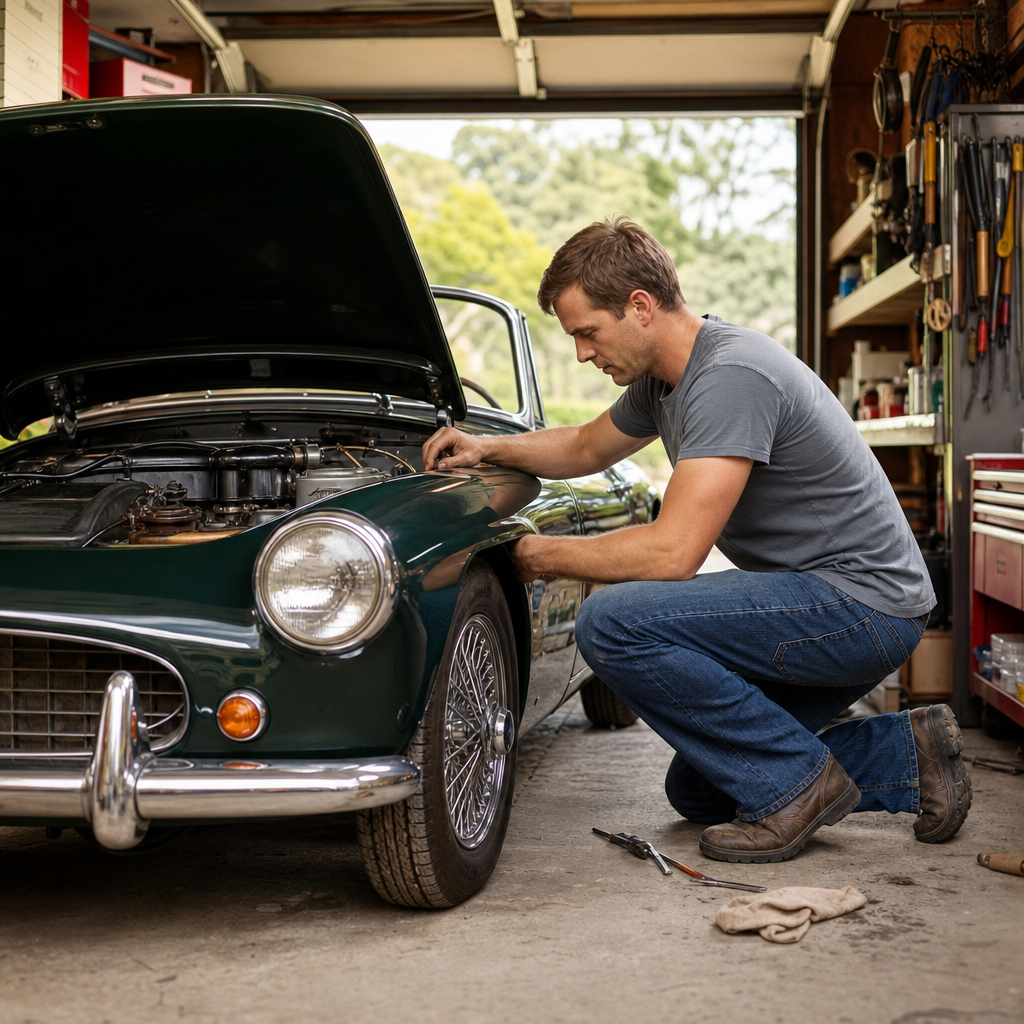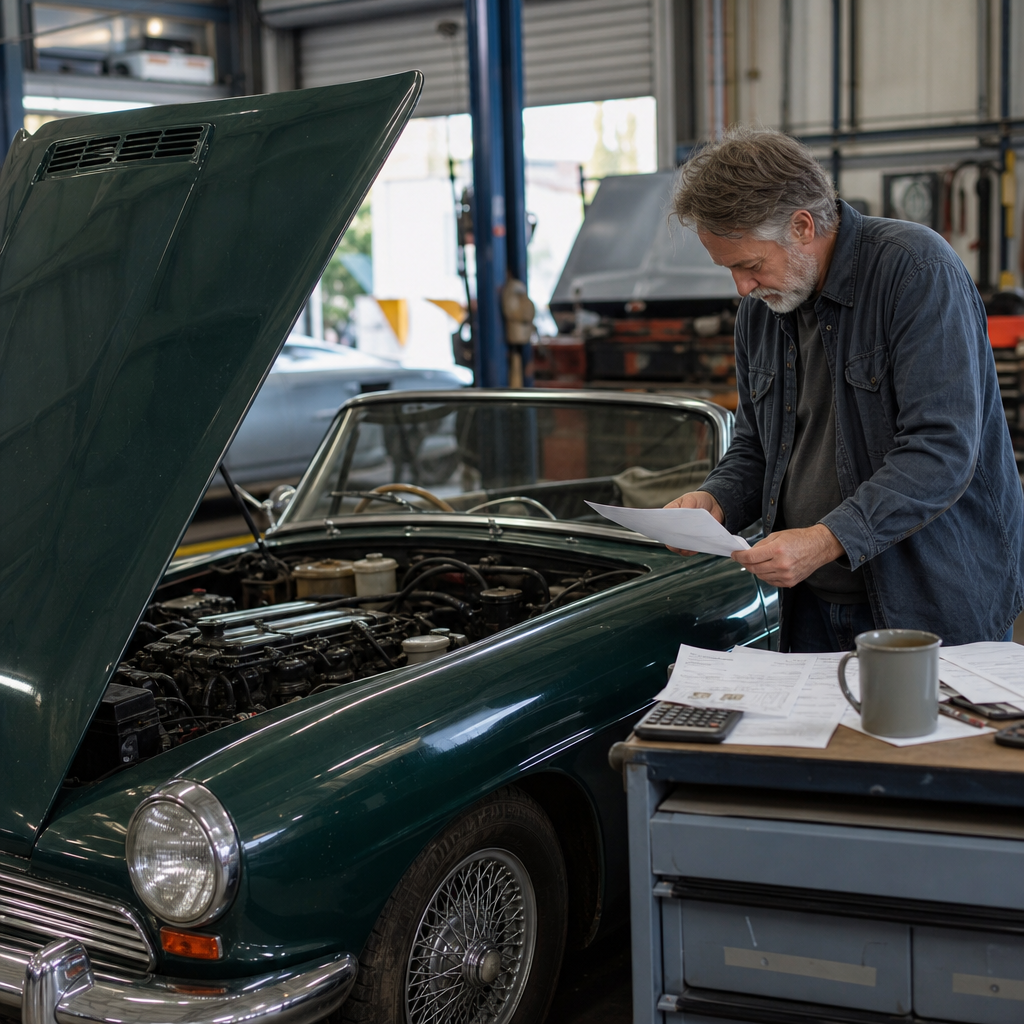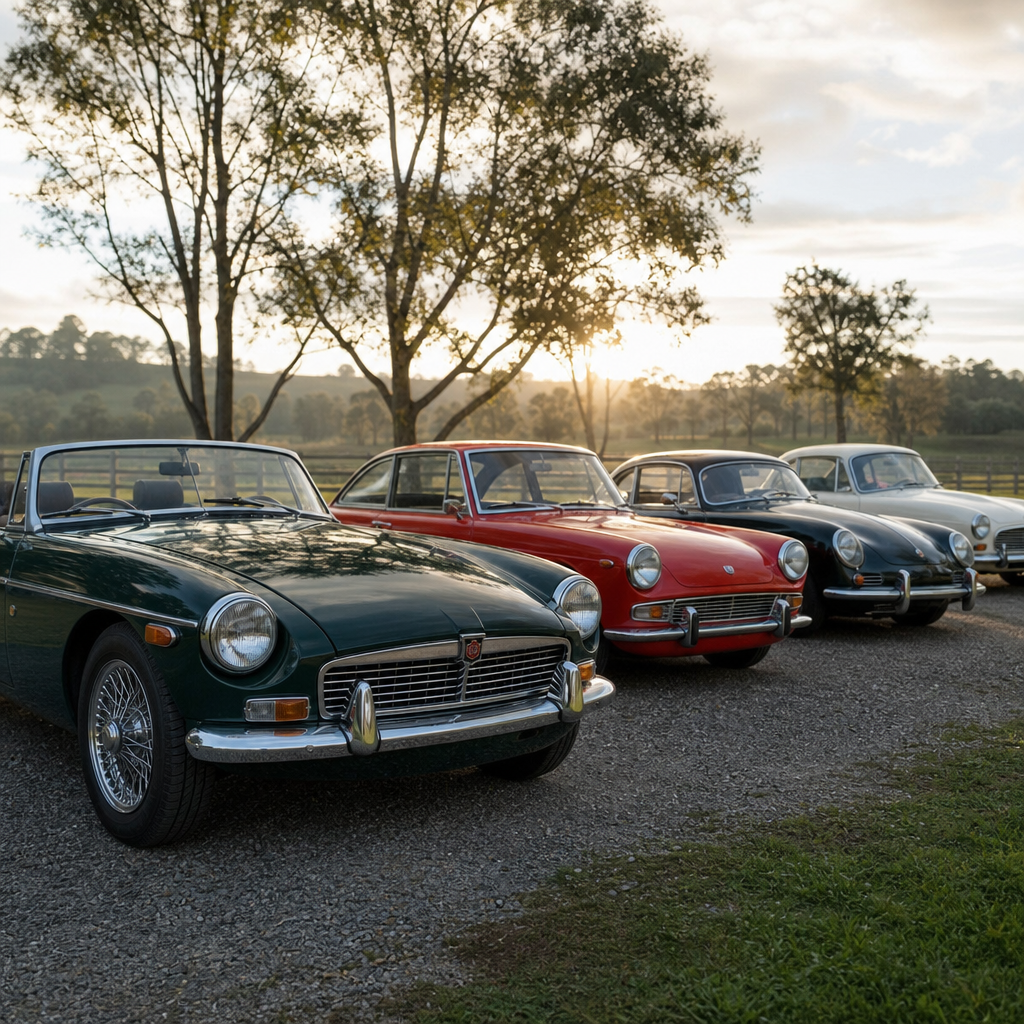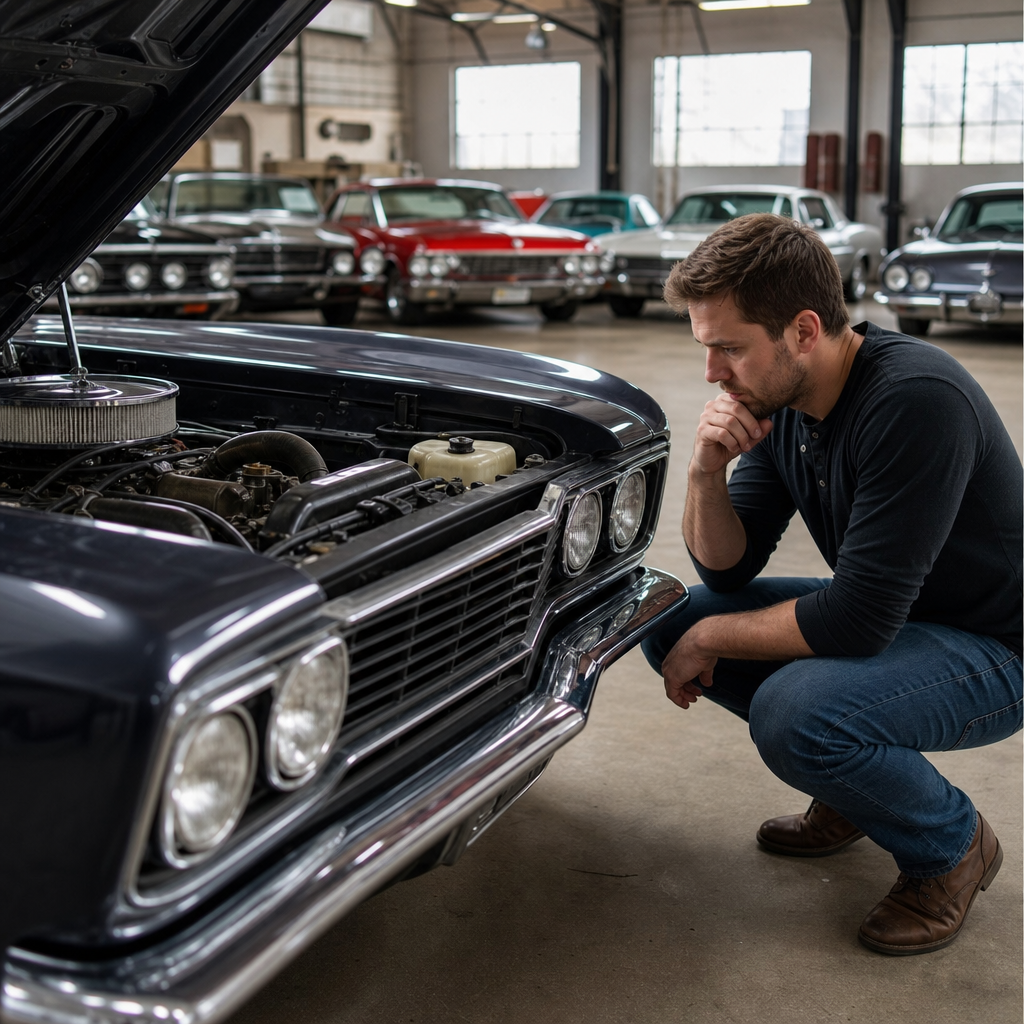
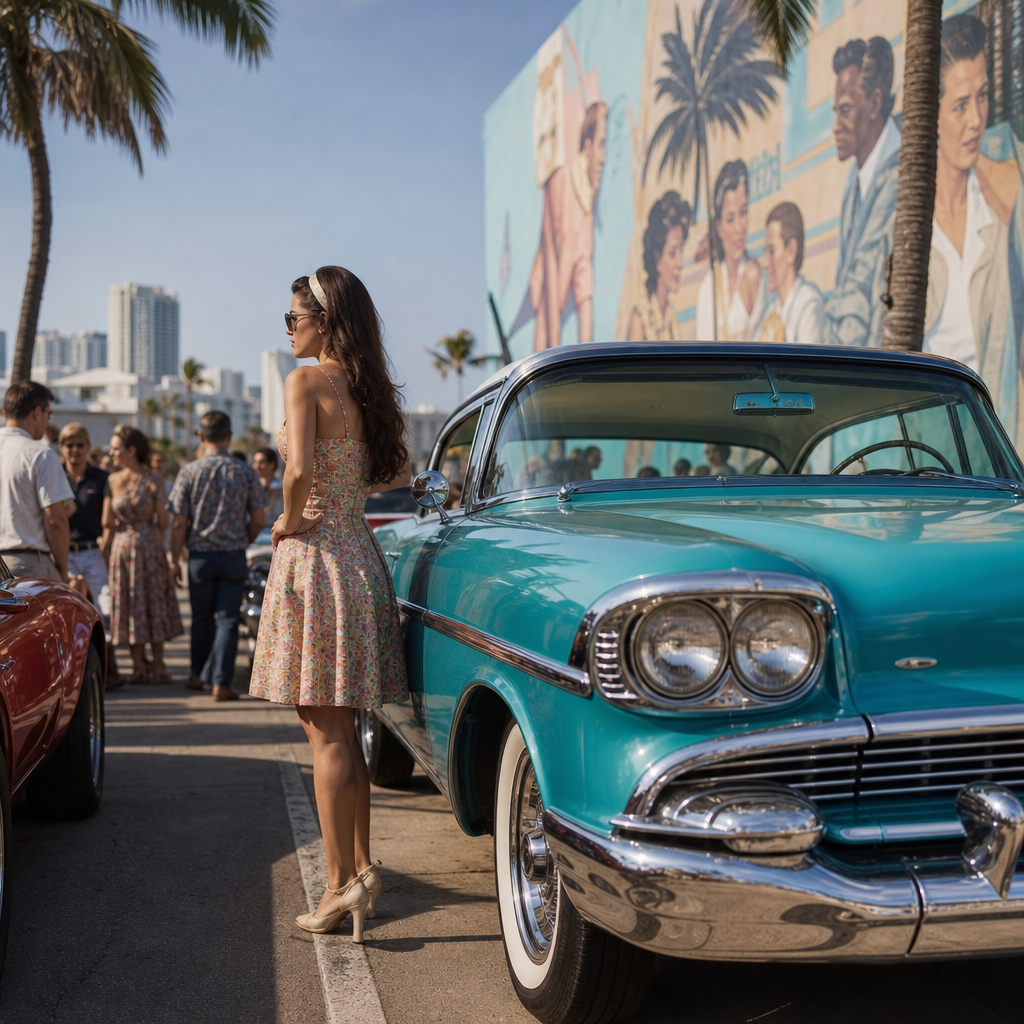
Classic car eras are not just mechanical chapters; they are cultural time capsules that show how people wanted to live, travel, and be seen. When I explain popular classic car eras to new enthusiasts, I start with a simple point: a classic car is more than an old vehicle, and an era is more than a date range. Each period reflects the technology available, the economy of the time, fuel prices, design fashion, motorsport influence, safety rules, and the values buyers brought into the showroom. Understanding how cultural trends shaped classic car eras helps collectors, restorers, and first-time buyers make sense of why cars from different decades look, drive, and feel so different.
In the collector market, the phrase classic car can mean several things depending on the source. Insurance companies often use age thresholds, clubs may define eligibility by model significance, and enthusiasts usually include prewar cars, postwar cruisers, muscle cars, sports cars, personal luxury coupes, and select imports from the 1980s and 1990s. Popular classic car eras generally include Brass Era and Vintage cars, prewar Art Deco machines, postwar optimism cars of the late 1940s and 1950s, the performance-focused 1960s, the muscle and pony car boom, the regulation and fuel-conscious 1970s, and the technology-heavy 1980s into early modern classics. Those categories matter because they give structure to a market that can otherwise seem overwhelming.
This sub-pillar hub for Classic Car Basics and Education covers the full landscape of popular classic car eras so readers can compare periods, identify defining features, and choose which era deserves deeper research. It also matters because buying, restoring, or even appreciating a classic requires context. A tailfinned 1959 Cadillac, a 1965 Ford Mustang, a 1970 Chevrolet Chevelle SS, and a 1987 Porsche 911 Carrera were all shaped by different social pressures and consumer dreams. If you know the culture behind them, you understand the cars themselves, their strengths, their compromises, and why certain models still command attention at auctions, museums, and local weekend meets.
What Defines a Classic Car Era
A classic car era is defined by a cluster of shared influences rather than a strict decade line. Design language, engineering standards, fuel availability, race culture, government regulation, and buyer identity all combine to create a recognizable period. In practice, I look at five markers: body styling, powertrain trends, materials and manufacturing methods, safety and emissions requirements, and the social role cars played in everyday life. When several of those markers shift at once, a new era emerges.
For example, the jump from prewar cars to postwar American automobiles was not merely a calendar change caused by 1945. Wartime industrial advances improved mass production, suburban expansion increased car dependence, and buyers wanted fresh symbols of progress after years of rationing. That demand produced lower, wider bodies, integrated fenders, automatic transmissions, and chrome-heavy styling. Likewise, the shift from 1960s high-compression V8 performance to 1970s detuned engines was driven by emissions laws, insurance surcharges, and the 1973 oil crisis. Cultural trends do not just decorate an era; they create the conditions that define it.
Early Motoring and the Rise of Status Cars
The earliest popular classic car era, roughly from the 1900s through the 1920s, was shaped by novelty, wealth, and the transformation of transport from horse power to mechanical power. In the Brass Era, exposed lamps, upright bodies, and coachbuilt construction reflected a world still borrowing visual cues from carriages. Cars were expensive, maintenance intensive, and often owned by affluent buyers or businesses. Brands such as Packard, Pierce-Arrow, Cadillac, and Rolls-Royce earned reputations through durability, finish, and mechanical refinement rather than mass affordability.
Culture influenced these early cars in obvious ways. Roads were poor, so ground clearance mattered. Owners often employed chauffeurs, so rear-seat comfort and prestige were central. In Europe and the United States, motoring clubs and endurance events built public trust in the automobile. The Ford Model T changed the social equation by making car ownership accessible to ordinary households. Assembly-line production, introduced at scale by Ford in 1913, compressed cost and normalized the idea that mobility could be personal, not elite. That is why the early era includes both handcrafted luxury and utilitarian democratization: culture was splitting the automobile into status symbol and mass necessity at the same time.
Streamlining, Depression-Era Design, and Prewar Identity
The 1930s and early 1940s brought one of the most visually distinctive classic car eras. During the Great Depression, consumers still responded to beauty, aspiration, and technical sophistication, even when budgets were tight. Automakers answered with streamlined bodies, enclosed cabins, integrated trunks, and Art Deco details. Cars like the Cord 810, Chrysler Airflow, and Lincoln Zephyr demonstrated that aerodynamics and modern design could become selling points. Even buyers who never purchased those advanced models absorbed their influence as styling spread across the market.
This period also reveals a tension between innovation and caution. The Chrysler Airflow was engineering-led, with weight distribution and aerodynamics ahead of many rivals, yet buyers were not fully ready for styling that radical. More conservative designs often sold better. That lesson still applies in collector education: the market does not reward innovation in a straight line. Prewar identity was also shaped by nationalism and looming war. European marques such as Mercedes-Benz, Bugatti, Alfa Romeo, and Bentley built cars that reflected both elite craftsmanship and motorsport prestige. American manufacturers balanced artful styling with robust six-cylinder and straight-eight engines suited to broad domestic use. Prewar classics therefore represent a culture that admired elegance, but also wanted stability during economic uncertainty.
Postwar Optimism and the Chrome Age
The late 1940s through the 1950s are often the first classic car era casual fans imagine, and for good reason. After World War II, pent-up demand, rising household income, and suburban expansion transformed the automobile into a daily necessity and a public expression of success. I have found that when people stand next to a 1955 Chevrolet Bel Air or a 1957 Cadillac Eldorado, they are reacting not only to chrome and tailfins but to the optimism those cars projected. These vehicles promised abundance, convenience, and modern living.
Design followed broader cultural trends. Jet-age fascination influenced fins, wraparound windshields, two-tone paint, and aircraft-inspired dashboards. Automatic transmissions became mainstream, power steering and power brakes spread, and V8 engines turned smooth acceleration into a family-car expectation. Manufacturers competed in yearly styling updates because buyers increasingly treated cars like fashion. General Motors, Ford, and Chrysler all embraced model turnover to keep showrooms fresh.
At the same time, postwar cars were products of infrastructure growth. The expansion of highways and suburbs rewarded comfortable cruisers with roomy interiors and soft suspensions. In Europe, by contrast, postwar rebuilding and smaller roads supported practical compact cars like the Volkswagen Beetle, Citroen 2CV, and Fiat 500. That split is important for anyone studying popular classic car eras: culture was not uniform. American prosperity favored size and ornament, while many European markets valued efficiency, simplicity, and low operating costs.
The 1960s: Youth Culture, Sports Cars, and the Performance Revolution
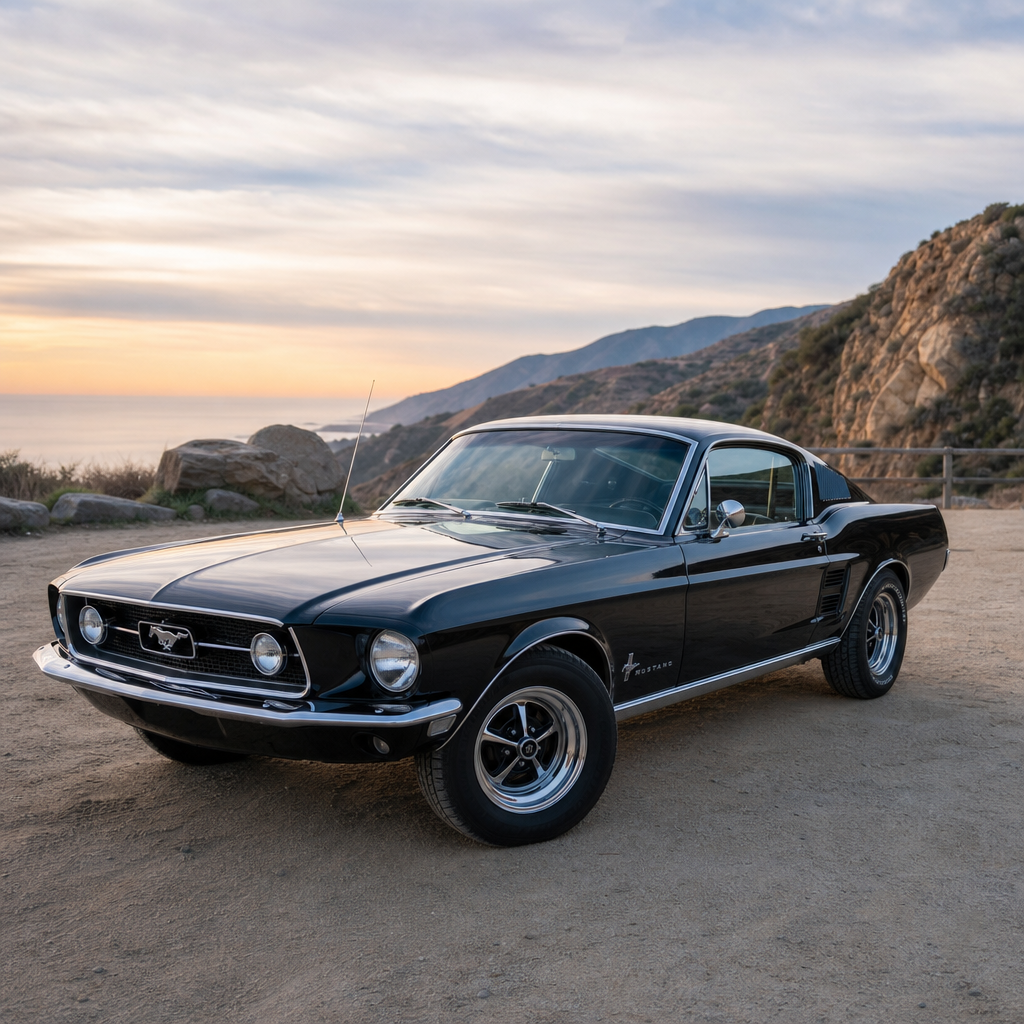
The 1960s changed the emotional role of the car. Instead of simply signaling arrival, cars increasingly expressed individuality, speed, and youth identity. Rising postwar birth rates created a younger buying audience, and that audience wanted affordable style. The Ford Mustang, introduced in 1964, became the defining example. It was not the first sporty compact, but it packaged a long hood, short deck, broad option list, and attainable price in exactly the right cultural moment. Within months, rivals had to respond, and the pony car segment was born.
Sports cars also thrived because driving itself became part of consumer aspiration. Chevrolet’s Corvette evolved into a serious American sports car, while imports such as the MGB, Jaguar E-Type, Porsche 356 and later 911, Alfa Romeo Spider, and Datsun 240Z gave buyers different blends of performance, prestige, and reliability. Motorsport mattered here. Success at Le Mans, rally events, Trans-Am, NASCAR, and Formula One fed showroom credibility. Even people who never raced wanted something with competition DNA.
Performance engineering improved quickly in this decade. Higher compression ratios, multiple carburetors, overhead-cam designs in some European models, and factory performance packages became recognizable selling features. Buyers understood terms like horsepower, four-speed manual, limited-slip differential, and disc brakes. The culture of customization expanded as well, with mag wheels, tachometers, stripes, and dealer-installed options helping owners personalize their cars. This era remains central to classic car education because it is where modern enthusiast language truly took hold.
Muscle Cars, Insurance Pressure, and the End of an Arms Race
Muscle cars grew from the same 1960s hunger for excitement, but they deserve separate attention because their formula was so culturally specific: a midsize or compact platform, a large-displacement V8, straight-line speed, and a price reachable for many working and middle-class buyers. The 1964 Pontiac GTO is usually credited with launching the segment, and what followed was a horsepower contest among GM, Ford, Chrysler, AMC, and others. Cars like the Plymouth Road Runner, Dodge Charger R/T, Chevrolet Chevelle SS 454, Oldsmobile 442, Buick GSX, and Ford Torino Cobra became icons because they translated engine bravado into street identity.
Yet the muscle era also shows how quickly cultural and regulatory currents can turn. Rising insurance premiums for high-performance models, federal safety and emissions standards, and changing public attitudes after increasing road fatalities all pressured manufacturers. Gross horsepower ratings, once marketing weapons, became less meaningful as engines were tuned for cleaner emissions and lower compression. The 1970 peak was brief. By the mid-1970s, the classic muscle formula had been diluted, though not erased.
| Era | Approximate Years | Cultural Driver | Signature Examples |
|---|---|---|---|
| Early Motoring | 1900s-1920s | Status, mobility access | Ford Model T, Packard Twin Six |
| Prewar Streamlined | 1930s-1942 | Modernism, resilience | Cord 810, Lincoln Zephyr |
| Postwar Chrome Age | 1946-1959 | Prosperity, suburbia | Chevrolet Bel Air, Cadillac Series 62 |
| Performance 1960s | 1960-1969 | Youth culture, motorsport | Ford Mustang, Jaguar E-Type |
| Muscle and Regulation Shift | 1964-1974 | Horsepower, then restraint | Pontiac GTO, Chevelle SS |
| Late Analog to Early Modern | 1975-1990s | Efficiency, tech, global brands | Porsche 911 Carrera, Buick GNX |
The 1970s: Regulation, Fuel Economy, and New Definitions of Desirable
The 1970s are often misunderstood as a weak decade, but that oversimplifies the era. It is true that U.S. emissions controls, catalytic converters, lower compression, and bumper regulations changed styling and reduced performance on many mainstream models. The 1973 and 1979 oil shocks pushed fuel economy to the center of purchase decisions. Buyers who had celebrated cubic inches now asked practical questions about miles per gallon and reliability. That cultural shift redirected the market.
American manufacturers struggled unevenly, while Japanese brands gained ground with efficient, durable cars. Models from Toyota, Datsun, and Honda changed consumer expectations about quality control and operating costs. In the enthusiast space, the decade still produced important classics: the second-generation Pontiac Firebird Trans Am became a symbol of style and attitude; the Porsche 911 matured; the BMW 2002 and later E21 3 Series helped define the sports sedan idea; Mercedes-Benz continued to build durable luxury cars with strong engineering integrity.
What makes the 1970s essential in a hub about popular classic car eras is the way culture broadened the definition of a desirable classic. Not every collectible needs huge power. Some matter because they introduced engineering solutions, changed market leadership, or captured a social mood. A well-preserved 1970s Mercedes W123, Range Rover, or Datsun 280Z tells a cultural story just as clearly as a big-block coupe.
1980s and Early Modern Classics: Technology, Globalization, and Reassessment
By the 1980s, cars reflected a world shaped by electronics, global competition, and sharper brand identities. Fuel injection replaced carburetors across much of the market, turbocharging became a practical performance tool, and onboard diagnostics began moving from specialist knowledge toward standard service practice. Aerodynamic styling, front-wheel drive packaging, and lighter materials influenced both economy cars and performance icons.
This era produced vehicles that collectors long undervalued but now increasingly respect. The Buick GNX proved that late-era American performance could still be formidable. The Fox-body Ford Mustang sustained affordable V8 enthusiasm. The Porsche 930 and later 964 carried the 911 into a more technically advanced age. BMW’s E30 M3 translated touring-car credibility into road-car legend, while the Ferrari Testarossa and Lamborghini Countach embodied excess and media-driven aspiration. Japanese performance also became impossible to ignore, with cars like the Mazda RX-7, Toyota Supra, Acura NSX, and Nissan Skyline GT-R reshaping what buyers expected from technology and reliability.
The cultural lesson of early modern classics is that nostalgia evolves. Cars once dismissed as used performance machines are now appreciated for analog driving feel, lower electronic complexity than current vehicles, and their role in a rapidly globalizing enthusiast culture.
How to Use This Hub to Explore Popular Classic Car Eras
If you are building knowledge, buying your first classic, or deciding what to restore, use era-based research before model-based shopping. Start with the question, “What driving experience and ownership reality do I want?” Prewar cars demand specialist knowledge, limited road use, and parts planning. 1950s cruisers offer style and approachable mechanicals but need space and fuel tolerance. 1960s sports and pony cars balance strong support networks with rising purchase prices. 1970s and 1980s classics can offer better value, but condition and originality vary widely.
This hub is designed to lead naturally into deeper reading on specific eras, body styles, powertrain types, restoration planning, valuation, and maintenance basics. When comparing cars, look beyond appearance. Check whether parts are reproduced, whether club support exists through groups such as the Antique Automobile Club of America or marque-specific registries, and whether the car fits your local roads, storage, and mechanical ability. The smartest classic purchase is the one whose era matches your expectations.
Classic car eras make sense when you see them as responses to culture rather than isolated design trends. Early motoring reflected access and status. Prewar cars balanced elegance with uncertainty. Postwar cruisers celebrated prosperity and suburban life. The 1960s elevated youth, performance, and personal identity. Muscle cars turned horsepower into a mass-market statement before regulation and economics changed the rules. The 1970s redefined value through efficiency and durability, and the 1980s into early modern classics brought technology, globalization, and a new kind of collectible credibility.
For anyone exploring Classic Car Basics and Education, this framework is the most useful starting point because it turns a huge subject into a logical map. Once you understand the cultural forces behind popular classic car eras, you can judge models more accurately, spot meaningful differences within decades, and appreciate why certain cars remain influential long after production ended. Use this hub as your foundation, then move deeper into each era, compare landmark models, and focus your next search with confidence.
Frequently Asked Questions
What does it mean to say that classic car eras were shaped by cultural trends?
When people talk about classic car eras, they are really talking about moments in history when design, technology, and public taste came together in a specific way. A car from any given period reflects far more than engineering choices. It shows what people admired, what they could afford, how they wanted to present themselves, and what kind of lifestyle they imagined for themselves. In that sense, classic cars are rolling snapshots of social values.
For example, some eras celebrated optimism, glamour, and progress, which showed up in dramatic styling, chrome trim, sweeping body lines, and larger, more expressive proportions. Other periods were shaped by practicality, changing fuel costs, and a growing awareness of safety and efficiency, leading to smaller dimensions, cleaner designs, and more restrained engineering choices. Even interior layouts, color palettes, and advertising language reveal what buyers cared about at the time, whether that was luxury, family comfort, speed, individuality, or status.
Cultural trends also influenced how cars were marketed and who they were built for. A sporty coupe might reflect the rise of youth culture and personal freedom, while a large cruiser might represent postwar prosperity and the appeal of long-distance travel. The key idea is that a classic car era is not just a timeline label. It is a combination of social mood, consumer identity, economic conditions, and industrial capability, all expressed through the automobile.
How did postwar optimism influence the design of classic cars?
Postwar optimism had a major effect on the look and feel of many classic cars, especially in the years following World War II. In many markets, people were eager to move beyond hardship and scarcity, and that optimism translated directly into bolder, more expressive automobiles. Car buyers wanted symbols of success, freedom, and progress, and manufacturers responded with vehicles that looked exciting, modern, and full of possibility.
This is one reason so many cars from the postwar years featured dramatic styling elements such as abundant chrome, wraparound windshields, tailfins, two-tone paint, and wide, confident stances. These were not purely functional decisions. They were emotional ones. Automakers were selling aspiration as much as transportation. Owning a stylish car meant participating in a new era of mobility, prosperity, and social visibility. It was a statement that life was improving and that the future looked bright.
The cultural mood of the time also elevated the importance of road trips, suburban living, and family travel. As highways expanded and personal mobility became central to everyday life, cars were designed to feel spacious, comfortable, and impressive. Manufacturers highlighted smooth rides, roomy cabins, and visual drama because those qualities matched the public imagination. In this way, postwar classic cars became icons not only of engineering development but also of hope, confidence, and a consumer culture built around movement and self-expression.
Why did muscle cars and performance models become so important in certain classic car eras?
Muscle cars and performance-focused models rose to prominence because they matched the cultural energy of their time. In periods when youth culture became more influential, speed and power gained a new kind of social meaning. Cars were no longer just family tools or status symbols for established adults. They became extensions of personality, rebellion, competition, and excitement. A powerful engine, aggressive styling, and a loud exhaust note communicated confidence in a way that resonated strongly with younger buyers and enthusiasts.
Motorsport also played a major role. Racing success often spilled into showroom appeal, and buyers wanted road cars that captured some of the same drama they saw on tracks, drag strips, and in automotive media. Manufacturers understood this connection and used performance branding to attract attention. High-horsepower variants, special trims, hood scoops, stripes, and sport-oriented suspensions were all part of the appeal. Even people who never raced often wanted the image and emotion associated with performance.
There was also an economic and industrial side to this trend. In some periods, relatively affordable performance became possible because automakers had the production scale and engineering flexibility to offer bigger engines in mid-size or compact platforms. That formula created memorable cars that delivered excitement without requiring luxury-car money. The popularity of muscle cars, pony cars, and other performance classics shows how cultural values such as freedom, individuality, competition, and youthful energy can shape an entire automotive era.
How did fuel prices, economic shifts, and regulation change the character of classic car eras?
Economic pressure and regulation often transformed the car market as dramatically as design fashion did. When fuel was inexpensive and consumer confidence was high, larger cars with powerful engines and expressive styling could thrive. But when fuel prices rose, economic uncertainty increased, or governments introduced stricter safety and emissions standards, automakers had to rethink what buyers needed and what vehicles could realistically deliver. Those changes helped define new eras just as clearly as any styling trend.
Higher fuel costs pushed consumers toward efficiency, which encouraged smaller vehicles, lighter construction, and more attention to mileage. At the same time, emissions rules required changes to engine tuning and exhaust systems, while safety standards influenced body structure, bumpers, lighting, and interior design. As a result, many cars from later classic periods look and feel very different from the flamboyant machines that came before them. The transition was not random. It reflected a broader cultural shift toward practicality, responsibility, and adaptation to new realities.
These moments are especially important for understanding classic cars because they remind enthusiasts that an era is shaped by constraints as well as creativity. Automakers did not simply change styles because they wanted novelty. They changed because the world around them changed. Buyers became more conscious of operating costs, governments demanded safer and cleaner vehicles, and manufacturers had to balance performance, compliance, comfort, and market appeal. That is why classic car history reads so clearly as a story of culture responding to circumstance.
Why is it useful for enthusiasts to study classic cars by era instead of only by brand or model?
Studying classic cars by era gives enthusiasts a deeper understanding of why vehicles look, perform, and feel the way they do. If you focus only on a brand or a specific model, you can miss the bigger forces that shaped it. Looking at cars through the lens of an era helps explain why multiple manufacturers moved in similar directions at the same time, why certain body styles became popular, and why some features disappeared almost as quickly as they arrived.
This broader perspective also makes it easier to appreciate the meaning behind design choices. A long, low coupe from one period may express prosperity and style-conscious optimism, while a compact, efficient sedan from another may reflect fuel concerns and changing family priorities. The point is not just to identify differences in appearance. It is to understand the cultural logic behind them. That context turns a classic car from a collectible object into a historical document.
For new enthusiasts especially, thinking in eras can make the hobby less intimidating. It provides a framework for understanding how technology, economics, fashion, motorsport, regulation, and public values all interacted. Once you understand the era, individual models become easier to place and appreciate. You start to see why one car became an icon, why another appealed to practical buyers, and why certain features defined an age. That kind of context makes collecting, restoring, discussing, and enjoying classic cars far more rewarding.