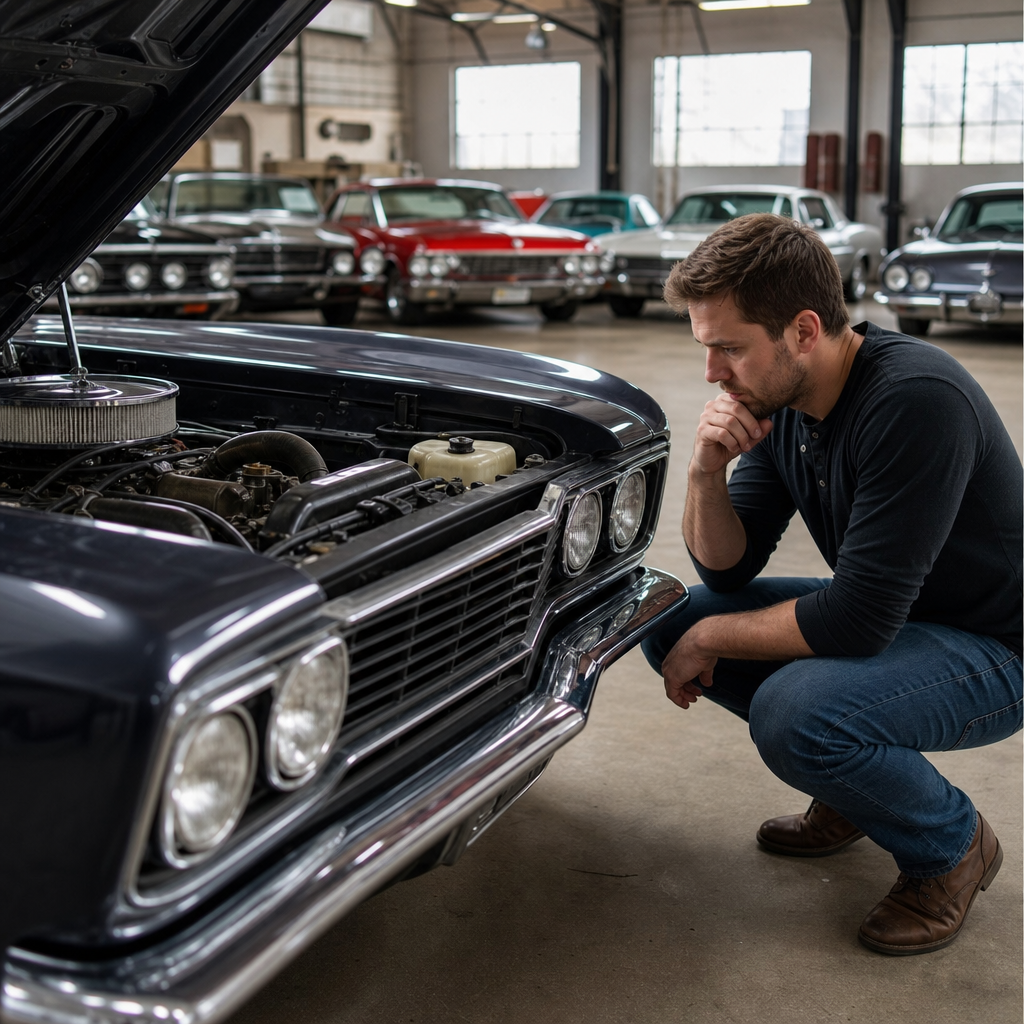
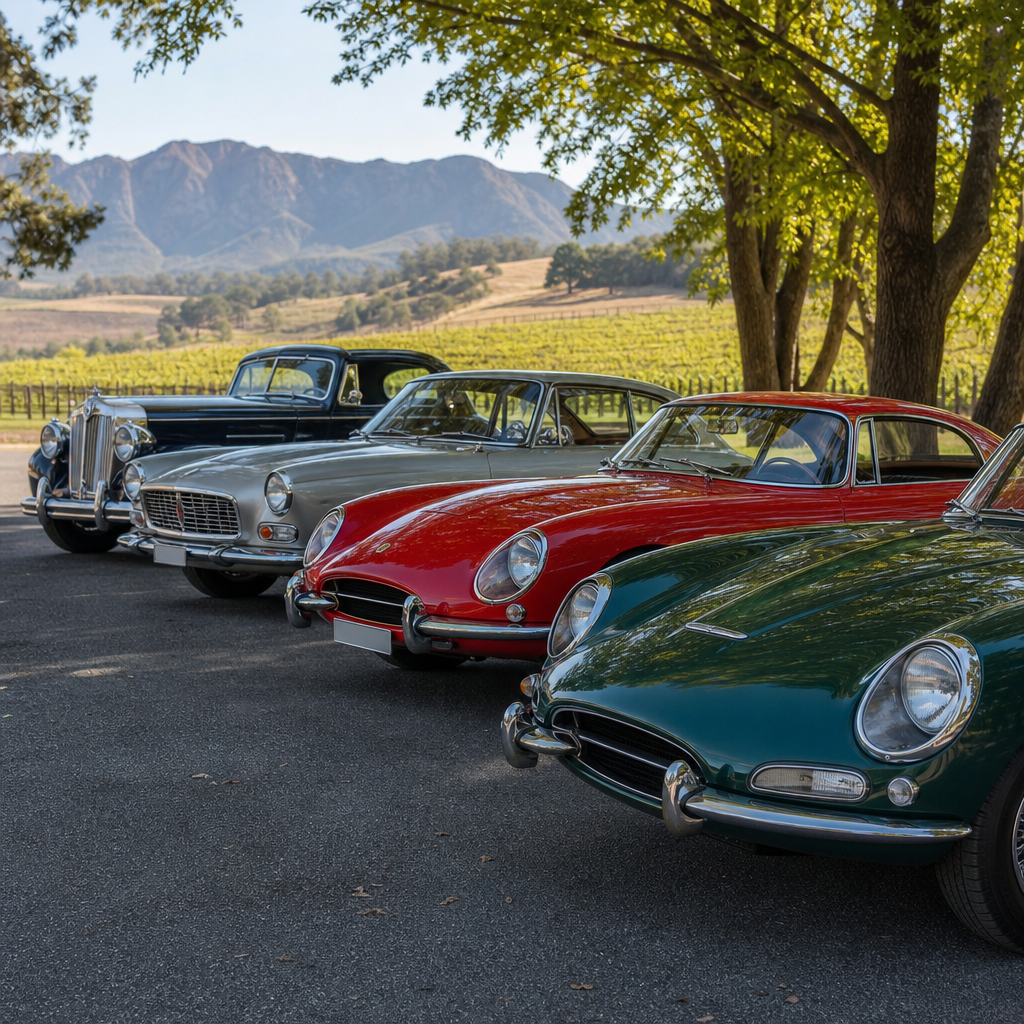
Classic car design has changed dramatically over the decades, reflecting shifts in engineering, safety rules, culture, materials, and consumer taste. In the broadest sense, classic car design refers to the way a vehicle is shaped, proportioned, decorated, and packaged during a given era, from body lines and grilles to dashboards, glass area, trim, and paint. When people discuss the history of classic cars, they are not only admiring beautiful machines; they are studying a timeline of industrial design. Every curve, tailfin, chrome strip, and bumper tells a story about the technology available at the time and the priorities of buyers, manufacturers, and regulators.
I have spent years studying restored cars, factory brochures, coachbuilt bodies, and period design sketches, and one pattern is always clear: classic car design never changed randomly. It evolved through identifiable phases. Early cars borrowed from horse-drawn carriage forms. Streamlining arrived as aerodynamic research matured in the 1930s. Postwar optimism encouraged chrome-heavy excess in the 1950s. The 1960s sharpened proportions and introduced personal luxury cues. The 1970s responded to emissions rules, fuel crises, and impact standards. By the 1980s, aerodynamics, packaging efficiency, and global competition transformed the look again.
Understanding these shifts matters for collectors, restorers, and new enthusiasts because design history helps explain value, authenticity, and appeal. A split windshield, pontoon fender, wraparound glass, coke-bottle profile, vinyl roof, or integrated bumper is not just a style cue; it places a car within a specific design era. This hub article covers the history of classic cars comprehensively, showing how classic car design changed from the brass era through the modern classic threshold and why those changes still shape collecting, restoration, and automotive culture today.
The Brass Era and the Move Beyond Carriage Design
The earliest automobiles of the late nineteenth and early twentieth centuries looked familiar because builders relied on carriage-making traditions. High seating positions, narrow bodies, exposed mechanical components, and upright proportions reflected how little precedent existed for automobile form. Designers had not yet developed the integrated body shell language that later generations take for granted. Open touring bodies dominated because enclosed cabins were expensive, heavy, and technically challenging. Lamps, fenders, and toolboxes often appeared as separate add-on elements rather than part of a unified composition.
Cars such as the Ford Model T, Cadillac Model Thirty, and Renault touring models reveal this transition clearly. The Model T, introduced in 1908, was mechanically transformative, but stylistically it still carried a carriage-like uprightness. Running boards were essential because bodies sat high above the ground. Wheels were thin and large to cope with rough roads. Hoods were long but simple, and the passenger compartment was boxy. In this period, function established form more than brand identity did. Designers prioritized manufacturability, basic durability, and service access.
Even so, early differentiation began through radiator shape, hood louvers, wheelbase, and coachwork. Luxury marques including Packard and Rolls-Royce leaned into custom coachbuilding, allowing wealthy clients to commission bespoke bodies. That practice became one of the defining features of prewar classic car history. Before all-steel mass production matured, a chassis could be sold separately and bodied by firms such as Barker, Fleetwood, or LeBaron. This separation between engineering platform and exterior design gave rise to some of the most elegant classic cars ever built.
The 1920s and 1930s: Art Deco, Streamlining, and Integrated Bodies
By the 1920s, automotive design grew more sophisticated because roads improved, speeds increased, and manufacturers learned how to stamp and assemble steel more efficiently. Lower rooflines, wider bodies, and more cohesive front-end styling appeared. Fenders still stood apart from the body, but the overall silhouette became more balanced. Closed bodies became mainstream rather than exclusive. Companies such as General Motors also formalized annual styling changes, making design a strategic business tool. Alfred P. Sloan and Harley Earl understood that appearance could drive repeat sales as effectively as engineering updates.
The 1930s marked one of the most important leaps in the history of classic cars. Aerodynamics influenced design more directly, even when true drag reduction was secondary to visual modernity. Streamlined forms, teardrop fenders, raked grilles, and smoother transitions between panels conveyed speed and progress. Chrysler’s Airflow, launched in 1934, is the clearest case study. It used wind-tunnel-informed principles, a more forward passenger compartment, and integrated body engineering. Commercially, it struggled because buyers found it too radical, but its significance is undeniable: it proved that scientific thinking could reshape car design.
At the same time, Art Deco elegance flourished in models from Delahaye, Bugatti, Cord, and Duesenberg. Hidden headlights on the Cord 810, sweeping pontoon-like fenders, and dramatic hood lengths showed that classic car design could be both technical and theatrical. Designers were now creating emotional objects, not merely transportation appliances. Chrome trim became more purposeful, grille shapes became brand signatures, and interiors started to reflect a coordinated design philosophy rather than simple upholstery choices.
The 1940s and 1950s: Postwar Optimism, Chrome, and Tailfins
World War II interrupted civilian vehicle production, but it also accelerated manufacturing techniques, metallurgy, and public appetite for modernity. After the war, pent-up demand helped manufacturers sell almost anything they could build, yet styling soon became fiercely competitive. The late 1940s introduced fuller bodies, integrated fenders, and smoother slab-sided shapes. The separate external fender of the prewar era began to disappear into unified ponton forms. Cars looked less mechanical and more sculpted.
By the 1950s, classic car design entered its most flamboyant phase in the United States. Longer, lower, and wider became the dominant formula. Tailfins, panoramic windshields, abundant chrome, two-tone paint, and jet-age instrument panels reflected the era’s fascination with aviation and space-age imagery. Cadillac, Chevrolet, Buick, and Chrysler all participated in this styling race, but the 1959 Cadillac remains the most famous example of excess, with towering fins and dramatic rear lamp nacelles. These details were not random decoration. They signaled status, novelty, and annual progress to buyers in a booming consumer economy.
European manufacturers took a different path. Jaguar’s XK120 and XK140 emphasized flowing sports-car elegance rather than ornament. Mercedes-Benz paired restraint with engineering authority in the 300SL, whose proportions were shaped by performance and packaging. Volkswagen’s Beetle remained almost anti-fashion, proving that timeless shape and functional identity could outlast trend cycles. These contrasts matter because the history of classic cars is not one story but several regional stories unfolding at once.
| Decade | Dominant Design Traits | Representative Examples | Main Drivers of Change |
|---|---|---|---|
| 1900s–1910s | Carriage proportions, open bodies, exposed components | Ford Model T, Packard touring cars | Early engineering limits, rough roads, coachbuilding roots |
| 1920s–1930s | Lower bodies, Art Deco details, streamlining | Cord 810, Chrysler Airflow, Bugatti Type 57 | Steel body production, aerodynamic research, branding |
| 1940s–1950s | Integrated fenders, chrome, tailfins, wraparound glass | Cadillac Series 62, Chevrolet Bel Air, Jaguar XK120 | Postwar demand, optimism, styling competition |
| 1960s–1970s | Crisper lines, muscle stance, personal luxury, safety bumpers | Ford Mustang, Pontiac GTO, Mercedes W108 | Youth market, performance culture, regulation |
| 1980s | Aerodynamic forms, integrated bumpers, cleaner surfaces | Audi 100, BMW E30, Porsche 944 | Fuel economy, wind-tunnel design, global competition |
The 1960s: Performance Identity, Personal Luxury, and Cleaner Lines
The 1960s brought a major refinement in classic car design. Compared with the exuberance of the 1950s, surfaces became cleaner and more disciplined. Tailfins shrank or disappeared. Beltlines straightened. Grilles widened horizontally. Designers learned to create presence through proportion rather than ornament alone. This was the decade when the relationship between a car’s image and its market segment became especially strong. Performance cars looked aggressive, luxury cars looked formal, and sporty compacts looked youthful.
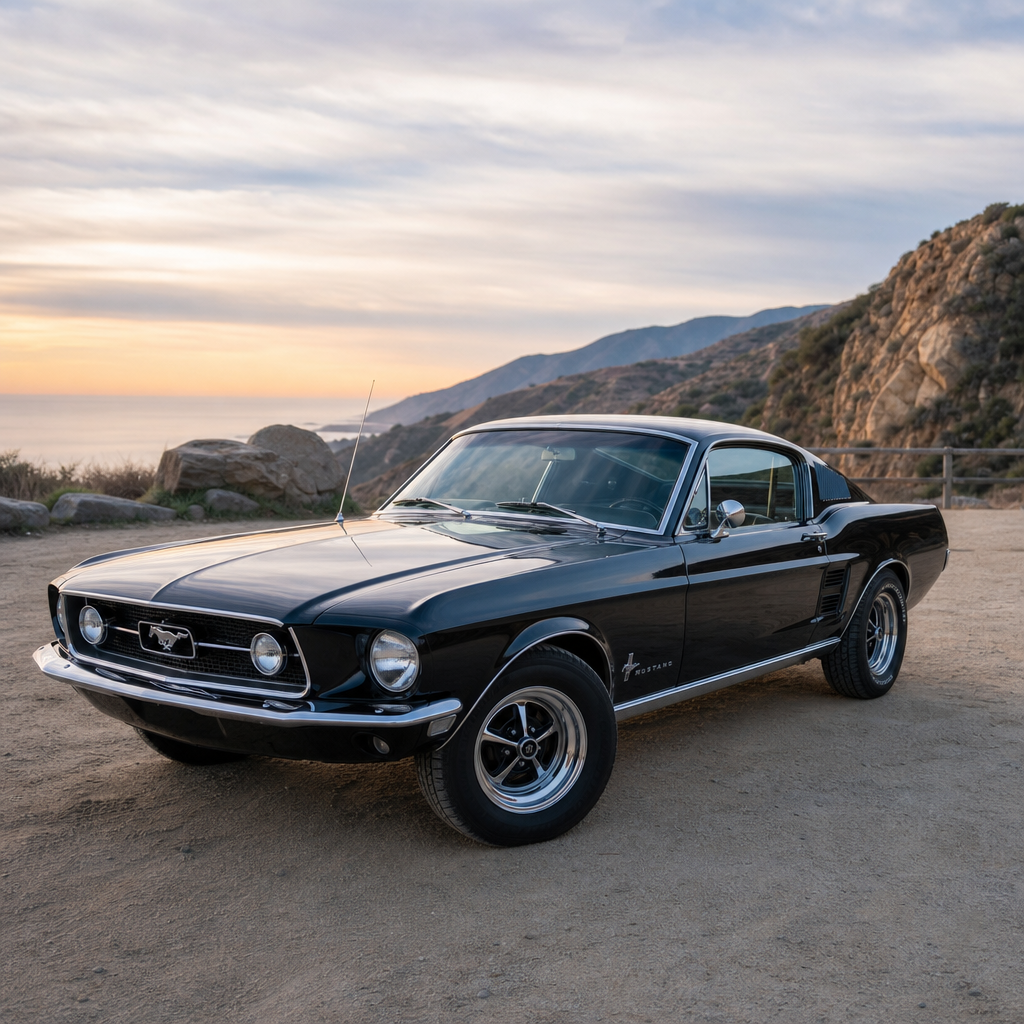
The Ford Mustang, introduced in 1964, changed design strategy across the industry. Its long-hood, short-deck layout projected sportiness even in modest engine trims. That proportion became a defining cue for pony cars and later influenced coupes well beyond the United States. Muscle cars such as the Pontiac GTO, Dodge Charger, and Chevrolet Chevelle SS used scoops, stripes, and wider stances to visually communicate power. In Europe, cars like the Alfa Romeo Giulia Sprint GT and Jaguar E-Type blended racing influence with elegant restraint. The E-Type in particular remains a benchmark because Enzo Ferrari reportedly called it one of the most beautiful cars ever made.
Personal luxury also became important. The Ford Thunderbird, Buick Riviera, and later the Lincoln Continental Mark series showed how hidden headlights, formal rooflines, and richly trimmed interiors could create a premium identity without copying traditional limousines. Designers now understood that classic car design had to address aspiration as much as transportation. Buyers were choosing cars that expressed age, income, and lifestyle.
The 1970s: Regulation, Fuel Economy, and the End of Ornament
If the 1950s celebrated visual freedom, the 1970s demonstrated how external pressures could redirect design quickly. In the United States, federal safety and emissions regulations had visible consequences. The 5-mph bumper standard led to larger, protruding impact bumpers on many models after 1973. Emissions equipment reduced performance, especially during the malaise era, and fuel economy concerns intensified after the 1973 oil crisis and the 1979 energy crisis. These forces changed not only what cars could do, but how they looked.
Designers responded in several ways. Some cars became heavier-looking, with thicker pillars and more substantial bumper systems. Others adopted cleaner, sharper lines that reduced the need for decorative chrome. Vinyl roofs, opera windows, landau bars, and formal grilles remained popular on luxury and personal luxury models, but they often masked increasingly standardized underlying shapes. American full-size coupes from the mid-1970s can look imposing, yet many reveal a tension between old styling themes and new regulatory hardware.
Europe and Japan approached the decade differently. BMW’s Neue Klasse legacy and the first 3 Series established a clean, driver-focused design language with restrained surfacing, slim pillars, and clear brand cues. Mercedes-Benz W114 and W123 sedans emphasized durability and timelessness over fashion. Japanese cars from Toyota, Datsun, and Honda increasingly adopted crisp, efficient forms that communicated practicality and quality. This shift matters because by the late 1970s, classic car history was no longer dominated solely by Detroit or European coachbuilders. Global competition was reshaping expectations.
The 1980s and the Modern Classic Threshold
By the 1980s, aerodynamic efficiency became a central design objective rather than a styling suggestion. Flush glass, softer nose shapes, integrated plastic bumper covers, and reduced chrome defined the decade. Cars like the Audi 100, often credited with a notably low drag coefficient for its time, demonstrated that wind-tunnel development could produce a clean and modern look. Hatchbacks and liftbacks also gained broader acceptance because they improved packaging and everyday usability without necessarily compromising style.
This period created the “modern classic” threshold that many collectors discuss today. Vehicles such as the BMW E30, Porsche 944, Mercedes-Benz W126, and third-generation Chevrolet Camaro feel clearly different from the chrome-heavy classics that preceded them, yet they are now old enough to be valued historically. Their design language is more architectural and technical. Digital dashboards, body-colored trim, alloy wheels, and integrated spoilers replaced many older visual cues. Even performance identity changed. Instead of giant fins or bright chrome, speed was suggested by rake, wheel fitment, lower ride height, and aerodynamic addenda.
The 1980s also standardized many safety and manufacturing expectations that still influence car design now. Better corrosion protection, computer-aided design, and more precise assembly methods reduced the coachbuilt individuality of earlier eras but increased consistency. For enthusiasts, that creates an important dividing line in the history of classic cars: earlier classics often display hand-finished variation and ornament, while later classics express engineering discipline and production efficiency.
What Design Changes Mean for Collectors, Restorers, and New Enthusiasts
For collectors, the evolution of classic car design is not academic. It affects authenticity, restoration cost, parts sourcing, and long-term value. A 1930s coachbuilt car may require wood framing expertise, custom brightwork, and specialist trim fabrication. A 1950s American hardtop may need extensive chrome replating and exact two-tone paint matching. A 1970s luxury coupe may be easier to buy than restore because interior plastics, vinyl materials, and emissions-era components can be difficult to source correctly. Understanding the design era helps owners budget realistically and avoid costly mistakes.
Design history also guides buying decisions. Many first-time enthusiasts are drawn to a style before they understand the mechanical implications behind it. Someone who loves wraparound windshields and tailfins should know that large glass, chrome, and complex trim raise restoration costs. A buyer attracted to 1980s modern classics should inspect electronic systems, plastics, and model-specific trim availability. When I evaluate a car, I always read the design first: panel gaps, incorrect wheel choices, non-original upholstery patterns, and missing moldings often reveal more than a quick engine inspection.
As a hub for classic car basics and education, this history page provides the framework for deeper topics such as identifying design eras, decoding body styles, understanding coachbuilding, comparing American and European classics, and spotting authentic restoration details. The better you understand how classic car design changed over the decades, the more confidently you can evaluate any vehicle, from a brass-era tourer to an emerging 1980s collectible.
Classic car design changed because the world changed around the automobile. Early vehicles borrowed carriage architecture because engineers were inventing the category in real time. The 1920s and 1930s introduced integrated bodies, branding, and streamlining. The 1950s turned cars into rolling symbols of optimism through chrome, fins, and theatrical proportion. The 1960s refined those ideas into cleaner, market-specific identities built around performance, luxury, or youth appeal. The 1970s showed how regulation, fuel costs, and global competition could reshape styling priorities, while the 1980s established the aerodynamic, integrated look that defines many modern classics.
The key takeaway is simple: the history of classic cars is best understood through design because design captures engineering progress, cultural mood, and market demand all at once. When you learn to recognize the visual language of each decade, you gain a practical tool for identifying cars, judging originality, and appreciating why certain models became icons. That knowledge makes collecting smarter, restoration more accurate, and ownership more rewarding.
Use this hub as your starting point for exploring classic car history in greater depth, then continue into related guides on body styles, restoration standards, and era-by-era buying advice. The more closely you look at classic car design, the more clearly the decades reveal themselves.
Frequently Asked Questions
What does “classic car design” actually mean across different decades?
Classic car design refers to the complete visual and functional language of a vehicle as shaped by its era. It includes the body silhouette, proportions, wheelbase, fender treatment, grille style, roofline, glass area, chrome trim, lighting, dashboard layout, interior materials, paint choices, and even how the car is packaged mechanically. In other words, it is not just about whether a car looks elegant or aggressive. It is about how engineering, manufacturing limits, styling trends, and consumer expectations come together in one recognizable design.
Across the decades, that definition changes because the priorities of the auto industry change. Early classic cars often emphasized coachbuilt form, upright proportions, exposed details, and handcrafted finishes. By the 1930s and 1940s, streamlining and integrated bodywork became more influential. The 1950s brought jet-age optimism, tailfins, wraparound glass, and decorative chrome. The 1960s balanced performance and refinement, often with cleaner lines and more purposeful proportions. The 1970s introduced bulkier shapes influenced by safety and emissions regulations, while the 1980s and beyond shifted toward aerodynamics, lighter materials, and more efficient packaging.
That is why studying classic car design is really studying industrial history. Each decade leaves visible clues about what mattered at the time, whether that was speed, prestige, family practicality, fuel economy, safety, or modernity. When enthusiasts compare classic cars from different eras, they are often comparing entire design philosophies, not just cosmetic details.
Why did classic cars become more streamlined over time?
Classic cars became more streamlined because designers and engineers increasingly understood that airflow mattered, both visually and mechanically. In the earliest automotive years, many vehicles were essentially motorized carriages, with upright cabins, separate fenders, exposed lamps, and little concern for aerodynamic efficiency. As automotive technology improved, manufacturers realized that smoother body shapes could reduce drag, improve performance, increase stability, and create a more modern appearance.
By the 1930s, streamlining had become a major design movement. Automakers began blending fenders into the body, lowering rooflines, rounding corners, and softening abrupt edges. This was partly inspired by advances in aviation, rail, and industrial design, where sleekness came to symbolize progress. Streamlined styling also made cars look faster and more advanced, even when actual performance gains were modest. Consumers responded strongly to that sense of motion and sophistication.
Over the following decades, streamlining evolved from a stylistic trend into a technical necessity. By the late 1970s and 1980s, fuel economy standards and changing market demands pushed automakers to pay closer attention to drag coefficients, frontal area, and integrated body forms. Designers reduced unnecessary ornamentation, flush-mounted glass and lighting became more common, and wedge-like profiles started to replace the tall, boxy forms of earlier years. So while streamlining began as both art and science, it gradually became central to how cars were engineered, marketed, and experienced on the road.
How did safety regulations change the look of classic cars?
Safety regulations had a profound effect on classic car design because they forced manufacturers to rethink how a car should be built, both inside and out. Earlier vehicles often prioritized style over occupant protection, with metal dashboards, thin steering wheels, sharp switchgear, minimal structural crash planning, and decorative exterior elements that would later be seen as hazardous. As governments introduced stricter safety standards, automakers had to adapt body shapes, bumpers, glass, lighting, steering columns, and cabin materials to comply.
One of the most visible changes was the evolution of bumpers. In many earlier decades, bumpers were slender chrome accents that complemented the vehicle’s styling. As safety standards tightened, they grew larger, heavier, and more energy-absorbing, particularly in the 1970s. This altered the proportions of many cars and often made them appear bulkier. Likewise, lighting regulations affected the size, placement, and standardization of headlamps and signal lamps, reducing some of the styling freedom designers previously enjoyed.
Inside the cabin, padded dashboards, safer steering columns, integrated headrests, seat belts, and improved switch placement changed the character of interiors. Windshields and side glass also evolved due to safety expectations, and stronger roof structures influenced body engineering. These changes did not always produce cars that enthusiasts initially considered more beautiful, but they marked a crucial shift toward practical protection. In hindsight, safety regulations helped move car design from purely decorative expression toward a balance of style, usability, and survivability.
What role did culture and consumer taste play in changing classic car design?
Culture and consumer taste played an enormous role in shaping classic car design because automobiles have always been more than transportation. They are cultural objects that reflect status, aspirations, technology, and lifestyle. Designers do not work in isolation. They respond to what buyers admire, what society celebrates, and what competitors are doing. As those attitudes change, car design changes with them.
For example, the prosperity and optimism of the 1950s encouraged flamboyant styling, abundant chrome, two-tone paint, dramatic grilles, and aviation-inspired details like tailfins. Cars were marketed as symbols of excitement, freedom, and futuristic living. In the 1960s, a growing performance culture influenced the rise of muscle cars, sporty coupes, and more assertive proportions. Youth culture, motorsport, and personal identity became stronger factors in design decisions.
By the 1970s and 1980s, tastes began shifting toward practicality, efficiency, and cleaner forms. Rising fuel prices, environmental concerns, and economic uncertainty made excess seem less desirable in many markets. Later, luxury buyers often favored understated sophistication rather than overt ornamentation. Even interior design evolved with these cultural changes, moving from ornate trim and bright colors to more ergonomic layouts, subdued palettes, and technology-oriented dashboards. In short, consumer taste helped determine whether automakers built cars that looked glamorous, muscular, elegant, conservative, or futuristic, making design history deeply connected to social history.
Which design elements best show how classic cars evolved from one era to another?
Several design elements clearly reveal how classic cars evolved, and some of the most telling are body proportions, grille treatment, lighting, glass area, trim, and interior layout. Body proportions are especially important because they instantly communicate an era’s priorities. Earlier cars often had tall cabins, long hoods, separate fenders, and upright stances. Later vehicles became lower, wider, more integrated, and often more aerodynamic. Just by looking at the relationship between the hood, cabin, trunk, and wheels, you can usually place a car within a broad historical period.
Grilles and front-end styling are another strong clue. Large, vertical grilles were common in the early decades when radiators were visually prominent. Over time, grilles became wider, lower, and more sculptural, eventually blending into the full front fascia. Headlights also changed dramatically, moving from freestanding lamps to integrated round units, then to rectangular forms and eventually more aerodynamic assemblies. These changes reflected both styling trends and regulatory influences.
Glass area and roof design also tell an important story. Mid-century cars often featured wraparound windshields and expansive windows to create a sense of openness and modernity. Later designs sometimes reduced glass area in favor of thicker pillars, stronger structures, and more private cabin styling. Chrome trim, hood ornaments, fins, vents, side sculpting, and wheel arch shapes also changed repeatedly as tastes evolved. Inside, dashboards moved from simple metal panels with basic gauges to more sculpted, safety-conscious, driver-focused designs. Taken together, these elements show that classic car design did not change in one straight line. It evolved through a constant interaction of beauty, engineering, regulation, and public desire.