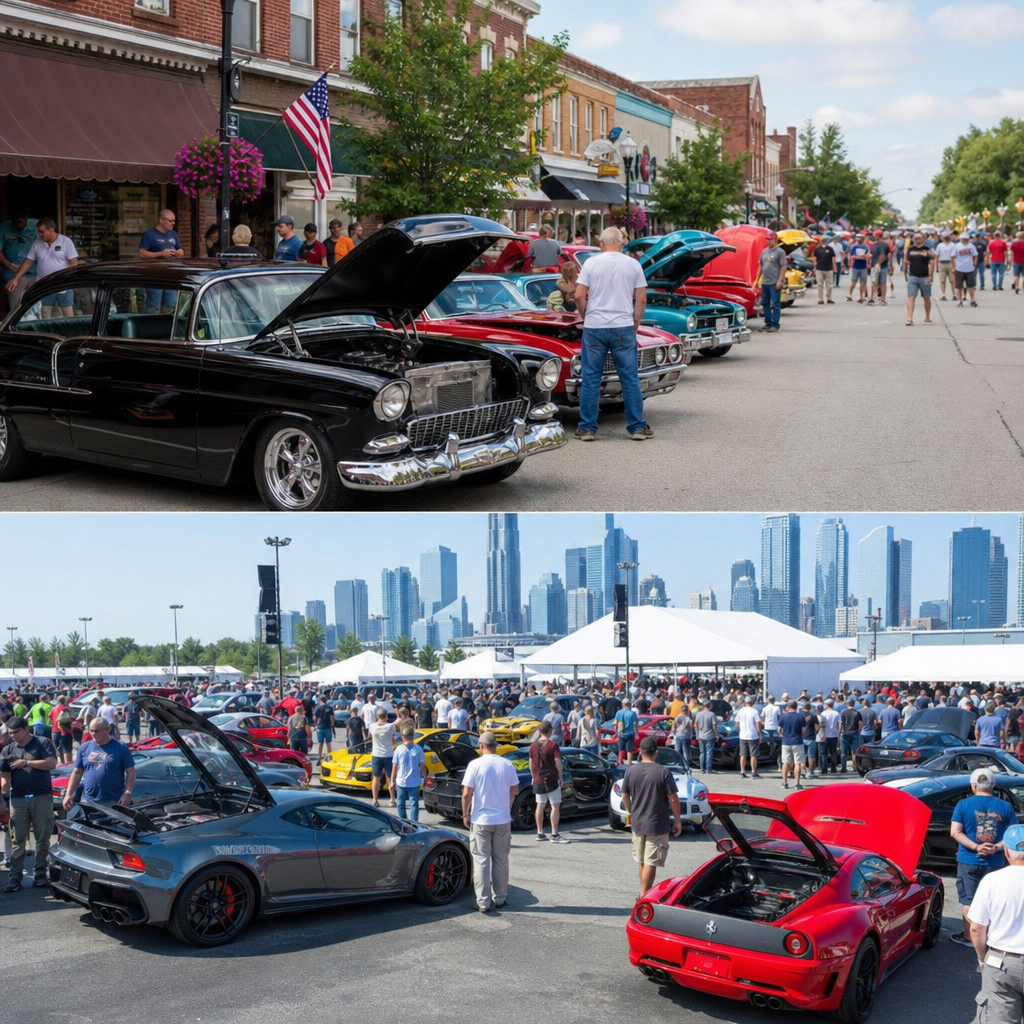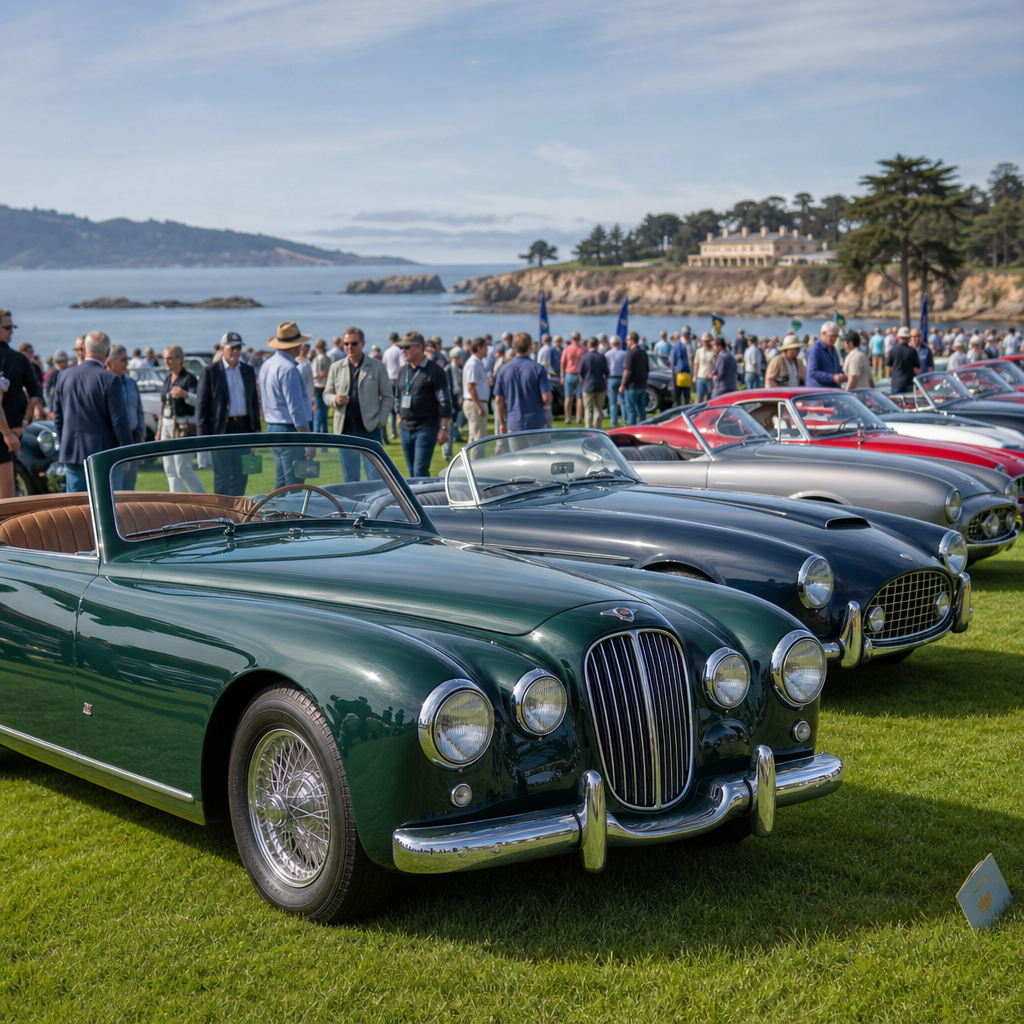
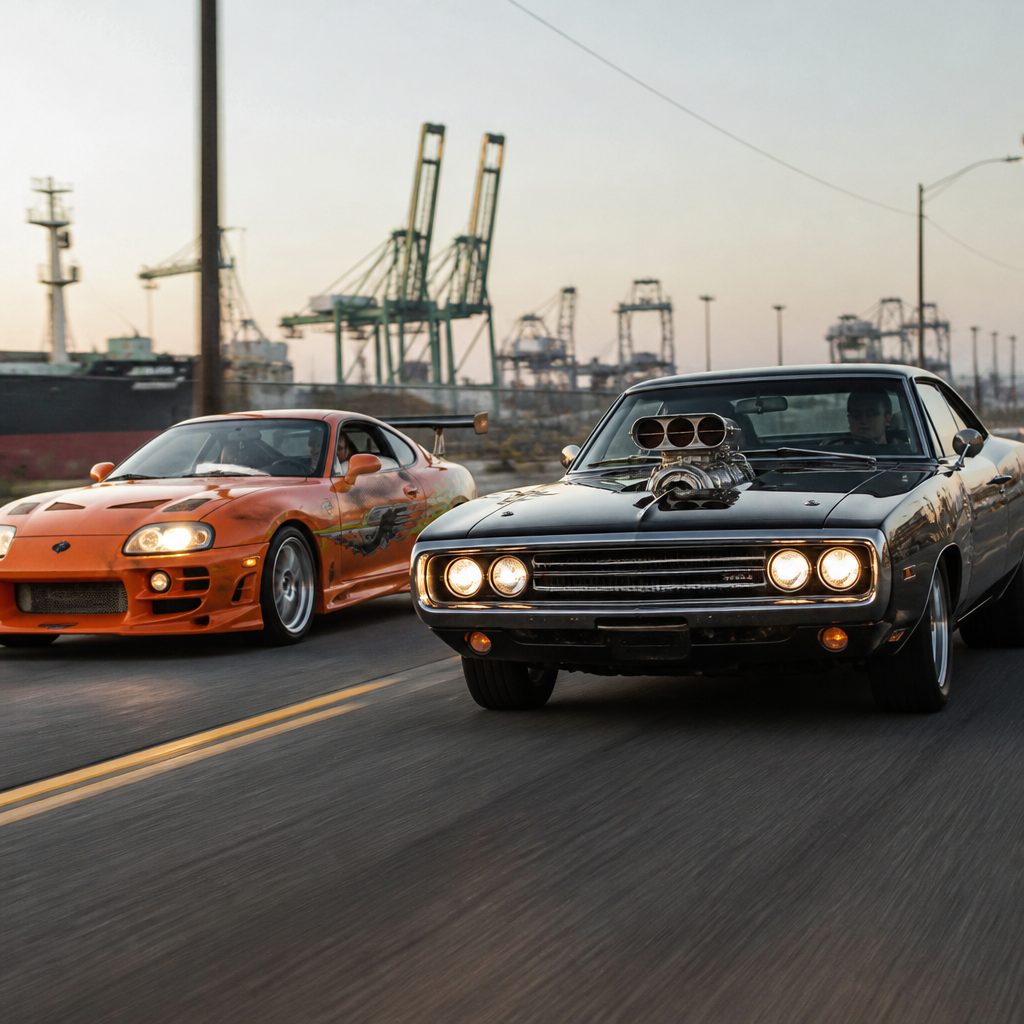
Fast & Furious vs classic car culture is more than a movie-versus-hobby debate; it is a revealing comparison between two powerful automotive identities shaped by media, mechanics, community, and values. In one lane sits the high-energy world popularized by the Fast & Furious franchise, where nitrous bottles, quarter-mile rivalries, drifting, and modified imports turned tuner culture into a global entertainment force. In the other sits classic car culture, built around preservation, restoration, period correctness, cruising, concours judging, swap meets, and a deep respect for automotive history. Both scenes overlap at times, yet they are driven by different priorities, aesthetics, and narratives.
Defining the terms matters. Fast & Furious culture refers to the media-fueled image of street racing and customization centered on late twentieth-century and early twenty-first-century performance cars, especially Japanese imports such as the Toyota Supra Mk4, Nissan Skyline GT-R, Mazda RX-7, Honda Civic, Mitsubishi Eclipse, and Acura Integra. It also includes the broader lifestyle that grew around those films: body kits, underglow, turbo builds, fabricated identities tied to speed, and a social ethos of crews, loyalty, and rebellion. Classic car culture, by contrast, generally focuses on older vehicles with historical significance, collector value, or nostalgic appeal, including American muscle cars, prewar machines, European roadsters, and postwar cruisers. Depending on the club or registry, a classic may be defined by age, rarity, engineering importance, or cultural impact.
This comparison matters because movies and media do not simply reflect car culture; they actively reshape it. I have seen auction prices move, restoration priorities change, and younger enthusiasts enter the hobby because of what they watched on screen. A film can turn an overlooked model into a six-figure collectible. A streaming series can revive interest in analog driving, period wheels, or forgotten coachbuilders. The Fast & Furious era did that for imports and street-driven performance builds. Earlier films, television shows, magazines, and later YouTube channels did it for hot rods, muscle cars, and heritage brands. If you want to understand today’s automotive landscape under the broader Classic Car Culture & Lifestyle umbrella, you have to understand how media created demand, status, and identity.
As a hub for Movies & Media within classic car culture, this article maps the core questions readers usually ask. How did Fast & Furious change enthusiast behavior? How is that different from traditional classic car values? Which vehicles became icons because of screen exposure? Why do some collectors prize originality while others celebrate modification? Where do these scenes overlap in auctions, clubs, social media, and younger buyer trends? Most importantly, what should a newcomer learn before choosing a path between tuner-inspired performance culture and the heritage-rich world of classics? The answers are not abstract. They affect buying decisions, insurance, restoration budgets, event participation, and even whether a vehicle is preserved, restomodded, or built for spectacle.
How Fast & Furious changed automotive media and enthusiast culture
When The Fast and the Furious arrived in 2001, it did not invent import tuning, street racing, or custom car crews. Southern California had already built that ecosystem through magazines such as Sport Compact Car, Super Street, and Import Tuner, along with drag strips, aftermarket shops, and early internet forums. What the film did was package that world into a clear, exportable narrative. Suddenly, turbocharged imports were not niche enthusiast machines; they were aspirational movie stars. The orange Toyota Supra, green Mitsubishi Eclipse, red Mazda RX-7, and black Honda Civic coupes became visual shorthand for speed and youth culture. Sales of aftermarket parts, body kits, vinyl graphics, and performance wheels surged because the films made customization legible to mainstream audiences.
The franchise also changed the language of car enthusiasm. Terms like NOS, ten-second car, pink slips, and quarter-mile racing entered public conversation, even when the technical details were dramatized. For many first-time enthusiasts, the films served as an entry point into boost pressure, engine swaps, ECU tuning, and drivetrain layouts. That matters because media often determines what beginners notice first. In the early 2000s, they noticed neon, carbon fiber hoods, giant rear wings, and polished intercooler piping. Performance culture became visual culture. A build was no longer judged only by elapsed time or dyno numbers; it was judged by how well it projected identity.
There was a downside. The movies glamorized illegal street racing and compressed complex mechanical work into easy cinematic moments. In real garages, a reliable turbo build requires careful fueling, heat management, compression planning, tuning strategy, and safety upgrades. A cheap build inspired only by appearance can become mechanically fragile and financially draining. Yet the media effect was undeniable: younger drivers entered the hobby, Japanese performance cars gained legitimacy, and a generation learned to see cars as personal storytelling devices rather than transportation appliances.
What defines classic car culture beyond nostalgia
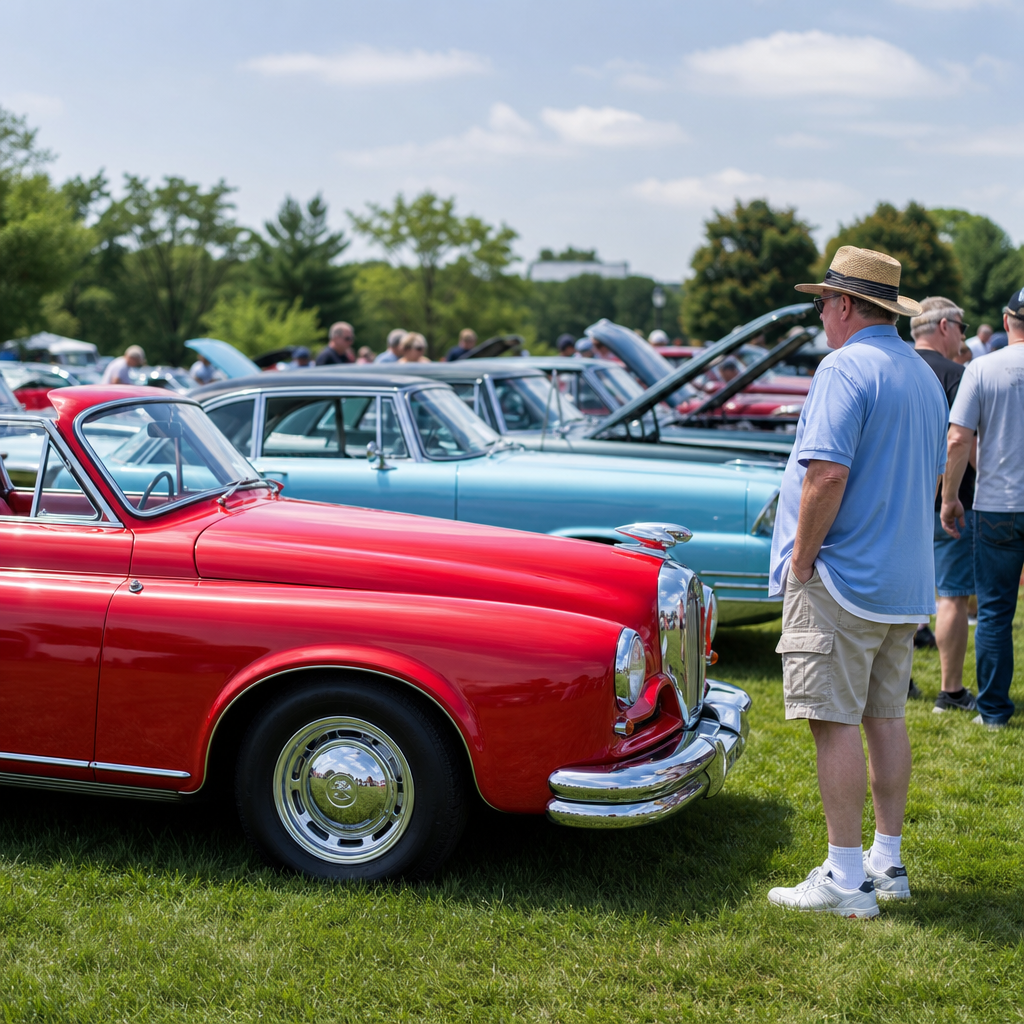
Classic car culture is often reduced to nostalgia, but that description is incomplete. At its best, the culture is a living archive of industrial design, mechanical evolution, and social history. A 1957 Chevrolet Bel Air tells a story about postwar optimism, chrome-heavy styling, and the rise of highway cruising. A Jaguar E-Type expresses British engineering priorities and aerodynamic form. A 1969 Ford Mustang Boss 429 reflects homologation thinking and the horsepower race. In workshops and shows, enthusiasts are preserving artifacts of manufacturing, motorsport, coachbuilding, and regional taste. That is why documentation, VIN verification, casting numbers, trim codes, and production records matter so much.
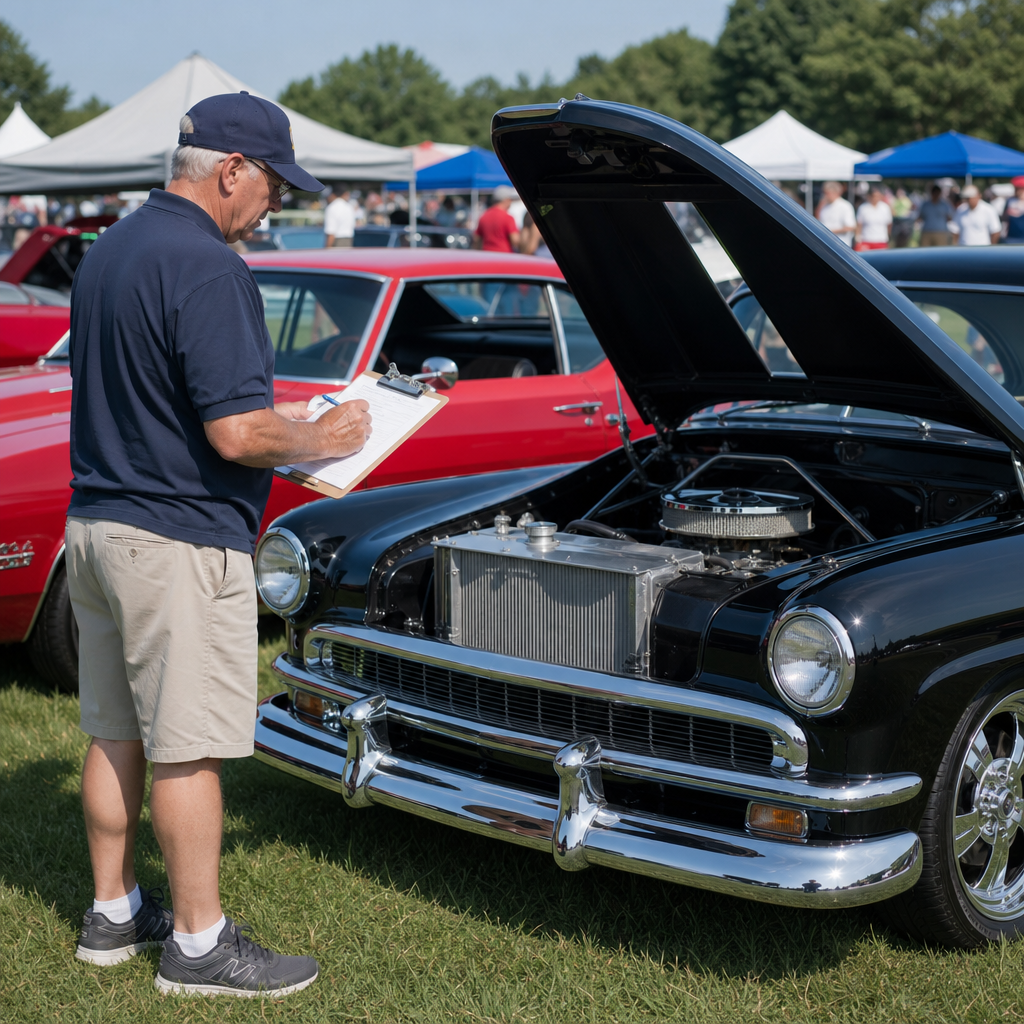
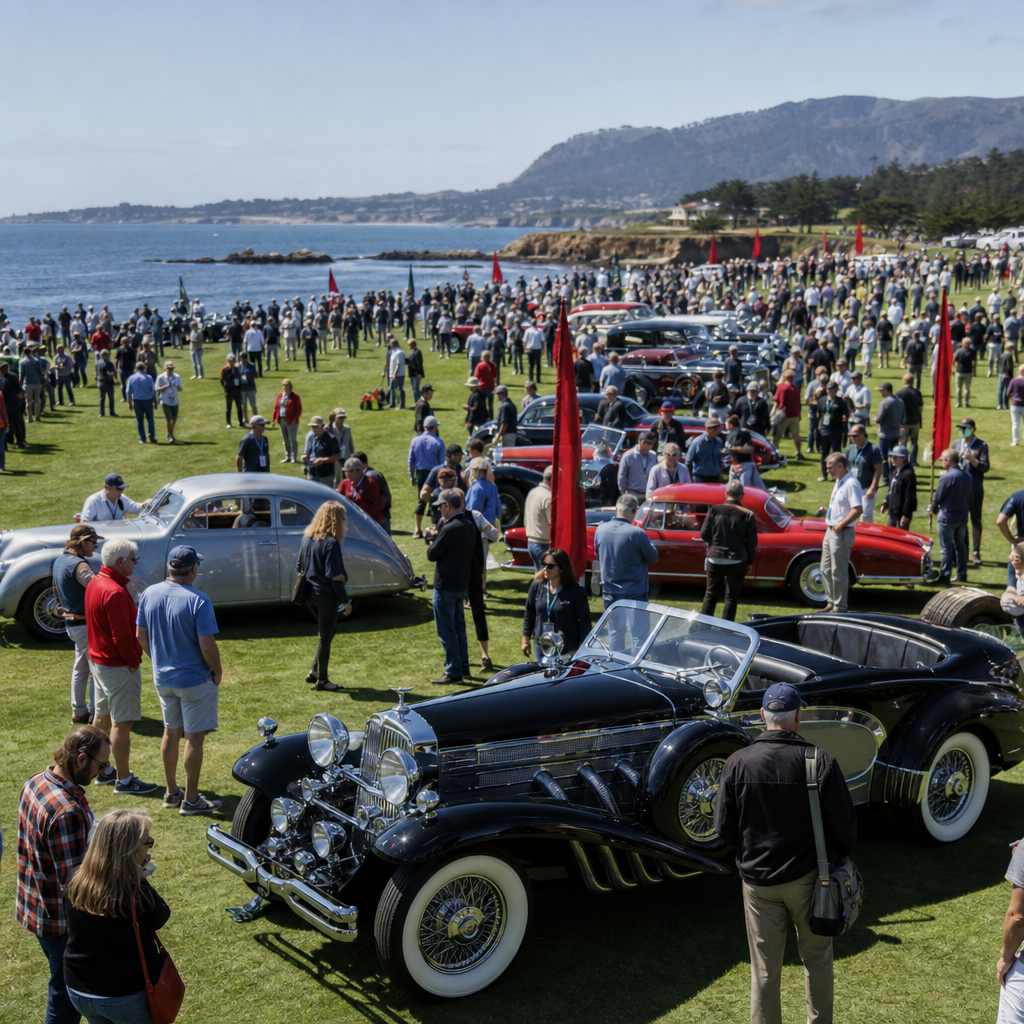
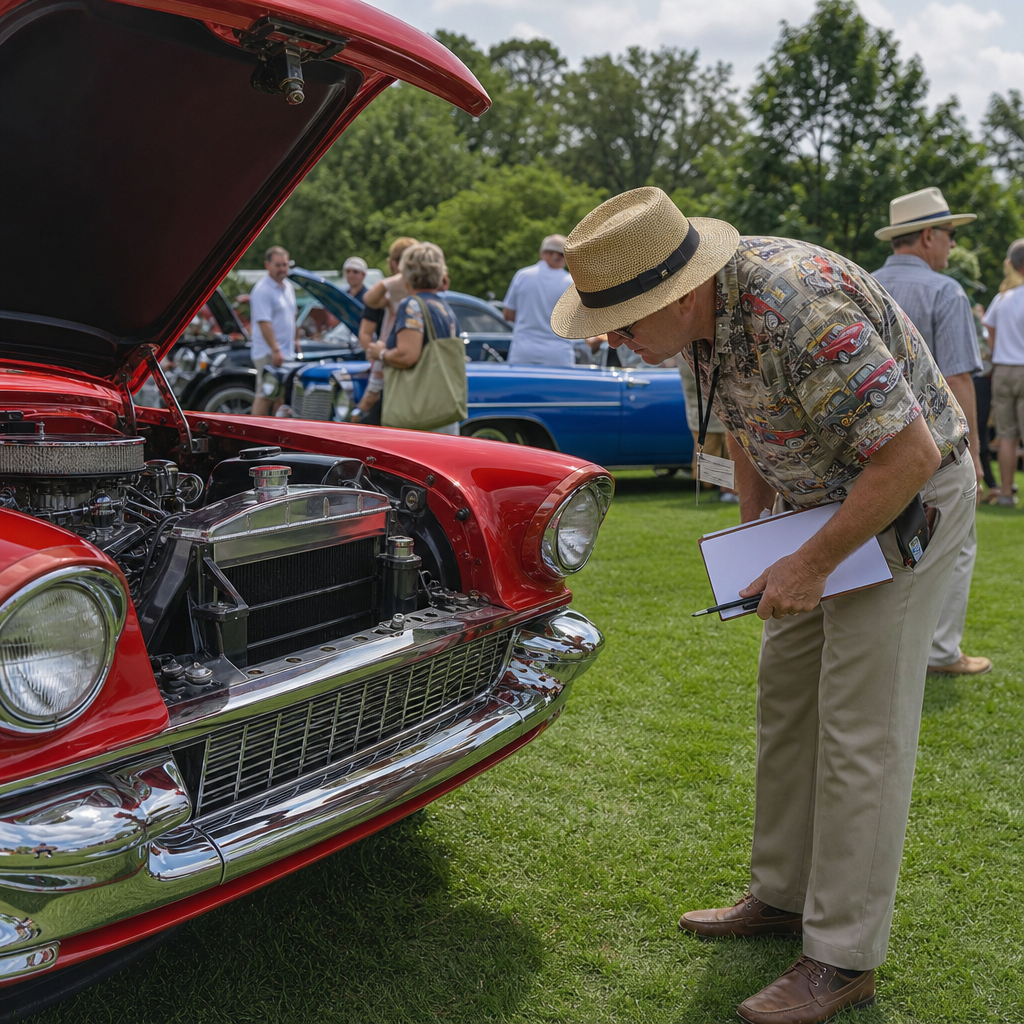
Unlike movie-driven tuner culture, classic ownership usually rewards patience over instant transformation. Restoration can mean years of sourcing date-coded parts, repairing rust correctly, reupholstering interiors to factory patterns, and balancing authenticity with drivability. Organizations such as the Antique Automobile Club of America, marque-specific registries, and concours events reinforce standards for originality and preservation. I have watched owners spend months finding a correct carburetor tag or factory steel wheel because details determine both credibility and value. In this world, restraint is often a virtue. An untouched survivor with original paint can attract more admiration than a freshly over-restored car with modernized finishes.
That said, classic culture is not frozen in amber. Restomods, pro-touring builds, upgraded brakes, electronic ignition conversions, and modern air conditioning all have a place. The key difference is that classic culture debates modification through the lens of stewardship. Owners ask whether a change improves safety and usability without erasing the car’s character or historical identity. That framework is very different from the media logic of building for dramatic reveal or cinematic impact.
Movies, television, and magazines as taste-makers in both scenes
Media has always dictated which cars become dream cars. Long before social platforms, films such as American Graffiti, Bullitt, Vanishing Point, Gone in 60 Seconds, and Smokey and the Bandit embedded specific vehicles into public memory. The 1968 Mustang GT fastback became inseparable from Steve McQueen’s cool precision in Bullitt. The 1977 Pontiac Trans Am gained a pop-cultural halo from Smokey and the Bandit. Eleanor-spec Mustangs influenced custom builds for years after Gone in 60 Seconds, even though many replicas borrowed only the styling language, not the full mechanical recipe. Television reinforced these patterns through shows featuring KITT, the Dukes of Hazzard Charger, and later restoration formats that dramatized auction flips and deadline builds.
Print magazines played a different role. Titles like Hemmings Motor News, Hot Rod, Road & Track, Motor Trend, and Classic & Sports Car taught enthusiasts how to evaluate, maintain, and compare vehicles beyond cinematic fantasy. Build sheets, buyer guides, restoration features, and road tests created informed desire. I still consider magazine archives some of the best windows into changing tastes because they show when a model shifted from used car to collectible. Digital media later accelerated that cycle. YouTube channels, auction livestreams, Bring a Trailer comment threads, and Instagram accounts now influence market sentiment in real time.
For a Movies & Media hub, the essential point is simple: media does not only entertain; it assigns cultural value. It can make one generation chase a Nissan Skyline R34 and another chase a split-window Corvette. It can also blur categories, turning once-disposable tuner cars into classics in their own right.
Key differences between Fast & Furious culture and classic car values
The clearest divide between these worlds is not age; it is purpose. Fast & Furious culture celebrates performance theater, personal branding, and visible modification. Classic car culture prioritizes lineage, provenance, preservation, and historical context. The contrast becomes obvious when comparing how each scene evaluates the same dimensions.
| Dimension | Fast & Furious-inspired culture | Classic car culture |
|---|---|---|
| Primary goal | Expression, speed image, customization, crew identity | Preservation, restoration, heritage, mechanical stewardship |
| Typical vehicle focus | Imports, sport compacts, turbo coupes, modern exotics | Muscle cars, vintage European cars, cruisers, antique vehicles |
| Modification philosophy | Highly visible changes often celebrated | Originality valued; modifications debated carefully |
| Status markers | Horsepower claims, style, rarity of parts, cinematic recognition | Documentation, matching numbers, concours quality, provenance |
| Community settings | Night meets, drag strips, drift events, online build culture | Shows, rallies, tours, auctions, marque clubs, swap meets |
| Media influence | Strongly shaped by film franchises and social platforms | Shaped by films too, but also by print history and collector institutions |
These are broad patterns, not rigid rules. Plenty of classic owners love modified cars, and many tuner fans become serious preservationists as they gain experience and income. Still, the values differ enough that buyers should be careful. A heavily modified classic may struggle in concours judging but thrive at pro-touring events. A movie-accurate tuner build may earn attention online while sacrificing long-term collectibility if the workmanship is poor or the car’s original identity is lost.
Where the two cultures overlap today
The overlap is growing because time changes definitions. Cars idolized by Fast & Furious fans are now old enough to enter collector territory. A Mk4 Supra, Acura NSX, FD RX-7, Nissan 240SX, or Mitsubishi Lancer Evolution is no longer just a used performance car; it is increasingly treated as a modern classic. Auction houses such as Barrett-Jackson, Mecum, RM Sotheby’s, and online platforms like Bring a Trailer have helped legitimize that transition by documenting prices, condition standards, and provenance. Low-mileage Japanese performance cars now compete for collector attention with more traditional classics.
Another overlap lies in craftsmanship. Whether you are rebuilding triple carburetors on an E-Type or fabricating a single-turbo setup for a 2JZ-GTE, quality work demands measurement, discipline, and mechanical literacy. Good builders in both scenes respect metallurgy, cooling, suspension geometry, and reliable execution. The best garages I have worked around do not sneer at either culture. They care about coherent builds, honest documentation, and safe engineering.
Media has also blended tastes. Younger collectors who grew up on the Fast films may later discover Bullitt, Le Mans, or period racing documentaries. Older classic owners who once dismissed imports are now seeing Japanese engineering through the same historical lens previously reserved for big-block muscle and European grand tourers. As a result, the modern enthusiast landscape is less about opposition and more about expanding definitions of what deserves preservation.
How to navigate Movies & Media within classic car culture
If you are using this page as a hub for Movies & Media in classic car culture, start by separating image from ownership reality. Screen fame can inflate prices, parts demand, and expectations. Before buying a movie-linked or media-hyped car, verify production numbers, common rust areas, drivetrain weaknesses, insurance costs, title history, and parts support. Learn whether originality or accurate tribute styling matters more in that model’s market. Study auction results, registry discussions, and factory documentation. A cinematic icon can be rewarding, but only when you understand the total cost of stewardship.
Also pay attention to media format. Films create icons fast, but magazines, club newsletters, marque forums, restoration books, and long-form video often provide the technical depth needed for ownership. Build your reading list around both inspiration and verification. That is how enthusiasts move from fandom to informed participation.
Fast & Furious vs classic car culture is ultimately a story about how people assign meaning to machines. One side highlights speed, style, and dramatic self-expression. The other protects history, craft, and continuity. Both have shaped the automotive world, and both now feed the collector market in different ways. For readers exploring Classic Car Culture & Lifestyle through the Movies & Media lens, the main takeaway is clear: what you watch influences what you value, and what you value determines how you buy, restore, drive, and preserve. Use that influence wisely. Explore the related articles in this hub, compare the vehicles that defined each era, and decide which automotive story you want to carry forward.
Frequently Asked Questions
What is the main difference between Fast & Furious culture and classic car culture?
The biggest difference is the mindset behind the cars and what they represent. Fast & Furious culture is rooted in modern tuner performance, visual customization, and the excitement of speed, street competition, drifting, and personal expression. It grew rapidly through movies, video games, import scenes, and social media, which helped turn modified Japanese and European performance cars into symbols of youth, rebellion, and creativity. In this world, upgrades such as turbo kits, engine swaps, nitrous systems, body kits, custom wheels, lighting, and audio setups are often part of the identity of the car.
Classic car culture, by contrast, is centered more on preservation, restoration, mechanical heritage, and respect for automotive history. Enthusiasts often focus on muscle cars, vintage cruisers, early sports cars, and historically significant models from past decades. Rather than asking how much power can be added or how aggressive a car can look, classic car owners are often concerned with originality, correct parts, craftsmanship, period accuracy, and long-term value. The pride comes from bringing a piece of history back to life or maintaining it in a way that honors its era.
That said, the distinction is not as rigid as it may seem. Both cultures value passion, community, and the emotional bond between driver and machine. Both involve technical knowledge, money, time, and dedication. The real contrast is that Fast & Furious culture often celebrates transformation and performance experimentation, while classic car culture usually celebrates authenticity, heritage, and continuity with the past.
How did the Fast & Furious franchise influence modern car culture?
The Fast & Furious franchise had an enormous impact on mainstream car culture because it made the tuner scene visible to a global audience in a way few films ever had. Before the early 2000s, import tuning was already active in many local communities, but the franchise amplified it dramatically. It introduced broader audiences to street racing aesthetics, modified imports, nitrous oxide systems, underglow, custom paint, drifting, and highly personalized builds. Cars such as the Toyota Supra, Nissan Skyline GT-R, Mazda RX-7, Mitsubishi Eclipse, and Honda Civic became pop-culture icons, not just enthusiast cars.
Its influence extended beyond vehicle choice. The films helped shape how people imagined car identity itself. They presented cars as extensions of personality, loyalty, ambition, and status. For many younger enthusiasts, the franchise was an entry point into learning about forced induction, engine tuning, suspension setups, and aftermarket parts. It also helped create a stronger market for performance parts, custom shops, import events, and automotive media centered on modified cars.
At the same time, the franchise also simplified and dramatized the real culture. Hollywood racing scenes often exaggerated what tuning and street competition actually look like, and that created misconceptions alongside inspiration. Even so, its role in popularizing enthusiast culture is undeniable. It transformed niche automotive interests into a mainstream lifestyle image and influenced everything from car meet aesthetics to the popularity of certain platforms and build styles.
Why do classic car enthusiasts care so much about originality and restoration?
Originality matters in classic car culture because a vehicle is often viewed as a historical artifact as much as a machine. The paint color, engine configuration, interior materials, trim pieces, wheels, badging, and even factory options can tell a story about the time in which the car was built. Restoring a classic car to original or near-original condition is a way of preserving that story. Enthusiasts are not only maintaining a car; they are protecting a tangible link to design trends, engineering standards, and cultural values from another era.
There is also a craftsmanship element that makes restoration deeply meaningful. A proper restoration can require bodywork, metal fabrication, upholstery, sourcing rare components, rebuilding carburetors, tuning ignition systems, refinishing chrome, and researching factory specifications. That process demands patience and expertise. For many owners, the reward is not simply driving the finished vehicle but knowing they saved something important from decay, neglect, or modification that erased its original character.
Value plays a role too. In many cases, a car with matching numbers, correct components, and documented authenticity is more desirable to collectors and commands stronger resale prices. But the motivation is not always financial. Many enthusiasts simply feel a responsibility to preserve automotive history accurately. In that sense, originality is less about resisting change and more about honoring the identity the car had when it first left the factory.
Is one culture more authentic or more serious than the other?
No, and that is one of the most important points in this comparison. Fast & Furious-inspired tuner culture and classic car culture express authenticity in different ways. In tuner culture, authenticity often comes from personal vision, technical experimentation, hands-on building, and participation in a living, evolving scene. A car may be authentic not because it is factory-correct, but because it reflects the owner’s taste, effort, and knowledge. Building a turbo setup, dialing in suspension geometry, fabricating parts, or creating a cohesive theme can be every bit as serious and demanding as a traditional restoration.
In classic car culture, authenticity usually means historical fidelity, documentation, and respect for original engineering. Seriousness may be measured by the quality of restoration work, the accuracy of parts selection, or the commitment to preserving rare vehicles properly. That is a different standard, but not a superior one. It simply reflects different values.
The idea that one side is more legitimate usually comes from stereotypes. Tuner culture is sometimes dismissed as flashy or superficial, while classic culture is sometimes portrayed as rigid or nostalgic. In reality, both communities contain casual fans, deeply knowledgeable builders, collectors, racers, and historians. Both can be welcoming, competitive, obsessive, generous, and opinionated. Authenticity in car culture is less about whether a vehicle is modified or original and more about the depth of passion, effort, and understanding behind it.
Can someone appreciate both Fast & Furious-style tuner cars and classic cars?
Absolutely, and many enthusiasts already do. The supposed divide between these worlds is often overstated. A person can admire the precision and heritage of a restored 1969 Camaro or Jaguar E-Type while also respecting the engineering and creativity behind a heavily modified Supra, Silvia, or WRX. In fact, appreciating both sides can give someone a more complete understanding of automotive culture as a whole.
There are strong overlaps between the two communities. Both value mechanical skill, attention to detail, dedication, and the emotional experience of driving something meaningful. Both involve storytelling through machines. A classic car might tell a story about a specific era of design and manufacturing, while a tuner build might tell a story about individual expression, performance goals, and contemporary influences. In both cases, the car becomes a reflection of identity and passion.
For many modern enthusiasts, the boundary is increasingly fluid. Car shows, online communities, auctions, and media platforms often bring multiple generations and styles together. Some people restore classics and then restomod them with modern drivetrains or suspension systems. Others start in the tuner scene and later develop an interest in vintage muscle or European classics. Rather than viewing Fast & Furious culture and classic car culture as rivals, it is more accurate to see them as two major branches of the same larger enthusiast world, each preserving a different but equally meaningful version of what it means to love cars.