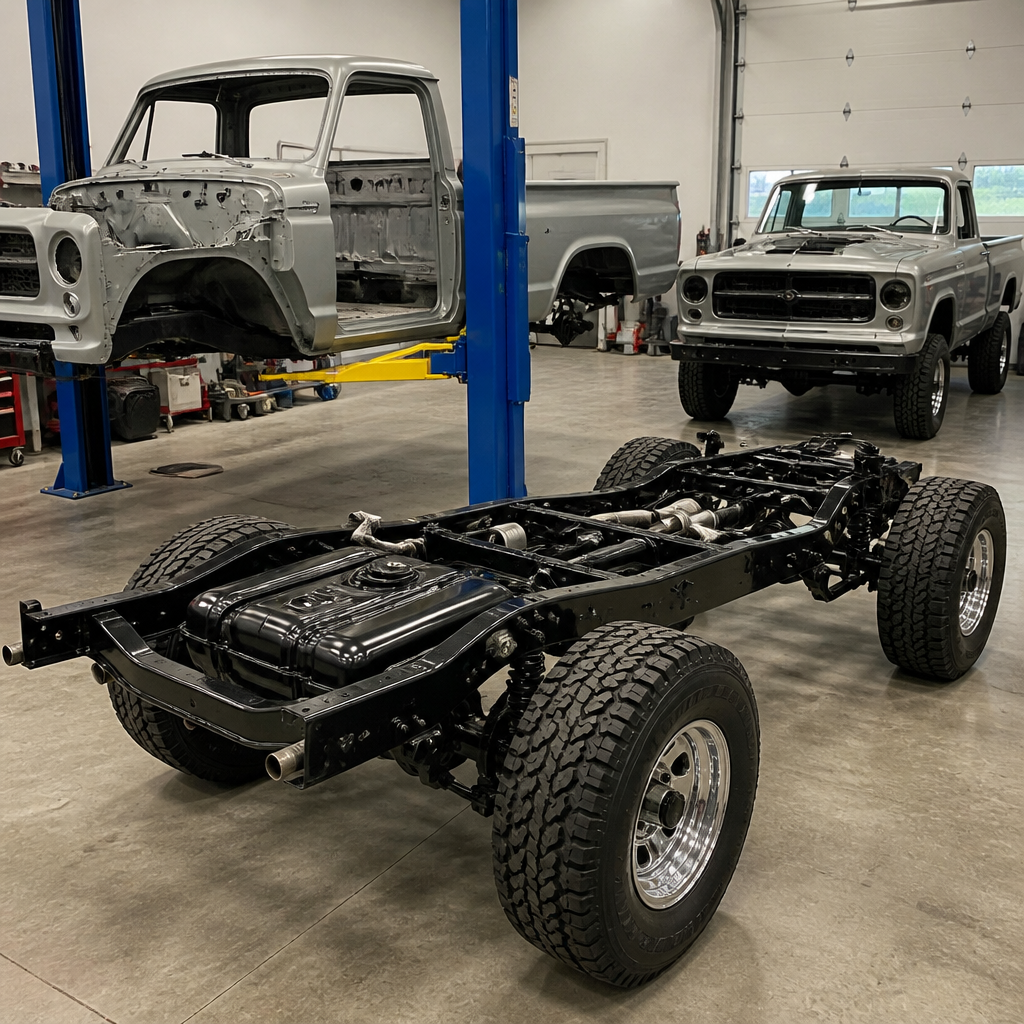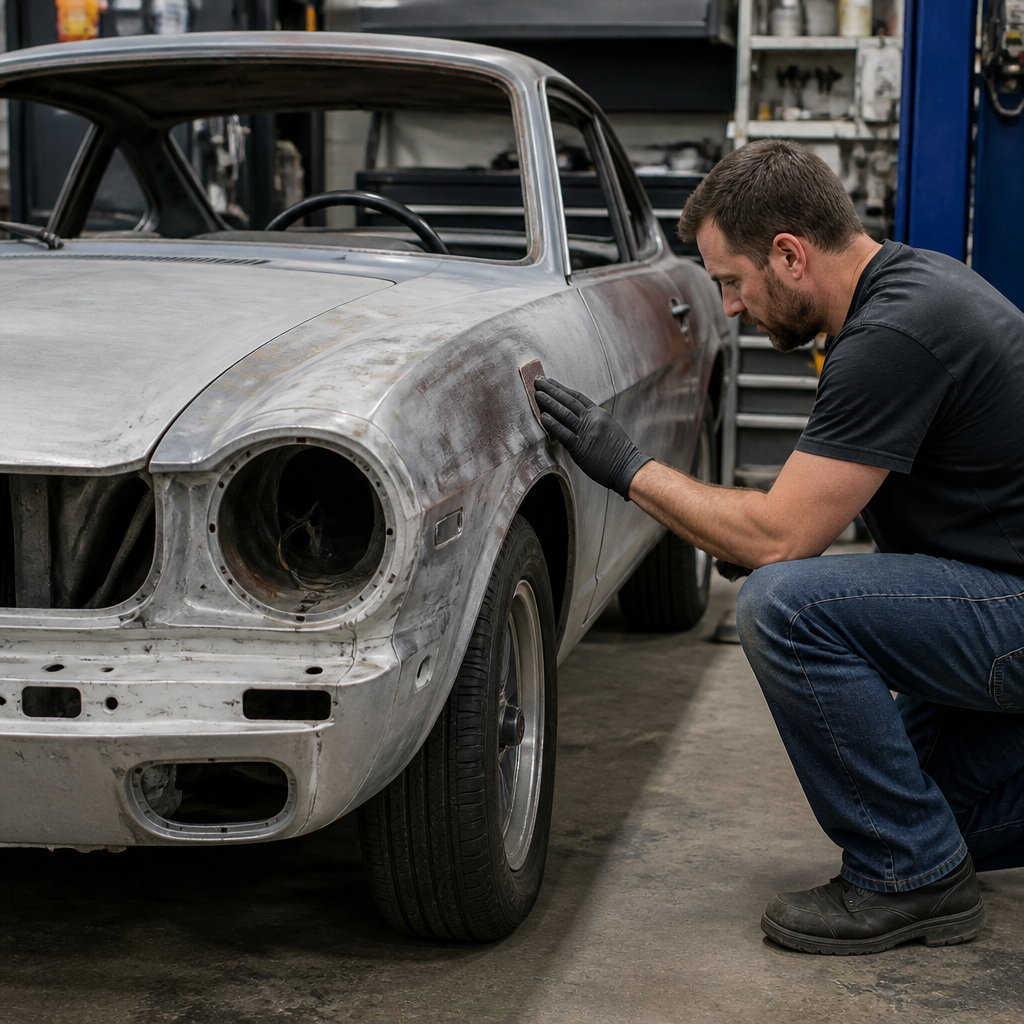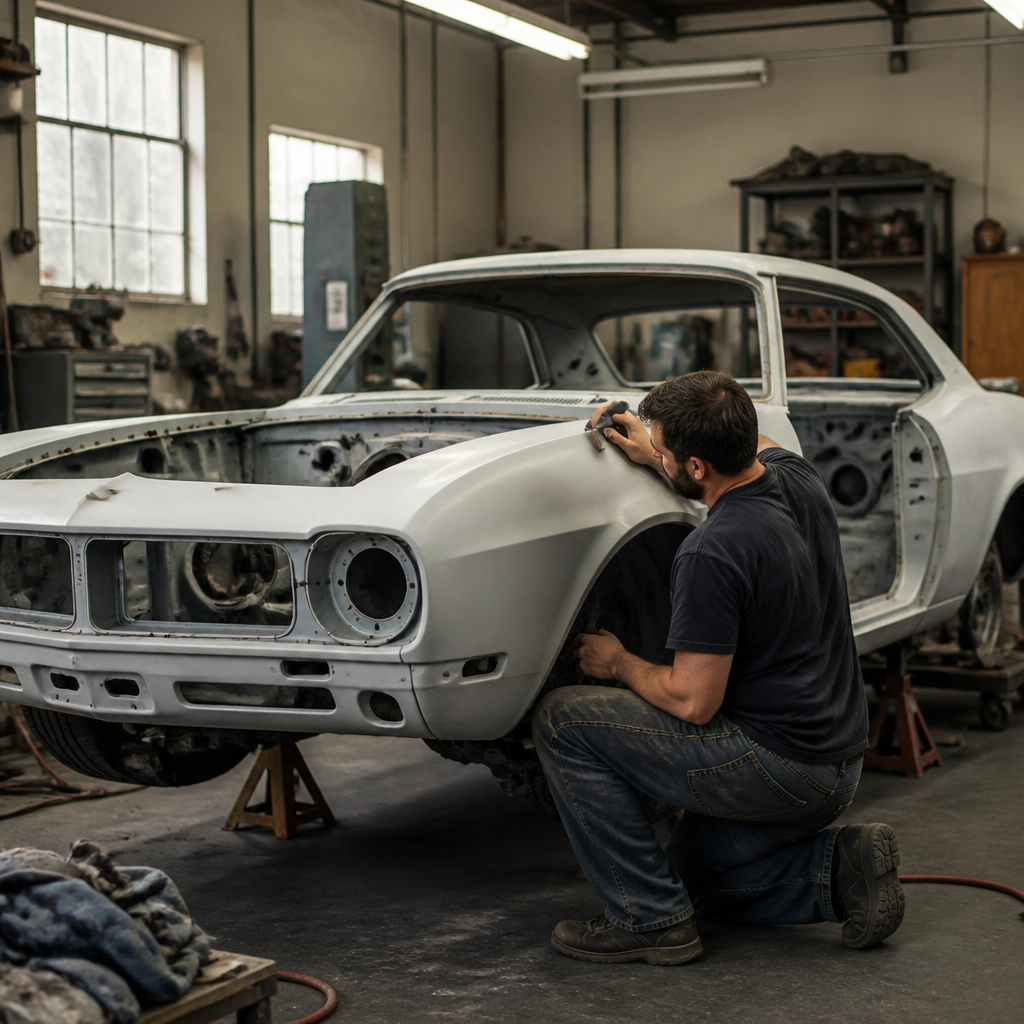
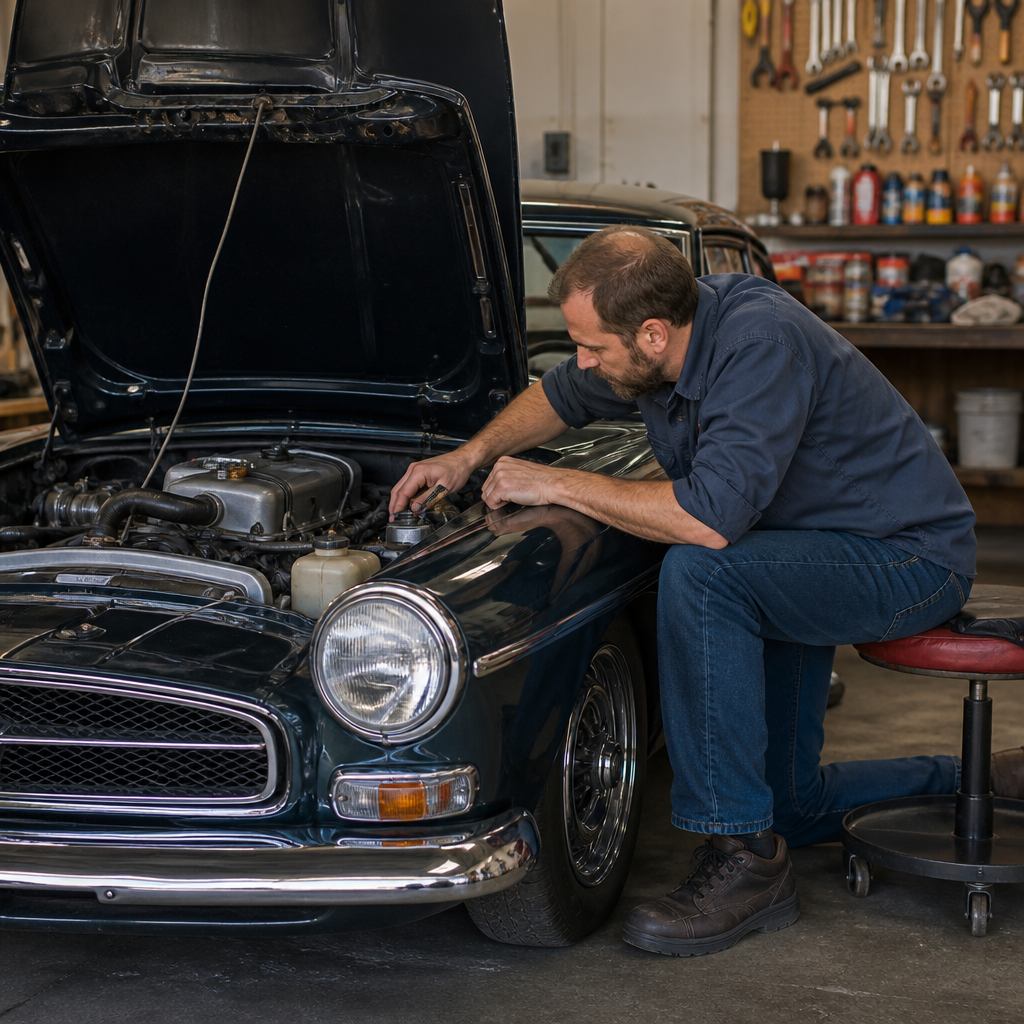
Owning a vintage machine is equal parts pleasure, responsibility, and discipline, and essential maintenance tips for classic car owners start with understanding that age changes how every system behaves. A classic car is generally defined as a vehicle old enough to carry historical, collector, or enthusiast value, but the practical distinction is simpler: it was designed around older materials, looser tolerances, and maintenance routines that modern drivers rarely practice. In my experience maintaining carbureted British roadsters, American V8 coupes, and air-cooled German cars, the biggest mistakes come from treating them like modern daily drivers. They are not maintenance free, and they do not tolerate neglect gracefully.
Maintenance tips for classic car owners matter because preservation and drivability are inseparable. A show-quality finish means little if stale fuel gums the carburetor, moisture pits the brake cylinders, or old wiring creates an intermittent short. Unlike many newer vehicles that can compensate electronically for wear, classic cars reveal problems mechanically and often suddenly. Small lapses also become expensive quickly. A cracked coolant hose can overheat an engine and warp a head. Old tires with good tread can still fail from age. A weak battery connection can mimic charging-system failure and leave an owner replacing good parts. Good maintenance protects originality, safety, reliability, and long-term value.
For classic car owners, maintenance tips should be organized around systems and intervals rather than random fixes. Preventive maintenance means inspecting, servicing, lubricating, adjusting, cleaning, and documenting before failure occurs. Preservation means using methods that protect original finishes, fasteners, trim, and factory components whenever possible. Baseline service means bringing an unfamiliar car to a known standard so future issues are easier to diagnose. This hub article covers the core maintenance tips every owner needs: creating a schedule, caring for fuel and ignition systems, protecting cooling and lubrication, preserving brakes, suspension, tires, electrical components, and bodywork, and storing the vehicle correctly. If you want a classic car that starts confidently, drives safely, and ages with dignity, routine attention is not optional; it is the ownership model.
Build a maintenance baseline before chasing upgrades
The first of all essential maintenance tips for classic car owners is to establish a baseline. When I acquire or inspect a newly purchased classic, I do not begin with cosmetic upgrades, aftermarket ignition kits, or performance parts. I start with fluids, filters, belts, hoses, ignition tune-up parts, battery condition, charging output, brake operation, tire date codes, and visible leaks. Replace unknown-age fuel lines immediately, especially if the car has been sitting. Ethanol-blended gasoline hardens older rubber compounds and can create dangerous seepage near the engine bay. Record compression readings, oil pressure, coolant temperature behavior, and charging voltage so you know what normal looks like for that specific car.
Documentation is part of maintenance, not paperwork for its own sake. Create a log with dates, mileage, work performed, part numbers, torque values, and fluid specifications. Factory service manuals, parts books, and period workshop guides are invaluable because procedures vary widely between marques and years. A drum-brake adjustment routine on a 1966 Mustang differs from service on a Jaguar with inboard rear brakes or an MG with twin SU carburetors. Keeping records also protects value by showing that the car has been preserved methodically rather than patched together. If a future no-start condition appears, your notes on ignition timing, dwell angle, or recent fuel-pump replacement will save hours of guesswork.
Follow a practical inspection schedule
Classic cars reward frequent light inspections more than infrequent major overhauls. Before each drive, check engine oil, coolant level, brake fluid level, tire pressure, and obvious leaks under the car. Monthly, inspect battery terminals, belt tension, hose condition, brake-line corrosion, steering play, exterior lights, and the operation of wipers and horn. Seasonally, change oil if the car is driven little, lubricate chassis fittings if applicable, inspect wheel bearings, test the charging system, and review suspension bushings and shocks. Annual service should include a deeper brake inspection, cooling-system flush if required by the coolant chemistry, ignition tune check, and underbody rust review. Cars stored for winter need an additional pre-storage and post-storage checklist.
| Interval | Key maintenance tasks | Why it matters |
|---|---|---|
| Before every drive | Check oil, coolant, brake fluid, tire pressure, leaks | Catches immediate failures before damage or unsafe driving |
| Monthly | Inspect battery, belts, hoses, lights, steering, wipers | Finds aging components before they strand the car |
| Seasonally | Change oil, lubricate chassis, inspect brakes and suspension | Addresses deterioration caused by time, not just mileage |
| Annually | Flush systems as needed, test charging, inspect rust and wheel bearings | Preserves reliability, safety, and structural integrity |
Time matters more than mileage for many classics. A car that covers 800 miles a year can still need annual oil changes because combustion byproducts and moisture contaminate the lubricant. Brake fluid should be renewed periodically because it is hygroscopic and absorbs water, which lowers boiling point and corrodes cylinders and calipers. Rubber parts age whether the car is driven or not. This is why maintenance tips for classic car owners must emphasize calendar intervals alongside mileage. The owner who says, “I barely drive it,” often has the car that needs the most preventive work.
Protect the fuel and ignition systems
Fuel problems are among the most common reasons a classic car runs poorly after storage. Old gasoline oxidizes, loses volatility, and leaves varnish that clogs jets, accelerator-pump passages, and needle valves. If the car will sit longer than a few weeks, use a quality fuel stabilizer and fill the tank to reduce condensation, unless a specific storage plan calls for complete draining. Replace brittle hoses with ethanol-resistant line, inspect the fuel-pump diaphragm on mechanical pumps, and check steel lines for rust or abrasion. Carbureted cars benefit from periodic adjustment, but random turning of idle screws without verifying timing, vacuum leaks, and float level usually makes things worse.
The ignition system deserves equal attention because small weaknesses compound each other. On breaker-point systems, check point condition, dwell, condenser health, cap and rotor wear, spark-plug gap, and coil connections. Timing should be set with a light and confirmed against factory advance specifications, not guessed by ear alone. On older Lucas, Delco, Bosch, or Motorcraft systems, corroded grounds and tired primary wires can produce symptoms that mimic carburetor trouble. If you upgrade to electronic ignition, keep the original parts in the trunk after confirming compatibility with the coil and charging voltage. Reliability upgrades can be worthwhile, but only when installed methodically and documented clearly.
Manage lubrication, cooling, and engine longevity
Engine survival depends on clean oil, correct viscosity, stable temperatures, and prompt leak control. Many classic engines were designed around flat-tappet camshafts, so oil formulation matters. Owners should choose a reputable oil with an additive package appropriate for the engine design and intended use, especially during break-in or for high-spring-pressure valvetrains. Change oil and filter at least annually, or more often for cars that make short trips and never fully evaporate moisture from the crankcase. Also inspect the positive crankcase ventilation or road-draft arrangement because poor ventilation accelerates sludge formation, gasket seepage, and internal corrosion.
Cooling systems on classic cars need more than a glance at the radiator cap. Inspect hoses internally and externally, pressure-test the system, verify thermostat operation, and confirm that the radiator core is not clogged with scale or debris. Overheating at idle may point to restricted coolant flow, retarded timing, lean mixture, slipping belts, or inadequate fan performance rather than a bad radiator alone. For cars with mechanical fans, check clutch operation if equipped and inspect shrouds, which are often missing after past repairs. A 1950s or 1960s engine that overheats repeatedly can crack heads, distort manifolds, and thin oil enough to damage bearings, so temperature stability should never be treated casually.
Keep brakes, suspension, and tires unquestionably safe
If one area deserves zero compromise, it is chassis safety. Essential maintenance tips for classic car owners must place brakes first because inactivity damages them. Wheel cylinders seize, flexible hoses collapse internally, and master cylinders corrode when fluid absorbs moisture. Pull the drums or inspect the discs, check lining thickness, look for fluid contamination, and verify that all wheels apply and release evenly. A car that pulls under braking may have a sticking wheel cylinder, contaminated shoe, frozen caliper piston, or deteriorated hose. Replace hardware kits when needed, adjust drum brakes correctly, and bed new friction materials according to manufacturer guidance.
Suspension and steering wear can make an otherwise healthy classic feel dangerous at moderate speed. Check kingpins or ball joints, tie-rod ends, idler arms, bushings, leaf-spring mounts, shock absorbers, and steering box adjustment within factory limits. Excessive play is not “just how old cars drive.” Tires are another overlooked risk. Even if tread looks excellent, most tire makers and safety organizations treat aged tires cautiously once they pass six to ten years, depending on storage and condition. Read the DOT date code, inspect sidewalls for checking, and use pressures suited to the car’s weight and tire construction. Bias-ply and radial tires also affect steering feel differently, so setup choices should be deliberate.
Preserve the electrical system, body, and storage environment
Electrical reliability in classics usually comes down to connections, grounds, and insulation. Clean battery terminals, verify engine-to-chassis ground straps, inspect fuse holders for oxidation, and look for brittle wiring near heat sources. Many older charging systems operate within narrower margins than modern alternators, so test output with lights on and engine at the specified rpm. If the car still uses a generator, regulator adjustment and belt condition matter greatly. Do not bypass fuses to solve repeat failures; find the short. I have seen more than one unrestored dash harness damaged because an owner assumed a larger fuse would cure an intermittent circuit.
Body preservation is maintenance, not vanity. Wash off road salts promptly, clear drain holes in doors and rocker areas, keep weatherstrips conditioned, and inspect chrome trim fasteners where trapped moisture can start corrosion. For long-term storage, a clean, dry, ventilated garage is far better than a plastic cover in a damp space. Use a breathable car cover only on a clean vehicle, keep the battery on a quality maintainer, inflate tires properly, and move the car or support it correctly to prevent flat spotting if storage is extended. Start-and-idle sessions are not enough; either drive the car until fully warm or leave it properly stored. To go deeper, owners should also explore guides on rust prevention, seasonal storage, brake rebuilding, carburetor tuning, and classic car electrical troubleshooting.
Classic car ownership stays rewarding when maintenance is proactive, documented, and system based. Begin with a baseline inspection, follow a calendar-driven service schedule, and treat fuel, ignition, cooling, lubrication, brakes, suspension, tires, wiring, and storage as connected responsibilities rather than isolated chores. The core lesson is simple: most expensive classic car failures begin as small, visible warning signs. Catch them early, use the correct manuals and quality parts, and preserve original components whenever safe and practical.
The main benefit of disciplined maintenance is confidence. A well-kept classic starts more reliably, runs cooler, stops straighter, resists corrosion, and holds its value better than one maintained reactively. Just as important, regular inspection teaches you the car’s normal sounds, smells, temperatures, and behavior, which makes diagnosis faster and ownership more enjoyable. That familiarity is something modern vehicles rarely demand, and it is part of what makes classic motoring satisfying.
If you want your vintage car to remain dependable and authentic, build a written checklist, schedule the next inspection now, and handle one overdue item this week. Consistency is what keeps a classic alive.
Frequently Asked Questions
How often should a classic car be serviced if it is only driven occasionally?
One of the most common mistakes classic car owners make is assuming that low mileage means low maintenance. With vintage vehicles, time is often just as important as distance. Rubber seals dry out, fuel degrades, brake fluid absorbs moisture, and engine oil can become contaminated even if the car only leaves the garage a few times a month. As a practical rule, a classic car should be inspected regularly and serviced at least once a year, even if it has seen very little road use. Oil and filter changes are often recommended every 2,000 to 3,000 miles on many older engines, but for cars driven sparingly, an annual oil service is still wise.
Beyond oil changes, owners should check coolant condition, brake fluid, tire pressures, battery charge, belt tension, hose condition, grease points, and the fuel system on a scheduled basis. It is also smart to start and fully warm the car periodically, but that alone is not enough. Short idle sessions do not always drive off moisture or keep components healthy. Ideally, the car should be driven long enough to reach full operating temperature and circulate fluids through the engine, gearbox, brakes, and differential. A maintenance log is especially valuable with classic vehicles because service intervals are more manual and condition-based than with modern cars. In short, occasional use does not reduce maintenance demands; in many cases, it increases the need for deliberate preventive care.
What fluids should classic car owners monitor most closely?
All vehicle fluids matter, but in a classic car, some deserve especially close attention because older designs are less forgiving and materials age differently. Engine oil sits at the top of the list. Many classic engines were built with flat-tappet camshafts and rely on oil formulations with appropriate anti-wear protection, so owners should use an oil suited to older engines rather than assuming any modern off-the-shelf product is ideal. Oil level, color, smell, and contamination should be checked routinely, especially if the car is prone to minor leaks or sits for extended periods.
Coolant is another critical fluid because corrosion inside older radiators, heater cores, and engine passages can become expensive very quickly. The correct antifreeze mixture helps with both temperature control and rust prevention. Brake fluid also deserves close monitoring because it absorbs moisture over time, which can corrode lines, wheel cylinders, calipers, and master cylinders from the inside out. In a classic car that sits often, this is a major concern. Clutch hydraulic fluid, if equipped, should be treated with the same seriousness.
Fuel quality is equally important. Modern gasoline can create storage issues in older systems, particularly where carburetors, mechanical fuel pumps, and non-ethanol-resistant hoses are involved. Stale fuel can gum up jets, varnish passages, and harden vulnerable components. Transmission and differential oils should also be checked according to the car’s design and usage, especially if there are signs of seepage. Power steering fluid, if present, and grease in suspension or steering fittings should not be overlooked either. The broader point is that fluids in a classic car are not just consumables; they are protective systems, and neglecting them can accelerate wear across the entire vehicle.
How can I protect a classic car during storage?
Proper storage is one of the most valuable forms of maintenance a classic car owner can provide. A clean, dry, well-ventilated garage is the ideal environment because moisture, temperature swings, and poor airflow all contribute to corrosion, mold, electrical issues, and deterioration of interior and rubber components. Before storing the car, it should be washed thoroughly, dried completely, and ideally waxed to protect paint and trim. Dirt and road salts hold moisture, and leaving them on the body or undercarriage can quietly cause damage over time.
Fuel stabilization is important if the car will sit for more than a few weeks. Adding a fuel stabilizer and running the engine long enough to pull treated fuel through the system can help prevent varnish and hard-starting problems. Many owners also prefer to store the car with a full tank to reduce internal condensation, though this should be paired with confidence that the tank and fuel system are in good condition. The battery should either be disconnected or connected to a proper maintenance charger to prevent discharge and extend battery life.
Tires should be inflated correctly, and for longer storage periods, some owners use tire cradles or move the car slightly from time to time to reduce flat-spotting. Rodent prevention matters more than many people expect, since wiring, insulation, and upholstery can become targets. Breathable car covers are useful in the right environment, but heavy, non-breathable covers can trap moisture and do more harm than good. It is also helpful to leave the parking brake off if the car is safely secured, since prolonged engagement can cause sticking in older brake systems. Good storage is not simply parking the car; it is actively creating conditions that reduce deterioration while the vehicle is not in use.
Are modern replacement parts and upgrades safe to use on a classic car?
In many cases, yes, but the key is choosing upgrades that improve reliability without compromising compatibility, drivability, or the car’s character. Not every modern part is automatically better for a vintage vehicle. Classic cars were engineered around specific tolerances, materials, and operating conditions, and installing the wrong modern component can create new problems rather than solve old ones. For example, ignition upgrades, improved battery cables, better cooling fans, modern fuel hose materials, and discreet brake or lighting improvements can be excellent choices when done thoughtfully.
That said, fit, quality, and system balance matter enormously. A modern alternator conversion may improve charging, but only if wiring, pulleys, brackets, and electrical loads are considered. Swapping in modern suspension or brake parts can improve safety, but poor-quality kits or mismatched components may affect steering geometry, pedal feel, or wheel clearance. Even something as simple as replacement rubber parts should be sourced carefully because reproduction quality varies widely. Many experienced owners learn quickly that buying the cheapest available part often leads to doing the job twice.
The best approach is to decide what your priorities are. If the goal is concours originality, then factory-correct parts and finishes will matter most. If the goal is dependable weekend driving, then discreet reliability upgrades often make excellent sense. Either way, research is essential. Use reputable suppliers, seek model-specific advice, and avoid assuming that universal parts are truly universal. The safest upgrades are the ones that respect the original design while solving real-world reliability or safety concerns.
What are the most important routine checks every classic car owner should perform before driving?
A short pre-drive inspection can prevent many of the roadside problems that older cars are known for. Before driving, classic car owners should first look underneath the vehicle for signs of fresh oil, coolant, brake fluid, or fuel leaks. Minor seepage may be normal on some older cars, but any noticeable increase deserves attention before the engine is started. Under the hood, check engine oil level, coolant level where appropriate, belt condition, hose integrity, and battery connections. If the car uses a carburetor, it is wise to be alert for fuel smells or dampness around lines and fittings.
Tire condition should never be taken for granted, especially on collector vehicles that accumulate age faster than mileage. Check pressure, inspect sidewalls for cracking, and make sure the tread is free from obvious damage. Brake pedal feel is another important early indicator. A pedal that feels soft, sinks, or requires pumping may signal hydraulic trouble and should not be ignored. Test exterior lights, turn signals, horn, and wipers, particularly if the car has not been driven recently. Steering play, odd noises during startup, and charging-system warning signs should all be taken seriously because small issues can escalate quickly in older mechanical systems.
Once on the road, pay attention as the car warms up. Watch temperature and oil pressure gauges if fitted, listen for changes in idle quality or drivetrain noise, and notice whether the car tracks straight and brakes evenly. Classic ownership rewards attentiveness. Modern cars often mask developing problems until they become severe, but older cars usually communicate early if something is wrong. Learning those signals and making pre-drive checks a habit is one of the most effective ways to preserve reliability, safety, and long-term value.