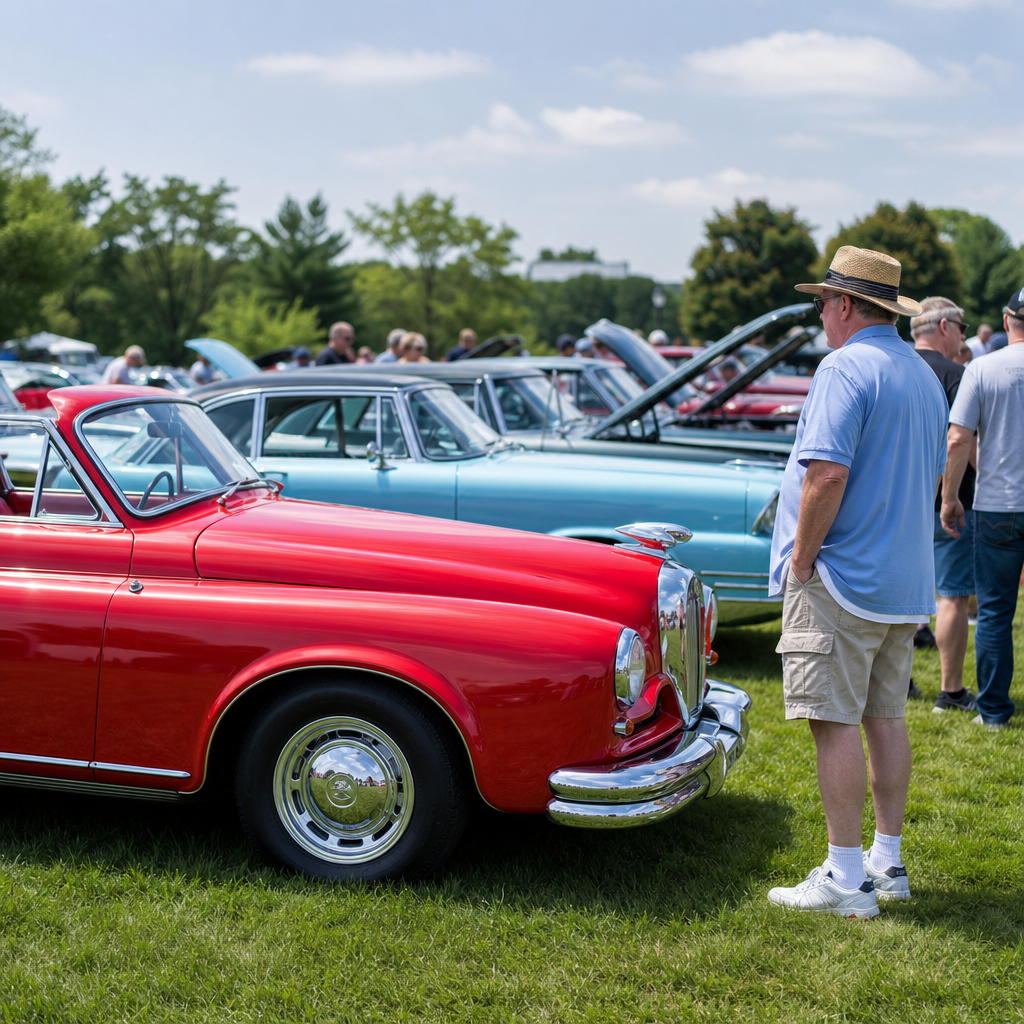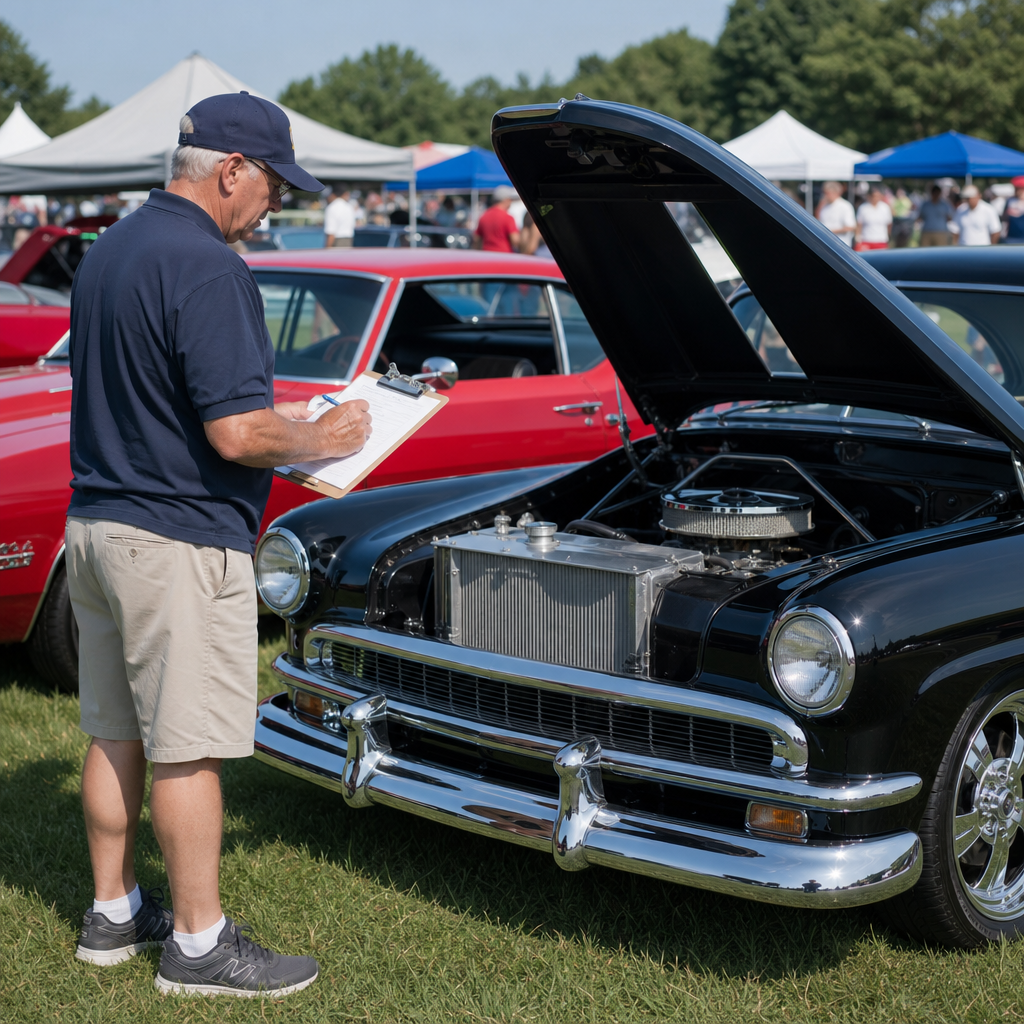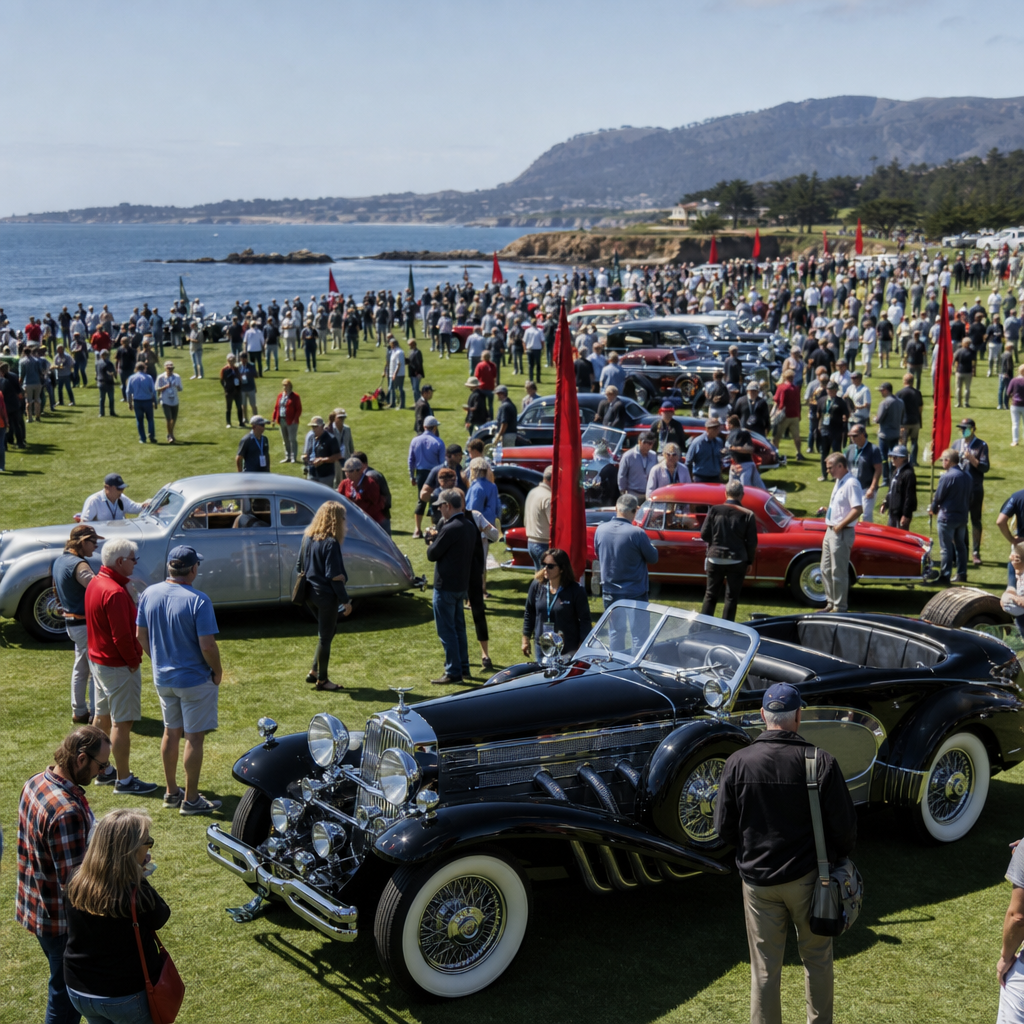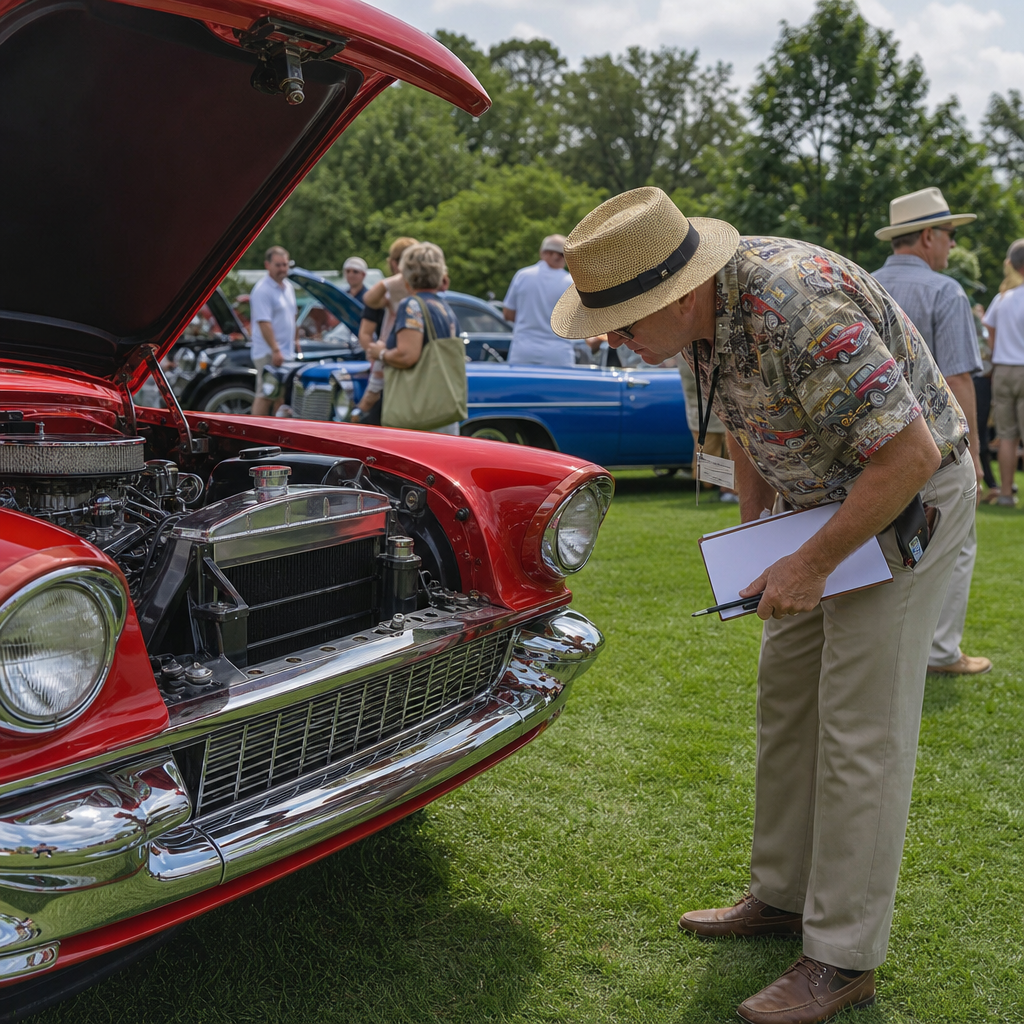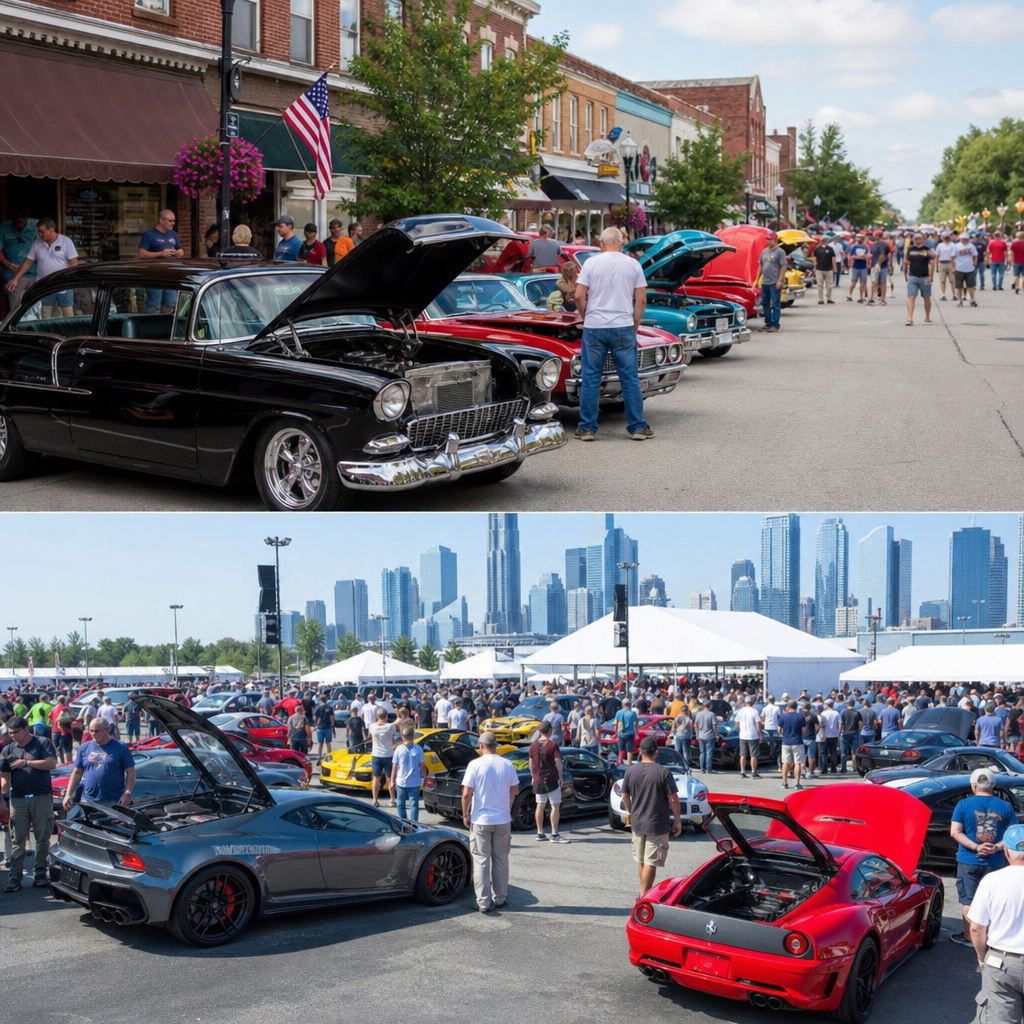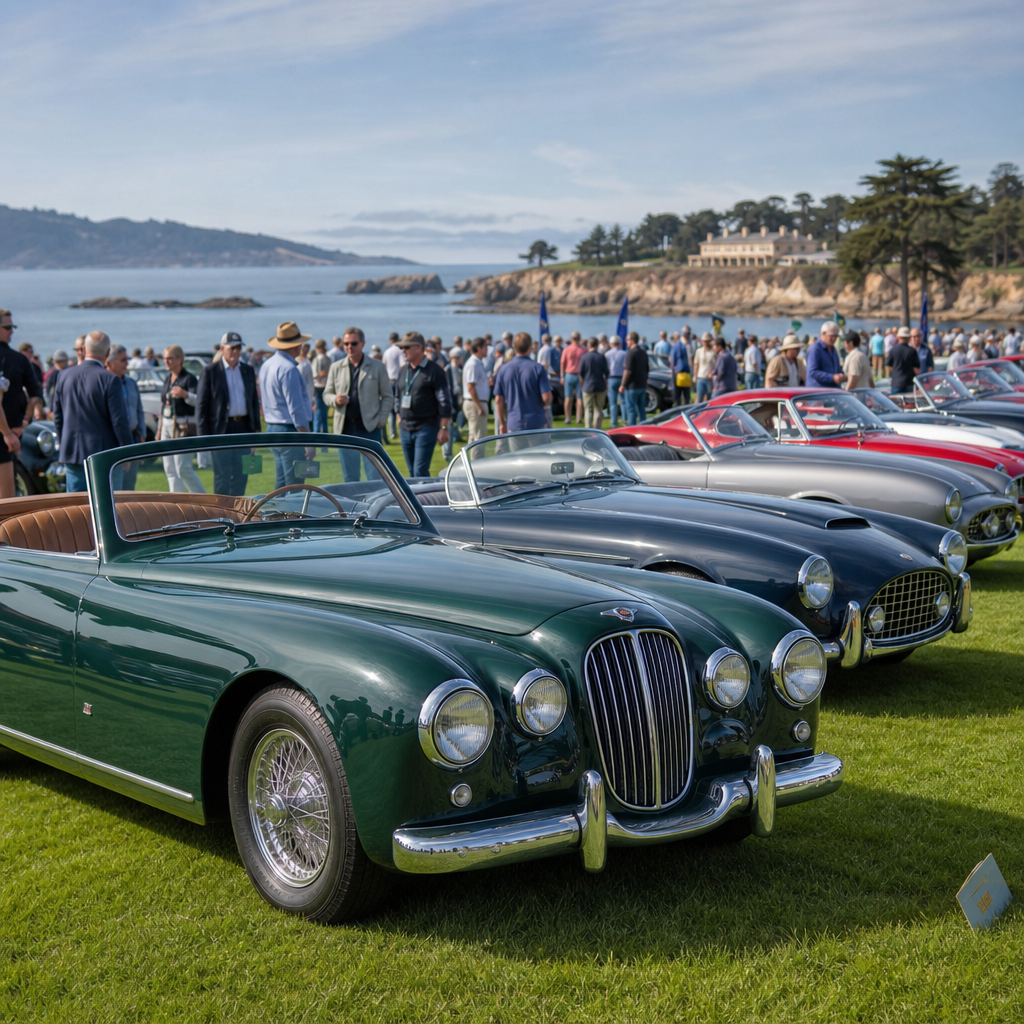
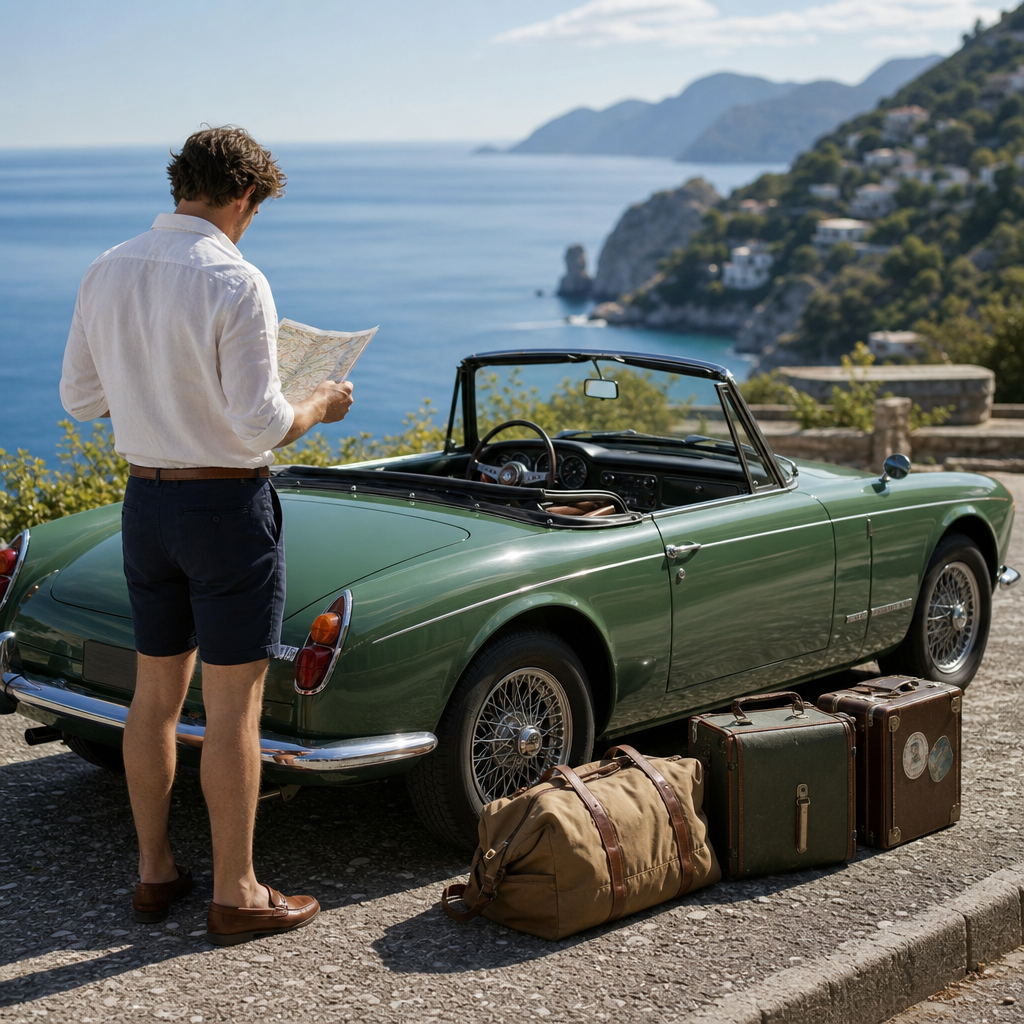
Classic car travel combines mechanical nostalgia with modern trip planning, and beginners who understand both sides of that equation enjoy safer, smoother, and more memorable journeys. In practical terms, classic car travel means using an older vehicle—often defined by insurers, clubs, or registration agencies as a car at least twenty to twenty five years old—for leisure driving, touring events, road trips, and destination travel rather than keeping it strictly parked for shows. That distinction matters because a car that looks excellent at a local meet may still be poorly prepared for a three hundred mile weekend route with heat, traffic, rain, and repeated fuel stops. I have learned this the hard way through roadside ignition issues, vapor lock on warm grades, and luggage plans that worked perfectly on paper but not in a trunk already occupied by tools and spares.
For beginners, the appeal is easy to understand. A classic car changes the pace of travel. You hear the engine, smell the road, notice fuel station architecture, and talk to strangers who remember owning something similar. The trip becomes part of the destination. Yet that same charm comes with real constraints. Braking distances are often longer, cabin cooling may be weak or absent, electrical systems can be less forgiving, and replacement parts are not always available at the nearest chain store. Even highly restored cars can fail if they have sat for long periods, because aged rubber, stale fuel residue, corrosion, and vibration expose weak links only after sustained driving.
This hub article explains classic car travel for beginners from the standpoint of preparation, route strategy, comfort, safety, maintenance, and mindset. It covers how to choose a trip that matches the car, what to inspect before departure, which spares and tools make the biggest difference, how to pack without overloading the suspension, and how to handle common problems calmly on the road. It also helps you think like an experienced tourer: preserve the machine, protect your passengers, and leave enough margin for the unknown. If you want to turn a vintage vehicle into a dependable travel companion, these fundamentals are the starting point.
Choose the Right Trip for the Car
The best beginner mistake to avoid is planning travel around ambition instead of vehicle reality. A fifty year old grand touring coupe with overdrive, radial tires, and sorted cooling can comfortably cover interstate miles that would exhaust a short wheelbase roadster with drum brakes, low gearing, and marginal weather protection. Start by matching distance, speed, climate, and terrain to the car’s known strengths. If you have only driven the vehicle locally, your first trip should be a one day loop within towing range of home, not a multistate rally. Experienced owners call this a shakedown drive for a reason: every hour on the road reveals information about oil consumption, charging behavior, hot restart reliability, fuel range, and how the car responds to sustained speeds.
Route choice matters as much as distance. High speed freeways can be mechanically stressful for cars designed when average road speeds were lower, while stop and go urban traffic can trigger overheating in vehicles with marginal cooling fans or carburetor heat soak. Many beginners do better on scenic secondary roads where speeds stay moderate and services appear regularly. Use modern mapping tools, but verify fuel stops, especially in rural areas where ethanol free fuel may be preferred by some owners. Build conservative daily mileage. Two hundred miles in a classic can feel like four hundred in a modern crossover if cabin noise is high, seating support is weak, and weather changes quickly.
Inspect Systems That Fail Under Travel Load
A cosmetic inspection is not enough. Before any classic car trip, check the systems that fail after heat, vibration, and continuous use. Start with the cooling system. Inspect hoses for softness, cracks, and swelling near clamps. Confirm the radiator cap is correct for the application, the coolant is clean, and the fan belt has proper tension. If the car runs hotter than usual in local traffic, a road trip will not cure it. Next, inspect the fuel system. Old rubber fuel hose should be replaced with ethanol compatible line, clamps should be secure, and any fuel filter should be positioned safely away from ignition sources. Carbureted engines often run well around town but expose weak pumps or dirty float bowls after sustained highway demand.
Brake condition deserves the same seriousness. Pulling to one side, a low pedal, fluid seepage at wheel cylinders or calipers, and aged rubber flex lines are all trip canceling issues. Tires matter more than tread depth alone. Many classics wear tires that look fine but are more than six years old, and old sidewalls are a leading cause of avoidable roadside trouble. Check date codes, pressures including the spare, and wheel fastener torque. Move to the electrical system last, because charging faults create cascading failures. Test battery voltage, inspect grounds, confirm the alternator or generator output is stable, and make sure all exterior lights work. A classic car that starts perfectly at home can strand you after dark if the charging system cannot keep up with headlights, wipers, and an electric cooling fan.
Pack Tools, Spares, and Documents That Solve Real Problems
Beginner packing often focuses on clothes and overlooks the small items that keep a trip alive. The best classic car travel kit is not huge; it is deliberate. Carry the hand tools that fit your actual fasteners, not a random household assortment. For most cars, that means combination wrenches, sockets, screwdrivers, pliers, a test light or multimeter, electrical tape, wire, fuses, zip ties, work gloves, and a flashlight. Add fluids in sealed containers, shop towels, and a compact tire inflator. If your wheel nuts require a special tool, verify it is in the car before every departure. I also recommend a battery jump pack because many older cars have starting systems that are perfectly functional but sensitive to heat soak and short stop cycles.
Spares should reflect your specific model’s weak points. For points ignition cars, carry points, condenser, rotor, cap, and spark plugs if space allows. For vehicles with electronic ignition, consider a spare module if failures are common and replacement is simple. Belts, upper and lower radiator hoses if practical, a fuel pump, relays, bulbs, and a length of fuel line can turn a tow into a short roadside repair. Documentation is equally important: registration, insurance, roadside assistance details, part numbers, wiring diagram copies, and contact information for marque specialists. A digital folder on your phone helps, but paper backups matter when batteries die or signal disappears.
| Category | What to Bring | Why It Matters |
|---|---|---|
| Basic tools | Wrenches, sockets, screwdrivers, pliers, test light | Handles loose clamps, battery issues, minor adjustments |
| Electrical spares | Fuses, bulbs, wire, tape, spare relay | Solves common no-start and lighting faults |
| Mechanical spares | Belt, hoses, fuel line, clamps, ignition parts | Addresses failures caused by heat and age |
| Safety items | Gloves, flashlight, reflective triangle, fire extinguisher | Protects you during roadside stops and repairs |
| Trip documents | Insurance, registration, roadside plan, part numbers | Speeds help, towing, and correct parts sourcing |
Pack Light, Protect the Cabin, and Manage Weight
Classic cars reward disciplined packing. Trunks are often shallow, oddly shaped, or shared with a spare tire, jack, and sometimes the fuel tank. Convertibles add another complication: top mechanisms consume luggage space, and soft bags fit better than hard suitcases. More important, weight changes how the car behaves. Extra cargo increases stopping distances, strains old leaf springs, and can upset ride height if loaded behind the axle. Keep heavy tools low and secured. Avoid loose objects in the cabin, where they become hazards during sudden braking. If the car has no locking trunk release from inside, know how you will access luggage if the battery dies.
Interior preservation matters during travel because older materials do not tolerate heat and moisture well. Use a windshield sunshade when parked, carry microfiber towels for condensation or leaks, and keep a breathable car cover only if you are sure the paint is clean enough to avoid scratching. For long trips, many owners bring seat cushions, ear protection for especially loud cabins, and simple weather gear because old door seals and vent windows can surprise you in crosswind rain. Think in layers: comfort, then utility, then emergency preparedness. A classic trip is far more enjoyable when the cabin remains organized and you can find what you need without unloading half the car at each stop.
Drive With Mechanical Sympathy and Modern Awareness
Classic car travel is easiest when you drive proactively instead of reactively. Mechanical sympathy means understanding what the car is asking for and adjusting your inputs accordingly. Let the engine warm properly before using high revs. Watch gauges or warning lights frequently, and learn the normal oil pressure, temperature range, and charging behavior of your car before you travel. If temperatures begin creeping upward on a climb, backing off early is smarter than pushing until boilover. Use the gearbox thoughtfully. Older synchromesh designs may prefer deliberate shifts, while non synchronized first gears demand technique. Drum brakes need greater following distances and benefit from planning well ahead in traffic.
Modern road awareness matters just as much because you will be sharing lanes with heavier, faster, and more distracted vehicles than these cars were originally designed to face. Improve visibility by keeping lights on in daylight where legal, using mirrors aggressively, and avoiding blind spot loafing beside trucks. Do not assume anti lock braking behavior from the car or from yourself; threshold braking in an older vehicle feels different and requires practice in a safe environment. If the car wanders, shimmies, or fades under repeated braking, stop and investigate. The goal is not to prove durability. The goal is to arrive with the car and your confidence intact.
Plan Fuel, Weather, Lodging, and Support Before Departure
Good logistics prevent many breakdowns that are not actually breakdowns. Start with fuel range. Older gauges can be optimistic, senders can be inaccurate, and carbureted engines may use substantially more fuel at highway speeds than around town. Reset the trip odometer at every fill and learn your realistic range with a safety margin. Weather planning is equally practical. High ambient temperatures stress cooling systems and cabins without air conditioning; cold rain tests wipers, defrosters, and seals. If your car is temperature sensitive, start early, avoid midday climbs, and leave room in the schedule for cooling pauses.
Lodging should be chosen with the car in mind. Well lit parking, ground floor visibility, and a surface that does not flood are worth more than a small rate difference. Ask whether the hotel has covered parking or allows you to park near the entrance. During event travel, book early because classic car gatherings can fill local accommodations fast. Support networks also matter. Join a marque club, save numbers for specialty shops along your route, and confirm the towing distance and vehicle age rules in your roadside assistance plan. Some standard policies are unhelpful when the dispatcher encounters a low clearance vintage car or a model requiring flatbed transport.
Handle Common Roadside Problems Calmly and Safely
When something goes wrong, process beats panic. First, get off the road safely, set the parking brake, switch on hazard lights, and place a reflective warning device if conditions allow. Then diagnose by symptom. A crank no start often points to fuel or ignition. Check whether the coil is getting power, whether fuel is reaching the carburetor or injection rail, and whether a recently replaced part is actually connected. Overheating requires patience; never open a hot cooling system immediately. Let the engine cool, then inspect belt condition, coolant level after cooling, fan operation, and obvious leaks. Charging problems show up as dim lights, weak cranking, or warning lamps. A loose belt or poor ground can mimic more serious failures.
Know when not to repair at the roadside. Fuel leaks, brake failures, and steering issues move the situation from inconvenience to safety risk. In those cases, call for a flatbed and protect the car from further damage. Clear communication helps tow operators enormously. Tell them the vehicle’s weight, ride height, transmission type, and whether it can roll or steer. If you travel often, a small notebook of part numbers and torque specs reduces errors when a local shop is helping under time pressure. Most important, expect setbacks as part of the experience. The calm owner usually gets back on the road faster than the frustrated one.
Classic car travel rewards preparation more than bravado. Beginners who choose sensible routes, inspect critical systems, pack targeted tools and spares, and drive with mechanical sympathy quickly discover that older cars can be reliable touring companions. The key lesson is simple: treat the trip as an operating plan, not just a destination. Every decision—speed, load, fuel stop timing, hotel choice, and weather window—affects how the car performs and how enjoyable the journey feels.
As a hub within classic car culture and lifestyle, this guide sets the foundation for deeper topics such as roadside repair kits, vintage luggage strategies, summer cooling upgrades, rally navigation, insurance for touring, and long distance maintenance planning. Use it as your starting checklist before exploring those narrower subjects. If you are new to classic car travel, begin with a short shakedown run this month, document what the car needs, and build confidence one well planned trip at a time.
Frequently Asked Questions
What should beginners do before taking a classic car on a road trip?
Start with the mindset that a classic car trip is part driving experience, part light mechanical project management. Before leaving, inspect the fundamentals carefully: fluids, belts, hoses, battery condition, tire age and pressure, brakes, lights, wiper blades, and the cooling system. In older vehicles, small maintenance issues can become trip-ending problems much faster than they would in a newer car, so prevention matters. If you are not confident in your own inspection, have a mechanic familiar with older vehicles perform a pre-trip check. That is especially important for cars with carburetors, breaker points, drum brakes, or original-style charging and ignition systems.
It also helps to test the car locally before committing to a long journey. Drive it on short highway runs, stop-and-go traffic, and moderate distances to see how it behaves when fully warmed up. Watch for overheating, charging issues, hard hot starts, fuel smells, steering play, or brake fade. Build a basic travel kit with spare belts, hoses, fuses, bulbs, ignition parts if applicable, fluids, simple hand tools, gloves, rags, and a flashlight. Finally, review your insurance, roadside assistance coverage, registration, and club membership benefits. A beginner will enjoy the trip much more when the car has been treated as a vehicle that needs preparation, not just admiration.
How reliable is a classic car for long-distance travel?
A well-maintained classic car can be very reliable for long-distance touring, but reliability in an older vehicle depends more on condition and preparation than on brand reputation alone. Many beginners assume that age automatically makes a car fragile, but that is not always true. A classic car that has been sorted, driven regularly, and maintained with attention to known weak points may be more dependable than one that looks beautiful but sits for long periods. Reliability in this context means understanding the car’s limits, being realistic about speed and comfort, and planning the trip around the vehicle rather than expecting the vehicle to perform like a modern daily driver.
The key is to expect a different kind of travel rhythm. Older cars may need more frequent fuel stops, cool-down breaks, and visual checks under the hood. They may cruise happily at moderate speeds but feel strained at sustained modern interstate pace, especially in hot weather or hilly terrain. If your car has not recently completed long drives without incident, assume you are still in the testing phase. For beginners, the smartest approach is to start with shorter day trips, then progress to overnight drives and multi-day tours. Reliability grows when you learn the sounds, smells, and behavior of your specific car. In classic car travel, confidence comes from familiarity as much as from mechanics.
What tools, spare parts, and emergency items should I carry in a classic car?
Your travel kit should reflect the age, design, and known weak points of your particular car. At a minimum, carry basic hand tools such as screwdrivers, pliers, adjustable wrenches, sockets, a tire pressure gauge, electrical tape, zip ties, duct tape, and a multimeter or test light if you know how to use one. Include fluids such as engine oil, coolant if the system requires it, brake fluid if appropriate, and perhaps a small fuel-safe container only if legal and stored safely. Spare fuses, bulbs, and a flashlight are essential because simple electrical faults are common and often easy to correct on the roadside.
For older cars with serviceable ignition systems, useful spares may include points, condenser, rotor, distributor cap, spark plugs, and plug wires. Many travelers also carry a spare fan belt, upper and lower radiator hoses, hose clamps, a fuel filter, and a length of fuel line. Beyond mechanical items, pack practical safety gear: reflective triangles, a fire extinguisher rated for automotive use, work gloves, a first-aid kit, bottled water, paper towels, and a portable phone charger or battery pack. If your car uses a jack and lug wrench, verify both are present and usable before you leave. The goal is not to turn the trunk into a workshop, but to give yourself enough equipment to solve the most common minor problems without stress.
How should I plan a route for classic car travel as a beginner?
Plan with the car’s comfort zone in mind, not just the fastest GPS route. Many classic cars are happiest on secondary roads where speeds are steadier, traffic is lighter, and scenery is better. Beginners often enjoy these routes more because they reduce pressure and create a more relaxed touring experience. When possible, avoid long urban congestion, steep mountain grades in extreme heat, and long stretches with little access to fuel or services. Build extra time into the schedule so you are not tempted to push the car harder than necessary. A slower route that suits the vehicle often leads to a better trip than a faster route that creates heat, fatigue, and mechanical strain.
It is also wise to map out fuel stops, rest breaks, and backup service locations in advance. Older fuel gauges may not be perfectly accurate, and some classic cars have limited range, so refuel earlier than you would in a newer vehicle. Check weather carefully, especially if your car has marginal air conditioning, weak defrosting, or older tires. If possible, share your route with someone and keep important phone numbers handy, including roadside assistance and specialty shops along the way. For a first trip, choose a destination that allows flexibility rather than a rigid deadline. Classic car travel is more enjoyable when the route supports the vehicle’s age and character instead of fighting against it.
What are the biggest mistakes beginners make when traveling in a classic car?
The most common mistake is assuming a classic car can be treated exactly like a modern one. Beginners sometimes set overly ambitious daily mileage goals, skip preventive maintenance, or ignore minor symptoms because the car is still running. In older vehicles, subtle warning signs such as a rising temperature needle, rough idle, dim charging light, fuel odor, or new vibration deserve immediate attention. Another frequent error is focusing heavily on cosmetics while overlooking mechanical readiness. A car can look excellent and still be unprepared for distance travel if the cooling system, fuel delivery, tires, or braking components have not been properly addressed.
Other avoidable mistakes include failing to carry basic spares, not understanding how the car starts and behaves in different temperatures, and choosing high-speed interstate routes before gaining confidence. New owners also sometimes travel without confirming insurance terms, towing coverage, or whether their policy allows the type of leisure use they have planned. Perhaps the biggest lesson is that classic car travel works best when beginners leave room for patience. If you prepare thoroughly, listen to the car, stop when something feels off, and treat the trip as an experience rather than a race, you dramatically improve safety, reliability, and enjoyment. That balanced approach is what turns classic car travel from intimidating into memorable.