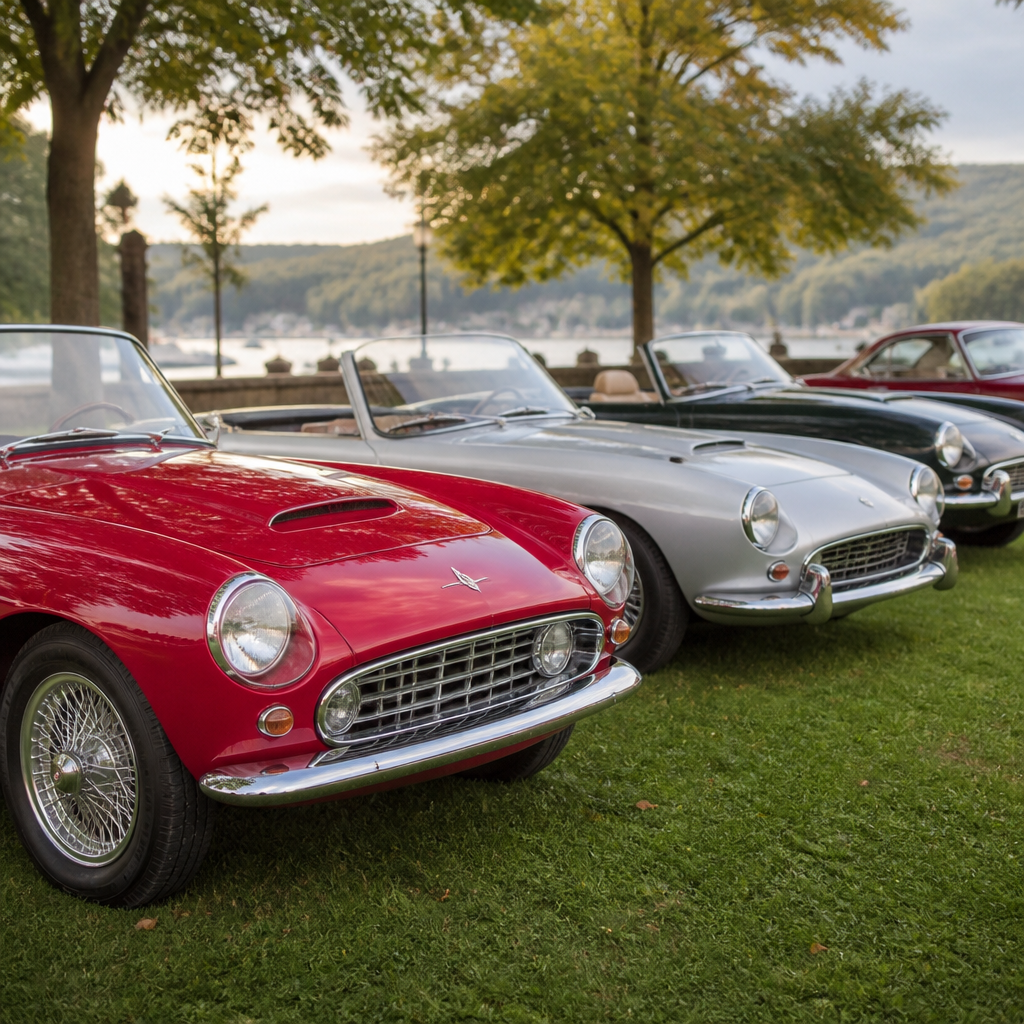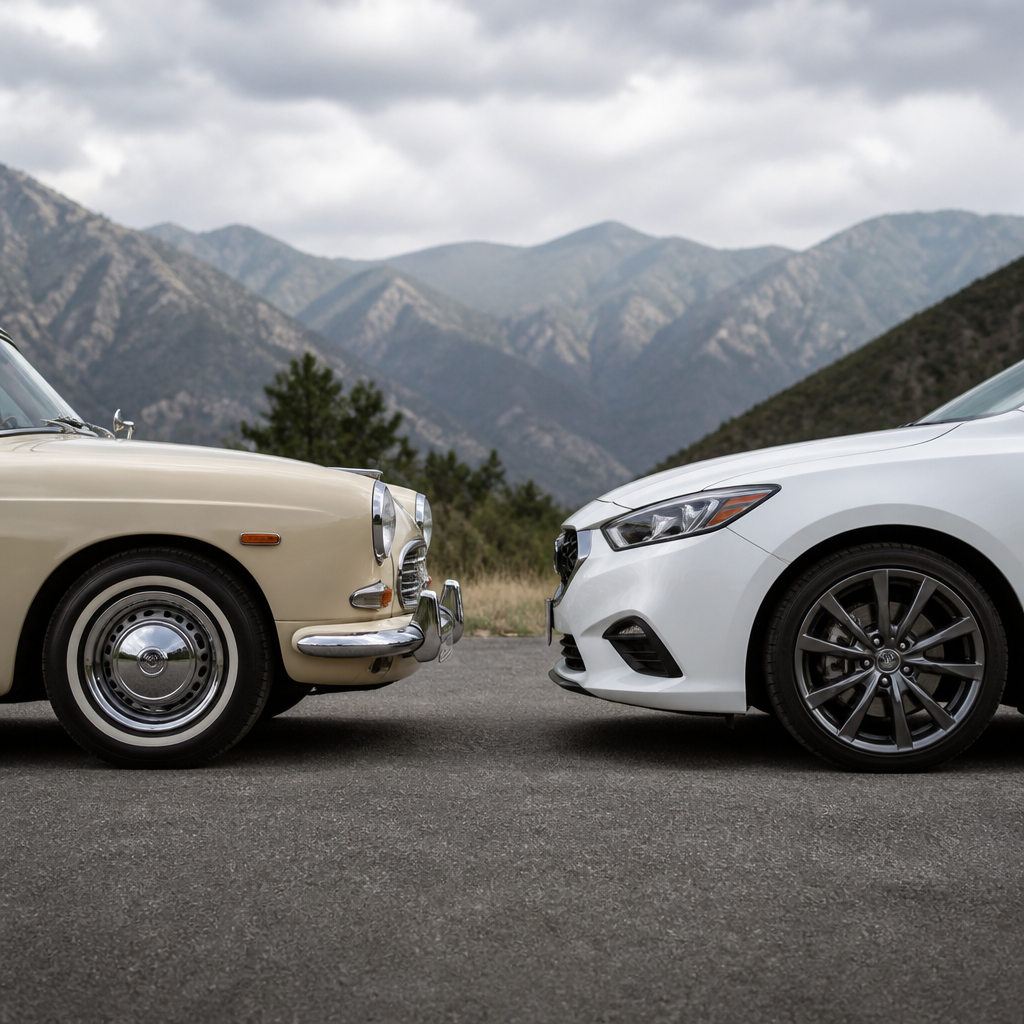
Classic car safety features vs modern cars is not just a nostalgic debate about chrome, style, and driving feel; it is a practical comparison between two very different philosophies of vehicle design, occupant protection, and risk management. For anyone interested in classic car ownership, this topic sits at the center of driving and safety tips because the way an older vehicle behaves in traffic, in bad weather, and during a crash is fundamentally different from the way a modern vehicle behaves. A classic car can be engaging, mechanical, and rewarding to drive, but it also asks more from the driver in awareness, planning, and restraint.
In this context, a classic car usually means a vehicle built before modern passive and active safety systems became standard, often before the late 1980s or early 1990s. Passive safety refers to systems that protect occupants during a crash, such as seat belts, airbags, collapsible steering columns, side-impact beams, crumple zones, and head restraints. Active safety refers to systems that help prevent a crash in the first place, including anti-lock brakes, electronic stability control, traction control, tire-pressure monitoring, adaptive headlights, and automatic emergency braking. Many older cars have little or none of this equipment, or they use early versions that are far less effective than current systems.
This matters because crash survival is not determined by sheet metal thickness or vehicle weight alone. It depends on controlled energy absorption, restraint geometry, braking consistency, visibility, tire performance, steering response, and the driver’s ability to avoid hazards. I have driven and inspected older vehicles that felt solid at low speeds yet showed clear vulnerabilities the moment traffic became faster, braking distances tightened, or weather turned poor. Understanding those differences helps owners make better choices about routes, maintenance, upgrades, and expectations. It also creates a realistic framework for every other safety topic in classic car ownership, from defensive driving habits to retrofit decisions and trip preparation.
How classic cars and modern cars approach safety differently
The core difference is structural philosophy. Many classic cars were designed when occupant protection standards were limited, crash testing was less sophisticated, and manufacturers focused more on durability, styling, and mechanical simplicity than on controlled crash energy management. A heavy steel dashboard, a rigid steering column, a thinly padded interior, and a fuel system with minimal impact protection were common. By contrast, modern cars are engineered around crash pulses, occupant kinematics, and load paths. Engineers deliberately design front and rear structures to crumple in controlled ways, while the passenger cell remains rigid enough to preserve survival space.
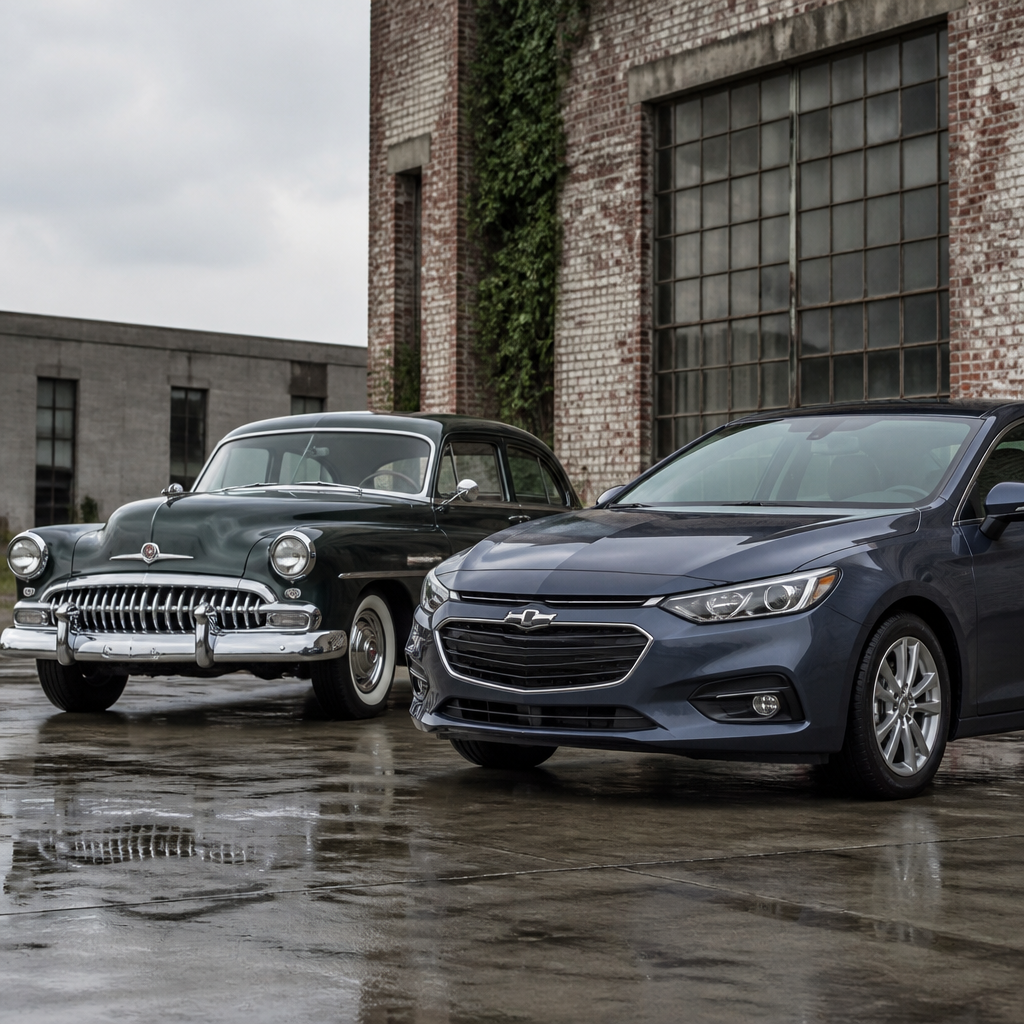
That distinction often surprises new owners. People frequently assume an older full-size car is safer because it feels larger and is built from heavier steel. In reality, mass can help in some collision scenarios, but without engineered deformation and restraint systems, occupants can experience much higher forces. A modern compact car with airbags, pretensioners, load limiters, and advanced seat design can protect occupants far better than a large classic sedan with lap belts and a solid steering column. Organizations such as the Insurance Institute for Highway Safety and the National Highway Traffic Safety Administration have repeatedly shown that newer vehicles dramatically reduce fatality risk through structural design and integrated safety systems.
Driving dynamics also differ. Older cars often have slower steering ratios, more body roll, longer stopping distances, weaker headlight output, and less predictable wet-weather grip. Drum brakes, bias-ply tires, recirculating-ball steering, and soft suspension tuning can be manageable when understood, but they create larger margins for error. Modern cars narrow those margins with better tires, stronger brake systems, stability software, and more consistent chassis tuning. The result is not merely convenience; it is a measurable increase in hazard avoidance.
Passive safety: what protects you after a crash begins
Passive safety is where the gap is most dramatic. Early seat belts, when fitted at all, were often simple lap belts. Three-point belts became more common later, but classic cars rarely have pretensioners that tighten the belt milliseconds after impact, or load limiters that reduce chest injury risk. Airbags did not become widespread until decades later, and side-curtain airbags are entirely absent in true classics. Head restraints, now recognized as critical for reducing whiplash injuries, were inconsistent in older designs, and many front seats lacked the geometry to support the head properly in a rear impact.
Steering columns are another major separator. Many classic vehicles used rigid steering assemblies that could intrude toward the driver during a frontal impact. Collapsible steering columns, now standard, were a landmark improvement because they reduced the likelihood of severe chest and head trauma. Door structures changed too. Modern side-impact beams, high-strength steel reinforcements, and curtain airbags help manage one of the most dangerous crash types: being struck in the side by another vehicle. In a classic car with thin door construction and no side airbags, occupant space can be compromised quickly.
Fuel system protection improved significantly over time. Newer cars place tanks in safer zones, use rollover valves, and integrate shutoff logic to reduce post-crash fire risk. Classic cars may route fuel lines in more exposed areas and rely on simpler connections. That does not make every classic unsafe to drive, but it does mean owners should inspect fuel hoses, clamps, tank straps, and venting systems carefully, especially if ethanol-blended fuel is used.
Active safety: what helps avoid the crash
Active safety is the area many owners underestimate because its best results are invisible. Anti-lock braking systems let drivers brake hard while maintaining steering control. Electronic stability control can selectively brake individual wheels to correct a skid. Traction control reduces wheelspin on slick surfaces. Automatic emergency braking can reduce impact speed or avoid low-speed collisions entirely. Lane-departure warning, blind-spot monitoring, rear cross-traffic alert, and backup cameras help compensate for human error. A classic car offers almost none of this support.
Instead, classic car safety depends heavily on driver skill and the condition of mechanical components. Brake fade on a mountain descent, wandering from worn steering linkage, delayed windshield defogging, weak wipers, and dim sealed-beam headlights are all active-safety issues because they affect crash avoidance. I treat these systems as seriously as engine reliability. A beautifully restored car with marginal tires and poorly adjusted brakes is not road-ready in any meaningful safety sense.
Stopping distance highlights the point. Older four-wheel drum brake systems can work well when correctly maintained, but they are generally more sensitive to heat and water than modern disc systems. Disc brakes shed heat better and recover faster after repeated stops. Tire technology compounds the difference. Modern radial tires offer superior grip, better heat management, and more predictable breakaway characteristics than the bias-ply tires originally fitted to many classics. If an owner wants one upgrade that improves real-world safety immediately without changing the character of the car too much, modern tires are usually near the top of the list.
Common classic car safety weaknesses every owner should know
The most important driving and safety tips begin with known weak points. In practice, these are the issues I see most often when helping owners prepare cars for regular road use:
| Safety area | Typical classic-car weakness | Why it matters | Practical response |
|---|---|---|---|
| Brakes | Drum fade, old hoses, uneven adjustment | Longer stopping distances and pull under braking | Inspect hydraulics, flush fluid, consider front-disc conversion |
| Tires | Aged rubber, incorrect load rating, bias-ply limitations | Reduced grip, blowout risk, poor wet handling | Use fresh, properly rated tires and check date codes |
| Seat belts | Lap belts only or deteriorated webbing | Higher injury risk in frontal and rollover crashes | Install quality three-point belts where feasible |
| Steering | Play in linkage, worn bushings, slow response | Delayed hazard avoidance and instability | Renew worn components and verify alignment |
| Lighting | Dim headlights and small brake lamps | Reduced visibility and conspicuity | Upgrade bulbs, wiring, relays, and lamp grounds |
| Fuel system | Perished hoses, poor routing, vent issues | Fire risk and vapor leaks | Replace hoses with ethanol-safe line and inspect clamps |
| Cabin protection | No airbags, weak head restraints, rigid interior | Greater injury severity in impacts | Drive defensively and set realistic speed limits |
These are not theoretical concerns. A cracked brake hose can act like a one-way valve and keep a wheel partially applied. A forty-year-old tire can look acceptable while being structurally unsafe. A glowing generator warning light at dusk can become a visibility problem within minutes if the headlamps dim. The safest classic owners are systematic; they inspect, test, and replace aging components before symptoms become failures.
Smart upgrades that improve safety without ruining originality
Owners often ask whether safety upgrades destroy collector value. The answer depends on the vehicle, the market, and how modifications are executed. In my experience, well-documented, reversible upgrades that address clear safety deficits are usually accepted, especially on driver-grade cars. The best changes are those that improve survivability and control while respecting the car’s character. Three-point seat belts, dual-circuit master cylinders, front disc brakes, radial tires, halogen or properly engineered LED lighting, better mirrors, and an electric fuel shutoff strategy are common examples.
Not every upgrade is equally wise. Poorly designed aftermarket brake kits can create balance problems. Very wide wheels can overload steering effort and alter scrub radius. Generic LED bulbs in old reflector housings may produce glare without improving usable seeing distance. The right approach is to use proven components, match upgrades to the vehicle’s geometry and weight, and verify the result with road testing. If the car originally used single-circuit brakes, upgrading to a dual-circuit system is especially valuable because one leak does not necessarily mean total hydraulic failure.
Restraint upgrades deserve careful thought. Adding three-point belts is one of the most meaningful improvements in many coupes and sedans, but anchor locations and reinforcement matter. Belts must be mounted to structural points with proper hardware, not simply bolted through thin sheet metal. For open cars, rollover protection introduces additional tradeoffs involving appearance, access, and usage. A weekend cruiser driven at modest speeds may justify a different setup than a classic used for long highway trips or driver education events.
Driving and safety tips for operating a classic car in modern traffic
The safest way to own a classic is to drive it with a modern understanding of its limits. Leave more following distance than you would in a current car. Assume braking distances are longer, emergency lane changes are less tidy, and night visibility is weaker. Plan escape space at intersections because acceleration may be modest and braking reserve limited. In rain, reduce speed early; many older cars are more vulnerable to hydroplaning, wiper limitations, and cabin fogging. In crosswinds, expect more steering correction, especially in tall vehicles with older suspension designs.
Driver positioning matters too. Sit close enough to turn the wheel without locking your elbows, and ensure mirrors cover adjacent lanes effectively. If the car has manual drum brakes or manual steering, practice smooth inputs rather than abrupt corrections. Before any longer trip, verify tire pressures cold, test all lamps, confirm horn function, and look under the car for fluid leaks. Carry a basic roadside kit with a fire extinguisher rated for automotive use, reflective triangles, spare fuses, tools, belts, and a flashlight. These are practical classic car ownership habits, not overcautious rituals.
Route choice is another overlooked safety tool. Older cars are often happiest on secondary roads, daylight drives, and fair-weather trips. Heavy commuter traffic, high-speed interstates, and unfamiliar nighttime routes stack the odds against an underprotected vehicle. That does not mean a classic cannot tour confidently; many do. It means an owner should match the car’s condition and capability to the environment. Good judgment is one of the few safety systems that works equally well in every decade.
How this safety hub supports broader classic car ownership decisions
As a hub for driving and safety tips, this subject connects directly to maintenance planning, insurance, storage, restoration strategy, and even buying decisions. A buyer evaluating two similar cars should pay close attention to safety-critical updates, service records, corrosion in structural areas, and evidence of competent repairs. A car with documented brake work, fresh tires, sound wiring, and properly installed belts is often the better ownership choice than a cosmetically superior example with unknown mechanical condition.
Insurance also intersects with safety. Agreed-value policies may require secure storage, limited annual mileage, and proof of condition. Some insurers view certain upgrades positively, particularly if they reduce fire risk or improve theft prevention. Storage matters because brake fluid absorbs moisture, tires flat-spot, rodents damage wiring, and old fuel degrades. Seasonal recommissioning should therefore include a safety inspection, not just a battery charge and wash.
Most of all, classic car safety is about realism. These cars offer an experience modern vehicles cannot replicate, but they do not offer the same margin for error. Respecting that truth makes ownership more enjoyable, not less. The driver who understands the difference between classic car safety features and modern cars can preserve the charm of older machinery while making thoughtful choices that protect passengers, other road users, and the car itself.
Classic car safety features vs modern cars comes down to one clear fact: modern vehicles are dramatically better at avoiding crashes and protecting occupants when a collision happens. They combine engineered crumple zones, advanced restraints, airbags, stability systems, stronger cabins, and better lighting and braking into an integrated safety package that classic vehicles simply do not have. That does not make classic ownership irresponsible, but it does require a different mindset. Owners must replace optimism with preparation and nostalgia with informed judgment.
The key takeaways are straightforward. First, understand the limits of your vehicle’s original design, especially in braking, restraint systems, lighting, steering, and crash protection. Second, prioritize maintenance and targeted upgrades that meaningfully improve control and survivability, such as modern tires, sound hydraulics, better belts, and reliable lighting. Third, adapt your driving style to the vehicle by leaving extra space, reducing speed in poor conditions, and choosing routes that fit the car’s capabilities. Those habits form the foundation of every good driving and safety plan.
If you own or plan to buy a classic, use this hub as your starting point for safer enjoyment. Review your car systematically, address the highest-risk weaknesses first, and build a maintenance routine around real safety priorities. The reward is simple: you keep the analog appeal of classic motoring while reducing preventable risk every time you turn the key.
Frequently Asked Questions
Are classic cars significantly less safe than modern cars?
In most real-world situations, yes. Classic cars are generally much less safe than modern vehicles because they were designed before many of today’s core safety standards, crash-testing methods, and protective technologies existed. Older vehicles often lack airbags, anti-lock brakes, electronic stability control, side-impact protection, crumple zones engineered through computer modeling, reinforced passenger cells, and advanced seat belt systems. That means when a crash happens, more of the force is transferred directly to the occupants rather than being absorbed and managed by the structure of the vehicle.
It is also important to understand that weight alone does not equal safety. A large, heavy classic car may look strong, but many older designs were built with rigid structures that do not protect occupants the way modern unibody construction does. Modern cars are intentionally engineered to deform in controlled ways during a collision, slowing the deceleration forces acting on the human body. By contrast, a classic car may suffer less visible front-end collapse in some accidents while exposing the occupants to much more severe injury risk.
That said, “less safe” does not mean “undrivable.” Many people safely enjoy classic cars by recognizing their limitations, driving defensively, avoiding high-risk conditions, and maintaining the vehicle carefully. The key point is that a classic car requires a different mindset. You cannot assume it will brake, corner, protect, or recover from emergencies the way a modern car will.
What are the biggest safety differences between classic cars and modern cars?
The biggest differences come down to crash protection, accident avoidance, and overall vehicle engineering. In a modern car, safety begins long before a collision occurs. Features such as anti-lock braking systems, traction control, electronic stability control, adaptive headlights, tire pressure monitoring, backup cameras, blind-spot monitoring, lane-keeping systems, and automatic emergency braking all help reduce the chance of an accident in the first place. Most classic cars were built in an era when driver skill and mechanical simplicity were prioritized over electronic intervention and active safety assistance.
When it comes to crash protection, the gap becomes even more pronounced. Modern vehicles are built with reinforced cabins, side-impact beams, airbags in multiple locations, collapsible steering columns, head restraints designed to reduce whiplash, and seat belts that are integrated into a carefully engineered restraint system. Many classic cars have lap belts only, minimal side-impact protection, metal dashboards, less supportive seating, and steering columns or interior components that can become hazardous in a crash.
Even routine driving safety differs. Modern cars typically offer stronger and more predictable braking performance, better tire technology, improved suspension geometry, more powerful lighting, clearer mirrors, superior windshield wipers, and better defogging and climate systems. All of those details matter in rain, darkness, traffic, and emergency maneuvers. So while the styling and analog feel of a classic car are part of its appeal, modern cars clearly deliver a much higher level of safety in both preventing crashes and helping occupants survive them.
Can a classic car be made safer with upgrades?
Yes, a classic car can often be made meaningfully safer, but it cannot usually be brought up to true modern safety standards. Smart upgrades can improve drivability, visibility, braking, and occupant protection, which can reduce risk substantially during regular use. Common improvements include converting to front disc brakes, adding a dual-circuit master cylinder, installing modern radial tires, upgrading suspension components, fitting brighter headlights, adding three-point seat belts, and replacing worn steering or brake parts. In some vehicles, owners also install head restraints, improved mirrors, fuel system safety upgrades, or reinforced seats and mounts.
These modifications can make a major difference because they address the areas where older cars tend to struggle most: stopping distance, emergency control, nighttime visibility, and basic occupant restraint. For example, modern tires alone can transform a classic car’s grip and predictability. Similarly, adding proper shoulder belts can significantly improve occupant protection compared with lap belts alone.
However, there are limits. You cannot easily retrofit a classic car with fully engineered crumple zones, sophisticated airbags, electronic stability control, or a modern crash-tested body structure. Safety is not just about adding parts; it is about how the entire vehicle is designed to work together in a collision. So the honest answer is that upgrades can make a classic safer and more confidence-inspiring, but they do not erase the fundamental structural and design differences between older and newer vehicles.
Is it safe to drive a classic car regularly in modern traffic?
It can be, but it requires realistic expectations and a more cautious approach than driving a modern car. Modern traffic is faster, denser, and more distracting than the road environment many classic cars were originally built for. A classic vehicle may accelerate more slowly, stop less effectively, offer weaker visibility, and provide far less crash protection if something goes wrong. That does not automatically make regular use irresponsible, but it does mean the driver must actively compensate for the car’s limitations.
Safe regular use starts with maintenance. Brakes, tires, steering, suspension, lights, wipers, cooling systems, and fuel lines need to be in excellent condition. Next comes route and condition awareness. Many classic owners avoid heavy rush-hour traffic, high-speed interstates, severe weather, and nighttime driving when possible. Leaving greater following distance, anticipating other drivers’ mistakes, and driving conservatively are especially important because the car is less forgiving during sudden maneuvers or panic stops.
Driver mindset matters just as much as the hardware. In a modern car, people can become accustomed to safety nets such as ABS, stability control, and airbags. In a classic, you are much more dependent on judgment, smooth inputs, and defensive driving habits. For some owners, a classic works best as a fair-weather weekend car. For others, regular use is reasonable if the vehicle is mechanically sorted and the owner fully understands what it can and cannot do safely.
Why do modern cars often protect occupants better even when they look more fragile than classic cars?
This is one of the most misunderstood parts of vehicle safety. Modern cars can appear less solid because they are designed to crumple in controlled ways, but that crumpling is exactly what helps protect the people inside. In a collision, the goal is not for the car to remain perfectly rigid; the goal is to manage crash energy before it reaches the occupants. Engineers design modern vehicles with crush zones that absorb impact forces while the passenger compartment remains as intact as possible. That combination helps reduce the violent deceleration that causes serious injury.
Classic cars often seem tougher because they use thicker metal, heavier body panels, and more rigid-looking construction. But in a serious crash, that apparent toughness can work against the occupants if the vehicle does not absorb and redirect energy effectively. Instead of the front or rear of the vehicle progressively collapsing to dissipate force, more of that energy may be transmitted into the cabin and to the people inside. Interior hard points such as metal dashboards, thinly padded surfaces, and older steering components can make matters worse.
Modern safety engineering is also holistic. Seat belts, airbags, seats, head restraints, sensors, body structure, and even dashboard shapes are developed as a coordinated system. Occupant safety today is the result of decades of crash research, biomechanics, materials science, and regulatory testing. So while a classic car may feel substantial and durable, modern vehicles are usually far better at the specific task that matters most in an accident: helping human beings survive it with fewer injuries.