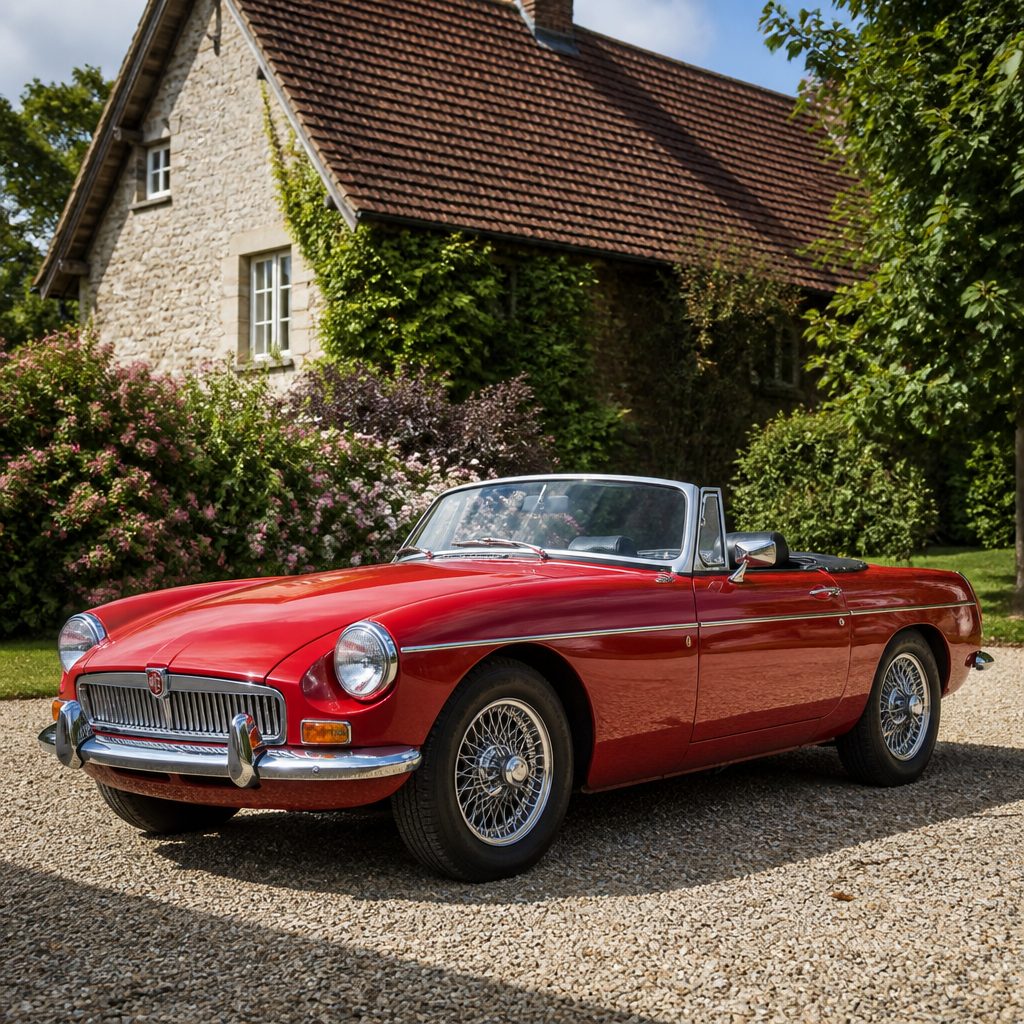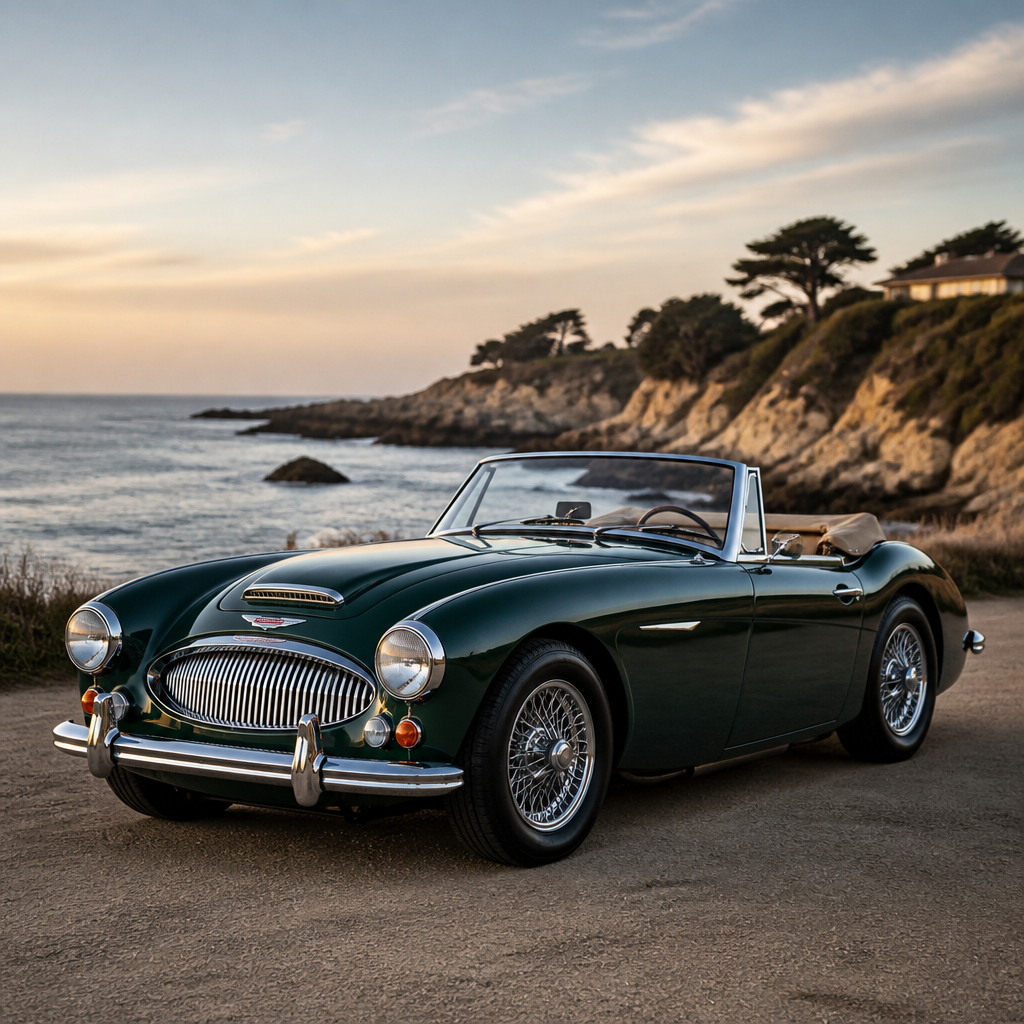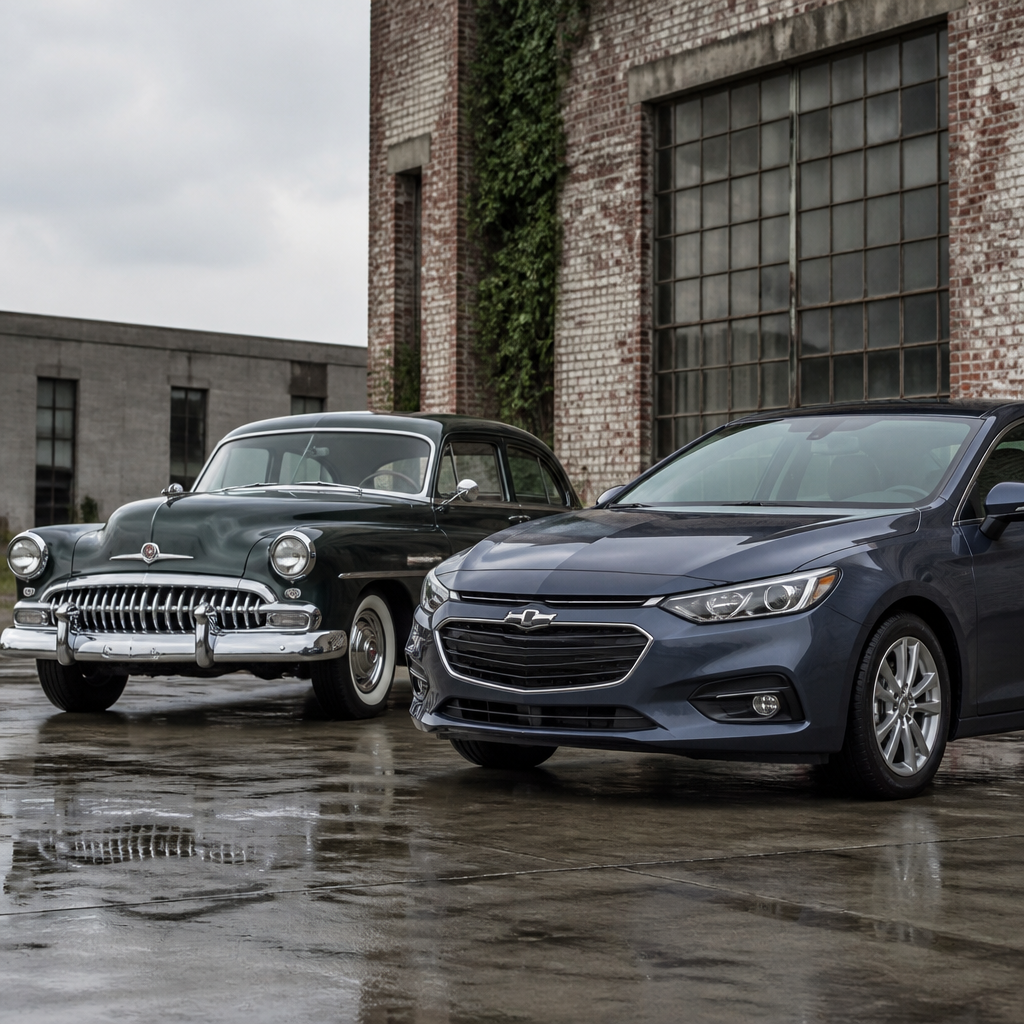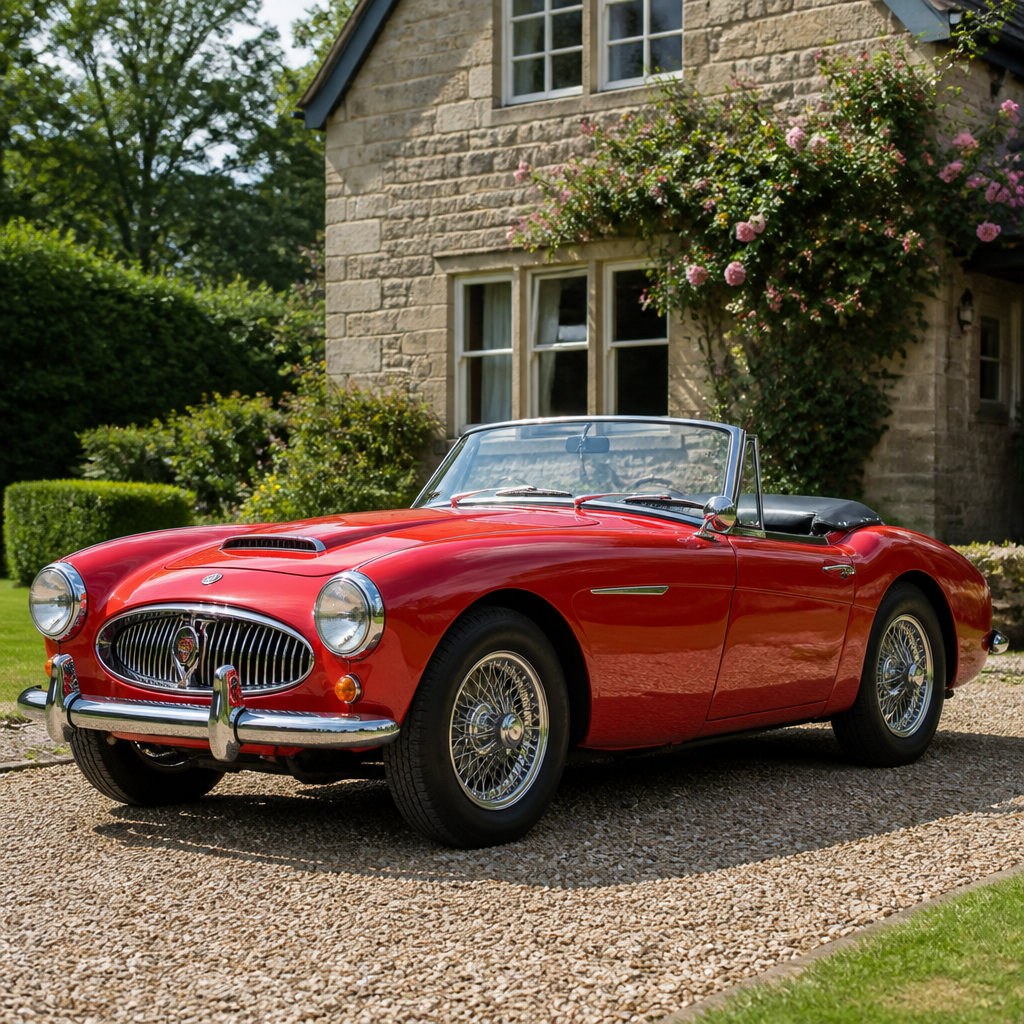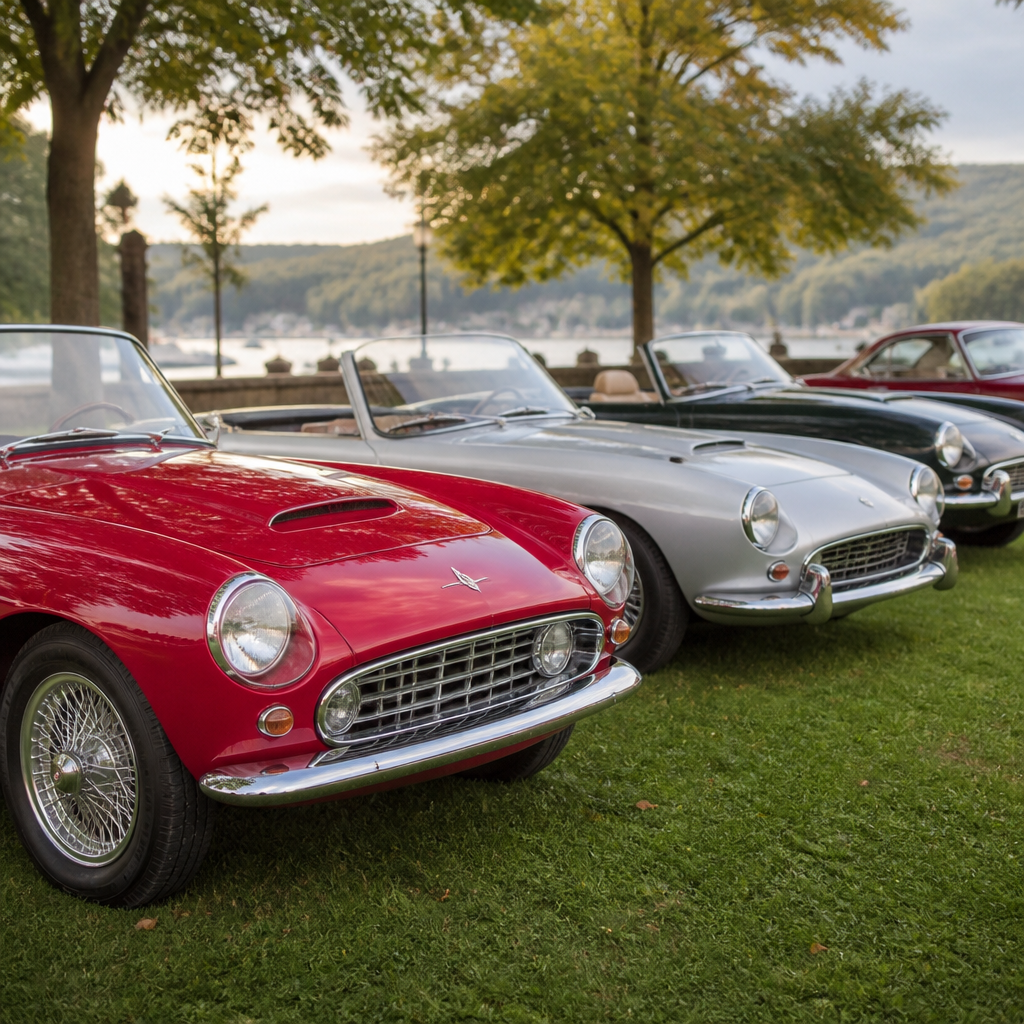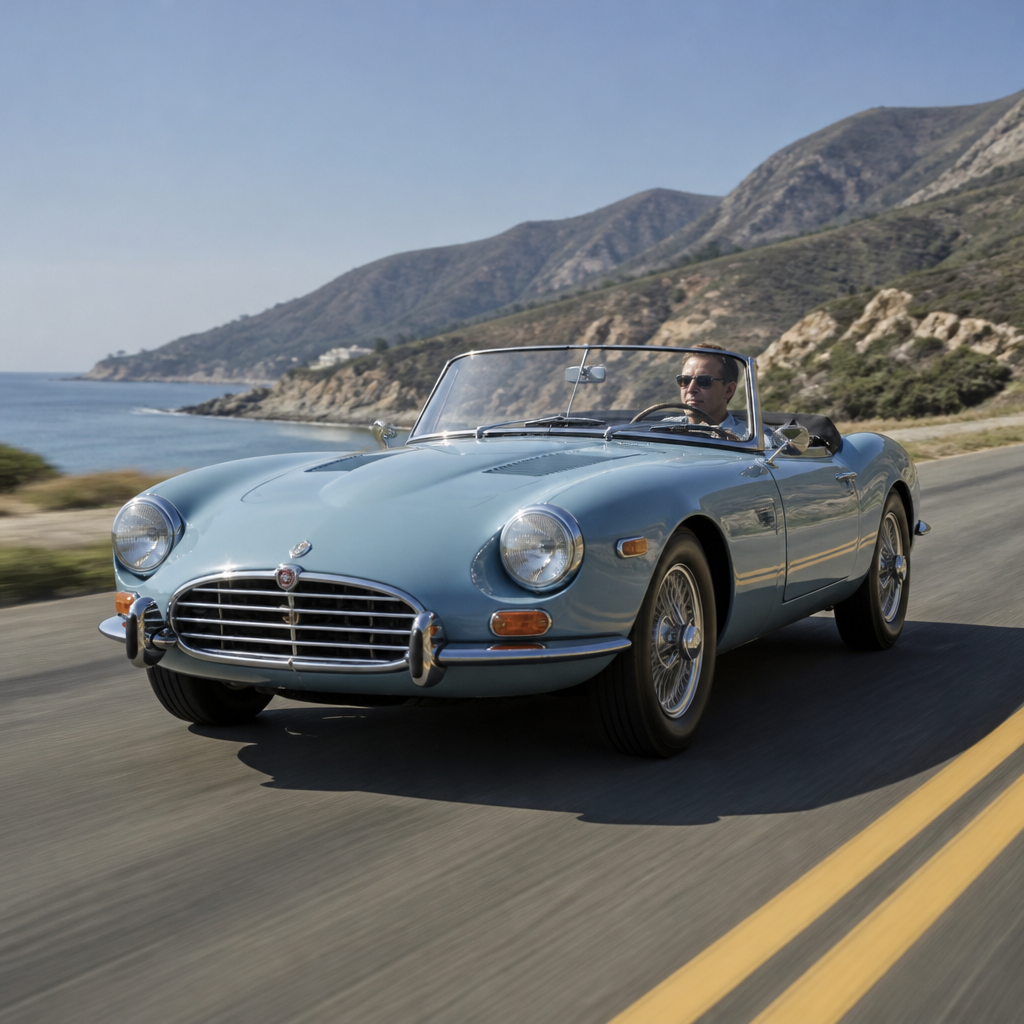
Driving a vintage vehicle well requires a different mindset than driving a modern car, because every input you make reaches the road through older engineering, narrower performance margins, and fewer safety systems. A classic car is generally understood as an older vehicle preserved or restored for historical, mechanical, or enthusiast value, often built before electronic stability control, anti-lock braking, airbags, and modern crash structures became common. That means “handling” a classic car on the road is not only about cornering feel or steering response; it includes pre-drive inspection, warm-up habits, braking technique, lane positioning, visibility management, weather judgment, and emergency planning. I have driven everything from carbureted British roadsters to full-size American sedans and air-cooled European coupes, and the same rule always applies: respect the machine’s age, design, and limitations. This matters because a classic car can be safe and rewarding on public roads when driven correctly, but careless modern-car habits can quickly expose weak brakes, vague steering, heat issues, poor lighting, or limited traction. Owners who understand driving and safety fundamentals protect their passengers, preserve rare components, and enjoy the car more confidently. Used properly, a classic car teaches smoother inputs, better observation, and more deliberate decision-making than almost any new vehicle on sale today.
Start with mechanical readiness before any trip
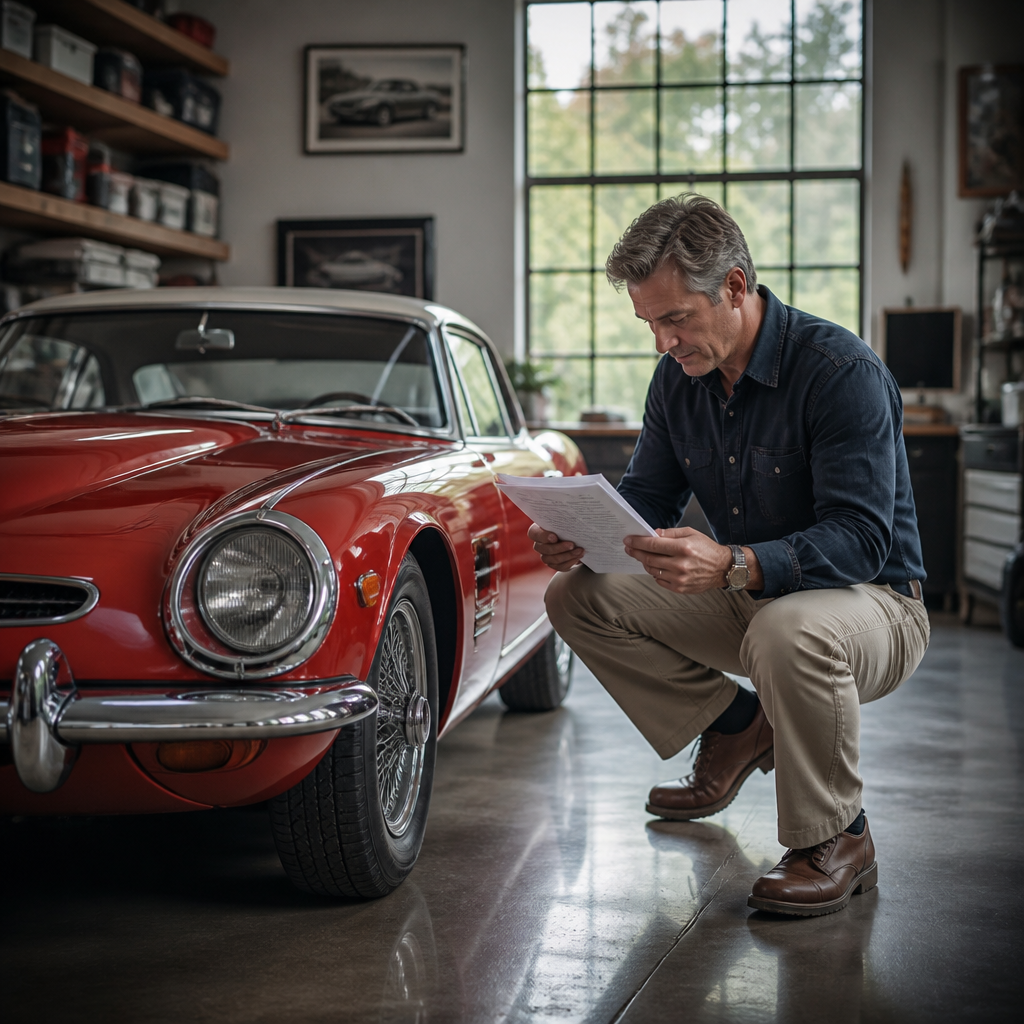
The first step in handling a classic car on the road is making sure it is roadworthy every single time you use it. Older cars communicate problems early, but only if you inspect them. Before driving, check tire pressures cold, including the spare if the car carries one. A bias-ply-equipped car may feel different from a radial-equipped car, and incorrect pressure can make steering wander or braking unstable. Inspect sidewalls for cracks, verify wheel nuts are tight, and look underneath for fresh oil, coolant, gear oil, or brake fluid leaks. On cars with drum brakes, a small hydraulic leak can become a major braking failure fast. Test pedal firmness before moving. If the brake pedal is sinking, spongy, or requires pumping, do not drive.
Under the hood, confirm fluid levels and belt condition. Classics often consume some oil by design, especially engines with older sealing technology, but low oil pressure under load is never acceptable. Cooling systems deserve special attention because overheating is one of the most common roadside failures in classic ownership. Check hoses for softness, cracks, and swelling near clamps. Verify the fan belt has correct tension. If the car uses a mechanical fuel pump or carburetor, look for fuel seepage and confirm the smell of raw fuel is not coming from a leak. Electrical reliability is equally important. Weak grounds, old battery cables, and tired generators or alternators can create hard starts and dim lights. A five-minute check before departure prevents many expensive and avoidable failures.
Learn the car’s controls, feedback, and stopping distances
Many drivers get into trouble with a classic car because they assume familiar controls will respond like a modern vehicle. They rarely do. Steering may have more play on center, manual steering will load up heavily at low speed, and long-travel suspensions can lean more in corners and during lane changes. Brakes may require significantly more pedal effort, especially if the car has manual drums or early front discs without modern pad compounds. Throttles can be sharper at tip-in on carbureted engines, while gearboxes may need a slower, more deliberate shift. In some older transmissions, especially non-synchronized first gears or worn synchromesh units, forcing a quick downshift is a recipe for gear clash.
Before mixing with traffic, spend time in an empty lot or quiet road to feel clutch take-up, steering response, turning radius, and braking performance. Measure in your mind how far the car needs to stop from 30 mph and 50 mph. If the car pulls under braking, the issue may be uneven shoe adjustment, contaminated linings, collapsed hoses, or suspension geometry problems, and those should be fixed before regular use. Learn the engine’s normal sounds and temperatures. Classic cars often communicate through vibration, smell, and sound long before a dashboard warning light tells you anything. That feedback is one of their strengths, but only if you pay attention to it.
Drive smoothly and leave more space than you think you need
The best road technique for a classic car is smoothness. Smooth steering, smooth throttle, and smooth braking keep weight transfer predictable and reduce stress on aging components. Jerky inputs can unsettle a chassis with softer springs, older dampers, narrow tires, and less rigid structure. A classic sedan from the 1960s or 1970s may have substantial body roll and slower steering ratio, so abrupt lane changes can feel dramatic even at ordinary speeds. The cure is not fear; it is planning. Look far ahead, build wider safety margins, and do your slowing in a straight line before the turn.
Following distance should be longer than in a modern car. A useful baseline is at least a four-second gap in dry conditions and significantly more in rain, traffic, or downhill driving. This extra room compensates for longer stopping distances, less predictable brake fade, and weaker collision protection. It also reduces the need for sudden maneuvers around distracted drivers. On two-lane roads, avoid tailgating entirely; if the car in front brakes hard, your classic may not have the reserve grip or brake assist to recover. Good classic car handling is not about proving the car can keep up with modern traffic at all costs. It is about placing the car where it has options.
Use braking, downshifting, and cornering techniques that suit older engineering
Classic car braking technique should preserve stability and mechanical sympathy. Apply the brakes earlier and progressively, rather than stabbing the pedal late. Drum brakes in particular can fade with repeated hard use because heat builds quickly and dissipates slowly. On long descents, use engine braking by selecting a lower gear before speed rises too much. This reduces brake temperature and helps maintain control. In manual cars, rev-matched downshifts make a noticeable difference in smoothness, rear-axle stability, and gearbox wear. Heel-and-toe is useful, but not every pedal layout supports it well; clean rev matching matters more than style.
Cornering in a classic car rewards patience. Finish most of your braking before turn-in, steer once rather than making repeated mid-corner corrections, and add throttle gradually as the car settles. Cars with live rear axles, swing axles, or soft sidewall tires may react poorly to abrupt throttle lifts in a bend. If understeer appears, reduce speed gently and unwind steering instead of forcing more lock. If the rear steps out, look where you want to go, make measured correction, and avoid panicked braking. These are simple principles, but they matter because many classic chassis provide less ultimate grip and less forgiveness than modern vehicles.
| Driving situation | Best technique in a classic car | Why it works |
|---|---|---|
| City traffic | Increase following distance and brake early | Compensates for heavier pedal effort and longer stopping distances |
| Long downhill section | Select a lower gear before the descent | Reduces brake fade and keeps speed controlled |
| Wet corner | Brake in a straight line, turn gently, accelerate late | Protects limited tire grip and prevents sudden weight transfer |
| Highway merge | Build speed progressively and leave extra space | Older engines and gearboxes respond slower than modern powertrains |
| Emergency stop | Press firmly without locking the wheels, steer only if stable | Most classics lack ABS, so wheel lock quickly removes control |
Manage visibility, weather, and other drivers proactively
Classic cars often have weak headlights, small mirrors, fog-prone glass, and wipers that are barely acceptable by modern standards. Handling the car safely means managing visibility before conditions become difficult. Clean the inside and outside of the windshield thoroughly, because haze and old film dramatically worsen night glare. Replace worn wiper blades, verify washer function, and consider period-correct upgrades such as halogen bulbs or improved relays if wiring capacity and local regulations allow. Aim headlights properly. A surprising number of night-driving complaints come from poor alignment rather than poor bulb output.
Rain requires a major adjustment in pace. Narrow tires can cut standing water well, but old rubber compounds and light rear ends can still lose grip suddenly. Painted lines, steel plates, diesel residue at junctions, and leaf-covered roads are all more dangerous in a classic, especially one without limited-slip differential or modern traction control. Crosswinds also affect tall, softly suspended cars more than many drivers expect. On the highway, leave larger side buffers around trucks and avoid lingering in blind spots. Assume surrounding drivers have not seen you. Older cars may accelerate more slowly, sit lower than SUVs, and have smaller brake lights. Signaling early, positioning clearly, and driving predictably are essential defensive habits.
Prepare for heat, traffic, breakdowns, and modern road speeds
Traffic and temperature are where many classic cars are tested hardest. Stop-and-go congestion strains cooling systems, clutches, charging systems, and driver patience. If your temperature gauge trends upward at idle, do not ignore it because “they all run hot.” Some do run warm, but overheating is still a mechanical problem to diagnose. Common causes include clogged radiator cores, incorrect ignition timing, lean mixtures, collapsing lower hoses, weak fan clutches, and insufficient shrouding. Ethanol-blended fuel can also aggravate vapor lock in carbureted cars, particularly in hot weather after heat soak. If hot restarting is erratic, investigate fuel routing, insulating spacers, and pump condition.
Breakdown planning is part of responsible classic car road handling. Carry a fire extinguisher rated for automotive use, basic hand tools, spare belts, a few hose clamps, fuses, a flashlight, gloves, and fluids appropriate to the car. Include a charged phone, reflective warning triangle, and roadside assistance coverage that understands older vehicles and flatbed towing requirements. If the car must be towed, many classics have low front valances, fragile steering components, or transmission rules that make careless recovery expensive. Know where tow hooks are or where straps can be placed safely. Finally, be realistic about cruising speed. A car built for 60 to 70 mph travel can often sustain modern highway speeds, but engine noise, gearing, cooling reserve, and braking confidence may make a slower lane the smarter choice.
Upgrade carefully without losing the car’s character
Thoughtful upgrades can improve classic car safety and road manners, but every change should be planned as a system. Tires are usually the best first investment. Fresh, high-quality tires in the correct size and load rating transform braking, steering feel, and wet grip more than cosmetic modifications ever will. Next, focus on braking integrity: rebuilt hydraulics, quality friction materials, properly adjusted drums, or a well-engineered front disc conversion where appropriate. Suspension bushings, shock absorbers, steering couplers, and alignment settings often matter more than adding stiffer springs. On many cars, simply restoring factory geometry produces excellent real-world stability.
Seat belts deserve priority if the car lacks them or has outdated webbing. Three-point belts, head restraints, brighter tail lamps, and hazard flashers all provide practical safety gains without fundamentally changing the ownership experience. Electronic ignition can improve starting and reliability, while relays for headlights and electric cooling fans can reduce electrical strain. That said, modifications should match the car’s architecture. Over-tiring a car with too much wheel width can hurt steering effort and suspension response. A poorly designed brake conversion can upset pedal ratio and bias. I have seen heavily modified classics become less pleasant and less trustworthy than well-sorted original cars. The goal is not to modernize everything. The goal is to make the car dependable, predictable, and honest on the road.
Handling a classic car on the road comes down to preparation, mechanical sympathy, and disciplined driving technique. Check the car before every trip, learn its real limits, and accept that older brakes, steering, lighting, and crash protection require more space and more foresight. Drive smoothly, slow down earlier, use gears intelligently, and stay ahead of temperature, weather, and visibility problems. When upgrades are needed, choose the ones that improve reliability and control first, especially tires, brakes, belts, and lighting. That approach preserves both safety and character. A classic car does not ask you to drive timidly; it asks you to drive attentively. When you do, the reward is a more connected, skillful, and memorable experience than most modern vehicles can offer. Use this hub as your starting point for every driving and safety decision, then build a maintenance routine and road plan that fit your specific car. The better you understand how your classic behaves, the safer and more enjoyable every mile becomes.
Frequently Asked Questions
What makes handling a classic car different from driving a modern vehicle?
Handling a classic car is different because the entire driving experience is filtered through older mechanical systems that demand more attention, more planning, and more finesse from the driver. In a modern vehicle, electronic stability control, anti-lock brakes, power-assisted steering, advanced suspension tuning, and sophisticated tire technology all work in the background to smooth out mistakes and maintain composure. In a classic car, those safety nets are often absent. Every steering input, brake application, throttle movement, and gear change has a more direct effect on how the car behaves, and the margin for error is usually smaller.
Classic cars often have slower steering ratios, longer stopping distances, more body roll in corners, less chassis rigidity, and less grip from older-style tires. Many also use drum brakes, recirculating-ball steering, carbureted engines, and suspension designs that communicate differently than modern setups. That does not mean they are unsafe when driven properly, but it does mean the driver has to be more deliberate. Smoothness matters. Anticipation matters. Following distance matters. You are not just driving the car; you are managing its weight transfer, preserving traction, and respecting the limitations of a machine built in a very different era.
The mindset is also different. Instead of assuming the car will save you from a poor decision, you drive as though it will faithfully do exactly what you tell it to do, even if that input was too abrupt. Good classic car handling comes from reading the road ahead, braking earlier, cornering with patience, accelerating progressively, and understanding how your particular vehicle responds under real conditions. Once you adapt to that rhythm, classic cars can feel rewarding, engaging, and deeply connected to the road in a way many newer cars do not.
How should you brake and corner safely in a classic car?
The safest way to brake and corner in a classic car is to do both earlier and more smoothly than you would in a modern vehicle. Older braking systems typically require more pedal effort, provide less ultimate stopping power, and can be more sensitive to heat, moisture, or adjustment issues. If the car has drum brakes, non-assisted brakes, or older brake materials, stopping distances may be significantly longer than what most modern drivers expect. That means you should leave extra space in traffic, begin braking sooner, and apply pressure progressively rather than suddenly stomping on the pedal.
In corners, the key is to slow the car before you turn, not during the middle of the bend. Many classic cars do not react well to abrupt weight transfer. If you charge into a corner too quickly and then brake hard or lift off the throttle suddenly, the car may become unsettled. Excessive body roll, front-end push, rear-end instability, or tire squeal can all develop quickly if the car is asked to do too much at once. The best approach is to brake in a straight line, release the brakes smoothly, turn in with measured steering input, and then feed in throttle gently as the car straightens out.
It also helps to remember that older tires, suspensions, and chassis designs usually communicate their limits differently. The car may lean more, the steering may feel slower, and the tires may begin to protest earlier. That is normal. Do not treat a classic car like a sports sedan with modern grip and brake performance. Drive it with patience and mechanical sympathy. If you do, the car will usually reward you with predictable behavior. If you rush your inputs, you may discover very quickly why classic car handling is about rhythm rather than aggression.
What driving habits help you stay in control of a vintage vehicle in everyday traffic?
The best everyday habit when driving a vintage vehicle is to stay ahead of the car and ahead of traffic. That starts with scanning farther down the road than you normally would in a modern vehicle. Because classic cars often accelerate more slowly, stop less quickly, and react more dramatically to sudden maneuvers, you want to spot red lights, merging traffic, congestion, rough pavement, and sharp turns as early as possible. The more warning you give yourself, the fewer abrupt inputs the car will need from you.
Following distance is especially important. Give yourself a larger cushion than usual, particularly in wet weather, downhill traffic, or stop-and-go conditions. Avoid tailgating under any circumstances. A classic car may not have anti-lock brakes, so a panic stop can lead to wheel lockup and loss of steering control. Likewise, be cautious with lane changes and highway merges. Some older cars have larger blind spots, dimmer mirrors, weaker acceleration, and less stable high-speed road manners than modern vehicles. Signal early, move deliberately, and avoid trying to squeeze into tight gaps.
Another valuable habit is keeping your inputs calm and consistent. Avoid jerky steering corrections, sudden throttle lifts, and hard braking unless absolutely necessary. Watch road surfaces carefully as well. Grooves, potholes, standing water, expansion joints, and uneven pavement can affect a classic car more noticeably, especially if it has narrow tires, older suspension bushings, or a less rigid chassis. Finally, listen to the car. Changes in vibration, brake feel, steering play, engine temperature, or unusual sounds may be your first warning that something needs attention. A classic car often tells you what it needs, but only if you are paying attention.
How do weather and road conditions affect classic car handling?
Weather and road conditions can have a much greater effect on a classic car than on a modern one, largely because older vehicles were not designed with the same level of traction management, sealing, braking assistance, or tire technology that drivers now take for granted. Rain, cold temperatures, strong crosswinds, rough pavement, loose gravel, and heat can all change how the car responds. Even something as simple as painted road markings or metal bridge joints can reduce grip more noticeably in a classic vehicle, especially one with older tire compounds or less balanced weight distribution.
Wet roads deserve special caution. Without anti-lock braking or modern stability systems, a classic car can lock its wheels more easily under braking and may slide sooner in corners. Rear-wheel-drive classics can also become unsettled if throttle is applied too aggressively on slick surfaces. In these conditions, reduce speed, increase following distance, brake earlier, and be extra smooth with both steering and throttle. If visibility is poor, remember that older headlights, wipers, and defrosters may not perform like modern equipment, so conservative driving becomes even more important.
Hot weather can create a different set of challenges. Older cooling systems may struggle in traffic, brake fade can become more likely on long descents, and tire pressures can shift as temperatures climb. On rough or crowned roads, older suspensions may wander more, requiring gentle corrections rather than overreacting. Strong wind can also push taller or lighter classic vehicles around, especially at highway speeds. The smart approach is to adjust your driving to the conditions rather than expecting the car to overcome them. In a classic car, good judgment is one of the most important handling tools you have.
What should you check before driving a classic car to make sure it handles properly?
Before taking a classic car on the road, it is wise to do a brief but meaningful pre-drive inspection, because proper handling begins long before you turn the wheel. Start with the tires. Check pressure, look for visible cracks, flat spotting, uneven wear, and confirm that the tires are appropriate for the car and road use. A classic car can feel unstable or vague simply because of old or underinflated tires. Tire age matters too. Even if tread looks acceptable, old rubber can harden and lose grip.
Next, pay attention to steering and suspension condition. Excessive play in the steering wheel, clunks over bumps, wandering at speed, or uneven ride height can indicate worn components such as tie-rod ends, bushings, ball joints, shocks, or springs. Brakes should also be checked regularly. Make sure the pedal feels consistent, the car stops straight, fluid levels are correct, and there are no signs of leaks. On older cars, minor issues can quickly become major handling or safety concerns if ignored.
You should also check fluid levels, especially engine oil, coolant, brake fluid, and power steering fluid if equipped. Make sure lights, turn signals, wipers, and horn are functioning, since defensive driving in a classic car depends heavily on being seen and communicating clearly with other road users. If the car has been sitting for a while, pay extra attention to belts, hoses, battery condition, and fuel delivery. During the first few minutes of driving, let the car warm up and assess how it feels. Is the steering normal? Are the brakes responsive? Does the engine run cleanly? A classic car that handles well on the road is usually one that has been prepared carefully before the drive even begins.