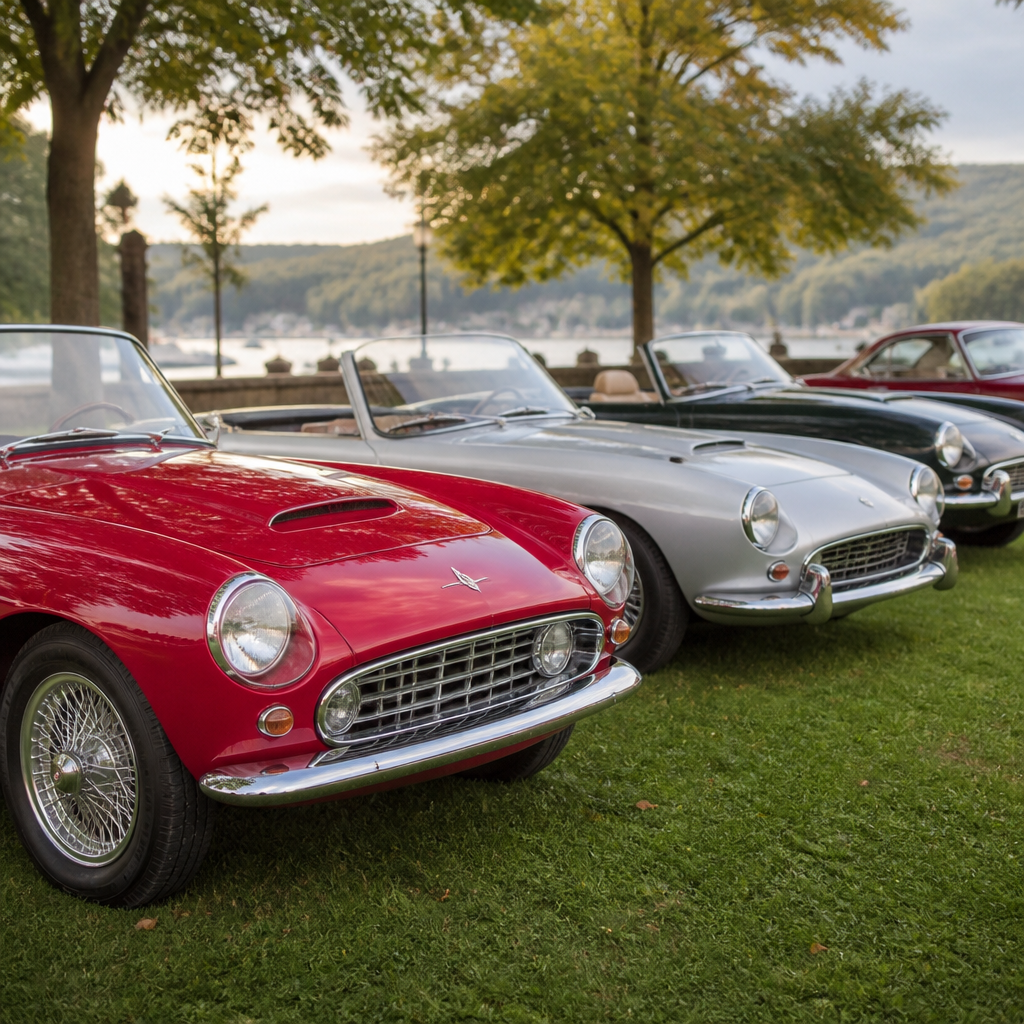
Driving a classic car safely starts with accepting a simple truth: these vehicles demand more attention, more planning, and more mechanical sympathy than modern cars. A classic car is generally understood as an older vehicle preserved, restored, or maintained for historical interest, regular enjoyment, or collectible value, often built before modern safety, emissions, and electronic driver-assistance standards became common. While definitions vary by insurer, club, and registration authority, the practical issue is the same for drivers: classic cars brake differently, steer differently, accelerate differently, and protect occupants differently. I have driven everything from carbureted British roadsters to full-size American sedans with drum brakes, and the first lesson is always humility. What feels routine in a late-model car can become a safety problem in a vintage one.
Safe classic car driving is not just about caution on the road. It includes understanding the car’s design limitations, inspecting age-sensitive components, adjusting your driving technique, and preparing for breakdowns that modern motorists rarely expect. A classic car may have manual steering, non-synchronized gears, narrow tires, weak headlights, lap belts, vented fuel systems, and brakes that fade under repeated use. Even well-restored examples can hide brittle wiring, old rubber hoses, marginal cooling systems, or suspension play that only appears at speed. Because replacement parts quality varies, a vehicle can look finished yet still be mechanically unsettled. That is why a hub on classic car driving and safety matters. Owners need one place that connects pre-drive checks, weather planning, defensive driving, maintenance priorities, and emergency readiness into a clear routine they can repeat before every trip.
For many owners, the goal is not to turn a cherished vehicle into something clinical or overmodernized. The goal is to preserve character while reducing avoidable risk. Safe operation protects passengers, other road users, and the car itself, which may be difficult or expensive to repair after even a minor collision. It also makes ownership more enjoyable. When you know how long your stopping distance really is, how your engine behaves in heat, and how your steering responds on uneven pavement, confidence replaces anxiety. The most effective approach is to think like both a driver and a caretaker: read the road farther ahead, monitor the machine continuously, and respect the limits built into the vehicle. That mindset is what separates a pleasant classic car outing from a dangerous one.
Know the safety limits built into the vehicle
Classic cars were engineered for the roads, traffic density, and safety expectations of their own era. Many were sold before collapsible steering columns, crumple zones, anti-lock brakes, radial tires, three-point seatbelts, high-back seats, or laminated side glass became widespread. Even a well-maintained classic therefore starts from a lower passive safety baseline than a modern economy car. The driver must compensate actively. In practice, that means allowing more following distance, avoiding aggressive lane changes, and refusing to drive beyond sightlines or stopping capacity. If your car has drum brakes, for example, repeated downhill braking can increase pedal effort and reduce stopping effectiveness through heat fade. If it has recirculating-ball steering or a slow steering ratio, emergency corrections will feel less immediate than in a modern hatchback.
It also means learning the exact configuration of your own car rather than relying on assumptions. Two cars from the same decade can behave very differently. A 1967 Volvo Amazon with front discs and shoulder belts offers a different safety envelope from a 1959 Chevrolet with four-wheel drums and bias-ply tires. Weight distribution, wheelbase, power-to-brake ratio, and even seating position change how quickly a driver can react. Owners should read the factory workshop manual, identify every safety-related system on the car, and verify whether previous restorers modified anything. I have seen “upgraded” classics with mismatched master cylinders, poorly routed fuel lines, and modern wheels that rubbed under full steering lock. Knowing the car’s actual specification is the foundation of safe use.
Perform a disciplined pre-drive inspection every time
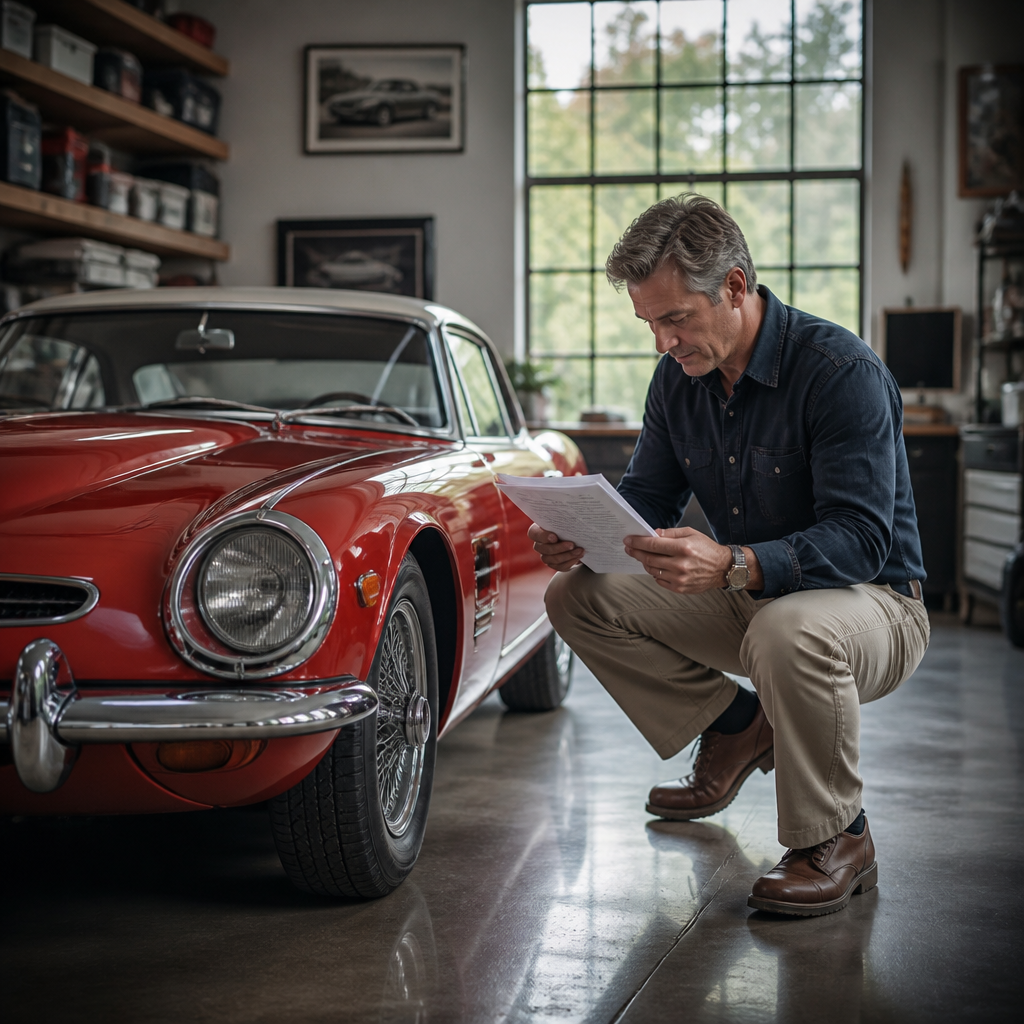
A pre-drive inspection for a classic car should be routine, not occasional. Before any meaningful trip, check engine oil level, coolant level, brake fluid, clutch fluid if fitted, power steering fluid if applicable, and fuel leaks around the tank, pump, carburetor, or lines. Look under the car after it has been parked. A few drops from an old engine may be familiar, but fresh brake fluid, gear oil near the rear axle, or wet fuel hose connections are immediate no-go findings. Tires deserve special scrutiny because age is as important as tread. A tire with adequate depth but a date code older than six to ten years, depending on storage and condition, may have hardened rubber and internal degradation. Inspect sidewalls for cracking, flat spotting, and signs of tube failure if the car uses tube-type tires.
Check lights, indicators, brake lights, horn, wipers, and washer function. Many classics are driven less often, and corrosion in bulb holders or switches is common. Test pedal feel before joining traffic. A sinking brake pedal, long travel, or pulling to one side needs investigation immediately. Press the clutch and note whether engagement has changed. Turn the steering wheel slightly while stationary and feel for excessive free play. If the car uses wire wheels, knock-offs, or center locks, confirm correct tightness and direction. Listen for electric fuel pumps clicking unusually fast, cooling fans failing to cycle, or belts chirping at startup. These details matter because faults compound quickly on older cars. Ten minutes in the driveway prevents expensive recovery calls and, more importantly, prevents preventable roadside emergencies.
Build a maintenance plan around age, not mileage
One of the biggest mistakes new owners make is maintaining a classic car by mileage alone. Age degrades seals, rubber, insulation, fuel, and brake hydraulics even when the odometer barely moves. A safe maintenance plan should be calendar-based, with frequent inspections and fluid changes that may seem conservative by modern standards. Brake hoses, fuel lines, coolant hoses, and drive belts should be evaluated as consumables. Wheel cylinders, master cylinders, and calipers can corrode internally when cars sit. Fuel tanks collect rust and varnish. Carburetors gum up from evaporated fuel. Ignition components such as points, condensers, caps, rotors, and plug leads can create intermittent misfires that become dangerous during overtaking or at junctions.
The most reliable owners I know keep a written service log with dates, part brands, fluid specifications, torque values, and notes on symptoms. That record becomes a safety document. If you know the brake fluid was flushed 12 months ago, the flexible lines are new, the wheel bearings were adjusted to spec, and the kingpins were greased at the last service, your confidence is based on evidence. Use recognized references: the factory workshop manual, marque-specific club guides, and reputable suppliers such as Moss Motors, SNG Barratt, or Mercedes-Benz Classic for model-specific parts data. When modern replacements are available, choose quality over convenience. Cheap reproduction ignition parts and hoses are a false economy. In classic car safety, consistency of maintenance is more valuable than cosmetic perfection.
Adapt your driving technique to vintage mechanical systems
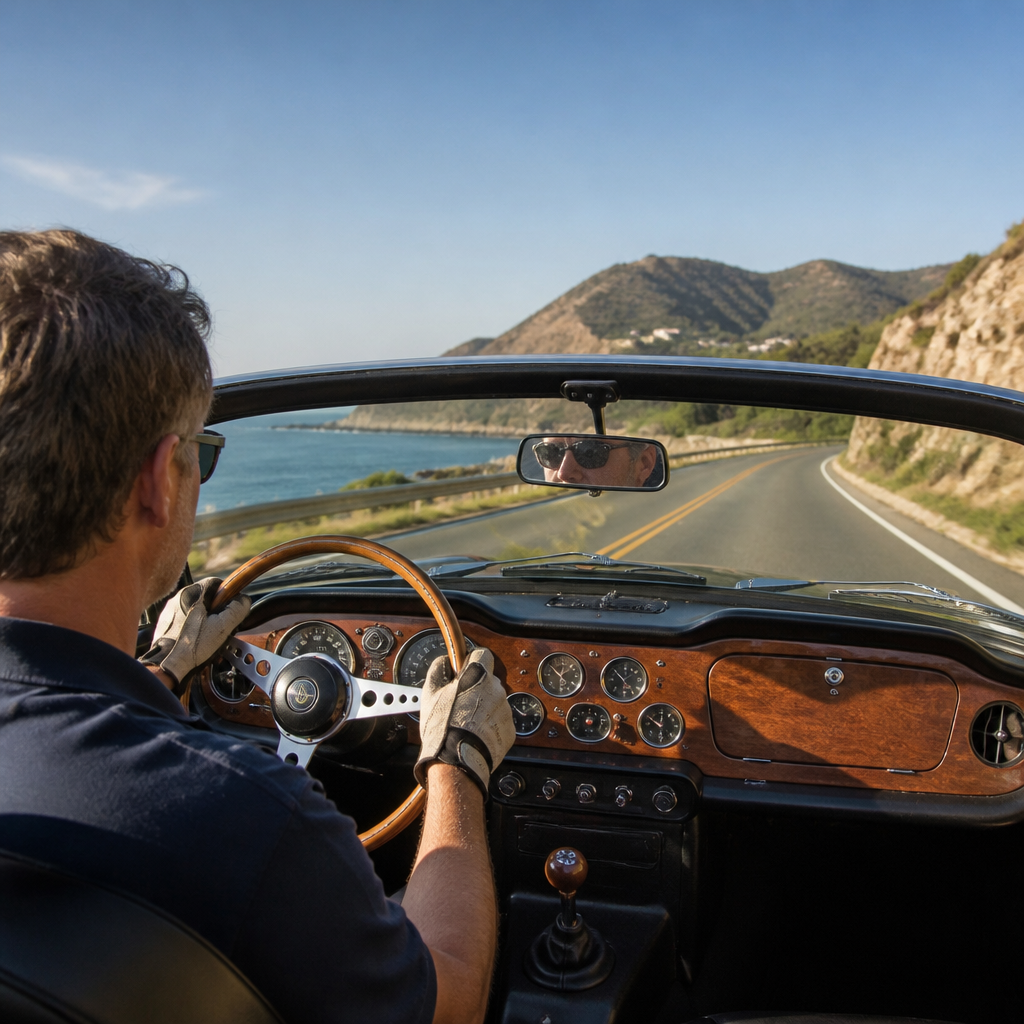
Driving a classic car safely requires deliberate technique changes. Start by increasing following distance well beyond the modern three-second rule if your brakes are drums, your tires are narrow, or the road is wet. Brake early and progressively to avoid lockup, especially in cars without a brake servo or with front-rear balance that changes under load. Keep both hands ready because steering may react to cambers, grooves, and crosswinds. On older manual gearboxes, use rev matching and patient shifts rather than forcing engagement. In non-synchronized first gears, select first only when stopped unless double-declutching is specifically appropriate and mastered. Smoothness is not just good style; it protects driveline components and keeps the car settled.
Throttle response also differs, particularly in carbureted engines. Cold drivability can be uneven until the engine reaches temperature, and sudden throttle openings may produce hesitation if accelerator pumps or mixture settings are imperfect. Plan overtakes conservatively. A classic that can cruise comfortably at 60 mph may still need far longer than a modern car to accelerate from 45 to 65. Learn the car’s braking threshold, clutch take-up, turning circle, and engine temperature behavior in low-risk conditions before attempting longer highway trips. Empty industrial estates, club driving days, and quiet rural roads are useful for familiarization. I always recommend that owners rehearse emergency stops from moderate speeds after checking tire condition and brake function. Feeling the car’s real limits in a controlled setting is essential preparation.
Manage visibility, weather, and traffic density carefully
Classic cars usually offer weaker outward visibility support than modern vehicles. Mirrors are smaller, wipers slower, demisters less effective, and headlights dramatically poorer. Some convertibles and coupes have large blind spots created by tiny mirrors or roof structure. Because other drivers may misjudge your speed or fail to notice dim indicators, you need to be conspicuous and predictable. Use headlights earlier in the day, signal sooner, and avoid sitting in adjacent lanes where modern SUVs can hide you. In heavy traffic, leave an escape gap and avoid being boxed in by taller vehicles. Older cooling systems may also struggle in long stop-start queues, particularly with automatic transmissions or air conditioning retrofits adding heat load.
Weather deserves special respect. Rain transforms the behavior of bias-ply tires, old wiper blades, and lightly loaded rear axles. Standing water can overwhelm period tread patterns, and cabin misting can become a safety issue within minutes. Strong heat raises the risk of vapor lock, overheating, and fuel percolation in carbureted engines. Cold temperatures can thicken oils, flatten old batteries, and reveal weak ignition systems. The safest policy is simple: do not treat a classic car as all-weather transport unless it has been prepared and tested for that role. Choose routes and departure times that reduce stress. Daylight, moderate temperatures, and lower traffic volumes give you more margin and more options if something mechanical changes during the drive.
Use upgrades selectively to improve safety without ruining character
Thoughtful upgrades can make a classic car meaningfully safer while preserving its original feel. The best modifications address known weaknesses with reversible or period-sympathetic solutions. Radial tires, correctly specified seatbelts, halogen or LED bulbs in suitable housings, relays for headlight circuits, dual-circuit brake conversions where appropriate, electronic ignition modules, and improved cooling fans are common examples. None of these changes should be installed casually. A brighter bulb in a poor reflector can still produce weak beam control, and an electronic ignition module cannot compensate for a worn distributor shaft. Safety upgrades work only when the surrounding system is healthy and compatible.
| Upgrade | Main Safety Benefit | Key Caution |
|---|---|---|
| Radial tires | Better grip, braking, and wet-road stability | Confirm correct size, load rating, and suspension compatibility |
| Three-point seatbelts | Improved occupant restraint in collisions | Use proper reinforced mounting points |
| Electronic ignition | More reliable starting and spark consistency | Carry old parts or spares for troubleshooting |
| Headlight relays and upgraded bulbs | Brighter, more stable lighting | Protect original wiring with proper fusing |
| Dual-circuit brakes | Redundancy if one hydraulic circuit fails | Engineering and pedal balance must be correct |
The decision to modify should be guided by use case. A concours car that travels short distances in fair weather may only need excellent maintenance and discreet lighting improvements. A classic used regularly on mixed roads may justify belts, tire upgrades, improved brake linings, and an alternator conversion for electrical reserve. Speak with a model-specific specialist, insurer, and, where relevant, inspection authority before making structural changes. In my experience, the best safety upgrade is often invisible: correcting deferred maintenance, poor previous work, and component mismatch. A perfectly sorted original car is safer than a badly executed modified one every time.
Prepare for emergencies, passengers, and longer trips
Every classic car should carry a practical emergency kit tailored to the vehicle. That means a charged phone, warning triangle where legal, fire extinguisher rated for automotive use, gloves, flashlight, basic tools, spare fuses, bulbs, belts if practical, ignition parts for points cars, coolant, and a first-aid kit. If the car has a known weak point, carry the remedy. For example, many owners of older British cars carry a spare fuel pump or at least contact points for one. If your classic uses a jack that feels unstable, replace it with a safer alternative that fits the car correctly. Also confirm that your breakdown provider will recover older vehicles, low-clearance cars, or cars that cannot be towed in the same way as modern front-wheel-drive vehicles.
Passenger safety deserves equal attention. Explain seatbelt use, door latches, window operation, and how to exit the car if handles or catches are unusual. Children should only ride if legal restraints can be installed correctly and the vehicle layout genuinely supports them. For longer trips, plan fuel stops early because older gauges can be inaccurate and fuel range may be shorter than expected. Give the car rest breaks in hot weather, monitor fluid levels, and inspect for leaks at each stop. Most importantly, know when not to continue. Rising temperature, fading brakes, worsening vibration, or fuel smell are reasons to stop and investigate, not to “just make it home.” Good judgment is the ultimate classic car safety system.
Driving a classic car safely is a discipline built from mechanical awareness, realistic planning, and calm, adjusted driving habits. The essentials are clear: know the vehicle’s limitations, inspect it before use, maintain it by age as well as mileage, and drive with more space and foresight than you would in a modern car. Visibility, weather, traffic, and route choice matter more. So does honesty about your car’s condition. Cosmetics do not equal roadworthiness, and originality does not excuse neglect. The owners who enjoy classic motoring for years are usually the ones who treat preparation as part of the pleasure, not as an inconvenience.
The reward for doing this well is substantial. A properly sorted classic can be dependable, deeply engaging, and surprisingly usable within its intended limits. It turns routine drives into experiences and preserves a piece of engineering history in motion, where it belongs. Safe driving protects that experience. It reduces the chance of injury, costly damage, and roadside stress, while increasing confidence for you and everyone riding with you. If you are building out your classic car ownership knowledge, use this guide as your starting point for every drive and every maintenance decision. Then create a written checklist for your own car, follow it consistently, and let every journey begin with preparation rather than luck.
Frequently Asked Questions
What makes driving a classic car different from driving a modern vehicle?
Driving a classic car safely begins with understanding that it was engineered for a very different road environment. Most classic cars were built before anti-lock brakes, stability control, traction control, airbags, crumple zones, high-visibility lighting, and advanced tire technology became standard. That means the car may take longer to stop, react more noticeably to road surfaces, provide less protection in a collision, and require more physical input from the driver. Steering may feel heavier, braking may be less forgiving, and visibility through mirrors and glass may be more limited than what modern drivers are used to.
There is also a mechanical difference in how these vehicles respond. Many classics need a warm-up period, may have carburetors instead of fuel injection, and can be more sensitive to temperature, fuel quality, and driving style. Gearboxes may shift more slowly, clutch take-up may be less precise, and drum brakes may fade when used hard. Even simple things such as windshield wipers, headlights, and demisters may perform below modern expectations. As a result, safe classic car driving is less about convenience and more about anticipation, smoothness, and planning ahead.
The best approach is to slow your mindset down. Leave more following distance, brake earlier, corner more gently, and constantly scan for hazards. Assume other drivers may not notice your vehicle’s speed or braking limitations. A classic car rewards patience and mechanical sympathy, and the safest drivers are the ones who treat every trip as an active process rather than a routine commute.
What should I check before taking a classic car out on the road?
A pre-drive inspection is one of the most important habits a classic car owner can develop. Because older vehicles often require more hands-on maintenance, you should never assume that a car that ran well last week is automatically ready for today’s drive. Start with the basics: check engine oil, coolant level, brake fluid, and if applicable, clutch fluid, power steering fluid, and transmission fluid. Look under the car for fresh drips or leaks, and inspect the engine bay for loose wires, cracked hoses, fuel smells, or signs of overheating or seepage.
Tires deserve special attention. On a classic car, tire age can matter just as much as tread depth. Even if the tread looks good, old rubber can harden, crack, and lose grip. Check air pressure when the tires are cold, inspect sidewalls for dry rot, and make sure the spare tire and jack are present if the car carries them. It is also wise to test the lights, brake lights, indicators, horn, windshield wipers, and washer system before setting off. If the car uses older electrical components, small issues can quickly become larger ones once you are on the road.
Finally, confirm that the brakes feel firm, the steering responds normally, and the battery is secure and healthy. If the car has been sitting, let it idle long enough to build oil pressure and settle into a stable temperature range. Bring a few sensible backup items such as basic tools, spare fuses, fluids, a flashlight, gloves, and a charged phone. Safe classic car driving starts before the wheels turn, and a careful inspection can prevent both breakdowns and dangerous situations.
How can I drive a classic car more safely in traffic and at higher speeds?
The safest way to drive a classic car in traffic is to be deliberate, predictable, and conservative. Older cars generally need more time and distance for every major driving task, especially braking, merging, and emergency maneuvers. Leave a larger gap to the vehicle ahead than you would in a modern car, and avoid putting yourself in tight spaces where sudden braking or swerving might be required. If your car has drum brakes, vague steering, or narrow tires, it is especially important to avoid aggressive lane changes and last-second decisions.
At higher speeds, remember that many classic cars can cruise comfortably but do not necessarily stop or corner with the same confidence as modern vehicles. Wind noise, body movement, and braking feel can increase dramatically as speed rises. Pay attention to how the car feels, especially if it begins to wander, vibrate, pull under braking, or run hotter than usual. On highways, give yourself extra room when entering traffic, and stay out of situations where you may need a sharp acceleration burst to escape danger. Many classics are happiest at a steady, moderate pace rather than being pushed to keep up with fast-moving modern traffic.
It also helps to make your intentions obvious. Signal early, brake early and progressively, and avoid driving in other drivers’ blind spots. Because classic cars are smaller, older, or simply less familiar to today’s motorists, other drivers may misjudge your speed or not expect your stopping distances to be longer. Defensive driving is essential. Think several seconds ahead, assume road users may act unpredictably, and always keep an escape path in mind. Smooth, measured inputs are not only safer, they are also kinder to the car.
What weather and road conditions are most risky for classic cars?
Bad weather and poor road conditions can expose nearly every weakness an older vehicle has. Rain is particularly challenging because many classic cars have narrower tires, less effective wipers, weaker defogging systems, and no electronic stability aids. Wet roads increase stopping distances and reduce cornering grip, while fogged windows and dimmer headlights can make visibility a real safety issue. If the car has older seals, heavy rain can also lead to interior leaks or electrical trouble. In these conditions, slower speeds, greater following distances, and gentle control inputs are essential.
Heat can be just as problematic. Cooling systems in older cars may be less efficient, and stop-and-go traffic on hot days can quickly push temperatures into an unsafe range. Vapor lock, overheating, and weak batteries can all become concerns depending on the vehicle’s age and mechanical setup. Cold weather presents its own issues, including harder starting, reduced battery performance, thicker fluids, poor cabin demisting, and reduced tire grip. Snow and ice are generally among the worst environments for a classic car, especially one without modern tires, anti-lock brakes, or rust protection.
Road surface quality also matters. Potholes, broken pavement, loose gravel, standing water, and uneven cambers can unsettle older suspensions and damage wheels, tires, steering parts, or underbody components. Many classics also sit lower than modern vehicles or have older suspension bushings that do not absorb impacts as well. Whenever possible, choose your route carefully, avoid severe weather, and do not hesitate to postpone a drive if conditions are poor. One of the safest classic car habits is knowing when not to drive.
What upgrades or habits can improve safety without ruining a classic car’s character?
Improving safety in a classic car does not always mean compromising originality. In many cases, the smartest upgrades are subtle, reversible, and focused on reliability and control rather than appearance. High-quality modern tires in the correct size can dramatically improve grip and braking confidence. Seat belts, if not already fitted, are one of the most worthwhile safety additions. Upgraded brake linings, carefully chosen suspension bushings, refreshed steering components, improved lighting, and an electronic ignition conversion can all make a classic car safer and more dependable while preserving its essential driving feel.
Maintenance habits are just as important as physical upgrades. Replace aging rubber fuel lines, inspect brake hoses regularly, keep the cooling system clean and leak-free, and stay ahead of worn wheel bearings, bushings, and electrical connections. If the car still uses original-style brakes or bias-ply tires, it becomes even more important to understand their limitations and drive accordingly. Safety is not just about adding parts; it is about ensuring the entire vehicle operates as intended and does so consistently.
Driver habits matter most of all. Take time to learn your specific car’s braking distances, steering response, blind spots, and operating quirks in a low-risk environment before mixing with heavy traffic. Avoid distractions, do not rush, and plan routes that favor lighter traffic, lower speeds, and good road surfaces. Keep the car well serviced, keep your expectations realistic, and drive within both your abilities and the car’s limits. That balance is the real key to driving a classic car safely while still enjoying everything that makes it special.