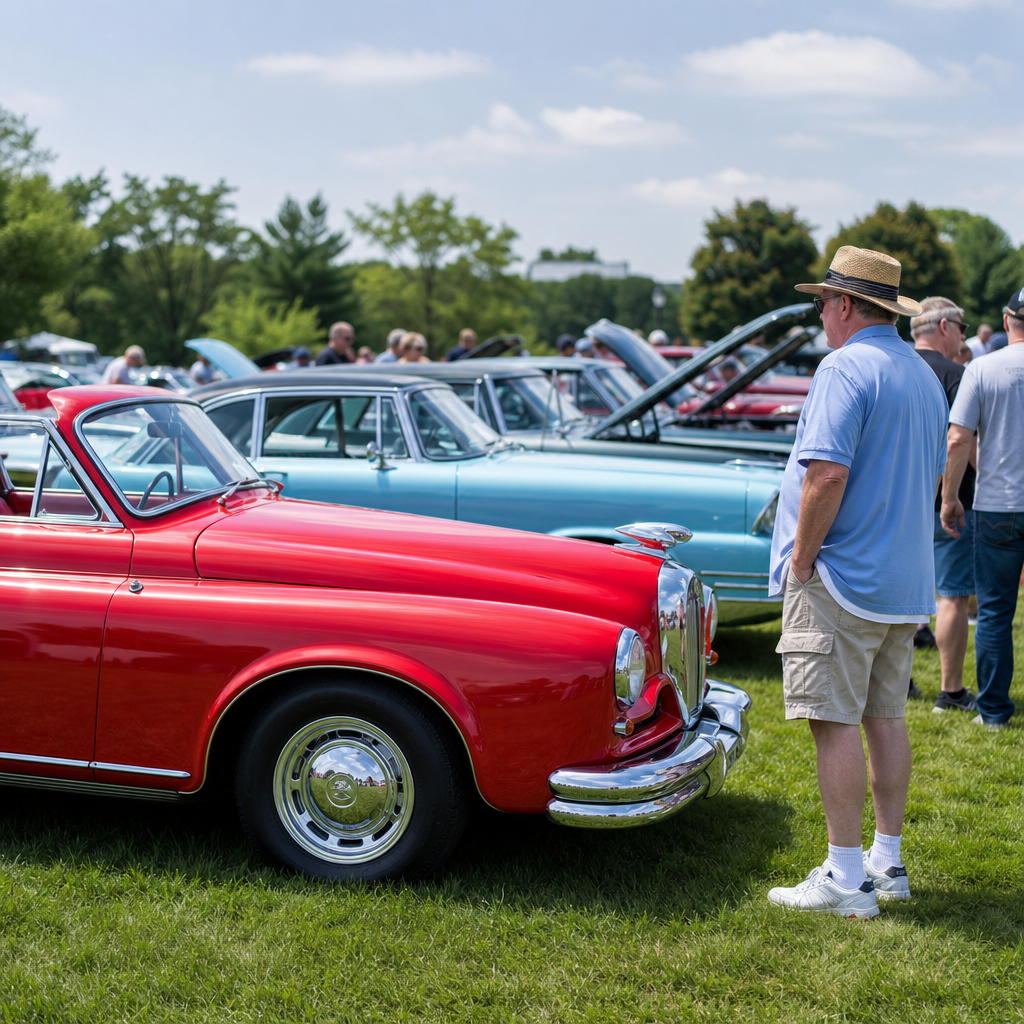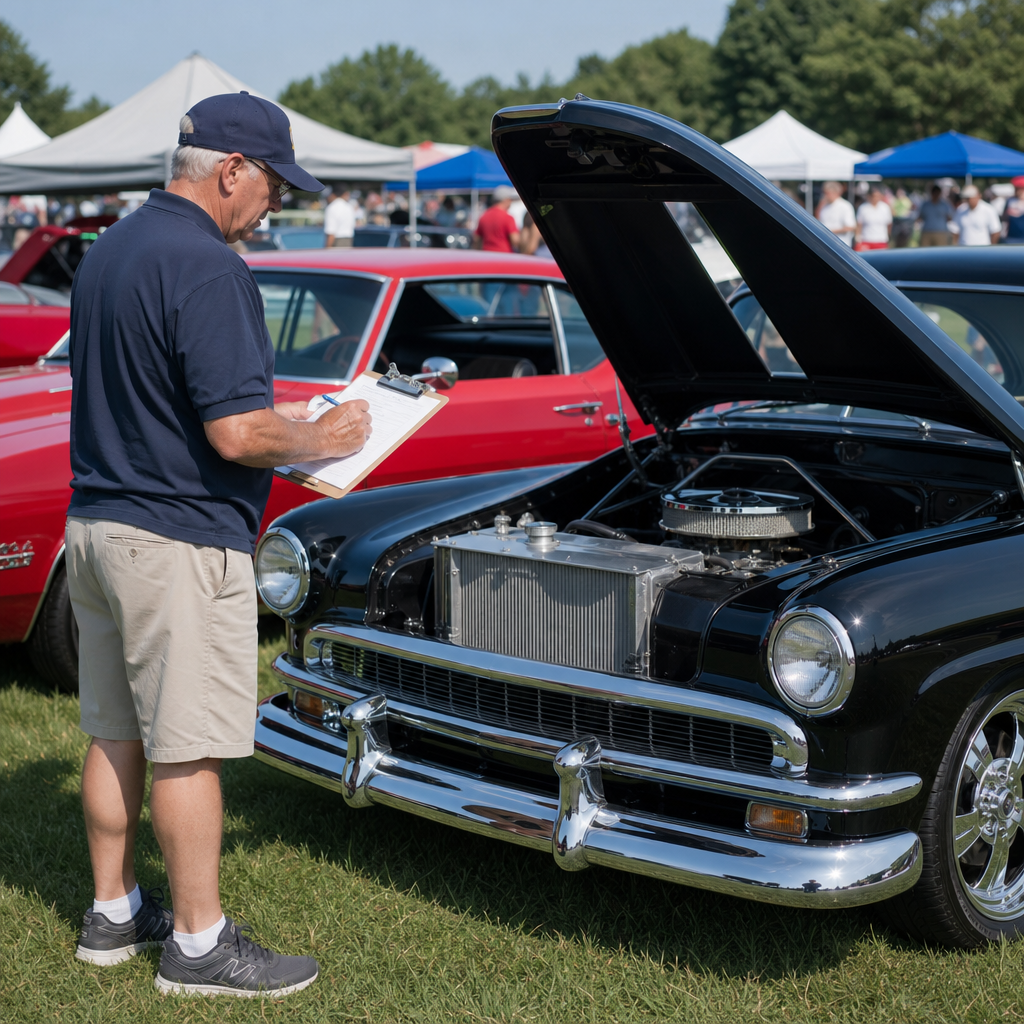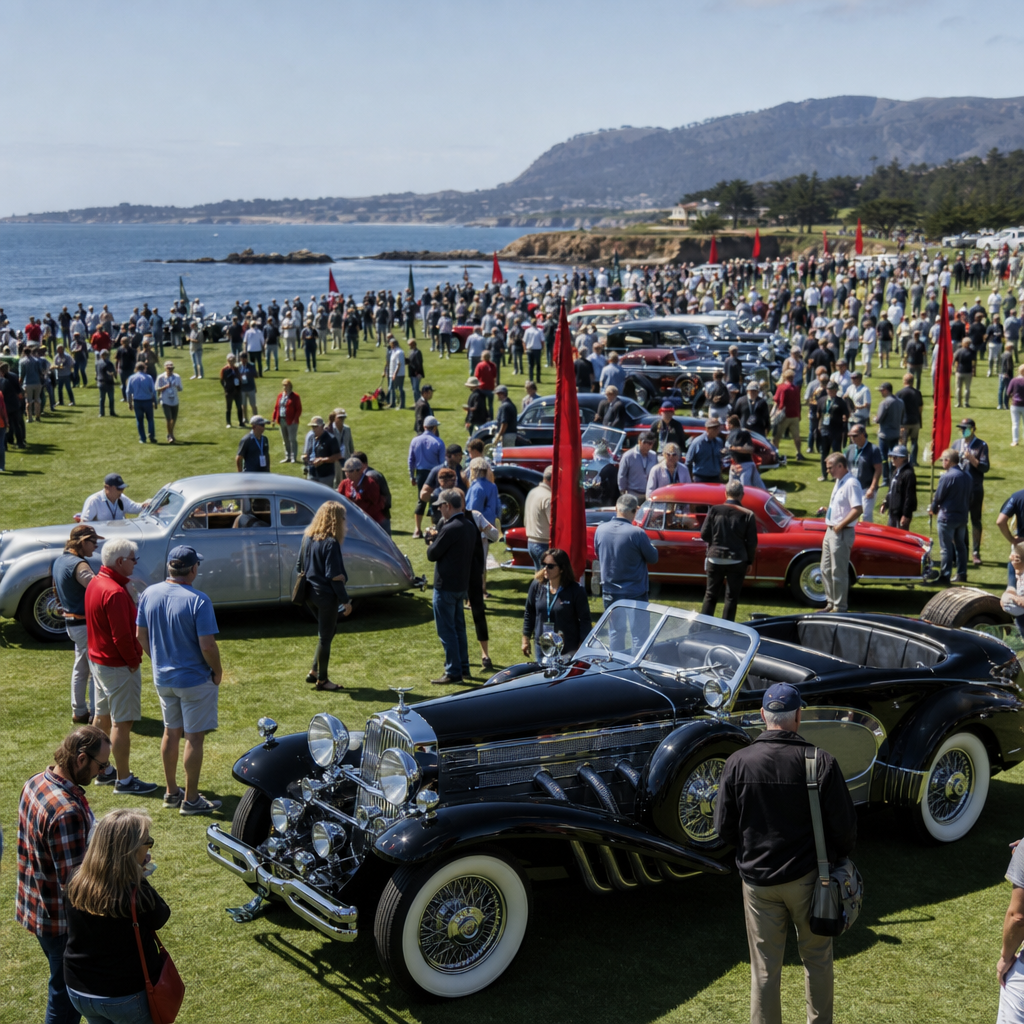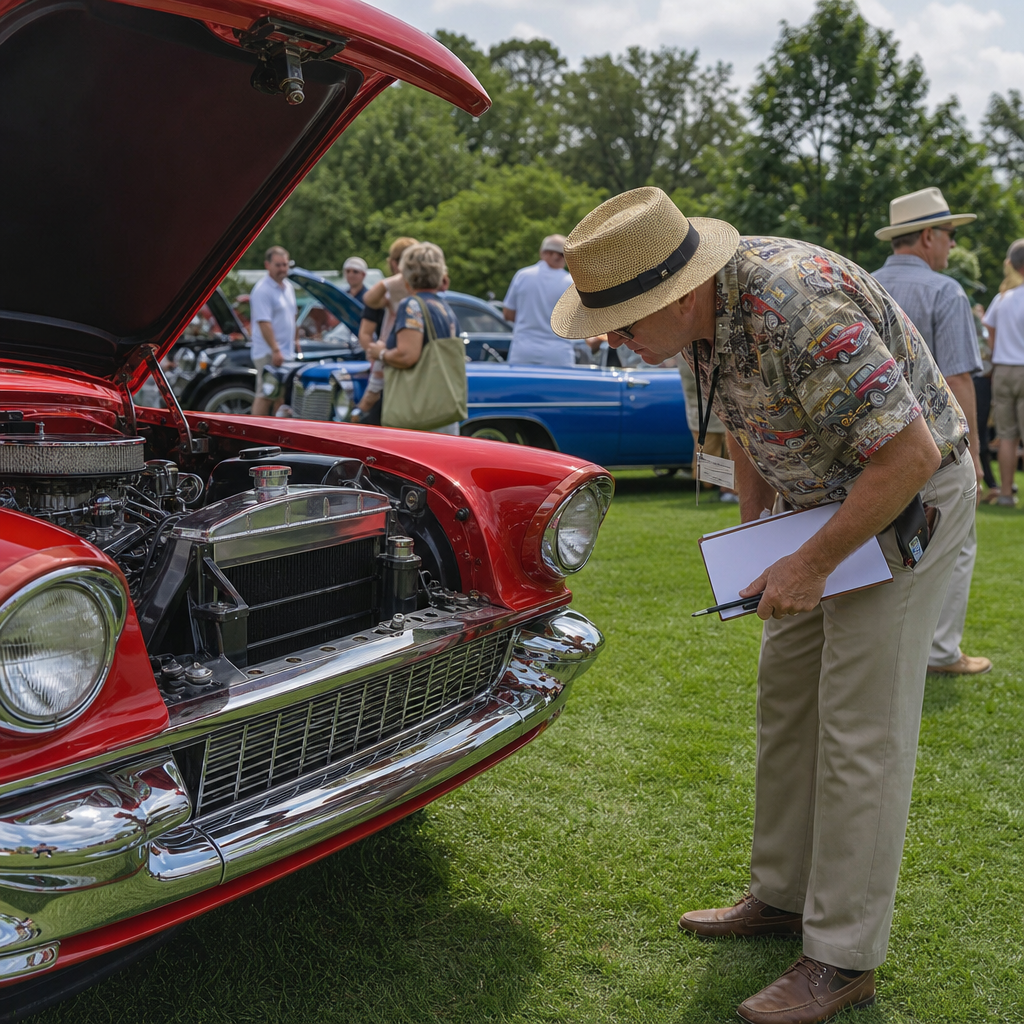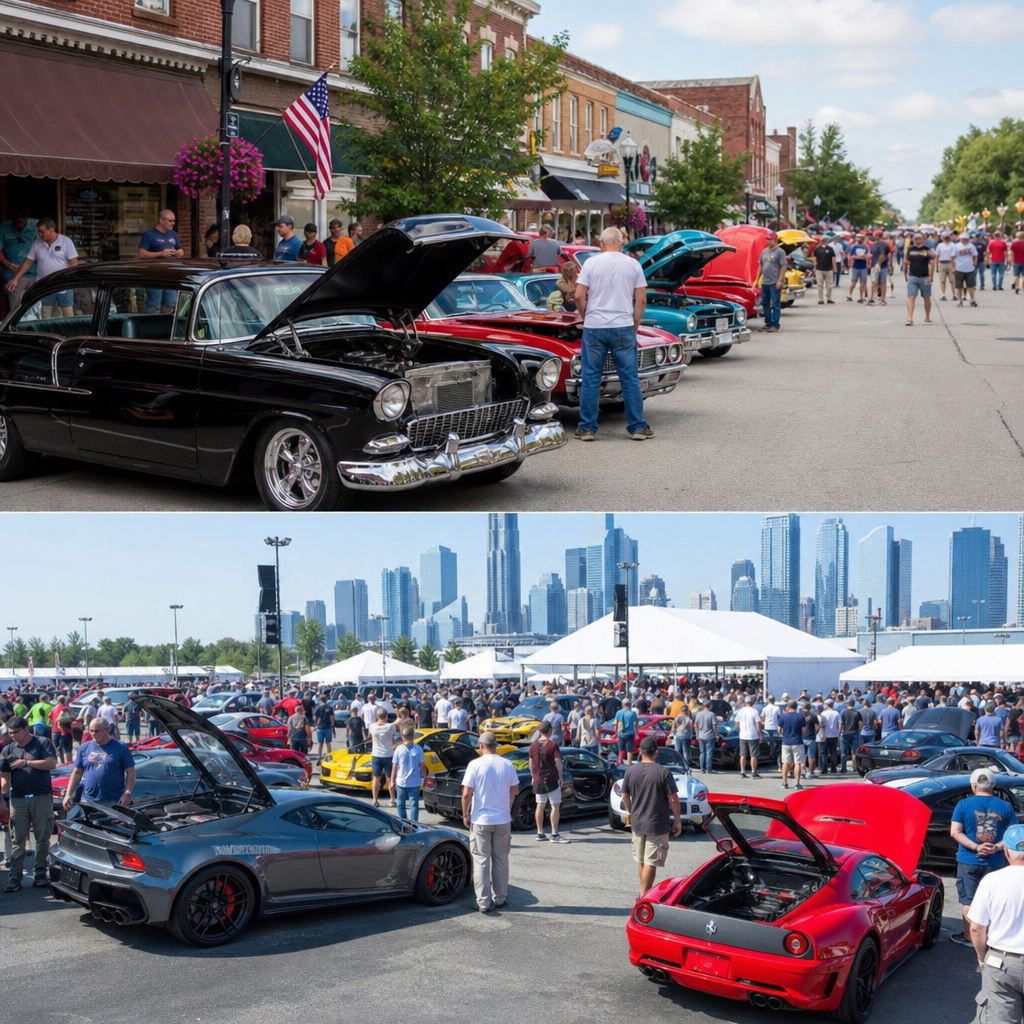
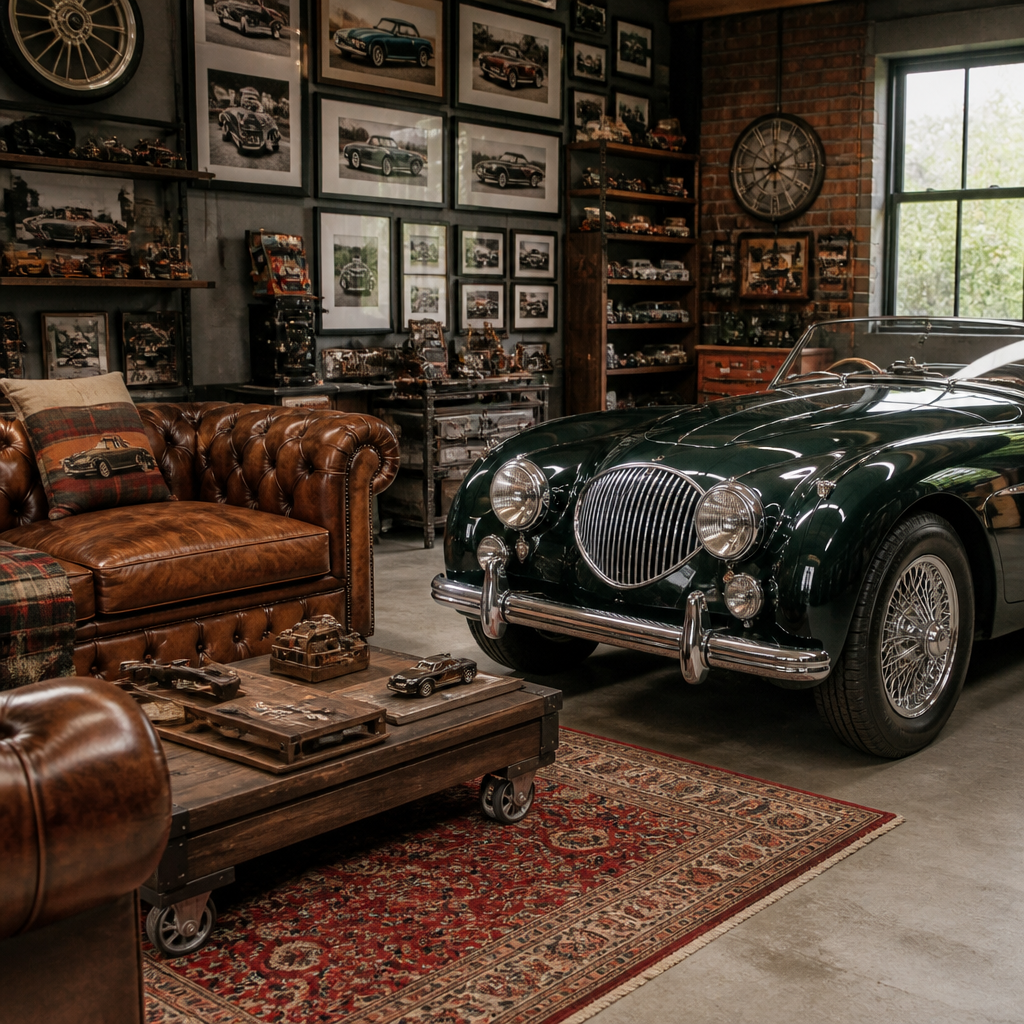
A vintage car-themed space blends automotive history, functional design, and personal storytelling into one environment that feels lived in rather than staged. Whether the room is a full garage, a detached workshop, a basement lounge, or a compact corner of a home office, the goal is the same: create a setting that captures classic car culture while still serving daily use. In practical terms, “vintage car-themed” refers to design choices inspired by older motoring eras, usually from the brass era through the muscle car decades, expressed through materials, colors, memorabilia, lighting, furniture, and tools. “Garage and man cave ideas” in this context include layout planning, storage systems, seating zones, display strategies, workshop upgrades, and decorative details that support both function and atmosphere.
This subject matters because the best automotive spaces are not built from random signs and nostalgic clutter. After helping outfit collector garages and hobby workshops, I have seen the same pattern repeatedly: people buy attractive memorabilia first, then struggle with poor lighting, unsafe storage, awkward traffic flow, and surfaces that cannot handle real use. A successful classic car space starts with the bones of the room, then adds character through carefully chosen objects. That approach protects vehicles, improves comfort, and creates a stronger visual identity. It also increases the likelihood that the room stays organized instead of becoming a dumping ground for spare parts and impulse purchases.
A strong vintage car-themed room also works as a hub for the broader classic car lifestyle. It can support detailing, mechanical tinkering, memorabilia collecting, race viewing, social gatherings, photography, and quiet time with automotive books or magazines. For households with one enthusiast and several indifferent family members, smart design makes the room more inviting to everyone. Comfortable seating, clear circulation, climate control, and practical storage turn a niche hobby area into a useful multi-purpose retreat. In that sense, the best classic car garage ideas are less about decorating around a vehicle and more about building a space where automotive culture can be enjoyed every day.
To do that well, you need to balance authenticity with restraint. Not every space needs a neon sign, checkerboard floor, and wall-to-wall tin advertisements. Some rooms look better when they take cues from a 1950s service station, a 1960s dealership lounge, a British racing workshop, or a mid-century route-side garage and apply those cues selectively. Original enamel signs, old fuel cans, dealership literature, and period-correct tools usually create more credibility than mass-produced novelty décor. Good planning matters just as much as taste. Before you buy anything, define how the room will be used, what era of automotive history inspires you, and what practical demands the space must handle.
Start with purpose, layout, and the right automotive era
The first decision is not what to hang on the wall. It is what the room must do. A vintage car-themed garage used for active maintenance needs durable flooring, task lighting, compressed air access, solvent-safe surfaces, and tool storage within arm’s reach. A man cave centered on watching races and entertaining friends needs sightlines, acoustics, beverage storage, and flexible seating. Many enthusiasts need both. In those hybrid spaces, zoning is essential. Separate the workshop area from the lounge area visually and physically, even if the room is small. A rolling tool chest, low partition, area rug, or change in lighting temperature can define each zone without expensive remodeling.
Next, choose an era and design language. This step prevents the common mistake of mixing unrelated automotive styles until the room feels like a gift shop. A 1930s and 1940s garage theme works well with painted wood cabinets, black iron hardware, analog gauges, steel stools, and muted industrial colors. A 1950s service station direction leans into cream, red, aqua, porcelain signs, polished trim, and diner-style seating. A 1960s and 1970s muscle car room often supports bolder graphics, dealership banners, racing posters, tachometer motifs, and more aggressive color contrast. A European sports car workshop might emphasize aluminum, dark green, period racing photography, and clean tool presentation. Decide on one dominant story and let every purchase support it.
I usually tell clients to draw a simple floor plan before buying décor. Mark garage doors, entry doors, ceiling height, power outlets, windows, and the swing radius for car doors. Then identify three paths: vehicle movement, walking movement, and working movement. If those paths conflict, the space will always feel cramped. Leave enough clearance to open cabinet doors, roll jacks, and move around the car with detailing equipment. If the room is more lounge than workshop, reserve the best wall for a focal display such as a grille, dealership sign, framed racing prints, or a curated tool board.
Build the backdrop: floors, walls, lighting, and ceiling details
Every memorable vintage car-themed space starts with a believable backdrop. Floors take the most abuse, so choose them for durability first and style second. In active garages, professionally installed epoxy or polyaspartic coatings outperform bargain floor paint because they resist hot tire pickup, oil staining, and abrasion better. If you want a period look, use a solid color floor with subtle flakes instead of loud decorative chips, then add vintage visual cues through mats and furnishings. Interlocking floor tiles can work in hobby garages and display bays, but quality varies widely, and cheaper tiles can shift under jack stands or trap dirt along seams.
Walls shape the room’s identity more than almost any collectible. Painted drywall is the simplest base, but slatwall, metal panel systems, beadboard, or painted plywood can add both texture and function. In many classic garages I have helped set up, the most effective wall color has not been bright red or yellow. It has been a restrained neutral such as warm gray, cream, slate blue, or off-white, allowing signs, tools, and cars to stand out. Use darker lower wall sections in work zones where scuffs are likely. If your inspiration is a dealership service bay or old filling station, consider a wainscot treatment using metal or painted board for a more grounded period feel.
Lighting deserves special attention because it affects safety, comfort, and how paint and chrome appear. A single overhead fixture is never enough. Layer ambient lighting, task lighting, and accent lighting. High-CRI LED shop lights reveal true color when detailing or selecting paint, while directional fixtures over benches reduce shadows during mechanical work. Warmer accent lights around seating areas make the room feel less like a warehouse. Vintage-style metal shades, restored industrial pendants, and period-inspired wall sconces can reinforce the theme without sacrificing output. If you display badges, model cars, or framed brochures, use focused lighting sparingly so the room feels curated rather than theatrical.
Ceilings are often ignored, yet they offer useful opportunities. Open joists can suit an industrial workshop look when painted neatly, while finished ceilings improve acoustics and insulation in lounge-oriented spaces. Exposed ducting, old pulleys, or a carefully mounted roof sign can add character, but only when clearances remain safe. In garages with lifts, overhead planning is critical. Measure maximum vehicle height, door track position, and light placement before installation. Authenticity is appealing, but nothing ruins a vintage atmosphere faster than poor visibility, moisture problems, or fixtures that interfere with real work.
Choose furniture, storage, and display pieces that earn their place
Furniture in a classic car room should look right and work hard. Steel stools, mechanic’s chairs, leather club seating, and repurposed shop cabinets all fit the theme, but scale matters. Oversized couches can consume floor space needed for movement around a vehicle. Lightweight bargain bar sets may look retro online and fail within a year in a humid garage. I prefer commercial-grade seating, powder-coated steel, and easy-clean surfaces, especially if the room doubles as a workshop. If you want a signature statement piece, use one: a coffee table made from a trunk lid, a bench from a pickup tailgate, or a desk built around an old workbench.
Storage is where most garage and man cave ideas succeed or fail. Open shelving looks attractive in photos but quickly exposes clutter. Closed cabinets with a few deliberate display shelves usually produce a cleaner result. Modular systems from brands such as NewAge, Gladiator, and Husky can be effective if chosen for weight capacity rather than just finish color. For serious hand-tool users, a quality rolling chest from Snap-on, Mac Tools, or Lista offers better drawer action and long-term durability. Label drawers by system, not by random category: electrical, carburetion, brake service, measuring tools, fasteners, detailing chemicals. That structure saves time and supports the disciplined look that makes a room feel professional.
Display should be edited with the same care as storage. Collectibles gain impact when grouped by type, era, or story. Instead of scattering ten small signs across one wall, build a focused composition around a marque, a racetrack, or a service station brand. Frame original brochures, owner’s manuals, or period advertisements using UV-protective glazing if sunlight reaches the room. Small parts such as hood ornaments, shift knobs, badges, spark plug tins, and license toppers look better in shadow boxes than on crowded shelves. Full-size items like gas pumps, fenders, bicycles, or pedal cars should have breathing room. If every object is a focal point, none of them is.
| Space Type | Best Storage Priority | Best Display Priority | Common Mistake |
|---|---|---|---|
| Working garage | Closed cabinets, tool chest, parts bins | One feature wall, overhead sign, framed manuals | Too many fragile collectibles near active tools |
| Hybrid garage lounge | Modular cabinetry, hidden media storage | Curated memorabilia around seating zone | Blurring workshop clutter into entertainment area |
| Basement man cave | Media console, shelving, display cases | Racing art, model cars, bar accessories | Using garage-only materials without moisture planning |
| Small office nook | Vertical shelving, drawer units, wall organizers | Desk accessories, one sign, scale models | Overdecorating limited wall space |
Add authentic character with memorabilia, color, and sensory details
The difference between a persuasive vintage car-themed space and a novelty room is authenticity. Real objects carry weight because they show use, age, and context. Original dealership signs, service manuals, road maps, race programs, and oil cans often feel richer than reproduction pieces with artificially distressed finishes. That does not mean every item must be expensive. Some of the best rooms I have seen used affordable but meaningful collections: a wall of regional license plates, framed snapshots from family road trips, inherited tools, local speedway posters, or marque club badges gathered over years. A room becomes memorable when it reflects the owner’s automotive life, not just internet shopping.
Color should support that authenticity. Start with a restrained base palette, then use one or two accent colors linked to the chosen era or brand. For example, British racing green and cream suggest postwar European motorsport. Red oxide, black, and white echo industrial American workshops. Teal and ivory hint at 1950s roadside culture. If the car itself is the visual anchor, pull small color notes from its paint, upholstery, or badging. This approach creates cohesion without making the room feel themed in an obvious way. Glossy finishes can work on signage and trim, but too much shine makes a space feel commercial rather than collected.
Do not neglect sound, smell, and touch. Upholstered seating, rugs in lounge zones, and insulated wall assemblies reduce harsh echo in hard-surfaced garages. A compact Bluetooth or built-in audio system lets the room support period jazz, rockabilly, classic rock, or race broadcasts without visible clutter. For scent, avoid novelty air fresheners that imitate gasoline or rubber. Cleanliness is more convincing than artificial smell. Proper ventilation, sealed trash bins, and controlled storage for chemicals keep the room pleasant. Tactile materials matter too. Leather, canvas, brushed metal, painted wood, and worn rubber mats all contribute to the sense that the space belongs to real automotive use.
Make the room comfortable, safe, and ready for everyday use
Comfort and safety are what turn a good-looking room into a space you actually use. Temperature control is the first major issue. Unconditioned garages become unpleasant quickly, and they can damage paper collectibles, adhesives, electronics, and some finishes. Insulated garage doors, weatherstripping, wall insulation, and a mini-split heat pump can transform usability across seasons. In humid regions, a dehumidifier may be just as important as air conditioning. If you store a classic vehicle long term, stable humidity also helps protect chrome, leather, and electrical components from corrosion and deterioration.
Electrical planning should be treated like infrastructure, not an afterthought. Add more outlets than you think you need, ideally at bench height and near display zones, charging stations, and seating. Dedicated circuits may be necessary for compressors, welders, refrigerators, or lifts. Good cable management prevents tripping hazards and preserves the clean look. If the room includes a television, simulator, or computer for parts research, run data connections or ensure strong Wi-Fi coverage. Fire safety matters as much as convenience. Keep a rated extinguisher accessible, store flammables correctly, and never hide electrical panels behind fixed cabinetry or decorative displays.
Security is equally important in spaces containing tools, collectibles, and vehicles. Reinforced locks, cameras, motion lighting, and inventory records protect the investment. For valuable signs, memorabilia, or rare parts, photograph each piece and record dimensions, maker marks, and purchase details. That documentation helps with insurance and recovery. Finally, maintain the room like a collection space, not just a workshop. Dust signage, rotate displayed paper goods away from sunlight, inspect coatings for moisture intrusion, and reassess storage every season. The main benefit of creating a vintage car-themed space is not decoration alone. It is having a durable, organized environment that celebrates classic car culture while supporting the way you actually live with it. Start with function, choose one clear story, and build the room piece by piece with items worth keeping.
Frequently Asked Questions
What defines a vintage car-themed space, and how do I keep it from feeling like a showroom?
A vintage car-themed space is less about filling a room with random automotive collectibles and more about capturing the personality, craftsmanship, and everyday culture surrounding classic motoring. The style usually draws from older automotive eras, from early brass-era design and prewar garages to mid-century service stations, racing pits, and postwar workshops. Key elements often include aged materials, industrial finishes, retro signage, mechanical details, heritage colors, and furniture or accessories that feel connected to motoring history. The most successful rooms do not look overproduced. They feel layered, useful, and personal.
To keep the space from feeling like a showroom, focus on function first and theme second. Start by deciding how the room will actually be used, whether as a garage, lounge, workshop, office, bar area, or reading corner. Then choose automotive-inspired pieces that support that purpose. For example, use sturdy metal shelving for storage, a leather chair that echoes vintage interiors, task lighting inspired by old workshop fixtures, and framed photos or maps that tell a story. Mix these with non-automotive elements such as books, warm textiles, practical seating, and proper organization. That balance prevents the room from becoming a prop set.
Another important strategy is restraint. Instead of displaying every collectible, edit carefully and group items by theme, era, brand, or color. One strong focal point, such as a grille wall piece, a restored gas pump, a mechanic’s cabinet, or a framed racing poster, is often more effective than dozens of small objects competing for attention. Authentic wear, patina, and lived-in materials help tremendously. A room that includes wood, leather, enamel, steel, and slightly weathered surfaces will feel far more convincing than one built entirely around bright reproductions. In short, a great vintage car-themed space should feel like someone with genuine automotive passion uses it regularly, not like a themed display no one is allowed to touch.
What colors, materials, and finishes work best in a vintage car-themed room?
The strongest palette for a vintage car-themed space usually begins with grounded, heritage-inspired colors. Think deep reds, navy, racing green, charcoal, black, cream, faded white, saddle brown, and muted metallic tones. These shades reflect classic vehicle paint colors, workshop environments, old signage, and leather interiors. You can also incorporate accent colors tied to a favorite marque or era, such as British racing green, Ferrari-style red, Gulf-inspired blue and orange, or subdued industrial yellow. The key is to use those brighter colors intentionally rather than letting them dominate the entire room.
Materials matter just as much as color. Leather is one of the most effective choices because it references vintage car seats, steering wheel wraps, and touring interiors while adding warmth and comfort. Wood, especially reclaimed or darker-stained wood, helps prevent the room from feeling too cold or overly industrial. Metal is essential, but it should be balanced. Brushed steel, iron, aluminum, and powder-coated finishes can all work beautifully in shelving, stools, cabinets, and lighting. Concrete floors, checkered tiles, brick walls, enamel signs, and ribbed glass also fit naturally into the style. If you want a more refined interpretation, pair automotive details with tailored materials like walnut, wool, and quality upholstery.
When choosing finishes, look for surfaces with character. Matte, satin, distressed, and lightly weathered finishes tend to work better than high-gloss finishes everywhere. A polished chrome accent can be striking, but too much shine can make the room feel sterile. The same principle applies to flooring and walls. A durable floor with some texture and a wall treatment that suggests age or utility will support the theme more convincingly than something overly perfect. Overall, aim for contrast: soft leather against hard steel, warm wood against painted metal, and bold signage against subdued walls. That mix gives the room depth and keeps it connected to real automotive environments.
How can I decorate a vintage car-themed space authentically on a realistic budget?
Creating an authentic room does not require buying rare collector items or expensive branded memorabilia. In fact, budget-friendly spaces often look more believable because they are built slowly and thoughtfully. Begin with foundational pieces that shape the atmosphere: practical storage, strong lighting, comfortable seating, and a cohesive color palette. Once those essentials are in place, add automotive character through a few carefully chosen statement items. A used tool chest, an old shop stool, framed black-and-white racing photography, road maps, license plates, and vintage-style clocks can all make a strong impact without overwhelming the budget.
Secondhand sourcing is one of the smartest approaches. Check flea markets, estate sales, salvage shops, online marketplaces, garage sales, and local automotive swap meets. You can often find industrial cabinets, workshop lights, oil cans, signs, mirrors, and stools with real age and patina for less than the cost of new reproductions. If original pieces are too expensive, consider high-quality vintage-inspired reproductions sparingly and combine them with honest, utilitarian furniture. Repurposed items can also work extremely well. For example, an old metal locker can become storage, a wooden workbench can become a desk or bar, and retired hubcaps or grille pieces can become wall art when displayed cleanly and intentionally.
Budget authenticity also comes from storytelling rather than spending. Build around a theme that means something to you, such as a favorite era of racing, a family restoration history, a beloved marque, or regional road culture. When the room reflects a specific point of view, it feels richer and more credible. Avoid buying themed decor in bulk from one store, because that often creates a generic result. Instead, collect gradually, leave some empty space, and let each object earn its place. Even modest items can feel special if they are presented well, framed properly, or grouped in a visually consistent way. A realistic budget can still produce a deeply atmospheric space when your choices are edited, functional, and rooted in genuine automotive character.
What furniture and layout choices make a vintage car-themed space both stylish and usable?
The best furniture choices depend on how the room functions day to day, but in general, the pieces should feel durable, comfortable, and connected to the workshop-meets-lounge spirit of classic car culture. Start with the main activities in the room. If it is a garage or workshop, prioritize sturdy work surfaces, rolling storage, wall-mounted organization, and easy-clean seating. If it is a lounge or office, look for leather club chairs, a solid desk or table, industrial shelving, and accent pieces with subtle automotive references. In either case, comfort matters. A room can look impressive, but if there is nowhere good to sit, work, or gather, it will not feel successful.
Layout is equally important. Create zones so the room remains usable instead of becoming crowded with decorative pieces. A garage might include a tool and maintenance zone, a display wall, and a seating corner. A basement lounge might include a conversation area, a bar or coffee station, and a wall for framed memorabilia. In a small home office, the desk should remain the center of the room, with the car theme supporting rather than distracting from productivity. Clear circulation paths are essential, especially if the space includes large furniture, collectible displays, or workshop equipment. Vintage car style works best when the room feels organized and intentional.
Furniture style can range from rugged to refined, depending on your taste. Metal-frame tables, reclaimed wood tops, bar stools, storage trunks, drafting chairs, and mechanic-style cabinets all fit naturally. To soften the room, introduce upholstered seating, rugs, curtains, or acoustic treatments that make the space more comfortable and less echo-prone. If you want stronger automotive cues, use them sparingly through details such as racing-stripe upholstery, wheel-inspired tables, bench seating reminiscent of old car interiors, or display cases for scale models and motoring books. The guiding rule is simple: every piece should either serve a practical purpose, support the story of the room, or ideally do both. That is what makes a themed space feel like a real place people enjoy using.
How do I personalize a vintage car-themed space so it reflects real automotive passion?
Personalization is what transforms a good-looking themed room into a memorable one. The most compelling vintage car-themed spaces tell a specific story. That story might center on a car you restored, a family member who worked as a mechanic, a favorite racing decade, a road trip tradition, or a lifelong admiration for certain makes and models. Instead of trying to represent all of automotive history at once, choose a narrower direction and build around it. A room inspired by 1950s service stations will feel very different from one inspired by European rally culture or American muscle-era garages, and that specificity gives the space authenticity.
Use personal artifacts wherever possible. Original photos, rally badges, service manuals, framed registrations, old maps, hand tools, travel souvenirs, event posters, and parts from vehicles you have owned can all add meaning that store-bought decor simply cannot match. Even small items become powerful when displayed thoughtfully. A single shelf with a carburetor, a pair of driving gloves, and a framed black-and-white photograph can say more than an entire wall of generic signs. If you collect model cars, automobilia, or workshop tools, organize them cleanly by era, color, or function so