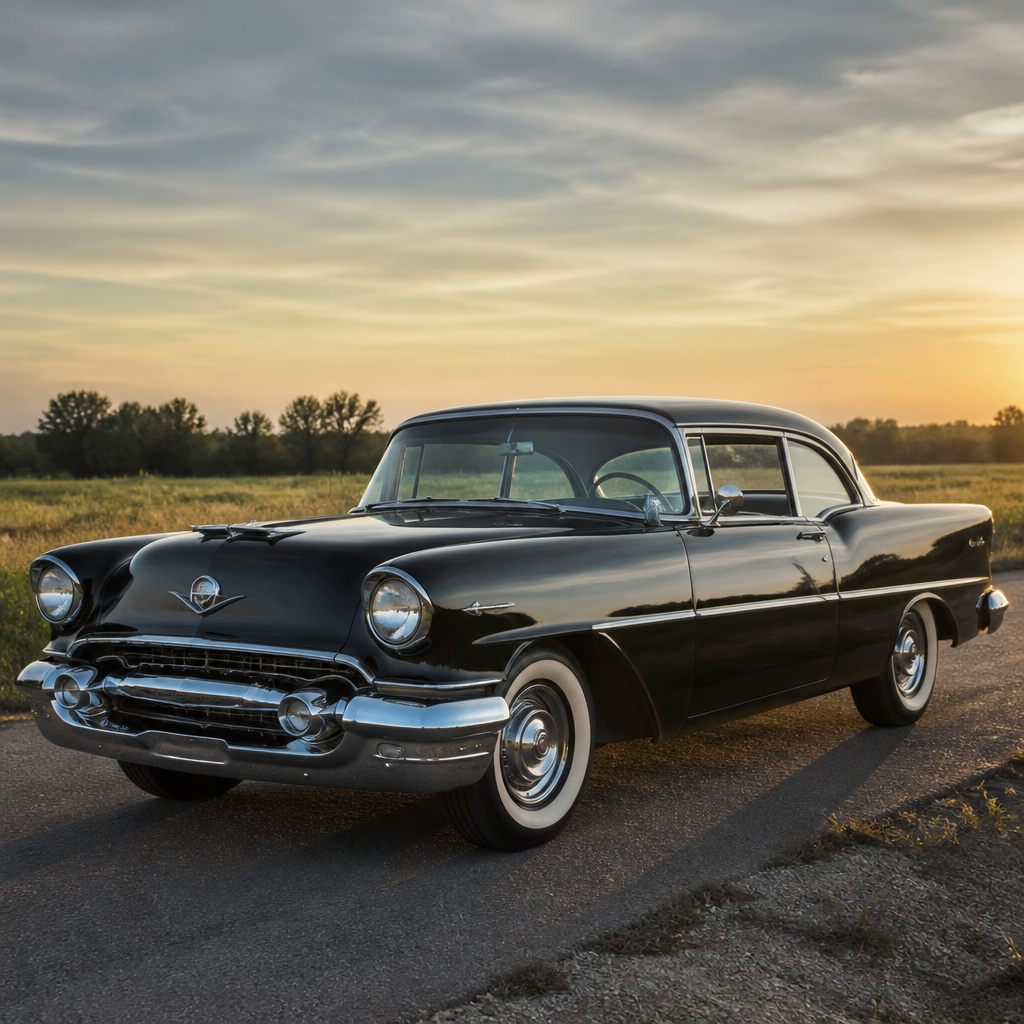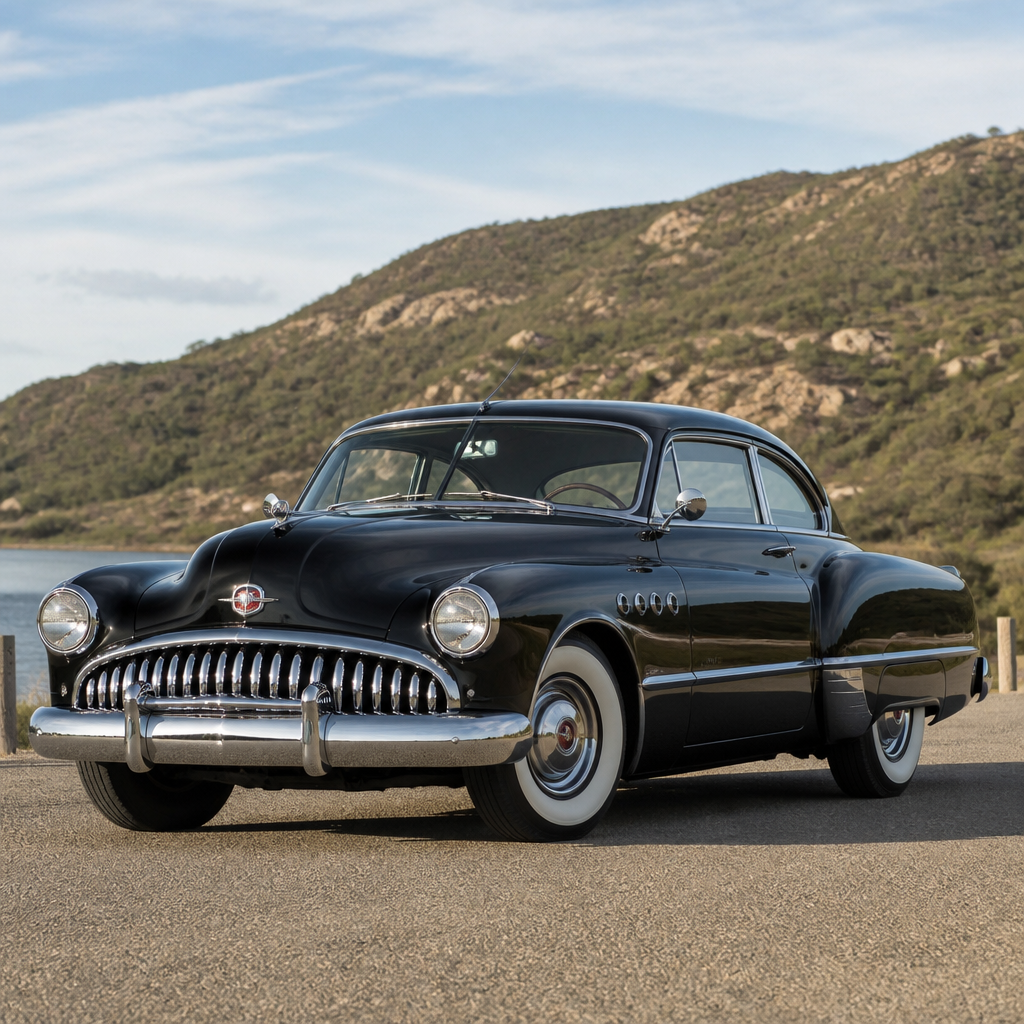
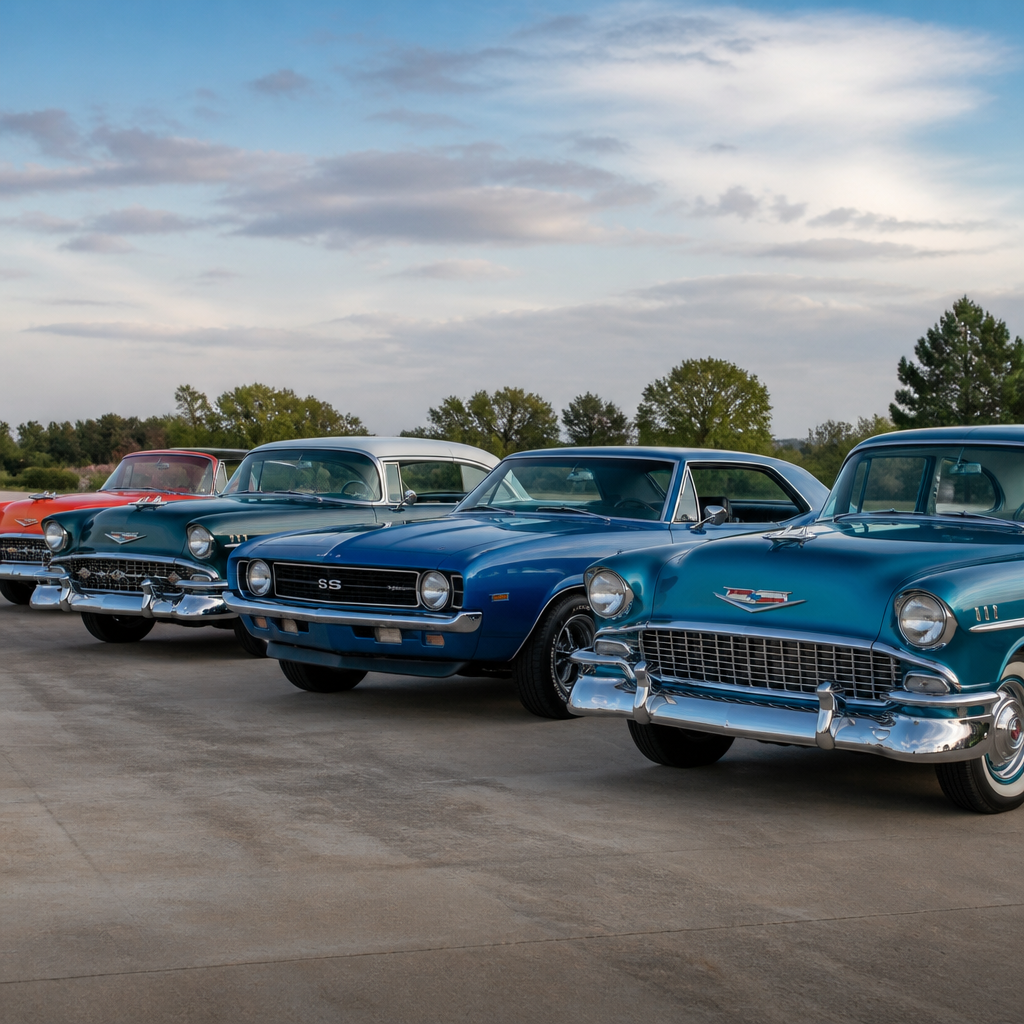
Chevrolet classic cars chart the story of American driving better than almost any other brand, because Chevrolet built machines for nearly every kind of buyer and did it at a scale that turned individual models into cultural landmarks. In this hub on American classics, “Chevrolet classic cars” refers to historically significant Chevrolet vehicles, typically from the 1910s through the 1980s, valued for their design, engineering, rarity, motorsport record, or influence on the collector market. I have spent years studying auction results, parts catalogs, restoration notes, and production records, and one conclusion remains consistent: understanding Chevrolet is essential to understanding the broader classic car hobby. The brand matters because it connected mass production with style, performance, and affordability. From early touring cars to Tri-Five icons, from big-block muscle to elegant personal luxury coupes, Chevrolet shaped what enthusiasts now call American classics. This article serves as a hub for the Chevrolet side of that story, giving you the context needed to explore specific models, eras, engines, and collector trends with confidence.
Chevrolet’s evolution was never linear. It moved through brass-era experimentation, Depression-era survival, postwar optimism, horsepower wars, emissions-era adaptation, and the rise of nostalgia-driven restoration culture. Key terms help frame that journey. A “Tri-Five” Chevrolet means the 1955, 1956, and 1957 model years, a trio central to collector culture. “Small-block” usually refers to the Chevrolet V8 family introduced in 1955, while “big-block” describes the larger-displacement V8s that powered many late 1960s and early 1970s performance cars. “Numbers matching” indicates a car retains its original engine, transmission, and major components, a factor that often affects value. “RPO” stands for Regular Production Option, Chevrolet’s coded option system, which is critical when verifying authenticity on cars such as the Camaro Z/28 or Chevelle SS. Knowing these terms matters because collectors, insurers, auction houses, and judges use them every day. More importantly, these definitions reveal why Chevrolet classics remain accessible entry points for new enthusiasts while still offering depth for experienced restorers and historians.
From Founding to Prewar Identity
Chevrolet began in 1911 and quickly established itself as a volume brand with a practical but ambitious identity. Early models such as the Series C Classic Six signaled engineering seriousness, yet Chevrolet’s real breakthrough came when it found the middle ground between affordability and desirability. By the 1920s and 1930s, Chevrolet was competing directly with Ford, and that rivalry shaped product strategy for decades. The 1929 introduction of Chevrolet’s overhead-valve inline-six, often promoted as “a six for the price of a four,” was a decisive moment. In plain terms, Chevrolet offered buyers smoother power and a stronger sense of value without moving too far upmarket. That formula became a hallmark of the brand.
Prewar Chevrolets matter to collectors because they show how the company learned to blend mechanical durability with annual styling updates. Models from the Master and Standard lines in the 1930s, for example, reflected the industry’s transition from upright bodies to more streamlined forms. The 1934 Chevrolet Master Deluxe introduced independent front suspension, improving ride quality at a time when many buyers still judged a car by comfort over rough roads. During restoration work, these cars teach an important lesson: Chevrolet’s engineering was practical, but production changes could be frequent, so parts interchange is not always as straightforward as newcomers assume. Club resources, factory literature, and period parts books are especially important when working on prewar examples.
Postwar Growth and the Birth of the Modern Chevrolet
After World War II, Chevrolet helped motorize a rapidly expanding middle class. The immediate postwar cars of 1946 through 1948 were largely updated prewar designs, but demand was enormous. By 1949, Chevrolet introduced an all-new body that looked lower, wider, and more modern. This redesign was critical because it aligned Chevrolet with the visual optimism of postwar America. The 1953 Corvette then added something Chevrolet had rarely owned before in such a direct way: halo-car excitement. Early Corvettes were imperfect, especially with the Blue Flame six and Powerglide, but they changed public perception. Chevrolet was no longer just practical transportation; it could also be aspirational.
The real turning point came in 1955. Chevrolet launched a cleanly styled full-size lineup and paired it with the new 265 cubic-inch small-block V8. This engine was compact, light, durable, and highly tunable, and it became one of the most influential powerplants in automotive history. The 1955 Chevrolet Bel Air, particularly in V8 form, marked the start of the modern performance Chevrolet. For enthusiasts, the significance is straightforward: 1955 is where classic Chevrolet collecting begins to look familiar. You see broad aftermarket support, huge owner communities, factory option complexity, and a strong link between originality and modified hot-rodding culture.
The Tri-Five Era and Why It Still Dominates Collector Culture
The 1955, 1956, and 1957 Chevrolets remain the best-known full-size American classics for good reason. They are attractive, easy to recognize, mechanically simple, and endlessly customizable. The 1957 Bel Air hardtop and convertible became icons because of their dramatic tailfins, gold trim, and available fuel-injected 283 V8. Chevrolet’s Rochester mechanical fuel injection was advanced for its time, and on paper the “one horsepower per cubic inch” rating became a major bragging point. In practice, many owners later converted these systems to carburetors for ease of maintenance, which is why surviving original fuel-injection cars command a premium today.
What makes Tri-Five cars especially important as a hub topic is that they sit at the intersection of originality and personalization. At auction, a factory-correct 1957 Bel Air convertible with a documented drivetrain can bring strong money. At the same time, a restomod with a crate LS engine, upgraded brakes, and modern air conditioning may be more usable and still highly desirable. I have seen both kinds of builds attract serious buyers, but for different reasons. Originality tends to matter most for rare body styles and high-spec drivetrains; drivability tends to matter more for sedans and common hardtops. The Chevrolet world has room for both approaches, and that flexibility keeps these cars central to the hobby.
| Era | Representative Models | Why Collectors Care |
|---|---|---|
| Prewar | Master Deluxe, Coupe, Sedan Delivery | Mechanical simplicity, early styling evolution, historic value |
| Postwar | Fleetline, Styleline, early Corvette | Transition to modern design, growing enthusiast culture |
| Tri-Five | 1955-1957 Bel Air, 210, Nomad | Iconic styling, small-block V8, vast aftermarket support |
| Muscle Era | Chevelle SS, Camaro Z/28, Nova SS, Corvette | High-performance engines, racing pedigree, strong values |
| Personal Luxury and Late Classics | Monte Carlo, El Camino, C10, late C3 Corvette | Broad appeal, usable classics, growing market recognition |
Muscle Cars, Racing Success, and the Chevrolet Performance Identity
Chevrolet’s dominance in the classic market owes much to its muscle car era. The Super Sport badge, first seen in 1961 on the Impala, evolved into a shorthand for factory performance. By the mid-1960s, the Chevelle SS, Nova SS, and Corvette big-block models gave Chevrolet a deep bench of performance icons. The 1967 Camaro arrived as Chevrolet’s answer to the Ford Mustang, but it quickly became more than a response car. With available small-block and big-block power, plus racing-focused variants such as the Z/28, the Camaro established a durable identity of its own. The Z/28 package, created to compete in the SCCA Trans-Am series, paired handling upgrades with the high-revving 302 V8 and made road-race credibility part of Chevrolet’s image.
Racing mattered because wins sold cars and shaped lasting mythology. Chevrolet performance history includes drag racing, NASCAR, road racing, and endurance competition, but the collector market especially rewards models with direct competition links. The 1963 Corvette Sting Ray split-window coupe is a prime example. Its one-year-only rear window design made it instantly distinctive, while the independent rear suspension and available fuel-injected small-block reinforced technical sophistication. Likewise, COPO Camaros and certain Yenko-tuned cars sit at the top of the market because they combine factory documentation, limited production, and legendary performance. These are not just fast old cars. They are case studies in how Chevrolet used engineering, dealer networks, and motorsport credibility to create enduring collector demand.
Beyond Muscle: Corvettes, Trucks, and Overlooked Chevrolet Classics
Focusing only on headline muscle cars misses much of Chevrolet’s classic legacy. The Corvette evolved through several distinct collector phases, and each tells a different story. The 1953 to 1962 C1 cars trace Chevrolet’s move from image car to true sports car. The 1963 to 1967 mid-year C2 generation is widely considered the design and engineering peak of early Corvette history. The 1968 to 1982 C3, long undervalued in some segments, now attracts renewed attention because entry prices for top-tier C1 and C2 cars have climbed so high. Chrome-bumper C3s, especially 427 and LT-1 examples, have become far more respected among knowledgeable buyers.
Chevrolet trucks also deserve a central place in any American classics hub. Advance-Design pickups from 1947 to 1955 and Task Force trucks from 1955 through 1959 combine useful proportions with strong parts availability. Later C10 pickups, especially 1967 to 1972 models, have become mainstream collector vehicles due to their clean styling, easy V8 swaps, and practical drivability. The El Camino blends car and truck identities in a way that only American manufacturers truly embraced, and Chevrolet executed the formula better than most rivals. Even personal luxury cars like the first-generation Monte Carlo, once overshadowed by Chevelles and Camaros, now draw interest because they offer big-block availability, handsome styling, and relative rarity in original condition. These overlooked classics give buyers options when flagship models become too expensive.
What Drives Value, Restoration Choices, and Long-Term Interest
Chevrolet classic car values are shaped by five factors: authenticity, condition, rarity, documentation, and cultural relevance. Authenticity means the car matches its factory configuration or is honestly represented if modified. Condition includes bodywork, paint quality, rust repair integrity, trim fit, drivetrain health, and interior correctness. Rarity matters, but only when buyers understand what is rare. A low-production option package with weak enthusiast recognition may not outperform a more common but highly desired model. Documentation remains crucial, especially for high-value cars. Protect-O-Plate records, build sheets, window stickers, cowl tags, and stamped engine codes can transform a car’s market position.
Restoration strategy should match the vehicle. A highly original big-block Corvette or documented Z/28 typically benefits from factory-correct restoration and careful preservation of date-coded components. A rough six-cylinder sedan, by contrast, may justify a sympathetic restomod that makes it safer and more enjoyable to drive. Rust is the decisive cost factor on many Chevrolet classics, particularly in floors, trunk pans, rocker panels, quarter panels, and cab corners on trucks. Mechanical parts are often easier to source than body panels and trim, although reproduction support for popular models is excellent through suppliers such as Classic Industries, Eckler’s, and National Parts Depot. If you are building a collection or planning your first purchase, use this hub as the starting point: identify the era, learn the engine and option codes, study comparable sales, and decide whether you value originality, drivability, or investment potential most. Chevrolet’s classic lineup is broad enough to reward any of those goals, and that breadth is exactly why it remains the backbone of American classics.
Frequently Asked Questions
What makes Chevrolet classic cars so important in American automotive history?
Chevrolet classic cars are important because they mirror the broader story of American transportation, consumer culture, and performance engineering across much of the 20th century. Few automakers built such a wide range of vehicles for such a large audience, and that scale gave Chevrolet an unusual ability to influence how Americans drove, traveled, and identified with their cars. From practical early touring cars to postwar family sedans, high-compression V8 performance machines, stylish personal cars, and race-bred muscle icons, Chevrolet created vehicles that reached buyers in nearly every market segment.
What also sets Chevrolet apart is the balance it struck between accessibility and innovation. The brand did not limit itself to a niche luxury audience or a small enthusiast base. Instead, it delivered overhead-valve engines, advanced styling, stronger performance packages, and increasingly sophisticated chassis design to the mass market. Cars like the Bel Air, Corvette, Impala, Chevelle, Camaro, and even work-oriented models like the Advance Design and C/K pickups became cultural touchstones because they were both desirable and visible. People saw them in neighborhoods, on highways, at drag strips, in dealerships, and in popular media.
In collector terms, Chevrolet classics matter because they represent several overlapping kinds of significance: engineering milestones, styling breakthroughs, racing success, and mass-market influence. A rare low-production Corvette is historically important for one reason, while a high-volume 1957 Chevrolet is important for another. One reflects technical ambition and sports-car prestige; the other reflects social impact, design leadership, and broad ownership. Together, they show why Chevrolet remains central to conversations about classic American cars.
Which Chevrolet models are generally considered the most iconic classics?
Several Chevrolet models consistently stand at the top of the classic-car conversation, but they became iconic for different reasons. The 1955, 1956, and 1957 Chevrolets are among the most recognizable of all American classics thanks to their chrome-heavy styling, V8 performance, and deep connection to 1950s car culture. The 1957 Bel Air in particular is often treated as the visual symbol of postwar American optimism. Its tailfins, bright trim, and small-block V8 options make it one of the most collected and most reproduced classic-car designs in the hobby.
The Corvette is another essential name, especially early C1 and C2 generations. The 1953 Corvette matters because it launched Chevrolet into the American sports-car market, while the 1963 split-window coupe and big-block mid-year Corvettes elevated the model into true collector status. The Corvette’s importance lies in the way it combined style, fiberglass construction, V8 power, and competition credibility into a car that could compete emotionally with European sports cars while remaining distinctly American.
The full-size Impala also deserves special attention, especially the 1958 through 1964 models and the high-performance SS variants. These cars helped define Chevrolet’s reputation for building large, stylish, powerful cars that still appealed to mainstream buyers. For the muscle-car era, the Chevelle SS, Camaro Z/28, and Camaro SS are especially iconic. The Chevelle became one of the defining intermediate muscle cars of the late 1960s and early 1970s, while the Camaro gave Chevrolet a direct and lasting answer to the pony-car movement. Depending on the enthusiast, iconic Chevrolet classics may also include the Nomad, El Camino, Monte Carlo, early trucks, and specialty high-performance versions tied to NASCAR, drag racing, or homologation history.
How did Chevrolet design and engineering evolve from the early years through the 1980s?
Chevrolet’s evolution is best understood as a steady progression from practical transportation to mass-market innovation, then into style leadership and performance specialization. In the early decades, Chevrolet focused on reliability, affordability, and broad appeal as car ownership spread across America. Models from the 1910s and 1920s were built to meet everyday needs, but they also helped establish Chevrolet as a direct competitor in the growing low-priced car market. During this period, the company emphasized usable engineering and value, building the foundation for its later dominance.
By the 1930s and 1940s, Chevrolet refined its engineering identity through better six-cylinder engines, stronger chassis development, and styling that reflected the maturing American auto industry. After World War II, the brand entered one of its most transformative phases. The 1950s brought dramatic body design, improved automatic transmissions, and perhaps most importantly, the introduction of the small-block V8 in 1955. That engine became one of the most influential powerplants in automotive history because it was compact, durable, tunable, and adaptable across many vehicle lines.
In the 1960s, Chevrolet expanded in multiple directions at once. It developed sports cars, full-size luxury-leaning models, pony cars, muscle cars, and serious factory-backed performance packages. Engineering increasingly served both comfort and speed, which is why this decade produced so many legendary Chevrolets. By the 1970s, emissions regulations, insurance pressures, fuel concerns, and safety requirements changed the market dramatically. Chevrolet adapted with revised engines, different compression strategies, and more comfort-oriented tuning. The 1980s then reflected another shift toward aerodynamics, electronics, lighter materials, and efficiency-minded engineering. Even though many enthusiasts focus most heavily on the 1950s through early 1970s, the longer arc through the 1980s shows Chevrolet’s ability to reinvent itself in response to changing technology, regulation, and buyer expectations.
Why are some Chevrolet classic cars more valuable and collectible than others?
Value in Chevrolet classic cars usually comes from a combination of rarity, desirability, originality, documented history, and cultural importance. A car does not need to be extremely rare to be valuable, but rarity can matter a great deal when it appears alongside high demand. For example, limited-production performance models, unusual factory engine combinations, special trim levels, convertibles, and documented SS, Z/28, COPO, or big-block cars often command stronger prices because collectors know they represent a narrower and more historically significant slice of Chevrolet production.
Condition is another major factor. An unrestored car with its original drivetrain, factory colors, matching numbers, trim tags, and documented ownership history will usually attract more serious buyers than a heavily modified or poorly restored example. Originality matters because it helps confirm authenticity, and authenticity is central in a collector market where seemingly small details can separate an ordinary car from a top-tier example. Factory paperwork, build sheets, dealer invoices, Protect-O-Plates, window stickers, and period racing documentation can all increase confidence and therefore value.
Market value is also shaped by emotion and visibility. Cars that symbolize a period of American culture often stay in demand even when production numbers were high. That is why models like the 1957 Bel Air, 1969 Camaro, or 1970 Chevelle SS remain so desirable. They are not just vehicles; they are recognizable artifacts of style, speed, and identity. In practical terms, buyers also consider parts availability, restoration support, and club backing. Chevrolet benefits enormously here because its collector ecosystem is large and mature. Strong aftermarket support makes many classics easier to restore and maintain, which keeps enthusiasm high and sustains market interest over time.
What should a new enthusiast know before buying a Chevrolet classic car?
A new enthusiast should start by deciding what kind of ownership experience they want, because the right Chevrolet classic depends as much on lifestyle as on taste. Some buyers want a weekend cruiser with easy parts access and simple maintenance, while others want a factory-correct investment-grade collectible or a high-horsepower project. Chevrolet offers all of those paths, but each comes with different costs, expectations, and risks. A 1950s Bel Air, a C2 Corvette, a first-generation Camaro, and a square-body truck may all be “classic Chevrolets,” yet they differ dramatically in purchase price, drivability, insurance, restoration complexity, and market behavior.
It is essential to research the exact year, body style, engine, and trim level before committing to a purchase. Small differences can matter a great deal. A true factory SS or Z/28, for instance, is not the same as a cloned tribute car, even if they look nearly identical at first glance. Buyers should verify VINs, cowl tags, engine stampings, transmission codes, rear-axle data, and any supporting documentation. Rust inspection is equally critical, especially in floor pans, trunk areas, frame sections, quarter panels, rockers, and suspension mounting points. Mechanical condition also needs careful review, including brake systems, cooling, steering, electrical wiring, and fuel delivery, since older restorations may hide aging components.
Finally, a new buyer should budget beyond the purchase price. Transport, storage, insurance, parts sourcing, routine maintenance, and unexpected repairs can add up quickly. The good news is that Chevrolet is one of the friendliest entry points into the classic-car world because of its huge enthusiast community, excellent reproduction-parts network, and deep base of specialist knowledge. If a buyer takes time to learn the specific model, checks authenticity carefully, and matches the car to realistic goals, owning a Chevrolet classic can be one of the most rewarding ways to experience automotive history firsthand.