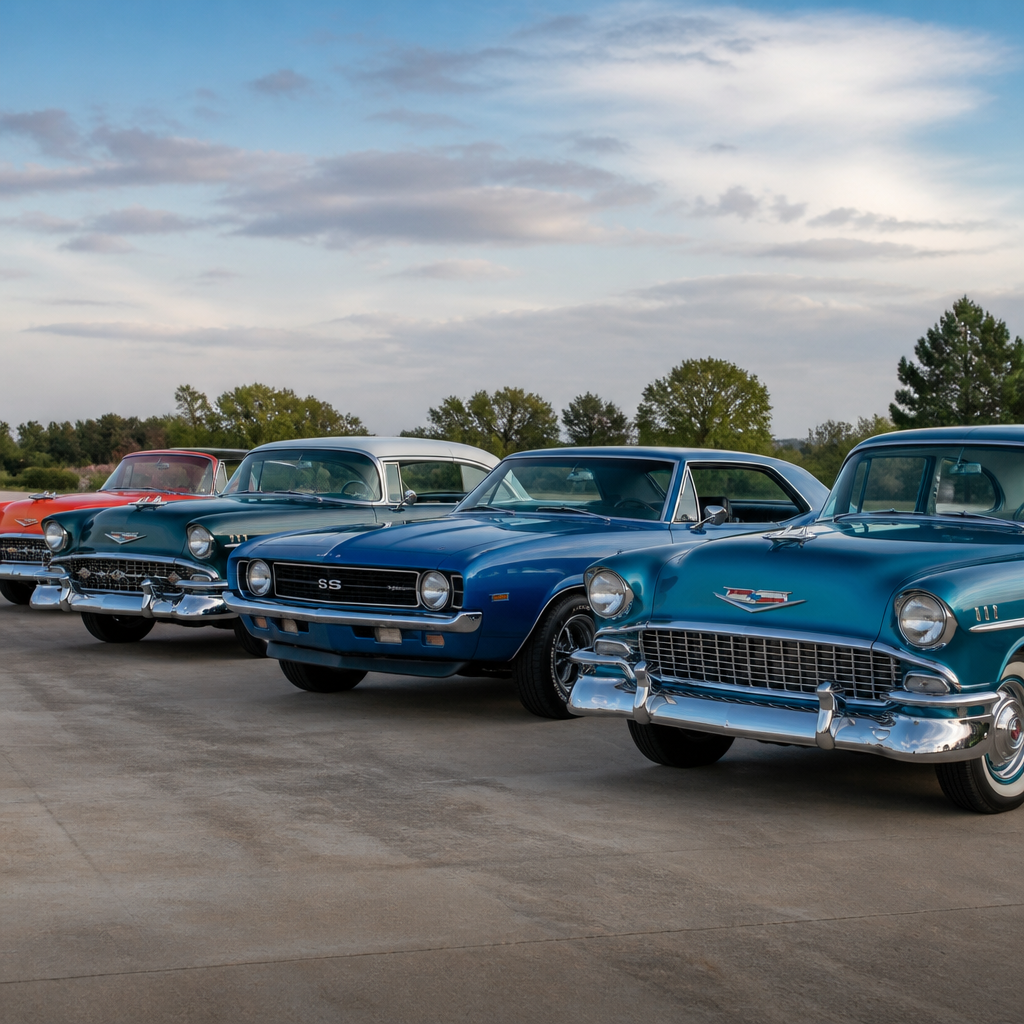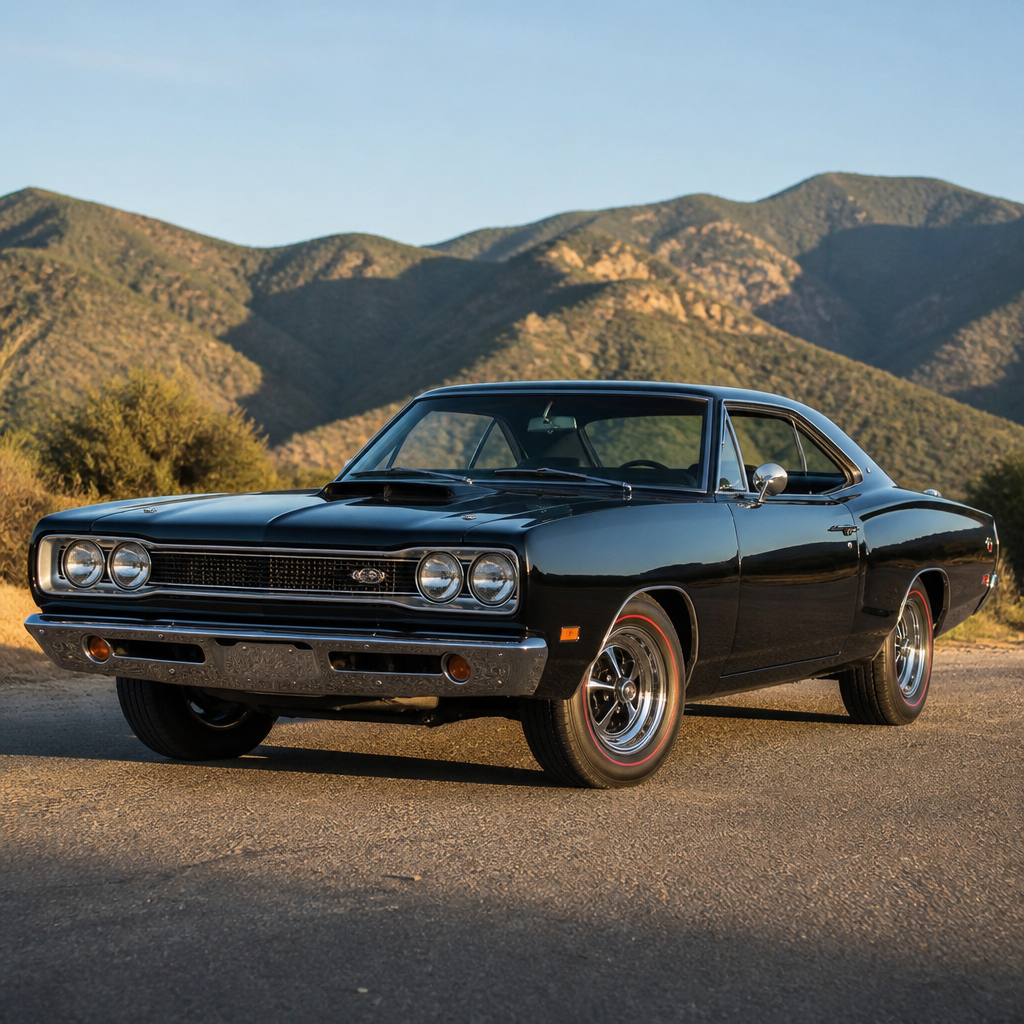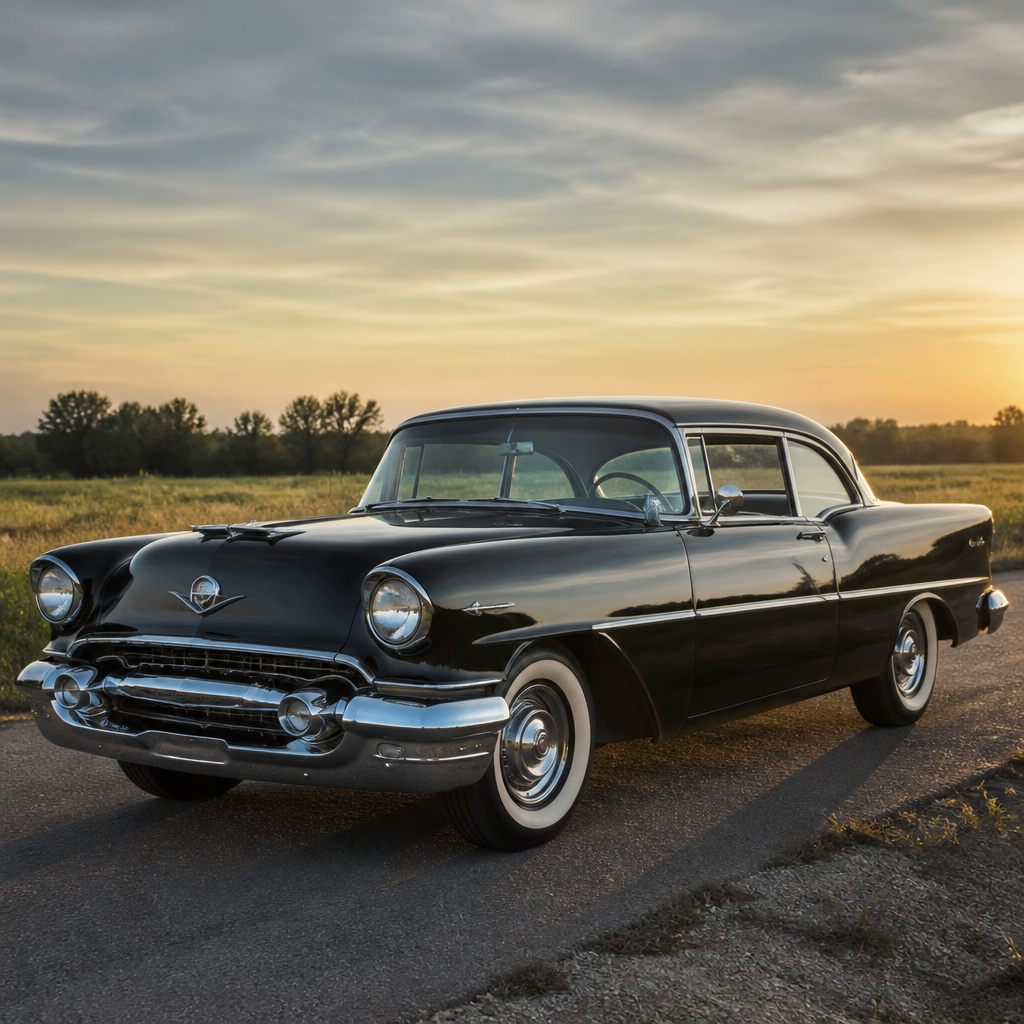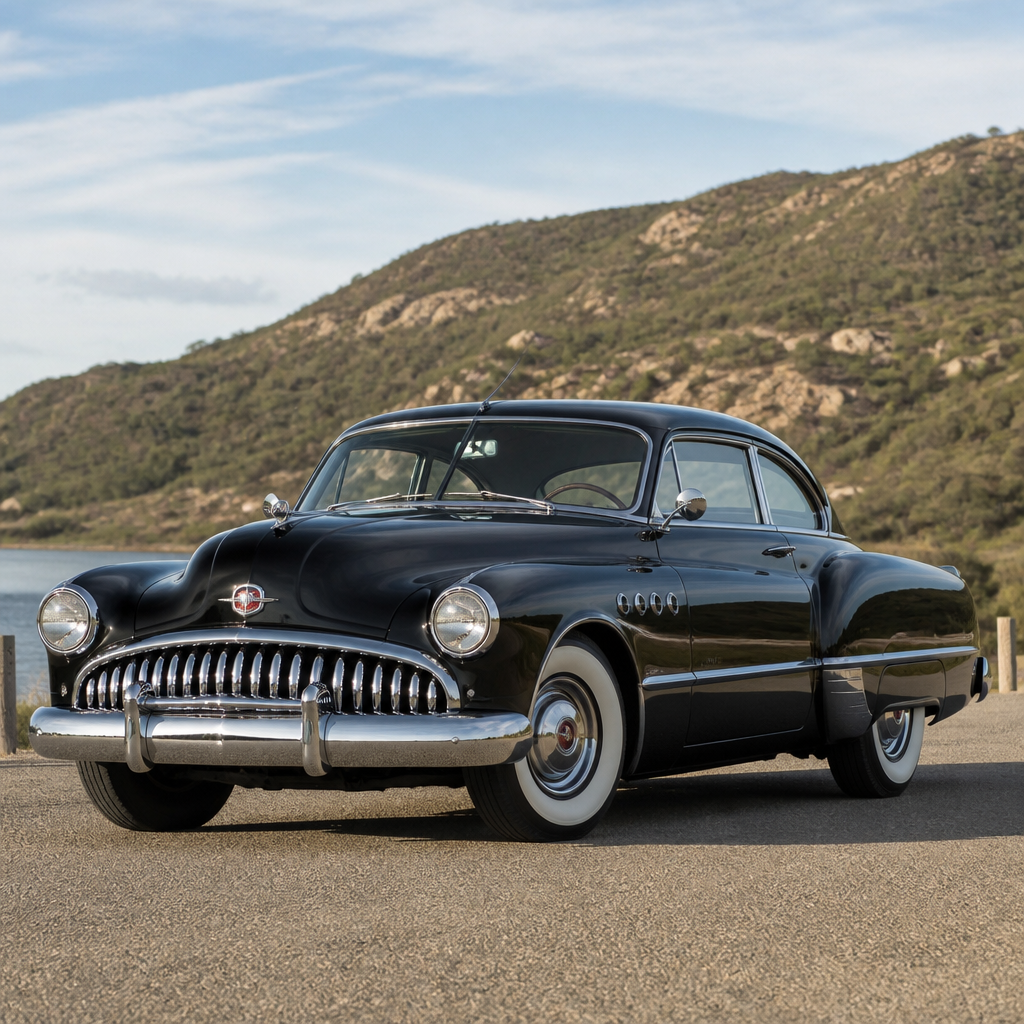
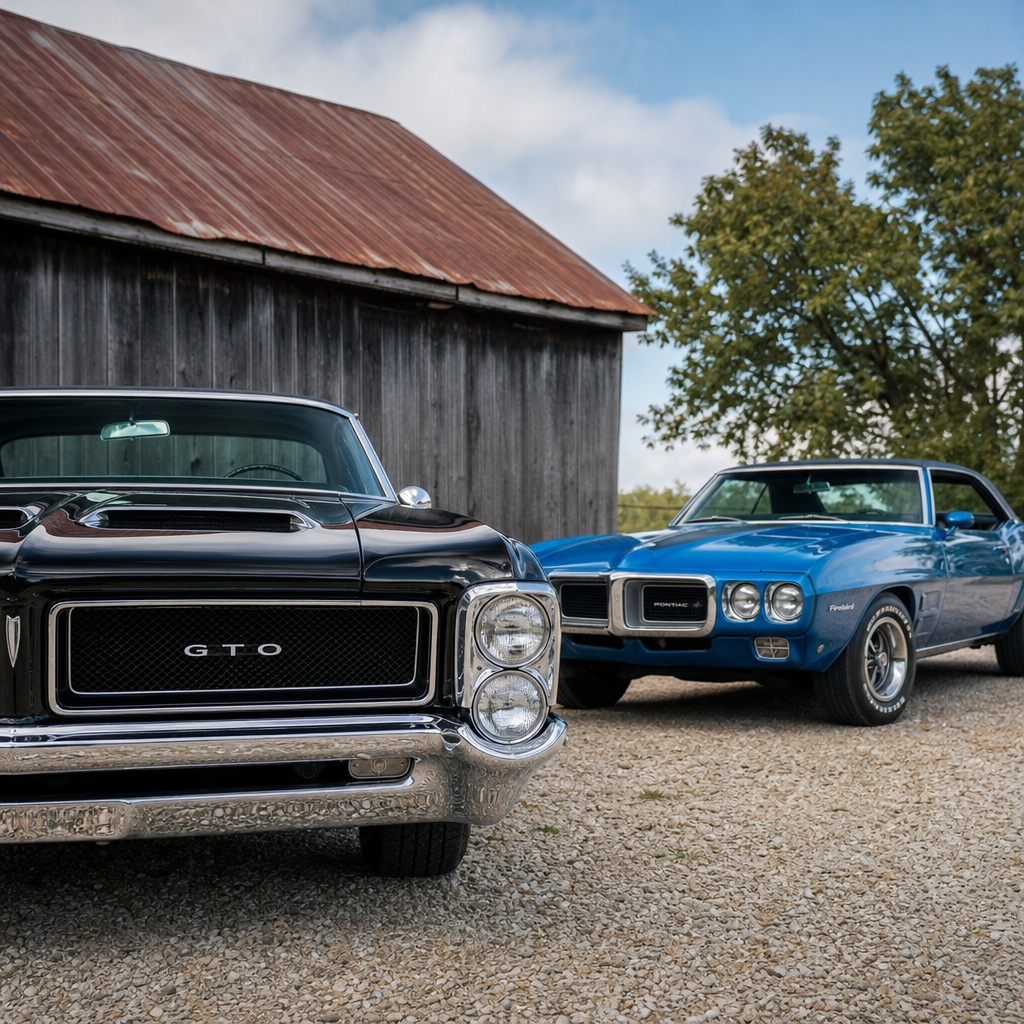
Pontiac classic cars occupy a special place in American automotive history because the brand turned ordinary family transportation into performance legends, then wrapped that performance in styling bold enough to define entire decades. When enthusiasts talk about American classics, Pontiac almost always enters the conversation beside Chevrolet, Ford, and Dodge, yet Pontiac carved out a distinct identity built on torque, youth appeal, motorsport credibility, and an unusual ability to mix luxury touches with street performance. As a hub within classic car models and brands, this guide covers the essential Pontiac story from the early muscle era to the final Firebird years, while also showing how key models connect to the broader world of American classics.
In practical terms, a Pontiac classic car usually means a vehicle built before the brand’s closure in 2010 and valued today for historical importance, collectible status, design influence, or enthusiast demand. The most recognized examples come from the 1960s through the late 1970s, when names like GTO, Firebird, Trans Am, Grand Prix, Catalina, Bonneville, and Judge became part of car culture. These cars matter because they helped define the muscle car formula: midsize or pony-car platforms, large-displacement V8 engines, aggressive styling, and accessible pricing. Pontiac also matters because it reflects how American manufacturers responded to shifting buyer tastes, emissions rules, insurance pressures, fuel crises, and racing publicity. Understanding Pontiac means understanding the broader rise, peak, and adaptation of the American performance car.
I have spent years around restored and unrestored Pontiacs at auctions, marque-specific meets, and private garages, and one lesson repeats itself: no two discussions stay limited to horsepower figures for long. Owners care about engine codes, trim packages, factory documentation, rust-prone areas, and whether a car still carries its original drivetrain. Buyers ask which years are genuinely collectible, which are affordable entry points, and which models are best for driving rather than concours restoration. This article answers those questions directly. It also serves as a gateway to related American classics, because Pontiac shared platforms, engines, and market battles with other General Motors divisions and rival brands. If you want a grounded overview of Pontiac classic cars, from the original GTO to the last celebrated Firebirds, this is the place to start.
The Birth of Pontiac Performance and the GTO Revolution
The single most important fact about Pontiac’s place in automotive history is simple: the 1964 GTO is widely credited with launching the muscle car era. While powerful American cars existed before it, Pontiac executives John DeLorean, Bill Collins, and Russ Gee created a commercially successful formula by placing a large V8 into the midsize Tempest platform and marketing the result as a distinct performance package. The original GTO offered a 389 cubic inch V8, available with Tri-Power induction, and up to 348 horsepower in factory trim. That combination of manageable size, strong straight-line speed, and youth-oriented branding turned the GTO into a cultural event, not just a new model.
The GTO mattered because it proved performance could be mainstream. Instead of requiring a full-size car, a luxury badge, or a specialist build, buyers could walk into a dealership and order a relatively affordable high-output coupe. Pontiac backed the car with memorable advertising and a rebellious image that resonated with younger drivers. By 1966, the GTO had become its own model rather than just a Tempest option package, and sales peaked above 96,000 units that year. Those numbers gave rival automakers a clear message: performance sold, and branding mattered. Chevrolet’s Chevelle SS, Oldsmobile’s 442, and Buick’s GS all entered the same growing market with sharper focus because Pontiac showed the path.
Collectors today focus heavily on the first-generation and second-generation GTO years, especially 1964 through 1970. The 1969 and 1970 cars attract particular attention because they combine mature styling with strong engine choices such as the Ram Air III and Ram Air IV. However, not every GTO is equal in value. Matching-numbers engines, original build sheets, correct carburetion, and PHS documentation from Pontiac Historic Services significantly influence price and authenticity. A genuine Ram Air car with four-speed transmission and limited production options can command dramatically more than a standard automatic example, even when both appear visually similar. That difference illustrates a rule that applies across American classics: provenance is often worth as much as sheet metal.
Firebird and Trans Am: Pontiac’s Pony Car Icons
If the GTO made Pontiac famous among muscle car historians, the Firebird and Trans Am made the brand unforgettable to multiple generations of drivers. Introduced in 1967 on General Motors’ F-body platform, the Firebird shared core architecture with the Chevrolet Camaro but carried its own front-end design, interiors, and engines. Pontiac’s overhead-cam six-cylinder was especially unusual in an American pony car, showing that the division could be technically adventurous as well as image-driven. Still, it was the V8 Firebirds that captured most attention, particularly as power outputs climbed during the late 1960s.
The Trans Am, launched in 1969 as a performance and appearance package, became the ultimate expression of Pontiac’s pony-car strategy. Early Trans Ams were low-production specialty cars, but the second-generation platform introduced in 1970 changed everything. With its long hood, wide stance, and integrated body lines, the 1970–1981 Firebird is one of the most recognizable silhouettes in American car design. Performance highlights include the 1970 1/2 Trans Am with Ram Air III or Ram Air IV power, the 455 H.O. models, and the 1973–1974 Super Duty 455 cars. The Super Duty program remains especially important because Pontiac engineers developed a remarkably durable high-performance engine at a time when emissions and insurance pressures were strangling the muscle car market.
Popular culture amplified the Firebird’s status. The black and gold 1977 Trans Am in Smokey and the Bandit transformed the car from enthusiast favorite into mainstream icon, and sales surged accordingly. Yet buyers should separate movie fame from mechanical reality. A 1977 Trans Am looks aggressive and remains highly collectible, but it does not deliver the same performance as an earlier Ram Air or Super Duty car. For many enthusiasts, that tradeoff is acceptable because style, nostalgia, parts availability, and drivability all matter. In the classic market, the Firebird line offers something rare: true blue-chip variants for top collectors and more accessible trims for buyers who simply want to own a meaningful American classic.
Beyond GTO and Firebird: The Wider Pontiac Lineup
Reducing Pontiac classic cars to just the GTO and Firebird misses the depth of the brand. Full-size models such as the Catalina, Bonneville, and Grand Ville represent another side of Pontiac’s identity: long-wheelbase comfort paired with surprisingly strong V8 performance. In the early 1960s, Pontiac full-size cars with 389, 421, and later 428 engines earned respect in drag racing and NASCAR circles. The 1962 Catalina Super Duty cars, for example, are among the most serious factory-built performance Pontiacs ever produced. Lightweight construction, dual-quad induction, and racing intent made them formidable competitors and now place them among the rarest and most valuable Pontiac collectibles.
The Grand Prix also deserves attention because it helped establish the personal luxury performance segment. Especially in the 1969–1972 generation, the Grand Prix blended long-hood styling, upscale interiors, and V8 power in a package that felt more sophisticated than a bare-knuckle muscle car. That formula influenced later American coupes from several brands. The LeMans and Tempest lines further broadened Pontiac’s reach, serving as the foundation for the GTO but also standing on their own as stylish midsize classics. During the 1970s, cars such as the Can Am and the Grand Am showed Pontiac trying to preserve a performance image while adapting to changing regulations and consumer expectations.
For buyers exploring American classics broadly, these less publicized Pontiacs can offer excellent value. A well-kept Catalina, Ventura, or non-GTO LeMans may deliver classic V8 sound, period styling, and easier entry pricing than headline models. They also create useful internal connections within a collection or content hub: from here, enthusiasts often branch into full-size American performance cars, personal luxury coupes, or GM A-body intermediates. In other words, Pontiac is not a single hero car story. It is a network of related models that reveal how one division balanced performance, style, and market reality across several decades.
Key Pontiac Classic Cars at a Glance
| Model | Key Years | Why It Matters | Collector Note |
|---|---|---|---|
| GTO | 1964–1970 | Defined the muscle car formula with big V8 power in a midsize platform | Ram Air cars, four-speeds, and documented originals bring major premiums |
| Firebird | 1967–1969, 1970–1981 | Pontiac’s pony car with distinct styling and strong engine options | Early cars and Formula variants are often overshadowed by Trans Am, creating opportunity |
| Trans Am | 1969–1981 | Top performance and image model, especially iconic in second generation form | Super Duty 455 cars are elite collectibles; late 1970s examples remain highly desirable |
| Catalina | 1961–1964 performance years | Full-size Pontiac with serious drag racing and Super Duty heritage | Authentic Super Duty cars are rare and require expert verification |
| Grand Prix | 1969–1972 | Blended luxury, style, and performance in a personal coupe format | Often undervalued compared with equivalent muscle models |
How Pontiac Shaped American Classics Culture
Pontiac influenced American classics culture far beyond production totals. The division excelled at image building, and that image was rooted in real mechanical substance. Its Wide-Track stance advertising connected engineering changes to visual identity. Its success in NHRA drag racing and SCCA Trans-Am competition gave credibility to showroom models. The very name “Judge,” applied to a GTO variant beginning in 1969, showed Pontiac’s gift for turning a trim package into a recognizable cultural symbol. That kind of branding helped define how enthusiasts still talk about classic cars today: not just by model and year, but by submodel, package, and story.
The brand also demonstrated how American performance evolved under pressure. When compression ratios fell and gross horsepower ratings gave way to net ratings, Pontiac did not simply disappear. Engineers and product planners adjusted with better handling, graphics, shaker hoods, and torque-focused engines that preserved excitement even as paper specifications declined. The 1973–1974 Super Duty 455 is a perfect case study. On paper, its rated horsepower seems modest compared with the wildest 1960s numbers, yet in real-world design terms it was a highly engineered package with reinforced block architecture, improved breathing, and serious durability. Serious collectors understand this nuance, and that is why these cars command such respect.
Pontiac’s legacy also survives through the restoration and aftermarket ecosystem. Reproduction parts for first- and second-generation F-bodies are widely available, specialist shops understand Pontiac V8 architecture, and clubs provide model-specific knowledge that makes ownership easier than many newcomers expect. At the same time, Pontiac is not identical to Chevrolet despite corporate overlap. Engine components, heads, intake choices, and originality standards differ in ways that matter. Anyone entering the hobby should learn those distinctions early, because accurate restoration and smart purchasing depend on marque-specific details, not generic GM assumptions.
Buying, Restoring, and Preserving a Pontiac Classic
The best approach to buying a Pontiac classic starts with honesty about your goal. If you want investment-grade rarity, focus on documented GTO Ram Air cars, Judge models, early Trans Ams, Super Duty Firebirds, or genuine Super Duty Catalinas. If you want a drivable weekend car, broaden the search to standard GTOs, Formula Firebirds, Grand Prix coupes, or full-size Pontiacs with solid bodies and healthy drivetrains. Condition matters more than many first-time buyers realize. Rust repair on quarter panels, trunk floors, rear frame areas, and cowl sections can quickly exceed the purchase price difference between a mediocre car and a good one.
Mechanical inspection should include compression health, oil pressure, cooling performance, transmission behavior, brake function, and evidence of correct or incorrect engine swaps. Pontiac V8s are durable, but years of neglect, poor machine work, or mismatched parts can create expensive problems. Documentation is equally important. PHS records are a standard checkpoint for many 1961 and newer models, helping verify original options, colors, and drivetrain combinations. In the market, authenticity and usability both carry weight. A fully numbers-matching restoration may command the highest value, but a well-sorted driver with sensible upgrades often delivers the best ownership experience.
Preservation choices should match the car. Extremely rare Pontiacs deserve historically accurate restoration methods and carefully sourced components. More common cars can support reversible upgrades such as improved cooling, radial tires, electronic ignition, or discreet brake improvements that make modern driving safer. The smartest owners keep every original part they remove and document every change. That practice protects future value and simplifies resale discussions. Pontiac classic cars reward careful stewardship because the market recognizes quality, paperwork, and mechanical integrity. Start with the model that fits your budget and ambition, then use this hub to explore deeper articles on specific American classics. The right Pontiac will teach you why this brand still matters.
Frequently Asked Questions
Why are Pontiac classic cars so important in American automotive history?
Pontiac classic cars matter because the brand helped redefine what everyday American performance could look and feel like. In the 1950s and early 1960s, Pontiac evolved from a respectable but somewhat conservative division of General Motors into a youth-oriented performance brand with a clear identity. Under leaders like John DeLorean, Pontiac found a way to combine strong V8 power, aggressive styling, and accessible pricing in cars that appealed to drivers who wanted more than simple transportation. That formula made Pontiac a major force during the muscle car era.
What set Pontiac apart was its balance. Chevrolet often leaned on broad popularity, Ford on fierce competition and innovation, and Dodge on raw muscle and attitude. Pontiac, by contrast, built a reputation around torque-rich engines, distinctive design, and a sense of excitement that carried across multiple segments. A Pontiac could be sporty, luxurious, dramatic, and practical at the same time. That made the brand especially influential, because it showed that performance did not have to be limited to stripped-down race-inspired machines. It could be packaged in stylish coupes, upscale personal cars, and even family-friendly platforms.
The brand also left an outsized cultural footprint. Models such as the GTO, Firebird, Trans Am, and Grand Prix became symbols of their eras, appearing in racing, popular media, and enthusiast culture. Even today, Pontiac remains central to discussions about classic American cars because it captured the spirit of performance, individuality, and bold design in a way few brands managed so consistently.
Is the Pontiac GTO really the first muscle car?
The Pontiac GTO is widely credited as the first true muscle car, and there is a strong case for that title. Introduced for 1964, the GTO was essentially a midsize Pontiac Tempest with a large-displacement V8, performance-oriented hardware, and youth-focused marketing. That formula became the blueprint for the muscle car movement: take a relatively affordable intermediate-sized car, install a powerful engine, and sell it to buyers who wanted street performance without the cost of a full-size luxury model or a dedicated sports car.
There is some debate among enthusiasts and historians because high-performance American cars existed before the GTO. Models from Oldsmobile, Chrysler, and even Pontiac itself had already offered substantial power. However, the GTO stands out because it crystallized the concept into a recognizable segment. It was not just a powerful car; it was a deliberate product strategy that launched a trend the rest of Detroit rushed to follow. Once the GTO proved successful, manufacturers quickly introduced their own rivals, and the muscle car era took off.
The GTO’s importance also comes from its image. It combined strong straight-line speed with aggressive styling, a memorable name, and marketing that connected directly with younger buyers. By the late 1960s, the GTO had become more than a performance option package. It was a cultural icon. So while purists may still debate whether it was absolutely the first, the Pontiac GTO is unquestionably one of the most influential cars in muscle car history and the one most often associated with creating the formula.
What makes the Pontiac Firebird and Trans Am different from the GTO?
The Pontiac Firebird and Trans Am differ from the GTO in both platform and personality. The GTO began life as a midsize muscle car, built to deliver big-engine power in a slightly larger and more substantial package. It was the car that helped define the classic muscle formula: strong V8 performance, rear-wheel drive, and a focus on torque and street presence. The Firebird, introduced in 1967, was Pontiac’s entry in the pony car segment, competing more directly with the Ford Mustang and Chevrolet Camaro. It was generally smaller, sportier in feel, and more adaptable across a wide range of trims and personalities.
The Trans Am was a high-performance version of the Firebird and eventually became one of the most recognizable performance cars of the 1970s. While the GTO is often remembered for launching the muscle car era, the Trans Am became famous for sustaining Pontiac’s performance image as emissions rules, insurance costs, and changing buyer tastes reshaped the market. It added bolder styling, upgraded suspension tuning, stronger engines when available, and a more assertive identity. Features like shaker hoods, spoilers, fender flares, and dramatic graphics gave the Trans Am a visual impact that few contemporaries could match.
In practical terms, the difference comes down to era, size, and mission. The GTO represents Pontiac’s original muscle car legacy, especially in the 1960s. The Firebird and Trans Am represent Pontiac’s ability to adapt performance into a sportier, more image-driven package that remained relevant into the late 1970s and beyond. Both are essential to Pontiac history, but they speak to different chapters of the brand’s performance story.
Which Pontiac classic cars are the most collectible today?
Several Pontiac models are highly collectible, but the most sought-after examples usually combine historical significance, strong performance, limited production, desirable options, and documented originality. Near the top of the list is the 1964–1970 Pontiac GTO, especially rare engine and transmission combinations, Judge models, and well-preserved cars with matching numbers and factory paperwork. Early GTOs are especially valued because of their foundational role in the muscle car story.
The Pontiac Firebird and Trans Am are also major collector favorites. First-generation Firebirds from 1967–1969 attract buyers who appreciate their clean styling and close connection to the dawn of the pony car era. Second-generation Trans Ams, particularly 1970–1973 high-performance cars and certain special editions, are prized for their styling, road presence, and cultural recognition. Depending on the buyer, a late-1970s Trans Am with iconic graphics can be just as emotionally desirable as an earlier, more performance-focused example.
Beyond those headline models, serious collectors also pursue cars like the Pontiac Grand Prix SJ, Catalina 2+2, Bonneville performance models, and rare full-size or intermediate Pontiacs equipped with Tri-Power carburetion, Ram Air engines, or unusual factory combinations. Collectibility is not based on name alone. Condition, originality, rust history, driveline authenticity, and documentation all have a huge effect on value. In many cases, a well-documented, numbers-matching car with the right options will command far more respect than a more famous model that has been heavily modified or poorly restored.
What should you look for before buying a classic Pontiac?
Before buying a classic Pontiac, start with the fundamentals: body condition, structural integrity, authenticity, and completeness. Rust is one of the most important concerns, especially in floor pans, trunk floors, frame sections, quarter panels, wheel arches, lower fenders, and areas around the windshield and rear glass. Cosmetic issues can be expensive enough, but hidden structural rust can turn an appealing car into a major financial project. A thorough inspection, ideally on a lift, is essential.
You should also verify what the car actually is. Pontiac performance models often command significant premiums, which means clones, tribute builds, and incorrectly represented cars are common in the marketplace. Check VIN information, trim tags, engine codes, transmission codes, rear axle data, and any available factory documentation such as build sheets, window stickers, or Pontiac Historic Services paperwork. Matching-numbers status is especially important to many collectors, though it is not the only factor that matters. A non-matching but honest, solid, well-restored driver can still be an excellent purchase if priced appropriately.
Mechanical condition deserves equal attention. Pontiac V8s are beloved for their torque and character, but age, deferred maintenance, and poor past repairs can create expensive problems. Listen for valvetrain noise, oil pressure issues, overheating, transmission slipping, worn suspension components, steering play, and braking deficiencies. If the car has been modified, find out whether the work was done properly and whether the original parts are included. In general, the best purchase is a car with a clear identity, strong documentation, minimal rust, and a condition level that matches your goals, whether you want a show car, weekend cruiser, or long-term restoration project.