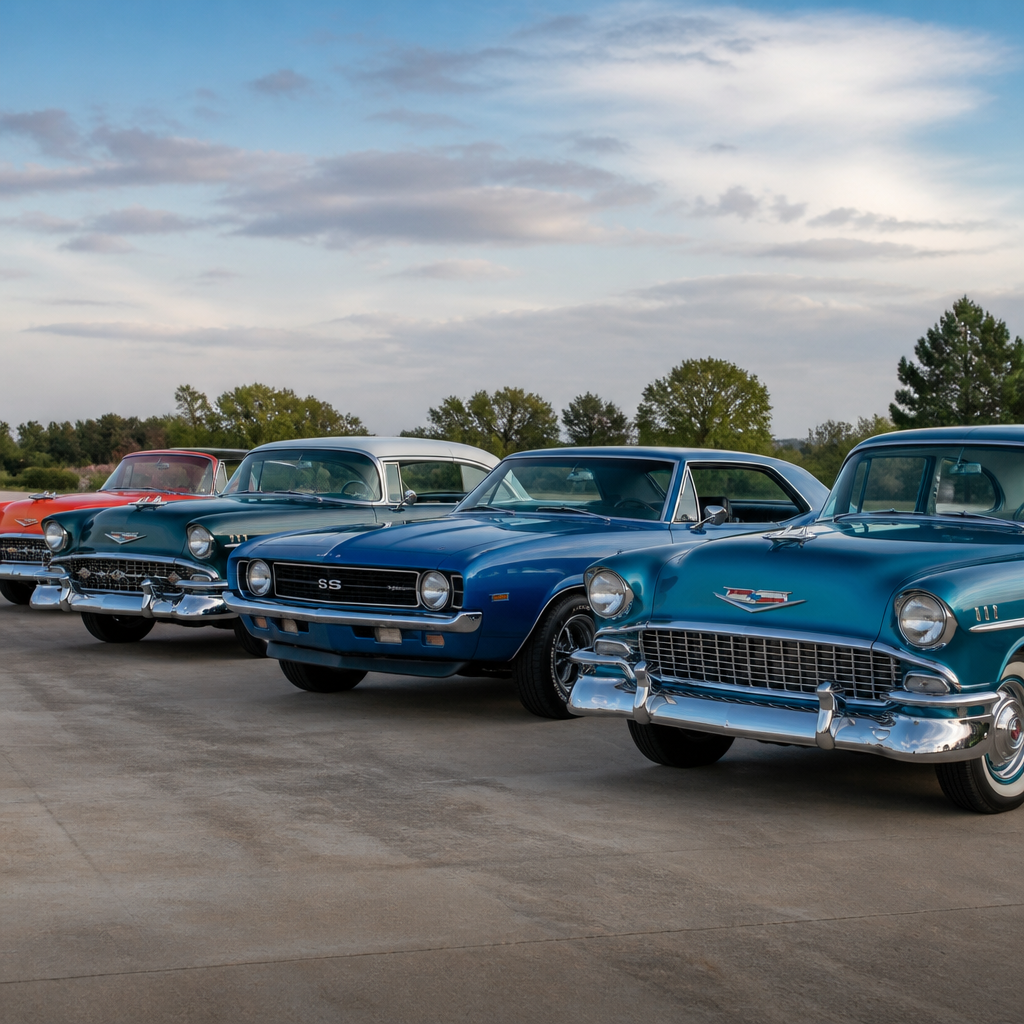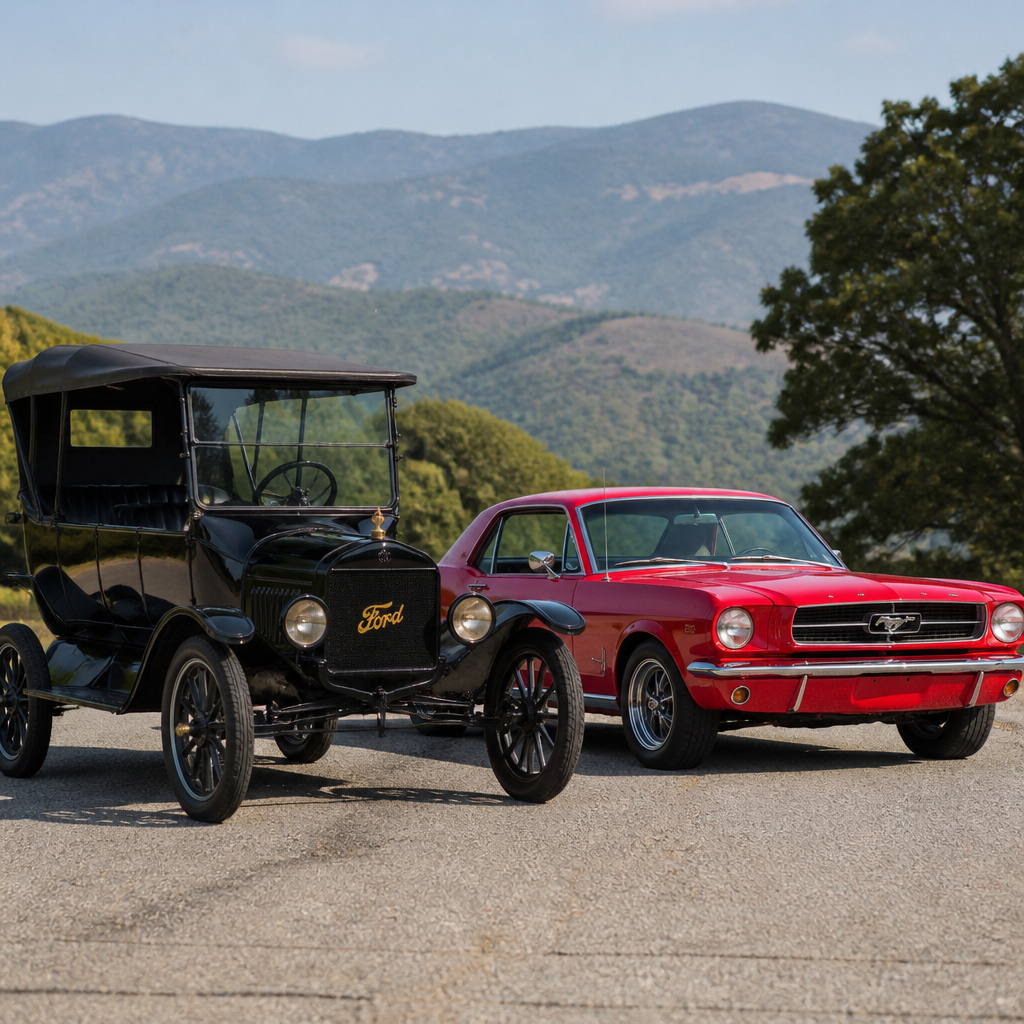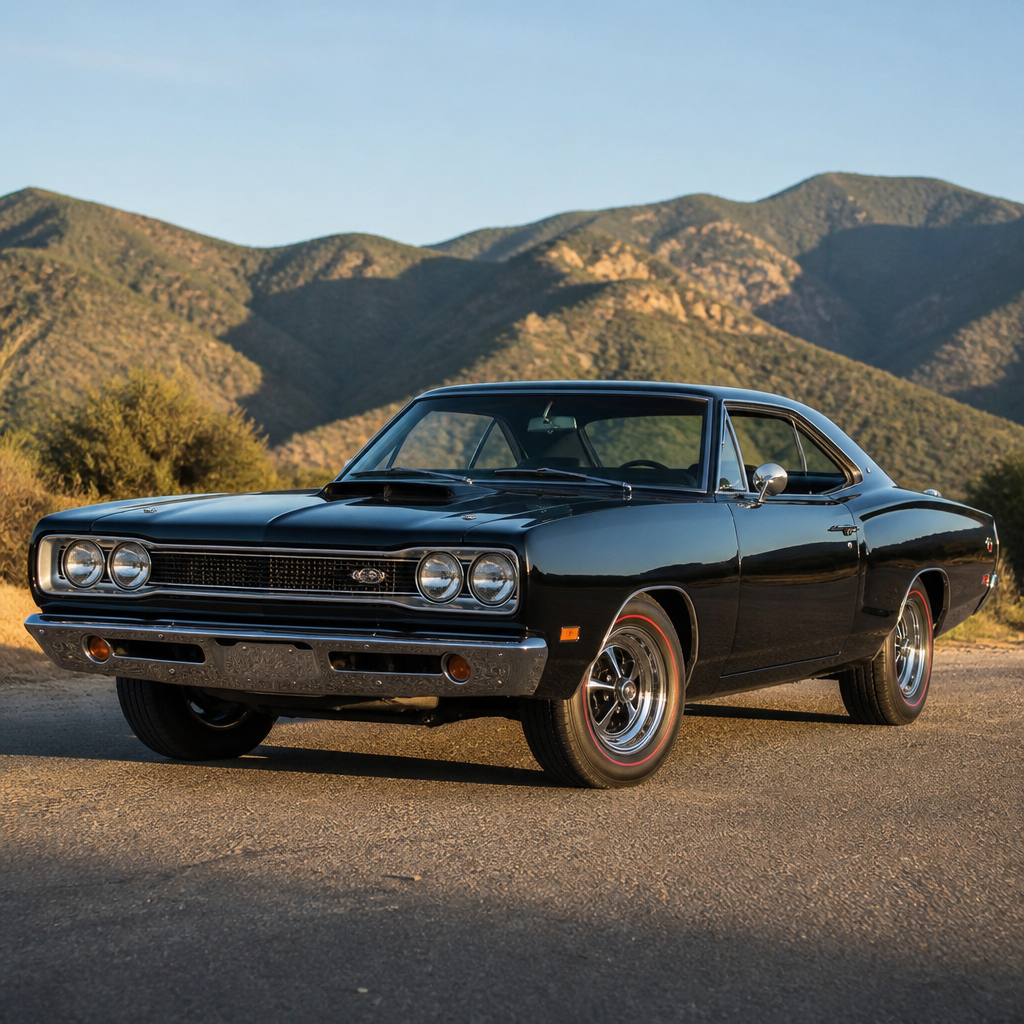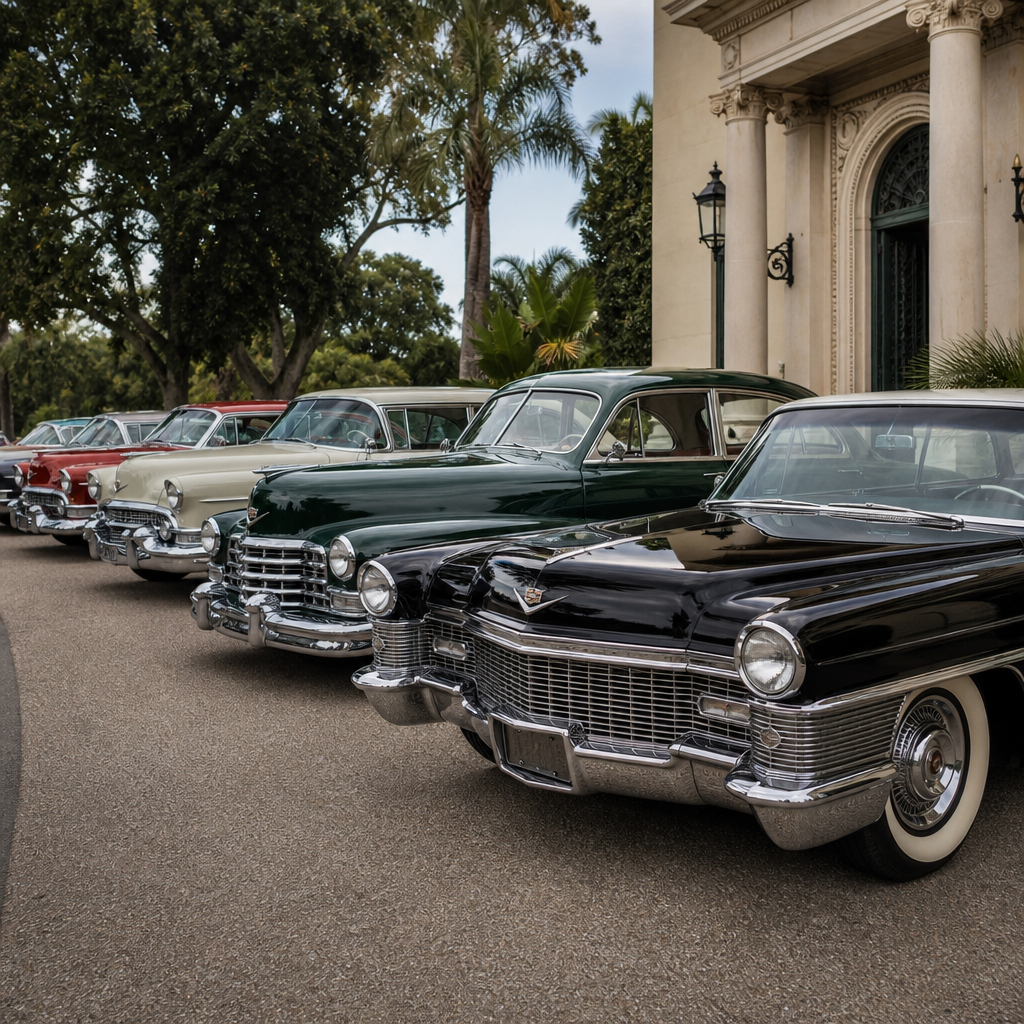
Oldsmobile classics deserve a larger place in any serious discussion of American classics because the brand helped define how Detroit engineered, marketed, and mass-produced cars for everyday drivers and aspirational buyers alike. When people think of classic American cars, they usually jump to Chevrolet Bel Airs, Ford Mustangs, or Cadillac fins, yet Oldsmobile was often the division that introduced practical innovation first and translated luxury, performance, and style into models that ordinary families could actually buy. In this hub for American classics, Oldsmobile serves as both subject and gateway: understanding its best cars explains the wider story of postwar design, V8 power, personal luxury, muscle cars, and the eventual decline of once-dominant domestic brands.
Oldsmobile began in the late nineteenth century under Ransom E. Olds, but its classic-era significance comes from the twentieth century, especially under General Motors. Within GM’s brand ladder, Oldsmobile sat above Chevrolet and Pontiac, generally below Buick and Cadillac, though that positioning shifted over time. That middle-upper placement mattered. It gave Oldsmobile room to experiment with technology such as the high-compression Rocket V8, the Hydramatic automatic transmission, and upscale trim without requiring Cadillac-level pricing. For collectors today, “Oldsmobile classics” usually refers to cars built from the late 1940s through the 1970s, with some 1980s models earning growing respect. These vehicles matter because they show how American manufacturers balanced innovation with mass appeal, and because many remain more attainable than equivalent Chevrolets, Mopars, or Fords.
In practical terms, an Oldsmobile classic is any vintage Oldsmobile valued for design, historical importance, mechanical significance, cultural presence, or collector demand. The category ranges from stately Ninety-Eights and chrome-heavy Super 88s to Cutlass coupes, Vista Cruiser wagons, and tire-smoking 442s. As a hub for American classics, this article maps the major eras, key models, and buying considerations that connect Oldsmobile to the broader classic car landscape. If you want to understand forgotten legends of American roads, start here: Oldsmobile was rarely the loudest brand in the room, but it was often the one that quietly moved the industry forward.
The Brand’s Place in American Classics
Oldsmobile occupied a crucial middle ground in American automotive history. Chevrolet sold transportation at scale, Buick leaned toward comfort, Pontiac chased youthful excitement, and Cadillac represented top-tier luxury. Oldsmobile blended those impulses. In dealership terms, it was often the aspirational step-up car for buyers who had outgrown an entry-level sedan but were not ready for a full luxury flagship. I have seen this pattern repeatedly when reviewing period brochures, option sheets, and auction records: Oldsmobile buyers were paying for engineering substance as much as image.
That position explains why the brand touches so many major themes in American classics. It helped normalize overhead-valve V8 performance in the early 1950s. It embraced dramatic postwar styling without becoming as flamboyant as some competitors. It built full-size family sedans, station wagons, convertibles, hardtops, muscle cars, and personal luxury coupes, often with enough refinement to stand apart from rawer rivals. For a hub page on American classics, that breadth is valuable because Oldsmobile links several subcategories in one lineage.
Collectors also benefit from a market reality: Oldsmobile remains less overexposed than many blue-chip American classics. A well-restored 1955 Olds 88, 1966 Toronado, or 1970 Cutlass Supreme can offer design distinction and historical weight at a lower entry price than more publicized equivalents. That does not make every Oldsmobile cheap. Top-condition 442s, Hurst/Olds models, and rare convertibles command serious money. Still, the brand often delivers a strong value-to-significance ratio, which is one reason enthusiasts researching American classics increasingly circle back to Oldsmobile.
Why the Rocket V8 Changed Everything
If one machine made Oldsmobile a legend, it was the Rocket V8 introduced for 1949. This overhead-valve, high-compression V8 is widely recognized as a turning point in postwar American performance. Earlier V8s existed, including Cadillac’s celebrated 1949 unit, but Oldsmobile turned advanced V8 power into a sales and cultural event. The Rocket gave the division a clear identity and helped establish a formula that would define American classics for decades: roomy body, automatic transmission, and effortless torque.
In plain terms, the Rocket V8 mattered because it delivered stronger performance than many flathead engines while fitting mainstream cars. The 303-cubic-inch version produced around 135 horsepower in early form, a robust figure for its day. Combined with Hydramatic, it made Oldsmobiles quick, easy to drive, and attractive to everyone from suburban professionals to NASCAR competitors. In the early 1950s, Oldsmobiles became fixtures in stock car racing, where durability and acceleration created real credibility rather than brochure hype.
The Rocket also influenced hot-rodding culture. Builders valued Oldsmobile engines for power potential, and the name itself became marketing gold. Songs, ads, and popular media turned “Rocket” into shorthand for modern speed. That cultural imprint matters when evaluating American classics. Some brands produced famous shapes; Oldsmobile produced a famous powertrain identity. For buyers today, Rocket-era cars are important not only because they are beautiful postwar machines, but because they mark the moment performance became central to mainstream American car desirability.
Essential Oldsmobile Classics by Era
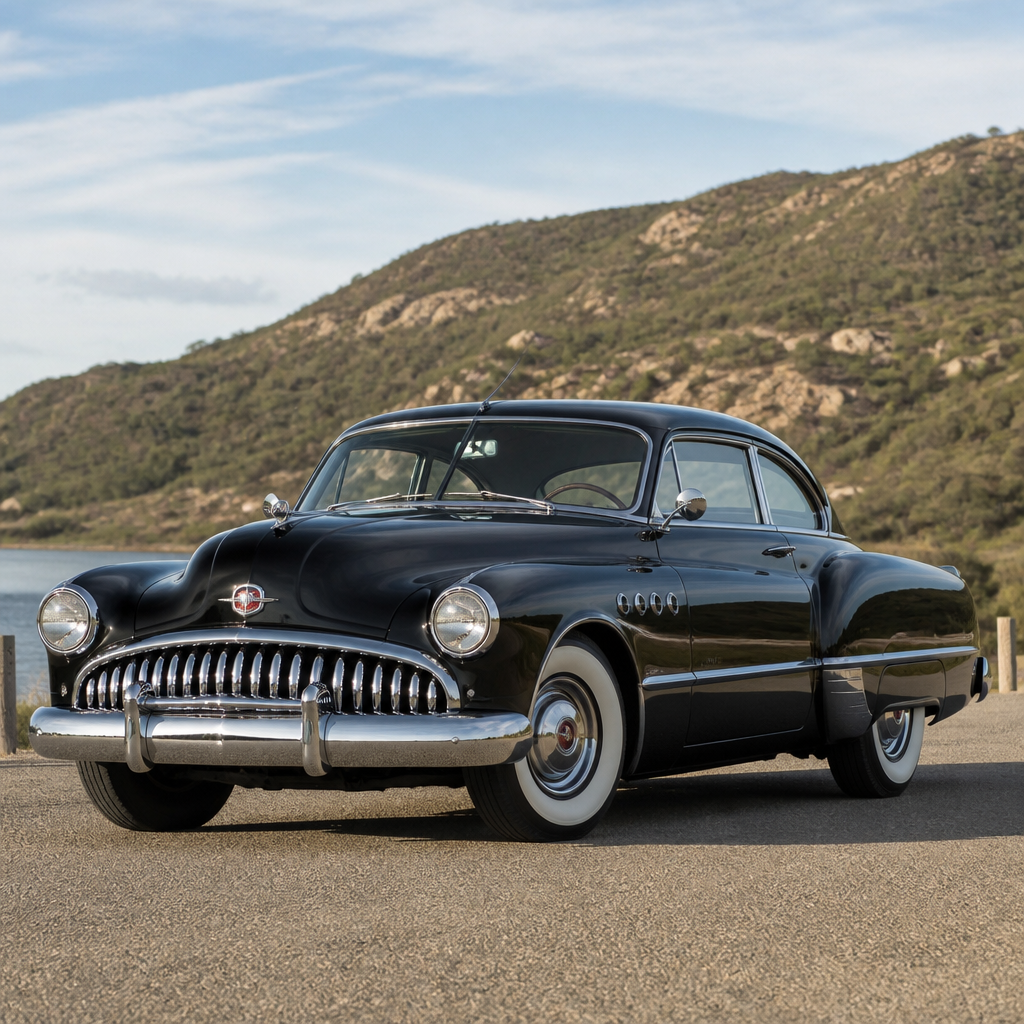
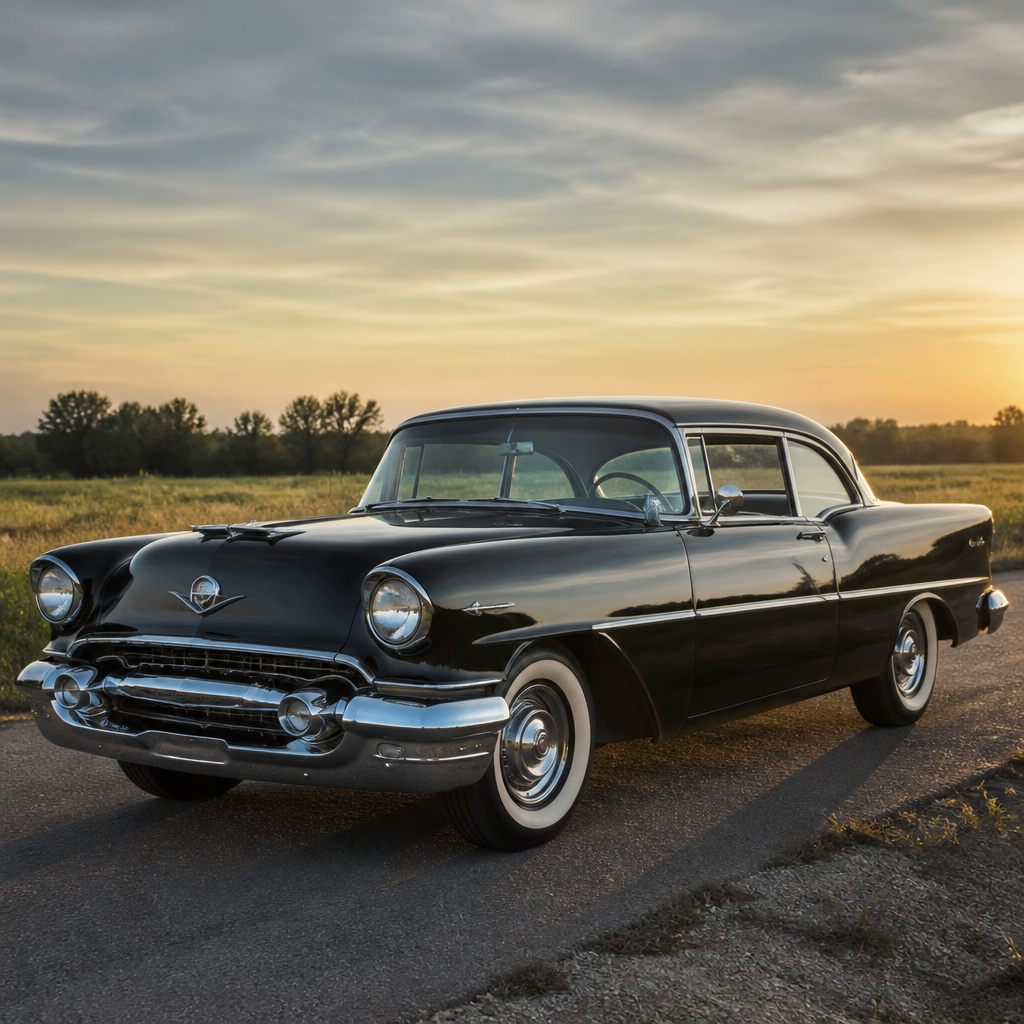
Every serious hub on American classics needs a clear model map, because Oldsmobile’s legacy spans several distinct eras. The postwar years were dominated by the 88 and 98 lines. The 88, especially in Rocket form, became the energetic heart of the lineup. The larger 98 represented prestige with size, brightwork, and comfort. By the mid-1950s, Oldsmobile styling grew bolder, with wraparound windshields, panoramic glass, and chrome-heavy grilles that reflected the optimism of Eisenhower-era America.
The 1960s expanded Oldsmobile’s identity. The Starfire delivered sporty personal luxury, the Jetfire briefly introduced one of the industry’s earliest turbocharged production engines, and the F-85 compact showed the division adapting to changing market pressures. Most significant was the Cutlass, which grew from compact roots into one of the most successful intermediate cars in America. From that family came the 442, Oldsmobile’s muscle car icon, known initially for four-barrel carburetion, four-speed transmission, and dual exhaust. By the late 1960s and early 1970s, the 442 had become a serious performance machine with available big-block power and memorable special editions.
The 1966 Toronado deserves special mention because it was one of the most technically ambitious American classics of its time. Its front-wheel-drive layout, unitized construction, and dramatic hidden-headlamp styling made it unlike anything else in Detroit showrooms. It proved Oldsmobile could lead in engineering, not just follow corporate trends. The 1970s added the Vista Cruiser, beloved for its raised skylight roof, and Cutlass Supreme coupes that became symbols of mainstream American style. Even as emissions regulations, safety rules, and fuel crises reshaped the industry, Oldsmobile remained deeply woven into the American road story.
| Era | Key Models | Why They Matter |
|---|---|---|
| Late 1940s–1950s | 88, Super 88, 98 | Rocket V8 leadership, early automatic transmission appeal, classic chrome-era styling |
| Early 1960s | F-85, Starfire, Jetfire | Compact adaptation, personal luxury, early turbocharging experiment |
| Mid 1960s–Early 1970s | Cutlass, 442, Toronado | Muscle car credibility, intermediate market success, front-wheel-drive innovation |
| 1970s | Cutlass Supreme, Vista Cruiser, Delta 88 | Mainstream popularity, family practicality, comfort-focused cruising |
Oldsmobile and the Muscle Car Era
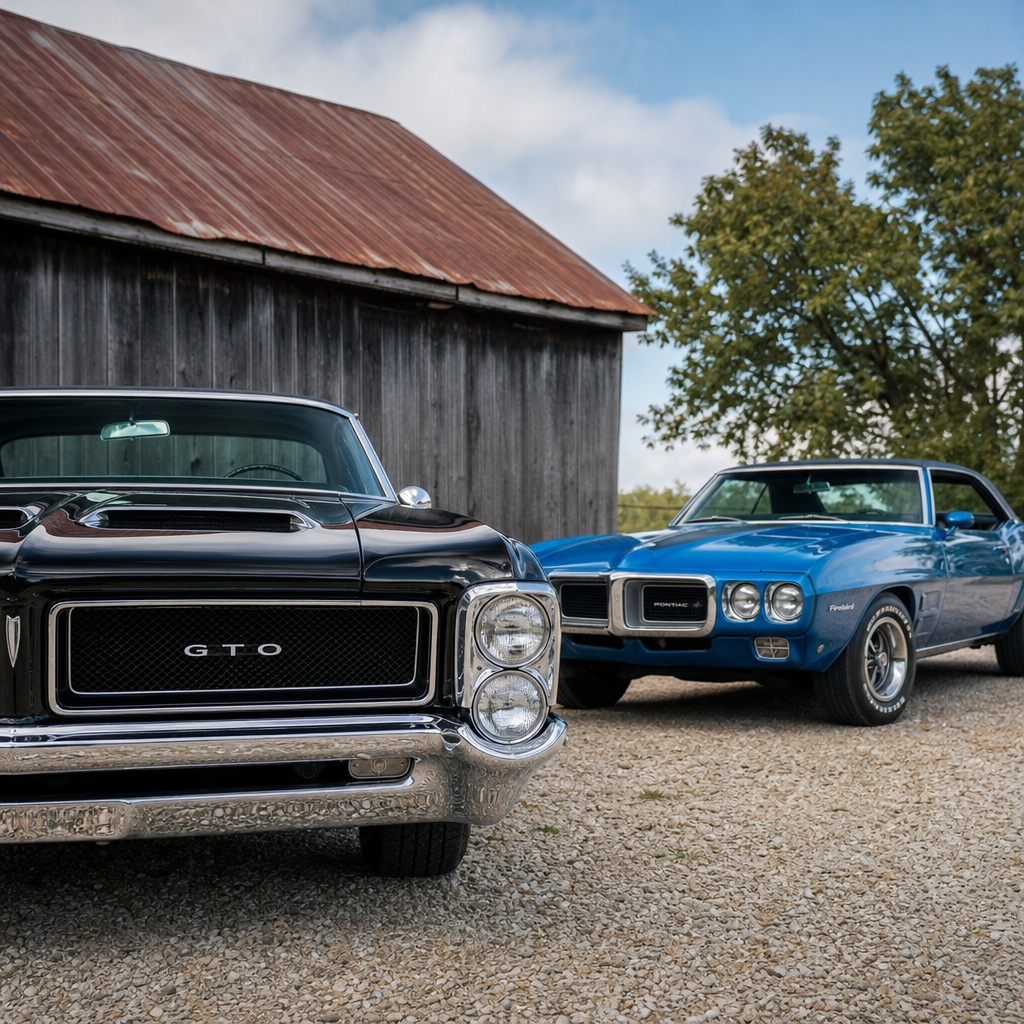
No overview of American classics is complete without the muscle car era, and Oldsmobile played a more sophisticated role than many casual fans realize. The 442 was not simply a badge-engineered response to Pontiac’s GTO. Oldsmobile tuned its performance image around a blend of torque, composure, and upscale presentation. In my experience comparing surviving examples, period road tests, and factory literature, that balance is exactly why dedicated enthusiasts respect the marque. A 442 could be brutally fast, but it also felt like a premium machine.
Engine choices defined the formula. The 400-cubic-inch V8 was central in many years, while the 455 gave later cars immense straight-line authority. Ram Air induction, W-30 performance packages, heavy-duty cooling, and upgraded suspensions transformed select 442s into formidable street and strip cars. The Hurst/Olds models added further mystique through limited production, distinctive graphics, and curated performance parts. These cars now sit near the top of Oldsmobile collecting, especially documented examples with original drivetrains and options.
Oldsmobile’s muscle reputation also highlights a broader truth about American classics: the best cars were rarely one-dimensional. A Chevelle SS might get more instant recognition, but an Olds 442 often offered stronger instrumentation, richer interiors, and a subtle confidence that appealed to buyers who wanted speed without sacrificing civility. That tradeoff still defines the market. If you want a muscle car with pedigree and somewhat less crowded attention, Oldsmobile remains one of the smartest places to look.
Design, Luxury, and Innovation Beyond Performance
Reducing Oldsmobile to Rocket engines and 442s misses half the story. The brand excelled at translating advanced ideas into usable road cars. Hydramatic, one of the first widely successful automatic transmissions, changed the driving experience for American families and commuters. The Toronado’s front-wheel-drive system showed that packaging innovation could exist in a big personal luxury coupe. The Jetfire’s turbocharged aluminum V8, though commercially short-lived and maintenance-sensitive, demonstrated unusual engineering ambition for an early-1960s domestic brand.
Design matters just as much. Oldsmobile styling often reflected broader GM trends while retaining distinctive cues such as split grilles, sculpted side profiles, and upscale interior trim. The 1950s cars captured the jet-age mood without looking cartoonish. The 1960s brought cleaner lines and stronger proportions. The 1970s Cutlass Supreme became an American suburban icon because it looked formal, comfortable, and expensive even when sold in huge numbers. That is part of why these cars resonate today: they embody not only transportation history, but also the social aspirations of their owners.
For readers exploring American classics more broadly, Oldsmobile is also a useful bridge to adjacent topics. Full-size 88s connect to chrome-era cruisers. The 442 belongs in any muscle car roundup. The Toronado belongs in innovation and personal luxury discussions. Vista Cruiser wagons connect to family haulers and Americana. A single brand gives you access to nearly every major classic-car theme, which is exactly what makes it ideal for a sub-pillar hub.
Buying, Restoring, and Preserving an Oldsmobile Classic
Buying an Oldsmobile classic starts with defining the experience you want. For relaxed weekend cruising, a 1950s 88 or 1970s Delta 88 may be ideal. For family-friendly nostalgia, the Vista Cruiser stands out. For investment-grade performance, documented 442s and Hurst/Olds models deserve attention. For conversation-starting design, the first-generation Toronado is hard to beat. Whatever the target, condition and completeness matter more than bargain pricing. Rust repair on full-size cars can quickly exceed the difference between a cheap project and a solid driver.
Parts support is better than many newcomers expect, though it varies by model. Mechanical items for popular V8 cars are generally obtainable through specialty suppliers, clubs, and the wider GM restoration network. Trim, interior pieces, and model-specific components can be harder, especially for low-production variants. Before purchase, verify matching numbers where relevant, inspect frame and floor corrosion, review transmission behavior, and confirm that unique systems such as Toronado driveline parts or Jetfire components are present and serviceable.
Documentation adds real value. Build sheets, Protect-O-Plate records, window stickers, and period service receipts help establish authenticity. Club networks such as the Oldsmobile Club of America remain invaluable for technical guidance and sourcing. Preservation should be the goal whenever possible. An honest, well-maintained original car often tells the American classics story better than an over-restored example finished beyond factory standards. If you are building a garage around American classics, Oldsmobile offers one of the broadest and most rewarding entry points available today.
Oldsmobile classics are forgotten legends only if the market chooses to forget them; the history itself is too substantial to ignore. From the Rocket V8 to the 442, from the Toronado to the Vista Cruiser, the brand contributed to nearly every major chapter of American classics: postwar engineering progress, chrome-era optimism, muscle car performance, personal luxury, and family-road-trip practicality. That range is exactly why Oldsmobile works so well as a hub within the broader world of classic car models and brands. Few marques connect so many segments while still offering distinct identity.
The clearest takeaway is simple. If you want to understand American classics in a comprehensive way, study Oldsmobile not as a footnote, but as a central player. Its cars show how Detroit balanced innovation with scale, speed with comfort, and aspiration with accessibility. They also offer today’s enthusiasts a practical advantage: many Oldsmobiles remain undervalued relative to their significance, which creates real opportunities for collectors, restorers, and first-time buyers willing to research carefully.
Use this page as your starting point for deeper exploration of American classics, then follow model-specific paths into the 88, 98, Cutlass, 442, Toronado, and Vista Cruiser. Compare eras, learn the engines, study the trim levels, and buy the best example you can afford. Oldsmobile built cars for real American roads and real American lives. That is why the best of them still matter, and why they deserve a fresh look from anyone serious about classic motoring today.
Frequently Asked Questions
Why are Oldsmobile classics often overlooked compared to other American collector cars?
Oldsmobile classics are often overlooked because the brand occupied a unique middle ground in the American market. It was not positioned as purely budget-friendly like some entry-level divisions, and it was not as overtly prestigious as Cadillac. That in-between identity made Oldsmobile enormously important during its peak years, but it also meant that many of its achievements were absorbed into the broader story of General Motors rather than celebrated on their own. When enthusiasts discuss iconic American classics, the spotlight usually goes to the most instantly recognizable nameplates such as the Chevrolet Bel Air, Ford Mustang, or high-finned Cadillacs, while Oldsmobile’s contribution can seem quieter by comparison.
That is a mistake, because Oldsmobile played a major role in shaping what everyday American motorists expected from a car. The division consistently introduced advanced engineering, refined styling, and upscale comfort in forms that were attainable for middle-class buyers. In many cases, Oldsmobile helped bridge the gap between mainstream transportation and aspirational motoring. Its cars were designed for people who wanted more than basic utility but were not necessarily shopping at the very top of the luxury market. That position gave Oldsmobile tremendous influence over how Detroit balanced performance, reliability, convenience, and status.
Another reason Oldsmobile is underappreciated is that its legacy was built on broad excellence rather than one single defining stereotype. Chevrolet is often remembered for affordability and performance, Cadillac for luxury, and Pontiac for excitement. Oldsmobile, however, contributed in several areas at once: engineering progress, muscular V8 performance, practical innovation, and tasteful design. Because it did not fit neatly into one simple label, its historical importance has sometimes been diluted in popular memory. For serious collectors and historians, though, that complexity is exactly what makes Oldsmobile classics so rewarding. They represent an essential part of the American automotive story and deserve far more recognition than they typically receive.
What made Oldsmobile an important innovator in the history of American automobiles?
Oldsmobile mattered because it repeatedly helped move the American car industry forward in ways that affected both the market and the driver experience. The brand was one of the key divisions within General Motors that showed how advanced features could be brought to a wider audience instead of being limited to expensive flagship vehicles. Oldsmobile often served as a proving ground for ideas that blended practicality with aspiration, which is a major reason the brand holds such an important place in automotive history.
One of the most significant examples of Oldsmobile innovation was its early association with automatic transmission technology, especially the famous Hydra-Matic. At a time when many drivers still expected to shift manually, automatic shifting represented a major step toward convenience and accessibility. This was not just a novelty feature. It changed the way Americans interacted with their cars and helped normalize a more comfortable, less physically demanding driving experience. Oldsmobile was central to that transition, and that contribution alone gives the marque an enduring place in the history of Detroit engineering.
Oldsmobile also earned a reputation for introducing strong, modern V8 performance in ways that appealed to real-world buyers. The Rocket V8 became one of the brand’s defining achievements, helping establish a new standard for power and responsiveness in postwar America. It was a turning point not only for Oldsmobile but for the wider industry, because it showed how overhead-valve V8 power could elevate family sedans, coupes, and hardtops into something genuinely exciting. That blend of everyday usability and strong performance helped pave the way for later performance culture, including the muscle car era.
Beyond engines and transmissions, Oldsmobile contributed to the broader Detroit formula of mass-producing cars that looked upscale, felt refined, and remained accessible to a large customer base. That combination was not accidental. It reflected a deep understanding of American consumer demand. Buyers wanted style and status without giving up practicality, and Oldsmobile delivered that balance repeatedly. In that sense, the brand was not simply making cars; it was helping define how American automakers packaged innovation for the mainstream market.
Which Oldsmobile classic models are most important for collectors and enthusiasts to know?
Several Oldsmobile models stand out as especially important, both for their historical significance and for their appeal in today’s collector market. Near the top of the list is the Oldsmobile 88, particularly the early Rocket 88 models from the late 1940s and 1950s. These cars are frequently recognized as foundational performance machines because they combined relatively light bodies with powerful V8 engines. The result was a fast, lively car that helped shape the emerging culture of American high-performance driving. For enthusiasts interested in the roots of muscle and stock car performance, the Rocket 88 is essential.
The Oldsmobile 98 also deserves attention as a symbol of the brand’s upscale identity. Larger, more luxurious, and often richly appointed, the 98 showcased Oldsmobile’s ability to deliver premium comfort without stepping fully into Cadillac territory. These cars are significant because they demonstrate how Oldsmobile translated prestige into something more attainable for buyers who wanted sophistication and presence on the road. In collector terms, well-preserved or properly restored 98s offer a compelling alternative to more commonly discussed luxury American classics.
No conversation about Oldsmobile would be complete without the 442. This is the model that cemented Oldsmobile’s performance reputation during the muscle car era. The 442 combined aggressive styling, strong V8 power, and a serious enthusiast following, making it one of the most desirable Oldsmobiles ever built. It stands shoulder to shoulder with better-known muscle cars from other brands and is proof that Oldsmobile was not merely participating in the performance race but actively helping define it.
Collectors also pay close attention to the Toronado, one of the most distinctive and technically interesting cars the brand ever produced. With bold styling and front-wheel drive in a large American personal luxury coupe, the Toronado showed just how willing Oldsmobile could be to push boundaries. It remains a favorite among enthusiasts who appreciate unusual engineering and dramatic period design. Together, these models reveal the full breadth of the brand: innovation, performance, comfort, and ambition. That range is exactly why Oldsmobile classics are so fascinating to study and collect.
How did Oldsmobile balance everyday practicality with luxury and performance?
Oldsmobile excelled at balancing practicality with luxury and performance because that balance was central to the brand’s identity. Rather than building cars solely for economy or exclusively for prestige, Oldsmobile aimed at drivers who wanted a little more in every category. The brand understood that many American buyers were looking for transportation that was dependable and useful but also stylish, comfortable, and satisfying to drive. Oldsmobile’s genius was in delivering that mix at scale.
From a product standpoint, this balance showed up in the way Oldsmobile engineered its vehicles. Interiors were often more refined than those found in lower-priced cars, with attention given to trim, seating comfort, dashboard design, and convenience features. Exteriors carried a sense of visual confidence without always relying on excessive ornamentation. Mechanically, Oldsmobile offered powertrains that made driving feel effortless and modern, while still maintaining the durability and broad usability expected from a major Detroit manufacturer. This made the cars especially appealing to middle- and upper-middle-class buyers who wanted to feel they were moving up without becoming extravagant.
Performance was another part of the equation. Oldsmobile did not treat power as something reserved only for niche sports models. Instead, it integrated strong engines and smooth road manners into cars that could still serve as family transportation, long-distance cruisers, or status symbols in the driveway. That approach helped redefine what an American car could be. You did not have to choose between sensible and desirable. With Oldsmobile, many buyers felt they could have both.
This balancing act also explains why the brand was so influential in the broader American market. Oldsmobile demonstrated that mass-produced cars could feel aspirational without becoming inaccessible. It translated premium ideas into practical reality for a large audience. That achievement may sound subtle today, but in the context of mid-century American automotive culture, it was enormously important. It helped establish the expectation that a mainstream car could and should offer comfort, style, convenience, and performance all at once.
Are Oldsmobile classics a good choice for modern collectors?
Yes, Oldsmobile classics are an excellent choice for modern collectors, especially for those who value historical significance, distinctive engineering, and relative originality in a crowded collector market. One of the biggest advantages is that Oldsmobile often offers a refreshing alternative to the most heavily publicized American classics. While certain top-tier Oldsmobile models command strong attention, many remain less saturated in the marketplace than equivalent Chevrolets, Fords, or Mopars. That can make them appealing to collectors who want something genuinely meaningful without simply following the most predictable path.
Oldsmobile classics also reward collectors who appreciate depth of story. This is a brand with real firsts, major technical contributions, and a broad model range that reflects changing American tastes across several decades. Whether someone is drawn to early postwar performance, 1950s optimism, 1960s muscle, or personal luxury experimentation in the late 1960s and 1970s, there is likely an Oldsmobile that fits the interest. In other