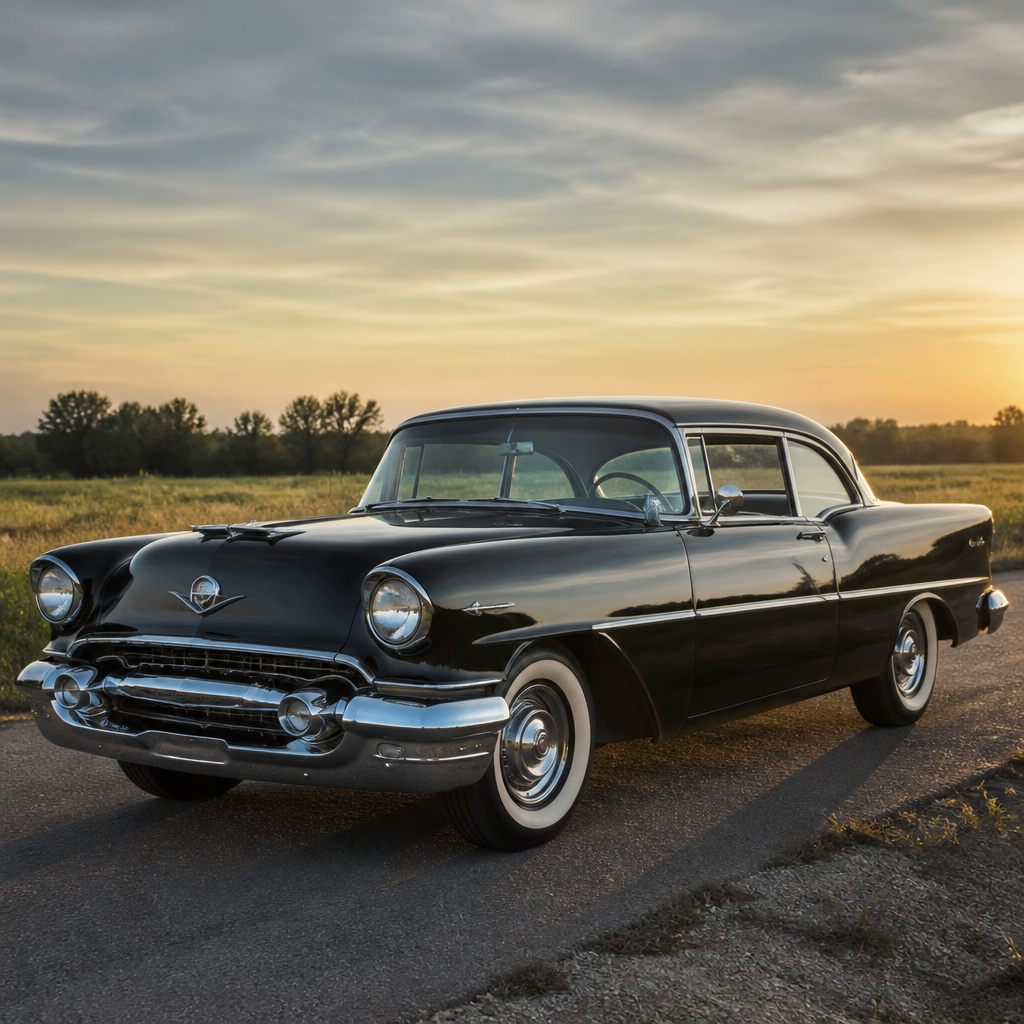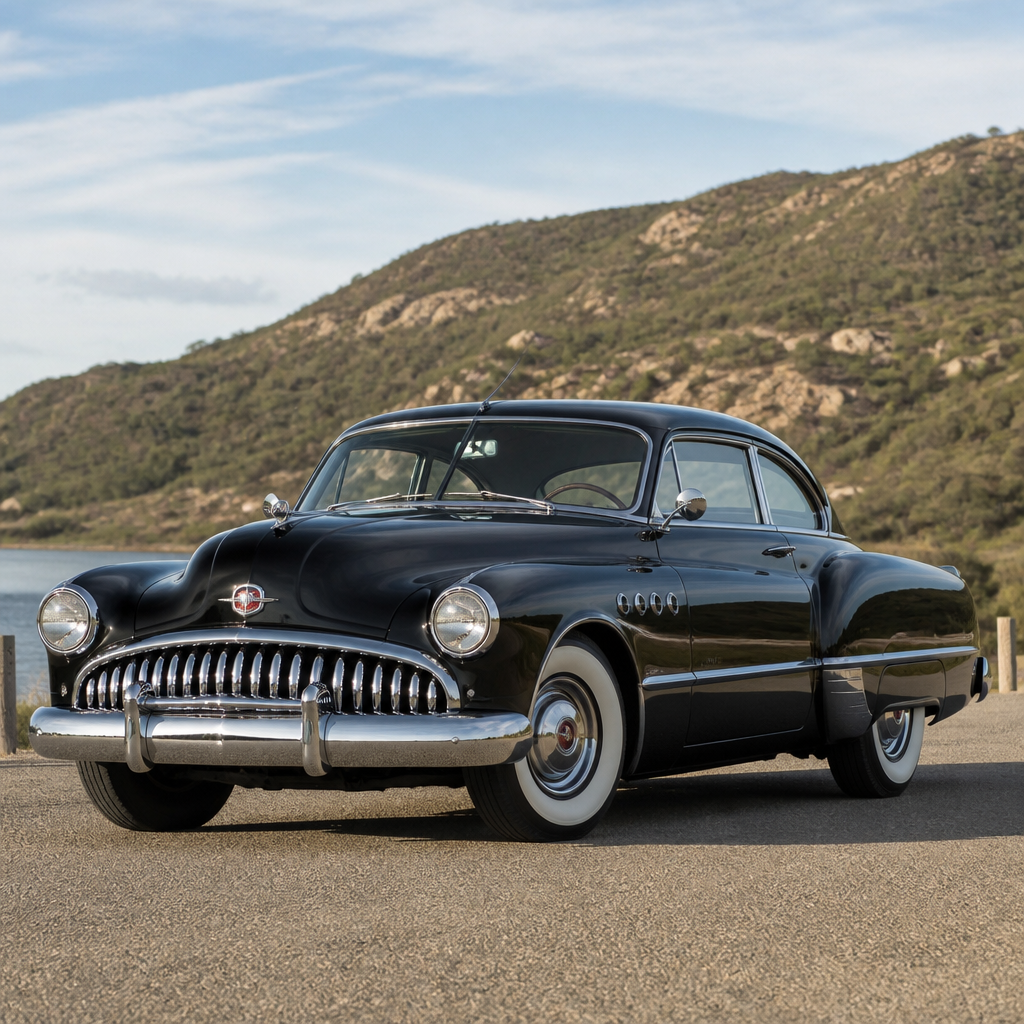
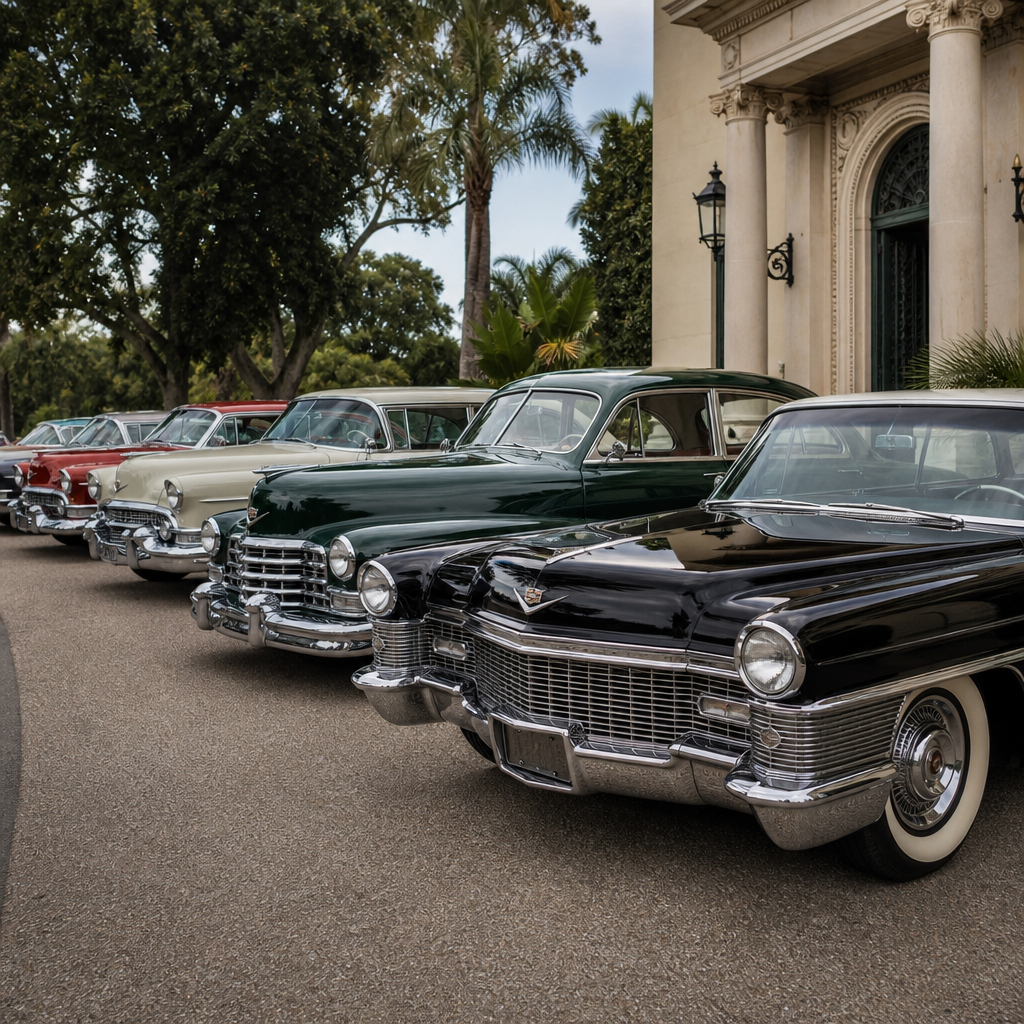
Cadillac classics trace the history of American luxury with unusual clarity, because few brands have shaped style, engineering, and status as consistently across more than a century. In the classic car world, “Cadillac” means more than an old premium automobile; it signals a standard of comfort, technical ambition, and cultural visibility that influenced nearly every American brand that followed. When collectors talk about American classics, they usually mean vehicles built with lasting design significance, mechanical distinction, and historical importance, and Cadillac checks all three boxes decade after decade. I have worked around restored and driver-grade Cadillacs at auctions, marque club meets, and private collections, and the same pattern always appears: even people who favor Packard, Lincoln, Buick, or Chrysler will stop to study a well-kept Cadillac. That broad respect matters for enthusiasts using this page as a hub within classic car models and brands, because Cadillac connects major themes across the wider American classics landscape, from prewar coachbuilt elegance to postwar tailfin excess, from chrome-laden convertibles to restrained personal luxury coupes.
Understanding Cadillac also helps buyers and readers navigate the full American classics category. The marque reflects changing ideas about wealth, technology, and design better than almost any competitor. Early cars established manufacturing precision; V16 flagships demonstrated engineering confidence during the Classic Era; postwar Series 62 and Eldorado models captured the optimism of the jet age; and later DeVille, Fleetwood, and Seville models showed how luxury adapted to changing fuel costs, safety rules, and consumer taste. Key terms are useful here. A “full-size luxury car” generally refers to a large sedan, coupe, or convertible built for comfort and prestige, often with long wheelbases, powerful V8 engines, and extensive trim. A “coachbuilt” Cadillac used custom bodywork from specialty firms before mass standardization dominated. A “numbers-matching” example retains its original engine and major components, which can affect value. “Hub article” in this context means a central guide that introduces the core models, periods, and buying considerations, while pointing readers toward deeper exploration across American classics. If you want one brand that explains why classic American cars still matter, Cadillac is the strongest starting point.
How Cadillac Became America’s Luxury Benchmark
Cadillac was founded in 1902 and quickly gained a reputation for precision manufacturing, a decisive advantage in the early automotive industry. One landmark came in 1908, when Cadillac won the Dewar Trophy in Britain for demonstrating interchangeability of parts, proving that high-quality production could be repeatable rather than handcrafted guesswork. That achievement sounds technical, but its impact was simple: owners could trust the car, mechanics could service it more predictably, and the brand could market refinement with substance behind it. Within the broader American classics story, this put Cadillac ahead of many rivals in perceived quality and engineering discipline. It also laid the groundwork for later innovations that collectors still cite when explaining why the brand deserves its place at the top of the domestic luxury hierarchy.
Cadillac’s most important early engineering contribution arrived in 1912 with the electric self-starter, developed by Charles Kettering and adopted by the brand before many competitors. This innovation changed luxury ownership by making cars easier and safer to operate, especially for customers who did not want the physical risk of hand cranking. In practical terms, it expanded the automobile’s appeal and reinforced Cadillac’s identity as a car for people buying convenience as much as status. That mix of prestige and usability remained central through the decades. When enthusiasts compare Cadillac with peer brands in American classics, they often return to this point: Cadillac succeeded not only by building expensive cars, but by normalizing features and engineering solutions that later became expected across the market.
The Prewar Era: Formal Luxury and Engineering Confidence
For many historians, the prewar period contains Cadillac’s purest expression of classic luxury. During the 1920s and 1930s, the brand offered increasingly sophisticated multi-cylinder cars, culminating in the celebrated V12 and V16 models introduced as the market approached the Great Depression. The Cadillac V16, launched in 1930, remains one of the defining American classics because it combined mechanical extravagance with visual authority. Its sixteen-cylinder engine delivered smoothness that few cars in the world could match, and custom bodies from Fleetwood and other coachbuilders gave owners individualized elegance. These cars were never common, and they were never meant to be. They represented confidence, reach, and a belief that American manufacturing could rival Europe at the highest level.
Collectors value prewar Cadillacs for more than rarity. They embody design cues that define the Classic Era: long hoods, upright grilles, sweeping fenders, sidemount spares, formal rooflines, and interiors trimmed in high-grade materials. The V16 gets the headlines, but Series 60, Series 70, and Fleetwood-bodied Cadillacs also matter because they show how the brand translated top-tier design into a broader lineup. In concours settings, authenticity in hardware, instruments, woodgraining, and upholstery patterns can dramatically affect judging outcomes. In touring events, drivability depends heavily on cooling-system health, brake adjustment, and proper ignition tuning. Anyone exploring American classics as a whole should understand prewar Cadillac because it illustrates the era when luxury was measured by silence, scale, and craftsmanship rather than by gadgets.
Postwar Prosperity: Series 62, DeVille, and the Rise of the Tailfin
After World War II, Cadillac became the visual shorthand for American success. The immediate postwar years carried over much prewar influence, but by the late 1940s and 1950s the brand had developed a cleaner, more modern identity. The 1948 Cadillac introduced tailfins inspired in part by the Lockheed P-38 fighter, and that single design idea evolved into one of the most recognizable signatures in automotive history. Through the 1950s, models such as the Series 62, Coupe de Ville, and Eldorado turned chrome, width, and brightwork into statements of confidence. These cars are central to any American classics hub because they represent a moment when the United States exported not just vehicles, but aspirations.
The 1959 Cadillac is the most famous example of the era, largely because its towering fins, twin bullet taillamps, and lavish trim pushed styling to an unforgettable extreme. Yet reducing 1950s Cadillac to excess misses the engineering substance underneath. Overhead-valve V8 development, Hydra-Matic automatic transmissions, improving power steering and power brakes, and increasingly effective climate and convenience features made these cars genuinely easy to use. In period road manners, a 1950s Cadillac prioritized smooth highway cruising over sharp handling, which suited American roads and buyer expectations. Today, that translates into strong appeal for collectors who want a drivable classic with real presence. Well-restored Series 62 convertibles, hardtops, and DeVille coupes remain among the most visible American classics at shows, weddings, and vintage tourism events because they instantly communicate era and status.
Eldorado and the Peak of Cadillac Glamour
If one nameplate summarizes Cadillac glamour, it is Eldorado. Introduced in 1953 as a limited-production halo model, the Eldorado began as an expensive showpiece and matured into a long-running symbol of premium American motoring. Early Eldorados used distinctive trim, lower rooflines, and exclusive details to separate themselves from standard Cadillacs, while later Biarritz convertibles and Seville coupes became style leaders in their own right. Among collectors, the 1953 Eldorado stands apart for rarity and historical significance, but 1957 to 1960 Eldorados often draw equal attention because they sit at the intersection of performance, ornamentation, and cultural memory.
By the late 1960s and 1970s, the Eldorado shifted from flamboyant open-top luxury to a personal luxury format that reflected changing tastes. The 1967 front-wheel-drive Eldorado was especially important. Its drivetrain layout, based on General Motors engineering advances also seen in the Oldsmobile Toronado, gave Cadillac a technical headline to match its styling prestige. I have seen buyers who initially came looking for 1950s tailfin cars leave impressed by the 1967–1970 Eldorado because it feels lower, sharper, and more modern without losing scale. The later 1971–1978 Eldorado became larger again and remains a favorite among enthusiasts who want unmistakable Cadillac presence with abundant parts support. As a hub topic within American classics, Eldorado matters because it shows how one model line can track broader shifts in design, technology, and luxury marketing across decades.
1960s to 1980s: Fleetwood, DeVille, Seville, and Changing Luxury
The 1960s brought a more disciplined Cadillac design language. Fins receded, body sides became cleaner, and the cars adopted a long, low, formal appearance that many collectors now consider timeless. DeVille and Fleetwood models from this period offer one of the best entry points into classic American luxury because they combine stately styling with better parts availability than many prewar or low-production specialty cars. The 1965 model year is particularly notable because many General Motors full-size cars adopted redesigned frames and more refined proportions. Cadillac retained its hallmark soft ride, but braking, visibility, and control improved in ways owners still notice on modern roads.
The 1970s complicated the luxury equation. New emissions rules, safety requirements, and the 1973 oil crisis forced every American brand to adapt, and Cadillac was no exception. Large displacement V8s continued, but tuning changed, and outright performance softened. Even so, cars like the Coupe de Ville, Fleetwood Brougham, and Eldorado maintained broad appeal because buyers still wanted comfort, isolation, and visual prestige. The 1975–1976 Fleetwood and DeVille lineups remain important American classics because they represent the final full expression of the traditional big Cadillac formula before downsizing arrived in 1977.
The 1977 downsized DeVille and Fleetwood models deserve more respect than they sometimes receive. They were smaller externally but packaged intelligently, often preserved interior comfort, and became easier to maneuver and more efficient. For owners who actually drive their classics, these late 1970s cars can be practical choices. The 1975 Seville added another crucial dimension: it was Cadillac’s answer to European luxury sedans, with tighter dimensions and a more restrained image. That decision showed Cadillac understood that luxury was diversifying. In the wider classic car brands conversation, these models help explain how American classics evolved under real market pressure instead of remaining frozen in chrome-era nostalgia.
What to Buy, What to Check, and Why Cadillac Still Leads
Choosing the right Cadillac depends on budget, storage, intended use, and tolerance for restoration complexity. Buyers seeking concours-level significance usually gravitate toward prewar Fleetwood, V12, or V16 cars, but those demand specialist knowledge and substantial resources. Enthusiasts who want a balanced entry into American classics often do better with 1950s Series 62 models, 1960s DeVilles, or 1970s Eldorados because they offer strong styling, active club support, and a workable supply of mechanical parts. The Cadillac & LaSalle Club remains one of the most useful resources for production data, authenticity guidance, and technical advice. Price guides from Hagerty and auction archives from Barrett-Jackson, Mecum, and RM Sotheby’s help establish market ranges, but condition always outweighs broad averages.
| Era | Best For | Watch Closely | Ownership Reality |
|---|---|---|---|
| 1930s Prewar | Serious collectors, concours | Wood structure, trim completeness, engine originality | Highest cost, expert restoration needed |
| 1950s Tailfin | Show appeal, weekend cruising | Rust, chrome expense, power accessory function | Strong demand, excellent visual payoff |
| 1960s Luxury | Drivable classics, first-time buyers | Electrical systems, vacuum accessories, interior wear | Good usability and parts support |
| 1970s–1980s | Value buyers, long-distance comfort | Emissions equipment, vinyl tops, hidden corrosion | Affordable entry, uneven collector prestige |
Inspection priorities are consistent across the brand. Rust is expensive on any full-frame classic, but on Cadillacs it often hides under vinyl roofs, around rear window channels, lower fenders, rocker panels, trunk floors, and body mounts. Chrome restoration is costly, and missing model-specific trim can turn a bargain into a money pit. Mechanical durability is generally good when maintenance has been consistent, yet neglected cooling systems, vacuum-operated accessories, worn suspension bushings, and deteriorated weather seals are common. Original documentation, build plates, service records, and factory options all add confidence and often value. Cadillac still leads within American classics because it offers a rare combination of heritage, recognizability, and breadth: there is a meaningful Cadillac for nearly every type of collector.
Cadillac classics remain the clearest route into understanding American luxury through the decades because the brand continuously reflected the nation’s ambitions, anxieties, and design tastes. From precision-built early cars and majestic prewar V16 flagships to optimistic tailfin cruisers, elegant 1960s sedans, and adaptive late-century luxury models, Cadillac never stopped defining what premium motoring looked like in the United States. That makes this subject an essential hub within classic car models and brands, especially for readers exploring American classics in a structured way. Study Cadillac, and you naturally encounter the wider story of coachbuilding, mass production, postwar prosperity, personal luxury, downsizing, and changing consumer values.
The key takeaway is simple: the best Cadillac classic is not always the most expensive or the most famous, but the one that matches your purpose and your willingness to care for it properly. A 1930s Fleetwood may suit a museum-grade collection, while a 1959 Series 62, a 1966 DeVille convertible, or a 1978 Eldorado may be the smarter enthusiast choice for real road use and steady enjoyment. Start by defining your era, verify condition before chasing rarity, and use marque-specific resources to avoid costly mistakes. If you are building knowledge across American classics, make Cadillac your foundation, then continue to related brand and model guides to compare how luxury evolved across the broader market.
Frequently Asked Questions
What makes a Cadillac a true classic car?
A true Cadillac classic is usually defined by a combination of age, design significance, engineering quality, and cultural influence. In practical terms, many collectors apply the “classic” label to Cadillacs built during the prewar and postwar eras, especially models from the 1920s through the 1970s that clearly represent the brand’s role as a leader in American luxury. These cars were not simply expensive transportation. They introduced styling themes, comfort features, and mechanical advancements that shaped the expectations of premium automobiles across the United States.
Cadillac earned this status by consistently combining prestige with innovation. The brand became known for precise manufacturing, smooth and powerful engines, advanced body construction, and upscale interiors that emphasized refinement as much as performance. Whether someone is looking at a stately V-16 from the 1930s, a dramatic tailfin-era Eldorado from the 1950s, or a massive Fleetwood from the 1960s, the appeal comes from more than age alone. A classic Cadillac tells a story about what luxury meant in its time and how American carmakers expressed status through scale, comfort, and visual presence.
Collectors also value authenticity, rarity, and condition. A well-preserved or correctly restored Cadillac often stands out because the brand’s details matter: trim, upholstery, drivetrain, and body proportions all contribute to its identity. In short, a Cadillac becomes a true classic when it captures the brand’s long-standing reputation for elegance, engineering ambition, and unmistakable road presence.
Which Cadillac models are considered the most important through the decades?
Several Cadillac models stand out because they represent turning points in luxury car history. Early examples such as the Cadillac Type 51 and other prewar touring cars helped establish the brand as a serious technological and prestige leader. The V-16 models introduced in the 1930s are especially important because they symbolized Cadillac at its most ambitious, offering extraordinary smoothness, prestige, and craftsmanship during one of the most difficult economic periods in American history. These cars remain icons of prewar luxury motoring.
Moving into the postwar period, the Series 62 became one of the most recognizable Cadillacs ever built, especially during the 1950s when the brand’s styling grew bolder each year. The Eldorado also became a defining nameplate, representing the top of the line in design and exclusivity. From elegant early examples to the flamboyant convertibles of the tailfin era, the Eldorado reflects Cadillac’s ability to turn luxury into a cultural statement. The 1959 Cadillac, with its towering fins and dramatic chrome treatment, is often cited as the visual peak of mid-century American automotive excess and confidence.
In the 1960s and 1970s, models such as the Fleetwood, DeVille, and later Eldorado continued Cadillac’s influence, emphasizing comfort, interior space, and effortless cruising. These cars marked the mature phase of American personal luxury, where ride quality, amenities, and prestige mattered as much as styling. Each of these models is important not only because of sales or popularity, but because they show how Cadillac continually defined what a luxury car should feel like in different eras.
Why did Cadillac become such a strong symbol of American luxury and status?
Cadillac became a symbol of American luxury because it built a reputation that went beyond product specifications. For decades, owning a Cadillac meant reaching a certain level of social and financial success. The brand’s cars were large, comfortable, and visually distinctive, but just as important, they projected confidence. They were used by business leaders, entertainers, politicians, and families who wanted an automobile that represented achievement in a highly visible way.
This reputation was reinforced by Cadillac’s consistency. The company did not rely on one great model or one fashionable period. Instead, it spent decades refining an image built on smooth power, advanced engineering, upscale materials, and commanding design. In many ways, Cadillac set the American standard for luxury motoring. Features that later became common in premium vehicles, including improved electrical systems, better climate control, power accessories, and more sophisticated automatic transmissions, were closely associated with the Cadillac experience long before they spread across the market.
Culturally, Cadillac also became shorthand for the best of something. The brand’s name entered everyday language as a metaphor for top quality, which is a rare achievement for any automaker. That level of recognition came from a combination of marketing, product excellence, and visibility in American life. When people think of classic American luxury, Cadillac often comes to mind first because the brand successfully connected mechanical refinement with aspiration, comfort, and status for generations.
What design features define classic Cadillacs from different eras?
Classic Cadillacs are easy to recognize because each era has distinct styling cues, yet the brand maintained a clear identity centered on elegance, scale, and presence. Prewar Cadillacs often featured long hoods, upright grilles, formal rooflines, and carefully balanced proportions that communicated dignity and craftsmanship. These cars were designed to look substantial and prestigious, with details such as flowing fenders, luxurious interior woodwork, and finely finished brightwork emphasizing hand-built quality and elite status.
The postwar decades introduced some of Cadillac’s most famous visual traits. In the late 1940s and 1950s, the brand moved toward lower, longer, and wider shapes that mirrored the optimism and futuristic spirit of the period. Tailfins became the most celebrated example, growing from subtle hints into towering sculptural forms by the end of the 1950s. Generous chrome, wraparound windshields, dramatic grille treatments, and lavish two-tone paint options helped Cadillacs stand apart in traffic and in popular culture. These design choices were not accidental; they expressed motion, prosperity, and modernity.
By the 1960s and 1970s, Cadillac styling evolved into something more formal and imposing. The fins became restrained, and the overall look emphasized straight lines, broad bodies, hidden luxury touches, and an almost architectural dignity. Interiors also became an essential part of Cadillac design identity, with plush seating, deep carpeting, rich trim, and dashboard layouts intended to create a calm, insulated experience. Across every decade, the defining Cadillac design principle was clear: the car should look important before it even starts moving.
Are classic Cadillacs good collector cars today?
Yes, classic Cadillacs can be excellent collector cars, especially for buyers who appreciate American design history, luxury craftsmanship, and strong visual presence. They appeal to a wide range of enthusiasts because the brand produced everything from elegant prewar prestige cars to flamboyant 1950s icons and stately postwar cruisers. That variety means collectors can enter the market at different price points, whether they want a highly significant concours-level example or a usable vintage car for shows, weekend drives, and local events.
One reason classic Cadillacs remain attractive is that they occupy an important place in automotive history. They are instantly recognizable, broadly respected, and deeply tied to the story of American prosperity and industrial ambition. Many models also offer a rewarding ownership experience because they were built with comfort in mind. Even by modern standards, a well-maintained classic Cadillac can feel impressively smooth, quiet, and substantial on the road. For collectors who enjoy relaxed touring rather than purely sporting performance, that character is part of the appeal.
That said, buyers should approach the market carefully. Restoration quality, parts availability, originality, and model-specific maintenance requirements all matter. Large luxury cars can be expensive to restore correctly, and highly detailed trim or interior components may require patience to source. The best collector value usually comes from buying the most complete and well-preserved example available. When chosen carefully, a classic Cadillac offers more than ownership of an old car; it offers stewardship of one of the clearest and most influential expressions of American luxury ever built.