Classic car travel turns driving into a cultural experience, blending mechanical heritage, scenic touring, and destination-based storytelling in a way modern road trips rarely match. In this context, a classic car usually means a vehicle old enough to carry historical, design, or collector significance, while classic car travel refers to planning journeys, events, and holidays around that vehicle’s character, limitations, and appeal. I have planned routes for carbureted convertibles, postwar grand tourers, and sixties sedans, and the lesson is always the same: the destination matters, but the road, support network, climate, and local car culture matter just as much. The best destinations for classic car travelers combine reliable roads, rewarding scenery, knowledgeable mechanics, storage options, period-appropriate attractions, and a calendar of shows, rallies, and museum events. Travelers also need practical factors such as fuel quality, parts access, trailer parking, insurance requirements, and weather windows that protect aging paint, cooling systems, and interior trim. A strong destination lets owners enjoy their cars without turning every mile into a risk-management exercise. This guide covers the best classic car travel destinations across the United States and Europe, explains what makes each place suitable, and shows how to choose a trip that fits your car, your driving style, and your tolerance for mechanical uncertainty.
What makes a destination ideal for classic car travel
The best classic car destinations share six traits: drivable roads, moderate weather, automotive infrastructure, visible enthusiast culture, worthwhile attractions beyond the car itself, and logistics that do not punish older machines. Drivable roads means smooth surfaces, manageable traffic, and routes with natural rhythm rather than endless stop-and-go congestion that can overwhelm drum brakes and marginal cooling systems. Moderate weather matters because heat exposes vapor lock and overheating, while cold and rain can challenge wipers, defrosters, and old weather seals. Automotive infrastructure includes independent specialists, tire shops comfortable with older wheel sizes, and fuel stations spaced close enough for smaller tanks and optimistic gauges. Enthusiast culture is equally important. A destination with cars and coffee meets, concours events, club runs, and knowledgeable museums makes the trip feel connected to a broader tradition rather than isolated sightseeing. I also rate destinations higher when they offer secure parking, covered lodging, and easy access to scenic loops, because owners often want a base camp instead of repacking every day. Finally, a great destination respects the pace of older cars. A 1957 Thunderbird, Alfa Romeo Spider, or Mercedes-Benz W113 Pagoda can cover distance confidently, but each is happier on roads that reward engagement over speed.
Top United States destinations for classic car travelers
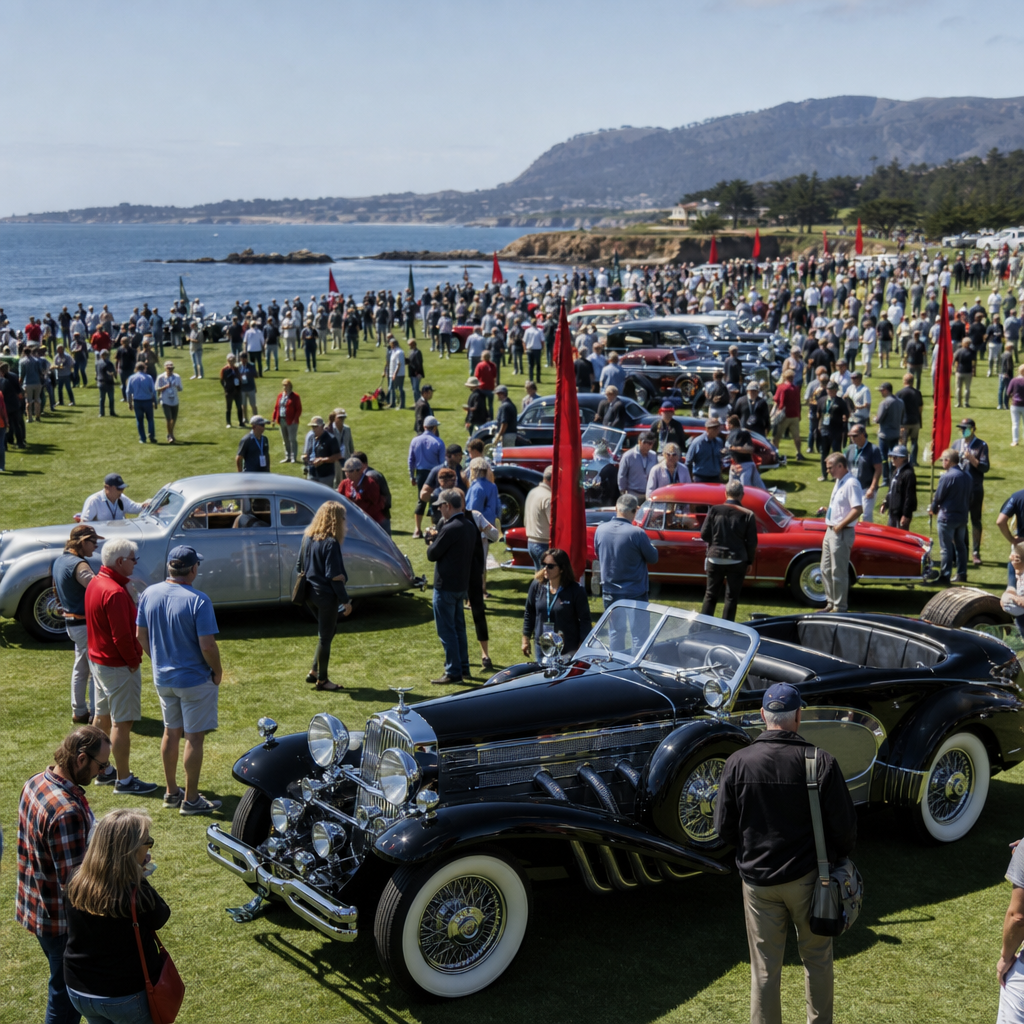
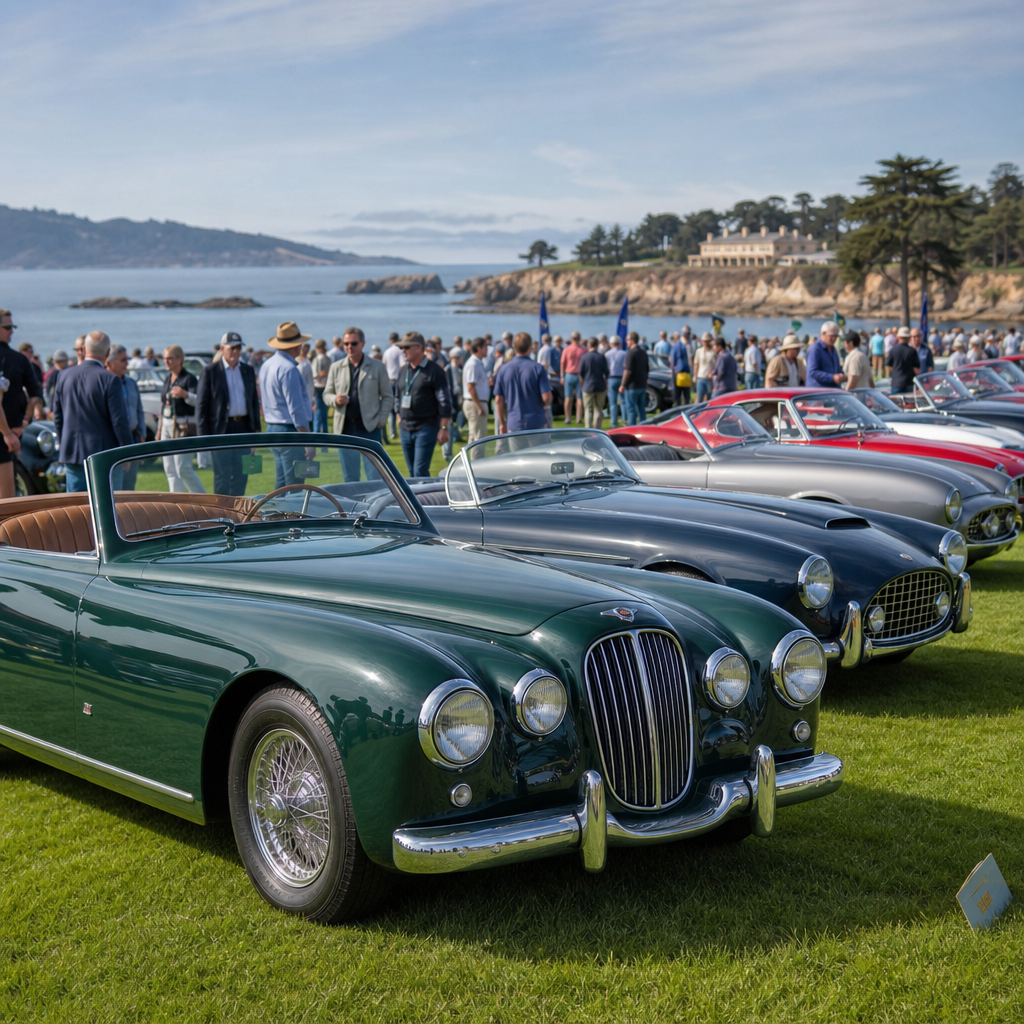
In the United States, three regions consistently stand out: California’s Monterey and Central Coast corridor, Michigan’s Detroit and Woodward Avenue area, and North Carolina’s Blue Ridge Parkway gateway towns. Monterey is the benchmark because it combines world-class scenery with one of the strongest event ecosystems anywhere. Monterey Car Week, anchored by The Quail, Motorsports Gathering, the Pebble Beach Concours d’Elegance, RM Sotheby’s auctions, and Rolex Monterey Motorsports Reunion at WeatherTech Raceway Laguna Seca, creates a concentration of classic car activity unmatched in North America. Even outside event week, Highway 1, Carmel Valley Road, and the 17-Mile Drive offer ideal touring terrain for vintage cars, especially well-sorted British roadsters and Italian coupes.
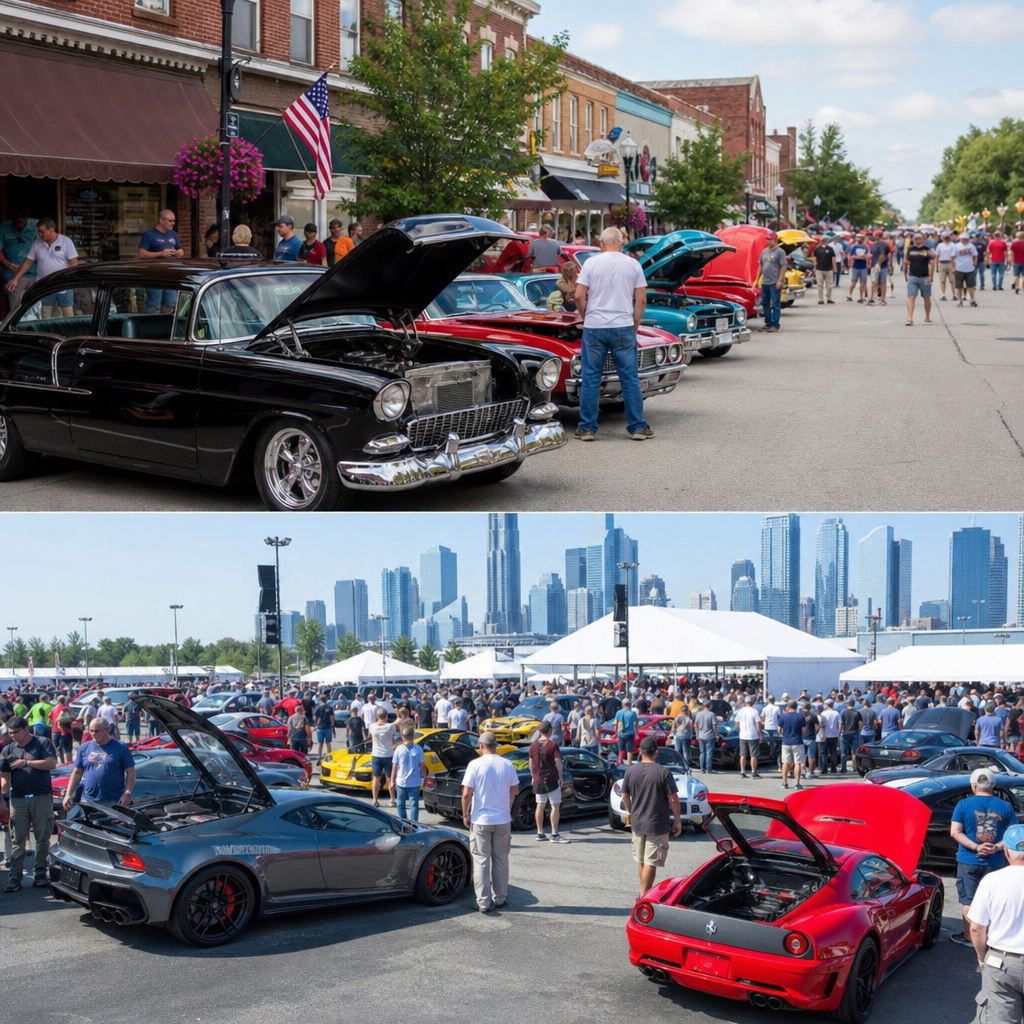
Detroit offers a different but equally important experience. For American classics, no destination carries more historical weight. The Henry Ford museum and Greenfield Village provide direct access to industrial and social history, while Woodward Dream Cruise turns the road itself into a moving exhibition of muscle cars, tri-five Chevrolets, full-size Cadillacs, and postwar customs. The roads are not scenic in the coastal sense, but the destination works because it connects travelers to manufacturing heritage, parts networks, restoration shops, and communities that understand old cars intuitively.
The Blue Ridge Parkway region is one of the best driving destinations for owners who value the road above the event calendar. Towns such as Asheville, Blowing Rock, and Boone provide lodging, food, and access to mountain routes with steady curves, manageable speeds, and frequent overlooks. The altitude can reduce summer heat stress, and the route suits nimble classics such as a Porsche 356, MGB GT, or Volvo 1800ES. Travelers should still inspect cooling systems and carry belts, hoses, and ignition parts, but the environment is generally forgiving compared with urban touring.
Top European destinations for classic car touring
Europe rewards classic car travelers with dense history, shorter distances between major attractions, and roads originally built for engagement rather than interstate efficiency. Tuscany is one of the most complete destinations because it offers hill towns, vineyard routes, artisan culture, and roads that flatter lightweight classics. A Fulvia coupe, Jaguar E-Type, or Mercedes SL feels at home between Florence, Siena, and the Chianti roads. The scenery is cinematic, but the practical side matters too: accommodations often include courtyard parking, and local knowledge of vintage Fiats, Alfa Romeos, and Lancias remains deep.
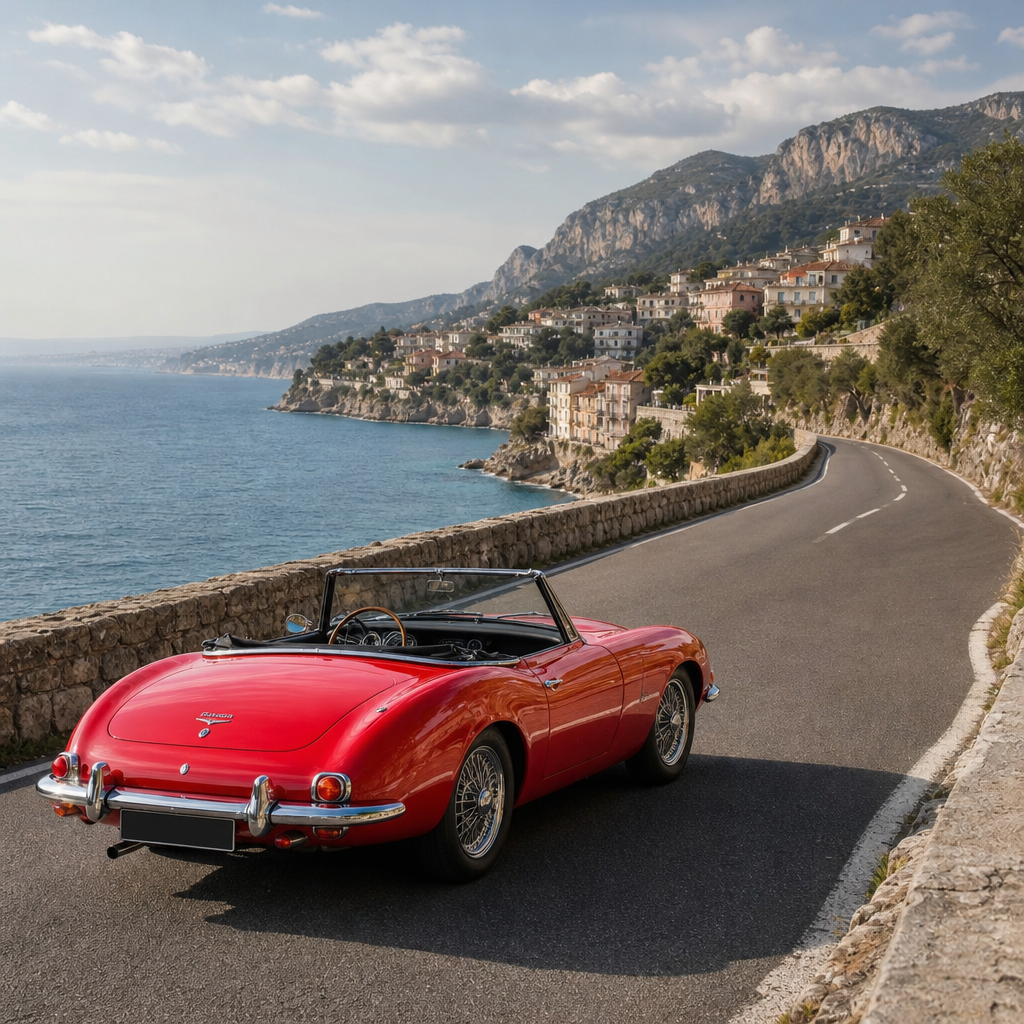
The French Riviera and Provence create a different rhythm. Here the appeal lies in glamorous coastal roads, mountain detours, and a long tradition of grand touring. Nice, Cannes, Saint-Tropez, and inland villages such as Gourdon allow travelers to pair sea views with drives better suited to older GT cars than to oversized modern SUVs. If your classic has weak cooling, avoid peak August congestion, but in spring and early autumn the climate is excellent. Nearby Monaco adds motorsport context, while collections such as the Musée National de l’Automobile in Mulhouse justify a longer French itinerary.
Italy’s Motor Valley, centered around Modena, is essential for travelers who care about engineering lineage. Ferrari, Maserati, Lamborghini, Pagani, and Ducati have all shaped the region’s identity, and the surrounding roads support memorable day drives. Unlike purely scenic destinations, Motor Valley excels because the museums, factory collections, specialist workshops, and local food culture all reinforce the same story: mobility as craftsmanship. For owners, that creates a rare sense of belonging. Even if you arrive in a Triumph TR6 instead of an Italian exotic, the region understands why people maintain old machines.
Best destinations by travel style and vehicle type
Not every classic car traveler wants the same experience, and the right destination depends heavily on the vehicle. Convertibles with modest weather protection benefit from dry climates and short day loops, so Southern California, Provence, and parts of Arizona work well. Large American cruisers, especially cars with soft suspensions and abundant torque, feel most natural in destinations built around broad boulevards, waterfront promenades, and social events, which is why Detroit, Palm Springs, and coastal Florida remain popular. Small-displacement European sports cars thrive in mountainous regions with lower average speeds and frequent curves. That makes the Blue Ridge Parkway, Tuscany, and the Dolomites particularly attractive.
Travel style also matters. Some owners want event-centered trips, others want museum-based itineraries, and many prefer scenic touring with occasional car culture stops. The following destinations align well with those priorities.
| Travel style | Best destination | Why it works for classic cars |
|---|---|---|
| Concours and auctions | Monterey, California | Elite events, expert services, unmatched collector atmosphere |
| Automotive history | Detroit, Michigan | Museums, factory heritage, strong domestic classic community |
| Scenic mountain touring | Blue Ridge Parkway | Flowing roads, cooler temperatures, destination towns |
| Romantic countryside driving | Tuscany, Italy | Short distances, beautiful villages, roads ideal for lightweight classics |
| Grand touring glamour | Provence and Riviera, France | Coastal and alpine options, refined lodging, motorsport heritage |
| Engineering pilgrimage | Modena region, Italy | Museum density, specialist knowledge, deep performance culture |
When I help owners narrow options, I ask a simple question: do you want to display the car, drive the car, or learn through the car? Display-focused travelers should prioritize event hubs. Driving-focused travelers should choose roads with forgiving infrastructure. Learning-focused travelers should build routes around museums, marque specialists, and historically significant factories or circuits.
Planning a reliable classic car trip
The best destination can still become a poor trip if preparation is weak. Before any classic car journey, inspect cooling, charging, ignition, tires, brakes, and fuel delivery. Replace age-sensitive parts proactively, especially rubber hoses, belts, and fuel lines. If the car runs points ignition, carry points, condenser, rotor, cap, plugs, and a timing light if space allows. If it uses SU, Weber, or Stromberg carburetors, verify idle stability, hot starting behavior, and fuel consumption under load. For American V8 cars, pay close attention to radiator condition, fan clutch function, and transmission cooling, especially in parade traffic or hot climates.
Route planning should account for range, octane requirements, shoulder width, and recovery access. Older fuel gauges are often inaccurate, and many classics become uncomfortable below a quarter tank because sediment can be stirred up. I prefer routes with fuel every 100 to 150 miles even when the car can technically go farther. Navigation should combine digital maps with printed backups, since older cars may not have reliable charging points for phones. Membership in roadside assistance programs that accommodate collector vehicles is essential; Hagerty Drivers Club and AAA Plus RV-level towing are common choices in the United States, depending on the vehicle and trailer needs.
Luggage discipline matters more in old cars than most new travelers expect. Spare parts, fluids, warning triangles, gloves, microfiber towels, and a compact tool roll consume space quickly. Pack soft bags, not hard suitcases, and leave room for heat expansion around luggage in tightly packed trunks. If the destination includes valet-heavy hotels, call ahead about secure self-parking. Many owners underestimate how much stress a careless parking environment adds to the trip.
Events, museums, and roads worth building a trip around
The strongest hub destinations give travelers more than one reason to visit. Monterey is not just a concours town; it also offers Laguna Seca track history, ocean drives, and nearby restoration shops. Detroit is not only Woodward Dream Cruise; it includes the Ford Piquette Avenue Plant, the GM Heritage perspective through related collections and events, and a local ecosystem that speaks fluent classic car. In Italy, a route connecting Modena, Maranello, and Bologna can include the Enzo Ferrari Museum, Museo Ferrari, Lamborghini Museum, and Ducatis that broaden the story of design and speed.
Road-first travelers should look beyond famous names. The Natchez Trace Parkway suits prewar and mid-century cars because of its gentler pace and historical context. Vermont’s Route 100 offers foliage-season touring for owners who enjoy inns, villages, and low-stress distances. Germany’s Romantic Road is less demanding than unrestricted autobahn travel and better suited to older cars with short gearing or limited cooling margins. These examples show why classic car travel is not only about headline events. The right secondary route can deliver a more enjoyable ownership experience than any crowded show field.
As this classic car travel hub grows, related guides should branch into route planning, museum itineraries, packing lists, event calendars, and destination-specific maintenance tips. That structure helps readers move from broad inspiration to practical booking decisions without leaving the topic.
How to choose the best destination for your next classic car trip
The best destination for classic car travelers is the one that matches the car’s strengths, the driver’s expectations, and the support available on the road. If you own a high-value concours car, Monterey or a major European event base offers prestige and specialist support. If you want meaningful road time in a usable classic, the Blue Ridge Parkway, Tuscany, or Provence will usually deliver more satisfaction per mile. If your interest is heritage, Detroit and Modena connect the machine in your garage to the people, factories, and ideas that created it. That connection is the real value of classic car travel. It turns ownership from storage and maintenance into lived experience.
Choose destinations with scenery, history, and infrastructure in equal measure, prepare the car before you prepare the suitcase, and build itineraries around realistic daily distances. Done well, classic car travel preserves the romance of old motoring without ignoring its limits. Use this hub as your starting point, then map a destination that lets your car do what it was built to do: move, be seen, and create memories on the road.
Frequently Asked Questions
What makes a destination especially good for classic car travelers?
The best destinations for classic car travelers do more than provide pretty roads. They support the full experience of traveling in an older vehicle, which means they combine scenic driving, manageable road conditions, automotive culture, and practical convenience. A strong classic car destination usually offers routes that reward slower, more deliberate driving rather than aggressive highway speeds. Coastal roads, mountain byways, wine-country loops, historic parkways, and small-town touring regions tend to work particularly well because they allow drivers to enjoy the car’s character instead of forcing it to compete with modern traffic patterns.
Just as important is the surrounding infrastructure. Classic car travelers benefit from destinations with quality lodging that offers secure parking, easy fuel access, local repair resources, and towns where walking is pleasant once the car is parked. Older cars often run hotter, brake differently, ride more firmly, and require more attention than modern vehicles, so a destination should make the journey enjoyable without becoming mechanically punishing. Regions with moderate weather, fewer extended traffic jams, and a strong tourism economy are often ideal because they reduce stress on both driver and machine.
Cultural fit also matters. Some places simply understand and celebrate vintage motoring better than others. Destinations known for concours events, motoring museums, racing history, roadside diners, preserved downtowns, and period-correct architecture create a richer experience because the car feels like part of the setting rather than out of place in it. In short, a great classic car destination balances romance with realism: memorable roads, beautiful scenery, automotive heritage, and enough support to let travelers enjoy the journey with confidence.
Which types of destinations are usually best for different kinds of classic cars?
The right destination often depends on the era, body style, and mechanical temperament of the car. A carbureted convertible, for example, is often happiest in mild climates with short-to-medium scenic routes, easy starts and stops, and plenty of opportunities to park, sightsee, and enjoy open-air driving. Coastal regions, vineyard districts, and resort towns are natural fits because they reward relaxed pacing and make the car part of the leisure experience. These trips are usually more enjoyable when daily mileage stays moderate and the road surface is good.
Postwar grand tourers and larger touring coupes tend to shine on elegant intercity routes, historic highways, and long scenic corridors where they can settle into a comfortable rhythm. These cars often feel most authentic on routes that connect notable hotels, heritage towns, and cultural landmarks. Their appeal lies in covering distance with style, so destinations with sweeping roads, strong hospitality, and a sense of classic travel culture are especially rewarding.
Smaller British roadsters, lightweight European sports cars, and vintage performance models often do best in destinations with technical but well-maintained roads, cooler temperatures, and plenty of enthusiast support. Hill country, mountain foothills, and club-oriented touring regions can be excellent choices, provided the route avoids extreme grades, chronic congestion, and poor pavement. Meanwhile, large American classics with softer suspensions and broad dimensions usually enjoy open desert highways, historic main streets, and countryside touring more than tight urban centers or narrow alpine passes.
The broader rule is simple: match the destination to the car’s strengths, not to an idealized fantasy. Cooling capacity, fuel requirements, cabin comfort, gearing, luggage space, weather protection, and braking performance all influence where a classic car will be happiest. The most successful classic car trips are rarely about choosing the most famous road; they are about choosing the road and destination that suit the vehicle naturally.
How should travelers plan a route for a classic car vacation?
Planning a route for a classic car vacation requires a more thoughtful approach than planning a trip in a modern vehicle. Start with the car’s realistic range, cruising speed, fuel needs, and tolerance for heat, traffic, elevation, and long idle periods. Many older cars are perfectly capable tourers, but they perform best when the route respects their age and design. Instead of building the trip around maximum daily distance, build it around comfortable driving windows, scenic stretches, and logical service points. In practice, that often means shorter days, more frequent stops, and backup options in case weather or minor mechanical issues force a change.
Break the journey into segments that feel enjoyable rather than ambitious. A classic car trip should leave room for warm-up time in the morning, fuel checks, fluid checks, and spontaneous pauses at overlooks, museums, and small towns. Avoid assuming that navigation apps understand what makes a route pleasant in an older car. The fastest road may be the least suitable if it involves dense truck traffic, long high-speed runs, or urban bottlenecks. Secondary highways and historic routes are often more rewarding and less stressful, even if they add time.
It is also wise to research support along the way. Identify fuel stations with appropriate octane, repair shops familiar with older vehicles, and lodging with safe parking. Keep a close eye on terrain and climate, especially if the route includes long climbs, desert heat, or unpredictable rain. If the trip crosses remote areas, conservative planning becomes even more important. A well-designed classic car route does not just connect attractions; it accounts for the vehicle’s pace, creates margin for surprises, and preserves the pleasure that makes vintage touring special in the first place.
What should classic car travelers look for in accommodations and overnight stops?
For classic car travelers, the right overnight stop can make a major difference in both peace of mind and overall trip quality. Secure, convenient parking should be near the top of the list. Ideally, accommodations offer private parking, monitored lots, garages, or at least well-lit spaces close to the room. Older vehicles can attract attention, and many owners carry tools, spares, and luggage that they would rather not leave exposed. Easy access is also important because some classic cars have wide turning circles, low ground clearance, heavy steering at parking speeds, or visibility limitations that make cramped underground structures less appealing.
Location matters just as much as parking. Good overnight stops place travelers within walking distance of restaurants, historic districts, waterfronts, or town centers so the car can be parked and left alone for the evening. This is especially useful after a long day of driving, when the ideal experience is to settle in, enjoy the destination, and avoid unnecessary short trips through traffic. In regions known for motoring tourism, inns, lodges, and heritage hotels often understand these preferences and may even cater to enthusiast groups or event participants.
Practical details should not be overlooked. Travelers should look for accommodations near fuel, basic supplies, and possibly a local mechanic or tire shop. Ground-floor access can be helpful when unloading tools, car covers, spare fluids, and luggage. Weather protection is another plus, whether in the form of covered parking or simply a location that allows the car to be monitored easily if conditions change overnight. The best overnight stops support both halves of the journey: they protect the vehicle while giving the travelers a sense of place, comfort, and rest before the next day’s drive.
Are classic car road trips better built around events or around scenic touring destinations?
Both approaches can work extremely well, but they create different kinds of experiences. Event-based classic car trips are ideal for travelers who want structure, community, and a concentrated dose of automotive culture. A concours, rally, historic race weekend, marque gathering, or regional car festival gives the journey a focal point and often places travelers among people who share the same passion. These trips are especially rewarding when the destination has strong motoring heritage, because the event becomes part of a broader cultural itinerary that can include museums, collection visits, famous roads, and automotive landmarks.
Scenic touring destinations, on the other hand, are often better for travelers who want the car itself to remain the central experience. Instead of driving to attend something specific, the journey is shaped around landscape, roads, towns, and atmosphere. This style tends to suit couples, small groups, and owners who enjoy the rhythm of unhurried travel: breakfast in a historic inn, a scenic drive through countryside or coast, lunch in a preserved town center, and an afternoon arrival at a destination worth savoring. For many enthusiasts, this is where classic car travel feels most authentic, because the car becomes the lens through which the place is experienced.
The best answer for many travelers is to combine both. A smart itinerary might use a car event as an anchor while surrounding it with scenic touring days before and after. That creates built-in momentum, gives the trip a clear purpose, and still preserves the romance of the road. Whether event-based or destination-led, the most successful classic car trips are the ones that respect the vehicle’s character, reward the driver’s curiosity, and turn transportation into a memorable part of the story.