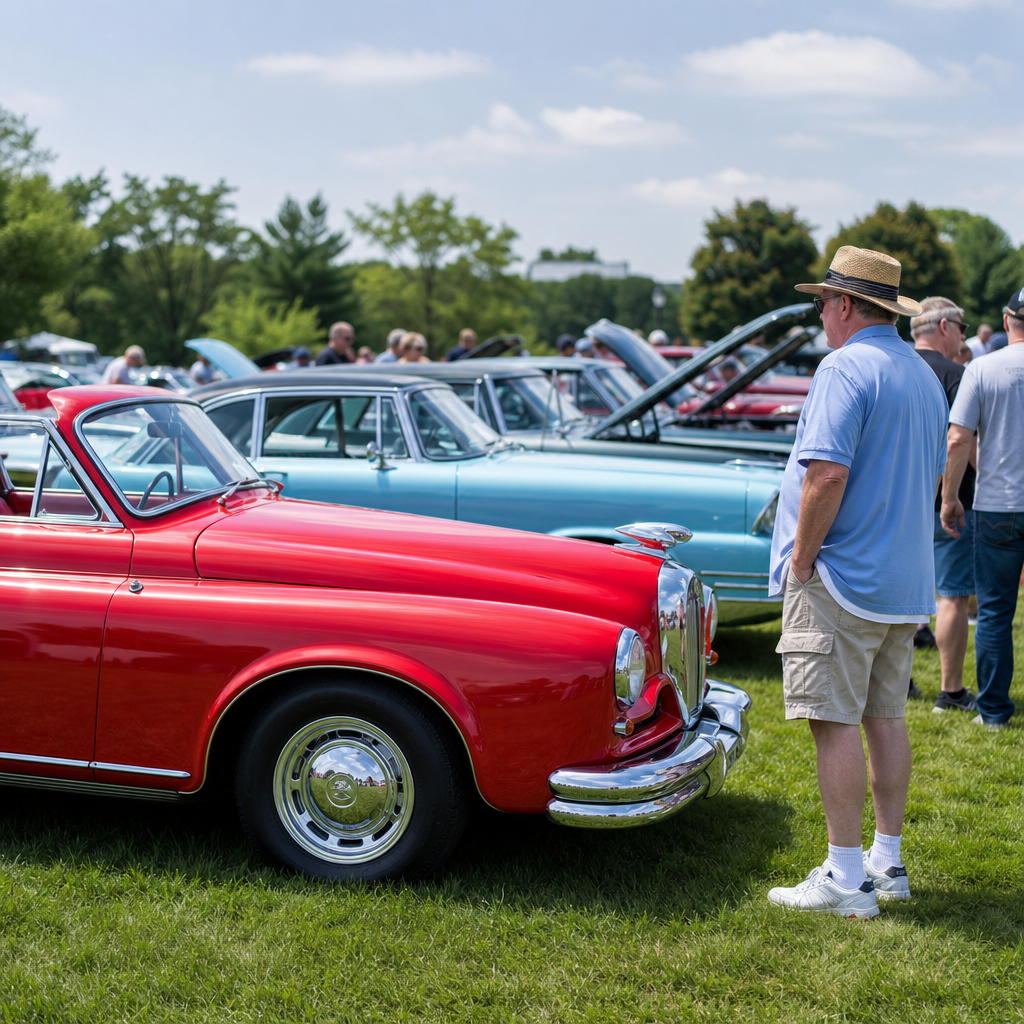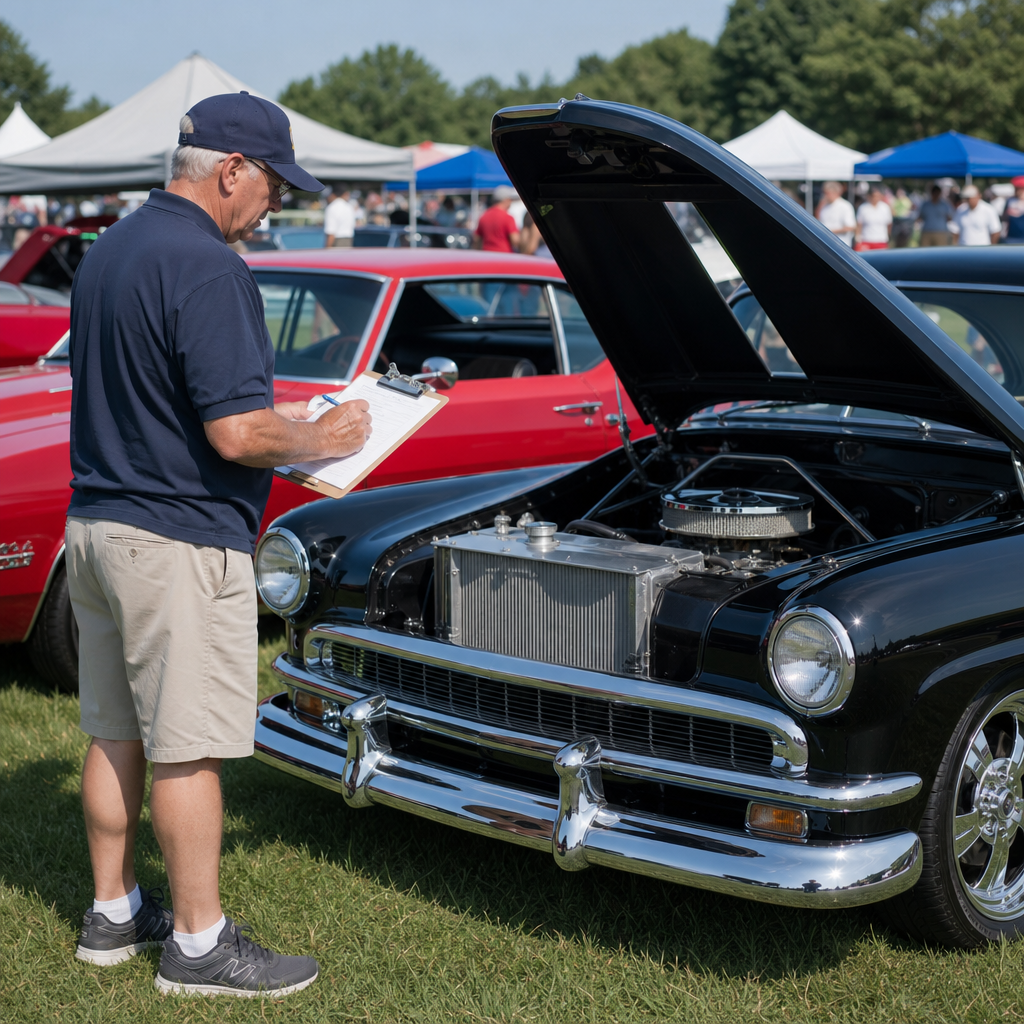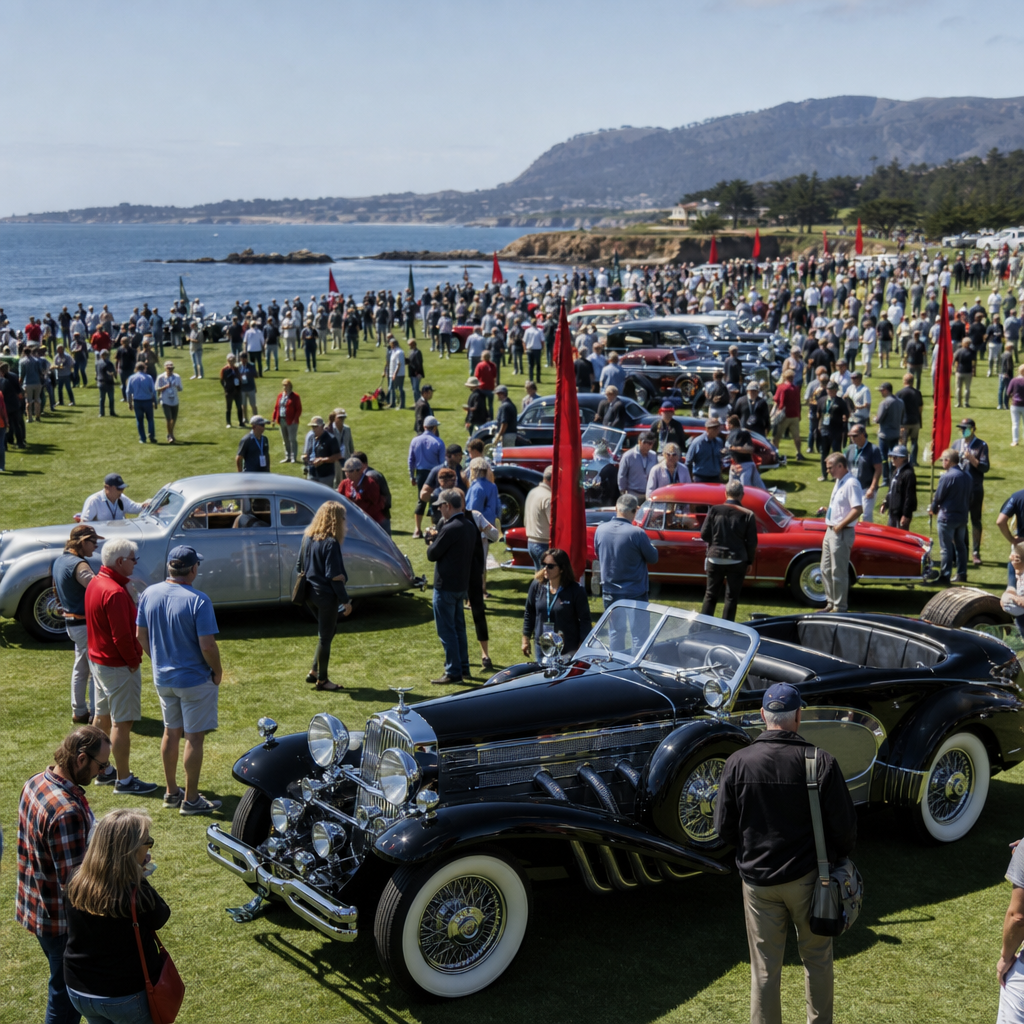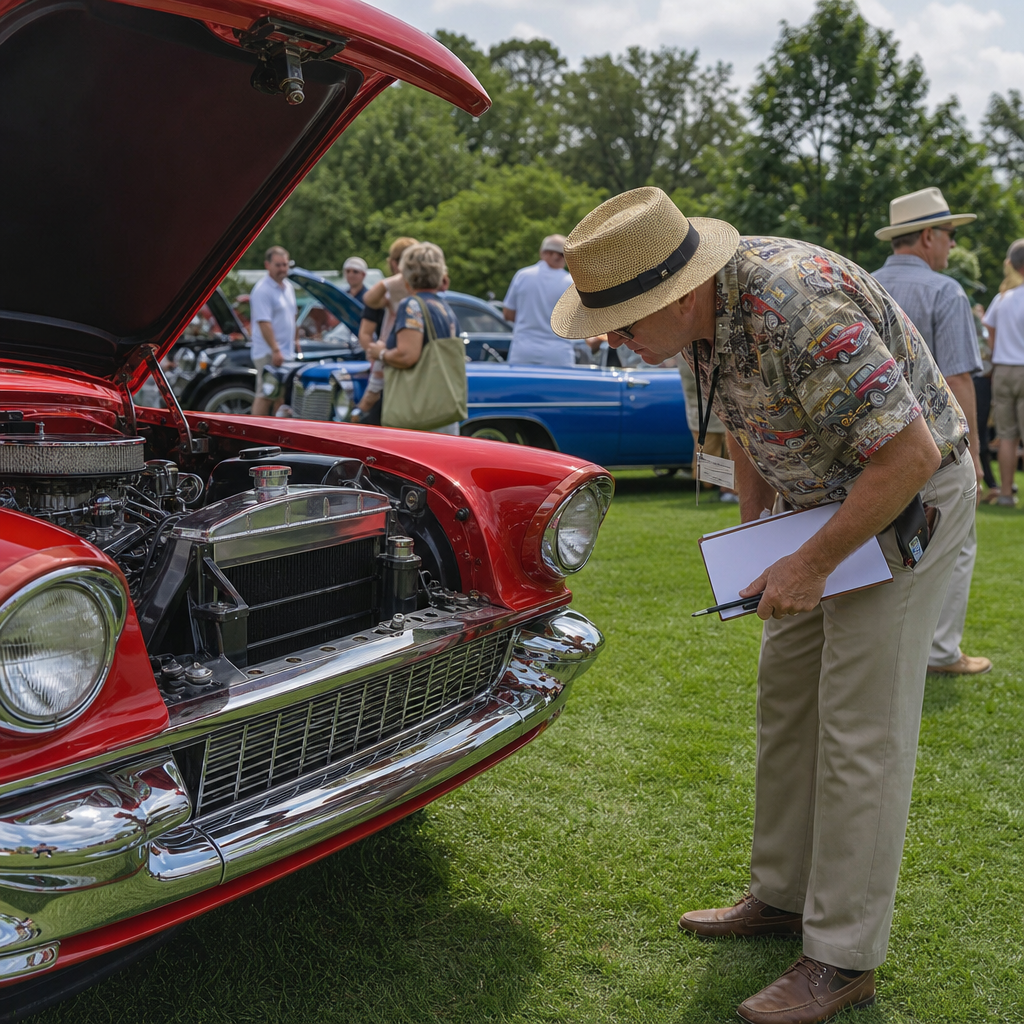
Classic car travel turns a drive into an event, and the best scenic drives for classic cars in the U.S. combine smooth pavement, manageable grades, strong roadside services, and the kind of views that reward every mile. In this context, classic car travel means planning road experiences around older vehicles that may lack modern cooling systems, overdrive transmissions, advanced brakes, or electronic diagnostics. A 1965 Mustang fastback, a C2 Corvette, a W113 Mercedes-Benz SL, or a Tri-Five Chevrolet can absolutely handle a memorable touring route, but the car’s age changes what makes a road truly enjoyable. Route quality, fuel availability, traffic patterns, weather swings, and access to lodging matter just as much as scenery.
I have planned and driven vintage-car road trips long enough to know that a beautiful road can still be a poor choice for a carbureted engine in summer traffic or a drum-brake car on an extended descent. That is why this guide approaches scenic drives through a classic car lens rather than a generic travel lens. The goal is not simply to list famous roads. It is to identify routes where the driving rhythm, support infrastructure, and surrounding car culture make sense for older machinery and for owners who want confidence as well as beauty.
This article serves as a hub for classic car travel within a broader classic car culture and lifestyle topic. It covers route selection, regional highlights, trip planning, vehicle preparation, and the practical tradeoffs between iconic roads and comfortable touring. If you are asking which U.S. scenic drives are best for classic cars, when to go, how far to drive each day, or what to pack, the answers begin here. The strongest routes share four traits: consistent road quality, scenic variety, reasonable service access, and enough flexibility to let you enjoy the car instead of merely managing it.
What makes a scenic drive ideal for a classic car
The best scenic drives for classic cars are not always the most dramatic roads on a map. An ideal route balances visual appeal with mechanical sympathy. Older vehicles often run hotter at idle, use taller steering effort at low speeds, and stop less confidently than modern cars. That means stop-and-go beach traffic, extreme altitude changes, and endless switchbacks can become tiring. By contrast, a two-lane road with steady speeds, wide pull-offs, and towns every 30 to 60 miles is usually perfect.
Road surface quality is the first filter. Bias-ply tires tramline more than modern radials, and even well-sorted suspension setups react sharply to broken pavement. Shoulder width matters too. If you need to inspect a fan belt, let the engine cool, or check a fuel filter, a safe pull-off is more than a convenience. Fuel access is another factor. Many classics prefer ethanol-free fuel where available, though plenty run acceptably on standard premium with proper tuning. In remote regions, planning fuel stops matters because tank ranges can be short and gauges are not always precise.
Weather is equally important. A big-block muscle car, an air-cooled Porsche 356, and a British roadster all respond differently to heat, humidity, and elevation. Spring and fall usually offer the best conditions because ambient temperatures reduce stress on cooling systems and cabin comfort improves if the car lacks strong air conditioning. Finally, the ideal route includes places where enthusiasts can stop for photos, meals, and minor supplies without navigating dense urban congestion. For many drivers, that sweet spot is what separates a scenic road from a true classic car road trip.
Top scenic drives for classic cars in the U.S.
Several American routes consistently stand out for classic car travel because they pair scenery with drivability. The Blue Ridge Parkway is among the safest recommendations. Stretching through Virginia and North Carolina, it offers sweeping mountain views, moderate speeds, frequent overlooks, and a relaxed pace that suits vintage touring. Commercial traffic is limited, grades are manageable for most well-maintained classics, and nearby towns provide lodging and support. Early fall is the headline season, but late spring often gives lighter traffic and cooler mechanical conditions.
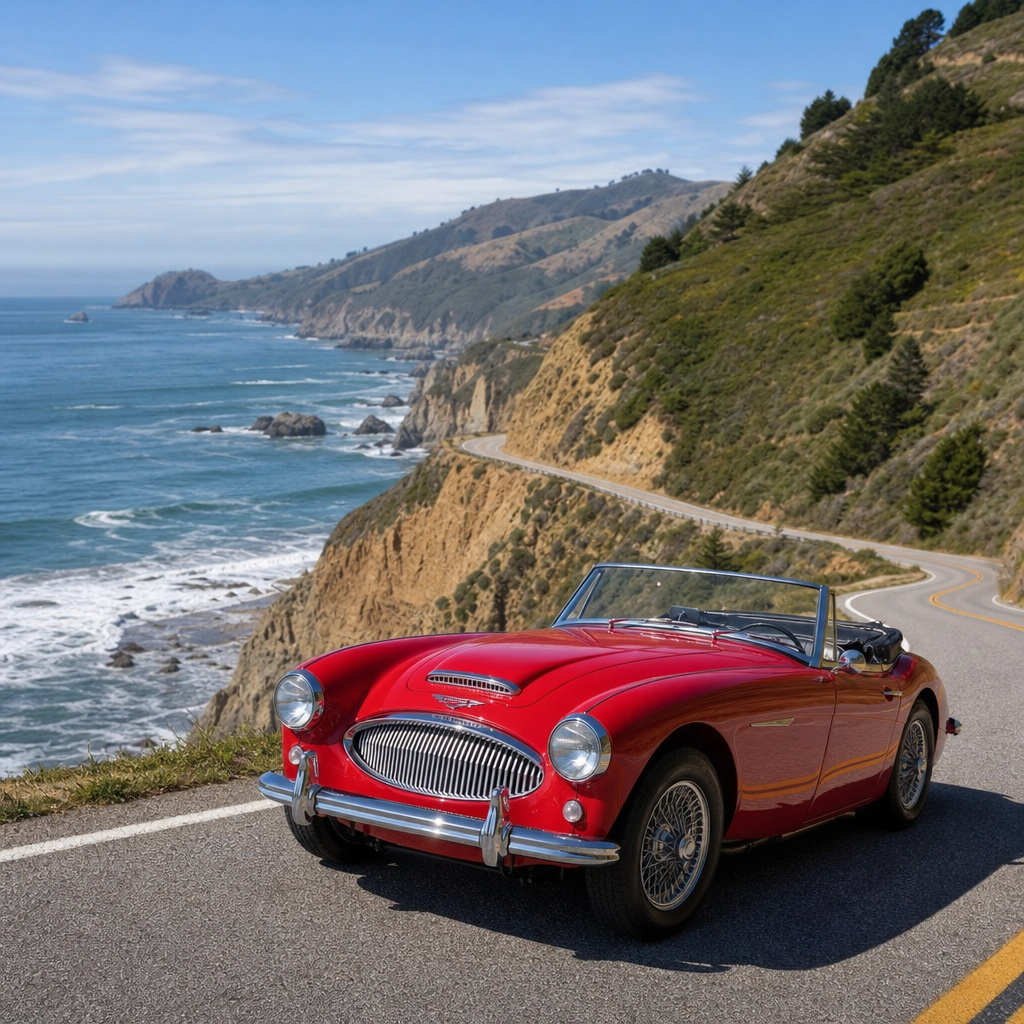
California Highway 1 is legendary, especially the Monterey to Morro Bay section, but it requires selectivity. For a classic car, this route is best enjoyed in shoulder seasons and on weekdays, when marine temperatures are cooler and congestion is lighter. The views along Big Sur are unmatched, yet landslides, closures, and tourist traffic can complicate planning. The payoff is exceptional if you treat it as a scenic cruise rather than a distance day. Nearby support towns such as Carmel and San Luis Obispo make logistics easier than on more remote western roads.
Route 66 remains a cultural favorite rather than a single continuous scenic road. The strongest classic car segments include northern Arizona, western New Mexico, and parts of Missouri where roadside Americana, manageable grades, and historic motels create an immersive vintage experience. For owners who want the car to feel contextually at home, no route does it better. In the Northeast, Vermont Route 100 is one of the most underrated classic touring roads in the country. It runs through mountain valleys with attractive villages, gentle curves, and excellent summer and fall conditions.
| Route | Best For | Ideal Season | Classic Car Advantage |
|---|---|---|---|
| Blue Ridge Parkway | Mountain scenery and relaxed cruising | Late spring, early fall | Moderate speeds, frequent overlooks, limited heavy traffic |
| Pacific Coast Highway | Ocean views and iconic photography | Spring, early autumn | Cool coastal air and strong tourism infrastructure |
| Historic Route 66 segments | Roadside culture and vintage atmosphere | Spring, fall | Classic motels, easy stops, heritage appeal |
| Vermont Route 100 | Village touring and foliage | Summer, fall | Gentle grades, consistent services, scenic pacing |
| Going-to-the-Sun Road outskirts | High-altitude scenery | Short summer window | Best as a partial approach route with support nearby |
Other excellent choices include the Natchez Trace Parkway, which is especially friendly to prewar and postwar cars because of its gentle rhythm, light commercial use, and well-maintained surface. In Texas, the Hill Country roads around Fredericksburg offer rolling scenery, strong hospitality, and access to enthusiast events. In the upper Midwest, the Lake Superior Circle Tour provides cool temperatures that many older engines love, though planning for distance and weather is essential. The best route for your car depends on cooling efficiency, gearing, braking confidence, and how much roadside support you want within easy reach.
Regional route picks and how to choose between them
If you want a simple way to choose a route, start with your car’s strengths. Convertibles with modest trunk space and relaxed gearing often shine on shorter, stop-rich routes such as coastal California, Vermont, or the Texas Hill Country. Grand touring classics such as a Jaguar XJS, Mercedes R107 SL, or C3 Corvette are happier on longer daily distances where cabins, seats, and highway manners matter. Muscle cars can handle mountain parkways well, but heavy clutches, heat soak, and fuel consumption make shorter days smarter in midsummer.
In the Southeast, the Blue Ridge Parkway and adjacent roads around Asheville, Boone, and Roanoke remain the most reliable recommendation for first-time classic car travelers. In the Southwest, northern Arizona’s Route 66 corridors and scenic roads near Sedona work well because services are accessible and the landscapes are dramatic without requiring technical mountain driving all day. In the Pacific Northwest, Oregon’s Columbia River Highway and selected coastal stretches deliver lush scenery and generally favorable summer temperatures, though rain planning matters outside peak season.
The Mountain West requires more caution. Roads in Colorado, Montana, and Wyoming can be spectacular, but altitude reduces engine power, strains marginal cooling systems, and exposes weaknesses in ignition, fuel delivery, and braking. I usually recommend these regions for cars that are fully sorted and for owners comfortable with contingency planning. By contrast, the Midwest offers easier touring than many people expect. Door County in Wisconsin, the Mississippi River roads near Minnesota and Iowa, and parts of Michigan’s Tunnel of Trees provide scenery, lodging, and lower mechanical stress than more extreme routes.
How to prepare a classic car for a scenic road trip
Preparation determines whether classic car travel feels carefree or fragile. Before any scenic drive, inspect cooling, charging, ignition, tires, brakes, belts, hoses, and fluids. Cooling systems deserve special attention because sustained grades and warm weather reveal weaknesses quickly. A pressure test, fresh cap, proper fan clutch or fixed fan function, and correct ignition timing solve many overheating complaints before departure. Rubber fuel hose condition matters just as much, especially in cars exposed to modern ethanol-blended gasoline. Replace suspect lines and check clamps, filters, and venting.
Tires are often the most overlooked safety item. Even if tread looks healthy, age matters. Many collector-car specialists recommend replacing tires that are six to ten years old depending on storage conditions and inspection results. Confirm pressures when cold, including the spare. On the brake side, make sure the pedal is firm, wheel cylinders or calipers are dry, and flexible brake hoses are not swollen internally. If your route includes major descents, remember that older drum systems fade sooner and transmission downshifting may be part of the plan.
Pack tools and spares that match your car rather than carrying a generic emergency kit. A fan belt, ignition parts where applicable, fuses, basic hand tools, a tire inflator, flashlight, gloves, fluids, and a battery jump pack cover most minor roadside issues. Membership with Hagerty Drivers Club or AAA can be valuable, but towing rules for low-clearance or valuable vehicles should be understood in advance. Navigation should be redundant. Use a phone, but also carry printed directions because mountain corridors and remote deserts still produce dead zones. Preparation is not pessimism; it is what gives a vintage trip its confidence.
Trip planning, daily mileage, and seasonal timing
Most classic car trips improve when daily mileage decreases. For many older cars, 150 to 250 miles per day is the sweet spot. That range leaves time for photo stops, cooling breaks, fuel management, and the inevitable conversations at gas stations. It also reduces fatigue from noise, steering effort, heat, and limited seat support. A modern crossover can absorb 500 miles in a day with little drama. A 1967 Camaro on warm pavement, with a four-speed and no overdrive, asks more from the driver and deserves a different rhythm.
Start days early. Morning air is cooler for engines and more comfortable for cabins without modern climate control. Traffic is lighter, visibility is often better for photography, and popular scenic areas are less crowded. Build in buffer time so you never need to push the car to make a reservation. If a route includes a marquee segment such as Big Sur, Skyline Drive, or a mountain pass approach, schedule that section on a weekday if possible. One strategic timing choice can change the entire feel of a trip.
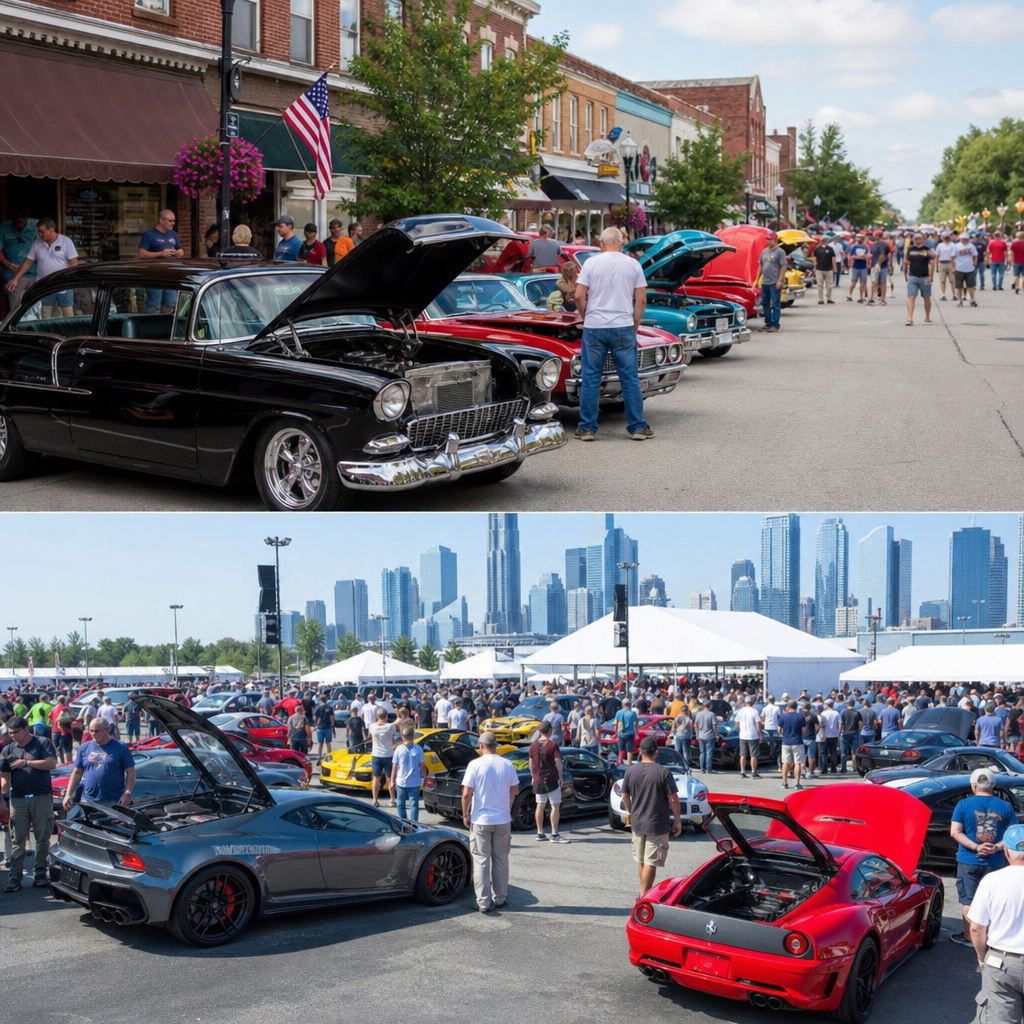
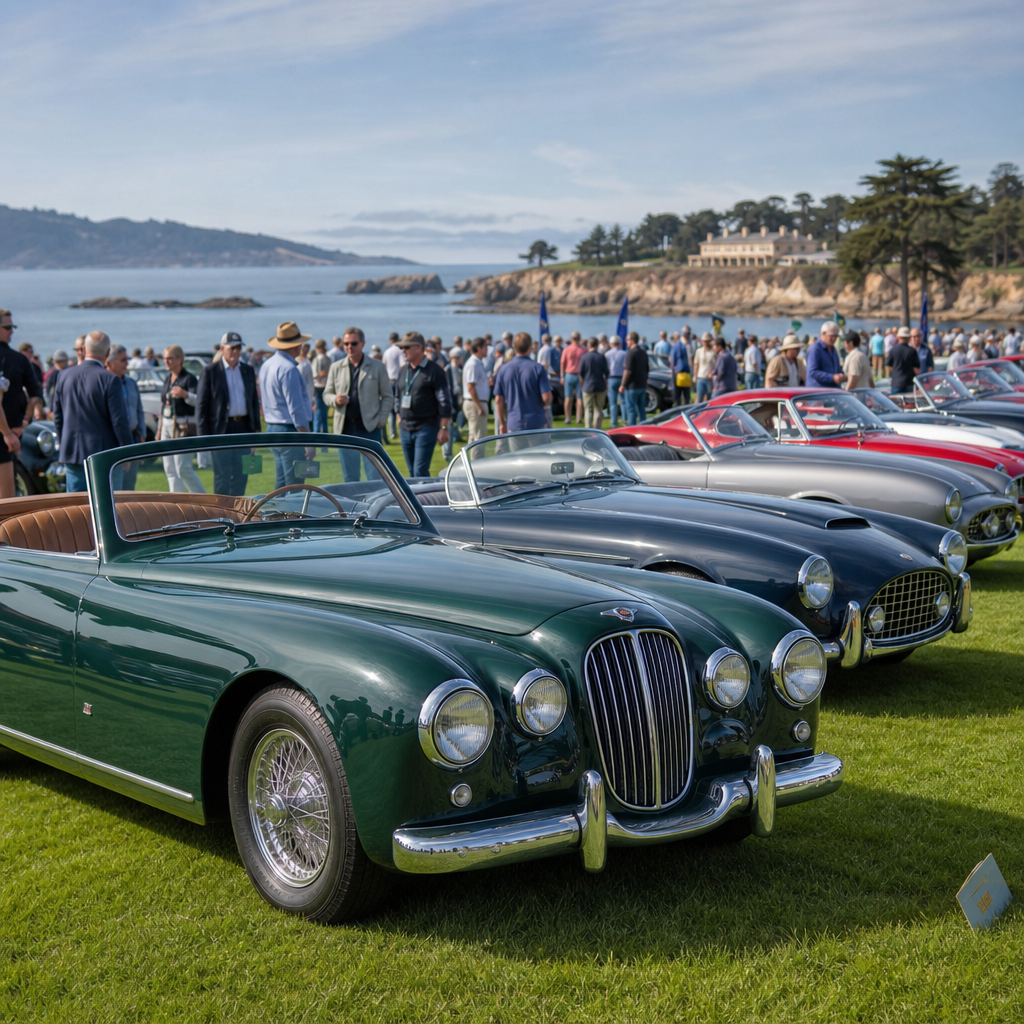
Seasonally, spring and fall are usually best for classic car travel, but local patterns matter. Hurricane season affects the Southeast and Gulf regions. Wildfire smoke can alter western routes in late summer. High-elevation roads may open late and close early depending on snow. Event calendars matter too. Aligning a route with a concours, cruise night, marque meet, or regional cars-and-coffee can transform a scenic drive into a richer cultural trip. That is one reason a classic car travel hub matters: the road itself is only part of the experience. The communities, garages, diners, museums, and fellow owners along the way are part of the destination.
Building a classic car travel lifestyle around these drives
The most rewarding scenic drives for classic cars are not one-off bucket-list runs. They become part of a repeatable travel style. Owners who enjoy this hobby most tend to develop route templates, trusted lodging stops, maintenance checklists, and regional preferences based on their car’s personality. A small-block Chevrolet coupe may become your Blue Ridge specialist. A British roadster may be ideal for Vermont in September. A well-sorted 1980s grand tourer may be your Lake Superior machine. Matching the route to the car creates less stress and more enjoyment.
This hub should guide your next steps. From here, build out detailed route plans, seasonal checklists, packing lists, and destination-specific research for the drive that suits your car and your confidence level. The main takeaway is simple: the best classic car scenic drives in the U.S. are the roads that combine beauty with mechanical realism. Choose routes with steady pacing, nearby services, and weather that works in your favor. Prepare the car carefully, keep daily mileage reasonable, and leave room for unplanned stops.
Classic car travel rewards intention. When the route fits the machine, even a short drive feels significant. Start with one proven road such as the Blue Ridge Parkway, Vermont Route 100, or a strong Route 66 segment, then expand from there. Use this hub as your foundation for deeper planning, and turn your next scenic drive into a trip your car was built to remember.
Frequently Asked Questions
What makes a scenic drive especially well-suited to a classic car?
The best scenic drives for classic cars are not always the most extreme or remote roads. In practice, they are routes that balance visual appeal with mechanical kindness. A strong classic-car route usually has smooth pavement, predictable curves, manageable grades, steady pull-off areas, and enough nearby towns or service stops to reduce risk if something runs hot or needs attention. That matters because older vehicles often operate with narrower cooling margins, less effective brakes, slower steering ratios, and drivetrains that are happiest at moderate speeds rather than long high-rpm freeway stretches.
For cars like a 1965 Mustang fastback, a C2 Corvette, a W113 Mercedes-Benz SL, or a Tri-Five Chevy, a good road is one that lets the driver enjoy the character of the car without constantly fighting traffic, overheating, or steep descents. Scenic byways with rolling terrain, frequent viewpoints, and lighter traffic often work better than ultra-technical mountain roads or heavily congested coastal routes. The ideal drive feels like an event: enough scenery to justify the trip, enough infrastructure to support an older vehicle, and enough variety to make the car feel alive without pushing it beyond its comfort zone.
Which types of U.S. scenic routes are usually the safest and most enjoyable for vintage vehicles?
In general, classic cars do best on scenic routes that combine good maintenance standards with moderate elevation changes and access to fuel, food, lodging, and repair help. Examples often include Blue Ridge Parkway segments, select portions of California’s Highway 1 when driven outside peak congestion, the Natchez Trace Parkway, Hill Country routes in Texas, and well-maintained New England backroads during fair-weather months. These roads tend to offer a better blend of scenery and drivability than routes known for sustained steep grades, extreme summer heat, or long service gaps.
Parkways and touring roads are often particularly suitable because they were designed around the driving experience rather than maximum speed. They typically reward a relaxed pace, which aligns well with older engines, drum brakes, manual steering, and vintage suspensions. A route can be beautiful, but if it includes stop-and-go traffic, long idle periods, sharp switchbacks, or minimal shoulder space, it may not be a smart choice for a classic car. The most enjoyable routes are usually those where the car can settle into a steady rhythm, the driver can monitor gauges without stress, and the scenery unfolds mile after mile without requiring constant hard braking or aggressive climbing.
How should I prepare a classic car before taking it on a long scenic drive?
Preparation is what separates a memorable touring day from a roadside delay. Before any scenic drive, inspect the cooling system carefully, including radiator condition, hoses, clamps, coolant level, fan operation, and belt tension. Overheating is one of the most common classic-car touring problems, especially on warm days or in slow traffic. The braking system deserves equal attention, particularly on cars with drum brakes or older hydraulic components. Check pad or shoe condition, fluid level, pedal feel, and any sign of pulling, fading, or leakage. Tires should also be evaluated for age as well as tread depth, since older tires can look usable but still be unsafe at highway speeds.
Beyond the basics, it is wise to verify charging-system output, battery health, ignition reliability, fluid levels, and fuel delivery condition. Bring a practical kit that includes spare belts, hoses, fuses, basic hand tools, fluids, a flashlight, gloves, shop towels, and a charged phone with roadside assistance information. Many experienced owners also carry a fire extinguisher and a small jump pack. Route planning matters just as much as wrenching: review weather, elevation, fuel intervals, and alternate stops. In a classic car, the smartest trip plan respects the car’s age and design. That usually means shorter daily distances, more breaks, and avoiding assumptions that the vehicle will tolerate modern traffic patterns as easily as a newer car.
When is the best time of year to take a classic car on a scenic drive in the U.S.?
The best time depends on the route, but shoulder seasons are often ideal. Spring and fall usually offer cooler temperatures, lower strain on the cooling system, and more comfortable cabin conditions for cars without modern air conditioning or advanced insulation. Fall is especially popular because it combines stable weather in many regions with excellent visibility and seasonal color, while spring can deliver fresh scenery and lighter tourism before peak summer crowds arrive. For many classic cars, moderate temperatures are not just a comfort advantage; they are a reliability advantage.
Summer can still work well, but it requires more caution. High ambient heat, long traffic backups, and mountain climbs can expose weaknesses in cooling, fuel delivery, and charging systems. Winter is generally the least favorable season unless the route is in a mild-weather region and road conditions are consistently dry. Salt, sudden temperature swings, and wet pavement create risks for both preservation and safety. Whatever the season, the best strategy is to match the route to the car. A convertible grand tourer may be perfect for a coastal or wine-country run in spring, while a carbureted muscle car may be happier on a crisp autumn backroad than in mid-July urban congestion. Timing is part of the route choice, not an afterthought.
How far should I realistically plan to drive each day in a classic car?
For most classic-car trips, realistic daily mileage is lower than it would be in a modern vehicle. A comfortable target is often in the 150- to 250-mile range, depending on the car, weather, road type, and how much stopping you want to do. That may sound conservative, but scenic touring in an older vehicle is about quality of miles rather than maximum distance. Cars with non-overdrive transmissions, higher cruising rpm, limited climate control, older seats, and louder cabins can become tiring much faster than modern grand tourers. Add heat soak, fuel stops, photo breaks, and occasional mechanical checks, and the day fills up quickly.
It also helps to think in terms of drive segments rather than total distance. A classic car often benefits from pauses every hour or two to cool down, check fluids, inspect for leaks, and give the driver a break. On especially scenic routes, slower travel is usually more rewarding anyway. Instead of trying to conquer a massive interstate haul, plan a route that allows time for overlooks, lunch stops, and unhurried arrival. That approach protects the car, reduces driver fatigue, and fits the spirit of classic motoring. In most cases, the best scenic drive for a classic car is the one that leaves enough margin for enjoyment, maintenance awareness, and the occasional unplanned detour.