Classic car clubs for younger enthusiasts are reshaping how automotive heritage is preserved, shared, and enjoyed, turning what was once seen as a retirement hobby into an active, social, and surprisingly accessible part of modern life. A classic car club is an organized community built around ownership, restoration, driving, or appreciation of older vehicles, usually defined by age, rarity, cultural significance, or a specific marque such as Ford, Porsche, Mercedes-Benz, or MG. For younger enthusiasts, these clubs matter because they provide entry points into a world that can otherwise feel expensive, technical, and dominated by older generations with longer ownership histories and deeper garages. I have worked with club committees, attended mixed-age concours and weekend drives, and helped first-time members navigate everything from insurance questions to sourcing period-correct trim, and one pattern is clear: younger members stay involved when a club offers practical value, not just nostalgia. That value can include mentorship, classified listings, technical workshops, group drives, discounted parts networks, storage advice, and introductions to trusted mechanics. In a broader sense, classic car clubs also preserve skills that are disappearing, from carburetor tuning and body lead work to upholstery repair and analog electrical diagnosis. They create social continuity between generations, which is essential as the hobby adapts to digital communication, changing urban lifestyles, and rising restoration costs. As the hub for classic car clubs within classic car culture and lifestyle, this guide explains how clubs work, why younger members should join, what types of clubs exist, how to evaluate a club before paying dues, and how the best organizations are evolving to remain relevant.
Why Classic Car Clubs Matter to Younger Enthusiasts
For younger people interested in older cars, the biggest barrier is rarely passion. It is access. Access to knowledge, access to affordable cars, access to parts, and access to a welcoming community are what determine whether curiosity becomes long-term involvement. A good classic car club shortens that learning curve dramatically. Instead of learning every lesson alone through expensive mistakes, new members can ask experienced owners which engines are durable, which rust areas are terminal, which reproduction parts fit badly, and which restoration jobs are worth outsourcing. In practice, that advice can save thousands of dollars.
Clubs also make ownership less isolating. A twenty-eight-year-old who buys a 1972 MGB or a 1984 BMW 3 Series may love driving it but still struggle to find peers who understand SU carburetors, Bosch mechanical systems, or the logic behind preserving patina instead of repainting everything. In a club setting, those topics become normal conversation. Younger enthusiasts gain not only technical confidence but also cultural context: why one model matters, what originality means, how market values shift, and where modifications help or hurt future desirability. That shared understanding is what turns ownership into belonging.
Another practical benefit is opportunity. Many club members sell cars privately before listing them publicly, and those transactions are often safer and better documented than anonymous marketplace deals. I have seen younger members buy solid driver-quality classics from long-time owners at fair prices simply because they showed up consistently, asked smart questions, and proved they would care for the car. Clubs reward commitment in ways the open market does not.
Types of Classic Car Clubs and How They Differ
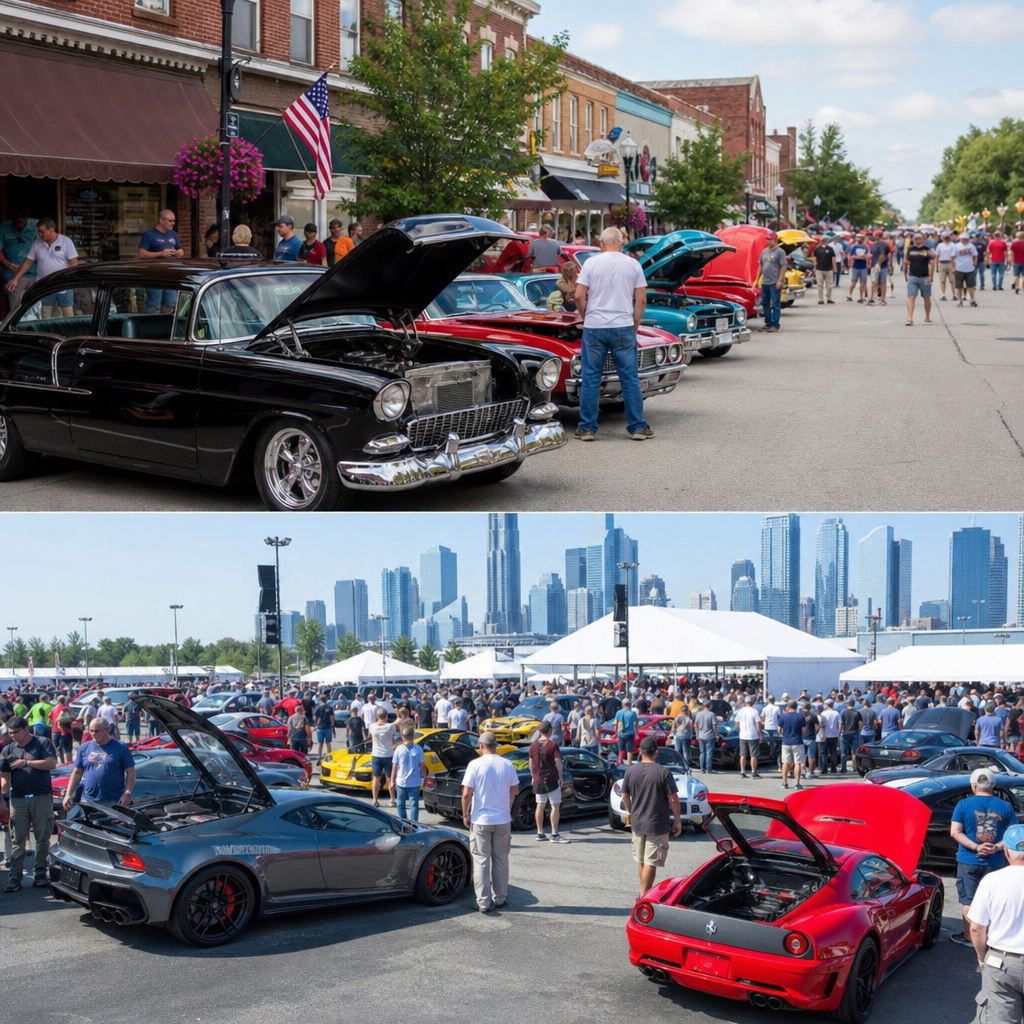
Not all classic car clubs serve the same purpose. The broadest category is the general local club, often organized around a region rather than a single brand or era. These clubs usually host coffee meets, scenic drives, cruise-ins, and charity events, making them a strong starting point for younger members who want social access without needing a specific vehicle. They are useful if you are still deciding whether your first classic should be an air-cooled Volkswagen, a chrome-bumper British roadster, a Fox-body Mustang, or a W123 Mercedes-Benz.
Marque clubs focus on one manufacturer, such as the Porsche Club of America, the Mercedes-Benz Club of America, or the Austin-Healey Club. These organizations tend to offer the deepest technical resources, including model registries, factory literature, restoration guides, and specialist referrals. If you already own a specific brand, a marque club often delivers the highest practical value because members know the exact weak points, service intervals, and sourcing channels relevant to your car.
Model-specific clubs go even narrower. A club centered on first-generation Mazda Miatas, Jaguar E-Types, or Chevrolet C10 pickups can provide unmatched expertise, particularly when production changes across years affect trim, driveline, or authenticity. These clubs often maintain buyer guides that explain the subtle details newcomers miss, such as year-specific dashboards, differential ratios, emissions equipment, or VIN decoding.
Era- and style-based clubs are growing fastest among younger audiences. Radwood-inspired communities celebrating 1980s and 1990s cars, Japanese classic groups, period-correct motorsport clubs, and preservation-focused survivor car circles all attract members who may not identify with traditional concours culture. These groups are important because they expand the definition of collectible and validate cars that younger enthusiasts actually grew up admiring.
What Younger Members Should Look for Before Joining
The best classic car club for a younger enthusiast is not necessarily the oldest or most prestigious one. It is the one that combines credibility with usability. Start by reviewing the event calendar. If a club only hosts weekday luncheons or formal banquets, younger working members may struggle to participate. A healthier schedule includes weekend drives, evening workshops, hands-on tech days, and informal meetups. Frequency matters too. Monthly activity usually signals a living community rather than a legacy organization surviving on dues.
Next, assess how the club communicates. Active email newsletters, a well-maintained website, clear event registration, and responsive social channels are strong signs. Clubs that still rely entirely on mailed notices or fragmented communication often lose younger members, not because the members lack interest, but because the information flow is inconvenient. Digital competence does not replace heritage; it extends it.
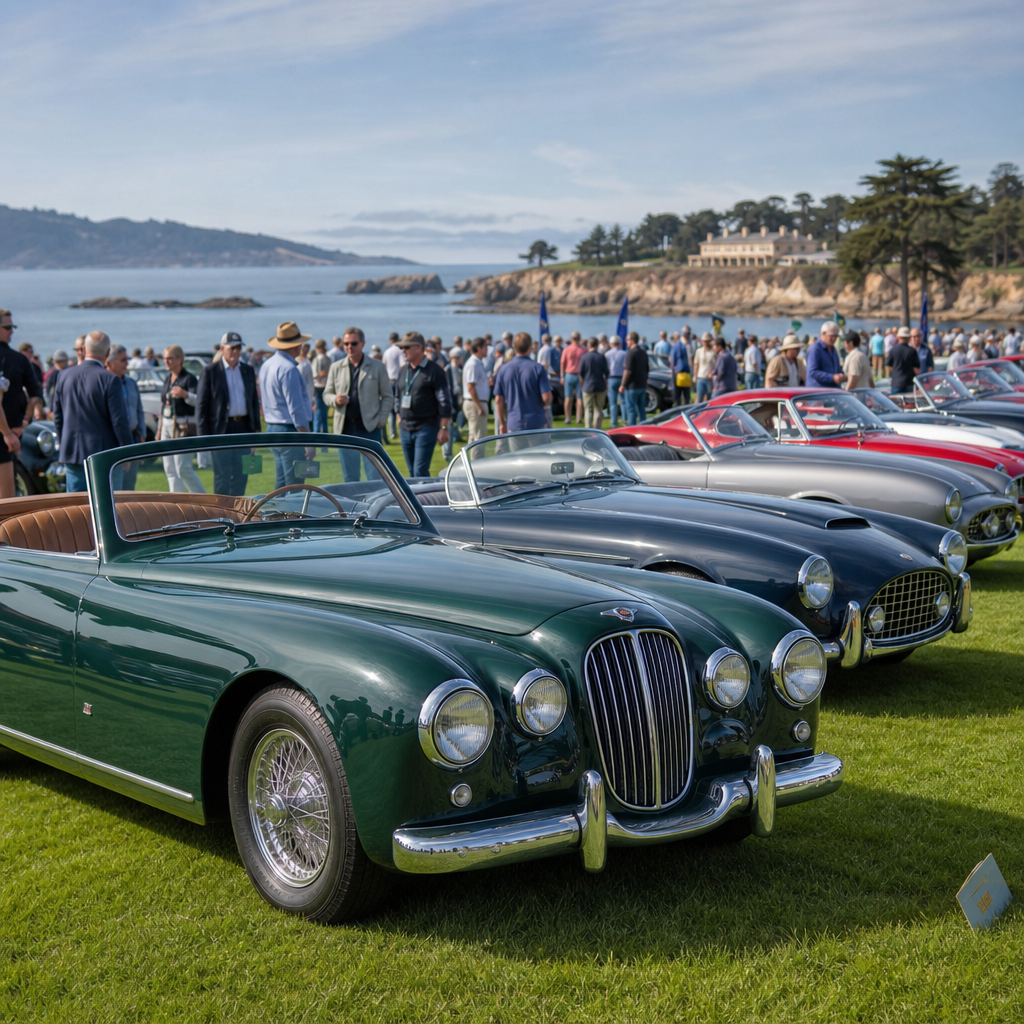
Membership makeup deserves close attention. A club does not need to be young to be welcoming, but it should show visible cross-generational participation. Look for evidence that newcomers are integrated into leadership, drives, judging schools, restoration days, or editorial work. Ask whether non-owners can join, whether there is a junior membership rate, and whether the club has mentorship or first-car guidance. These details reveal whether the organization sees younger enthusiasts as its future or merely as guests.
| Evaluation Factor | What to Check | Why It Matters for Younger Enthusiasts |
|---|---|---|
| Events | Weekend drives, tech sessions, casual meets | Fits work schedules and builds real engagement |
| Communication | Website, email updates, active social media | Makes participation easier and keeps members informed |
| Membership Policy | Non-owner access, reduced youth dues, guest attendance | Lowers the barrier to entry before buying a car |
| Technical Support | Parts advice, shop recommendations, workshops | Reduces ownership risk and costly mistakes |
| Culture | Welcoming tone, mixed ages, openness to varied builds | Determines whether younger members stay involved |
How Clubs Help With Ownership, Restoration, and Costs
Classic car ownership becomes more manageable when club knowledge is applied early. Before purchase, clubs help with inspections, valuation context, title issues, and authenticity checks. During ownership, they help members interpret workshop manuals, choose fluids, locate trim pieces, and decide whether to preserve, repair, or fully restore. Those decisions carry financial consequences. Over-restoring an ordinary car can erase money, while preserving an honest, rust-free example often protects both enjoyment and future value.
Restoration support is where clubs still prove their worth most clearly. Younger enthusiasts often begin with limited tools, limited workspace, and limited experience. Through club contacts, they can find machine shops that still understand older tolerances, trimmers who can match period vinyl grain, chrome platers with acceptable turnaround times, and paint specialists who know the difference between modern over-finish and factory-correct texture. In many cases, clubs maintain libraries of factory service manuals, parts books, judging standards, and old newsletters that document solutions unavailable anywhere else.
Costs can also be controlled through club networks. Group buys, member classifieds, parts swaps, and informal labor exchange all reduce spending. Insurance is another overlooked area. Agreed-value policies from providers such as Hagerty, Grundy, or American Collectors often require secure storage, mileage limits, and documented condition; club members usually understand how to structure coverage properly. I have watched younger owners avoid underinsurance simply because another member explained why standard auto policies often fail to reflect collector value after a total loss.
Community, Identity, and the Social Side of the Hobby
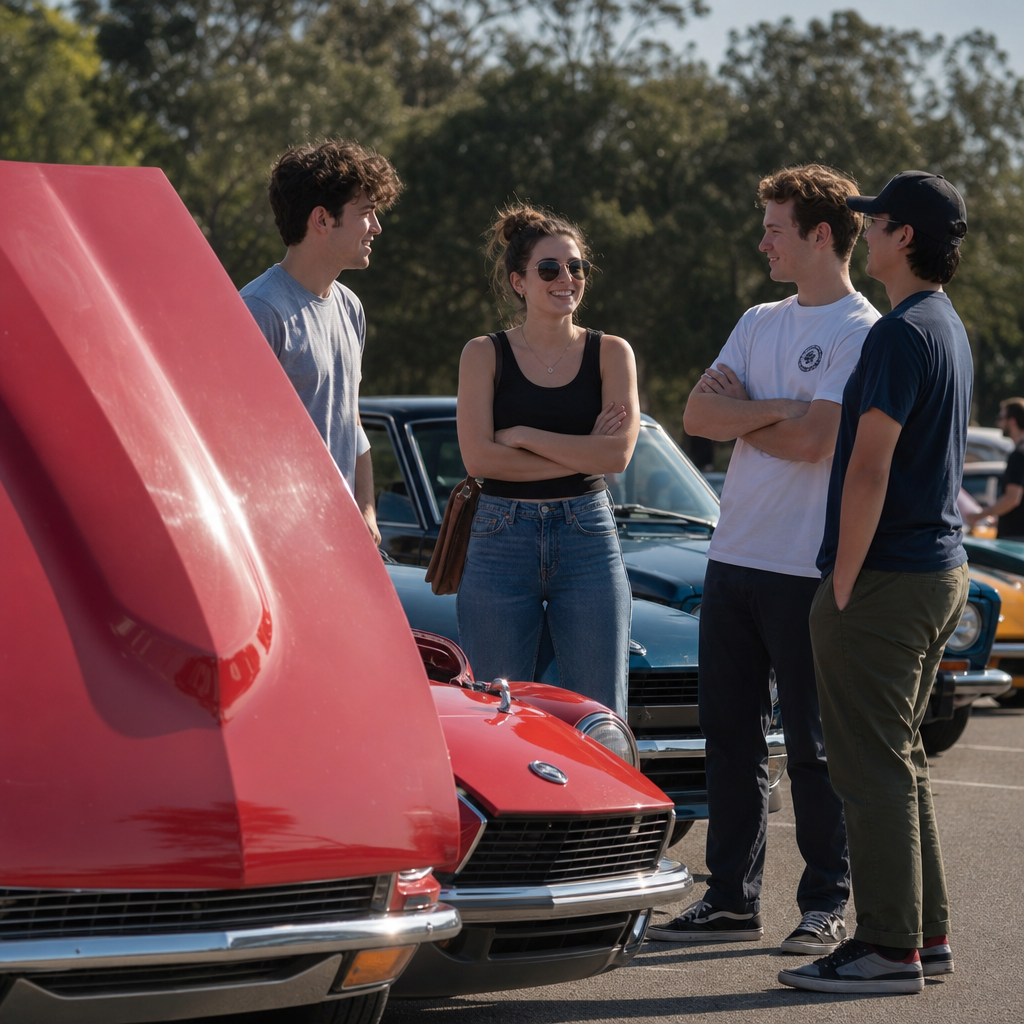
Classic car clubs are not only technical associations; they are identity-building communities. Younger enthusiasts often join for the cars and stay for the relationships. A club drive, road rally, concours field, or restoration day creates repeated contact, which is what turns shared interest into trust. That trust matters when borrowing a specialized puller, asking for a second opinion on rust repair, or considering the purchase of a member-owned car with a known history.
The social side also broadens what counts as participation. Not every younger enthusiast has space, budget, or mechanical confidence to own a car immediately. Clubs that welcome photographers, writers, event volunteers, aspiring judges, or ride-along participants create a stronger pipeline into ownership. This is especially important in urban areas, where storage constraints can delay buying for years. Participation should not begin only after title transfer.
Another shift is the way younger members blend heritage with lifestyle. They document road trips on Instagram, organize model-specific YouTube channels, and use Discord or WhatsApp for troubleshooting in real time. Traditional clubs sometimes misread that behavior as superficial, but in practice it brings visibility, archives experiences, and attracts future members who might never attend a conventional show. The clubs growing fastest understand that a sunrise drive, a workshop reel, and a well-run print newsletter can all support the same mission.
How the Best Clubs Are Adapting for the Next Generation
The strongest classic car clubs are evolving without abandoning standards. They still value documentation, careful stewardship, and respectful event culture, but they are updating how those values are delivered. Hybrid events are one example: an in-person carburetor tuning session can be paired with a recorded walkthrough for remote members. Digital classifieds, searchable technical archives, and online membership portals make a club more usable for people accustomed to immediate access.
Inclusivity is another necessary change. Younger enthusiasts arrive through many doors: motorsport, design, Japanese imports, trucks, preservation culture, analog driving feel, or family history. Clubs that insist only one pathway is legitimate tend to shrink. Clubs that recognize stock restorations, sympathetic modifications, survivor cars, and era-correct personalization often grow because they reflect how people actually enter the hobby. That does not mean standards disappear. It means context is explained instead of enforced through gatekeeping.
Leadership renewal is equally important. Clubs remain healthy when younger members are invited onto committees, editorial teams, judging programs, and event planning groups. This creates continuity in governance and ensures future programming matches future audiences. If you want a club that will still matter in ten years, look for one already preparing successors, documenting procedures, and investing in both heritage knowledge and modern communication tools.
Choosing the Right Club and Getting Involved
Most younger enthusiasts should start with two memberships: one local club for regular in-person activity and one marque or model-specific club for technical depth. Attend as a guest before joining if possible. Notice whether members introduce themselves, whether questions are answered patiently, and whether the cars are actually driven. A driving culture usually indicates healthier ownership habits than a purely static show culture.
Once you join, participate visibly. Volunteer at an event, help with setup, contribute photos, write a short ownership story, or offer digital skills if the club needs better communication. Enthusiasm earns trust, and trust opens doors to mentorship, parts leads, and better cars. Classic car clubs for younger enthusiasts work best when membership is active, curious, and reciprocal.
For anyone building a life in classic car culture and lifestyle, clubs remain the most efficient way to gain knowledge, reduce risk, and find community. They connect generations, preserve practical skills, and make the hobby less intimidating and more sustainable. Explore local and marque options, attend a meet, ask direct questions, and join the club that feels both knowledgeable and welcoming. The right community will shape your experience as much as the car itself.
Frequently Asked Questions
What makes classic car clubs appealing to younger enthusiasts today?
Classic car clubs are becoming increasingly appealing to younger enthusiasts because they offer far more than nostalgia. For many younger members, these clubs provide a hands-on, social, and skill-building experience that feels very different from modern car ownership. Newer vehicles are often highly computerized and difficult to repair at home, while classic cars invite owners to learn mechanical basics, restoration techniques, and driving skills in a much more direct way. That sense of involvement is a major draw for people who want to understand how cars work rather than simply use them as transportation.
Another important factor is community. Younger enthusiasts are often looking for spaces where they can meet people with shared interests, attend events, exchange advice, and build friendships across generations. Classic car clubs create those opportunities through meetups, group drives, restoration workshops, shows, and online forums. Instead of being isolated hobbyists, younger owners become part of a wider network that values automotive heritage and encourages participation. This social element helps make the hobby feel active, welcoming, and relevant rather than old-fashioned.
Affordability and accessibility also play a larger role than many people assume. Not every classic car is a high-end collector’s item, and many younger enthusiasts are discovering entry-level classics that are still attainable to buy, maintain, and enjoy. Clubs often help members identify realistic first cars, avoid costly mistakes, and access trusted parts suppliers or specialist knowledge. In that sense, a club can lower the barriers to entry and make classic car ownership feel much more achievable for someone starting out.
Do you need to own a classic car before joining a classic car club?
No, and in many cases you do not need to own a classic car at all before getting involved. A large number of classic car clubs welcome people who are simply interested in older vehicles, whether they are researching their first purchase, helping a family member restore a car, or just passionate about automotive history. This is especially important for younger enthusiasts, because joining before buying can be one of the smartest ways to enter the hobby. It gives you a chance to learn from experienced members, understand the realities of ownership, and explore which makes, models, or club cultures best fit your budget and interests.
Joining early can also save significant time and money. One of the most common mistakes new enthusiasts make is buying a car based purely on looks or impulse, only to discover later that parts are difficult to source, repairs are more complex than expected, or the vehicle requires a much larger restoration budget. Club members can often provide model-specific guidance on what to inspect, which years are most desirable or practical, and which cars offer the best balance between affordability and reliability. That kind of insight is incredibly valuable before committing to a purchase.
In addition, many clubs have a broader appreciation culture that goes beyond ownership. Members may participate in rallies, museum visits, technical talks, concours events, and social gatherings regardless of whether they own a vehicle themselves. For younger enthusiasts, that makes clubs a useful gateway into the classic car world. It allows them to build knowledge, confidence, and connections first, then move into ownership when the timing and finances make sense.
Are classic car clubs affordable and practical for younger members on a budget?
Yes, many classic car clubs are surprisingly affordable, and they can actually help younger members manage the cost of the hobby more effectively. Membership fees are often modest compared with the benefits offered, which may include newsletters, access to technical advice, parts networks, event discounts, insurance recommendations, and member-only resources. For someone trying to make careful financial decisions, that support can be more valuable than the fee itself. Clubs often help members avoid poor purchases, unnecessary repairs, or overpriced parts, which can lead to substantial savings over time.
Practicality depends on the type of club and the type of vehicle you are interested in. Some clubs center around highly valuable or rare marques, while others are built around more accessible classics that younger enthusiasts can realistically own and maintain. If budget matters, it is worth looking for clubs focused on everyday classics, affordable British roadsters, older hot hatches, practical coupes, or enthusiast communities built around cars with strong aftermarket support. These groups tend to be especially helpful for younger members because they understand the importance of balancing passion with running costs.
Clubs also improve practicality by providing guidance on maintenance, storage, insurance, and long-term planning. Younger owners may not have a dedicated garage, a full workshop, or experience with restoration, so club knowledge becomes an important resource. Members can recommend reliable mechanics, sensible project cars, and realistic restoration paths. In many cases, being part of a club turns a hobby that seems expensive and intimidating into one that feels structured, manageable, and sustainable.
How do classic car clubs help preserve automotive heritage for future generations?
Classic car clubs play a major role in preserving automotive heritage because they keep knowledge, craftsmanship, and enthusiasm alive in practical, everyday ways. Preservation is not only about storing rare cars in perfect condition; it is also about maintaining the stories, engineering principles, cultural significance, and driving experiences associated with older vehicles. Clubs help ensure that these things are passed on by bringing together owners, restorers, mechanics, historians, and new enthusiasts in one organized community.
For younger members, this preservation work often becomes active participation rather than passive admiration. They learn how carburetors function, why certain body styles mattered, how specific marques shaped design trends, and what made particular models important in social or motorsport history. Through restoration projects, technical demonstrations, and mentoring, clubs transfer expertise that might otherwise disappear over time. This intergenerational exchange is one of the most valuable aspects of the classic car scene, because it connects past automotive achievements with future custodians.
Clubs also preserve heritage by keeping cars visible and usable. Events such as road runs, public shows, charity displays, educational exhibitions, and heritage festivals allow classic vehicles to remain part of public life instead of becoming forgotten artifacts. When younger enthusiasts participate, they help shift the image of classic motoring from something exclusive or aging to something dynamic and culturally relevant. That renewal matters. It means automotive heritage is not merely being protected; it is being reinterpreted and enjoyed by a new generation that can carry it forward.
What should younger enthusiasts look for when choosing the right classic car club?
The right classic car club should match both your automotive interests and your stage in the hobby. Younger enthusiasts should start by asking whether a club is genuinely welcoming to newcomers. Some clubs are highly formal and centered on long-established ownership traditions, while others are more relaxed, social, and open to people who are still learning. A good fit will offer a supportive atmosphere where questions are encouraged, practical advice is easy to find, and younger members feel included rather than treated as outsiders.
It is also important to consider the club’s focus. Some clubs are marque-specific, dedicated to one manufacturer such as Porsche, Ford, MG, or Mercedes-Benz. Others are organized around vehicle eras, body styles, motorsport history, or broader appreciation of classic cars. If you already know what type of car interests you, a specialist club can provide deep technical expertise and targeted buying advice. If you are still exploring, a general classic car club may expose you to a wider range of vehicles and experiences. Event style matters too. Look at whether the club offers local meetups, driving tours, restoration support, online communities, family-friendly gatherings, or educational workshops.
Finally, pay attention to culture, communication, and practical value. A strong club should have active leadership, clear membership information, regular events, and useful channels such as forums, social media groups, or newsletters. It should also offer tangible benefits, whether that means mentorship, technical resources, insurance guidance, or access to parts and specialist contacts. For younger enthusiasts, the best club is usually one that combines knowledge with energy: a place where classic motoring is respected, but also made approachable, social, and enjoyable in the present day.