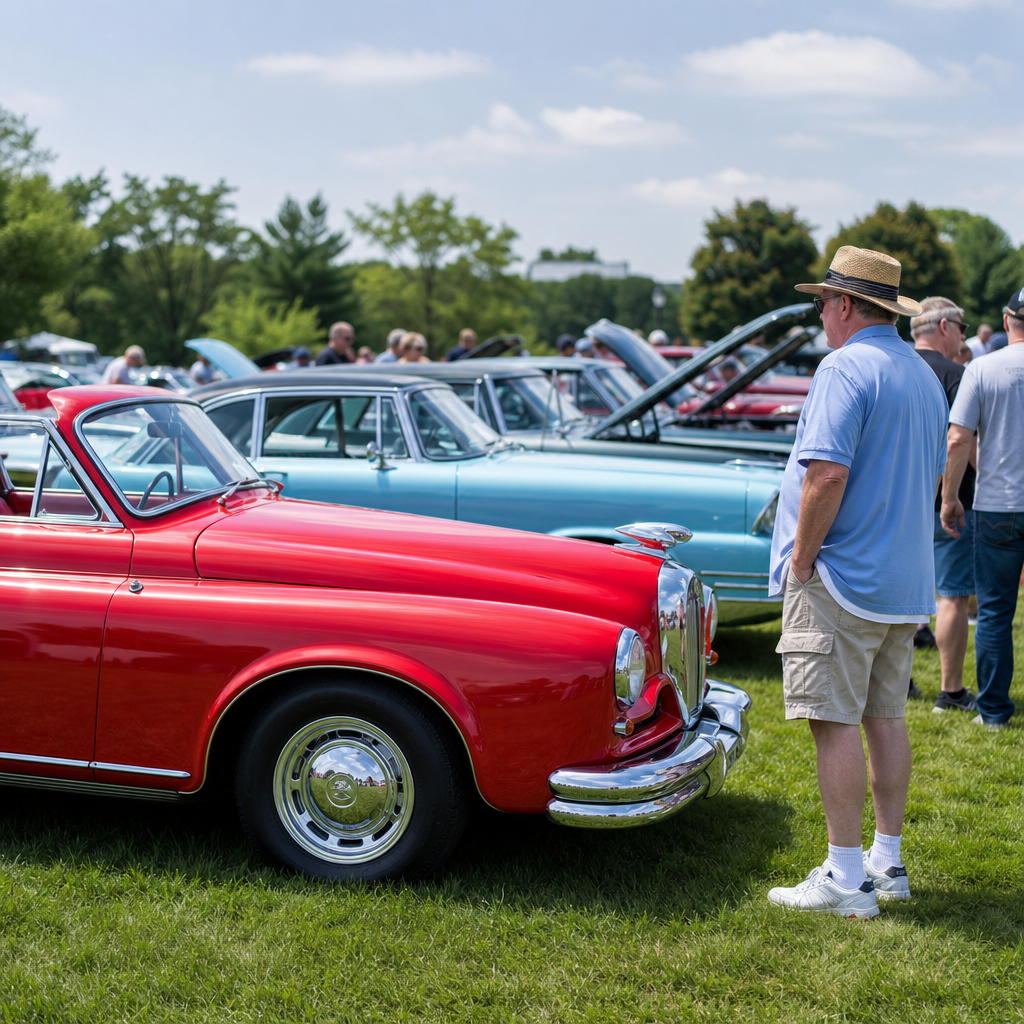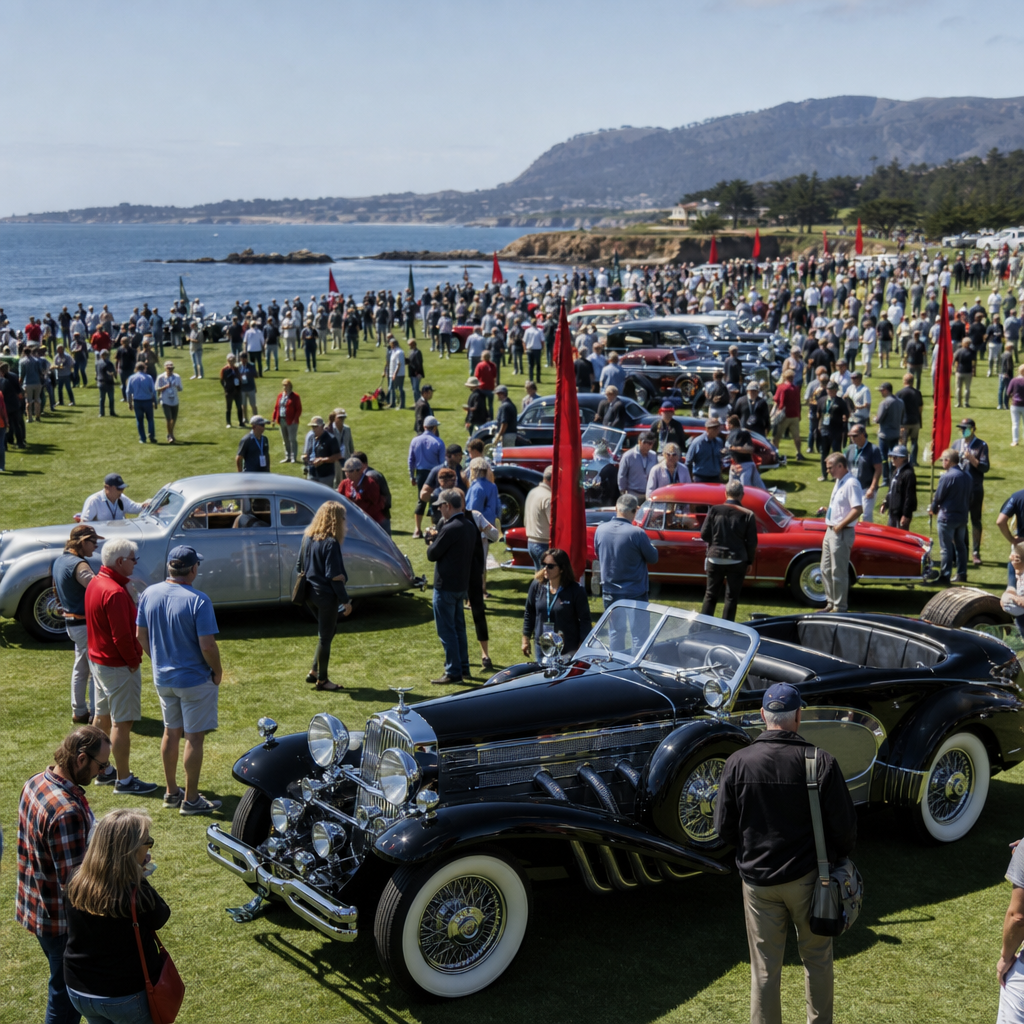
Joining a classic car club is one of the fastest ways to turn solitary ownership into a richer, more informed, and more enjoyable hobby. A classic car club is an organized community built around historic vehicles, usually defined by age, marque, model family, or shared interest in preservation, restoration, touring, or showing. In practice, these clubs range from small local groups that meet monthly at a diner to national organizations with judged events, technical archives, insurance partnerships, and extensive member directories. I have worked with owners who bought their first vintage coupe thinking the car alone would deliver the experience, then discovered that the real value came from the people, knowledge, and access surrounding it. That is why understanding the benefits of joining a classic car club matters.
Classic car ownership is rewarding, but it can also be expensive, technical, and occasionally isolating. Parts sourcing is inconsistent, mechanical standards differ from modern vehicles, and restoration decisions often involve tradeoffs between originality, drivability, and budget. A good club helps owners answer practical questions quickly: Which upholstery supplier matches factory grain? Which brake upgrade preserves period appearance? Which local shop understands SU carburetors, Rochester fuel injection, or Bosch mechanical injection? Beyond maintenance, clubs shape the broader lifestyle of old-car ownership. They create event calendars, preserve vehicle history, support marque knowledge, and connect newcomers to experienced members who have already made the mistakes worth avoiding. For anyone exploring classic car clubs, the central benefit is simple: membership lowers the friction of ownership while increasing the enjoyment, confidence, and cultural depth that make the hobby sustainable.
Shared knowledge makes ownership easier and smarter
The most immediate benefit of joining a classic car club is access to collective knowledge. Every older vehicle develops a support ecosystem, and clubs are often the most reliable part of it. Factory service manuals are essential, but they rarely explain the quirks that emerge after fifty or sixty years of use. Club members do. They know which reproduction parts fit poorly, which suppliers stand behind their products, and which model-year changes matter when ordering trim, weatherstripping, badges, wiring looms, or interior panels. I have seen owners save thousands of dollars simply because a club member pointed out that a “rare” component being offered online was actually from a later year and would require costly modification.
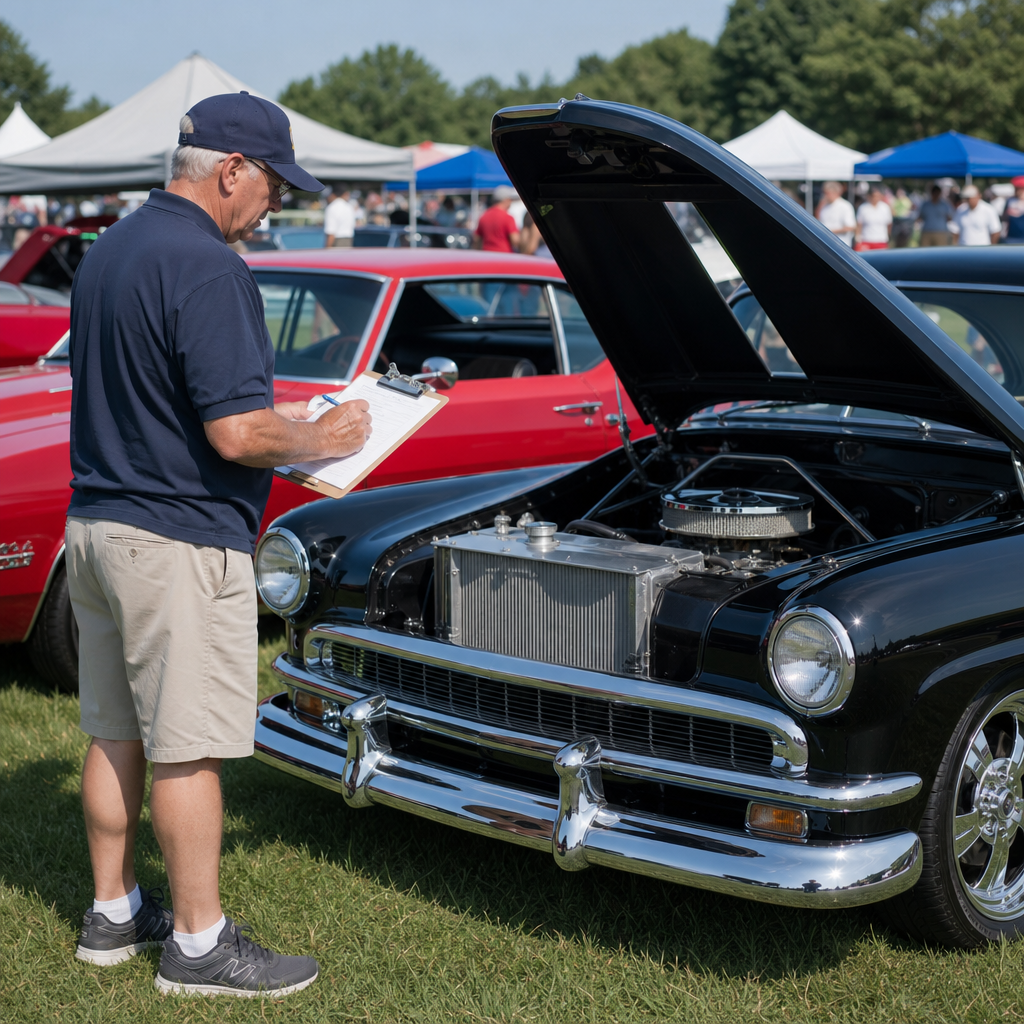
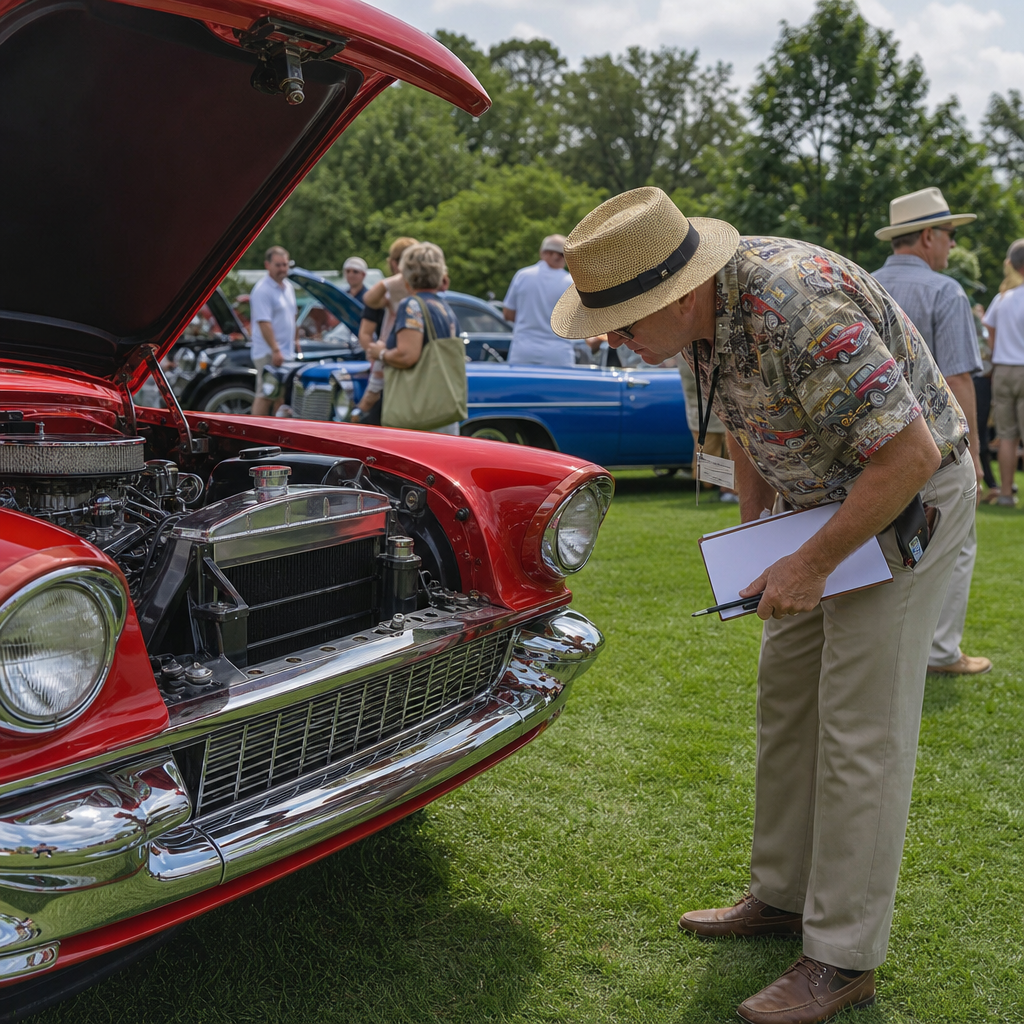
This kind of help is especially important for first-time owners. A newcomer may not know the difference between preservation, sympathetic restoration, and full concours restoration, yet that choice affects every spending decision. Clubs put those paths in context. Members explain why a survivor car with original paint should not be stripped casually, why over-restoration can reduce authenticity, and why documentation can matter as much as chrome quality in certain markets. National organizations such as the Antique Automobile Club of America and marque-specific clubs have also built decades of judging standards, newsletters, and registries that preserve technical detail unavailable in generic online forums. When a club has a library, technical adviser network, or model registrar, it becomes a living reference source, not just a social group.
Knowledge sharing also improves safety. Older drum brakes, bias-ply tires, six-volt electrical systems, and non-synchronized gearboxes require techniques unfamiliar to many modern drivers. Members can teach proper starting procedures, storage preparation, tire dating, fuel system care with ethanol-blended gasoline, and cooling-system practices that prevent overheating on summer drives. Those lessons reduce roadside failures and help owners operate their cars with the mechanical sympathy historic vehicles demand.
Clubs reduce costs through trusted referrals and better buying decisions
Classic cars can absorb money quickly, especially when owners rely on trial and error. Clubs reduce that risk by directing members toward known-good specialists, parts vendors, transport companies, appraisers, and insurers. In my experience, one accurate recommendation from a seasoned member is often worth more than hours of anonymous internet research. That is because vintage vehicle work is highly variable. One restoration shop may excel at metal fabrication but outsource interior trimming. Another may understand body alignment on body-on-frame American cars yet struggle with wood-framed British prewar construction. Clubs help owners find the right expertise for the right vehicle.
Buying guidance is equally valuable. Before purchase, members often know the model-specific rust zones, title issues, trim scarcity, and engine-number conventions that determine whether a project is viable. They can spot non-original drivetrains, poorly repaired collision damage, and cosmetic restorations hiding structural corrosion. That insight protects buyers from cars that look presentable in photos but become financial traps in the garage. Clubs also teach realistic budgeting. A solid driver-quality car frequently costs less overall than a bargain-priced restoration candidate, particularly when chrome plating, paintwork, and interior labor are considered. Members who have completed full builds know where budgets usually blow up and can explain why.
Some clubs negotiate practical savings as well. Member discounts on event entry, parts, tools, valuation services, and collector-car insurance are common. Providers such as Hagerty often engage directly with enthusiast communities, and many clubs maintain relationships with auction houses, transport firms, or local service providers. Even when discounts are modest, the quality filter matters more than the percentage saved, because avoiding one poor vendor decision can offset years of membership dues.
Events, tours, and friendships turn a vehicle into a lifestyle
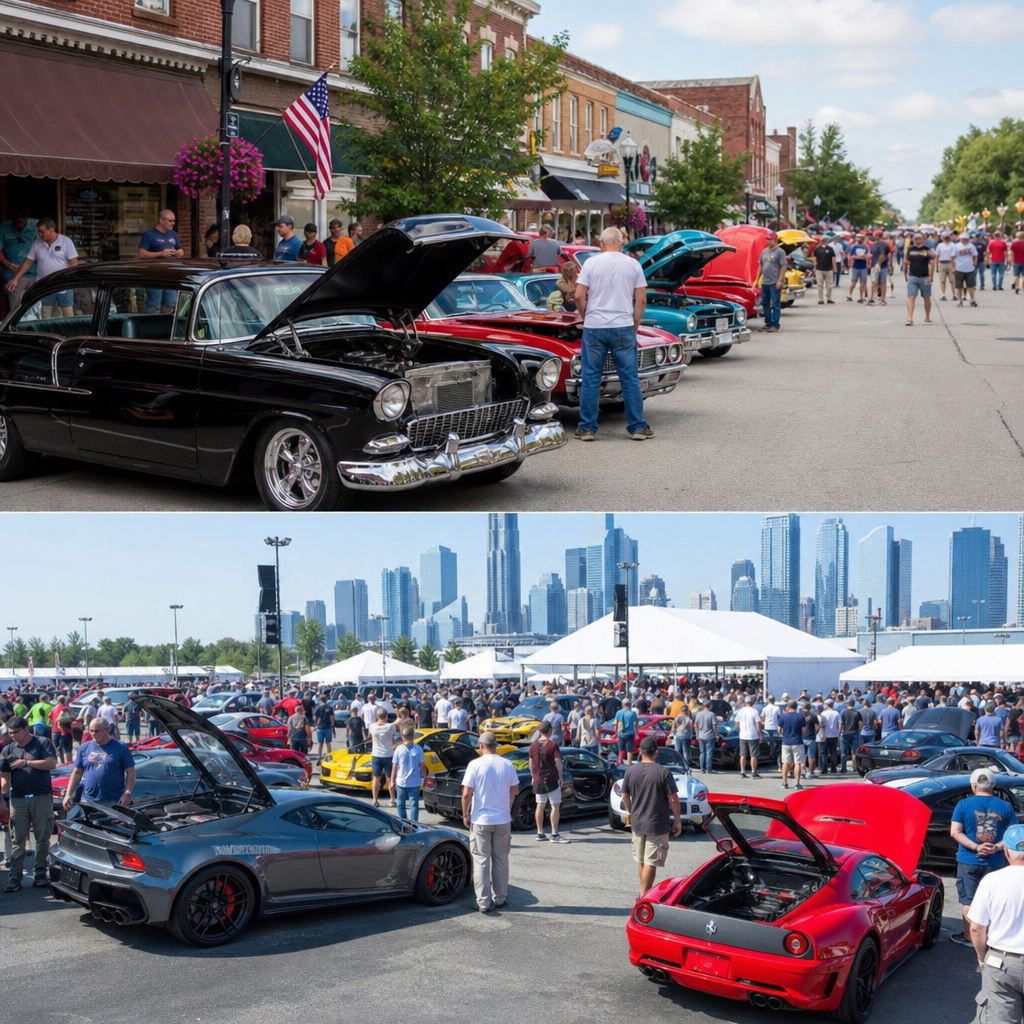
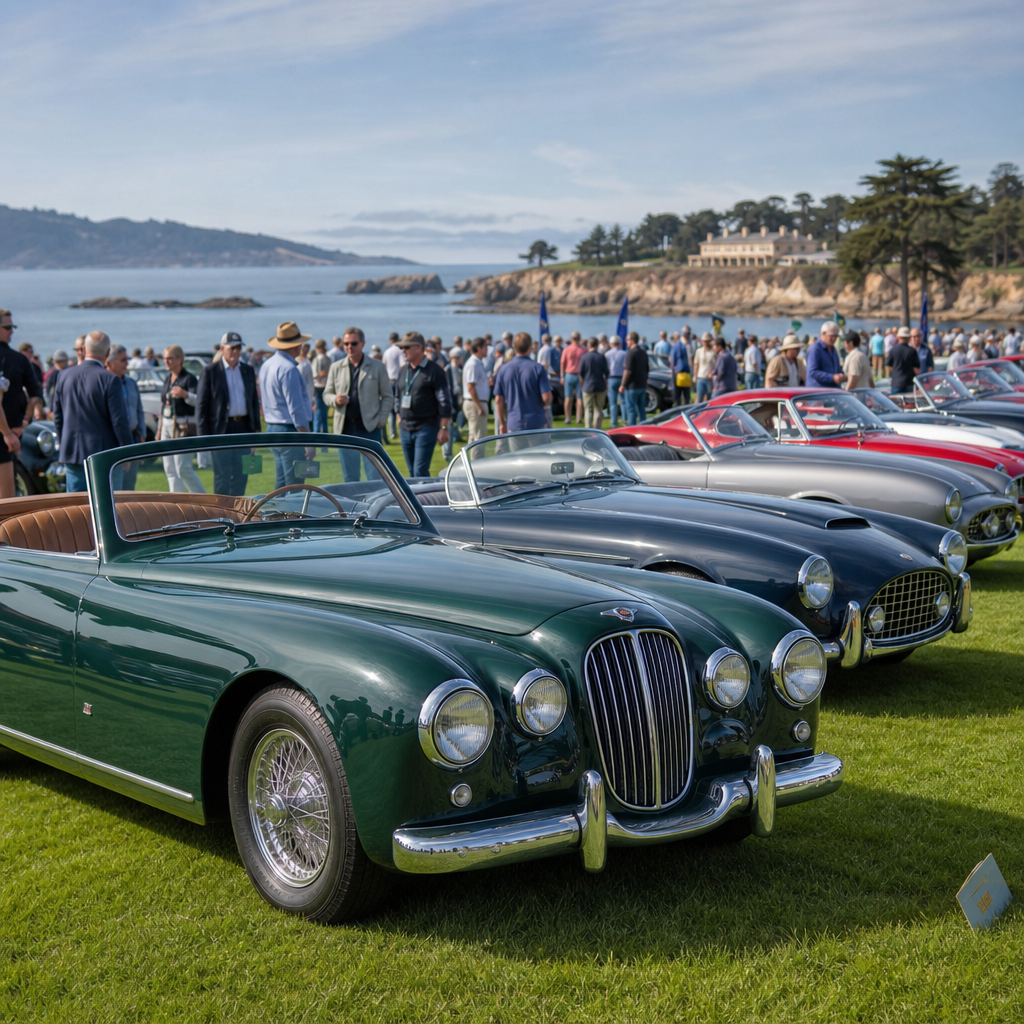
A classic car club is not only a technical resource; it is the structure that turns ownership into participation. Most members join for the cars and stay for the calendar. Local breakfast meets, evening cruises, road rallies, concours events, swap meets, museum visits, and charity shows create regular reasons to use the vehicle instead of letting it sit under a cover. That matters because older cars generally do better when exercised periodically. Fluids circulate, seals stay conditioned, batteries charge properly, and small issues surface before they become expensive failures.
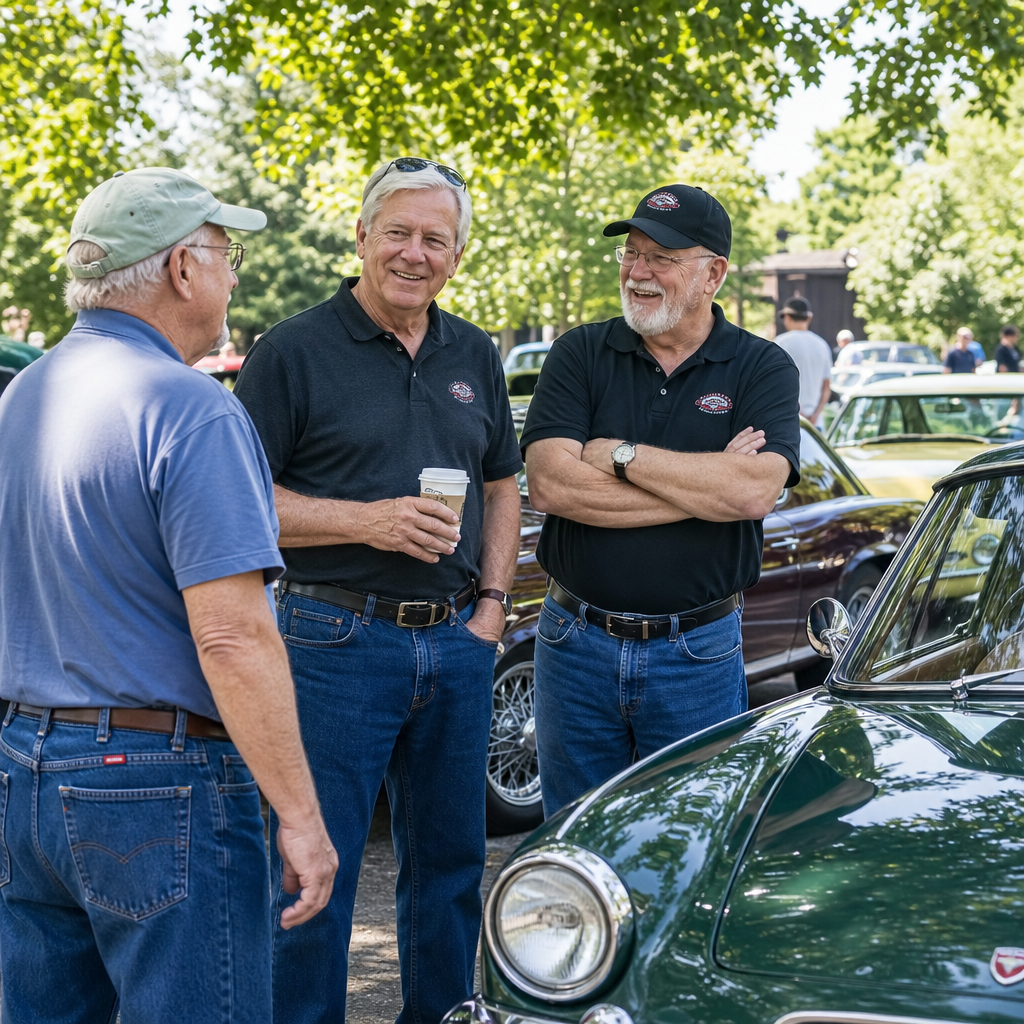
The social side is more important than many first-time owners expect. Driving an old car can invite attention from strangers, but club membership creates ongoing relationships with people who understand the same references, frustrations, and satisfactions. Members trade stories about difficult restoration milestones, unusual provenance discoveries, and first drives after long rebuilds. Those moments create a sense of belonging that solitary ownership cannot replicate. I have watched clubs absorb new retirees looking for purpose, younger enthusiasts looking for mentorship, and families looking for a shared weekend activity. In each case, the club became the anchor point.
Events also expand confidence. A new owner may hesitate to drive far from home, unsure whether the car is reliable or whether roadside help exists. Group tours lower that barrier. Routes are planned, experienced members travel together, and there is usually a support culture around basic tools, spare parts, and troubleshooting. Short local runs often become longer scenic drives, overnight trips, and regional meets. Over time, that participation changes the owner’s relationship with the car from cautious stewardship to active enjoyment.
| Club benefit | What it provides | Real-world example |
|---|---|---|
| Technical support | Model-specific repair advice and parts guidance | A Triumph owner learns which reproduction fuel pump is reliable and which one fails early |
| Buying assistance | Pre-purchase inspections and authenticity checks | A Mustang club member identifies a cloned performance model before money changes hands |
| Events and tours | Regular opportunities to drive and socialize | A local Sunday run helps a new owner discover a minor cooling issue before summer show season |
| Vendor referrals | Access to proven shops and specialists | A Cadillac owner finds a trim restorer who can match original anodized finishes |
| Historical resources | Registries, archives, and documentation standards | A Porsche member traces production details using factory records and club archives |
Preservation, authenticity, and historical context improve with club involvement
One overlooked benefit of classic car clubs is their role in preserving automotive history. Clubs are often the informal custodians of production records, paint codes, period sales literature, factory bulletins, and ownership registries. For rare vehicles, club archives may be the best surviving source of accurate information. This is critical because authenticity affects restoration quality, resale value, and historical significance. A club can clarify whether a specific wheel design, carburetor setup, seat pattern, or exterior badge belongs on a given production month or trim level. That detail prevents well-intentioned but inaccurate restorations.
Clubs also teach owners how to think about originality in a balanced way. Not every car should become a concours candidate, and not every modification is harmful. Sensible safety upgrades such as radial tires, discreet electronic ignition, or improved lighting can make a touring car more usable. At the same time, irreversible body alterations or non-period cosmetic changes may undermine the vehicle’s character and future value. Good clubs do not impose a single philosophy; they help owners understand consequences. That balanced perspective is especially useful in a market where internet advice is often polarized between strict originality and heavy customization.
Historical context adds another layer of enjoyment. When members discuss how a model fit into its era, the car becomes more than an object. It becomes evidence of changing engineering priorities, design language, fuel quality, safety expectations, and consumer taste. Learning why a 1950s American V8 emphasized torque, why a 1960s Italian GT prioritized lightweight construction, or why a 1970s sports car changed specification for emissions compliance deepens appreciation. Clubs keep that context alive through seminars, newsletters, guest speakers, and archived member knowledge passed from one generation to the next.
Networking opens doors to opportunities online searches rarely reveal
Search engines are useful, but the best opportunities in the classic car world still move through trusted networks. Club membership places owners inside those networks. Cars change hands privately before public listing. Spare parts emerge from long-stored inventories. Hard-to-find service literature gets copied and shared. Estate-sale leads circulate quietly among members who understand what they are seeing. These opportunities are difficult to access without community ties, and they can make a decisive difference for owners of uncommon models or orphan marques.
Networking also matters when projects stall. Maybe a body shop closes mid-restoration, a machinist retires, or a transmission specialist stops taking outside work. Clubs help owners recover momentum because someone usually knows a replacement resource, an alternative repair path, or a member with compatible spare components. The same applies to valuation and sale strategy. Members can advise whether a car is best marketed locally, through a marque club magazine, at a specialist auction, or on a national classified platform. They understand which presentation details serious buyers expect, including photo documentation, chassis-number verification, and evidence of mechanical recommissioning.
For younger enthusiasts, clubs can be career-adjacent. I have seen membership lead to apprenticeships in restoration shops, judging internships, event management roles, and content opportunities in automotive media. For established professionals, clubs create business relationships with upholsterers, painters, transport brokers, and appraisers. In both cases, the network compounds over time. That compounding effect is one of the strongest long-term benefits of joining a classic car club, because each event and conversation adds practical value beyond the immediate social experience.
How to choose the right classic car club for your goals
Not every club fits every owner, so selection matters. Start by defining your goal. If you want model-specific technical help, a marque club is usually best. If you enjoy broad exposure to many eras and body styles, a regional mixed-marque club may offer better events and local camaraderie. If you care about judged originality, look for organizations with established standards, trained judges, and a serious documentation culture. If you primarily want to drive, prioritize clubs known for road tours, reliability runs, and relaxed social events rather than static shows.
Evaluate the club’s activity level before joining. A good website alone is not enough. Check whether the group publishes a recent calendar, maintains an active newsletter or social media presence, and holds consistent in-person events. Ask about membership demographics, meeting format, annual dues, and whether new members are welcomed into conversations or left on the sidelines. Healthy clubs usually combine experienced leadership with room for newer voices. They also communicate clearly about expectations, safety, and event logistics.
Finally, think about access, not prestige. The best club is the one you will actually use. Visit a meeting, attend a public show, or talk to current members before paying dues. Ask practical questions: Do members drive their cars regularly? Is advice specific and respectful? Are resources organized? Is there a directory of recommended vendors? Does the club support owners at different budget levels? A club that matches your car, geography, and personality will return value quickly. Once you find that fit, membership becomes one of the smartest investments in the entire classic car lifestyle.
The benefits of joining a classic car club extend far beyond discounted dues or occasional meetups. The right club gives owners technical knowledge, buying protection, trusted referrals, historical perspective, social connection, and real reasons to drive their cars. It shortens the learning curve for beginners and keeps experienced owners engaged through deeper archives, better events, and stronger networks. Most importantly, it transforms classic car ownership from a private expense into a shared culture supported by people who understand the machines and the meaning behind them.
For anyone building a life around vintage vehicles, that support system is the real asset. Cars age, projects expand, and circumstances change, but a strong club keeps the hobby accessible and enjoyable through every stage. If you own a classic car, want to buy one, or simply want a clearer path into the community, start by identifying one local club and one national or marque-specific organization that matches your interests. Attend a meeting, ask questions, and get involved. The sooner you join, the sooner the hobby starts giving back more than the car alone ever could.
Frequently Asked Questions
What are the main benefits of joining a classic car club?
Joining a classic car club gives owners far more than a place to talk about old vehicles. It creates access to a community of people who already understand the challenges and rewards of owning, maintaining, restoring, and driving historic cars. For many members, one of the biggest benefits is shared knowledge. Instead of solving every mechanical, cosmetic, or sourcing problem alone, club members can draw on decades of combined experience from owners, restorers, judges, and enthusiasts who have likely encountered the same issues before.
Another major advantage is connection. Classic car ownership can sometimes feel solitary, especially for people who are the only enthusiasts in their immediate circle. A club turns that individual hobby into a social one through meetings, tours, cruise-ins, workshops, shows, and informal gatherings. These events give members opportunities to enjoy their cars more often and in more meaningful ways.
Clubs also frequently provide practical benefits, such as access to parts leads, restoration referrals, technical archives, valuation guidance, and introductions to trusted insurers, transporters, and specialty service providers. In addition, they often help members learn how to preserve originality, document provenance, and make better long-term decisions about maintenance and restoration. In short, a classic car club adds knowledge, camaraderie, support, and structure to the hobby, making ownership more enjoyable and often more successful.
Can a classic car club help with restoration advice and finding hard-to-get parts?
Yes, and this is one of the most valuable reasons many owners join in the first place. Restoration work on classic vehicles often involves challenges that modern repair shops are not equipped to handle, from decoding factory specifications to locating correct trim, fasteners, upholstery materials, and period-correct mechanical components. Within a club, members often know which parts interchange across years, where reproductions are reliable, and when it is better to restore an original component instead of replacing it.
Many clubs build informal networks of specialists and suppliers over time. That means a member may gain access to machine shops, body experts, carburetor rebuilders, electrical specialists, trim restorers, and marque experts who are already known within the community. Some clubs even maintain newsletters, classified sections, member directories, online forums, or technical libraries filled with service bulletins, factory literature, judging manuals, and restoration tips.
This guidance can save enormous amounts of time and money. It also helps owners avoid common mistakes, such as using incorrect finishes, buying poor-quality reproduction parts, or making modifications that reduce authenticity and value. Whether someone is doing a full concours restoration or simply trying to keep a driver-quality car reliable, a strong club can become one of the best sources of restoration intelligence and parts sourcing support available.
Are classic car clubs only for serious collectors and show-car owners?
Not at all. While some clubs do include highly knowledgeable collectors and judged competition participants, most are much more welcoming and diverse than outsiders expect. Many members own driver-quality cars, unfinished projects, inherited vehicles, or affordable entry-level classics. Others may not even own a vehicle yet and join to learn before making a purchase. In most healthy clubs, enthusiasm matters more than perfection.
Classic car clubs often include people with very different goals. Some are focused on authenticity and concours judging, while others prefer casual touring, weekend wrenching, local meetups, or simply preserving family automotive history. There are clubs dedicated to specific makes and models, but there are also broader regional groups centered on shared appreciation for vintage transportation. This variety makes it easier for new members to find a place where they feel comfortable.
For beginners, a club can be especially useful because it shortens the learning curve. New owners can ask questions, compare notes, inspect similar vehicles in person, and learn what realistic ownership looks like. Rather than being exclusive environments, many clubs actively need new members and younger enthusiasts to keep the hobby vibrant. A good club should make the hobby feel more approachable, not more intimidating.
How do classic car clubs improve the overall ownership experience?
A classic car club improves ownership by giving members more reasons and more confidence to use and enjoy their vehicles. Instead of owning a classic car that only comes out a few times a year, members often find themselves participating in scenic drives, breakfast meets, charity events, technical sessions, swap meets, and regional shows. These activities create momentum around the hobby and turn the car from a static possession into an active part of a lifestyle.
Clubs also reduce uncertainty. Many owners worry about maintenance schedules, safe upgrades, storage practices, documentation, registration issues, and market values. Being part of a club means there is usually someone to ask before making a major decision. This can lead to better care, fewer expensive mistakes, and a stronger understanding of what makes a particular vehicle historically significant.
Equally important is the sense of belonging. People often stay in classic car clubs for the friendships as much as the cars. Members share stories, trade advice, celebrate completed restorations, and help each other through setbacks. That social support adds a personal dimension that cannot be replicated by reading manuals or browsing online listings alone. In many cases, the club becomes one of the main reasons the owner stays actively engaged in the hobby over the long term.
What should you look for when choosing the right classic car club to join?
The best club is not necessarily the largest or the most prestigious. It is the one that aligns with your vehicle, your goals, and the way you want to enjoy the hobby. Start by considering whether you want a marque-specific organization, a model-focused registry, or a general local club. If you own a specific make or model and want technical depth, a specialized club can be extremely helpful. If you are more interested in social driving events and local community, a regional multi-marque club may be a better fit.
It is also smart to look at the club’s culture and activity level. Review its calendar, newsletter, website, or social media presence to see whether it offers the kinds of events and resources you value. Some clubs emphasize judged shows and authenticity standards, while others are more relaxed and tour-oriented. Ideally, you want a group that is active, welcoming to newcomers, and genuinely helpful rather than overly rigid or insular.
Finally, pay attention to the practical resources the club provides. Useful signs include strong member knowledge, technical support, parts connections, publication archives, mentoring opportunities, and relationships with reputable service providers. Attending a meeting or event before committing is often the best way to evaluate fit. A well-run classic car club should leave you feeling informed, included, and excited to participate, because the right club can significantly enrich every part of the ownership experience.