In the United States, a car becomes “classic” through a mix of age, historical significance, collector interest, condition, and legal context rather than one single rule. That distinction matters because the term affects insurance eligibility, registration options, market value, restoration decisions, financing, and even how often a vehicle can be driven. I have worked with owners, insurers, appraisers, and state motor vehicle agencies long enough to see the confusion firsthand: one person calls a 1998 sports coupe a classic, another insists only pre-1975 cars count, while a state DMV may use a completely different definition for plates and road use. If you are asking what qualifies a car as a classic in the U.S., the accurate answer is that several overlapping standards apply, and each one serves a different purpose.
The most useful starting point is to define the key labels. A classic car is generally an older vehicle recognized for its design, engineering, cultural importance, rarity, or enduring enthusiast appeal. An antique car is usually older still, often 25 years or more under state rules and sometimes 45 years or more in club terminology. A vintage car commonly refers to a narrower historical period, especially vehicles from the 1919 to 1930 era, though casual use is broader. A collectible car can be any vehicle, old or relatively new, that buyers actively seek and preserve because it has special market or enthusiast value. These terms overlap, but they are not interchangeable in every legal, insurance, or valuation setting.
Why does this matter so much? Because “classic” is not just a compliment. It can determine whether a vehicle qualifies for agreed value insurance through providers such as Hagerty, Grundy, or American Collectors; whether it can receive historic or antique registration in states like Pennsylvania, Texas, or Florida; whether emissions or inspection rules change; and whether the owner should prioritize preservation over modification. It also shapes resale. Two 25-year-old cars may be the same age, but only one may command collector premiums because demand, originality, and provenance separate a true classic from an old used car. Age opens the door, but desirability decides whether anyone walks through it.
Age Is the First Filter, Not the Final Answer
Most people begin with age because it is objective, easy to verify, and widely used by insurers, DMVs, and collector organizations. In the U.S., 20 to 25 years is the most common threshold for a car to start entering classic territory. Many insurance carriers consider vehicles 25 years or older for collector policies, provided they are stored properly, driven on a limited basis, and not used as daily transportation. State registration systems also often use a 25-year benchmark for historic or antique plates, although some states use 20 years, 30 years, or a rolling model-year formula. That is why a 1999 car may qualify in one state but not another.
Still, age alone does not make a car a classic. I have inspected plenty of 1980s and 1990s vehicles that were simply worn-out commuters with no collector market, no historical significance, and no notable preservation quality. They were old cars, not classic cars. Conversely, some younger models become recognized collectibles before they hit 25 years because they represent a major engineering milestone, a limited-production homologation special, or a culturally important performance car. Examples include the Acura NSX, Dodge Viper GTS, Toyota Supra Turbo, and Porsche 911 GT3 variants, which developed collector status based on enthusiast demand long before many state systems would formally label them historic.
The practical takeaway is simple: age establishes eligibility for consideration, but the market decides status. A 25-year-old sedan built in huge numbers with no special trim, no rarity, and no enthusiast following is usually not a classic in the sense collectors mean. A 25-year-old M3, Corvette ZR-1, or Land Cruiser may be. When evaluating a vehicle, use age as the first screen, then look at the qualities that create lasting interest.
Collector Demand, Rarity, and Cultural Importance Define the Real Difference
The clearest answer to “what is a classic car” is this: a classic car is a vehicle that enough knowledgeable buyers, clubs, insurers, and market professionals consistently treat as collectible. Collector demand is the engine behind classic status because it reflects broad agreement that a vehicle matters. That demand may come from performance reputation, beautiful design, motorsport success, innovation, nostalgia, low production numbers, celebrity ownership, or a role in popular culture.
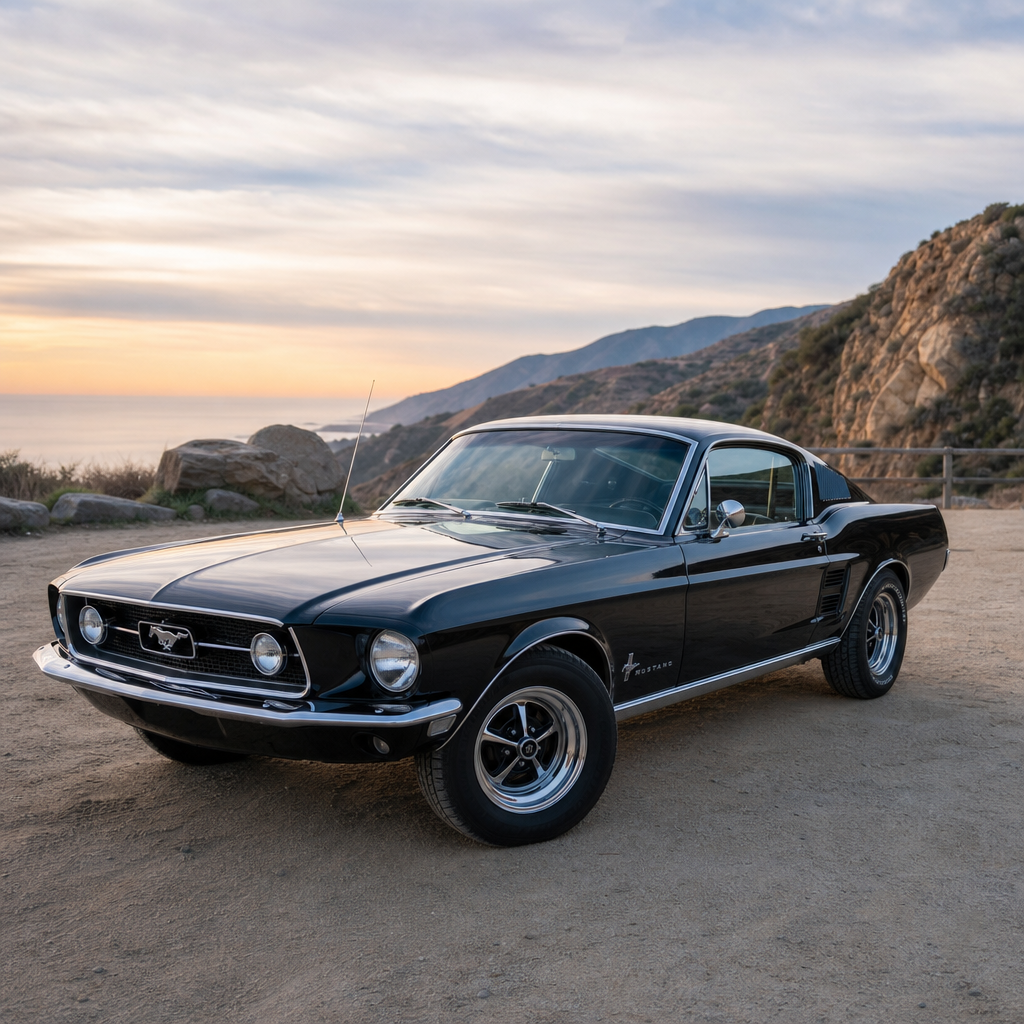
Take the 1967 Chevrolet Corvette Sting Ray, the 1965 Ford Mustang fastback, and the 1957 Chevrolet Bel Air. These models are classics not just because they are old, but because they symbolize eras of American automotive design and remain highly sought after. Their identities are reinforced by restoration parts availability, active owners’ clubs, auction visibility, and decades of media coverage. Compare that with an ordinary mid-1980s front-wheel-drive economy car produced in massive numbers. It may be uncommon today because most examples were scrapped, but scarcity created by attrition is not the same as collector desirability.
Rarity matters, but only when paired with significance. A limited-production Buick GNX is collectible because it was rare and represented a peak of turbocharged American performance. A one-year trim package on an otherwise ordinary sedan may not generate the same interest if it lacks engineering, styling, or cultural distinction. Cultural importance can also elevate vehicles outside the traditional muscle-car narrative. The Volkswagen Beetle, Jeep CJ series, and early Ford Bronco hold classic standing because they shaped personal mobility, recreation, and American identity in ways buyers still recognize.
Another factor is whether the car changed the industry. The first-generation Mazda Miata revived the affordable roadster segment. The Ford Model T transformed mass production and car ownership. The Tesla Roadster and early Model S, while newer than traditional classics, have already entered serious preservation conversations because of their technological significance. In practice, a car qualifies as classic when it remains relevant beyond its original transportation function.
Condition, Originality, and Provenance Affect Qualification and Value
Once a car has age and collector interest, condition determines whether it is treated seriously by insurers, appraisers, and informed buyers. The collector market typically evaluates vehicles using a condition spectrum ranging from concours-level restoration to fair-driver quality. Price guides such as Hagerty Price Guide and collector auction houses use structured grading because a classic is not judged only by model identity; the specific example matters. Rust, poor repairs, non-matching components, neglected interiors, and undocumented modifications can dramatically change how a vehicle is classified and valued.
Originality is especially important. An unrestored car with factory paint, original drivetrain, documented mileage, and complete records may be more significant than a heavily modified example of the same model. Matching-numbers drivetrains matter on many American muscle cars because they confirm the engine and transmission installed by the manufacturer. Build sheets, window stickers, Protect-O-Plate documents, Marti Reports for certain Fords, and Porsche Certificates of Authenticity can strengthen a car’s standing by proving specification and history. Provenance also matters when a vehicle has notable ownership, racing history, or documented appearance in film or media.
That said, originality is not the only path. Some classics are respected as period-correct restorations, restomods, or preservation-class survivors. The qualification question depends on context. A modified 1969 Camaro can still be a classic car because the underlying model is unquestionably collectible, but the modifications may limit eligibility for some judged events or reduce appeal to buyers seeking factory accuracy. Meanwhile, a well-restored 1950s pickup with sympathetic upgrades may be extremely desirable in today’s market. The key is to separate whether the model is a classic from whether a particular example retains top-tier authenticity.
Legal Definitions Vary by State, Insurance Company, and Organization
Many owners assume there is one official U.S. definition of a classic car. There is not. State DMVs, insurers, emissions programs, and clubs use different standards because they are solving different problems. A state registration agency wants a practical rule for plate issuance and road-use restrictions. An insurance company wants to assess risk, storage conditions, mileage, and value volatility. A marque club may care more about historical integrity and enthusiast consensus than about a hard age cutoff.
| Context | Typical standard | What it affects |
|---|---|---|
| State historic or antique registration | Usually 20 to 30 years old, often with limited-use rules | License plates, inspection, emissions, legal driving limits |
| Collector car insurance | Often 25+ years old, secure storage, limited mileage, not daily driven | Agreed value coverage, premiums, claims handling |
| Collector market and auctions | Age plus demand, rarity, originality, provenance, condition | Resale value and market recognition |
| Clubs and judging bodies | Model-specific standards and authenticity criteria | Event eligibility, awards, preservation credibility |
For example, one state may issue antique plates at 25 years old but prohibit general daily commuting, while another may use “classic” and “antique” as separate categories with different requirements. Some states exempt older vehicles from emissions testing; others do not, or they apply exemptions only after a certain model year. Insurance carriers also differ. Hagerty, Grundy, and others often require that the vehicle be stored in an enclosed garage, that the driver have a regular-use vehicle, and that annual mileage remain limited or hobby-oriented. A 1997 luxury coupe may technically meet an age threshold yet still fail to qualify if it is parked outside and used for errands.
This is why owners should never rely on a generic internet definition alone. Check your state DMV, your insurer’s underwriting criteria, and the current collector market for your exact make, model, year, and trim. Those three sources together provide the most reliable answer.
Examples of Cars That Usually Qualify and Cars That Usually Do Not
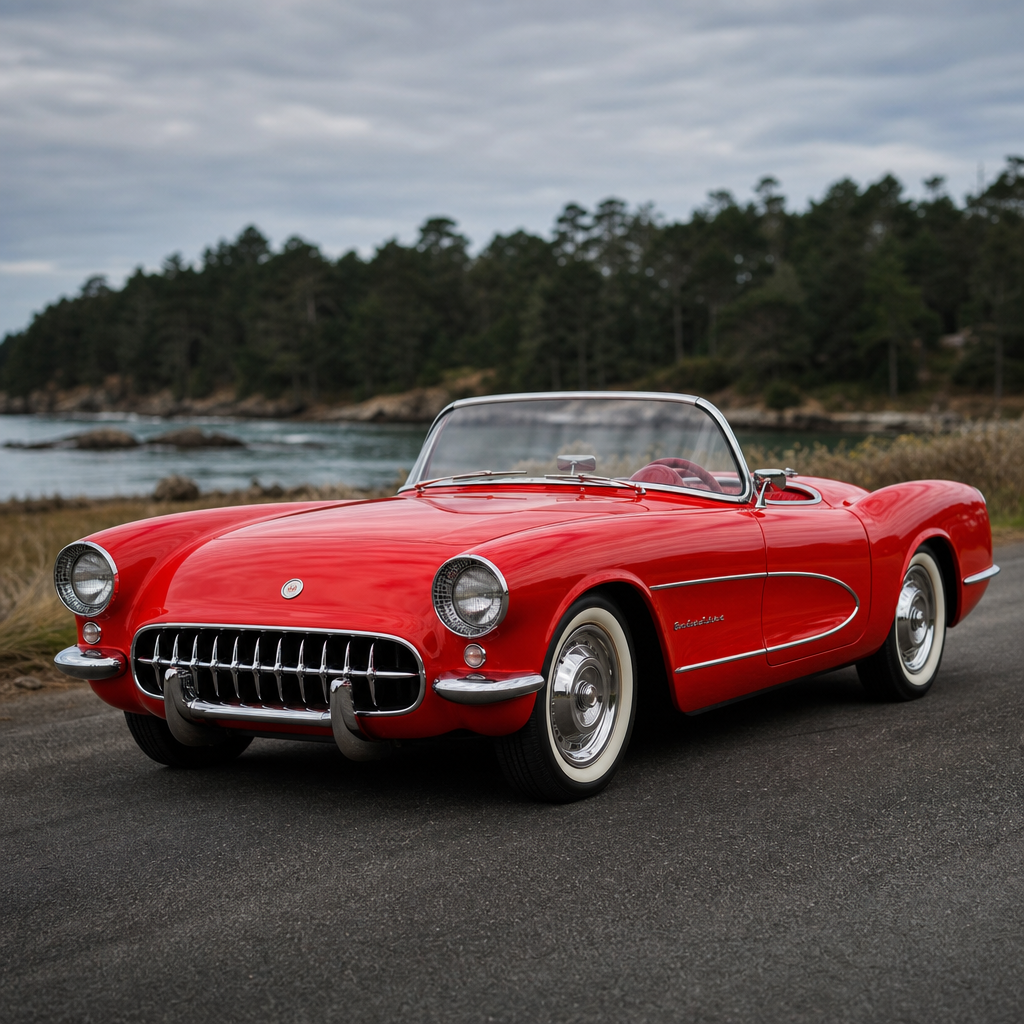
Cars that usually qualify as classics in the U.S. include recognized American muscle cars such as the 1968 Dodge Charger R/T, landmark sports cars like the C2 and C3 Corvette, distinctive postwar designs such as the 1955 to 1957 Chevrolet Bel Air, and culturally important utility vehicles such as the early Ford Bronco and Jeep Wagoneer. Many European and Japanese models also qualify: the Jaguar E-Type, Porsche 356, BMW 2002, Datsun 240Z, and first-generation Mazda RX-7 are established examples. These vehicles have durable enthusiast communities, strong parts support, documented market demand, and clear historical identities.
Cars that usually do not qualify are mass-produced vehicles with little collector interest, no special engineering, and no meaningful preservation appeal. A high-mileage base-trim 1990s family sedan with faded paint and missing records is generally just an aging used car. Even if it is rare today, rarity by itself does not create a classic. There are exceptions, though. A humble model can become collectible if it represents a disappearing format, was preserved exceptionally well, or gained unusual cultural visibility. I have seen low-mileage survivor station wagons and minivans attract attention precisely because so few untouched examples remain, but that is still a niche market, not broad classic recognition.
If you want a simple test, ask five questions. Is the car old enough to be considered collectible? Do enthusiasts actively seek it out? Does it have recognized historical, design, engineering, or cultural importance? Is there evidence of market value beyond ordinary transportation use? Does the specific vehicle have condition or documentation that supports its status? If the answer is yes to most of those questions, you are likely looking at a classic.
How to Determine Whether Your Car Is a Classic
Start with the vehicle identification details: year, make, model, engine, trim, production totals, and factory options. Then verify legal thresholds with your state DMV and practical eligibility with collector insurers. After that, research the market using recent auction results from Mecum, Barrett-Jackson, Bring a Trailer, and RM Sotheby’s; check price guides; review owners’ forums and marque clubs; and compare your car’s condition against known grading standards. Documentation is critical. Gather title history, service records, photos, original manuals, factory paperwork, and any verification of matching numbers or special provenance.
In my experience, owners make the best decisions when they treat classic status as a layered evaluation instead of a label to claim casually. A careful assessment helps you choose the right insurance, understand realistic value, avoid over-restoring a car the market will not reward, and preserve originality where it matters most. If you are building your knowledge of classic car basics, use this framework as your starting point: age opens consideration, significance creates demand, condition and documentation confirm credibility, and legal classification depends on the specific rules that apply to your state and insurer. Review your vehicle against those standards, then consult a trusted appraiser, insurer, or marque expert before making major registration, restoration, or sale decisions.
Frequently Asked Questions
Is there a single age at which a car becomes a classic in the U.S.?
No. In the United States, there is no single nationwide age rule that automatically makes every vehicle a classic. That is the source of most of the confusion. Some people use 20 years as a rough benchmark, others say 25 years, and some collector organizations reserve the term “classic” for much older or more historically significant vehicles. In practical terms, age is only the starting point. A car may be old without being considered a true classic by insurers, appraisers, collectors, or state registration agencies. What usually matters is the combination of age, originality, condition, rarity, historical importance, and demand in the collector market.
For example, a well-preserved sports car from the 1990s may already be treated as a collector vehicle in some circles, while a high-mileage everyday sedan of the same year may simply be viewed as an older used car. The label changes depending on who is applying it. An insurance company may have one standard for classic-car coverage, a state DMV may have another for antique or historic plates, and a buyer in the marketplace may use the term more loosely. That is why owners should avoid assuming that age alone settles the issue. If you need to know whether your vehicle qualifies for insurance, special registration, or collector financing, the right question is not just “How old is it?” but “How is it being classified, by whom, and for what purpose?”
What factors besides age help determine whether a car is considered a classic?
Several factors matter, and together they paint a much more accurate picture than age alone. Historical significance is one of the biggest. A vehicle tied to an important design era, a major engineering milestone, a limited production run, or a famous model lineage is more likely to be seen as classic. Collector interest also matters. If enthusiasts actively seek out a certain model, parts are traded in dedicated communities, and auction or private-sale prices show steady demand, that strengthens its classic status. Condition is equally important. A car that is well maintained, original, correctly restored, or exceptionally preserved will generally receive much more recognition than the same model in neglected condition.
Originality can have a major impact as well. Vehicles with matching numbers, factory-correct equipment, original paint colors, period-correct interiors, and documented ownership history tend to be more desirable. Rarity helps too, but rarity by itself is not enough. A car can be rare because few people wanted it in the first place, which does not automatically make it collectible. What matters is rare and desirable. Provenance, such as celebrity ownership, racing history, or unusual documentation, can further increase a car’s standing. In short, a classic is usually a vehicle that has aged into significance. It is not just an old machine; it is one that has developed recognized value, interest, and identity in the eyes of collectors, experts, and the market.
How do state laws and DMV rules affect whether a car is legally treated as a classic?
State law can make a very real difference, especially when it comes to registration, emissions, inspections, and use restrictions. Many states do not even use the word “classic” in exactly the same way. Instead, they may classify vehicles under labels such as antique, historic, collector, horseless carriage, or classic motor vehicle. Each category may come with its own minimum age requirement and its own rules about how the vehicle can be used. In one state, a vehicle might qualify for special plates at 20 years old; in another, the threshold may be 25 or 30 years. Some states require the car to be maintained primarily for exhibitions, parades, club events, or occasional pleasure driving rather than daily commuting.
This matters because legal classification can affect costs and responsibilities. A qualifying vehicle may be eligible for reduced registration fees, exemption from certain emissions tests, or less frequent inspections. On the other hand, the owner may face limits on annual mileage or restrictions on routine transportation use. A vehicle that qualifies for historic registration in one state may not qualify in another, or the owner may decide the use restrictions are too limiting. That is why it is essential to check your own state’s motor vehicle code and DMV guidance rather than relying on general advice online. From an owner’s perspective, the legal question is not “Is my car old enough to sound classic?” but “Which registration category applies in my state, and what obligations come with it?”
Does being called a classic affect insurance, value, and financing?
Yes, often significantly. Insurance is one of the most important areas where classification matters. Standard auto insurance usually values a car based on ordinary depreciation, which can be a poor fit for a collectible vehicle. Classic or collector-car policies are typically designed differently. They often use agreed value or stated value structures, which can better reflect a vehicle’s actual collector worth. However, insurers usually do not offer those policies just because a car has reached a certain age. They may look at storage conditions, annual mileage, driver history, whether the car is a secondary vehicle, and whether it is used for daily transportation. In other words, the insurer is assessing risk and collectible status together.
Market value can also change once a car is recognized as collectible. As demand increases among enthusiasts, a vehicle may begin appreciating rather than depreciating like an ordinary used car. That affects sale price, appraisal strategy, restoration budgeting, and estate planning. Financing can be affected too. Some lenders are cautious about older vehicles because traditional valuation guides do not always capture collector-market pricing. Specialty lenders and collector-focused financing programs may be more willing to work with classic vehicles, particularly when the model has established market demand and documentation. The bottom line is that “classic” is not just a flattering label. It can influence how the vehicle is insured, what it is worth, how it is financed, and how carefully an owner should document condition, originality, and maintenance history.
Can a car be old but not qualify as a classic?
Absolutely. Age alone does not guarantee classic status. Many vehicles become simply older used cars rather than recognized collectibles. A car may fail to qualify as classic in practice if it lacks collector demand, has been heavily modified in non-period-correct ways, is in poor condition, has extensive rust or missing original components, or has no special historical or market significance. Even if the vehicle is 25 or 30 years old, insurers, buyers, appraisers, and state agencies may view it very differently depending on its overall profile. This is especially common with mass-produced commuter models that were not notable when new and have not developed a following over time.
That said, owners should not assume a vehicle has no potential simply because it is not currently celebrated. Collector markets evolve. Some cars once dismissed as ordinary later gain recognition because they represent a specific era, body style, technology, or disappearing segment of automotive history. Still, in the present-day U.S. market, the strongest candidates for classic status are typically vehicles that combine age with desirability, preservation, and significance. If you are trying to determine whether your own car qualifies, the smartest approach is to look at several indicators together: your state’s registration definitions, insurer eligibility standards, recent comparable sales, appraisals, enthusiast demand, and the vehicle’s originality and condition. That broader view gives a far more reliable answer than age by itself ever can.