The 1980s created a new wave of classics by turning yesterday’s used cars into today’s cultural touchstones and by redefining what collectors value in a vintage vehicle. In the classic car world, an “era” is more than a date range. It describes a shared set of engineering priorities, safety rules, styling trends, fuel realities, and buyer expectations that shape the cars built within it. When enthusiasts discuss popular classic car eras, they usually group vehicles into broad periods such as the prewar years, the chrome-heavy 1950s, the muscle car peak of the 1960s and early 1970s, the emissions-constrained late 1970s, and the technology-driven 1980s. This article serves as a hub for that broader timeline, but the central question is why the 1980s now stand beside earlier periods as a legitimate source of classics. The answer is simple: the decade blended analog character with emerging digital technology, produced memorable performance icons, and influenced how people define nostalgia. I have watched cars once dismissed as outdated commuter boxes become serious collector targets, and the shift has been driven by age, rarity, motorsport pedigree, and design confidence. As the market matured, buyers stopped asking whether 1980s cars could be classics and started asking which ones mattered most. That change matters because understanding popular classic car eras helps buyers, restorers, and casual enthusiasts judge value, maintenance needs, and long-term significance.
Classic status does not come from age alone. A car becomes a classic when it captures the spirit of its period and still offers relevance through design, engineering, historical importance, or emotional connection. The 1980s are especially important because they bridged two collector mindsets. They still delivered lightweight coupes, rear-wheel-drive platforms, manual gearboxes, and direct steering feel, yet they also introduced fuel injection, turbocharging, electronic engine management, anti-lock brakes, and more advanced aerodynamics to mainstream buyers. That combination created cars that feel familiar to modern drivers without losing old-school charm. The decade also produced machines that became poster cars for a generation: the Ferrari Testarossa, BMW E30 M3, Buick Grand National, Porsche 959, Lamborghini Countach in its final forms, and Audi Quattro all shaped the public imagination. At the same time, humble vehicles such as the Volkswagen GTI, Honda CRX, Fox-body Ford Mustang, and Peugeot 205 GTI proved that attainable performance could leave a legacy too. If you are studying classic car eras, the 1980s are the turning point where collectibility expanded beyond chrome, cubic inches, and pre-oil-crisis nostalgia into a wider appreciation of technology, usability, and cultural memory.
How the 1980s fit into the timeline of popular classic car eras
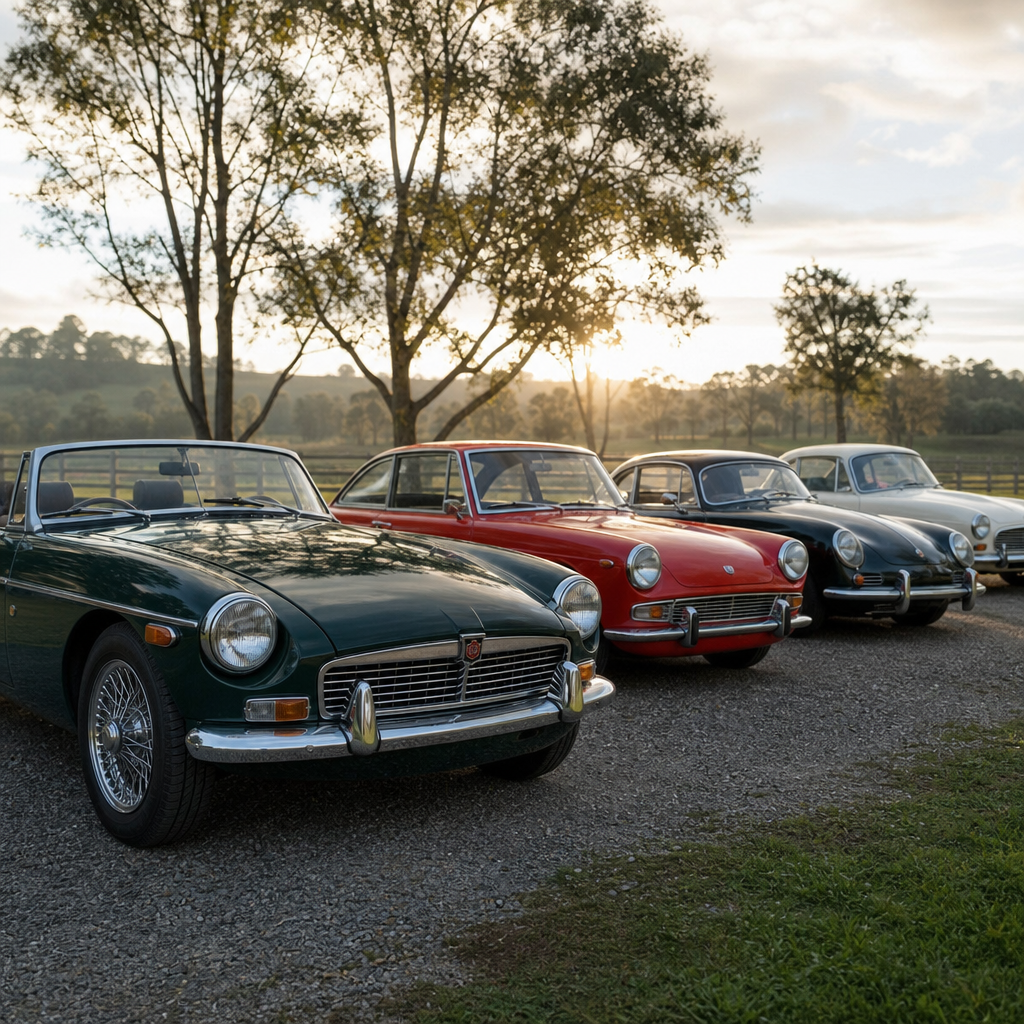
To understand why the 1980s created a new wave of classics, it helps to place the decade within the larger history of collector cars. Prewar classics are often prized for coachbuilt craftsmanship, mechanical simplicity, and rarity. The 1950s became famous for tailfins, brightwork, and postwar optimism. The 1960s and early 1970s dominate many beginner conversations because they delivered big-block muscle cars, European grand tourers, and landmark sports cars. The late 1970s then carried a reputation for reduced horsepower, heavier safety equipment, and emissions compromises. By contrast, the 1980s restored enthusiasm by proving that performance could return through smarter engineering rather than pure displacement.
This is why the decade works so well as a hub within classic car education. It connects earlier and later eras. The 1980s preserved enough analog driving feel to appeal to traditional collectors, yet they also previewed the software-controlled, turbocharged, safety-conscious cars that defined the 1990s and 2000s. In practical terms, that means buyers researching popular classic car eras often move through the 1980s on their way to understanding modern classics. If you appreciate a 1969 Camaro for its cultural importance, you can also appreciate a 1987 Buick GNX for what it says about American performance under new constraints. If you admire a 1973 Porsche 911 Carrera RS, you can also see the E30 M3 as a motorsport-bred continuation of that focused formula.
What changed in the 1980s: design, engineering, and regulation
The 1980s did not create classics by accident. Manufacturers were responding to fuel economy standards, tightening emissions laws, insurance pressure, and global competition. Those constraints forced major innovation. Carburetors gradually gave way to electronic fuel injection, improving drivability, cold starting, and efficiency. Turbocharging moved from niche experimentation to genuine performance strategy. Computer-controlled engine management became common enough that horsepower could rise again without ignoring emissions rules. Aerodynamics became visible in the showroom, with smoother front fascias, integrated spoilers, and lower drag coefficients replacing the bluff shapes of earlier decades.
These changes mattered because they created distinct identities for 1980s cars. The Audi Quattro showed how all-wheel drive could transform road and rally performance. The Porsche 959 demonstrated advanced traction management, twin-turbocharging, and composite technology at a level that bordered on science fiction for its time. Even mass-market cars benefited. The third-generation Honda Prelude used four-wheel steering in certain versions, and the Volkswagen GTI refined the hot hatch formula with practical packaging and eager handling. From firsthand experience around restorations and valuations, I have seen that collectors respond strongly when a car marks a technical turning point. A 1980s classic often represents the first practical use of a system now considered normal.
| Era | Defining Traits | Why Collectors Care |
|---|---|---|
| Prewar | Coachbuilt bodies, mechanical simplicity, limited production | Craftsmanship, rarity, historical significance |
| 1950s | Chrome styling, V8 growth, postwar optimism | Design identity, nostalgia, cultural symbolism |
| 1960s to early 1970s | Muscle cars, sports car expansion, motorsport influence | Performance heritage, broad parts support, iconic status |
| Late 1970s | Emissions-era adaptation, safety changes, downsized power | Transitional history, overlooked models, affordability |
| 1980s | Fuel injection, turbocharging, aerodynamic styling, electronics | Usable classics, generational nostalgia, rising rarity |
The performance cars that defined the decade
No discussion of 1980s classics is complete without the performance cars that changed the decade’s reputation. The BMW E30 M3 is one of the clearest examples. Built for homologation in touring car racing, it combined flared fenders, a high-revving four-cylinder engine, sharp steering, and balanced rear-wheel-drive handling. Collectors value it not simply because prices rose, but because it links street driving directly to motorsport success. The Mercedes-Benz 190E 2.3-16 and 2.5-16 tell a similar story, blending compact sedan practicality with race-bred engineering and a famous role in touring car competition.
American performance also found a new identity. The Fox-body Ford Mustang kept V8 enthusiasm alive in a practical, tunable package that remains affordable compared with many 1960s muscle cars. The Buick Grand National and GNX took a different route, using turbocharged V6 power to produce straight-line performance that embarrassed larger V8 rivals. These cars matter historically because they proved American manufacturers could adapt to the decade’s realities instead of merely mourning the end of the muscle era. For many younger collectors, they are as defining as a Chevelle SS was to an earlier generation.
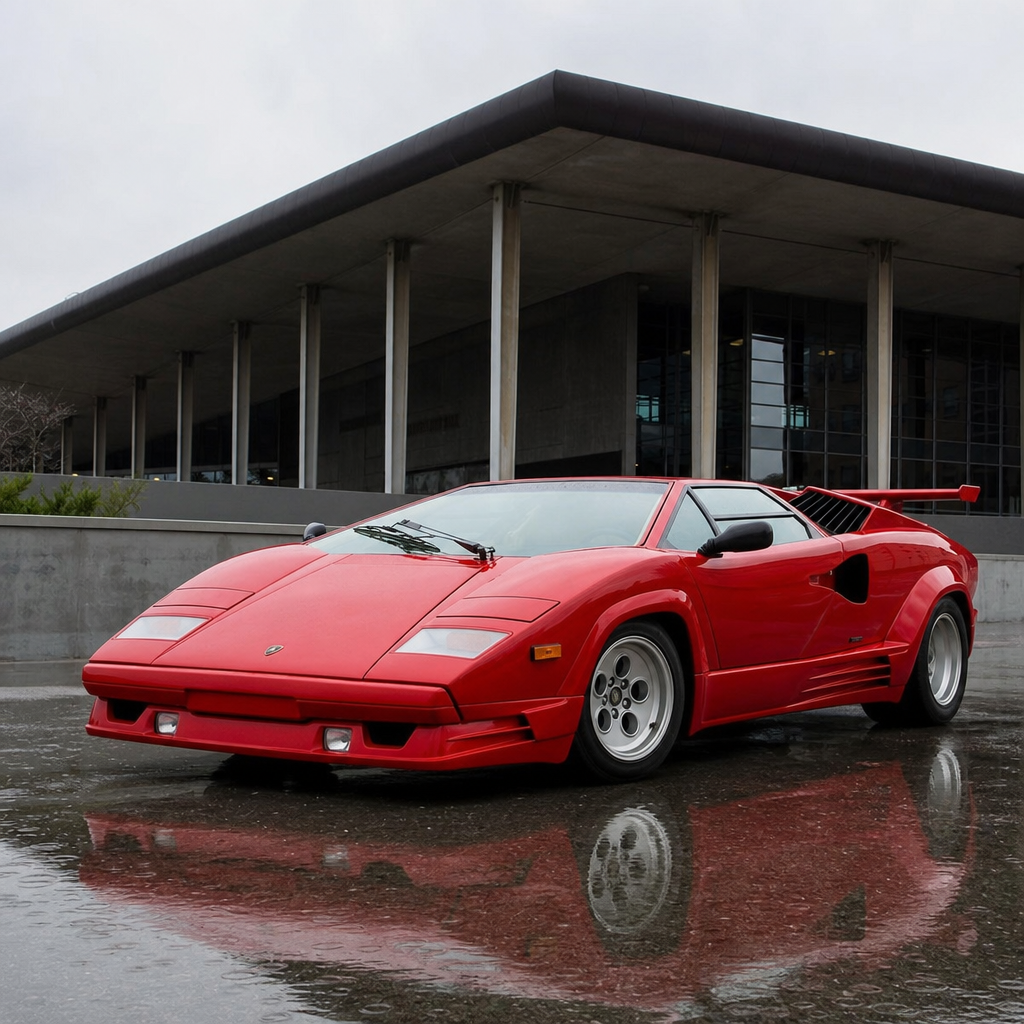
European exotics pushed the dream-car side of the market. The Ferrari Testarossa became an icon through design, media exposure, and flat-12 drama. The Lamborghini Countach evolved through increasingly exaggerated forms that made it the ultimate bedroom-wall poster. The Porsche 911 Turbo, especially the 930 generation carrying into the decade, preserved the demanding, high-boost character that made turbocharged sports cars thrilling and intimidating. These models became classics because they fused image with engineering substance. Even people who never drove them can identify them instantly, and recognizability is a serious asset in the collector world.
Affordable 1980s classics and why ordinary cars also matter
One mistake beginners make when exploring popular classic car eras is focusing only on halo cars. The 1980s deserve classic status partly because so many accessible cars left a lasting mark. The Volkswagen Golf GTI and Peugeot 205 GTI helped define the hot hatch as a practical enthusiast format. The Honda CRX delivered efficiency and nimble handling in a shape that still looks crisp and purposeful. The Toyota Corolla AE86 became a cult classic through motorsport, tunability, and pure rear-wheel-drive balance. The Mazda RX-7 continued to champion rotary power and lightweight design.
These cars matter because classics are not judged only by original sticker price. They are judged by influence, survival rates, and how vividly they represent a driving experience. In many markets, base-model family sedans from the 1980s are disappearing faster than prestige cars because they were used hard, modified carelessly, or scrapped when values were low. That means a clean, unmolested everyday 1980s car can now have real historical importance. I have seen survivors at shows draw crowds precisely because they are ordinary. People remember learning to drive in them, taking road trips in them, or seeing them parked in school lots. Nostalgia is not a weak criterion. In collector markets, nostalgia consistently creates demand.
Why the market finally accepted the 1980s as classic
The market accepted 1980s cars as classics when three forces converged. First, time did its work. Once a car is thirty to forty years old, scarcity increases and the surviving examples become easier to evaluate as historical artifacts rather than outdated transportation. Second, the buyers who grew up in the 1980s and 1990s reached their peak earning years. Collector demand often follows this pattern. People pursue the cars that shaped their youth. Third, the best 1980s models proved they were enjoyable to own, not just nostalgic to remember. Many start reliably, cruise comfortably, and can keep up with modern traffic better than much older classics.
Auction houses, price guides, and insurers reinforced the shift. Hagerty valuation trends, major concours classes, and specialist dealers all helped legitimize the decade. Once respected market institutions began treating E30 M3s, air-cooled 1980s 911s, turbocharged Japanese coupes, and homologation specials as serious collector cars, broader enthusiasm followed. This pattern is common across popular classic car eras. First, enthusiasts notice. Then clubs organize. Then parts support improves. Then the market catches up. The 1980s are now well into that cycle, which is why this era belongs in any comprehensive classic car education hub.
How to evaluate a 1980s car as a future or current classic
If you are assessing a car from the 1980s, start with originality, documentation, condition, and significance. Original paint is not always better than a quality respray, but factory-correct colors and trim matter. Service records are crucial because many 1980s cars introduced electronics and fuel systems that suffer when neglected. Rust remains a major concern, especially on cars from northern climates or brands with known corrosion issues. Model significance also matters: was the car a homologation special, a limited-production performance trim, a first use of important technology, or a definitive example of a broader trend?
Ownership costs vary more than many beginners expect. An air-cooled Porsche 911 or Ferrari Mondial may be fully established as a classic, but maintenance budgets can dwarf those of a Honda Prelude, BMW 325is, or Mustang GT. Parts availability is uneven. Some models enjoy strong aftermarket support, while others depend on scarce new old stock or specialist rebuilders. Insurance can be favorable through agreed-value collector policies, but only if the car is stored properly and driven within policy terms. The lesson I give new buyers is consistent: buy the best, most complete example you can afford, because deferred maintenance on 1980s technology can erase any savings quickly.
The 1980s as the bridge to modern classics
The strongest reason the 1980s created a new wave of classics is that the decade changed the collector conversation permanently. It widened the definition of a classic car. Before this shift, many people assumed classics had to be prewar luxury cars, chrome-era cruisers, or 1960s muscle machines. The 1980s proved a classic could also be a box-fendered sports sedan, a turbocharged coupe, a homologation hatchback, or a sharply folded wedge with digital instruments. It taught collectors to value usability alongside romance and innovation alongside nostalgia.
That legacy continues today. Cars from the 1990s and early 2000s are being judged through standards the 1980s helped normalize: cultural impact, technological milestones, motorsport links, analog feel, and survivorship. For anyone exploring popular classic car eras, the 1980s are not a side note. They are the hinge between traditional classics and the modern classic market. Study the decade and you will understand why the collector world now embraces everything from a Quattro to a CRX, from a Testarossa to a turbo Buick. The key takeaway is straightforward: the 1980s created classics by meeting change with character. If you want to build a smarter foundation in classic car basics, use this era as your starting point, then follow the timeline outward to see how every great automotive period connects.
Frequently Asked Questions
Why are the 1980s considered such an important era in classic car history?
The 1980s matter because they marked a major transition point in how cars were designed, built, sold, and eventually remembered. In the classic car world, an era is not just a calendar label. It reflects a combination of technology, government regulation, fuel economy concerns, styling direction, and consumer taste. The 1980s sat right in the middle of several big shifts. Automakers were responding to emissions requirements, fuel price anxiety left over from the 1970s, new safety expectations, and rapidly changing buyer preferences. As a result, many vehicles from the decade blended old-school mechanical simplicity with newer engineering ideas such as fuel injection, turbocharging, improved aerodynamics, and more sophisticated electronics.
That combination is exactly why the decade created a new wave of classics. Cars that were once dismissed as ordinary used vehicles began to gain respect because they captured a unique moment in automotive history. They represented the bridge between the analog past and the modern era. The 1980s also produced cars with strong identities, from wedge-shaped sports coupes to boxy luxury sedans to practical hot hatches. Today, collectors appreciate these vehicles not only for nostalgia, but because they tell the story of how the industry evolved. In many cases, the cars of the 1980s were the first examples of design and engineering ideas that would define later generations, which gives them lasting historical and cultural importance.
How did the 1980s change what collectors value in a classic car?
The 1980s helped expand the definition of what qualifies as collectible. Before that shift, many collectors focused heavily on prewar cars, chrome-heavy cruisers of the 1950s, or high-horsepower muscle cars of the 1960s and early 1970s. The 1980s introduced a broader way of thinking. Enthusiasts started to value cars not just for raw power or age, but for cultural relevance, technological significance, rarity, design language, and the emotional connection they created with a generation of drivers. That meant vehicles once seen as too modern, too practical, or too common could eventually become sought-after classics.
This change also reflected how people experienced cars in real life. Many buyers who grew up in the 1980s and 1990s later entered the collector market looking for the vehicles they remembered from their youth. That includes sports cars, tuner icons, special-edition coupes, luxury sedans, and even well-preserved everyday models that symbolize the decade. As a result, originality, factory options, period-correct styling, and documented ownership history became just as important as horsepower numbers. The 1980s taught collectors to look at context. A car could be valuable because it pioneered new technology, defined a style trend, influenced pop culture, or captured the spirit of a changing automotive marketplace. That broader standard is still shaping the collector world today.
What made 1980s cars different from vehicles in earlier classic car eras?
Cars from the 1980s stood apart because they reflected a different set of priorities than earlier eras. In previous decades, especially during the height of the muscle car and full-size luxury years, performance and visual presence often took center stage. By contrast, the 1980s were shaped by efficiency, emissions compliance, improved safety, and international competition. Automakers had to rethink how they built cars. That led to lighter platforms, more aerodynamic shapes, front-wheel-drive expansion, smaller turbocharged engines, and wider use of electronic engine management systems. Even when styling was dramatic, it was often tied to practical goals such as reducing drag or improving fuel economy.
Another key difference was the balance between traditional mechanical character and emerging digital technology. Many 1980s vehicles still offered direct, analog driving experiences, yet they also introduced features that felt modern at the time, including electronic dashboards, onboard diagnostics, anti-lock braking in some models, and more advanced climate and audio systems. This made the decade unique. It was neither fully old-school nor fully modern. From a collector’s perspective, that gives 1980s cars a special identity. They are easier for many enthusiasts to understand and maintain than newer vehicles, but they also showcase the first wave of technologies that transformed the automotive industry. That transitional quality is a large part of their appeal.
Why are some once-overlooked 1980s used cars now viewed as cultural touchstones?
Many 1980s cars became cultural touchstones because their significance grew over time. When they were new or only a few years old, a lot of them were seen simply as used cars. They had not yet developed historical distance, and they often lacked the immediate prestige attached to earlier recognized classics. But as the years passed, enthusiasts began to see how strongly these vehicles were tied to the identity of the decade. They appeared in films, television, advertising, motorsports, and everyday suburban life. Their shapes, colors, interiors, and features instantly evoke a specific time in automotive and popular culture.
There is also a strong nostalgia factor at work, but nostalgia alone does not explain their rise. These cars are increasingly respected because they represent broader social and industrial changes. Some symbolize the rise of import performance. Others reflect the era’s fascination with technology, efficiency, or bold geometric styling. Still others became memorable because they were aspirational cars for young drivers who could only admire them at the time. As surviving examples become rarer, their role as symbols of the period becomes even stronger. Collectors and historians now recognize that a car does not need to have been exotic or expensive when new to become important later. If it captured the mood, values, and innovation of its time, it can absolutely earn classic status.
What should enthusiasts look for when evaluating a classic car from the 1980s?
When evaluating a 1980s classic, enthusiasts should look at more than just appearance or mileage. The first question is whether the vehicle clearly represents something meaningful about the era. That could be a distinctive design trend, a notable engineering development, a special performance package, or a model with strong cultural recognition. Cars from this decade are often most valuable when they remain close to original specification, because originality helps preserve the features that make them historically interesting. Factory paint colors, period-correct wheels, original interiors, documented options, and complete service records can all make a major difference.
Condition still matters, of course, but buyers should pay special attention to era-specific concerns. Early electronic systems, digital dashboards, vacuum-operated accessories, emissions equipment, aging plastics, and model-specific parts availability can all affect long-term ownership. Rust can also be a major issue depending on the make, model, and climate history. Beyond the technical side, it is wise to consider the car’s place in the market. Is it an influential model from a respected brand? Was it produced in limited numbers? Does it have a strong enthusiast following? Has it become linked to a broader story about design, motorsports, or automotive innovation? The best 1980s classics are not just old cars. They are vehicles that illustrate why that decade changed the collector conversation and created a new way of defining a classic.