The 2000s are moving from used-car memory into historical perspective, and that shift is changing how enthusiasts define a classic. For decades, the term “classic car” usually meant prewar luxury models, 1950s chrome-heavy cruisers, 1960s muscle cars, or 1970s and 1980s icons that marked major changes in design, performance, and culture. Now a new question is getting serious attention from collectors, insurers, auction houses, and younger buyers: are 2000s cars the next classic era?
The short answer is yes, but not every 2000s car will become collectible. In my work around enthusiast auctions, valuation guides, and owner communities, the pattern is clear. An era becomes classic when its best vehicles reflect a distinct technological moment, connect to a generation emotionally, and become scarce in original condition. The 2000s meet all three tests. They introduced the transition from analog driving to software-mediated performance, brought turbocharging and electronics into the mainstream, and produced cars that many current buyers admired in childhood. That is exactly how one generation’s daily transport becomes the next generation’s object of nostalgia.
This matters because understanding popular classic car eras helps buyers, restorers, and casual enthusiasts make smarter decisions. A hub page on classic car eras should do more than list decades. It should explain why certain periods matter, what defines them, how values tend to move, and where the 2000s fit in relation to earlier milestones. The 2000s are especially important because they sit at a boundary point. They are old enough to feel historic, modern enough to drive regularly, and complex enough to challenge traditional restoration practices. That combination makes them one of the most consequential eras in classic car education today.
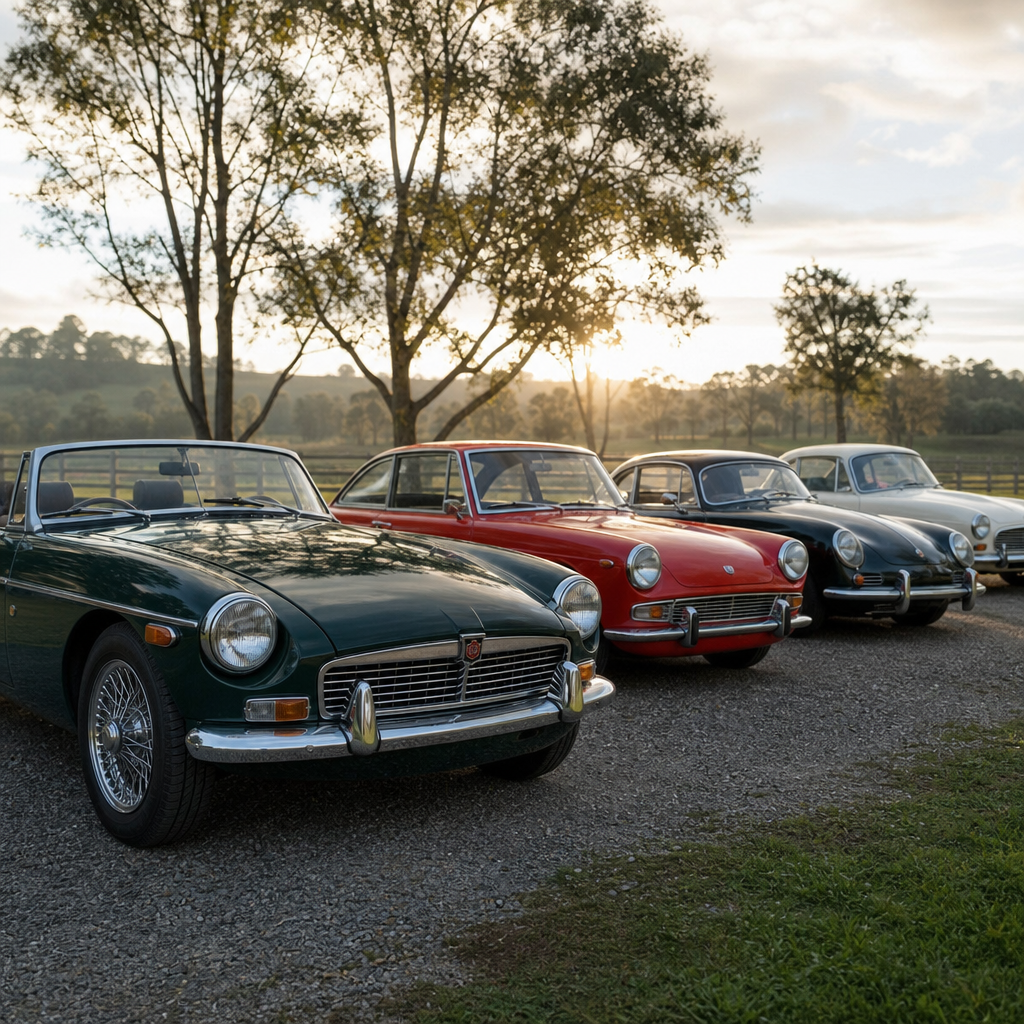
To evaluate whether 2000s cars are the next classic era, it helps to place them inside the broader timeline of automotive history. Earlier classic eras were shaped by visible design signatures and simple mechanical identities. The 1950s celebrated postwar optimism, V8 growth, and jet-age styling. The 1960s delivered muscle cars, sports car competition, and the rise of youth performance culture. The 1970s brought emissions controls, fuel crises, and a shift in priorities. The 1980s and 1990s introduced electronic fuel injection, sharper aerodynamics, homologation legends, and the first wave of Japanese performance cars that are now firmly collectible. The 2000s inherited all of that and added digital control, global platform engineering, and a new internet-driven enthusiast scene.
What defines a classic car era and why the 2000s qualify
A classic car era is not defined only by age. It is defined by identity. When I assess whether a period deserves to be treated as a major era, I look for five markers: shared design language, breakthrough engineering, cultural influence, motorsport or media visibility, and survivorship trends. The 2000s score strongly on every point. Design became cleaner and more aerodynamic, interiors moved toward integrated infotainment, and performance engineering blended mechanical grip with stability systems, active differentials, and increasingly sophisticated engine management. These were not minor updates. They changed how cars felt, sounded, and were modified.
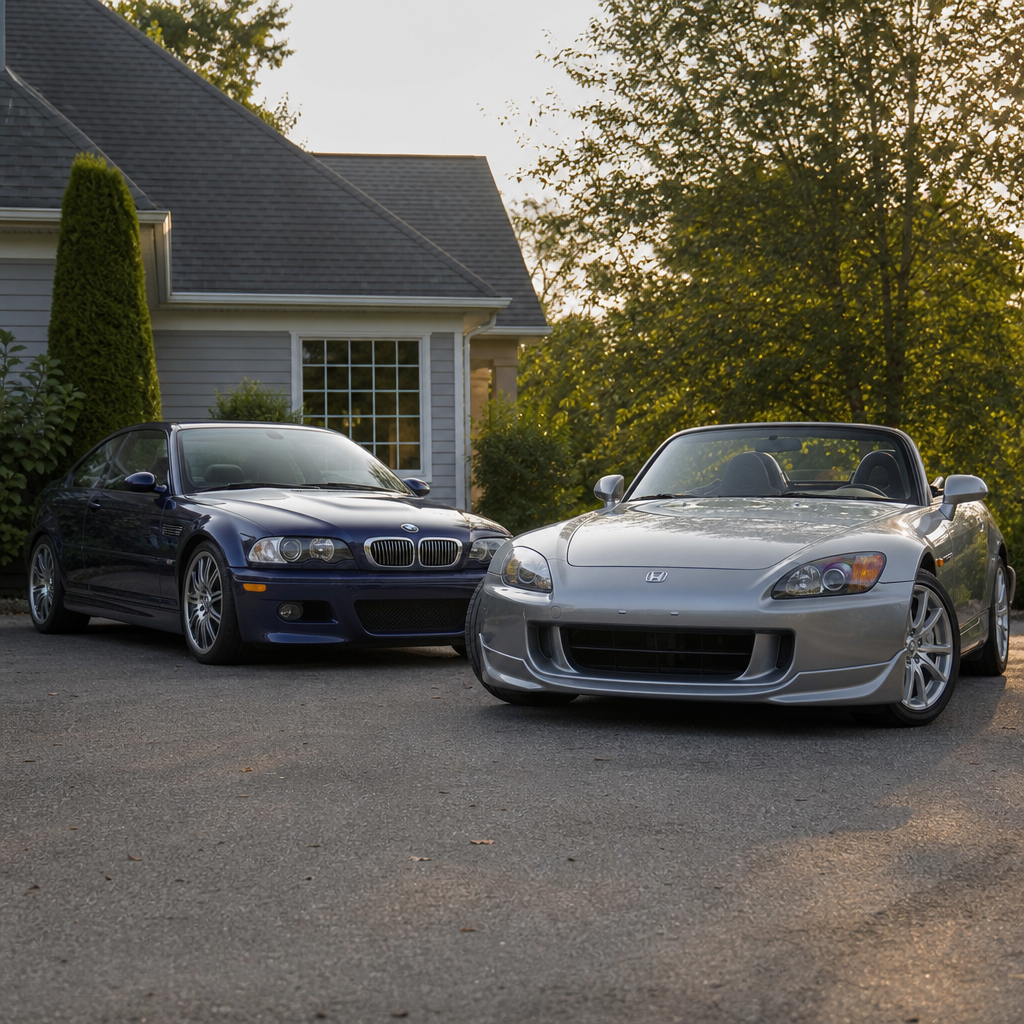
Cultural influence matters just as much. The 2000s produced vehicles that became famous through racing games, tuner culture, internet forums, early social video, and blockbuster films. Models such as the Nissan 350Z, Subaru Impreza WRX STI, Mitsubishi Lancer Evolution VIII and IX, BMW E46 M3, Honda S2000, Porsche 997-generation 911, and Ford GT developed followings far beyond their production numbers. A classic era emerges when ordinary enthusiasts can name dream cars from the period instantly. The 2000s already have that recognition.
Scarcity is the final qualifier. Many 2000s performance cars were modified heavily, driven hard, neglected during depreciation troughs, or lost to accidents. As a result, low-mileage, well-documented, unmodified examples are materially rarer than production totals suggest. That is the same pattern seen in 1960s muscle cars decades earlier and 1990s Japanese performance cars more recently.
How the 2000s compare with other popular classic car eras
The best way to understand the 2000s is to compare them with the eras already accepted as collectible. Each period has a core appeal and a typical buyer motive. The 1950s attract people who value design theater and simple cruising. The 1960s remain the benchmark for big-engine charisma and landmark styling. The 1970s divide opinion but matter for authenticity, survivor culture, and niche performance. The 1980s are now appreciated for wedge design, analog dashboards, homologation specials, and the beginning of modern driver aids. The 1990s have surged because they combine relative mechanical simplicity with usable performance and global pop-culture resonance.
The 2000s differ because they represent the last period before full digital saturation. Many models still offered hydraulic steering, manual transmissions, naturally aspirated engines, and relatively compact proportions, yet they also delivered modern safety, reliable fuel injection, OBD-II diagnostics, and practical climate control. For many owners, that balance is ideal. A 2000s sports car can feel special on a back road without asking for the compromises required by a 1960s or 1970s classic. This usability gives the era broad appeal and supports long-term collectibility.
| Era | Defining traits | Typical collector appeal | Examples |
|---|---|---|---|
| 1950s | Chrome styling, early V8 expansion, postwar optimism | Cruising, design presence, nostalgia | Chevrolet Bel Air, Cadillac Series 62, Ford Thunderbird |
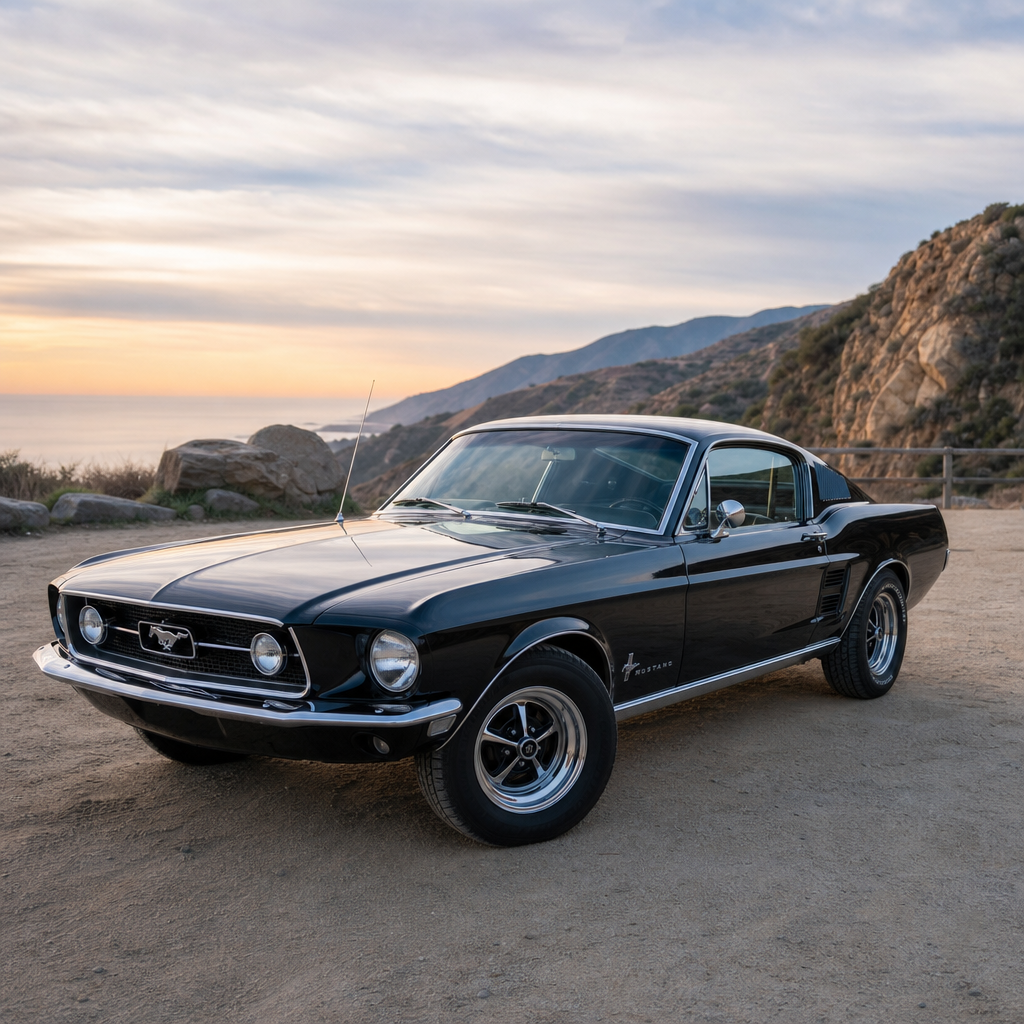
| 1960s | Muscle cars, sports car growth, youth performance culture | Power, icon status, strong parts support | Ford Mustang, Chevrolet Camaro, Jaguar E-Type |
| 1970s | Regulation changes, fuel economy pressure, niche performance | Authenticity, survivors, specialized interest | Pontiac Trans Am, BMW 2002, Datsun 240Z |
| 1980s | Aerodynamics, turbocharging, early electronics | Rad-era design, homologation, analog feel | BMW E30 M3, Buick GNX, Ferrari Testarossa |
| 1990s | Refined EFI, Japanese performance boom, lighter packaging | Tuner culture, usability, game and film nostalgia | Toyota Supra Mk4, Acura NSX, Mazda RX-7 FD |
| 2000s | Digital controls, turbo resurgence, internet enthusiast culture | Modern usability, nostalgia, rising scarcity of clean cars | BMW E46 M3, Honda S2000, Porsche 997, Subaru STI |
Which 2000s cars are most likely to become true classics
The strongest candidates tend to share several qualities: limited production, a clear enthusiast identity, standout engineering, and preserved originality. High-volume mainstream sedans almost never lead an era into classic status, though exceptional trims sometimes do. Halo sports cars and performance variants usually move first because they have an established narrative. The Honda S2000 is a textbook example. Its 9,000-rpm character, precise shifter, and naturally aspirated F20C or F22C engine give it a personality that newer cars rarely match. Good AP1 and AP2 examples have already shown steady appreciation.
The BMW E46 M3 is another benchmark because it represents a peak formula: naturally aspirated inline-six power, balanced rear-wheel-drive handling, available manual transmission, and elegant understated design. It also illustrates an important rule in classic markets: maintenance reputation affects collectibility, but it does not prevent it. Rod bearings, subframe reinforcement, and VANOS issues are well known, yet documented fixes often strengthen buyer confidence rather than weaken demand.
Japanese all-wheel-drive turbo cars from the era remain especially significant. The Subaru WRX STI and Mitsubishi Lancer Evolution became icons because they connected road cars to rally identity in a way buyers understood immediately. Their issue is attrition. Many were modified beyond recognition. Stock cars with service records, factory parts, and clean chassis history are now difficult to find, and that scarcity supports stronger long-term value.
European performance cars also have depth. The Porsche 997 is already widely respected because it combines compact dimensions, everyday drivability, and a steering feel many enthusiasts believe later cars diluted. The first-generation Audi R8 matters for different reasons: gated manual examples, naturally aspirated V8 or V10 power, and a design that symbolized early 21st-century supercar accessibility. American entries count too. The 2005-2006 Ford GT and C6 Z06 are not fringe collectibles; they are cornerstone models that define the era’s performance ambition.
What makes a 2000s car valuable: originality, documentation, and condition
Collectors often assume rarity alone drives value, but for 2000s cars the hierarchy is more specific. Originality comes first, documentation comes second, and condition comes third, though all three interact. Because so many 2000s enthusiast cars were tuned, lowered, wrapped, repainted, or fitted with aftermarket audio and wheels, factory-spec examples command a premium. Bring a Trailer sales, Hagerty valuation trends, and marque-specific forums consistently show that untouched cars attract broader bidding and fewer buyer objections.
Documentation matters because modern classics generate more paper and digital evidence than older cars. A complete file should include stamped service history, invoices, ownership chronology, paintwork disclosures, recall completion records, and ideally original books, keys, and window sticker data. For high-interest models, buyers now expect paint meter readings, compression or leak-down testing when relevant, and cold-start videos. These details reduce uncertainty, which is central to valuation.
Condition is not just cosmetic. Electronic health is now part of collectibility. Pixel failures, failed control modules, degraded navigation units, adaptive suspension faults, and brittle interior plastics can turn a cheap purchase into an expensive correction. I have seen buyers underestimate this repeatedly. A scruffy but mechanically honest 1970s car may still be straightforward to revive. A neglected 2000s performance car can hide four-figure problems in modules, sensors, and deferred maintenance. That is why pre-purchase inspections should include diagnostic scanning, not just a road test and visual check.
Challenges unique to 2000s classics
The 2000s are attractive because they are usable, but they are also the first major classic era shaped by software dependency. That introduces challenges older enthusiasts did not face in the same way. Replacement electronic modules may be discontinued. Manufacturer coding can complicate installation. Screen technology ages poorly. Soft-touch coatings fail. Airbag systems and ABS controllers can become difficult to source. These are not reasons to avoid the era, but they change restoration strategy.
Another issue is that many 2000s cars sit in a value middle zone. They are old enough to need restoration-level spending, but not always valuable enough to justify a full concours approach. Owners need discipline. Prioritize structural integrity, maintenance baselines, and reversible cosmetic corrections. Preserve factory parts even when upgrading wear items. Keep every invoice. Use marque specialists who understand era-specific faults, whether that means IMS-bearing awareness on certain Porsche models, SMG pump diagnostics on BMWs, or AYC system knowledge on Evo models.
The opportunity, however, is substantial. Because the era is still maturing, informed buyers can identify future classics before prices peak. The smartest purchases are usually not the cheapest cars. They are the best preserved, best documented examples of already respected models, bought before consensus fully settles.
How this era fits into a broader classic car education strategy
For anyone studying popular classic car eras, the 2000s should be treated as part of a continuous story rather than a separate fad. The era links directly to articles on muscle cars, 1980s analog performance, 1990s Japanese icons, emerging modern classics, and how to inspect collectible vehicles. It also connects naturally to guides on valuation, storage, insurance, and restoration planning. As a hub topic, classic car eras are most useful when they help readers compare periods by engineering, culture, ownership costs, and collector behavior.
The key takeaway is simple. Yes, 2000s cars are the next classic era, and in many segments they are already here. Their appeal comes from a rare balance of nostalgia, performance, usability, and historical significance. The winning cars will be the ones that best represent the period and survive with originality intact. If you are building knowledge or planning a purchase, study the era model by model, follow transaction data, and start with the cleanest example you can afford.
Use this page as your starting point for exploring popular classic car eras in depth. Compare the 2000s with the decades that shaped them, learn which models define each period, and approach buying with a preservation mindset. The enthusiasts who understand this transition early will make better decisions, whether they want to collect, drive, or simply recognize tomorrow’s classics today.
Frequently Asked Questions
What makes a 2000s car a potential classic instead of just an old used car?
A 2000s car becomes a potential classic when it represents more than simple transportation and starts to stand for a specific moment in automotive history. Age alone is not enough. Collectors usually look for a combination of design significance, engineering importance, cultural impact, limited production, enthusiast demand, and originality. Many cars from the 2000s were built during a major transition period, when automakers were blending analog driving feel with modern safety, electronics, turbocharging, and early digital interfaces. That gives certain models a special place in the timeline.
In practical terms, a future classic from the 2000s is often a car that introduced a major performance idea, marked the peak of a particular engine family, carried a memorable design, dominated in motorsport, or became closely tied to a generation of drivers. Vehicles like performance sedans, rally-inspired compacts, V8-powered sports cars, limited-run homologation models, and early high-end SUVs are getting attention because they reflect changing tastes and important shifts in the market. As older collector categories become expensive, buyers are also looking at newer cars that still feel attainable but already have strong enthusiast communities.
Condition matters too. A mass-produced car can become collectible if surviving clean examples are rare, while a supposedly special model can struggle if it was overbuilt or poorly preserved. The 2000s were full of cars that were modified heavily, neglected, or scrapped when values dipped, so unmodified, well-documented examples now stand out. That is one of the strongest signs that a car is moving from used-car status into classic territory.
Why are collectors, insurers, and auction houses starting to take 2000s cars more seriously?
The biggest reason is generational turnover. People who grew up in the 1990s and 2000s are now reaching their prime earning years, and they want the cars that defined their youth. That pattern has shaped every collector wave before it. Baby Boomers elevated 1950s and 1960s American cars, Gen X helped push interest in 1970s and 1980s performance models, and now younger enthusiasts are bringing 2000s-era cars into the spotlight. Nostalgia is not the only force at work, but it is a powerful one.
Institutional interest follows buyer behavior. Insurers begin paying closer attention when values rise, when owners seek agreed-value policies, and when specialty claims become more common. Auction houses respond when they see bidding competition, international demand, and stronger sell-through rates for cars once considered too new to matter. Online marketplaces have accelerated this process by making price discovery much more transparent. A car that used to trade quietly in owner forums can now gain visibility quickly if enough buyers compete for low-mileage, original examples.
There is also a historical reason. The 2000s now look more distinct in hindsight than they did at the time. That decade produced the last wave of relatively simple performance cars before modern driver-assist systems, touchscreens, stricter emissions strategies, and electrification changed the ownership and driving experience. For many enthusiasts, 2000s cars offer a sweet spot: fast enough to feel modern, mechanical enough to feel engaging, and recent enough to be usable. That mix is very attractive in today’s collector market.
Which types of 2000s cars are most likely to become true classics?
The strongest candidates usually fall into a few well-established categories. High-performance halo cars are near the top of the list because they were expensive, influential, and often built in limited numbers. Think flagship sports cars, supercars, and special-edition models that pushed technology or performance boundaries. Performance sedans and wagons from the era are also gaining recognition because they combine practicality with memorable engines, manual gearboxes, and understated design that appeals to modern collectors.
Another major category is tuner-era and motorsport-linked cars. The 2000s were defined by turbocharged all-wheel-drive performance compacts, Japanese sports cars, homologation specials, and models popularized by racing, rallying, video games, and film culture. Cars with direct enthusiast credibility often age well because their stories are easy to understand and their fan bases remain active. Limited-production manual-transmission models are especially attractive because they represent driving experiences that are disappearing from the new-car market.
Luxury SUVs and early premium crossovers may also surprise people. Some models from the 2000s changed how buyers thought about prestige, utility, and daily performance. While not every SUV will become collectible, landmark examples that launched new segments or combined luxury with serious capability can gain long-term importance. Finally, the market often rewards “last of its kind” vehicles: the last naturally aspirated version, the last manual, the last lightweight chassis, or the last model before a major redesign. Those details matter enormously when buyers begin defining an era.
What should buyers look for if they want to purchase a 2000s car with future classic potential?
Start with originality, documentation, and specification. A clean, unmodified example with full service records usually has a much better chance of holding long-term value than a heavily altered car with missing history. That is especially true for 2000s vehicles because many were modified during their low-value years. Factory paint, correct wheels, original interior trim, matching numbers where relevant, and rare but desirable options can all make a meaningful difference. Manual transmissions, special colors, limited editions, and low-production packages often outperform standard versions.
Mechanical condition is just as important as collector appeal. Cars from the 2000s may look modern, but many are now old enough to suffer from aging electronics, brittle plastics, failing sensors, worn suspension bushings, rust in climate-sensitive regions, and expensive deferred maintenance. Buyers should research known platform issues carefully, including timing components, turbo systems, cooling systems, transmission reliability, and availability of model-specific parts. A bargain purchase can become very expensive if the car has complicated systems that are difficult to diagnose or restore properly.
It is also wise to buy the best example you can afford rather than the cheapest entry point. The market usually rewards quality, provenance, and preservation. Cars with one or two careful owners, complete books and tools, clean history reports, and enthusiast-maintained service files are more likely to attract future buyers. Most importantly, choose a model that already has a passionate following. Collector status rarely appears out of nowhere. Strong forums, clubs, parts support, and event participation are all signs that a car has the community foundation needed to become a recognized classic.
Are 2000s cars a smart investment, or should they be viewed mainly as enthusiast purchases?
They should be viewed primarily as enthusiast purchases, with investment potential as a secondary benefit rather than a guarantee. Some 2000s cars have appreciated impressively, especially rare performance models, low-mileage special editions, and culturally important vehicles. However, the market is selective. Not every sporty car from the decade will become valuable, and even desirable models can have soft periods depending on economic conditions, maintenance costs, and changing buyer tastes. Ownership expenses can easily offset paper gains if the car needs significant work.
That said, the long-term outlook for the best 2000s cars is stronger than many people once assumed. The combination of nostalgia, shrinking supply of original examples, and growing recognition from mainstream collector channels has created real momentum. Cars that define the era in design, performance, or cultural relevance are likely to remain important. The models with the best prospects are usually those that were loved when new, are harder to replace today, and offer an experience modern vehicles no longer deliver.
The smartest approach is to buy a car you genuinely want to own, drive, and maintain. If values rise, that is a bonus. If they do not, you still have something personally meaningful and historically interesting. That mindset tends to lead to better buying decisions, because it keeps the focus on quality, enjoyment, and long-term stewardship. In the collector world, passion usually identifies future classics earlier and more accurately than speculation alone.