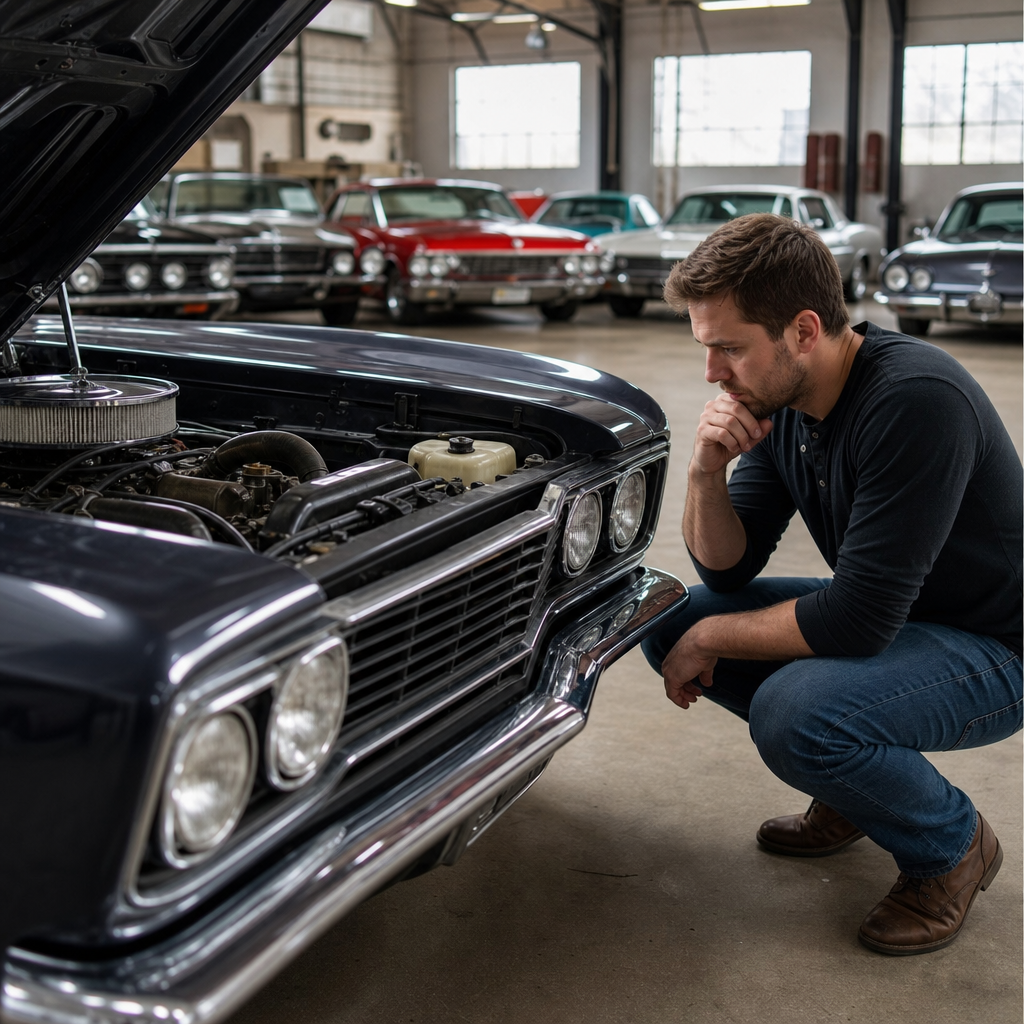
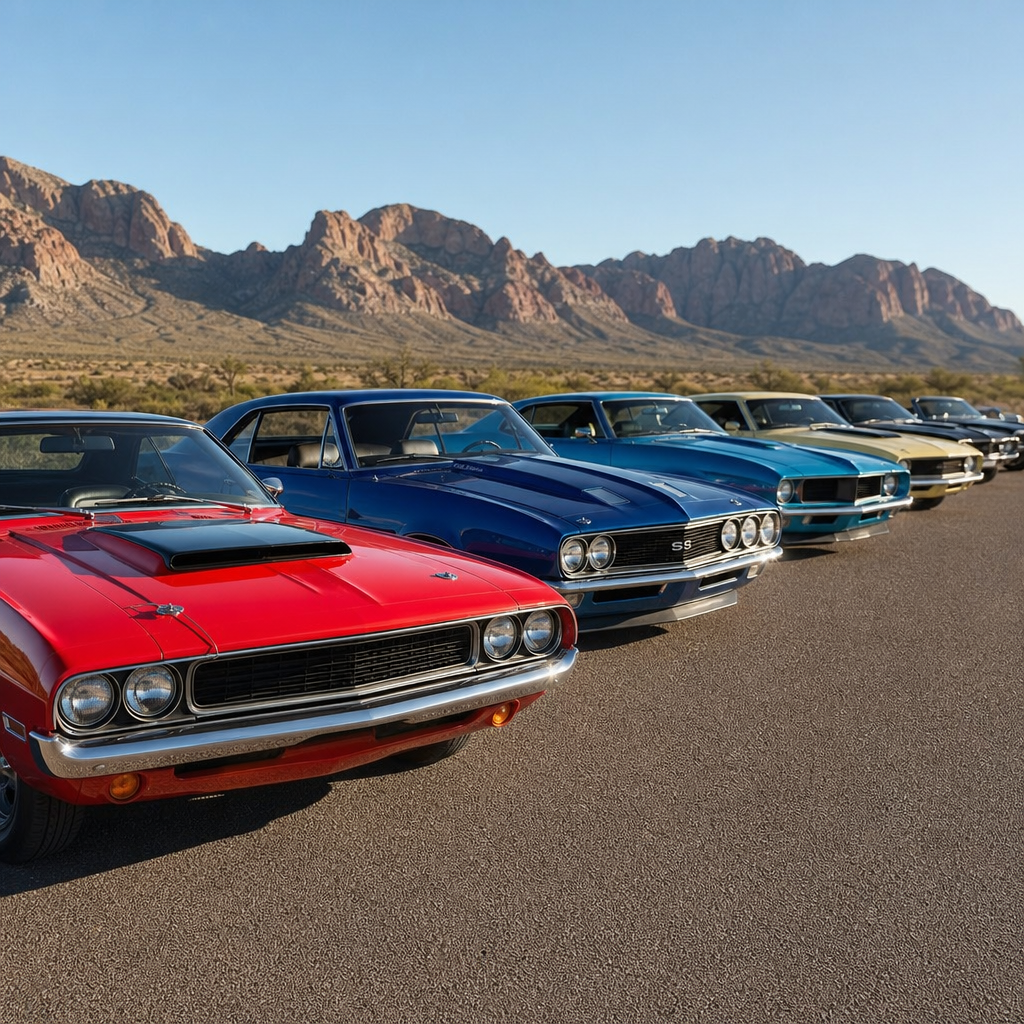
The 1960s muscle era produced some of the most recognizable American performance cars ever built, and it still shapes how enthusiasts define speed, style, and value in the collector market. In practical terms, a muscle car is usually a mid-size or compact American car fitted with a large-displacement V8, sold at a price ordinary buyers could reach, and tuned for strong straight-line acceleration. That definition sounds simple, but the category overlaps with pony cars, full-size performance sedans, factory drag specials, and luxury bruisers. After years of working around restorations, auctions, and owner clubs, I have found that the best way to understand the era is to study the cars people actually chased, raced, and modified when they were new.
This hub on popular classic car eras centers on the 1960s because no other decade compressed so much innovation into such a short span. High-compression big blocks, multiple carburetor setups, lightweight body options, bold graphics, and escalating horsepower wars turned dealer showrooms into battlegrounds. Manufacturers such as Pontiac, Chevrolet, Dodge, Plymouth, Oldsmobile, Buick, Ford, Mercury, and AMC all pursued the same promise: affordable excitement with enough identity to stand apart on the street. Insurance rates, emissions rules, and changing fuel economics would later cool the segment, but from roughly 1964 through 1970 the formula matured at extraordinary speed.
Why does this matter for a broader classic car education? Because the muscle era teaches several fundamentals at once. It shows how marketing can create an entire segment, how racing homologation influences production cars, how engine codes and trim packages affect value, and how originality often matters more than raw condition. It also explains why the phrase “numbers matching” carries financial weight, why build sheets and broadcast sheets are prized, and why one badge can mean very different mechanical specifications from one model year to the next. If you understand the top cars from the 1960s muscle era, you gain a framework for evaluating most postwar American classics.
As a hub article, this guide covers the major nameplates, the engineering themes behind them, and the buying realities modern enthusiasts face. It is not enough to say that a GTO, Road Runner, or Chevelle SS is desirable. You need to know what made each car important, which engines defined its reputation, what body styles are most collectible, and where the mythology drifts away from the paperwork. The sections below answer the questions newcomers usually ask first while giving experienced readers the context needed to compare cars across brands and model years.
What launched the muscle car boom
The usual starting point is the 1964 Pontiac GTO. While high-performance American cars existed long before it, the GTO is widely credited with formalizing the muscle car recipe: a relatively intermediate platform, a large V8, aggressive marketing, and broad showroom availability. Pontiac placed a 389 cubic-inch V8 into the Tempest/LeMans line and offered tri-power induction and close-ratio manual gearboxes. Official output reached 348 horsepower in top street trim, and the package sold far beyond expectations. The point was not just speed. It was accessible speed with a rebellious image, which younger buyers and returning veterans both understood immediately.
Other divisions reacted quickly. Oldsmobile had already demonstrated demand with the 442 formula, initially referring to a four-barrel carburetor, four-speed transmission, and dual exhaust. Buick entered with the Skylark Gran Sport, Chevrolet escalated the Chevelle SS, and Chrysler’s divisions sharpened their B-body performance offerings. Ford, meanwhile, approached the market through both intermediate muscle cars and the smaller Mustang, which created the pony car class but also overlapped with muscle expectations once larger V8s arrived. By the mid-1960s, every major American brand knew that image, quarter-mile times, and option-sheet drama sold cars.
The boom was also powered by technology buyers could feel. Larger displacement engines such as the Chevrolet 396, Chrysler 426 Hemi, and Ford 428 Cobra Jet delivered immediate torque. Heavy-duty suspensions, limited-slip differentials, bigger brakes, and stronger manual transmissions made that power usable. Even so, these were still road cars, not pure race machines. Many retained bench seats, AM radios, and family-friendly trunks. That dual purpose is central to their appeal today. They were fast enough for local drag strips yet usable enough for weekend cruising, and that balance remains a major reason collectors keep coming back to the era.
The headline cars that defined the decade
If one car symbolizes the category, it is the Pontiac GTO. The 1964 through 1967 cars established the name, but many buyers consider the 1968 and 1969 redesigns the visual high point because of their cleaner Coke-bottle lines and Endura front end. A Ram Air-equipped GTO with a four-speed and Safe-T-Track rear axle remains one of the most complete expressions of the original formula. The GTO mattered not because it was the rarest or fastest car in every test, but because it convinced the entire industry that a youth-oriented performance package could become a mainstream sales success.
The Chevrolet Chevelle SS became the everyman giant-killer. Early SS 396 versions offered strong big-block performance, but the 1970 LS6 car, though technically just outside the 1960s, capped the decade’s escalation and influences how collectors value the late-sixties cars. Within the decade, 1968 and 1969 SS models balanced muscular styling with excellent parts support today. I regularly advise first-time buyers to start their research with the Chevelle because it demonstrates the classic tradeoff between popularity and authenticity risk: abundant reproduction parts make restoration easier, but they also make clone cars easier to build.
From Chrysler, the Plymouth Road Runner and Dodge Super Bee brought stripped-down speed to a wider audience. The Road Runner launched in 1968 with a humorous image and a serious 383 V8, while the optional 426 Hemi and 440 Six Barrel transformed it into a street terror. Dodge’s Charger R/T and Coronet R/T added more visual drama, especially with the 440 Magnum and Hemi options. These cars matter because Chrysler often paired outrageous engines with distinctive styling and racing credibility. In auction settings, documented Hemi cars command enormous premiums, while correctly restored 383 and 440 cars still offer compelling period character.
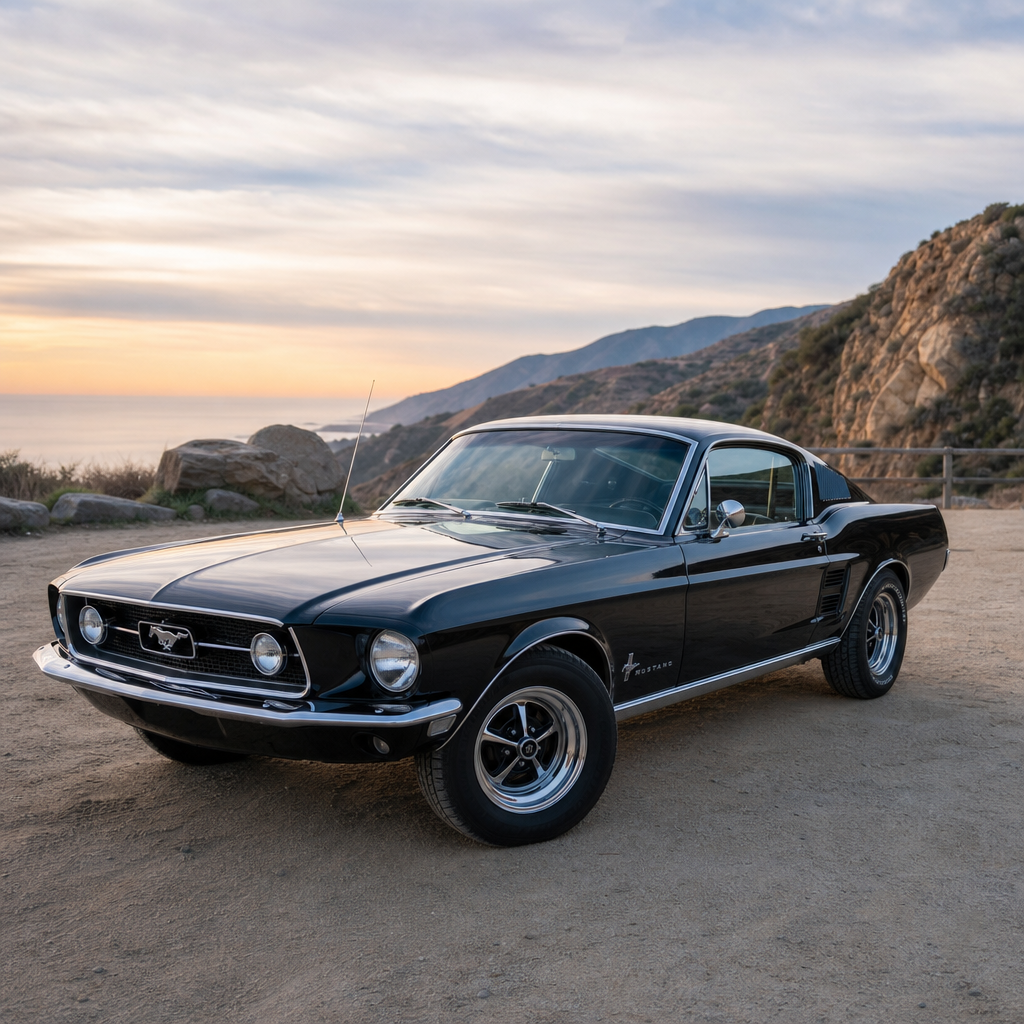
Ford’s performance identity in the muscle era is broader than one model. The Fairlane and Torino Cobra delivered intermediate big-block muscle, especially with the 428 Cobra Jet. The Mustang, introduced in 1964, created its own class, yet high-performance versions such as the 1967–1969 big-block cars and the Boss 429 clearly overlap with muscle-car collecting. Mercury’s Cougar Eliminator and Cyclone CJ deserve mention for the same reason. They show how manufacturers used shared platforms to create parallel performance hierarchies, giving buyers everything from subtle street bruisers to overtly striped halo cars.
AMC often gets overlooked in beginner guides, which is a mistake. The 1968 AMX was shorter than most rivals, a two-seat American V8 performance car with a compact wheelbase and real personality. The Javelin followed the same theme in a more practical form. AMC never matched the production scale of the Detroit giants, but that scarcity can work in its favor today. Enthusiasts looking for something different, especially a documented big-engine AMX, can own a car with genuine muscle-era credentials and stronger conversation value at shows where rows of Chevelles and Mustangs are already expected.
How the top 1960s muscle cars compare
| Model | Key Years | Signature Engines | Why It Matters |
|---|---|---|---|
| Pontiac GTO | 1964–1969 | 389, 400 Ram Air | Established the mainstream muscle car formula |
| Chevrolet Chevelle SS | 1965–1969 | 396 big-block | Balanced style, speed, and broad market appeal |
| Plymouth Road Runner | 1968–1969 | 383, 426 Hemi, 440 Six Barrel | Low-cost performance with drag-strip credibility |
| Dodge Charger R/T | 1968–1969 | 440 Magnum, 426 Hemi | Combined muscle performance with iconic fastback styling |
| Ford Torino Cobra | 1969 | 428 Cobra Jet | Ford’s strongest intermediate-era response |
| AMC AMX | 1968–1969 | 390 V8 | Distinctive, compact alternative with rarity appeal |
These comparisons highlight an important truth: “top” does not mean identical. Some cars led in sales, others in racing impact, and others in design influence. The GTO’s significance is historical; the Charger R/T’s is emotional and visual; the Road Runner’s is value-driven performance; the AMX’s is uniqueness. When I help readers narrow choices, I ask whether they care most about provenance, drivability, visual identity, or restoration ease. The answer changes the ranking. A documented 383 Road Runner may deliver a more honest ownership experience than a heavily restored but questionably authenticated big-block Chevrolet.
What makes a 1960s muscle car valuable today
Value starts with documentation. Protect-O-Plate records, factory invoices, window stickers, trim tags, fender tags, Marti Reports for Fords, Pontiac Historical Services documents, and build sheets all matter because the muscle era was defined by options. A plain-looking car may hide a rare drivetrain, while a flashy restoration may be little more than a clone. Collectors pay significant premiums for verified original engine and transmission combinations, especially when tied to high-performance packages such as Ram Air, Hemi, Cobra Jet, or factory four-speed setups. Color combinations, body style, and axle ratios can also move the market more than casual buyers expect.
Condition matters, but originality often matters more. An unrestored survivor with factory spot welds, original sheet metal, and a known ownership trail can outperform a glossy frame-off restoration in buyer interest, even if the paint is imperfect. That is because the market has matured. Serious buyers know that over-restoration can erase evidence. Date-coded components, chalk marks, assembly stamps, and factory fastener finishes help confirm authenticity. Rust is still a major concern, especially in lower quarters, trunk floors, frame rails, cowl areas, and around vinyl tops, but invasive replacement work should always be weighed against the car’s claim to originality.
Mechanical specification affects value in a layered way. The biggest engine is not always the best buy. Hemi and LS6-level halo motors dominate headlines, yet they are expensive to acquire, insure, and rebuild correctly. Mid-level engines like the 396, 400, 383, and 390 often provide better usability and a larger knowledge base among mechanics. Transmission choice also matters. Four-speed manuals usually bring stronger prices, but well-optioned automatics can be more enjoyable in traffic and were common in period street racing. Power steering, power brakes, tachometers, and factory gauges add appeal because they improve the ownership experience without undermining period character.
Buying, owning, and learning through this era
For newcomers using this page as a hub within classic car basics and education, the smartest next step is to study each major era and brand through a consistent checklist. Start with body style, engine family, transmission, documentation, rust profile, and parts support. Then compare how the 1960s muscle era differs from the 1950s chrome era, the 1970s insurance-and-emissions transition, and the 1980s rise of electronically managed performance. That comparison teaches historical context rather than isolated trivia. It also prevents the common beginner error of buying purely on badge prestige without understanding maintenance costs or market volatility.
Owning one of these cars is rewarding, but it is not passive. Carburetors need periodic tuning, drum brakes on some cars require adjusted expectations, bias-ply versus radial tire choice changes handling feel, and modern fuel can affect hot starts and storage practices. The best owners build relationships with marque specialists, join clubs, and read factory assembly manuals before turning wrenches. If you are building your knowledge of popular classic car eras, use the 1960s muscle period as the benchmark for decoding options, judging authenticity, and understanding how culture, racing, design, and economics can combine to create legends that still dominate conversations today.
The top cars from the 1960s muscle era remain essential because they are more than fast old machines. They are case studies in product positioning, engineering escalation, and collectible value. The GTO proved the concept, the Chevelle SS spread it, Chrysler’s B-body cars amplified it, Ford expanded it across segments, and AMC showed there was room for creative outsiders. Learn the names, but also learn the paperwork, engines, and year-to-year details behind them. That knowledge will make every future classic car decision smarter. Use this hub as your starting point, then continue into deeper model guides, buyer checklists, and restoration-focused articles across the classic car eras topic.
Frequently Asked Questions
What defines a true 1960s muscle car?
A true 1960s muscle car is generally understood as an American-built performance car that combined a relatively affordable price with a large-displacement V8 engine and strong straight-line speed. In most cases, these cars were based on mid-size platforms, although some compact models and related performance cars are often included in the conversation. The core idea was simple: deliver serious power to everyday buyers without the cost of a dedicated sports car. That formula made muscle cars widely accessible and helped create their lasting cultural appeal.
The definition becomes more complicated because the 1960s performance landscape included overlapping categories. Pony cars like the Ford Mustang, Chevrolet Camaro, and Plymouth Barracuda were typically smaller, sportier, and often more style-focused, but high-performance versions of them are frequently discussed alongside muscle cars. Full-size performance sedans and hardtops also blurred the lines, especially when they offered big-block V8 power and drag-strip credibility. Because of that overlap, enthusiasts sometimes debate whether a specific model is a “true” muscle car or part of a related subcategory.
Even with those debates, most experts agree that affordability, American branding, V8 power, and factory-backed performance are the defining ingredients. Cars such as the Pontiac GTO, Chevrolet Chevelle SS, Plymouth Road Runner, Dodge Super Bee, Oldsmobile 442, and Buick GS are commonly treated as textbook examples because they fit the classic formula so well. They were fast, aggressive in styling, and sold in enough numbers to make a real impact on the market. In that sense, a true 1960s muscle car is as much about purpose and audience as it is about engine size alone.
Which cars are considered the most iconic from the 1960s muscle era?
Several models stand out as the most iconic, and the list usually starts with the Pontiac GTO. Often credited with helping launch the muscle car movement into the mainstream, the GTO packaged big V8 power into a mid-size body and proved that there was a huge market for affordable American performance. Its reputation was built on both strong sales and genuine street performance, which gave it a foundational place in muscle car history.
The Chevrolet Chevelle SS is another essential name because it evolved into one of the best-known muscle platforms of the era. By the late 1960s, especially with big-block power available, the Chevelle SS became a benchmark for what buyers wanted: bold styling, strong acceleration, and broad appeal. The Plymouth Road Runner also deserves a top-tier spot because it took the muscle formula in a more stripped-down, value-focused direction. It was designed to be affordable and fast rather than luxurious, and that honesty made it a favorite with performance-minded buyers.
Other major icons include the Dodge Charger, Dodge Super Bee, Oldsmobile 442, Buick GS, Mercury Cougar performance variants, and high-powered Ford Torino models. The Charger added dramatic styling and screen-famous recognition, while the Super Bee emphasized raw performance value. The 442 and GS showed that Oldsmobile and Buick were serious players, not just comfort brands, and both built cars that could compete with the best in the segment. Depending on how broadly you define the category, the Ford Mustang and Chevrolet Camaro also enter the discussion because their high-performance versions were central to the era’s identity, even if they are more precisely labeled pony cars. Together, these vehicles form the visual and mechanical language most people associate with the 1960s muscle era.
Why is the Pontiac GTO so important in muscle car history?
The Pontiac GTO is important because it is widely recognized as the car that brought the muscle car concept into the mainstream. While high-performance American cars existed before it, the GTO showed how successful it could be to place a large, powerful V8 into a relatively affordable mid-size car and market it directly to enthusiastic buyers. That approach transformed the industry. It was not just about creating a fast car; it was about proving that there was a large audience for factory-built performance with everyday usability.
The GTO’s impact also came from timing. During the 1960s, younger buyers were becoming a more influential part of the car market, and they wanted vehicles with personality, speed, and attitude. Pontiac understood this better than many of its competitors and packaged the GTO as something exciting, rebellious, and attainable. It offered impressive power, recognizable styling, and a strong image, all of which helped it become more than just a model in Pontiac’s lineup. It became a statement car.
Its success pushed rival automakers to respond with their own performance models, accelerating the muscle car arms race that defined the rest of the decade. Once the GTO demonstrated that factory muscle could be profitable, other brands expanded their engine offerings, sharpened their styling, and promoted performance more aggressively. That ripple effect is why the GTO is so often mentioned first in historical discussions. Its role was not merely symbolic; it changed product planning across Detroit and helped define what a muscle car would be for years to come.
How did muscle cars differ from pony cars in the 1960s?
The main difference is that muscle cars were usually based on mid-size American platforms and emphasized maximum V8 power for the money, while pony cars were typically smaller, sportier, and more style-driven. A classic muscle car aimed to deliver strong acceleration, especially in a straight line, with a focus on accessible performance. Pony cars, by contrast, often balanced performance with youthful styling, compact dimensions, and broader market appeal. They looked athletic and could be very fast, but their category began from a slightly different design philosophy.
The Ford Mustang is the clearest example of a pony car because it established the category’s basic formula: a compact platform, long-hood and short-deck proportions, sporty image, and a wide range of trim and engine choices. The Chevrolet Camaro and Plymouth Barracuda followed in that mold. Many of these cars could be ordered with potent V8 engines, and high-performance versions absolutely overlapped with the muscle car world. That is why people still debate the terminology, especially when discussing big-engine versions like Mustang Mach 1s, Camaro SS models, or Barracuda and ’Cuda performance variants.
In practice, the distinction matters most when talking about origins and market positioning rather than capability alone. A Road Runner, GTO, or 442 was built squarely around the muscle car idea of putting substantial engine power into a practical American package at a reachable price. A Mustang or Camaro started from a more compact, sporty, image-conscious formula that could be developed into serious performance territory. So while the two categories often intersect in enthusiast culture, muscle cars and pony cars are best understood as related but not identical branches of 1960s American performance.
What makes 1960s muscle cars so valuable and collectible today?
1960s muscle cars are valuable today because they combine historical importance, unmistakable styling, powerful engines, and deep emotional appeal. They represent a high point in American performance culture, when manufacturers competed fiercely to build fast, charismatic street cars for ordinary buyers. That era created vehicles with bold identities, memorable engine options, and strong brand stories, all of which feed collector demand decades later. Buyers are not just purchasing transportation or even raw speed; they are buying a piece of automotive mythology.
Rarity and specification play a major role in value. A car with its original numbers-matching engine and transmission, factory documentation, rare performance package, desirable color combination, and limited production history will usually command a significant premium. High-impact models with top-tier engine options, such as big-block examples or specially equipped trims, tend to attract the strongest prices. Condition matters just as much. Well-preserved survivor cars and expertly restored examples are often worth far more than heavily modified or poorly repaired vehicles, especially in the upper end of the collector market.
Market value is also influenced by authenticity and cultural recognition. Cars that are universally respected, prominently featured in period advertising, motorsports, or popular media, and closely associated with the peak years of the muscle era tend to remain especially desirable. Models like the GTO, Chevelle SS, Road Runner, Charger, 442, and Buick GS consistently draw attention because they are instantly recognizable and historically significant. For collectors, the appeal is mechanical, visual, and nostalgic all at once. These cars capture the sound, look, and spirit of a distinctly American performance age, which is exactly why they continue to hold their value and command lasting enthusiasm.