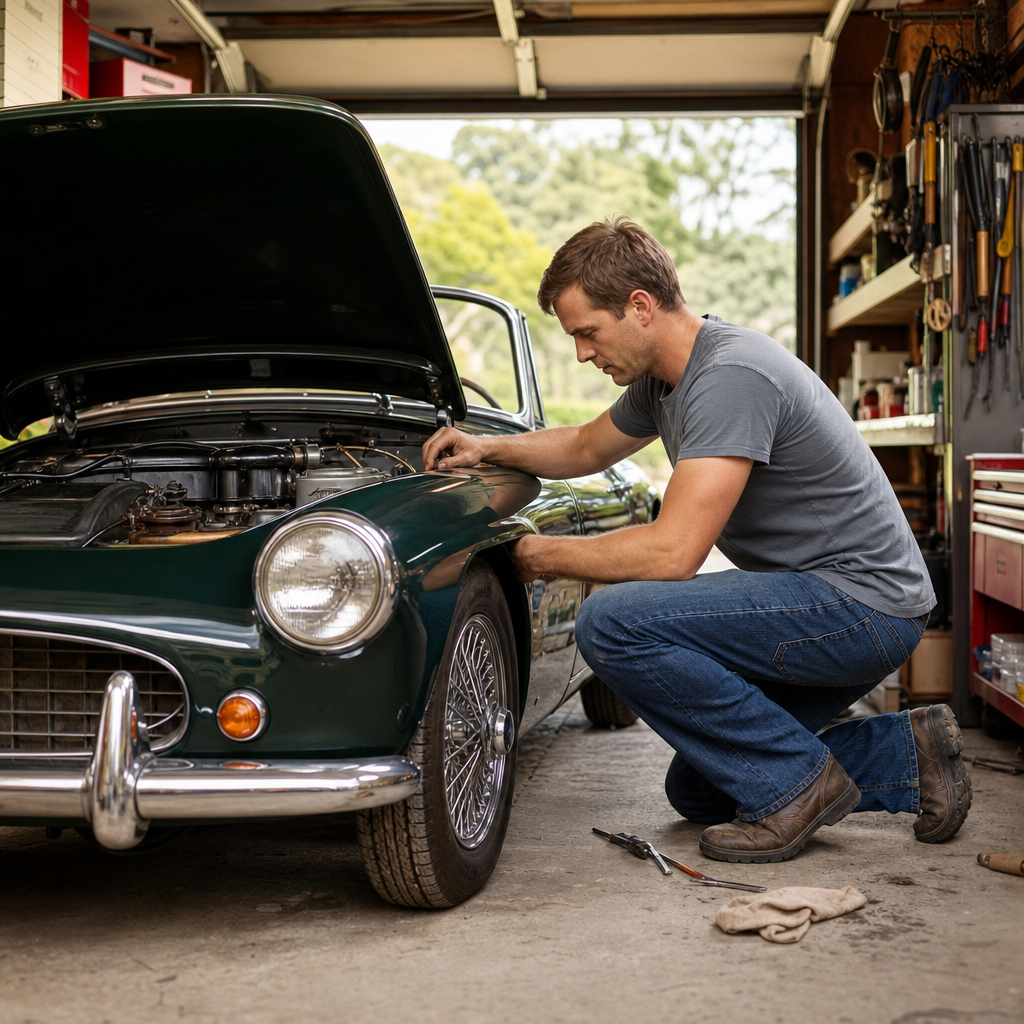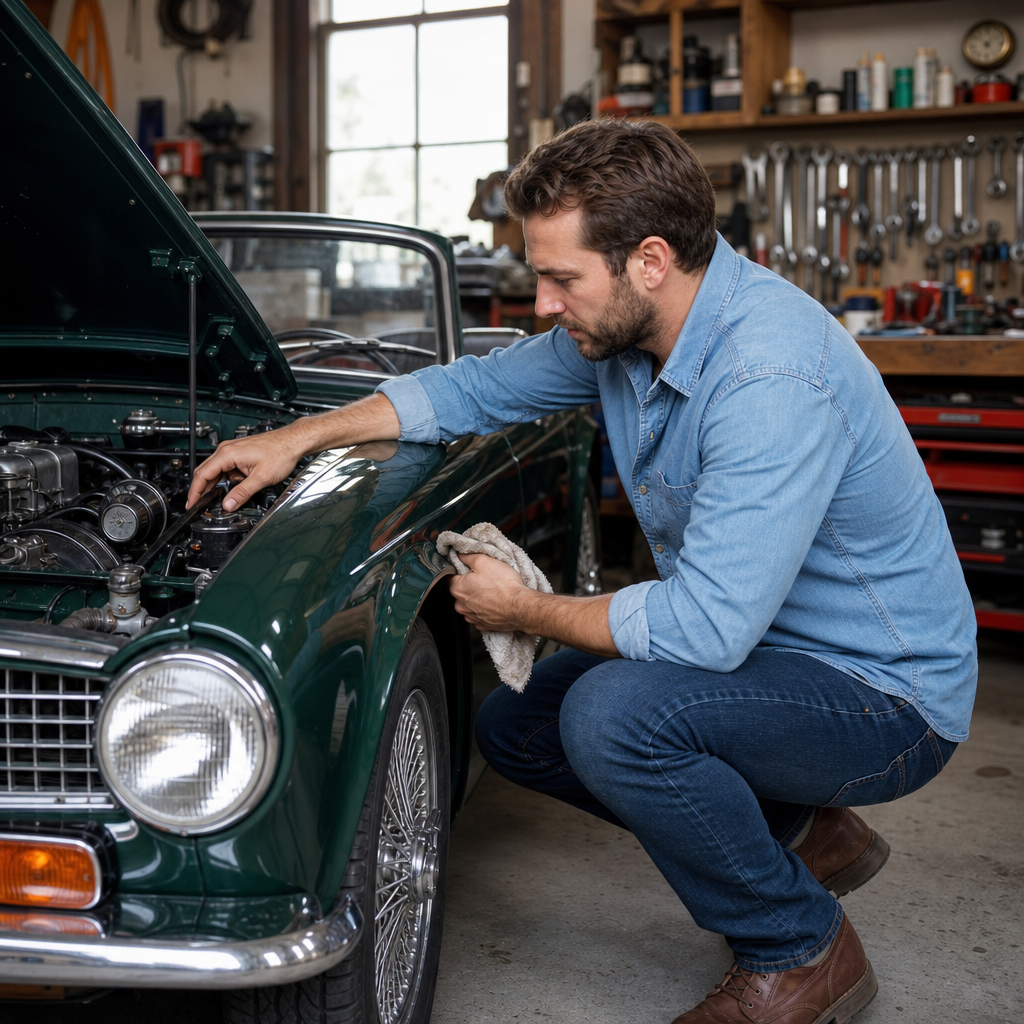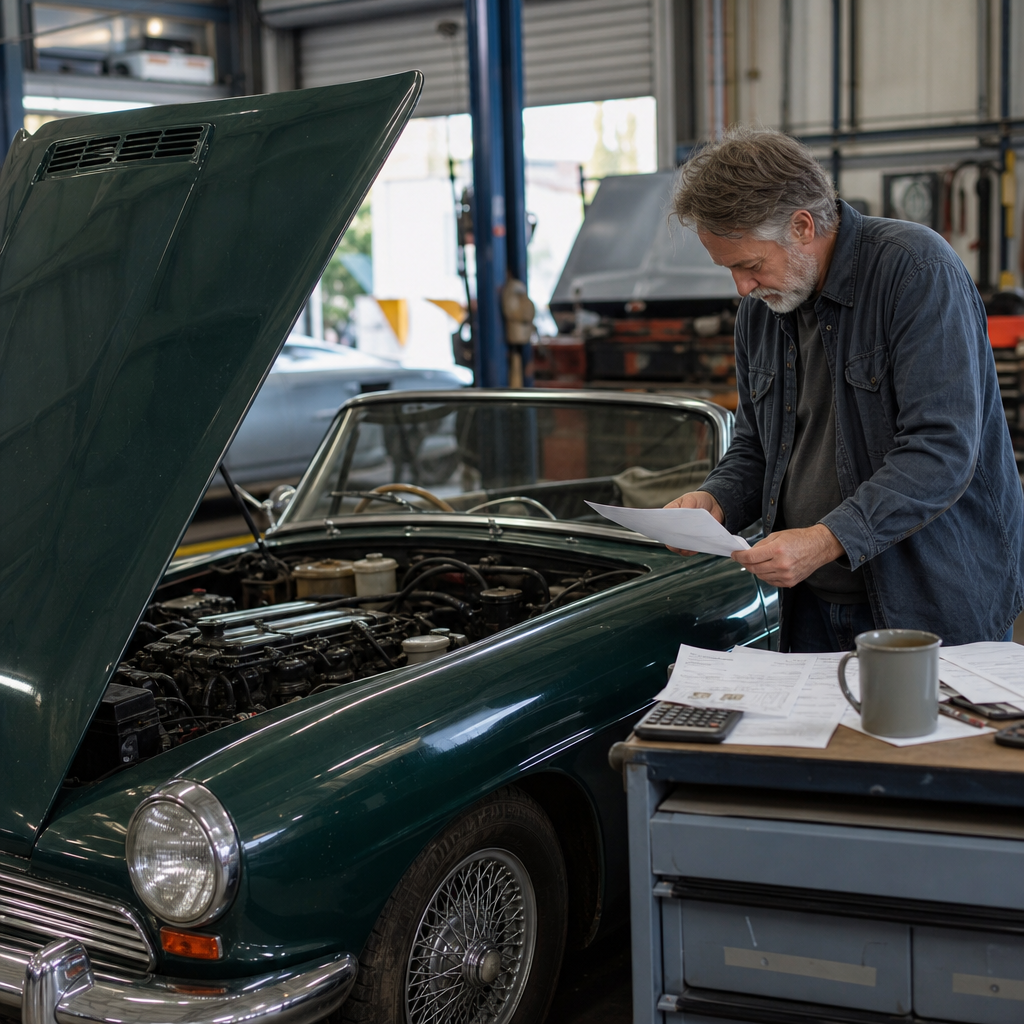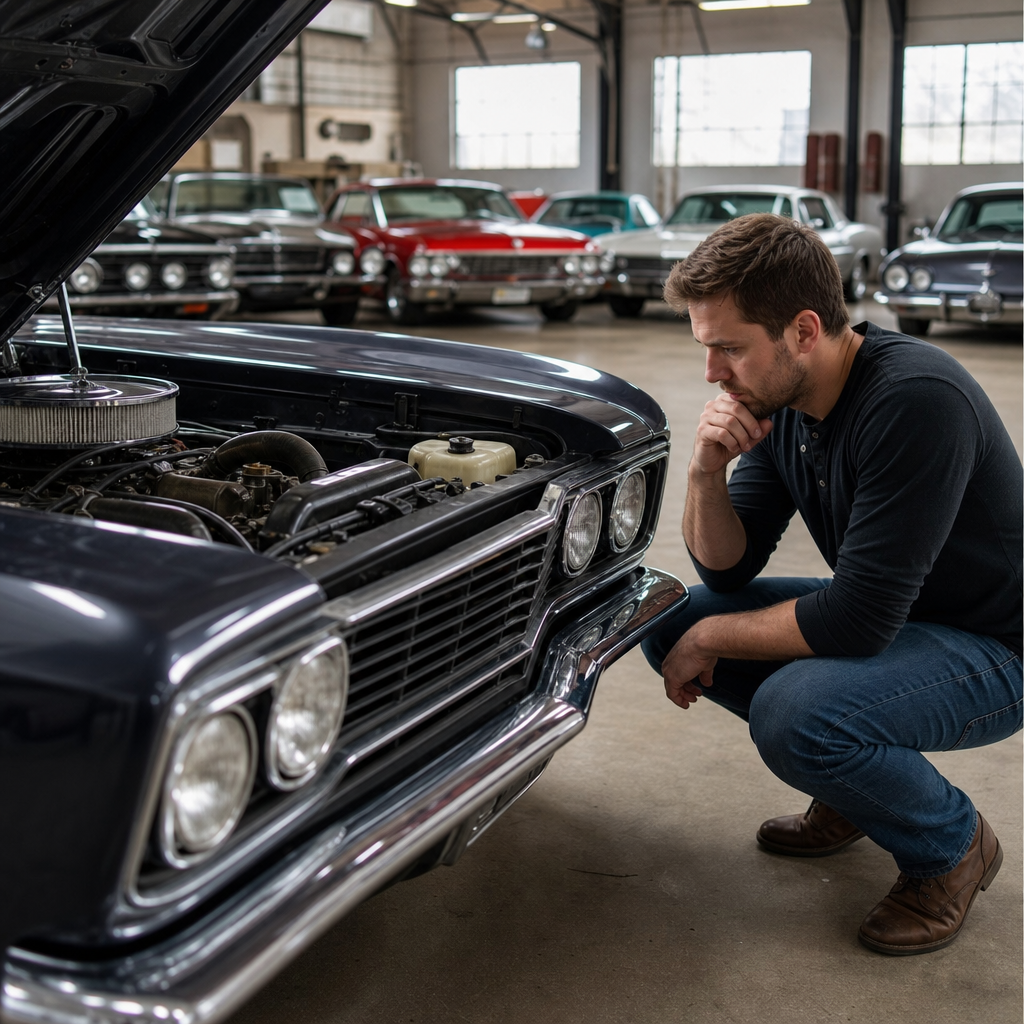
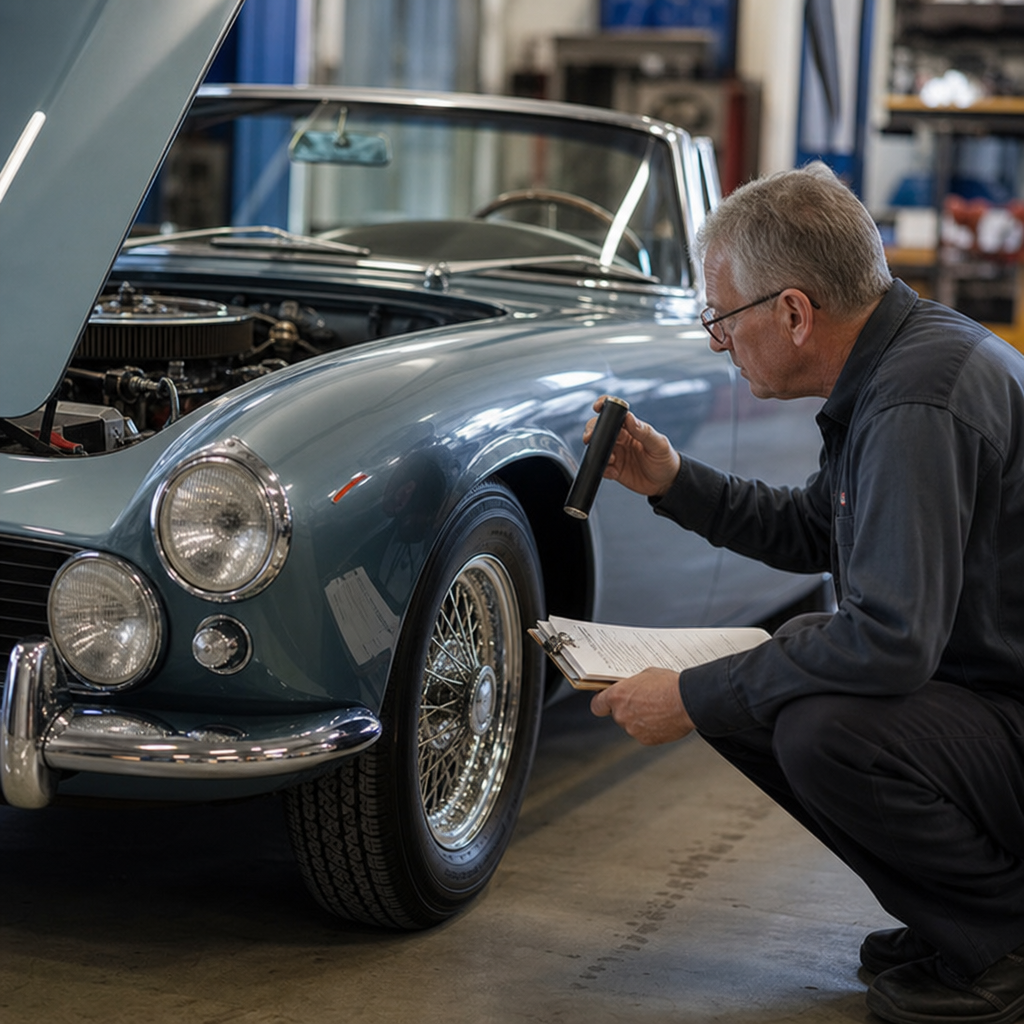
Authenticating a classic car is the process of proving that a vehicle is what it claims to be, with the correct identity, period-correct components, documented history, and condition represented honestly. In practice, experts do far more than glance at a badge or admire the paint. They verify vehicle identification numbers, inspect body stampings, decode trim tags, compare driveline dates, study factory records, and look for evidence of restoration shortcuts, rebody work, or outright fraud. For buyers, sellers, insurers, auction houses, and collectors, that process matters because authenticity directly affects value, insurability, eligibility for judged events, and long-term confidence in ownership.
When people ask how to identify a classic car, they usually mean two related things. First, they want to know whether the vehicle qualifies as a classic by age, historical significance, rarity, or collector interest. Second, they want to know whether a specific example is genuine: the real model, trim, engine, transmission, and production specification it is represented to be. I have inspected cars where the title matched the dashboard plate but the hidden body stamp told a different story, and others where a car looked rough yet proved highly original because the fasteners, date codes, and factory spot welds all lined up. That is why authentication is not guesswork. It is a methodical comparison between the car, the documents, and known factory standards.
Definitions matter here. A matching-numbers car generally means the engine, transmission, and sometimes rear axle correspond to the original factory-installed units or at least to the car’s documented serial sequence and production dates. Originality refers to how much of the car remains as built, including finishes, components, materials, and assembly details. Provenance is the ownership and usage history supported by registrations, invoices, photos, service records, and period paperwork. Identification sits above all three. Before an expert can judge rarity or restoration quality, they establish identity. That foundation makes this topic central to classic car basics and education, especially for enthusiasts comparing project cars, inherited vehicles, and auction listings.
Because this is a hub article, it covers the full identification process from first impression to paperwork review, while setting up deeper exploration of VIN decoding, trim tags, body numbers, title problems, factory documentation, and inspection checklists. The essential point is simple: experts authenticate classic cars by building a chain of evidence. The strongest cars have consistent numbers, believable date codes, documented history, and physical construction details that match how the manufacturer actually built them.
Start with identity: year, make, model, body style, and market specification
The first step in classic car identification is establishing exactly what the vehicle is supposed to be. Experts identify the year, make, model, body style, assembly plant, and intended market before they judge originality. A 1967 Ford Mustang coupe, a 1967 Shelby GT500, and a 1967 Mustang fastback converted to Shelby appearance parts can look similar to an untrained eye, yet they occupy completely different value categories. The same applies to split-window versus later C2 Corvettes, real SS Chevrolets versus clones, or Mercedes-Benz Pagodas built for European delivery versus U.S.-spec examples with different lighting, emissions, and trim.
Identification starts with manufacturer identifiers and production conventions. On American cars built before the standardized 17-character VIN system introduced for 1981, serial numbers vary by brand and era. General Motors divisions often used model-specific sequences; Mopar products used fender tags and body numbers heavily; Porsche relied on chassis numbers and engine type codes; Jaguar, Ferrari, and Mercedes-Benz each had their own numbering logic. An expert does not assume that a title description is accurate. Titles are often wrong on older cars, especially when states historically titled vehicles by engine number rather than chassis number. The car itself is the primary evidence.
Market specification is another overlooked factor. Cars exported to Europe, Canada, Australia, or Japan may have different lighting, instruments, emissions labels, or trim combinations from domestic-market examples. That matters when assessing whether a speedometer in kilometers, amber rear indicators, headlamp washers, or metric fasteners indicate originality or later modification. Experts compare the vehicle against factory sales literature, parts catalogs, workshop manuals, and marque registries to determine whether those features are correct for that production run.
VINs, serial numbers, and hidden stampings tell the real story
The most important authentication evidence is the vehicle’s identity markings. Experts inspect the VIN plate, chassis stamping, body plate, and any confidential or hidden numbers used by the manufacturer. They check whether the fonts, rivets, placement, stamping depth, and attachment methods match factory practice. On many valuable cars, counterfeit plates are common. Rosette rivets on Ford products, specific star stamps on European makes, and original spot-welded tags on certain British cars all have known characteristics. A plate attached with generic hardware-store rivets is an immediate warning sign.
Hidden stampings are often decisive because they are harder to alter than visible plates. Many muscle cars have partial VIN stampings on the engine block, transmission case, radiator support, cowl, frame rail, or trunk gutter. Porsche and Mercedes-Benz used body and chassis stamps in multiple places. On air-cooled 911s, for example, chassis number location, type plate details, and production option stickers must align. On Corvettes, experts inspect frame stampings and compare them with trim tag data and casting dates. If the visible VIN says one thing but the hidden numbers say another, the car may be a rebody, theft recovery, or identity swap.
Authentication also includes verifying whether the serial sequence fits the claimed production period. If a car represented as an early-production 1970 model carries castings dated months too late, that inconsistency needs explanation. Factories did not install parts cast after the car was assembled. Small timing gaps are normal because components were produced in batches, but the chronology must make sense. Experts build that timeline from the body shell outward.
Trim tags, data cards, and factory records confirm build specifications
After establishing identity, experts move to build specification. Trim tags, cowl tags, fender tags, body plates, and manufacturer data cards reveal the original paint color, interior trim, axle ratio, transmission type, options, and assembly scheduling information. These tags are invaluable because appearance items can be changed easily during restoration. A car painted in an attractive color today may have left the factory in a far less desirable shade, and that difference can affect value materially.
Manufacturers and archives offer varying levels of documentation. Porsche provides Certificates of Authenticity or production information through factory channels, though enthusiasts still cross-check them because archival records can contain transcription errors. Mercedes-Benz data cards are excellent sources for original options and major component numbers. British Motor Industry Heritage Trust certificates help identify many MG, Austin-Healey, and Jaguar-related British cars. For American muscle cars, services like Pontiac Historic Services are indispensable because they reproduce original invoice or billing data. NCRS, the Bloomington Gold community, and marque clubs have also built deep reference libraries for Corvettes and other high-value models.
| Evidence source | What it verifies | Common red flags |
|---|---|---|
| VIN plate and chassis stamp | Core vehicle identity | Mismatched fonts, fresh rivets, altered digits |
| Trim or data tag | Paint, trim, options, body details | Codes inconsistent with known model-year combinations |
| Engine and transmission numbers | Matching-numbers status, date correctness | Partial VIN absent where expected, dates later than assembly |
| Factory records or heritage certificate | Original build specification | Paperwork that conflicts with physical car |
| Ownership and service history | Provenance and mileage narrative | Long gaps, inconsistent odometer statements, recreated invoices |
Experts never rely on one source alone. Tags can be reproduced, records can contain clerical mistakes, and restorations can mix genuine parts from multiple donor cars. The reliable approach is corroboration. If the cowl tag indicates a bench-seat, column-shift car but the floor pan, steering column, and transmission tunnel show factory evidence of a console and manual gearbox, something needs closer investigation. Good authentication is about convergence of evidence, not a single magic number.
Matching numbers, date codes, and component originality separate real cars from clones
The phrase matching numbers is widely used and frequently misunderstood. In strict terms, it means the major drivetrain components correspond to the car’s original build. However, the exact standard varies by marque. Some manufacturers stamped the full or partial VIN on the engine and transmission; others used engine numbers recorded on build documents; some did neither. Experts therefore assess three layers: whether the component is the original unit, whether it is the correct type for that model, and whether its casting and assembly dates are plausible for the car’s build date.
Consider a big-block 1970 Chevrolet Chevelle SS. A correct-authentication review examines the engine suffix code, partial VIN stamping, block casting number, cylinder head castings, intake, carburetor tag, alternator date, and even starter or distributor dates when high-level judging is involved. A car may have a correct-era replacement engine that makes it mechanically appropriate but not numbers-matching. That distinction must be stated clearly because market values can differ significantly. The same logic applies to Hemi Mopars, Boss Mustangs, fuel-injected Corvettes, and air-cooled Porsche 911s with type-correct but non-original engines.
Originality goes beyond the drivetrain. Experts inspect glass date codes, seatbelt tags, wheel stampings, hose clamps, undercoating texture, seam sealer application, weld patterns, trunk spatter finish, and hardware finishes such as phosphate, cadmium, or zinc. These details expose overrestoration and cloning. I have seen convincing tribute cars undone by modern MIG weld beads where factories used spot welds, by reproduction stickers placed in the wrong locations, or by suspension components painted in glossy finishes never used by the manufacturer. Small details are where fakes lose discipline.
Condition, restoration quality, and provenance complete the authentication picture
A car can be genuine and still be represented inaccurately if its condition or history is overstated. That is why experts finish authentication with a condition review and provenance analysis. They look for evidence of collision repair, rust replacement, re-stamped panels, and non-factory body-shell substitutions. On unibody cars, factory spot-weld spacing, pinch weld seams, and panel stamp characteristics can reveal whether large sections were replaced. On body-on-frame cars, frame corrosion, VIN tampering around attachment points, and inconsistencies between body age and chassis wear deserve scrutiny.
Restoration quality matters because a poorly executed restoration can destroy identification clues. Heavy filler can obscure seams and stampings. Incorrect undercoating can hide welds. Reproduction tags may be installed after original plates were removed during paintwork. A professional inspection often includes paint-meter readings, borescope use in enclosed areas, lift inspection, and magnet checks where appropriate. Auction houses increasingly commission third-party reports because presentation alone is unreliable under bright lights and polished floors.
Provenance strengthens authenticity when the paper trail is coherent. The best files include old registrations, maintenance receipts, inspection stickers, restoration photos, ownership correspondence, and period photographs showing the same car decades earlier. Mileage claims on classics are particularly difficult because most older odometers rolled over at 99,999 miles or simply stopped. Experts treat low-mileage claims cautiously unless supported by service history, interior wear patterns, pedal condition, and long-term records. A continuous narrative is more persuasive than a stack of newly assembled documents.
For buyers learning how to identify a classic car, the practical rule is straightforward: inspect the car in person or hire a marque specialist before money changes hands. Decode every number available, compare dates logically, request factory documentation, and verify that the title matches the physical identifiers exactly. If a seller resists close inspection, dismisses missing numbers as unimportant, or relies on phrases like “believed to be” without documentation, slow the transaction immediately. Authentic classic cars can withstand scrutiny. Informed identification protects your budget, preserves automotive history, and helps you buy with confidence. Use this hub as your starting point, then build a model-specific checklist before your next inspection.
Frequently Asked Questions
What does it actually mean to authenticate a classic car?
Authenticating a classic car means verifying that the vehicle is genuinely what the seller, owner, or market believes it to be. That includes confirming its identity, originality, configuration, historical continuity, and overall truthfulness of presentation. An expert is not simply checking whether the car looks right from a distance. They are determining whether the VIN matches the chassis, whether the body stampings are correct, whether the trim tag aligns with the claimed options and production period, and whether major components such as the engine, transmission, rear axle, and body panels are appropriate for that specific model and build date.
In many cases, authentication also involves establishing whether the car is numbers-matching, period-correct, restored accurately, or reconstructed from multiple vehicles. A car may be visually impressive and still fail an authenticity review if it has replacement tags, altered stampings, non-original drivetrain dates, or a history that cannot be supported by records. Experts also assess whether the condition has been represented honestly, looking for hidden repairs, rebody work, corrosion concealment, and restoration methods that may affect value. In short, authentication is the process of separating documented fact from assumption, marketing language, or intentional misrepresentation.
How do experts verify a classic car’s identity?
Experts start with the car’s identifying information and then build outward from there. The most important step is locating and examining the VIN or serial number in every place it should appear. Depending on the make and year, that may include the dashboard plate, door jamb tag, frame stampings, firewall markings, body-number plates, and hidden factory stamp locations known to marque specialists. They compare these identifiers for consistency in format, font, rivets, placement, aging, and manufacturing style. Small details matter. Incorrect fasteners, freshly disturbed metal, unusual spacing, or mismatched stamp depths can suggest tampering or re-tagging.
From there, experts decode trim tags, body plates, and production codes to confirm whether the paint color, interior trim, body style, engine type, and factory options correspond to the claimed specification. They also review casting numbers, date codes, and assembly stamps on major mechanical components. A car built in March should not have an engine block cast many months later unless a well-documented replacement exists. The authentication process often continues with factory documentation, build sheets, original invoices, warranty booklets, ownership history, registration records, and marque registry data. When all of these layers align, confidence in the car’s identity rises significantly. When they conflict, the car requires much closer scrutiny.
Why are matching numbers and date codes so important in classic car authentication?
Matching numbers and correct date codes help establish whether a classic car still retains the major components it was born with, or at least components consistent with its original production window. For many collectors, originality is a major driver of value, especially for rare muscle cars, sports cars, and limited-production models. A numbers-matching vehicle generally means the engine, transmission, and sometimes other components correspond to the car’s VIN or factory records in the way the manufacturer intended. Even when a manufacturer did not stamp full VINs on every component, experts can often evaluate whether casting dates, assembly dates, and part numbers make sense for that specific build.
These details matter because replacement drivetrains, restamped parts, and incorrect components can significantly change a car’s market position. A car advertised as a high-value factory big-block example may lose substantial credibility if the engine was assembled years later or if the transmission tag does not fit the claimed production period. Date-code analysis also helps detect fraud. If the body, trim tag, and drivetrain pieces come from inconsistent timeframes, that may indicate a clone, tribute car, or assembled vehicle rather than an original example. Correct components do not guarantee total authenticity on their own, but they form a critical part of the evidence experts use to assess whether the car’s story is legitimate.
Can a beautifully restored car still have authenticity problems?
Yes, and this is one of the most common misunderstandings in the collector-car world. A high-end restoration can improve appearance while also concealing important authenticity issues. Fresh paint can hide panel replacement seams, altered stampings, welded repairs, or signs of rebody work. New upholstery and refinished trim can make an interior look factory-correct even when the color, materials, stitching patterns, or option details are wrong for the car. Restored engine bays can also be misleading if components have been refinished to look original despite having incorrect part numbers or production dates.
Experts therefore look beyond cosmetic quality. They inspect weld patterns, spot-weld locations, underbody finishes, panel fit, seam sealer style, fastener types, and signs of metal replacement. They compare the restoration choices against known factory practices for that make, plant, and production year. Some problems are not malicious at all; they may result from old repairs, unavailable parts, or a restorer prioritizing visual perfection over historical accuracy. But in the authentication process, the key question is not whether the car looks good. It is whether the car is presented honestly and whether its current condition accurately reflects its true origin, structure, and components. A show-quality finish does not automatically equal a genuine or correctly represented classic car.
What documents and records should support an authenticated classic car?
The strongest authenticated classic cars are supported by a paper trail that helps confirm identity, ownership continuity, factory configuration, and historical significance. Useful records can include the original bill of sale, build sheet, window sticker, warranty booklet, protect-o-plate, service records, registration documents, title history, restoration invoices, old photographs, judging sheets, and marque registry entries. Factory production records or heritage certificates can be especially valuable when available, because they provide an independent reference for how the car was originally built. For rare or competition-related vehicles, race logs, event programs, period photos, and correspondence can also play a major role.
That said, experts know documents must be evaluated as carefully as the car itself. Paperwork can be incomplete, reproduced, altered, or attached to the wrong vehicle. The goal is to see whether the records align with the physical evidence on the car. If a build sheet lists a specific drivetrain, paint code, and trim combination, those details should make sense when compared to the tags, stampings, and surviving components. If ownership history is claimed, the dates, locations, and names should form a believable chain. The best authentication cases combine solid documentation with physical consistency. When both the records and the car tell the same story, buyers and collectors can have much greater confidence in the vehicle’s authenticity.