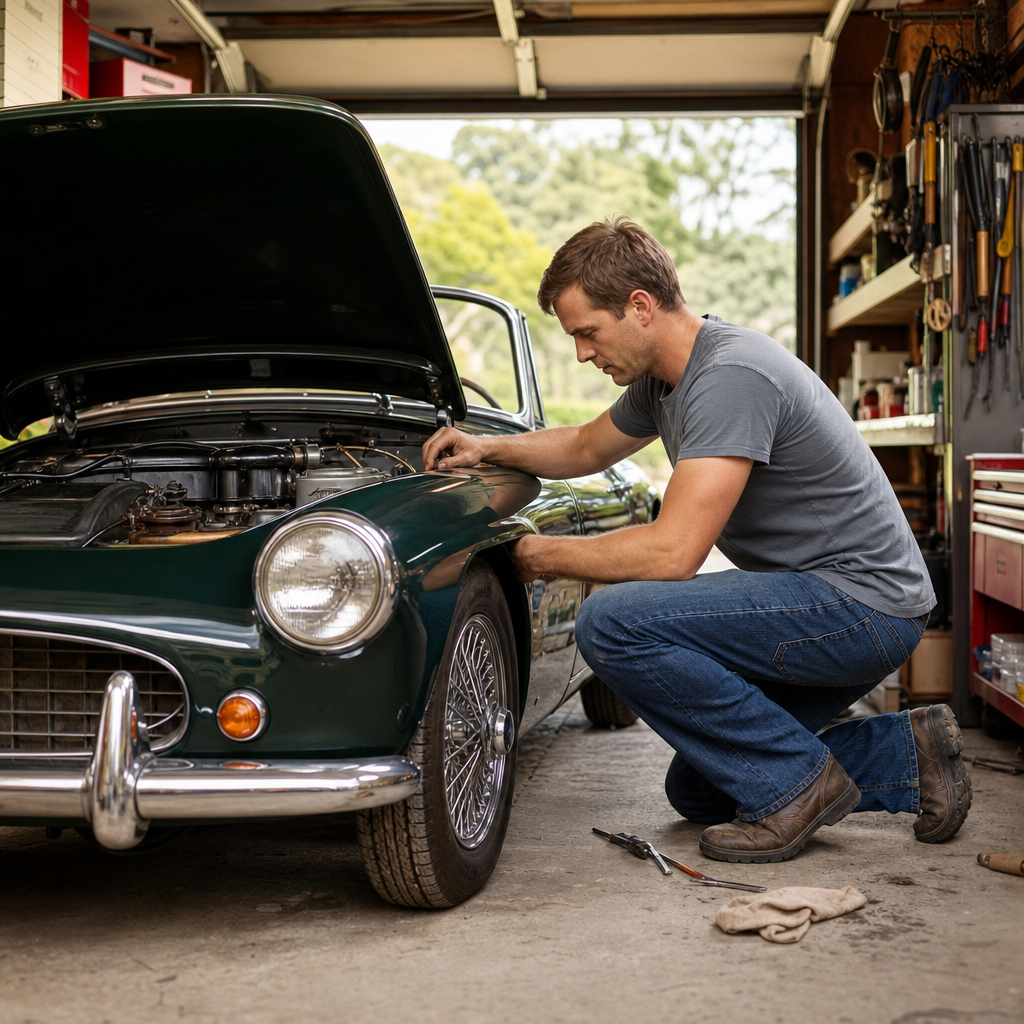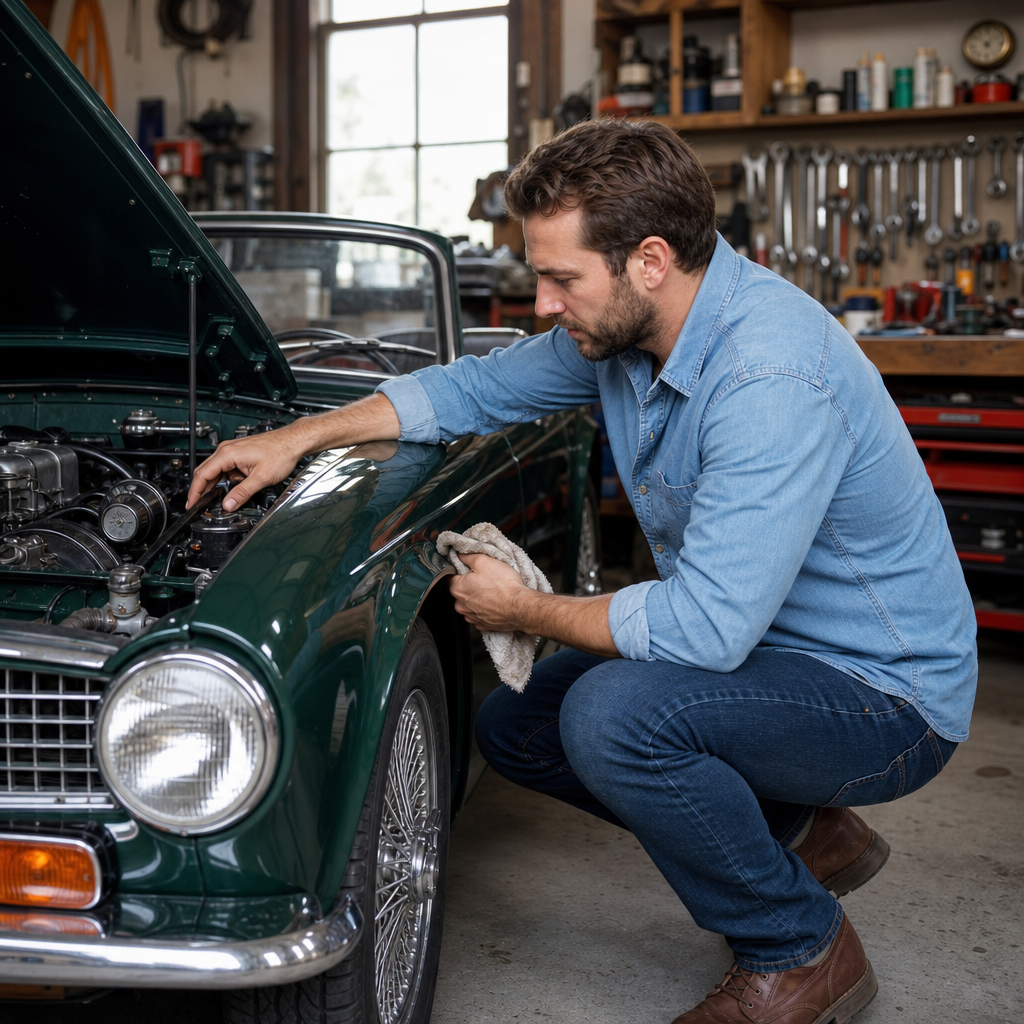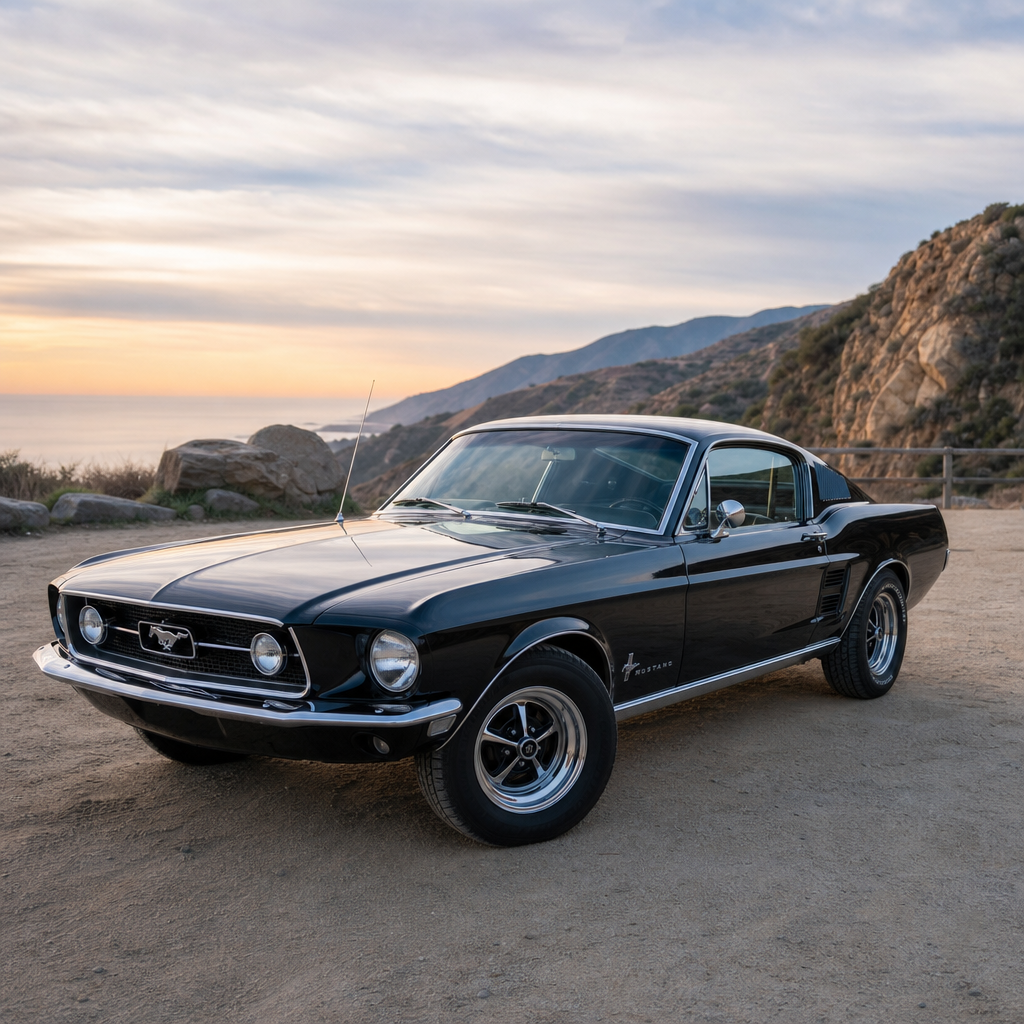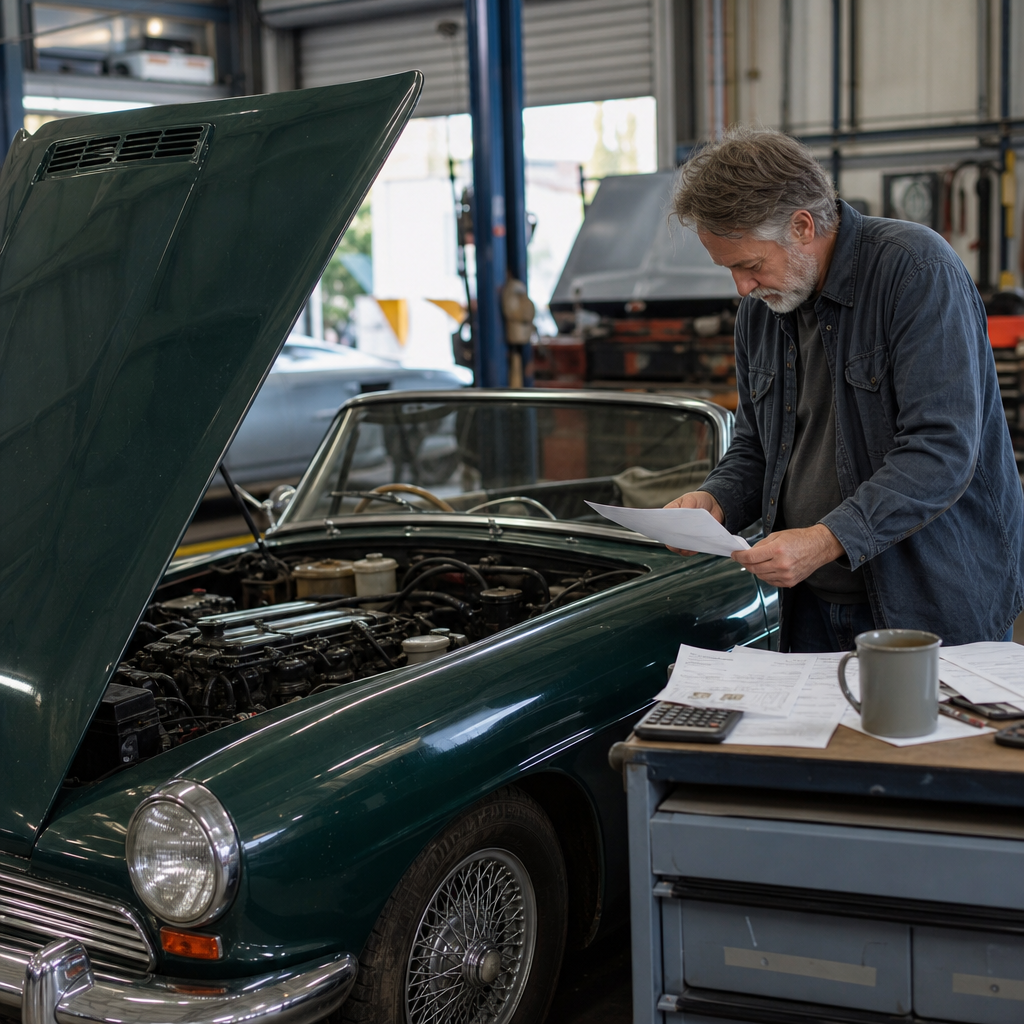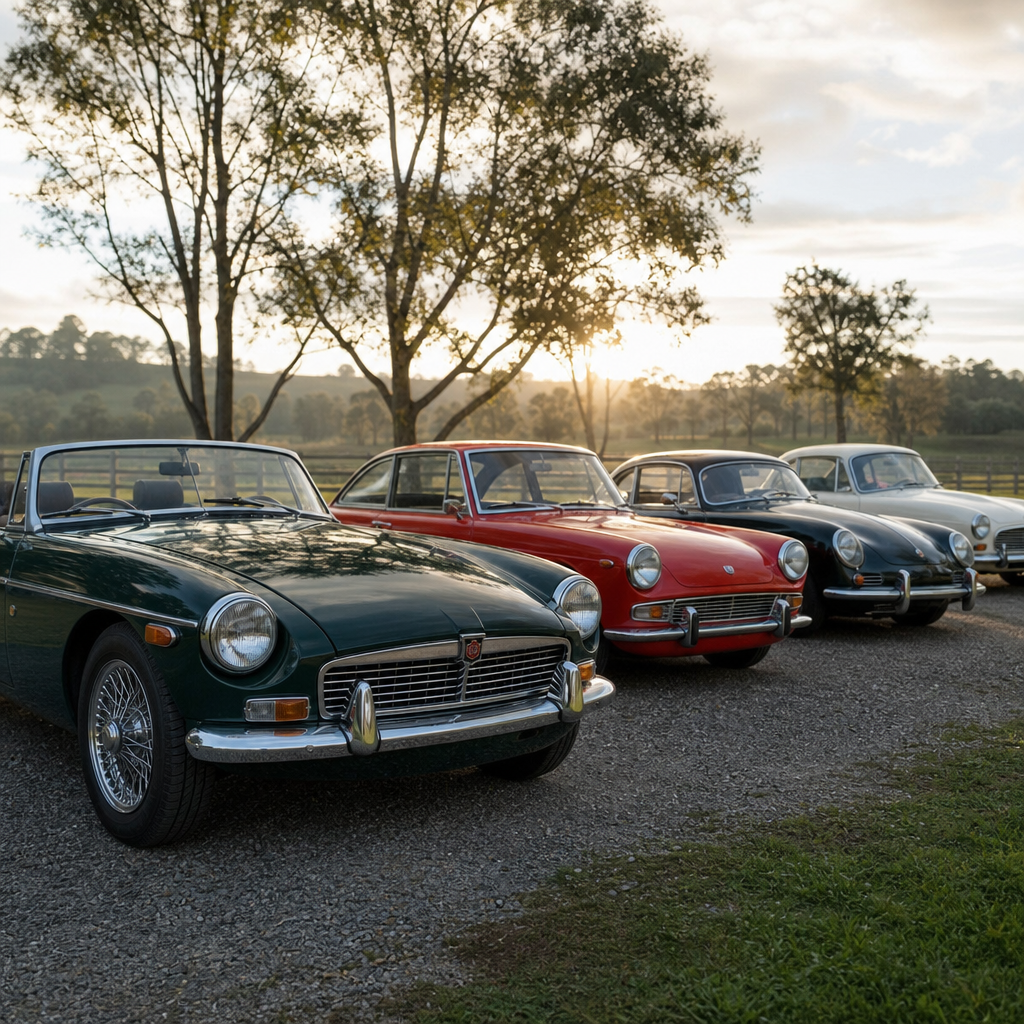

Classic cars attract beginners because they combine mechanical simplicity, design history, and the kind of ownership experience modern vehicles rarely provide. In practical terms, a classic car is usually an older vehicle valued for age, rarity, engineering, cultural significance, or preservation, though the legal definition varies by state, insurer, and registration authority. Some regions classify classics at twenty years old, others at twenty five, and many enthusiasts reserve the term for vehicles from the 1980s or earlier. For a new buyer, that distinction matters less than understanding the ecosystem around ownership: choosing the right era, setting a realistic budget, evaluating condition, finding parts, insuring the car properly, and learning how to store and maintain it.
I have helped first time buyers shop for everything from air cooled Volkswagens to sixties Mustangs, and the same pattern repeats. Most mistakes happen before money changes hands. A beginner falls in love with styling, ignores rust, underestimates transport costs, or buys a model with thin parts support. The result is frustration, not enjoyment. A good beginner roadmap keeps the process grounded. It starts with goals. Do you want a weekend cruiser, a local show car, a hands on learning project, or a vehicle that can handle regular road use? Your answer changes every next step, from body style to transmission choice.
This guide serves as a hub for beginner guides within classic car basics and education. It covers the foundational decisions every newcomer should make before diving deeper into model specific buying guides, restoration articles, maintenance tutorials, title and registration explainers, and valuation resources. If you understand the principles here, you will be able to ask better questions, compare cars more intelligently, and avoid common traps that consume time and money. Classic car ownership rewards preparation. The car itself is only part of the investment; knowledge is the other half, and for beginners it is the half that delivers the best return.
Start with the right definition of “beginner classic”
A beginner classic is not simply the cheapest old car you can find. It is a car with manageable complexity, strong parts availability, broad owner community support, and predictable running costs. That usually points buyers toward high production models with established aftermarket catalogs. In the United States, examples include the 1964 to 1973 Ford Mustang, 1955 to 1957 Chevrolet Bel Air, 1967 to 1981 Chevrolet Camaro, MGB roadsters, classic Beetles, and many 1970s to 1980s Mercedes sedans. In Britain, Minis, MGBs, and Triumph Spitfires are common entry points. The best first classic is usually the one you can keep on the road without searching six months for a window regulator or trim clip.
Beginners should also understand the difference between survivor, driver, project, and restored car. A survivor retains much of its original paint, interior, drivetrain, and finishes. A driver is roadworthy and presentable but not show level. A project needs major cosmetic, mechanical, or structural work. A restored car has already gone through some level of refurbishment, ranging from cosmetic freshening to body off restoration. For most newcomers, a solid driver is the smartest choice. It lets you enjoy the car immediately while learning systems gradually. Projects seem inexpensive at purchase, but welding, paintwork, upholstery, chrome plating, and missing trim often make them the most expensive path.
The era matters too. Prewar cars require specialist knowledge, limited use expectations, and older style controls. Fifties and sixties American classics are easier to understand mechanically, but prices for iconic models can be high. Seventies and eighties classics often offer better entry prices, more comfort, and parts that remain surprisingly accessible. A late seventies Mercedes W123, a Volvo 240, or a Fox body Mustang can teach a beginner far more about ownership than a rough, incomplete muscle car shell.
Choose your budget by total cost, not purchase price
The right budget includes four categories: acquisition, immediate repairs, annual ownership, and contingency. New buyers typically focus only on purchase price, then discover they still need tires, hoses, fluids, brakes, registration fees, transport, and insurance. I advise beginners to reserve at least fifteen to twenty five percent of the car’s price for immediate post purchase work unless a recent inspection proves otherwise. Even a well sorted classic often needs age related service because rubber hardens, fuel systems varnish, and brake hydraulics deteriorate with time rather than mileage.
Operating costs differ sharply by model. A small British roadster may be cheap to buy but require regular tinkering. A big block American coupe may have strong parts support but higher fuel and cooling costs. European luxury classics can offer outstanding build quality yet punish buyers with model specific components. Storage matters as well. If you do not have a dry garage, add the cost of secure covered storage to your budget. Moisture is a silent expense because it creates rust, mildew, electrical issues, and interior deterioration.
| Cost Area | What to Include | Typical Beginner Advice |
|---|---|---|
| Purchase | Sale price, tax, title, registration, transport | Stay below your maximum so cash remains for repairs |
| Immediate repairs | Tires, brakes, fluids, belts, hoses, battery, tune up | Plan fifteen to twenty five percent of purchase price |
| Annual ownership | Insurance, storage, maintenance, detailing, fuel | Estimate before shopping, not after purchase |
| Contingency | Unexpected breakdowns, towing, parts delays | Keep a reserve fund available at all times |
Value guides can help establish a realistic range. Hagerty Price Guide and collector auction results from Mecum, Barrett Jackson, Bring a Trailer, and Hemmings show broad trends, but they do not replace inspection. Two cars of the same model can differ by tens of thousands of dollars because condition drives value. Beginners should learn that originality, documentation, rust history, and workmanship matter more than shiny paint alone. Cheap can become expensive in one body shop estimate.
Know how to inspect a classic car before buying
A proper classic car inspection starts with structure, not cosmetics. Rust is the first issue to evaluate because structural corrosion is time consuming and expensive to repair correctly. Check floors, rocker panels, frame rails, trunk pans, lower fenders, wheel arches, suspension pickup points, windshield channels, and battery trays. Use a flashlight and magnet where appropriate. Fresh undercoating can hide problems, so ask directly what repairs were done and request photos. Uneven panel gaps, bubbling paint, and mismatched underbody finishes often point to prior damage or poor metalwork.
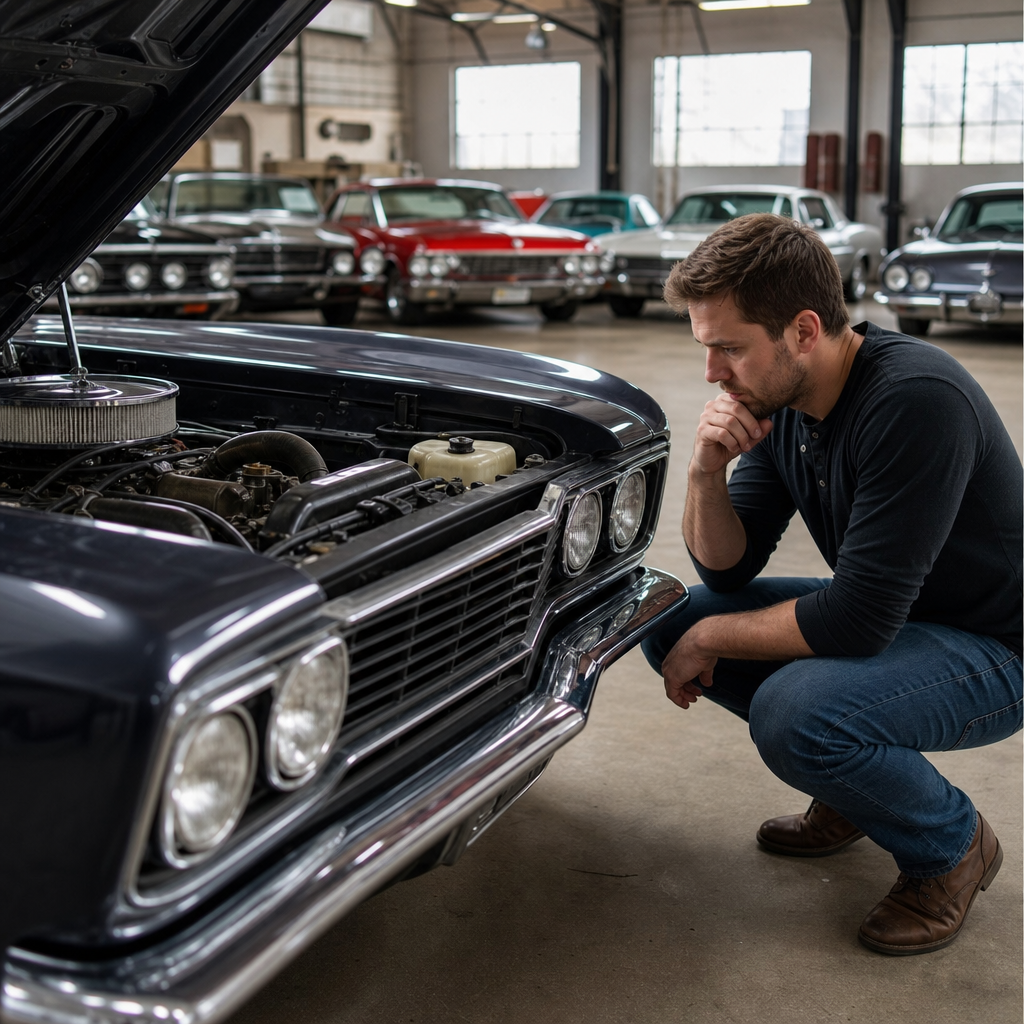
Mechanical inspection comes next. Confirm cold start behavior, oil pressure, charging voltage, cooling system stability, transmission operation, steering play, and brake feel. Look for smoke color at startup and under load. Blue smoke suggests oil burning, black smoke indicates rich fueling, and white smoke can mean coolant intrusion, though condensation on a cold morning is normal. On carbureted cars, rough running may be minor tuning or a sign of vacuum leaks, poor compression, or stale fuel contamination. Compression and leakdown testing provide far more useful information than seller assurances.
Documentation is part of inspection. Match VIN tags, title status, engine numbers when relevant, service records, restoration receipts, and ownership history. Ask whether the car has been sitting and for how long. A car that ran “when parked” may need a full fuel system cleaning, brake overhaul, and seals throughout. If you are new, pay for a pre purchase inspection by a specialist who knows that marque. The fee is small compared with buying hidden rust, a swapped identity, or a car assembled from incompatible parts.
Pick a car that fits your mechanical confidence and lifestyle
One reason some beginners succeed while others quit is simple fit. The car must match both your skill level and the way you intend to use it. If you want regular drives and low stress ownership, choose something with straightforward systems, good cooling, available ignition parts, and decent weather sealing. If you want to learn wrenching, an older carbureted inline four or simple V8 is ideal because the layout is accessible and parts are inexpensive. If you live in a dense city without garage space, a large fin era sedan may be impractical no matter how much you admire it.
Transmission choice matters more than many first time buyers expect. Manual gearboxes increase involvement and often lower complexity, but heavy clutches and unsynchronized first gears on older cars can be tiring. Automatic classics are easier in traffic but may require specialized rebuilding expertise. Brakes are another lifestyle issue. Drum brakes can work well when properly adjusted, yet they demand longer following distances and more planning than modern discs with ABS. Steering, cabin heat, ventilation, and highway gearing all shape whether a classic feels charming for an hour or exhausting after a weekend trip.
A realistic first ownership target is a car you can drive, improve, and understand over time. Examples include the Volkswagen Beetle for simplicity, the MGB for broad club support, the Volvo 240 for durability, and the 1965 to 1966 Mustang coupe for parts abundance. These cars are not perfect, but they teach fundamentals without creating impossible sourcing problems. For a beginner, that is more important than buying the most glamorous badge in the classifieds.
Learn the ownership systems: parts, insurance, storage, and community
Classic car ownership works best when support systems are in place before purchase. Parts supply is the first system. Reproduction support from companies such as Moss Motors, CJ Pony Parts, National Parts Depot, and Wolfsburg West can make common models practical. Specialist forums, club classifieds, and marque vendors fill the gaps. Before buying any model, search for common service items, body panels, weatherstripping, glass, and interior pieces. If basic components are already hard to find, your ownership experience will depend on luck rather than planning.
Insurance is the second system. Agreed value policies from collector insurers are usually better than standard auto policies because they recognize the car’s appraised or agreed worth rather than depreciated actual cash value. However, they often require secure storage, limited annual mileage, and another daily use vehicle. Read the terms carefully. A low premium means little if commuting, young drivers, or commercial use are excluded. Registration rules also vary. Some states allow historic plates with mileage or event restrictions, while standard registration offers more flexibility.
Storage and community support complete the picture. A dry, ventilated garage with a battery maintainer, drip protection, and rodent prevention saves money year after year. Fuel stabilizer, periodic exercise, and clean interior carpets reduce deterioration. Community is equally valuable. Local clubs, Cars and Coffee events, marque forums, and restoration shops help beginners find trustworthy mechanics, decode originality questions, and source used parts. I have seen new owners solve month long problems in ten minutes simply by asking an experienced club member who had already encountered the same issue.
Use this roadmap as your hub for next steps
The best beginner roadmap to classic cars is simple: define your goal, choose a realistic budget, inspect structure before shine, and buy support as much as you buy sheet metal. If you remember one principle, let it be this: condition and parts availability matter more than fantasy. A modest, well supported driver will teach you more and cost less than a rough dream car. That is why experienced buyers so often recommend starting with popular models, documented histories, and cars that already run, stop, steer, and charge properly.
From here, build your knowledge in focused stages. Move next into model specific beginner guides, pre purchase inspection checklists, classic car insurance explainers, title and registration rules, maintenance schedules, and storage best practices. Each of those topics deserves deeper treatment, and together they form the foundation of confident ownership. As your experience grows, you can branch into originality standards, restoration planning, market valuation, and show judging. Beginners do not need to master everything at once. They need a dependable framework and the discipline to follow it.
Classic car ownership is most rewarding when the first experience is positive, not overwhelming. Buy the right car for your life, verify what you are paying for, and leave room in your budget for the work every old vehicle eventually needs. Do that, and a classic becomes more than an object in the garage. It becomes a usable piece of history, a mechanical education, and a hobby you can sustain for years. Start with a solid driver, ask careful questions, and use this hub as the foundation for every beginner guide you read next.
Frequently Asked Questions
What exactly qualifies as a classic car for a beginner?
For a beginner, the most useful definition of a classic car is not just “an old car,” but an older vehicle that has lasting value because of its age, design, engineering, rarity, historical relevance, or the way it has been preserved. The important thing to understand is that there is no single universal definition. One state may allow classic registration at twenty years old, another may require twenty five, and insurance companies often use their own rules when deciding whether a vehicle qualifies for collector coverage. Enthusiasts can be even more selective, sometimes reserving the term for vehicles from a certain era or for models with recognized collector interest.
That means beginners should think about classic status from three angles. First is the legal definition used for registration and title purposes in their state. Second is the insurance definition, which affects premiums, mileage limits, storage expectations, and agreed-value policies. Third is the enthusiast or market definition, which shapes desirability, parts support, resale value, and club interest. A 1990s vehicle may qualify as a classic in one context but still be viewed as “just old” in another.
In practice, beginners are often best served by focusing less on labels and more on ownership realities. Ask whether the car has strong parts availability, a healthy owner community, manageable maintenance needs, and a documented history. Those factors matter far more than whether everyone agrees on the exact classification. A well-supported older car that you can afford to maintain is usually a better beginner classic than a more prestigious model that is difficult to insure, hard to repair, or expensive to restore.
What is the best type of classic car for someone buying their first one?
The best first classic car is usually one that is simple, well-supported, affordable to maintain, and honest about what it is. For most beginners, that means choosing a popular model with a large enthusiast base rather than chasing a rare, high-status, or heavily project-oriented vehicle. Cars that were produced in good numbers often have better parts availability, more repair knowledge online, stronger club networks, and a wider range of price points. Those things reduce risk and make the learning curve much more manageable.
Mechanical simplicity is one of the biggest advantages for a first-time owner. A classic with a straightforward carbureted engine, simple electrical system, and broad aftermarket support can teach you a great deal without becoming overwhelming. It is also wise to choose a car that was originally dependable and easy to service. Even if it is decades old, a model with a reputation for durability and common replacement parts will usually deliver a better ownership experience than a more exotic or fragile option.
Beginners should also match the car to their actual goals. If you want weekend drives, a comfortable cruiser may be a better fit than a stripped-down sports car. If you enjoy learning basic mechanical work, choose a model known for easy access under the hood and strong do-it-yourself documentation. If you care about value retention, look for cars with stable demand and limited rust issues. The smartest beginner purchase is rarely the most glamorous one. It is the car that lets you enjoy the hobby, build confidence, and avoid getting buried in restoration costs before you have had a chance to appreciate what classic ownership is all about.
Should a beginner buy a fully restored classic car or a project car?
Most beginners are better off buying the best complete, running, and sorted car they can reasonably afford rather than a project car that looks cheap at first glance. Project cars often appear attractive because the purchase price is lower, but the true cost usually emerges later in parts, labor, missing components, bodywork, upholstery, paint, and unexpected repairs. Restoration expenses add up quickly, and it is common for newcomers to underestimate both the budget and the time required. What starts as a bargain can become a stalled, frustrating, and expensive long-term obligation.
A fully restored car is not automatically the perfect answer, however. Restorations vary in quality, and some are more cosmetic than mechanical. A shiny paint job can hide poor bodywork, rust, or unresolved drivetrain issues. That is why beginners should not focus only on appearance. Review service records, restoration receipts, photos of the work, and details about who performed it. A well-maintained older restoration with documentation is often a better choice than a freshly completed car with little proof of what was actually done.
There is a middle ground that tends to work especially well for first-time buyers: a solid “driver-quality” classic. This is a car that starts reliably, runs well, stops properly, and presents honestly, even if it has minor cosmetic flaws or needs small improvements over time. A driver-quality car lets you enjoy the hobby immediately while learning maintenance gradually. For beginners, that balance is usually ideal. You get the experience of ownership without taking on the financial and technical burden of a full restoration from day one.
What should I inspect before buying a classic car?
The most important area to inspect is the body and structure, because rust and poor prior repairs can be more expensive than engine work. Check common rust locations carefully, including floor pans, rocker panels, wheel arches, trunk floors, lower fenders, frame rails, and suspension mounting points. Look underneath the car, not just at the paint. Fresh undercoating can sometimes hide corrosion, so be cautious if the underside looks unusually clean without documentation. Uneven panel gaps, bubbling paint, mismatched finishes, or signs of filler may indicate accident damage or lower-quality bodywork.
Next, evaluate the mechanical systems with a practical eye. Listen for cold-start behavior, idle quality, smoke, knocks, fluid leaks, transmission engagement, clutch feel, brake response, steering play, suspension noise, and charging performance. Test lights, gauges, wipers, heater functions, and every switch you can find, because old electrical issues can be tedious to chase. During a drive, pay attention to overheating, wandering, vibrations, hard shifting, weak braking, and unusual smells. Classics do not have to feel modern, but they should behave consistently and predictably.
Documentation matters almost as much as condition. Verify the VIN, title status, registration details, and any matching-number claims if those matter for the model you are considering. Review maintenance history, restoration invoices, ownership records, and parts receipts. These documents can tell you whether the car has been cared for or simply cleaned up for sale. If you are new to the hobby, one of the smartest decisions you can make is to pay for a pre-purchase inspection by a marque specialist or experienced classic mechanic. That small expense can save you from major financial mistakes and gives you a far clearer picture of what ownership will really involve.
How much does it really cost to own a classic car as a beginner?
The real cost of classic car ownership goes well beyond the purchase price. Beginners should budget for insurance, registration, maintenance, repairs, storage, tools, tires, fluids, battery care, and the occasional unexpected failure that comes with older machinery. Even a well-kept classic will need regular attention simply because age affects seals, hoses, wiring, fuel systems, rubber components, and brake parts. If you plan carefully, those costs are manageable, but if you buy at the very top of your budget, the first repair can quickly make ownership stressful.
Insurance is often more nuanced than people expect. Collector-car policies can be quite affordable compared with standard insurance, but they may require secure storage, limited annual mileage, and restrictions on daily use. Maintenance costs also vary widely by model. Common classics with strong parts support are usually far easier on the wallet than rare cars with hard-to-find trim, specialty mechanical parts, or model-specific body panels. Labor is another major factor. If you can handle basic servicing yourself, ownership becomes significantly more affordable. If every issue requires a specialist shop, the annual cost climbs quickly.
A good beginner rule is to reserve a separate post-purchase fund for immediate sorting and surprise repairs. That might include replacing aged fuel lines, servicing brakes, changing fluids, updating tires, addressing ignition issues, or correcting deferred maintenance from the previous owner. It is also wise to think in yearly terms rather than one-time terms. A classic car is an ongoing hobby expense, not a single transaction. When approached realistically, though, the value can be excellent. You are not just paying for transportation. You are paying for a hands-on ownership experience, a connection to automotive history, and the enjoyment of driving something with character that modern cars often lack.