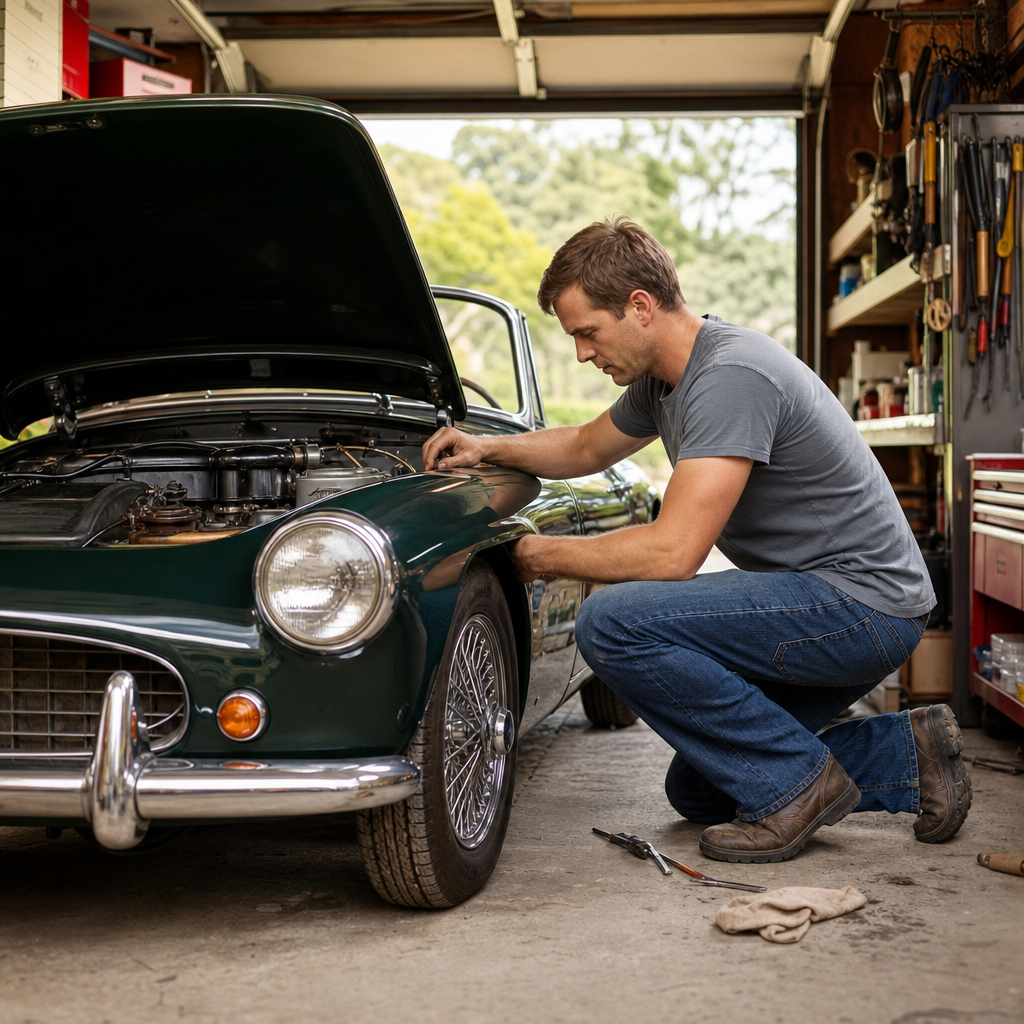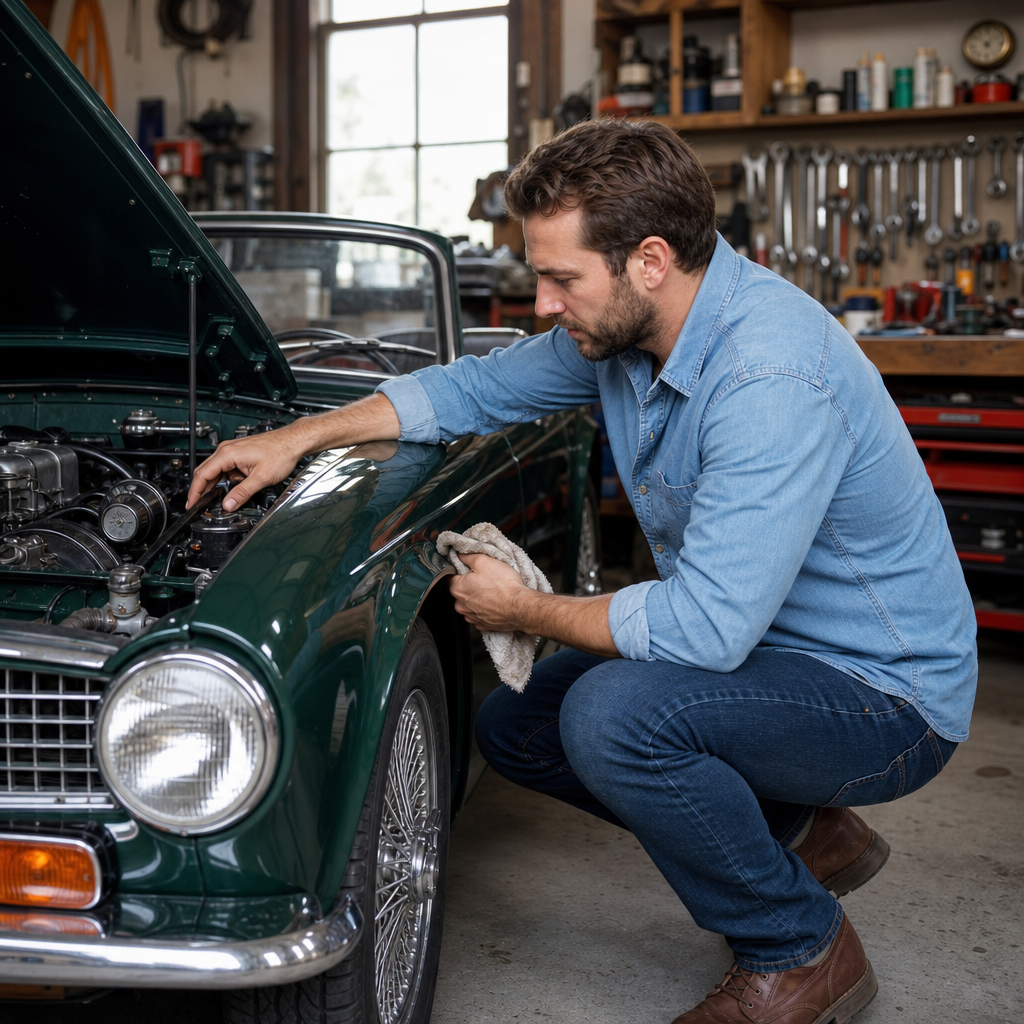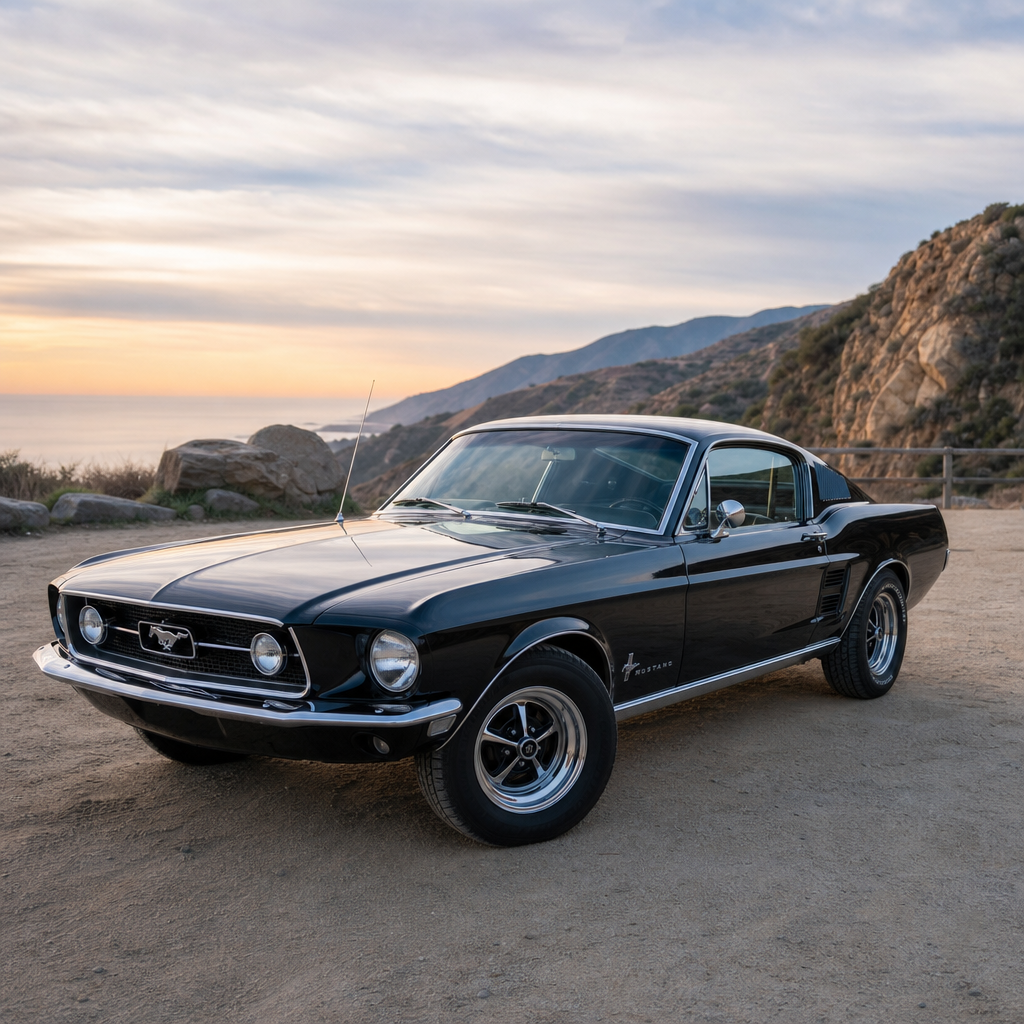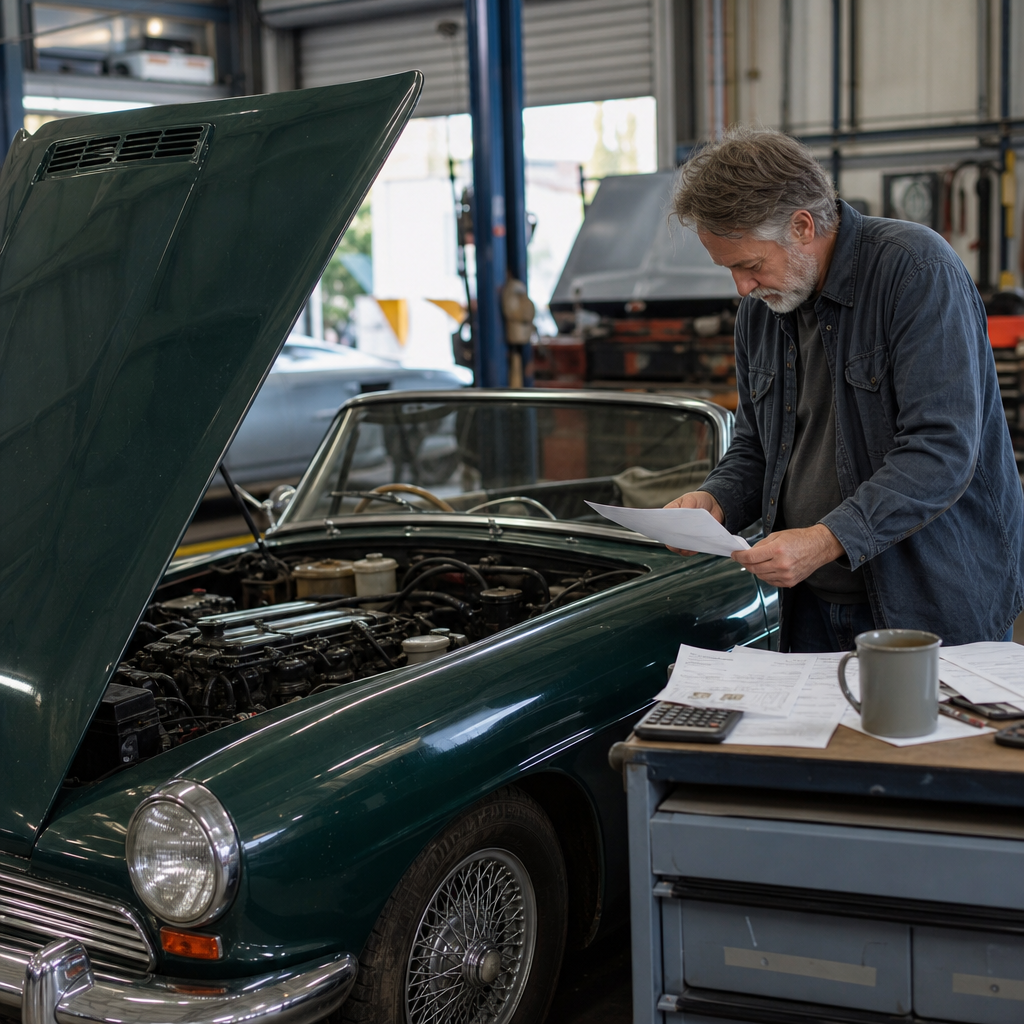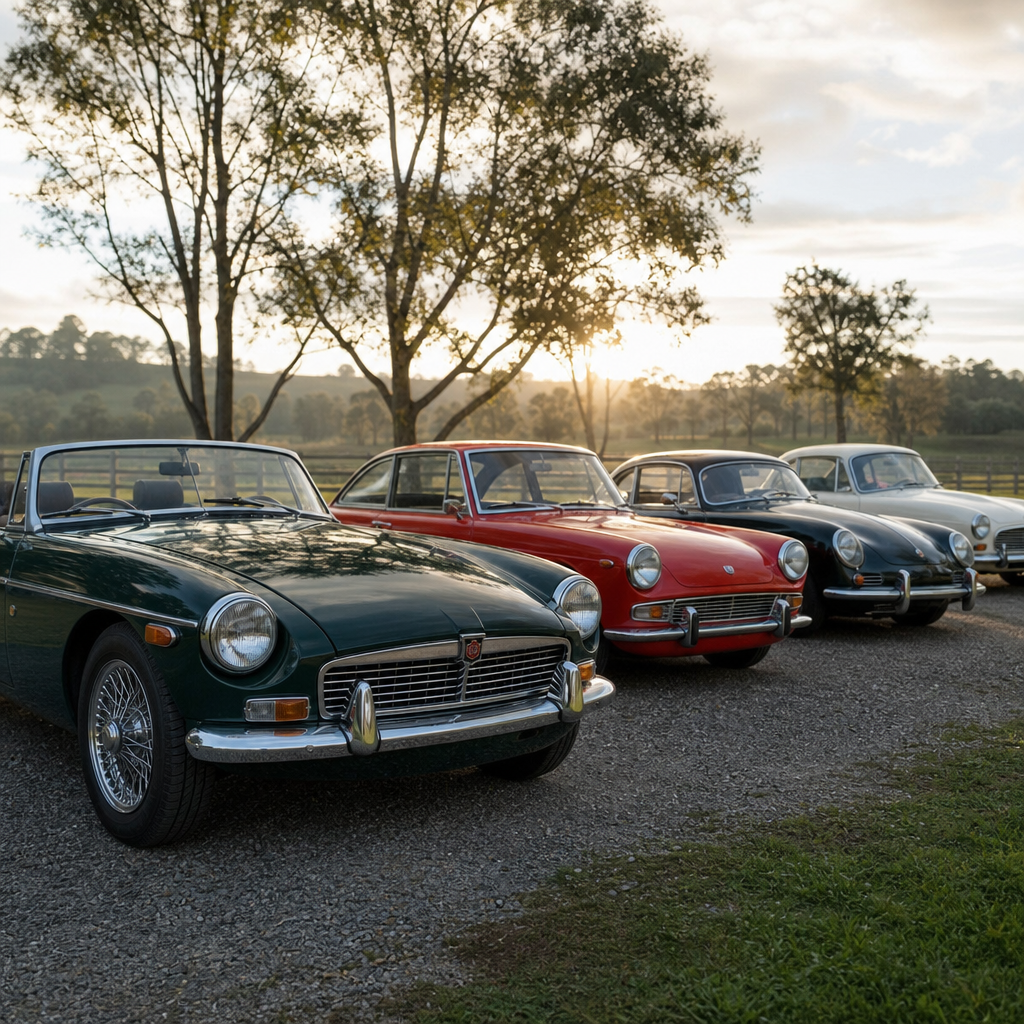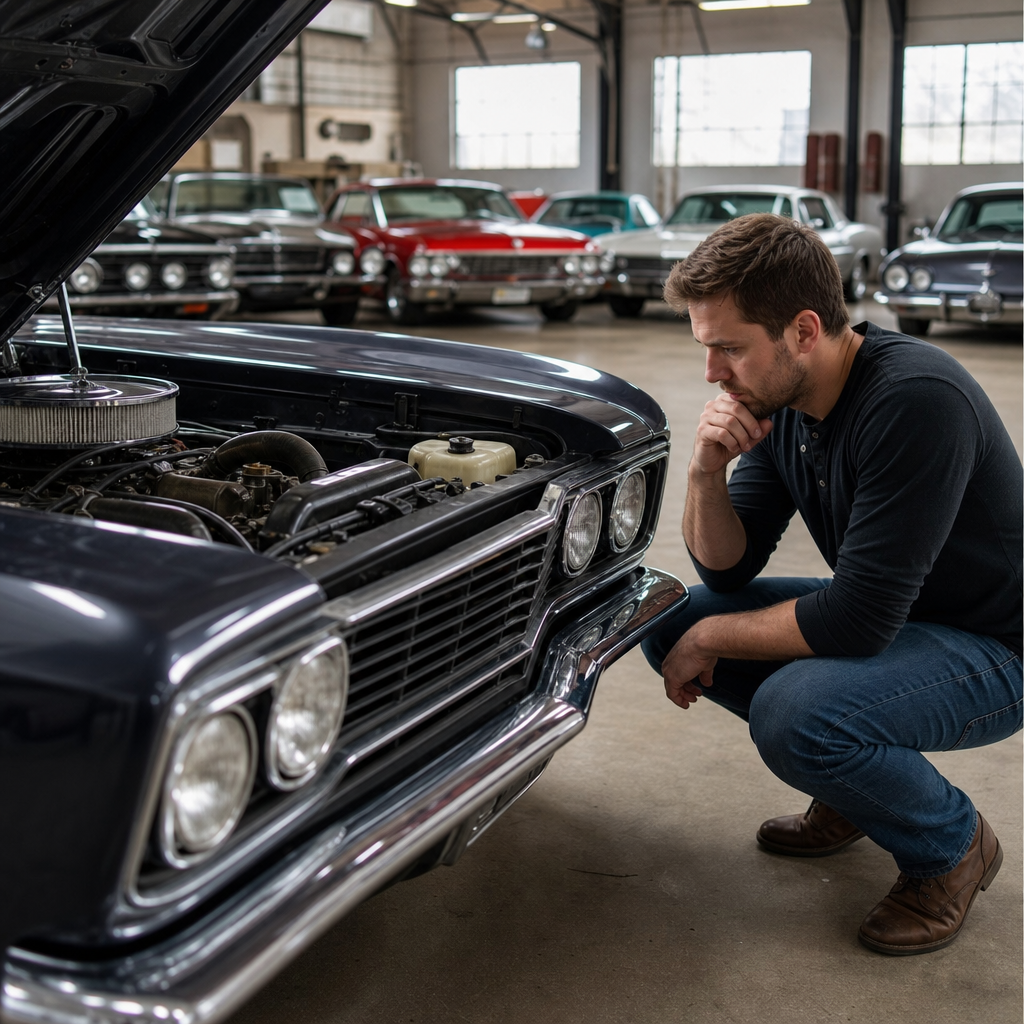

Buying a vintage machine is the easy part; your first year of classic car ownership is where enthusiasm meets reality, and that reality is usually more rewarding, more expensive, and more educational than most beginners expect. A classic car generally means an older vehicle valued for historical interest, design, engineering, or nostalgia rather than simple transportation, though insurance providers and state agencies often define the term differently. Some carriers use 20 years as the threshold, others 25, and registration rules may distinguish among antique, historic, and collector vehicles. In practice, first-year owners care less about labels and more about condition, parts support, drivability, and cost. That is why a beginner guide matters. The first twelve months set the tone for ownership: how you store the car, inspect it, insure it, drive it, service it, budget for it, and connect with the community will determine whether the experience feels satisfying or overwhelming.
After helping new owners evaluate and sort early-stage issues, I have seen the same pattern repeatedly. Someone buys a car because it looks finished, then discovers the fuel lines are old, the charging system is weak, the tires are a decade old, and the paperwork is missing service history. None of those issues should kill the dream, but all of them need a plan. A well-managed first year is not about chasing perfection. It is about establishing a baseline, learning the car’s quirks, and addressing safety, reliability, and preservation in the right order. This hub article covers the beginner essentials comprehensively so you know what to expect, what to prioritize, and where deeper guides under classic car basics and education can help next.
The First Month: Inspection, Documentation, and a Realistic Baseline
Your first job is to understand exactly what you bought. Even if the seller was honest and the test drive felt strong, every newly acquired classic needs a structured inspection. Start with identification numbers, title details, prior registration records, and any receipts, restoration photos, manuals, and parts lists. Verify the VIN, body tag, engine numbers where appropriate, and note whether the car is matching-numbers, period-correct, or modified. That distinction affects insurance value, resale, and parts decisions. A restomod with electronic ignition and front disc brakes can be easier to live with than a factory-correct car, but originality matters in some markets.
Mechanically, inspect the car as though you know nothing about its recent maintenance, because often you do not. Check compression if the engine’s health is unclear. Assess oil pressure, coolant condition, charging voltage, brake pedal feel, steering play, suspension bushings, wheel bearings, differential leaks, transmission operation, and the age codes on the tires. Old tires can look new and still be unsafe. Inspect fuel hoses, hard lines, the tank, and the carburetor or injection system for seepage. Electrical systems deserve extra attention because aging grounds, brittle insulation, and poor prior repairs cause many first-year breakdowns. I advise owners to photograph everything before changes begin. That record helps with reassembly, budgeting, and future resale.
A baseline service is usually money well spent. Replace fluids and filters unless there is verified recent documentation. Engine oil, transmission fluid, differential oil, brake fluid, coolant, and power steering fluid all age, absorb moisture, or collect contaminants. Brake fluid is especially critical because moisture lowers boiling point and promotes corrosion. If service records are thin, assume the car needs preventive work. That is not pessimism; it is standard practice with older vehicles.
Budgeting for the True Cost of Ownership
The purchase price is only the entry fee. In the first year, most beginners spend money in four categories: immediate safety repairs, deferred maintenance, comfort or usability improvements, and cosmetic wants. Safety comes first. Brakes, tires, steering, fuel delivery, charging, cooling, and lighting need to be dependable before you focus on paint correction or period accessories. Deferred maintenance is where budgets expand quickly. A leaking water pump may reveal a clogged radiator. A tune-up may expose a worn distributor shaft. A carburetor rebuild may lead to a rusty fuel tank. None of this is unusual.
A practical first-year reserve for a driver-grade classic is often 15 to 30 percent of the purchase price, though rarer cars, complex European models, and neglected projects can exceed that easily. If you bought a $20,000 car, keeping $3,000 to $6,000 available is prudent. Consumables alone add up: battery, belts, hoses, ignition parts, filters, fluids, and weatherstripping can consume a surprising amount before major repairs even start. If the car needs upholstery, chrome work, or paint correction, costs jump sharply because skilled labor is specialized and time intensive.
Storage and transport are part of the budget too. Indoor storage is ideal, especially in humid or snowy climates. A breathable cover is helpful indoors; outdoors, many covers trap moisture or rub paint if used carelessly. Towing coverage through a collector policy or roadside plan is worth having because not every tow operator understands low-clearance cars, fragile trim, or transmission limitations. New owners often underestimate the value of paying for expert inspections and machine work. Spending early on diagnosis usually prevents larger, more expensive failures later.
Insurance, Registration, and Legal Realities
Classic car insurance is not the same as standard auto coverage. Most collector policies use agreed value, meaning you and the insurer set the vehicle’s covered value upfront. That matters because actual cash value policies may underpay after a loss by treating the car like an old used vehicle rather than a collectible. Providers such as Hagerty, Grundy, and American Collectors Insurance commonly require secure storage, limited-use driving, and a separate daily driver for regular transportation. Read mileage and usage restrictions carefully. Some policies allow club events, pleasure drives, and occasional commuting; others are stricter.
Registration rules vary by state. Historic or antique plates can lower fees and sometimes simplify inspections, but they may limit how often or why you can drive the car. Emissions rules also depend on year and location. In some states, pre-OBD vehicles are exempt; in others, visible smoke, tampered emissions equipment, or safety defects can still create problems. Before making modifications, confirm what is legal where you live. Headers, altered exhaust, removed smog equipment, or non-compliant lighting may complicate registration and future resale.
Keep a dedicated ownership file. Include title copies, appraisal documents, photographs, receipts, service logs, and policy details. If the car is stolen or damaged, organized records help prove value and demonstrate responsible care. They also make it easier to track what has changed from factory specification, which is useful when ordering parts or planning restoration work.
Driving a Classic Feels Different Because It Is Different
Many first-time owners are surprised by how analog a classic car feels. Steering may be slower, brakes may require more pedal effort, cabins are noisier, and cold starts can demand procedure rather than a simple key twist. Carbureted engines may need a few pumps of the throttle. Manual chokes, non-synchronized first gears on older transmissions, drum brakes, and bias-ply tire behavior all shape the driving experience. Even a well-sorted classic rarely behaves like a modern car with anti-lock brakes, electronic stability control, and precise fuel injection.
This learning curve is part of the appeal, but it has safety implications. Leave more stopping distance. Expect longer warm-up times. Watch gauges rather than assuming hidden computers will warn you. Learn the smell of rich fuel, hot oil, and overheated coolant. Notice changes in vibration, steering response, and brake feel. Classics communicate through sounds and sensations long before they fail completely. During the first year, build confidence with local drives in good weather before attempting long trips, heavy traffic, or high-speed interstate travel. If the car has sat for years, heat cycles and short outings are the right way to expose weak points gradually.
Breakdowns still happen, even with careful preparation. Carry basic tools, spare belts, fuses, bulbs, fluids, a flashlight, gloves, and a fire extinguisher rated for automotive use. On points-ignition cars, a spare condenser or ignition components can save a day. Preparedness is not paranoia; it is part of classic car ownership.
Maintenance Priorities Every Beginner Should Learn
Routine maintenance on an older car is more frequent and more hands-on than on a modern daily driver. That does not mean it is fragile. It means systems were designed for regular adjustment and inspection. Valve lash, ignition timing, dwell angle on points systems, carburetor mixture, wheel bearing service, chassis lubrication, and drum brake adjustment may all appear in the maintenance schedule depending on the era and model. Factory service manuals are essential because torque values, fluid capacities, tune-up procedures, and wiring diagrams vary widely.
The smartest first-year approach is to create a maintenance plan by system rather than reacting to random symptoms. This framework keeps spending organized and prevents duplication.
| System | What to Check First | Why It Matters |
|---|---|---|
| Brakes | Hoses, wheel cylinders, master cylinder, shoes or pads, fluid | Old seals fail suddenly and contaminated fluid corrodes internals |
| Fuel | Tank rust, rubber lines, pump pressure, carburetor leaks, filter | Fuel leaks are common fire risks on stored classics |
| Cooling | Radiator flow, cap, thermostat, hoses, water pump, fan clutch | Marginal cooling systems overheat quickly in modern traffic |
| Electrical | Battery cables, grounds, alternator or generator output, fuse box | Voltage drops cause hard starts and intermittent faults |
| Ignition | Plugs, wires, timing, coil, distributor wear, points if fitted | Small ignition issues often feel like fuel problems |
| Suspension | Bushings, shocks, ball joints, tie rods, alignment, lubrication | Worn front-end parts reduce safety and confidence |
If you are new to wrenching, start with jobs that build familiarity without creating major risk: oil changes, spark plugs, battery maintenance, belt inspection, greasing fittings, and checking fluid levels. For brake hydraulics, machine work, or structural rust repair, a specialist is often the better choice. The goal in year one is not proving self-sufficiency. It is learning the car properly and keeping it reliable.
Rust, Parts Availability, and the Reality of Preservation
Rust is usually more important than mileage. Cosmetic bubbles around wheel arches or rocker panels may signal deeper corrosion in floor pans, trunk drops, frame rails, cowl sections, or suspension mounting points. Surface rust can be manageable; structural rust is expensive and can make a car unsafe. During your first year, inspect known problem areas specific to your model and keep drains, weather seals, and storage conditions under control. Moisture is the enemy. I have seen beautiful cars with fresh paint hide severe corrosion underneath, while scruffy originals turned out to be solid and far better long-term buys.
Parts support varies dramatically. Popular models like first-generation Mustangs, Tri-Five Chevrolets, air-cooled Volkswagens, and many classic pickup trucks benefit from deep reproduction catalogs. Lower-production cars, orphan brands, and certain luxury or European models may require used parts, specialist rebuilders, owner forums, or fabrication. Before buying, beginners should research whether common wear items, glass, trim, seals, and interior pieces are readily available. During ownership, cultivate relationships with marque clubs, reputable vendors, and restoration shops. The right contact can locate a hard-to-find switch, decode casting numbers, or identify a correct fastener that generic catalogs will miss.
Preservation also means resisting unnecessary disassembly. A running, complete original car often teaches more in six months of careful use than a rushed teardown teaches in two years. Document, stabilize, and improve methodically.
Community, Skills, and Building a Sustainable Ownership Habit
The most successful first-year owners do not do everything alone. They join local clubs, attend cars-and-coffee events, subscribe to model-specific forums, and talk to mechanics who understand older vehicles. That community shortens the learning curve dramatically. A seasoned owner can tell you which reproduction fuel sender works, which shop aligns cars with manual steering correctly, or which carburetor tuner understands your exact setup. Shared experience saves time and money.
Your first year should also be about developing habits. Drive the car regularly enough to keep seals lubricated and fuel moving, but not so rarely that every outing becomes a recommissioning exercise. Record mileage, services, noises, and temperatures in a simple logbook. Wash road salt off immediately. Use ethanol-free fuel when available if the car sits often, or run a stabilizer appropriate for carbureted systems. Keep the battery on a quality maintainer, not a cheap constant charger. Learn how your car starts hot, starts cold, idles in traffic, and behaves after a week of sitting. That familiarity becomes diagnostic power.
Most important, set goals for the car. Maybe you want a reliable weekend driver, a show car, a touring car, or a future family heirloom. Clear goals guide spending and prevent frustration. A dependable driver does not need concours detailing. A preservation-focused original should not be casually modified. When beginners understand that every classic is a balance of authenticity, usability, and budget, ownership becomes far more enjoyable.
Your first year of classic car ownership will teach you more than any sales listing, auction result, or social media post ever could. Expect to spend time inspecting, organizing paperwork, correcting deferred maintenance, and learning how an older machine communicates. Expect costs beyond the purchase price, especially for safety items, fluids, rubber components, and professional labor. Expect driving to feel slower, more mechanical, and more involving. Most of all, expect your understanding of the car to deepen with every mile, repair, and conversation with experienced owners.
The payoff is substantial. A well-sorted classic turns ordinary drives into memorable events, connects you with automotive history, and rewards patience in a way modern appliances rarely do. If you approach the first year with a plan, realistic expectations, and respect for the car’s age, you will avoid the mistakes that sour many beginners. Use this hub as your starting point, then explore deeper beginner guides on buying, maintenance, storage, insurance, and restoration planning so your first year becomes the foundation for many good years after.
Frequently Asked Questions
What usually surprises first-time classic car owners during the first year?
The biggest surprise is that owning a classic car is rarely just about driving it. Most first-year owners expect a fun weekend machine with a bit of extra character, but they quickly discover that a classic asks for more attention, more planning, and more patience than a modern vehicle. Even a car that looks well sorted at purchase can reveal age-related issues once it is driven regularly. Rubber seals dry out, hoses crack, wiring can become brittle, fuel systems may clog, and small leaks often appear after the car settles into a new routine. None of that necessarily means you bought the wrong car; it usually means you bought an old one.
Another common surprise is how much of the first year becomes educational. You learn the car’s personality, its sounds, its weak points, and its maintenance rhythm. You also learn that “restored,” “original,” and “runs great” can mean very different things depending on who is describing the car. A first-year owner often spends more time inspecting, researching, cleaning, adjusting, and sourcing parts than expected. That can be frustrating if you were hoping for turnkey simplicity, but it is also one of the most rewarding parts of ownership. The first year is where you move from admirer to caretaker.
Cost is another reality check. Purchase price is only the starting point. Initial repairs, fluids, tune-up work, registration, insurance, tires, battery replacement, and small cosmetic corrections add up quickly. A wise owner sets aside a reserve fund immediately, because the first year often uncovers deferred maintenance left by previous owners. In short, the surprise is not that classics require care. It is how consistently that care becomes part of the ownership experience.
How much should I budget for maintenance and unexpected repairs in the first year?
A good rule is to budget beyond the purchase price from day one, because first-year ownership almost always includes catch-up maintenance. Even if the car passes an inspection and seems healthy, it is smart to assume you will need to replace consumables and address age-related issues. Fluids, filters, belts, hoses, ignition components, battery cables, tires, brake service, and suspension bushings are all common first-year expenses. If the car has been sitting for long periods, the fuel system may need attention as well, including the tank, lines, carburetor, injectors, or pump depending on the era and design.
The exact number depends on the car’s condition, rarity, and how much work you can do yourself, but many first-time owners underestimate the difference between “roadworthy” and “fully sorted.” A car can run, drive, and still need a long list of items to become dependable. For a relatively solid driver-quality classic, setting aside a few thousand dollars for the first year is often prudent. For rarer, more complex, or more neglected cars, that number can rise significantly. Labor rates, specialty shop availability, and hard-to-find parts can turn a modest repair into a major expense very quickly.
It also helps to separate maintenance from restoration. Maintenance is what keeps the car reliable and safe. Restoration is what improves appearance, originality, and long-term value. New owners often get into trouble when they spend heavily on cosmetic upgrades before addressing cooling, brakes, fuel delivery, charging systems, or steering. The best first-year budget prioritizes safety, reliability, storage, and preventive care. Once the car proves dependable, you can make clearer decisions about cosmetic work and larger projects.
Will my classic car be reliable enough to drive regularly, or should I expect frequent breakdowns?
Reliability depends far more on condition, maintenance history, and mechanical simplicity than on age alone. A properly sorted classic can be surprisingly dependable for weekend drives, local events, and fair-weather use. However, it should not be judged by modern-car standards. Many classics were built in a different engineering era, before today’s expectations for instant starting, long service intervals, sealed electrical systems, and climate-controlled comfort. That means a first-year owner should expect more hands-on involvement, even when the car is fundamentally sound.
In practical terms, the first year is often about establishing a baseline. You may need to replace old ignition parts, rebuild or tune the carburetor, flush the cooling system, inspect the charging system, and verify that the brakes and fuel lines are truly trustworthy. Once those basics are handled, many classic cars become much more predictable. The trouble comes when a new owner assumes the previous owner already addressed everything important. Documentation helps, but your own inspection and maintenance plan matter more than old receipts alone.
It is also important to drive the car appropriately. Short trips, infrequent use, and long periods of storage can create problems of their own. Classics often do better when exercised regularly and stored correctly. At the same time, long highway runs in extreme heat or stop-and-go traffic may reveal weaknesses in cooling, charging, or fuel delivery that never show up on a short weekend cruise. Smart owners carry a few basics in the trunk during the first year, such as tools, fluids, spare belts, and emergency contact information for towing or a trusted shop. Expect the car to become more reliable as you learn it and sort it, but do not expect zero drama early on.
What should I do immediately after buying a classic car to protect my investment and avoid problems?
The best first step is to perform a thorough post-purchase inspection, even if the car was represented honestly and seemed excellent at pickup. New owners should confirm fluid condition, check for leaks, inspect tires for age and cracking, verify brake operation, review wiring quality, and examine fuel lines, cooling hoses, and belts. This is also the time to document everything: take photos, organize receipts, record identification numbers, and build a maintenance file. A first-year owner who keeps good records will make better decisions, spend money more efficiently, and protect the car’s future resale value.
You should also establish safe, appropriate storage right away. A garage is ideal, but even more important is keeping the car dry, secure, and protected from temperature swings and moisture. Poor storage can undo good mechanical condition quickly. Battery maintenance, fuel stabilization if the car will sit, and proper tire inflation all matter more than many beginners realize. If the car is newly transported to you, it is wise to recheck fasteners, battery connections, fluid levels, and tire pressures before doing much driving.
Insurance and registration deserve immediate attention as well. The term “classic car” can vary depending on the insurer, and some carriers use age thresholds such as 20 years while others focus on usage, condition, mileage limits, and storage requirements. Agreed-value coverage is often preferable to standard auto policies because it better reflects the car’s collectible nature. Finally, locate a trustworthy specialist, local club, or knowledgeable parts supplier early. Having experienced resources in place before something goes wrong is one of the smartest moves a first-year owner can make.
How do I know whether to keep my classic car original, modify it, or start a restoration in the first year?
For most first-time owners, the wisest approach is to slow down and learn the car before making major changes. The first year should usually be about understanding what you actually bought, what condition it is in, and how you plan to use it. It is very common for beginners to get caught between originality, drivability, and appearance before they have enough experience with the car to make a sound decision. A car that seems like a restoration candidate at first may only need careful mechanical sorting and preservation. On the other hand, a car that looks presentable may hide enough corrosion, poor workmanship, or missing parts to justify a larger project later.
Originality generally matters more on highly desirable, well-documented, or rare models, especially where matching numbers, factory colors, correct trim, and period details affect value. Modifications can make ownership easier, particularly if they improve safety, reliability, or usability. Common examples include electronic ignition, better cooling components, upgraded lighting, radial tires, or front disc brakes where appropriate. Those changes can be sensible if done carefully and reversibly. The key is to avoid hacking the car apart before you understand its market position and long-term potential.
As for restoration, first-year owners should be cautious. Full restorations almost always cost more and take longer than expected. They can also temporarily remove the car from the road for months or years, which means you lose the chance to enjoy it while learning from it. In many cases, driving, maintaining, and gradually improving the car during the first year leads to better long-term decisions. Once you understand its strengths, flaws, originality, and parts availability, you can choose a direction with confidence instead of emotion. That is usually the difference between a satisfying ownership experience and an expensive lesson.