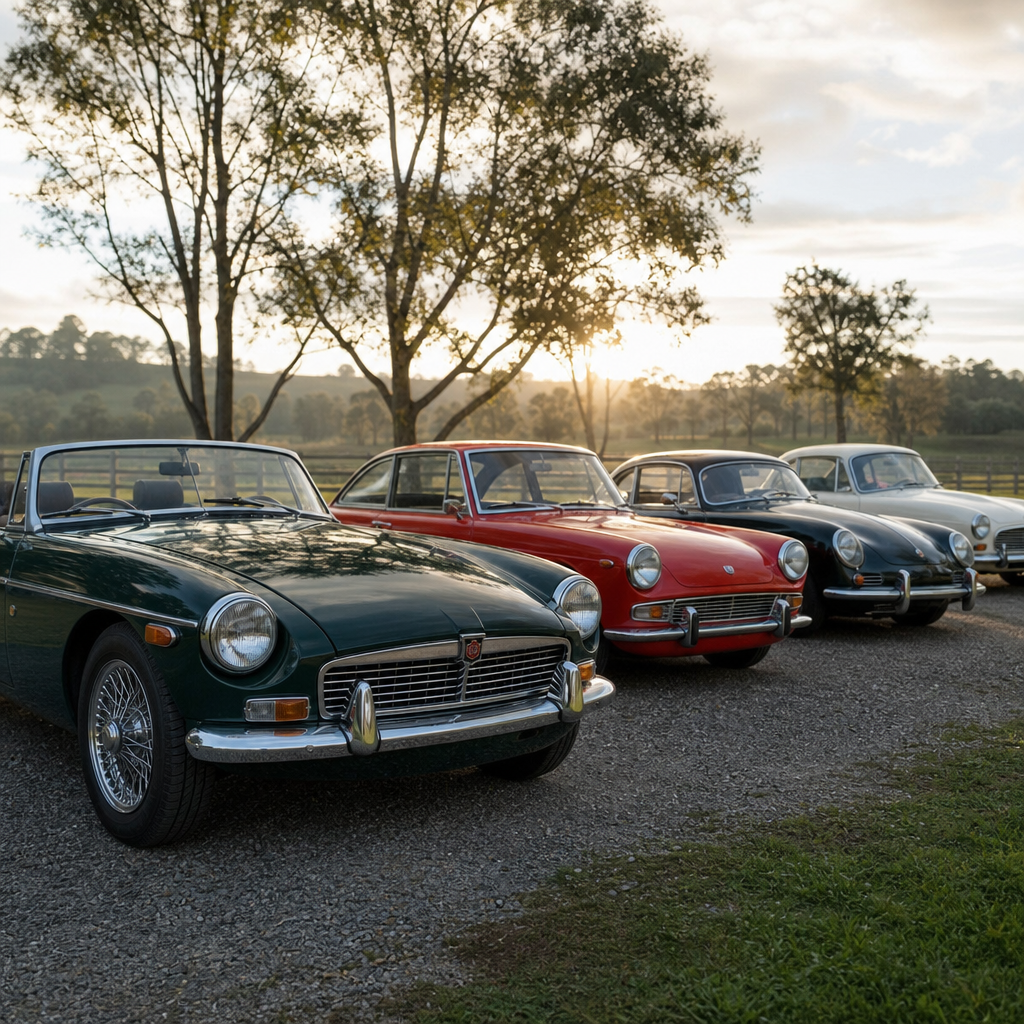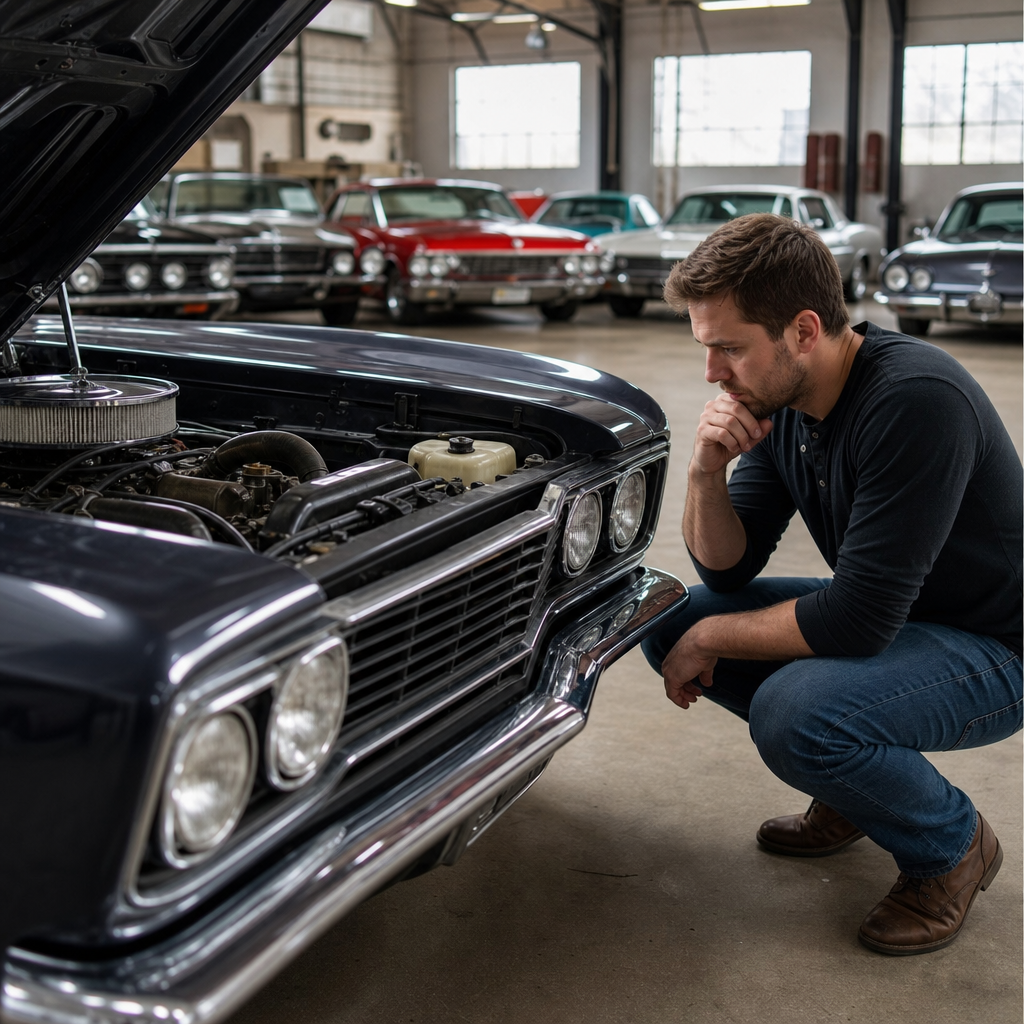
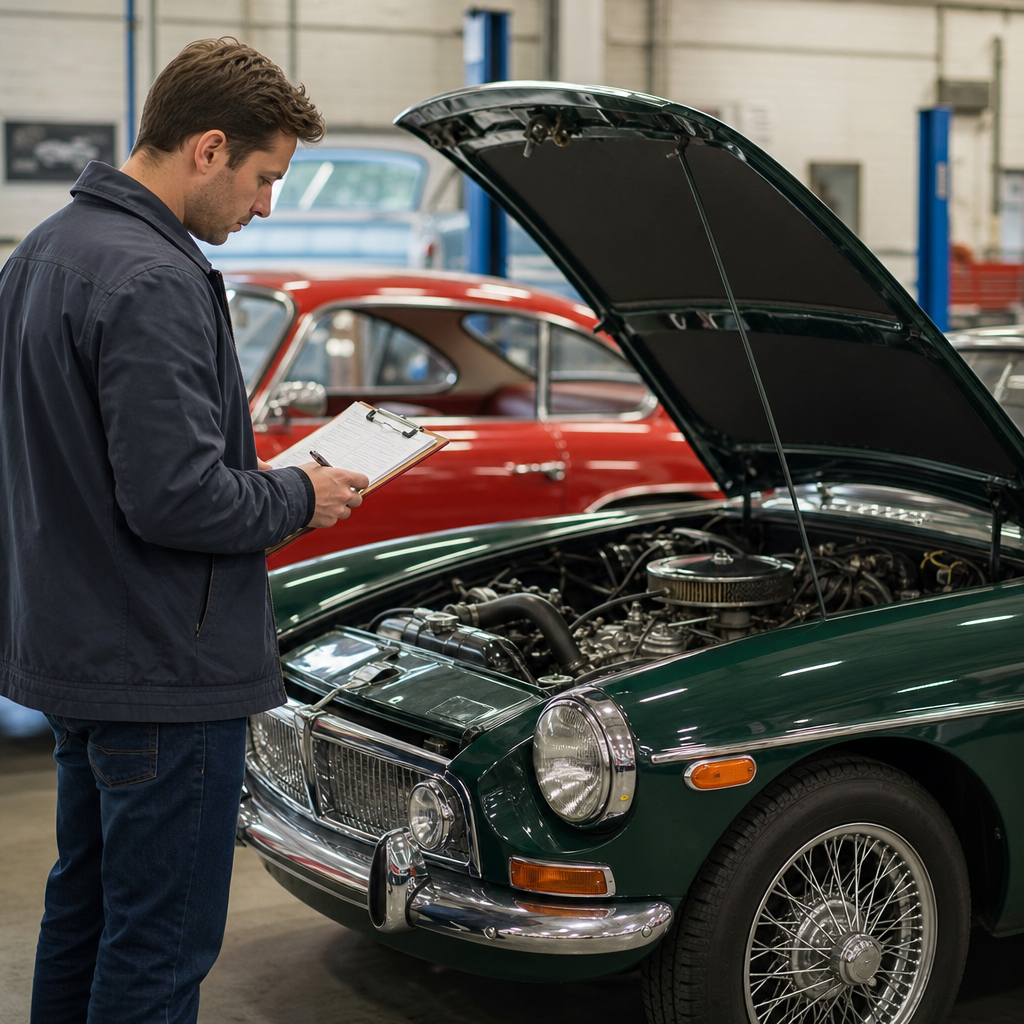
Buying a classic car is exciting, but beginners often underestimate how different the process is from buying a modern used vehicle. A classic car can be a weekend toy, a rolling restoration, an appreciating collectible, or an expensive lesson in hidden rust, missing paperwork, and unrealistic expectations. Before you make an offer, you need a clear checklist that covers condition, authenticity, parts support, ownership costs, and legal details. That preparation matters because the classic market rewards informed buyers and punishes rushed decisions.
In practical terms, a classic car usually refers to an older vehicle valued for age, design, cultural significance, rarity, or enthusiast appeal rather than simple transportation. Depending on the insurer, state motor vehicle agency, or club, that may mean anything from twenty to forty years old. Beginner guides often focus only on styling and price, but experienced buyers know the real decision starts with use case. Are you buying to drive, show, restore, learn basic maintenance, or preserve an original survivor? Your answer determines the right model, budget, inspection standard, and ownership plan.
I have watched first-time buyers fall in love with chrome, paint, and nostalgia, then miss the structural corrosion under fresh undercoating or the title issues that make registration difficult. The smartest approach is to treat your first purchase like a project in risk management. Learn the market, inspect the car methodically, verify the seller’s claims, and reserve cash for immediate repairs. This beginner’s checklist before buying a classic car is designed as a hub guide within classic car basics and education, giving you the framework needed to evaluate any candidate confidently and move to model-specific research with fewer surprises.
Start With Goals, Budget, and Ownership Reality
The first item on any beginner’s checklist before buying a classic car is defining what success looks like. If you want a reliable weekend driver, avoid cars requiring full restorations, rare trim sourcing, or complex mechanical recommissioning. If you want to learn wrenching, a simple carbureted car with strong parts support is usually better than a highly specialized European grand tourer. If future value matters, originality, documented history, and correct numbers become more important than shiny cosmetic work. Without this clarity, buyers compare the wrong cars and get distracted by bargains that do not fit their needs.
Your budget must extend far beyond purchase price. In the first year, most classics need fluid service, ignition tune-up parts, tires if they are aged out, brake inspection, hoses, belts, battery work, and safety corrections. Storage also matters. A dry garage slows corrosion and protects interior materials, while outdoor storage accelerates deterioration. Insurance may be affordable through collector-car policies from providers such as Hagerty, Grundy, or American Collectors, but those policies often require limited use, secure storage, and another daily driver. Registration rules vary by state, especially for antique plates, emissions exemptions, and imported vehicles.
A good planning method is to split costs into acquisition, immediate repairs, preventive maintenance, and optional upgrades. New buyers often overspend on the car itself and then defer essential mechanical work. That is backward. I would rather buy a slightly less glamorous example with a solid body, complete paperwork, and money left for sorting than stretch for a prettier car that empties the budget. The body and documentation usually determine whether ownership stays manageable, because mechanical systems can often be repaired more predictably than rusted structures or legal deficiencies.
Research the Right Model Before You Shop
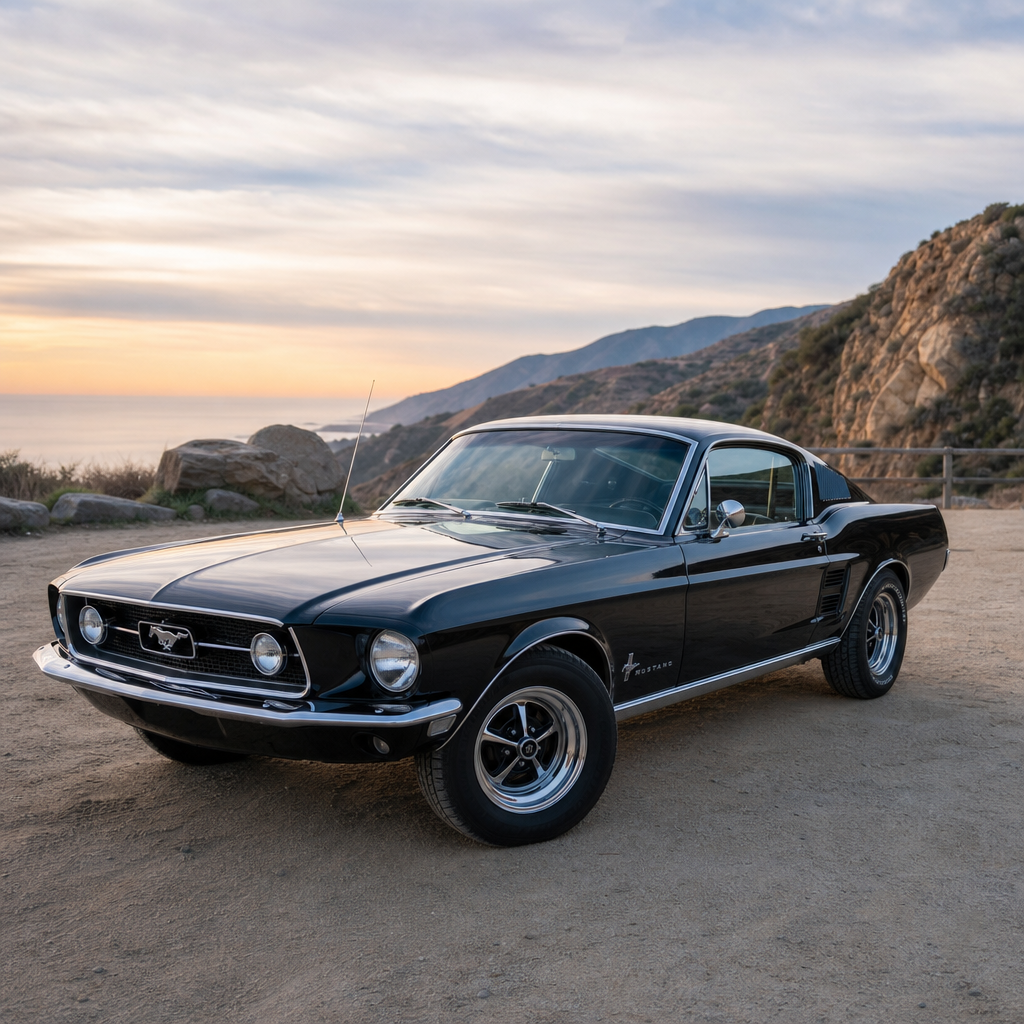
Not every classic is beginner friendly. The best first classic car usually combines parts availability, broad community support, simple mechanical systems, and realistic pricing. Popular examples include the MGB, first-generation Ford Mustang six-cylinder cars, Chevrolet Nova, Volkswagen Beetle, Volvo 240, Mercedes-Benz W123, and classic pickup trucks with large aftermarket ecosystems. These vehicles are not automatically cheap, but they are easier to understand, easier to maintain, and better documented than obscure or low-production alternatives.
Research should answer six questions before you even inspect a specific car. What are the known rust areas? Which engines or transmissions are most durable? What trim, body, or electrical parts are scarce? What does originality mean for this model? Which production years are preferred, and why? What does a correct market price look like for project, driver, and fully restored examples? Use marque clubs, model registries, factory literature, auction archives, Hemmings listings, Bring a Trailer results, and sold-price databases rather than asking prices alone. Asking prices reflect hope; completed sales reflect the market.
It also helps to learn the model-specific language sellers use. Terms such as matching numbers, older restoration, survivor, driver quality, repaint, rust free, sympathetic restoration, and period correct can mean different things in practice. For example, “rust free” often means “no visible perforation today,” not “never repaired.” “Matching numbers” may refer only to the engine, while transmission, rear axle, and carburetor may be replacements. A beginner guide should make this explicit because many expensive mistakes begin with misunderstood terminology rather than intentional deception.
| Checklist Area | What to Verify | Why It Matters |
|---|---|---|
| Body and frame | Rust, previous repairs, panel fit, frame damage | Structural issues are costly and can exceed the car’s value |
| Paperwork | Title, VIN, engine numbers, service records | Ownership problems can block registration and reduce value |
| Mechanical condition | Compression, leaks, brakes, cooling, charging, steering | Determines safety, drivability, and immediate repair costs |
| Parts support | Aftermarket supply, club network, specialist vendors | Scarce parts can turn a small issue into a long project |
| Market value | Comparable sold prices by condition tier | Prevents overpaying for cosmetic presentation alone |
Inspect the Body, Chassis, and Rust Areas First
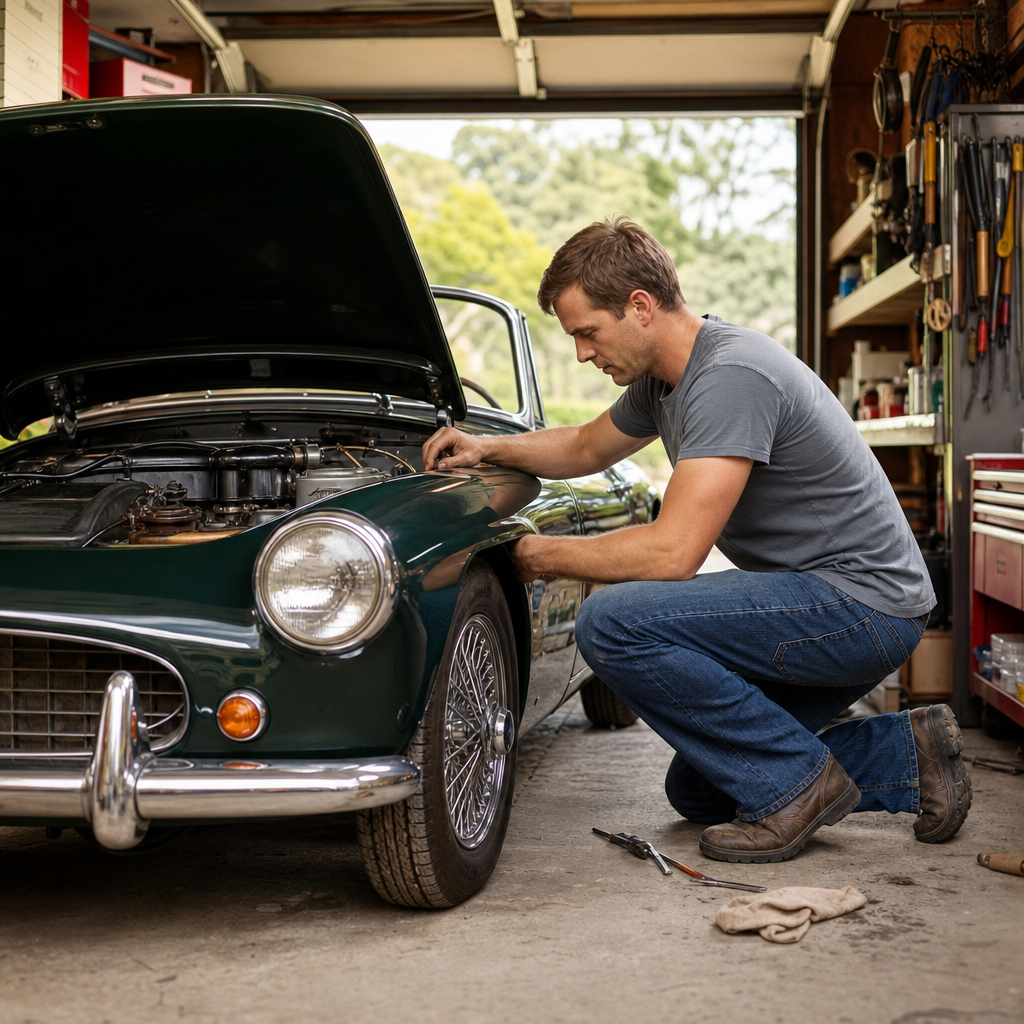
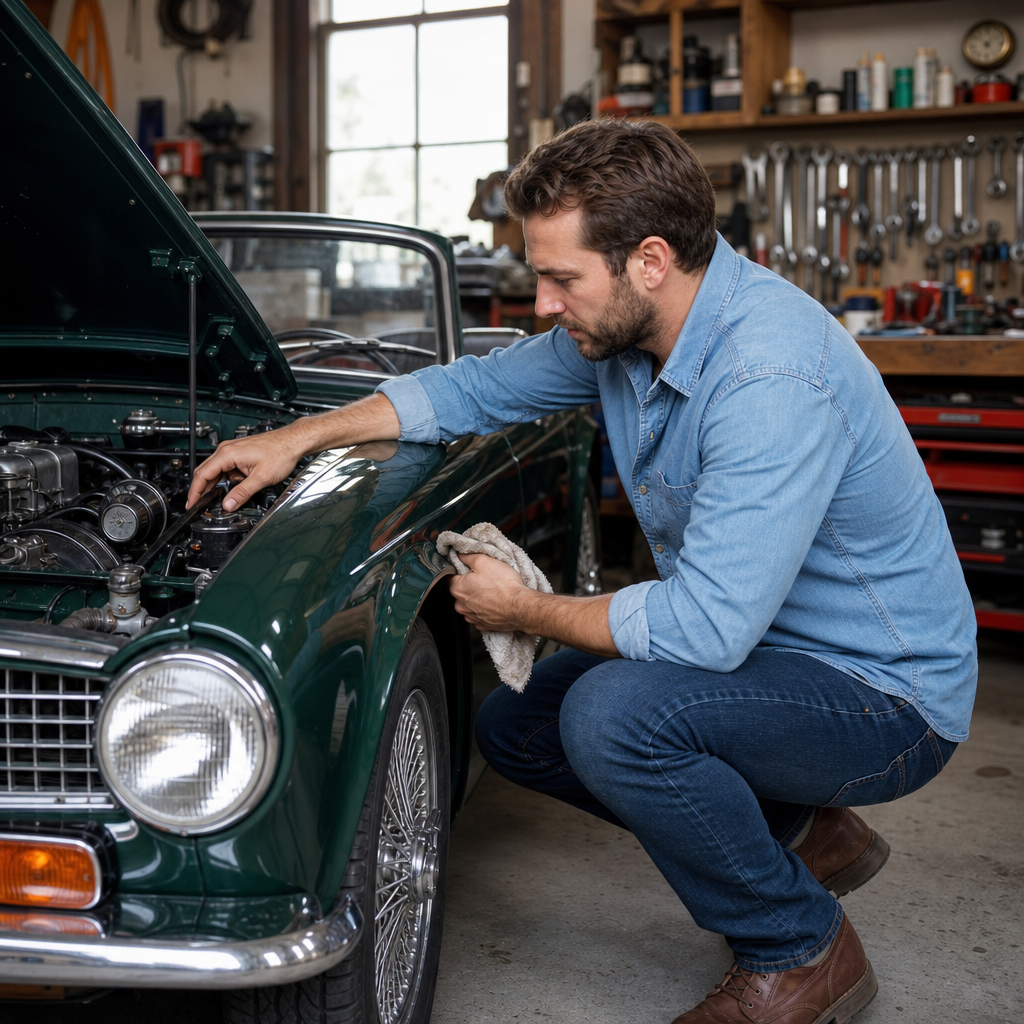
If you remember only one rule, remember this: inspect for rust before judging paint, upholstery, or accessories. Rust is the number one budget killer for beginner buyers. Fresh paint can hide filler, patch panels, or poor metalwork, while shiny undercoating can conceal soft floors and frame corrosion. Bring a flashlight, inspection mirror, magnet wrapped in cloth, and if possible a borescope. Look at rocker panels, lower fenders, wheel arches, door bottoms, floor pans, trunk floor, spare wheel well, cowl, windshield corners, frame rails, suspension mounting points, and any known model-specific traps.
Panel fit tells a story. Uneven gaps, doors that drop when opened, cracked paint at seams, and mismatched fasteners often indicate previous collision repair or structural movement. On body-on-frame cars, check whether the body sits squarely on its mounts and whether the frame shows kinks, scaling, or welded repairs. On unibody cars, inspect torque boxes, inner fenders, and subframe attachment points carefully. Surface rust can be manageable; perforation, swelling seams, and hidden structural repairs are far more serious. A car with cosmetic flaws but a sound shell is usually a better buy than a glossy car with compromised metal underneath.
Do not assume a dry-climate car is automatically rust free. I have inspected southwestern cars with severe battery tray corrosion and coastal cars with solid frames because they were maintained obsessively. Verify with your own eyes. Also check weatherstrips, glass channels, and trunk seals, because water intrusion is often what keeps rust active. Damp carpets, fogged glass, moldy interiors, and stale odors usually indicate leaks. Water leaks rarely stay cosmetic for long; they damage floors, wiring, and insulation and can create expensive restoration work that does not show up in listing photos.
Evaluate Mechanical Health and Roadworthiness
Once the structure passes, move to mechanical condition. A classic that starts easily from cold, idles steadily, charges properly, shifts cleanly, tracks straight, and stops confidently is worth a premium. Begin with cold-start behavior because warm engines hide problems. Listen for valve train noise, rod knock, exhaust leaks, timing chain rattle, and lifter clatter. Look for blue smoke that suggests oil burning, white smoke that persists after warmup, and black smoke indicating an over-rich fuel mixture. Check for excessive crankcase blow-by by removing the oil cap carefully on a running engine.
Inspect fluids closely. Milky oil can indicate coolant contamination. Rusty coolant suggests neglected service. Burnt transmission fluid points to heat and wear. Low brake fluid can signal leaks or worn friction materials. Rubber components matter as much as hard parts on older cars. Cracked fuel lines, aged brake hoses, dry-rotted tires, and swollen cooling hoses can turn a running car into a dangerous one. Tire date codes are especially important; many classics wear old tires with good tread but hardened rubber, poor grip, and increased blowout risk.
A proper test drive should include city speeds and at least a brief higher-speed segment if safe and legal. Watch engine temperature, oil pressure, steering play, braking stability, clutch engagement, transmission synchro operation, and driveline vibration. Manual gearboxes often reveal worn synchros during downshifts into second. Automatic transmissions should shift predictably without slipping or flaring. If the seller refuses any road test, treat that as a major warning sign unless the car is clearly non-running and priced accordingly. For valuable purchases, a pre-purchase inspection by a marque specialist is not optional; it is cheap insurance.
Verify Identity, Originality, and Documentation
Paperwork can make or break a classic car deal. Confirm that the VIN on the title matches the VIN plate, stamped chassis number, and any secondary identifiers used by the manufacturer. On older vehicles, location and format vary, so consult factory references or marque experts. Title status matters immensely. A missing title, lien issue, estate complication, or incorrect VIN can delay registration for months and reduce resale value. Imported classics require extra attention to customs paperwork, EPA and DOT exemptions where applicable, and state inspection requirements.
Originality affects value, but beginners should understand its nuances. A numbers-matching car generally retains the engine, and sometimes the transmission, installed by the factory or period-correctly documented. For some models, especially muscle cars and high-end European classics, that distinction changes value significantly. For a beginner driver car, tasteful upgrades such as electronic ignition, radial tires, improved cooling, or front disc brake conversions may improve usability without destroying appeal. The key is transparency. Receipts, photographs, restoration records, ownership history, factory build sheets, and heritage certificates all strengthen confidence in the seller’s claims.
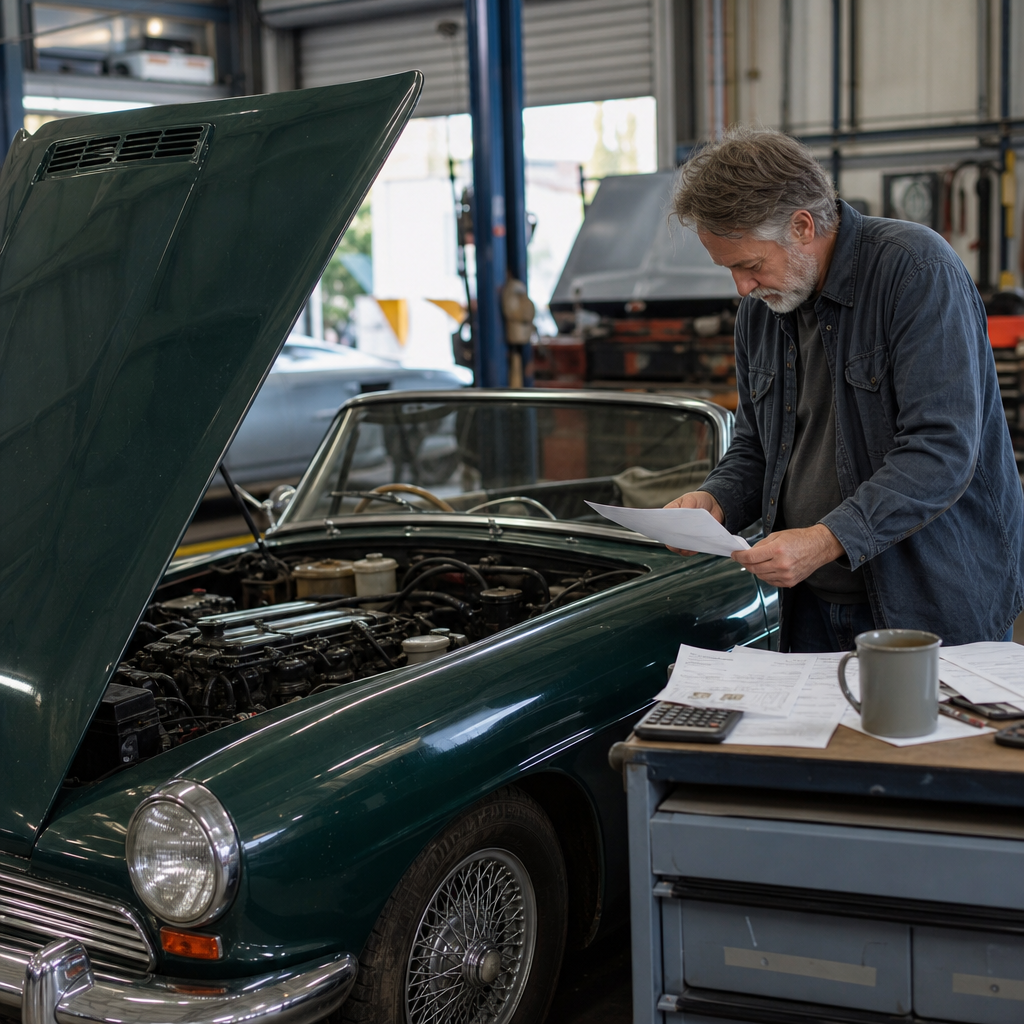
Service records are especially valuable because they reveal patterns, not just events. A stack of invoices showing brake hydraulics, fuel system cleaning, cooling system overhaul, and regular fluid changes is better evidence of stewardship than one large repaint bill. Documentation also helps you plan future maintenance intervals and identify which parts were already replaced. If the seller says an engine was rebuilt, ask by whom, when, to what specification, and whether there are receipts, machine shop notes, or compression results. Specific answers build trust; vague answers should lower your offer.
Assess Parts Availability, Support, and Long-Term Ownership Fit
A classic car is easier to own when you can actually buy the parts and knowledge required to keep it on the road. Before purchasing, test the ecosystem. Search major suppliers, specialist breakers, enthusiast forums, and club classifieds for common service items and model-specific trim. Mechanical components are often easier to source than interior trim, glass, brightwork, and year-specific electrical pieces. This is why two cars with similar prices can have completely different ownership experiences. The rarer car may be attractive, but one unavailable switch, grille, or instrument cluster can stall a project for months.
Community support has real value. Active owners’ clubs, printed workshop manuals, factory parts books, and online technical archives reduce the learning curve dramatically. For British classics, Moss Motors and club networks are invaluable. For air-cooled Volkswagens, the aftermarket is deep and well documented. For American classics, National Parts Depot, YearOne, and marque forums often cover both restoration and maintenance needs. Compare that with orphan brands or low-production luxury models, where specialty expertise exists but may be concentrated in a few shops nationwide and priced accordingly.
Finally, be honest about your mechanical skill, space, and patience. Some beginners buy a restoration candidate thinking enthusiasm will replace tools, time, and storage. It will not. A complete, driving classic with cosmetic imperfections usually teaches more and costs less than a disassembled project in boxes. The best first purchase is the one you can inspect properly, register without drama, maintain with available support, and enjoy regularly. Use this checklist before buying a classic car, then continue with model-specific beginner guides, inspection resources, and valuation references so your first classic becomes a source of satisfaction rather than regret.
The core lesson is simple: buy with discipline, not just emotion. Define your goal, set a realistic total budget, research the exact model, inspect the structure before the shine, evaluate mechanical safety, and verify every document and identification number. If a car passes those tests, it is far more likely to become an enjoyable driver or a sensible long-term project. If it fails one of them, walk away. There will always be another listing, another auction, and another opportunity.
For beginners, the biggest advantage is preparation. You do not need decades of experience to make a smart purchase, but you do need a repeatable process. A checklist keeps you from missing hidden rust, weak paperwork, scarce parts, or first-year costs that quickly exceed your expectations. It also helps you compare cars objectively across different models and price points. That is how experienced buyers stay calm, negotiate well, and avoid paying premium money for superficial presentation.
Use this hub as your starting point for classic car basics and education, then go deeper into model-specific inspections, restoration planning, title issues, and maintenance guides before you buy. Print your checklist, bring it to every viewing, and invest in a specialist pre-purchase inspection when the right car appears. A careful first purchase sets the tone for everything that follows, making classic ownership more affordable, more reliable, and far more rewarding.
Frequently Asked Questions
What should a beginner inspect first before buying a classic car?
The first thing to inspect is the car’s overall condition, with special attention paid to rust, structural integrity, and completeness. Beginners often focus on shiny paint, chrome, or a clean interior, but cosmetic appeal can hide expensive problems underneath. Start by checking the body and frame for corrosion in common trouble spots such as floor pans, rocker panels, wheel arches, trunk floors, suspension mounting points, and around the windshield or rear glass. Rust repair on a classic car is often far more expensive than mechanical work, especially if the corrosion affects structural areas or requires fabrication. Also look for uneven panel gaps, bubbling paint, signs of filler, fresh undercoating used to hide damage, or mismatched trim that may suggest past accident repairs or unfinished restoration work.
After rust and body condition, inspect whether the car is complete. Missing trim pieces, original badging, interior hardware, specialty glass, and model-specific engine or carburetor components can be difficult and costly to replace. A beginner should also evaluate the engine, transmission, brakes, steering, suspension, wiring, and cooling system, but with the understanding that most mechanical issues are usually more predictable and easier to price than bodywork. If possible, bring a flashlight, magnet, inspection mirror, and someone familiar with the model. Better yet, pay for a pre-purchase inspection by a specialist who knows that make and era. For a beginner, the safest approach is usually to buy the most solid, complete, well-documented car you can afford rather than a cheaper project with unknown problems.
How important are matching numbers and originality when buying a classic car?
Matching numbers and originality matter, but how much they matter depends on your goals. If you want a weekend driver or a car to enjoy casually, perfect originality may be less important than condition, reliability, and purchase price. On the other hand, if you are buying a collectible model with investment potential, originality becomes much more important. Matching numbers generally means the car still has the factory-correct engine, transmission, and sometimes other major components identified by serial numbers, date codes, or stampings. Collectors often place a premium on these details because they help verify authenticity and preserve historical value.
That said, beginners should not assume every old car needs to be factory-perfect to be worth owning. Many classics have replacement engines, upgraded brakes, electronic ignition, modern radial tires, or other sensible modifications that make them easier and safer to drive. The key is to understand exactly what you are buying and how those changes affect value. Ask for documentation, restoration receipts, photographs, ownership history, and any factory records or build sheets available. Confirm that the VIN, title, cowl tags, and drivetrain numbers make sense for the vehicle. A car represented as rare or highly original should be verified carefully, because misrepresented authenticity can lead to overpaying. For beginners, transparency is more important than perfection: an honestly described car with documented changes is often a better purchase than a supposedly “all original” example with unanswered questions.
How do I know whether parts and service support will be a problem?
Parts availability is one of the most overlooked items on a beginner’s checklist, and it can determine whether ownership is enjoyable or frustrating. Before buying, research whether the make, model, and year have strong aftermarket support, active owner communities, and specialists who understand the vehicle. Popular classics from major manufacturers often have excellent reproduction parts catalogs, online forums, club networks, and restoration shops familiar with common issues. By contrast, limited-production cars, obscure imports, or one-year-only models may require long searches for used parts, custom fabrication, or expensive international sourcing. That can turn even a minor repair into a long and costly project.
Do not limit your research to major engine parts. Look into availability for trim, weatherstripping, glass, interior pieces, gauges, switches, brake components, suspension bushings, and model-specific electrical parts. Ask owners in enthusiast groups which parts are easy to get and which are known headaches. You should also find out whether local mechanics will work on carbureted engines, drum brakes, generator systems, or older manual transmissions if you do not plan to do the work yourself. Some classics are mechanically simple but still difficult to maintain because knowledgeable service has become rare. A beginner is usually better off starting with a model that has a deep parts supply and strong community support, because those resources reduce downtime, lower ownership stress, and make it easier to get honest advice when problems come up.
What ownership costs do beginners usually underestimate with classic cars?
Beginners often underestimate nearly every cost beyond the purchase price. Insurance, transportation, registration, taxes, storage, preventive maintenance, and unexpected repairs all add up quickly. Even a car that seems “sorted” will usually need ongoing attention because older vehicles have aging seals, hoses, wiring, gaskets, bushings, and fuel system components that deteriorate over time. Fluids may need immediate replacement, tires may look good but be old and unsafe, and brakes or cooling systems may require refreshing before the car is truly road-ready. If the car has been sitting, expect additional expense for recommissioning. Towing and specialist labor can also be significantly more expensive than standard modern-car service.
Storage is another major factor. A classic kept outdoors can deteriorate rapidly, especially if it has older paint, chrome, weather seals, or known rust vulnerabilities. A dry, secure garage is ideal, and if you do not have one, paid storage should be part of your budget. You should also think about fuel economy, the possibility of premium fuel requirements, and the cost of sourcing correct tires or period-correct replacement parts. If you are considering a restoration project, be realistic: restoration budgets almost always grow, and timelines often stretch far beyond expectations. For beginners, a smart rule is to keep a reserve fund after purchase rather than spending every dollar on the initial deal. Owning a classic car is usually more rewarding when you have room in the budget for surprises.
What paperwork and legal details should I verify before making an offer?
Paperwork is critical, and beginners should never treat it as a formality. Before making an offer, confirm that the seller has a clear title in their name unless there is a legitimate reason otherwise, such as an estate sale or licensed dealer transaction. Verify that the VIN on the title matches the VIN on the vehicle and that any body tags, frame stampings, or engine numbers align with how the car is being represented. Be aware that VIN locations and formats vary widely on older cars, and some pre-1981 vehicles do not follow modern 17-digit VIN standards. If anything looks altered, missing, tampered with, or inconsistent, stop and investigate before proceeding.
You should also ask about liens, registration status, emissions requirements in your state, and whether the car is sold with a bill of sale, maintenance records, restoration receipts, and any documentation supporting originality or prior work. Some states have special rules for antique, classic, or historic vehicle registration, including restrictions on use, inspection, and plate eligibility. Imported classics may involve additional customs and import paperwork, and cars sold without proper documents can become difficult or impossible to register legally. If the car is advertised as restored, review receipts and photos to understand what was actually done rather than relying on labels. A careful paperwork review protects you from fraud, title issues, and expensive legal headaches. For a beginner, the best policy is simple: if the documents are unclear, incomplete, or inconsistent, do not rush the purchase.