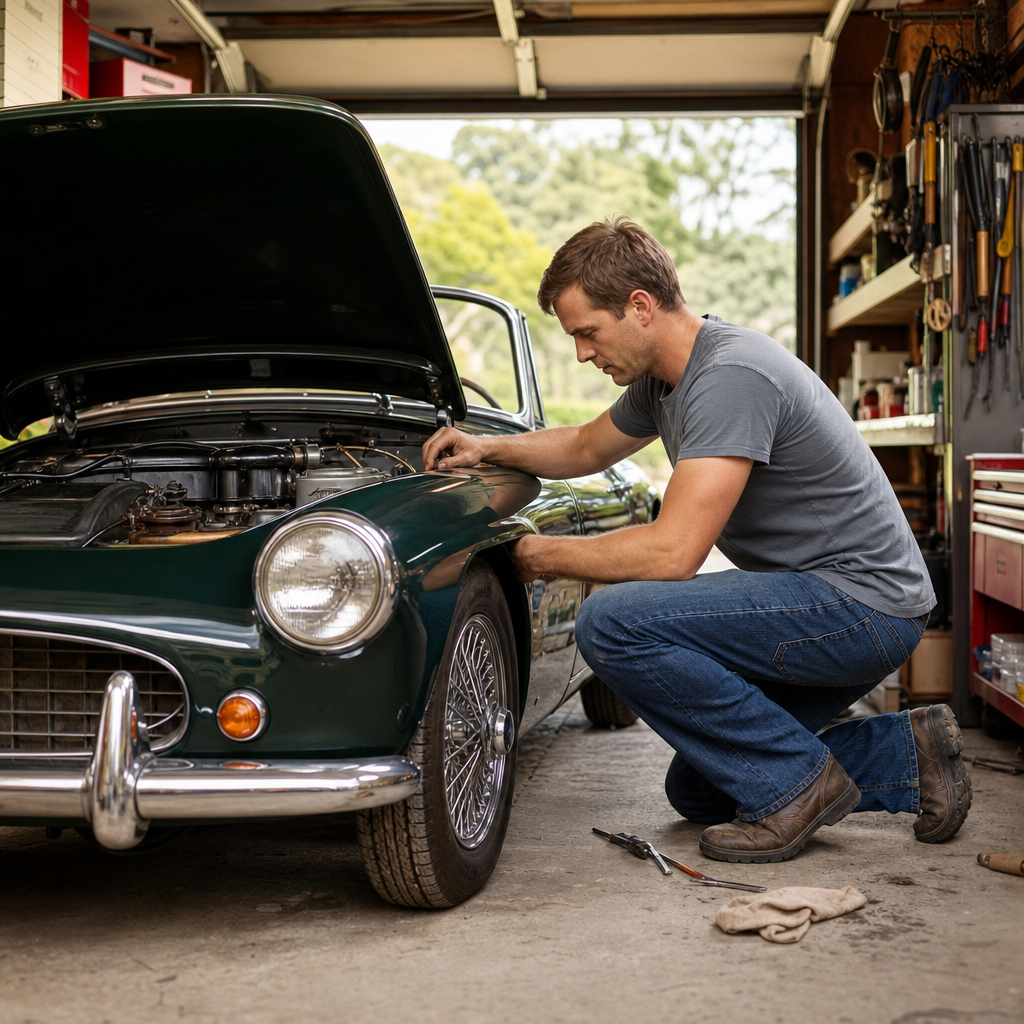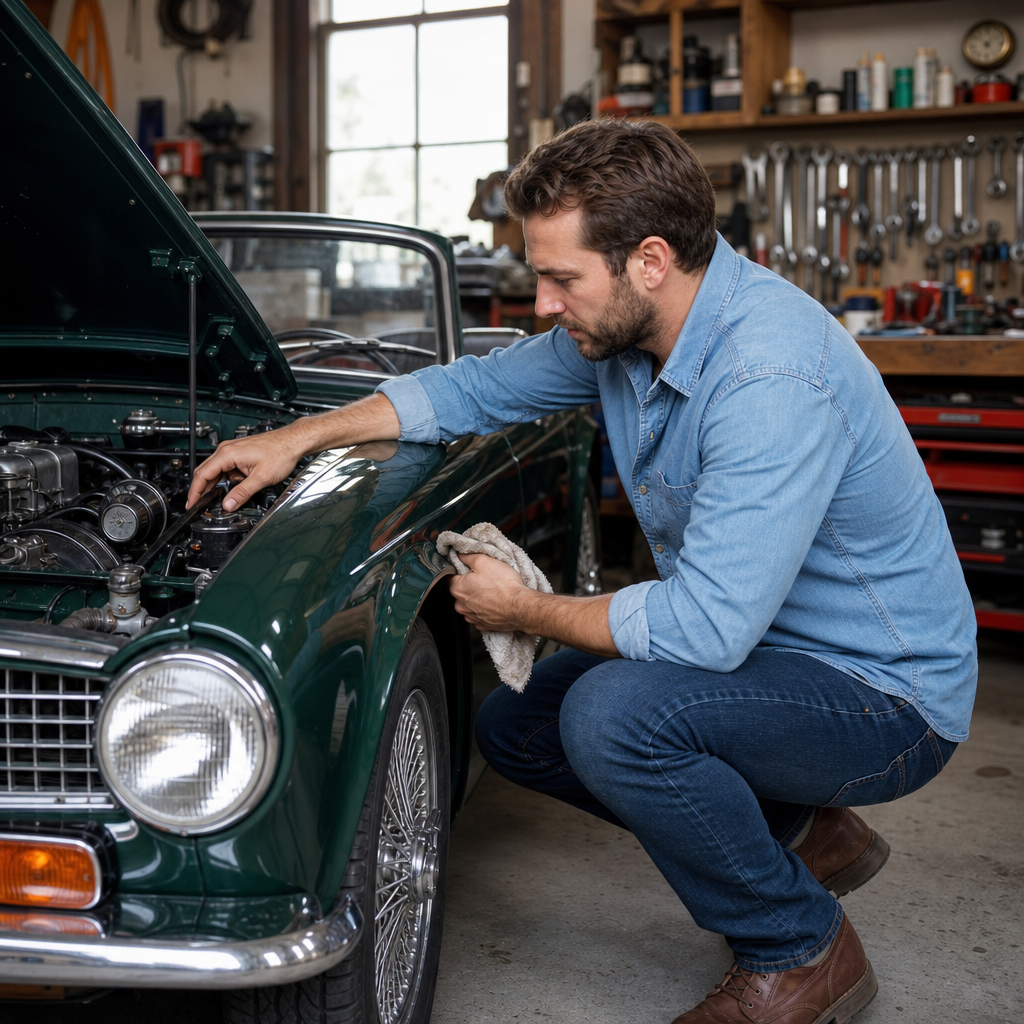
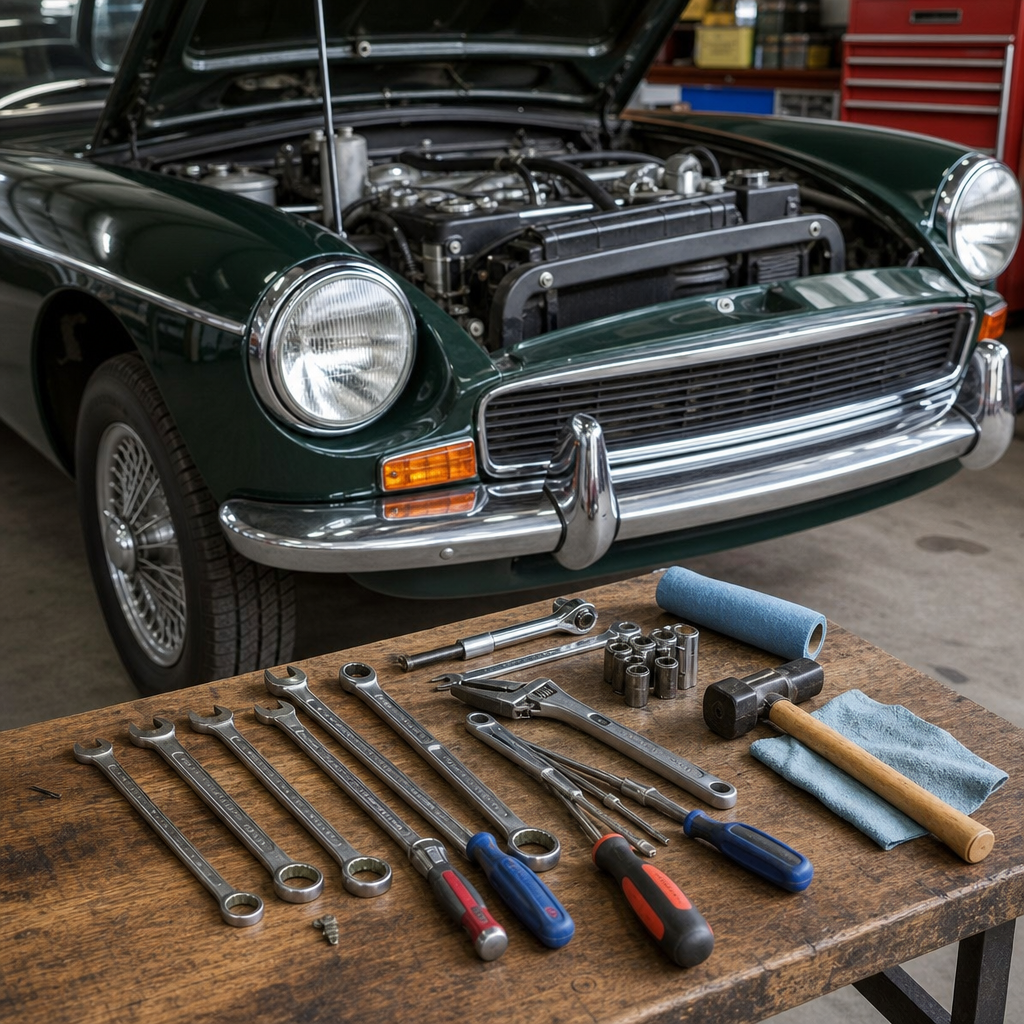
Owning a vintage vehicle is rewarding, but the wrong first purchase can turn basic maintenance into frustration, wasted money, or damaged parts. Tools every beginner classic car owner needs are not the same as the tools marketed to modern-car drivers, because older vehicles use different fastener standards, simpler mechanical systems, and service routines that expect hands-on adjustment. In my experience helping new owners sort their first garage setup, the best approach is to build a focused toolkit around safety, measurement, fastening, lifting, and roadside preparedness. A sensible starter collection lets you handle inspections, tune-ups, fluid service, trim work, and minor repairs without buying specialist equipment too early. This matters because classic ownership is less about convenience and more about preservation. The right tools help you work carefully, avoid stripped bolts, identify problems early, and understand how your car was engineered, which is the foundation for confident ownership and long-term reliability.
Why classic cars require a different beginner toolkit
A beginner classic car toolkit should match the era, design, and condition of the vehicle. Many British cars, for example, use Whitworth or British Standard sizes on original hardware, while American cars often rely on SAE fasteners rather than metric. If you force a near-fit metric socket onto an older imperial bolt head, you increase the risk of rounding it off, especially if corrosion has reduced the corners. That is why socket and wrench selection is not a small detail; it directly affects whether a simple job stays simple.
Classic cars also demand more routine intervention than modern cars. Points ignition may need gap adjustment, carburetors may need tuning, drum brakes may need manual inspection, and older cooling systems can benefit from regular hose and clamp checks. On cars built before widespread electronic diagnostics, condition is assessed through observation and measurement rather than scan tools. You listen for bearing noise, read spark plugs, check dwell or timing, inspect vacuum lines, and watch fluid color and level. Your tools therefore need to support mechanical diagnosis, not just part replacement.
Another difference is parts availability and originality. Replacement trim, cast housings, and model-specific hardware can be expensive or impossible to source quickly. I always tell beginners that a good tool is often cheaper than replacing one damaged original part. A proper trim removal tool prevents bent moldings. A torque wrench protects aluminum valve covers, thermostat housings, and wheel studs. Feeler gauges help you set clearances correctly instead of guessing and chasing driveability problems later. Precision matters more on old cars because wear, age, and scarcity leave less room for careless work.
Core hand tools you will use on almost every job
The foundation of any classic car garage is a high-quality set of hand tools. Start with combination wrenches in SAE sizes, plus metric if your car or replacement parts require them. Include 1/4-inch and 3/8-inch drive ratchets, a modest 1/2-inch drive set for suspension or wheel work, and six-point sockets rather than twelve-point where possible. Six-point sockets grip older fasteners better and are less likely to slip. Deep sockets are useful for carburetor studs, battery hold-downs, and exhaust hardware.
Screwdrivers deserve more attention than they get. Many trim screws and carburetor screws on older cars use soft metal, so a well-fitting screwdriver tip is critical. Buy several flat-blade widths and proper Phillips drivers from a reputable brand such as Williams, Proto, Snap-on, or Tekton. Add stubby screwdrivers for under-dash work. Pliers should include needle-nose, slip-joint, locking pliers, diagonal cutters, and dedicated hose clamp pliers if your car has spring clamps. A dead-blow hammer and a small brass hammer are also valuable because they persuade parts without marring finished surfaces as quickly as a steel hammer.
Do not overlook picks, magnet tools, and inspection mirrors. These small items save enormous time when retrieving dropped clips, easing out brittle seals, or checking behind manifolds. A utility knife, gasket scraper, and wire brush set are also basic needs. For storage, a small rolling cart or top chest keeps tools clean and easy to find. Tool organization is not cosmetic; it shortens jobs and helps you notice immediately when a socket or wrench has been left in the engine bay.
Safety and lifting equipment you should buy before performance parts
The first money a beginner spends should go into safe lifting and basic protection. A hydraulic floor jack rated appropriately for your vehicle and a pair of quality jack stands are non-negotiable. Never rely on a bumper jack or factory emergency jack for service work. Older cars often have rust in frame rails, weakened jacking points, or suspension components that are not obvious safe lift locations. Before lifting, confirm the service manual points and chock the wheels. If you only buy one premium item early, make it jack stands from a trusted manufacturer with clear load ratings and solid locking mechanisms.
Eye protection, mechanic’s gloves, hearing protection, and a fire extinguisher belong in every classic car workspace. Carbureted cars, aged rubber fuel lines, and decades-old wiring make fire risk higher than many beginners expect. An ABC extinguisher is common, but many experienced owners prefer a clean-agent unit near the car to reduce residue damage. Good LED work lights are another safety tool. Shadows hide fuel leaks, cracked hoses, and split cotter pins. I have seen more mistakes caused by poor lighting than by lack of confidence.
A creeper, wheel chocks, fender covers, and absorbent mats round out the essentials. Fender covers protect paint while you lean over engine bays with belt buckles, zippers, and loose tools. Absorbent mats help you identify fresh leaks by location and fluid color. These are simple purchases, yet they prevent the kind of avoidable damage that discourages beginners.
Measuring and diagnostic tools that make maintenance accurate
Classic cars reward measurement. Start with a torque wrench in the range your vehicle uses most often, usually 3/8-inch drive for common engine and chassis fasteners. Then add feeler gauges for spark plug gaps, breaker points, and valve lash on engines that require adjustment. A test light and a digital multimeter are essential for tracing charging and ignition problems. Voltage drop testing across cables and grounds is often more revealing than simply checking battery voltage, especially on older harnesses with corrosion hidden under insulation.
Ignition timing tools belong on the beginner list because timing affects starting, idle quality, power, and heat. A timing light lets you verify base timing and observe whether mechanical and vacuum advance are working correctly. On points-based systems, a dwell meter is still useful because dwell angle changes as point gap changes. For fuel and vacuum diagnosis, a vacuum gauge is one of the cheapest and smartest purchases you can make. It can indicate late timing, intake leaks, burned valves, or general engine condition through needle behavior.
Compression testers and cooling system pressure testers become valuable quickly as you begin evaluating engine health and leaks. They are not daily-use tools, but they help you make informed decisions before spending on carburetor rebuilds or ignition parts that will not solve a deeper problem. The table below shows a practical beginner priority list.
| Tool | Primary use | Why beginners need it |
|---|---|---|
| Torque wrench | Tightening fasteners to specification | Prevents stripped threads, warped covers, and loose wheels |
| Feeler gauges | Setting plug gaps, points, and valve lash | Makes tune-ups accurate instead of guesswork |
| Digital multimeter | Testing voltage, resistance, and continuity | Finds bad grounds, weak charging, and wiring faults |
| Timing light | Checking ignition timing and advance | Improves starting, idle, and drivability |
| Vacuum gauge | Reading intake vacuum behavior | Helps diagnose leaks, timing issues, and engine condition |
| Compression tester | Measuring cylinder pressure | Confirms engine health before expensive parts swaps |
Specialty tools that are worth buying early for older vehicles
Not every specialty tool should be purchased immediately, but several are worth owning early because they protect fragile components and make common jobs realistic. A battery terminal puller, bearing grease packer, brake spoon for drum brake adjustment, flare nut wrenches for brake and fuel lines, and a grease gun are prime examples. Flare nut wrenches are especially important because brake fittings seize over time and standard open-end wrenches round them quickly. A hand impact driver is another underrated classic car tool. It helps remove stubborn slotted screws on door hinges, trim pieces, and brake drums without destroying the screw head.
Trim tools made from nylon or other non-marring materials are essential if you plan to remove interior panels, badges, or moldings. Older clips become brittle, and painted edges chip easily. For electrical work, invest in proper wire strippers, a quality ratcheting crimper, heat-shrink tubing, and a soldering iron if you are comfortable using one. Many electrical issues in classic cars come from decades of poor repairs using household connectors or twisted wires wrapped in tape. Correcting those repairs with proper tools improves reliability more than many cosmetic upgrades.
If your car has carburetors, a small selection of jet screwdrivers, a float gauge if specified by the manufacturer, and synchronizing tools for multi-carb setups are worthwhile. British SU carburetors, Weber sidedrafts, and Rochester or Carter units all reward precise setup. Buy the specialty tools only when you are ready to learn the associated procedure, and pair each purchase with the factory service manual so the tool is used correctly.
Workshop references, storage, and supplies beginners should treat as tools
Some of the most important beginner tools are not made of steel. A factory service manual, a parts catalog, and a wiring diagram are essential. Factory manuals provide torque specs, adjustment procedures, wiring color codes, and service sequences that generic manuals may simplify too much. Parts books are equally useful because exploded diagrams show washers, clips, spacers, and assembly order. When I troubleshoot an unfamiliar classic, I often spend as much time with documentation as I do with a wrench.
Labeling and storage supplies also deserve a place in a hub guide for beginner classic car owners. Use zip bags, masking tape, paint markers, magnetic trays, divided bins, and a notebook or photo log. When disassembling anything more complex than a tune-up, label every fastener and take reference photos from several angles. This is not overkill. It is how you avoid leftover hardware and reversed brackets three weeks later.
Stock basic consumables as well: penetrating oil, anti-seize, dielectric grease, assembly lube, brake cleaner, shop towels, nitrile gloves, distilled water, and the correct fluids specified for your vehicle. Be careful with universal recommendations. For example, some older flat-tappet engines benefit from oils with appropriate zinc and phosphorus content, but exact needs depend on engine design, camshaft, spring pressure, and operating use. The manual and engine builder guidance should lead the decision.
How to build your beginner toolkit without overspending
The smartest way to buy tools for a classic car is in phases. Begin with safety gear, lifting equipment, core hand tools, and a few measuring tools. Then add specialty items as specific jobs require them. This prevents the common mistake of buying a giant mechanic’s set full of pieces you will never use while still lacking a flare nut wrench, timing light, or trim tool that your car actually needs. Focus your money on fit, durability, and the sizes you use most often.
There is also no rule that every tool must be premium truck-brand equipment. I recommend premium quality for ratchets, sockets, torque wrenches, screwdrivers, and lifting gear because failure in those categories costs time or creates risk. For occasional-use tools, mid-tier brands can be perfectly adequate. Estate sales, swap meets, and older American-made hand tools can offer excellent value, especially for SAE sizes that newer buyers overlook. Inspect used tools for cracked handles, worn ratchet mechanisms, and damaged jaws before buying.
As this beginner guides hub expands, related articles should cover topics such as choosing your first project car, reading a factory service manual, understanding classic car fluids, and building a roadside emergency kit. Together, those subjects help new owners turn tools into capability. The point is not to own a fully equipped restoration shop on day one. The point is to acquire the right tools in the right order so each new maintenance task becomes manageable and less intimidating.
For a beginner, the best classic car tools are the ones that make routine care safe, accurate, and repeatable. Start with SAE-focused hand tools, proper lifting equipment, eye and fire protection, a torque wrench, feeler gauges, a multimeter, a timing light, and a vacuum gauge. Add line wrenches, trim tools, electrical repair tools, and model-specific specialty items as your confidence grows. Pair every tool purchase with documentation, careful labeling, and good storage habits. That combination saves original parts, reduces mistakes, and helps you understand your vehicle at a mechanical level modern cars rarely allow. A classic car does not ask you to buy everything at once; it asks you to prepare thoughtfully and learn steadily. Build your toolkit around the jobs you actually perform, use the factory manual as your guide, and keep adding capability one repair at a time. If you are starting your ownership journey now, make your next step simple: assemble the core toolkit first, then use it on a basic inspection and tune-up so your education begins with the car in front of you.
Frequently Asked Questions
What are the first tools a beginner classic car owner should buy?
The best first purchases are the tools that let you handle routine inspection, adjustment, and basic maintenance without damaging older hardware. Start with a quality set of combination wrenches and socket sets in the sizes your car actually uses. Many classic cars, especially American and British models, rely on SAE fasteners, while others may use Whitworth, BSF, or metric hardware depending on the make, age, and what previous owners have changed over time. That is why identifying your car’s fastener standard before buying a giant generic toolkit is so important.
Beyond wrenches and sockets, a beginner should own a torque wrench, a set of screwdrivers with properly fitting tips, pliers, locking pliers, feeler gauges, a floor jack, sturdy jack stands, a drain pan, a grease gun if the car has serviceable fittings, and a solid work light. Add a multimeter, test light, spark plug socket, wire brush, and penetrating oil early as well, because electrical troubleshooting and stuck fasteners are part of classic car ownership sooner or later. A small magnet pickup tool, inspection mirror, and parts trays also save a surprising amount of time and frustration.
The key is to build a focused starter kit instead of buying a massive bargain-bin set full of tools you may never use. Older cars reward precise, correctly sized tools and patient work. A smaller collection of durable, well-fitting hand tools will serve a beginner far better than a flashy all-in-one kit aimed at modern vehicles with plastic covers and electronic diagnostics.
Why are tool needs different for classic cars than for modern cars?
Classic cars are mechanically simpler in many ways, but that does not mean they require fewer tools or less care. They often require different tools because they were built around different engineering assumptions. Older vehicles commonly use carburetors, breaker points, grease fittings, manually adjustable components, and fastener standards that modern-car owners rarely encounter. Maintenance was expected to be more hands-on, more frequent, and more mechanical.
That changes what belongs in your garage. A beginner classic car owner is more likely to need feeler gauges for ignition or valve adjustments, timing tools, a dwell meter in some cases, grease equipment for suspension service, and hand tools that fit older bolt and screw patterns correctly. On many vintage vehicles, using the wrong wrench size or a poor-quality screwdriver can round off irreplaceable hardware very quickly. That is a bigger risk on older cars because original fasteners may be harder to replace and often matter for authenticity as well as function.
Classic cars also tend to have more room to work, but fewer protective systems to save you from mistakes. There may be less electronic complexity, yet more opportunity to overtighten a bolt into cast metal, crack a brittle original part, or strip a fitting that has not moved in decades. That is why classic-car tool buying should focus on fit, control, and service-specific usefulness rather than broad marketing claims. Tools for vintage ownership are about preserving parts and making careful adjustments, not just turning fasteners quickly.
Should a beginner buy cheap tool sets or invest in better-quality tools right away?
In most cases, beginners should invest in better quality for the tools they will use constantly and save money on specialty tools until they are sure those tools are needed. This approach gives you the best value without overspending. A dependable ratchet, well-made sockets, correctly sized wrenches, solid screwdrivers, a safe jack and jack stands, and an accurate torque wrench are worth paying for because they affect nearly every job you do. These tools influence safety, speed, and the likelihood of damaging parts.
Cheap tools usually create the most trouble on classic cars where bolts may already be rusty, soft, or stuck. A sloppy wrench can round an old fastener. A poor screwdriver can chew up a screw head on a carburetor or trim piece. An inaccurate torque wrench can cause stripped threads, warped covers, or leaks. Bargain lifting equipment is especially risky and not the place to cut corners. When working under a vintage vehicle, stability and safety are non-negotiable.
That said, not every tool needs to be premium. Some specialty items, such as unusual pullers, timing accessories, or make-specific service tools, can wait until your first real need arises. It is also perfectly reasonable to buy mid-range tools from reputable brands and upgrade only the pieces you use most often. For a beginner, the smartest strategy is not “buy everything expensive” or “buy everything cheap.” It is “buy reliable core tools first, then expand based on your actual car and the maintenance tasks you perform.”
What safety and lifting equipment does every beginner classic car owner need?
Every beginner should own a high-quality floor jack, properly rated jack stands, wheel chocks, nitrile gloves, safety glasses, and a fire extinguisher. These are not accessories. They are essential equipment. A classic car may have unknown structural weak points, old suspension components, aged fuel lines, and years of accumulated grease and grime. Safe lifting and preparation matter just as much as the tools used for the repair itself.
A floor jack should be chosen based on your vehicle’s weight, ride height, and available lifting points. Many vintage cars sit differently than modern cars, and some require extra care because of frame design, low clearance, or delicate pinch areas. Jack stands should always support the vehicle once lifted; never rely on the jack alone. Wheel chocks are equally important, especially on older cars with parking brake systems that may not hold as well as expected. If you are doing brake, suspension, or underbody work, stable support is absolutely critical.
Fire safety deserves special attention with classics. Old fuel hoses, carburetors, mechanical fuel pumps, and aged wiring make a fire extinguisher a must-have in the garage and ideally in the car itself. Add a bright work light so you can actually see leaks, cracks, and routing issues. Good lighting prevents mistakes. Safety glasses protect against rust flakes, old undercoating, and chemicals. In practical terms, a beginner who spends money on safe lifting gear and basic protection first will work more confidently, avoid preventable injuries, and be far less likely to turn a simple maintenance job into an expensive or dangerous situation.
Which specialty tools are worth adding after the basic toolkit is in place?
Once your core hand tools are covered, the next specialty tools should match the maintenance style of your specific classic car. For many beginners, the most useful additions are a compression tester, timing light, vacuum gauge, battery charger or maintainer, brake-bleeding kit, and spark plug gapping tool. These tools help you diagnose common drivability issues and tune the engine properly without guessing. On a vintage vehicle, diagnosis is often mechanical and observational rather than scan-tool based, so these items can quickly pay for themselves.
If your car uses points ignition, a dwell meter may be worthwhile. If it has lots of grease fittings, a quality grease gun becomes part of normal service rather than an occasional extra. If you work on fuel or cooling systems, hose clamp pliers, line wrenches, and a cooling-system funnel can be very helpful. If rusted hardware is common on your car, a breaker bar, impact-rated sockets, and thread-chasing tools may become essential additions. Owners doing more ambitious work may eventually add pullers, a bearing packer, a flare tool, or make-specific tools recommended by the factory service manual.
The smartest way to choose specialty tools is to let the car tell you what you need. Look at the maintenance schedule, common repairs for your model, and the jobs you are realistically prepared to do yourself. A beginner does not need a fully equipped restoration shop on day one. What you do need is a thoughtful expansion plan: buy the basic tools that support routine ownership, then add specialty equipment that solves recurring problems, improves accuracy, and helps you preserve the original parts that make a classic car special.