Should you restore or buy a finished classic car? For beginners entering the hobby, that question shapes cost, time, stress, and long-term satisfaction more than any badge on the hood. In simple terms, restoring means buying a car that needs mechanical, cosmetic, or structural work and bringing it back to reliable, attractive condition. Buying finished means purchasing a classic that is already sorted, presentable, and usable. I have worked with first-time buyers who assumed restoration was the cheaper route, only to discover hidden rust, missing trim, and machine-shop invoices that exceeded the value of the car. I have also seen people overpay for “done” cars with glossy paint covering poor repairs. The right choice depends on budget, skills, patience, goals, and access to trustworthy specialists. This beginner guide explains how to decide, what each path really costs, and how to avoid mistakes that turn enthusiasm into regret. If you are building your knowledge base in Classic Car Basics & Education, this hub will help you understand project grading, inspection priorities, ownership costs, documentation, storage, insurance, and realistic expectations before money changes hands.
What restoring a classic car really involves
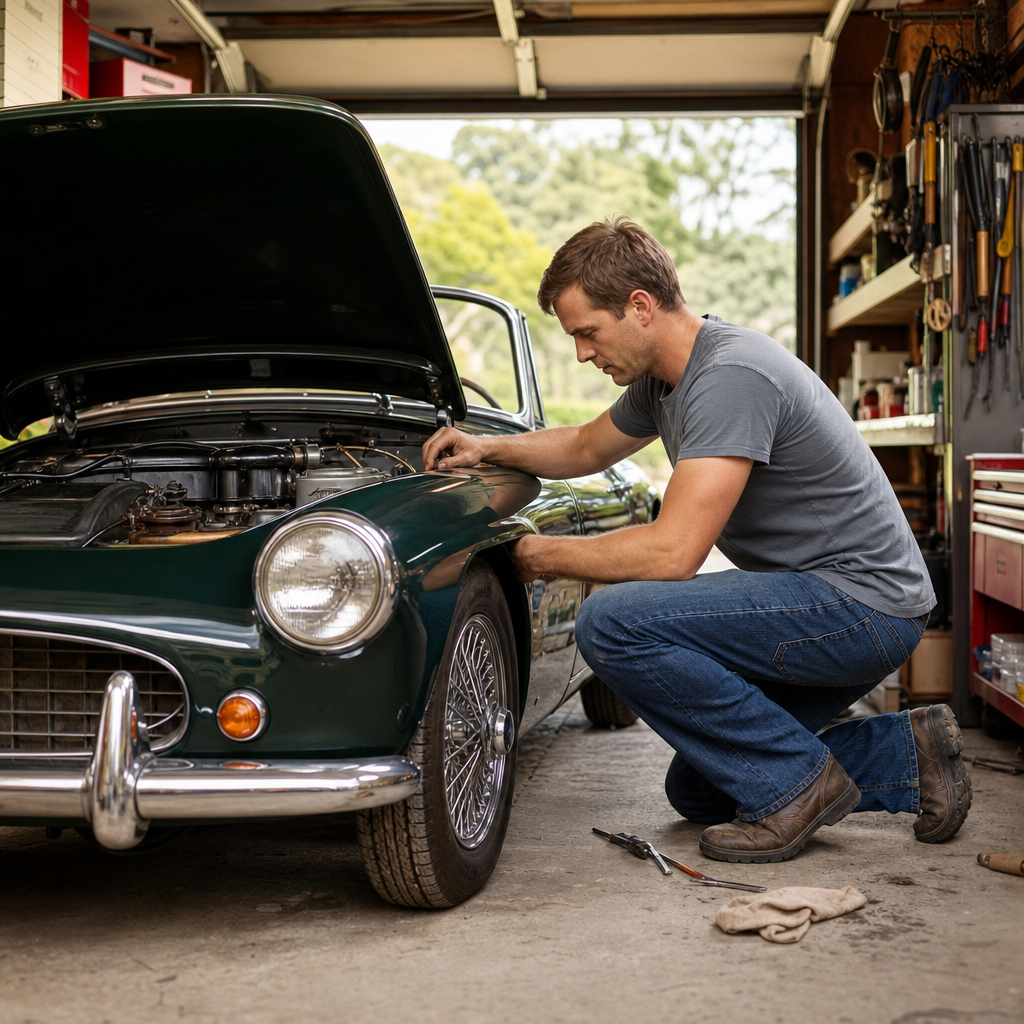
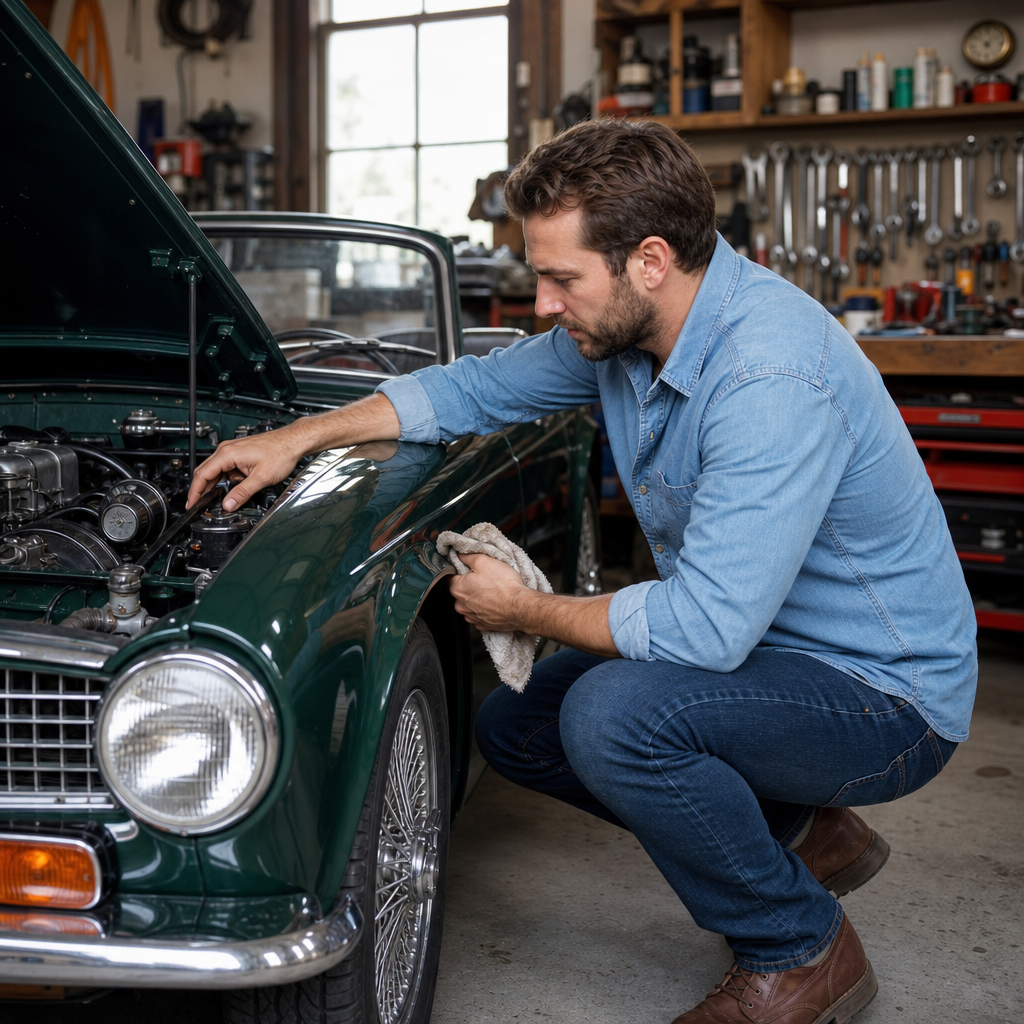
Restoration sounds romantic, but the work is rarely linear. A proper restoration usually includes disassembly, inspection, rust repair, bodywork, paint, engine and transmission service, brake and fuel system renewal, suspension and steering work, wiring repair, interior refurbishment, trim sourcing, glass and weatherstrip replacement, then careful reassembly and debugging. Even a “solid driver” can reveal seized fasteners, cracked pot-metal trim, unavailable upholstery materials, and previous repairs done with filler instead of metal. For beginners, the biggest misconception is that a running car is a simple project. Running only means it starts and moves. It says nothing about compression numbers, oil pressure when hot, brake balance, charging output, cooling efficiency, or floorpan integrity.
Condition language matters. A survivor retains original finishes and parts, often with patina. A driver is usable but not perfect. A restored car has been refurbished to a standard that can range from functional to concours. A restomod blends classic style with modern upgrades such as electronic ignition, disc brakes, fuel injection, air conditioning, or overdrive. Before choosing a path, define your intended use: local shows, weekend drives, touring, occasional commuting, or investment-minded collecting. A beginner who wants dependable seat time usually underestimates the downtime of restoration. Parts delays alone can stretch a six-month plan into two years.
There is also a difference between preservation, refurbishment, and full restoration. Preservation keeps original material whenever possible. Refurbishment addresses major needs without taking the car fully apart. Full restoration aims to return the car to a defined standard, often factory-correct. In my experience, beginners are better served by understanding these categories early because many cars advertised as restored are actually older refurbishments. That distinction affects price, maintenance, and your expectations on day one.
Why buying a finished classic often makes financial sense
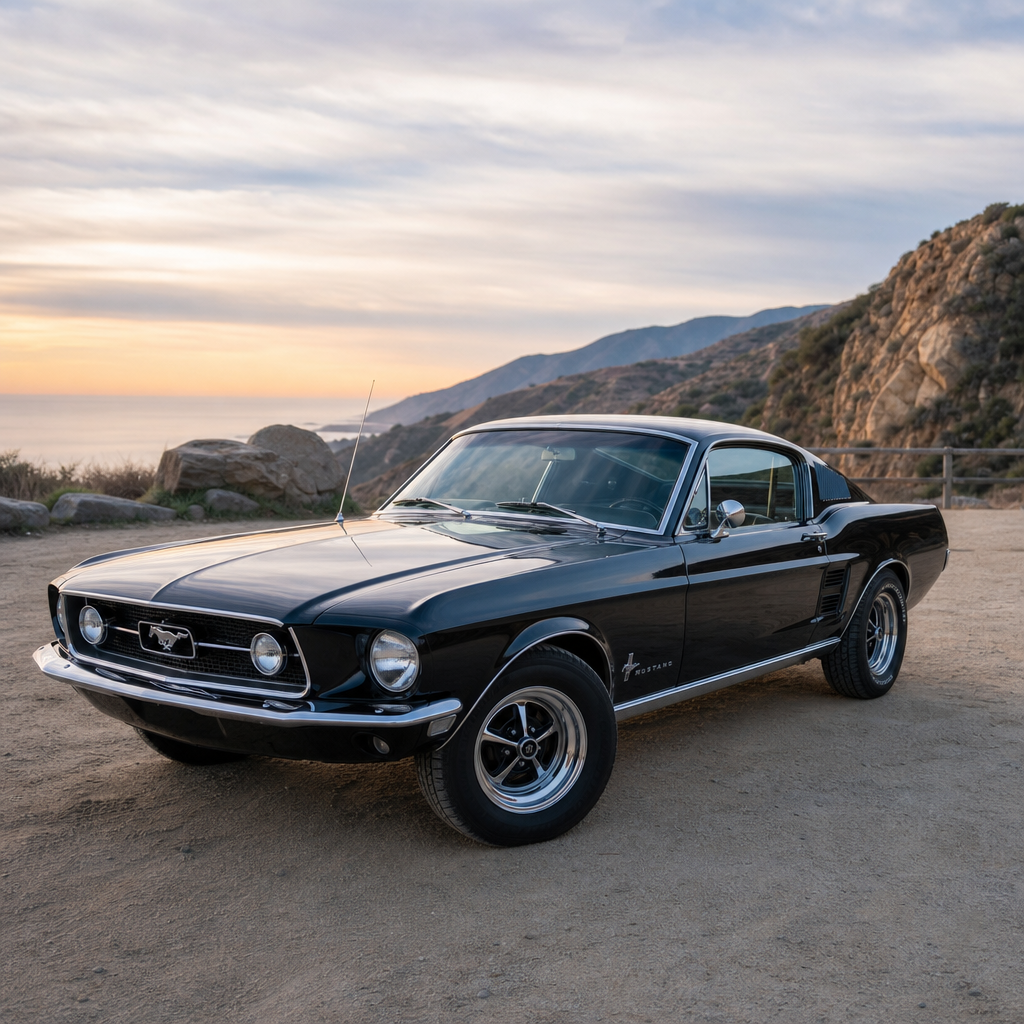
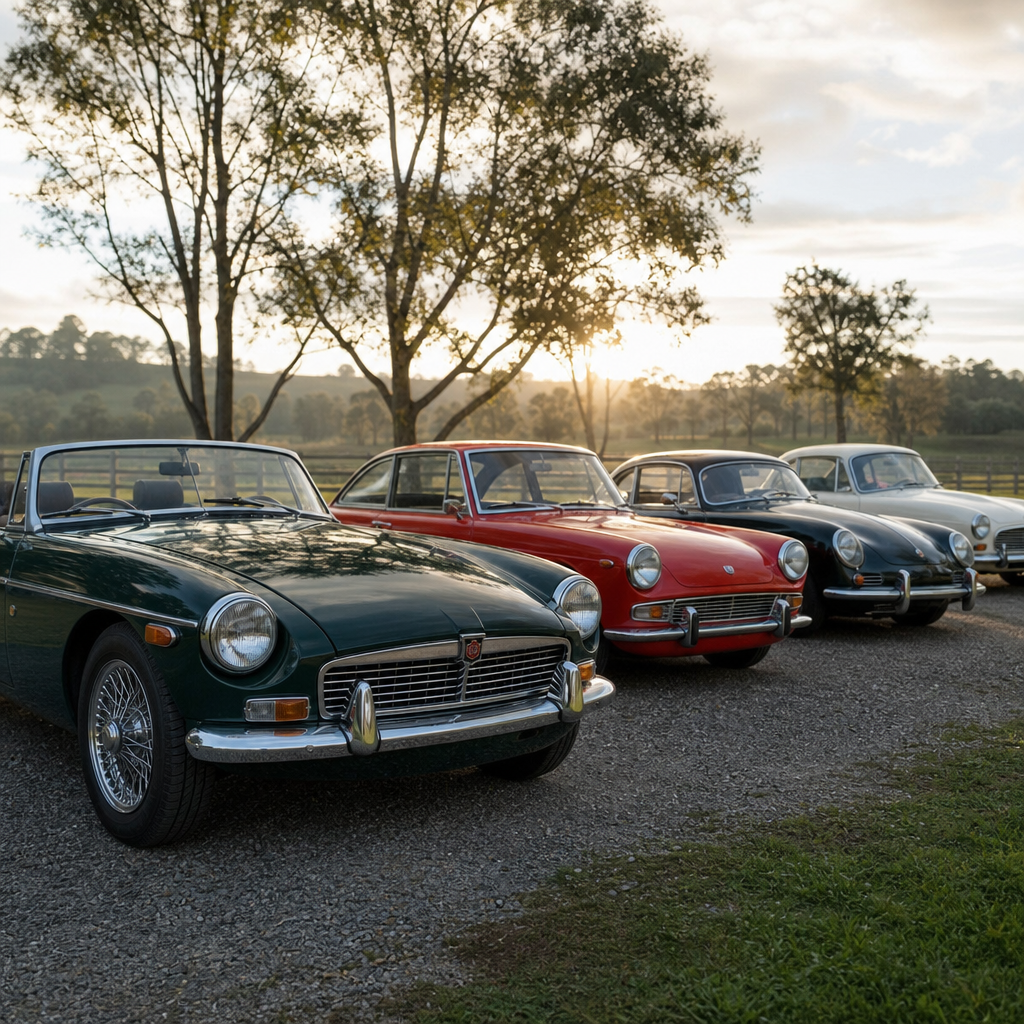
The blunt truth is that buying a finished classic is usually cheaper than restoring one to the same level. Sellers rarely recover every dollar spent on paint, chrome, upholstery, engine machining, and labor. That gap is your opportunity. If a proper paint job on a 1960s American coupe can run well into five figures, and quality upholstery, trim plating, and drivetrain work add more, the market may still price the completed car below the sum of invoices. This is especially true for common models with good parts support but moderate collector values, such as mid-1960s Mustangs, Tri-Five Chevrolets, MGBs, or later air-cooled Volkswagens.
A finished car also lets you inspect the results rather than imagining them. You can drive it at operating temperature, listen for differential whine, verify that the cooling system stays stable in traffic, check whether the overdrive engages, and test every light, gauge, and wiper. Insurance is easier to arrange when the car has a known condition and agreed value. Storage planning is simpler because you are preserving rather than rebuilding. Most importantly, a sorted car teaches you the baseline of how a healthy classic should feel. That knowledge becomes valuable if you later tackle a project car.
This route is not risk-free. A fresh repaint can hide poor panel alignment, overspray, sanding scratches, and rust bubbling under filler. A newly detailed engine bay can distract from mismatched casting dates, hacked wiring, or low compression. The answer is not to avoid finished cars; it is to inspect them intelligently and buy documentation, not just shine. Ask for restoration photos, parts invoices, alignment records, engine build sheets, and any appraisal or judging notes. The stronger the paper trail, the lower your uncertainty.
When restoration is the better choice
Restoration makes sense when the car has personal significance, unusual rarity, or a value ceiling high enough to justify major work. Family cars are the clearest example. If your grandfather’s 1957 Chevrolet Bel Air has been in storage for decades, the emotional return may outweigh the financial math. The same is true for hard-to-find specifications such as a documented big-block four-speed, an early Porsche with matching numbers, or a first-generation Bronco in a rare factory color. In those cases, you are not simply comparing project cost to resale value. You are preserving provenance, history, and a configuration that may be difficult to locate already completed.
Restoration can also be the right choice if you have hands-on ability, space, time, and a realistic scope. An enthusiast who can do mechanical work, basic welding, assembly, and project management can save substantial labor costs. The key is choosing the right starting point. Rust is more expensive than worn mechanical parts. Missing trim is often worse than faded paint. A complete, largely original car with a sound body and tired systems is a far better beginner project than a disassembled shell with boxes of unknown parts. Start with the most complete, least rusty car you can afford.
There is a practical middle ground too. Many successful first projects are sympathetic recommissionings rather than frame-off restorations. You rebuild brakes, fuel lines, hoses, tires, suspension bushings, and ignition components, then address cosmetics gradually. That approach preserves momentum, gets the car on the road sooner, and prevents burnout. For beginners, driving a classic while improving it in stages is often more educational than tearing one apart and forgetting how it went together.
The real costs: purchase price, labor, parts, and surprises
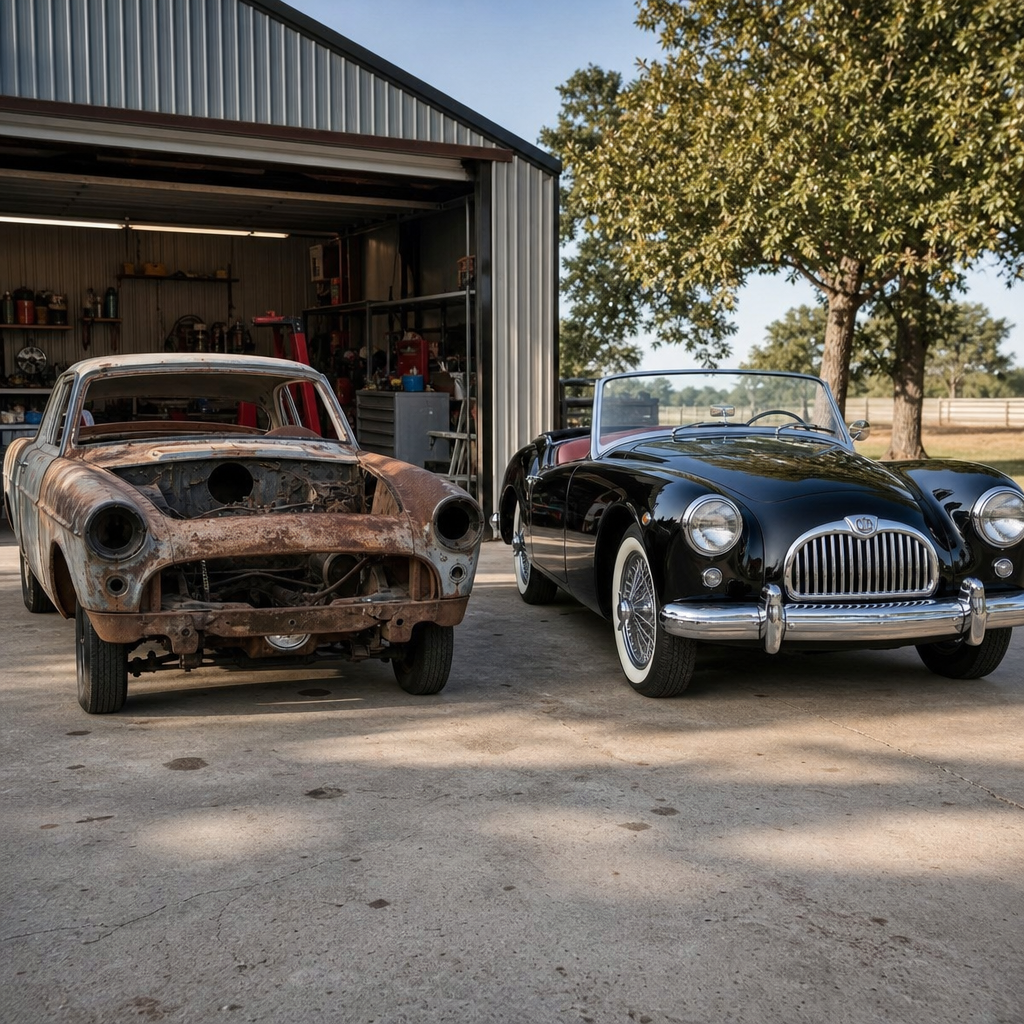
Every beginner asks the same question: what is cheaper? The useful answer is to compare total cost to get the car into your preferred condition, not the price on the windshield. A $9,000 project may need $25,000 in metalwork, $12,000 in paint, $6,000 in interior work, $8,000 in drivetrain service, and thousands more in plating, glass, seals, tires, and incidentals. Even if your numbers vary by model and region, the pattern holds. Restoration budgets fail because people price engines and paint, then forget transport, media blasting, machine-shop delays, specialist labor, and the cost of correcting poor past repairs.
| Cost Factor | Restore a Project Car | Buy a Finished Car |
|---|---|---|
| Initial purchase | Lower entry price, often tempting | Higher upfront cost |
| Body and paint | Usually the largest expense, hard to predict | Included, but quality must be verified |
| Mechanical repairs | Often extensive after teardown | Usually limited to maintenance if truly sorted |
| Parts sourcing | Time-consuming; missing trim can be costly | Mostly replacement and upkeep items |
| Downtime | Months to years | Immediate enjoyment |
| Financial risk | High due to hidden issues and scope creep | Moderate if inspected carefully |
The hidden category is opportunity cost. While your project sits on stands, you are still paying for storage, tools, and sometimes interest on borrowed money. You also miss driving seasons. I advise beginners to create a spreadsheet with best-case, expected, and worst-case scenarios, then add a contingency of at least 20 percent. If the total exceeds the market value of a comparable finished car and there is no sentimental reason to proceed, buy the better car. That decision is not defeat; it is disciplined ownership.
Inspection checklist for beginners before you commit
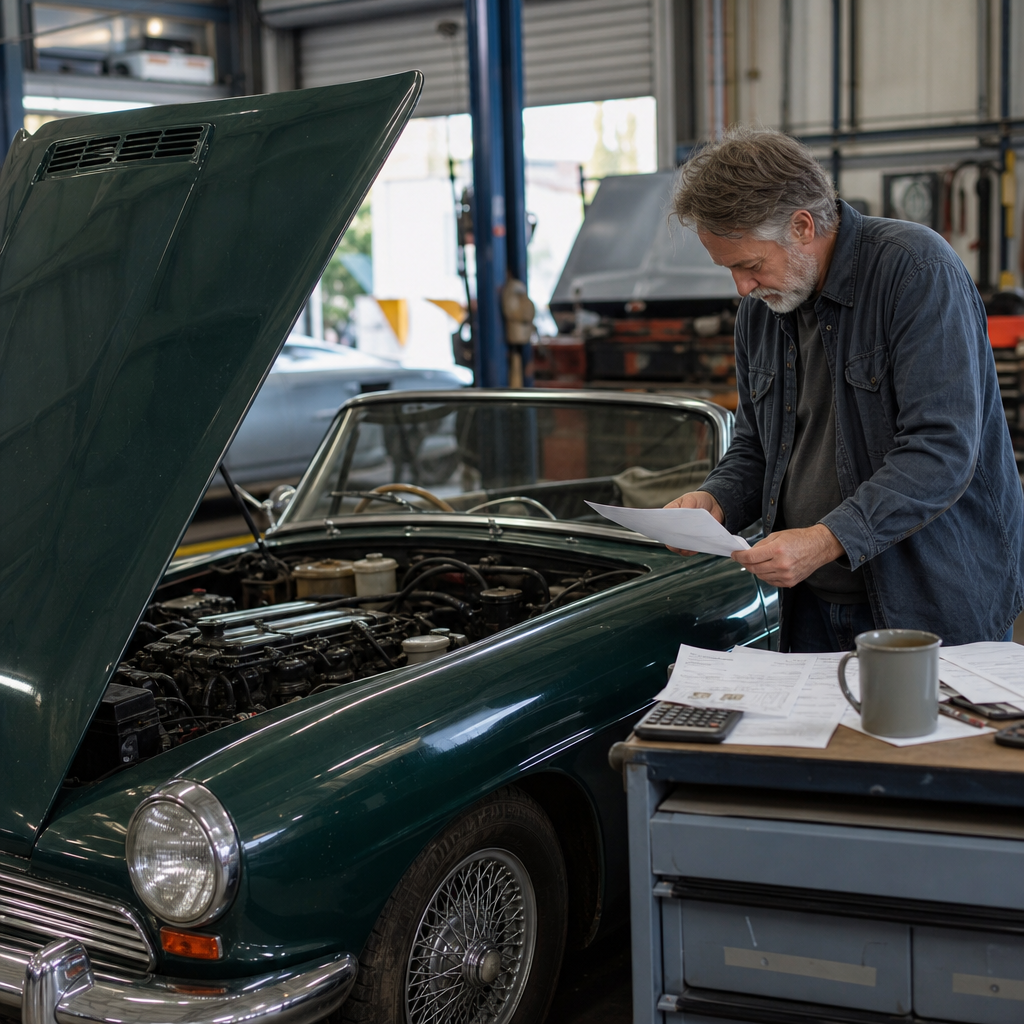
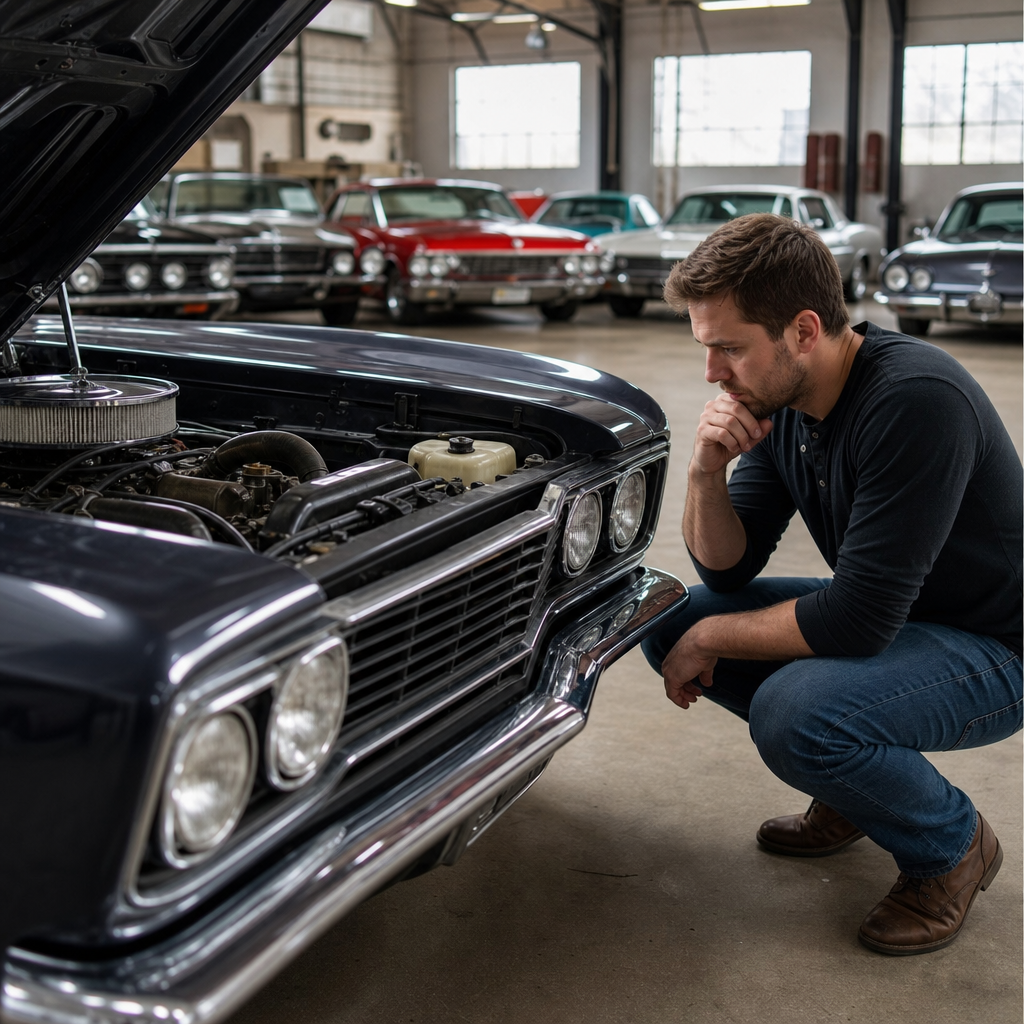
Whether you restore or buy finished, inspection is where good decisions are made. Start with rust because structural corrosion is the costliest surprise. Check floorpans, rocker panels, frame rails, torque boxes, trunk floors, lower fenders, cowl areas, wheel arches, windshield channels, and suspension mounting points. Use a magnet cautiously around lower body sections to detect heavy filler. Look at panel gaps, door sag, weatherstrip fit, and signs of overspray on trim and rubber. Uneven gaps and chipped paint around hinges often indicate previous accident repair or poor alignment.
Mechanically, inspect cold-start behavior, idle quality, smoke on startup and overrun, fluid leaks, clutch take-up, transmission synchros, differential noise, steering play, brake pull, and cooling performance at idle. Verify charging voltage and gauge function. On carbureted cars, hot restarts reveal a lot about tuning and fuel delivery. On older British and European cars, electrical gremlins and weak grounds are common. On muscle cars, look for numbers matching if originality matters, but prioritize health over casting romance if you want a driver.
Documentation matters almost as much as metal. Confirm VIN locations, title status, chassis and engine numbers where applicable, restoration photos, receipts, manuals, and any heritage certificates or build documentation. For beginners, a pre-purchase inspection by a marque specialist is money well spent. A general mechanic may miss model-specific rust traps or originality details. If this hub connects you to one rule, let it be this: never rely solely on seller descriptions, auction glamour shots, or social media videos.
Skills, space, and support: the ownership reality
A classic car project does not live in a vacuum. It needs floor space, secure storage, lighting, ventilation, tools, and the discipline to label, bag, photograph, and catalog parts. Beginners often focus on purchase price and ignore infrastructure. Reassembly becomes expensive when you lose brackets, break brittle trim, or forget hose routing. If you plan to restore, evaluate your support network. Do you have a trustworthy body shop, machine shop, upholstery specialist, chromer, and parts supplier? Are reproduction parts available, and are they good quality? Some models, like first-generation Camaros and 1965-1970 Mustangs, benefit from vast aftermarket support. Others require hunting used parts through clubs, forums, and swap meets.
Your own skills also shape the decision. Mechanical work is usually easier to learn and outsource selectively than bodywork and paint. I often tell beginners to buy a finished car if they cannot weld, do not have indoor storage, or feel uncomfortable managing vendors. Buy a project only if the learning process is part of the reward and your timeline is flexible. There is no shame in admitting that you want to drive, not fabricate patch panels on weekends.
Community support changes outcomes. Join a marque club, attend local shows, and talk to owners before you buy. They can identify weak transmissions, rust-prone seams, trim availability issues, and realistic values far better than generic online advice. The best beginner purchases usually happen after six weeks of research, not after six minutes of excitement.
Choosing the right path for your goals
The smartest decision starts with honest priorities. If you want immediate enjoyment, minimal downtime, and predictable spending, buy a finished classic with records and a specialist inspection. If you want a personal build, have sentimental attachment, or enjoy the process as much as the result, restoration can be deeply satisfying. If your budget is limited but your patience is high, consider a solid driver needing incremental improvement rather than a full project or a top-tier restored example.
Think in use cases. A family cruiser for weekend coffee runs should emphasize reliability, cooling, brakes, and comfort. A show-focused car may justify factory-correct finishes, date-coded components, and authentic trim. A touring car benefits from upgrades like radial tires, electronic ignition, three-point belts, and overdrive. These goals influence whether originality or drivability should dominate your decision. The mistake beginners make is buying with their eyes and planning with their wallet later.
As a hub for beginner guides, this topic connects to every early ownership question: how to inspect a classic car, how to read condition grades, how to budget for maintenance, how classic car insurance works, what storage setup prevents deterioration, and which tools every owner actually needs. Learn those basics before purchase, and your decision becomes much clearer.
For most beginners, the best answer is to buy the most complete, best-documented, rust-free classic car you can afford, even if it costs more upfront. Finished cars usually deliver lower total cost, faster enjoyment, and fewer painful surprises. Restoration is worthwhile when the car is rare, personally meaningful, or supported by your skills, space, and patience. The difference between a rewarding hobby and a draining one is not luck; it is preparation, honest self-assessment, and disciplined inspection. Define your goals, compare total costs instead of asking prices, insist on documentation, and pay for a specialist pre-purchase inspection. If you do choose a project, start with completeness and structural health, not optimism. If you choose a finished car, verify quality beyond the paint and chrome. Either path can be right when matched to your resources and expectations. Use this beginner hub as your foundation, then move on to detailed guides about inspections, budgeting, insurance, storage, and maintenance so your first classic car experience starts strong and stays enjoyable for years.
Frequently Asked Questions
Is it usually cheaper to restore a classic car or buy one that is already finished?
In most cases, buying a finished classic car is cheaper than restoring one yourself, especially for a first-time buyer. Restoration costs add up far faster than beginners expect. The purchase price of a rough or incomplete car may look attractive at first, but that number is only the beginning. Mechanical repairs, bodywork, paint, chrome, upholstery, electrical work, weather seals, glass, suspension, tires, and missing trim can quickly push the total far beyond the market value of the finished car. Even a “mostly complete” project can hide rust, accident damage, poor past repairs, and worn-out components that only become visible once the work starts.
A finished car usually comes with a higher upfront cost, but it can protect you from the financial surprises that make restoration so expensive. You can inspect the car in running condition, evaluate how it drives, and compare the asking price to actual market sales more easily. That gives you a much clearer idea of what you are really buying. With a restoration project, you are often making decisions based on hope, incomplete information, and a long list of unknowns.
There are exceptions. If you have professional skills, your own shop space, the right tools, and access to affordable parts, restoring can make more financial sense. The same is true if you buy an unusually desirable model at the right price. But for most beginners, the least expensive path to actual ownership and enjoyment is to buy the best finished car they can reasonably afford rather than trying to build one for less.
What are the biggest risks of buying a restoration project as a beginner?
The biggest risk is underestimating how much work, money, and decision-making a project really requires. First-time buyers often focus on visible issues such as faded paint or a torn interior, but the expensive problems are usually deeper. Rust in structural areas, poor wiring, engine wear, transmission issues, braking system deterioration, and unavailable model-specific parts can turn a manageable plan into a multi-year commitment. A beginner may think, “It just needs a few things,” when in reality the car needs complete disassembly and a full mechanical and cosmetic rebuild.
Another major risk is project stall. Many classic cars change hands because the previous owner ran out of time, space, motivation, or money. That same cycle repeats with new owners who do not fully understand the scale of the job. Once the car is apart, it stops being something you can enjoy and becomes something you have to manage. Parts need to be labeled, stored, researched, ordered, repaired, or fabricated. Shops may have long wait times. Costs rarely arrive all at once, but they keep arriving.
There is also the emotional side. Restoration can be rewarding, but it can also be frustrating and draining if your goal was simply to drive and enjoy a classic. Beginners sometimes assume a project will help them “learn the hobby,” but instead it teaches them how expensive delays and hidden damage can be. If you genuinely enjoy hands-on work and you want the process as much as the outcome, a project can be fulfilling. If your real goal is dependable weekend use, lower stress, and faster entry into the hobby, a finished car is usually the smarter choice.
When does restoring a classic car make more sense than buying a finished one?
Restoring makes more sense when your priorities go beyond convenience and immediate drivability. If you want a very specific model, color combination, trim level, engine, or year that is hard to find in finished condition, starting with a project may be the only realistic path. It also makes sense if you care deeply about knowing exactly what has been repaired, replaced, or rebuilt. A finished car can look excellent on the surface while hiding old work of unknown quality. When you restore a car properly, you gain a much clearer understanding of its condition and history.
Restoration can also be the right choice if you already have the skill set, workspace, patience, and budget to do it well. Owners who can handle mechanical work, coordinate specialty shops intelligently, and source parts efficiently are in a much stronger position than complete beginners. In that situation, a project becomes less of a gamble and more of a controlled undertaking. The experience itself can be deeply satisfying because you are not just owning the car, you are building your relationship with it through the work.
There are also emotional reasons. A family car with sentimental value, a dream car you have searched for over many years, or a rare model worth preserving can justify a restoration even if it is not the cheapest route. The key is honesty. If you restore, do it because you want the restoration journey and understand the trade-offs. Do not do it because you assume it will be quicker, easier, or less expensive than buying a finished example. For most people, it will not be.
How can I tell if a finished classic car is actually well sorted or just cosmetically attractive?
A truly finished classic car is more than shiny paint and a clean interior. It should start easily, idle properly, drive confidently, stop straight, shift as it should, and show evidence of thoughtful upkeep. The best finished cars feel complete rather than freshly disguised. You want to see consistency between the presentation and the mechanical condition. If the exterior looks excellent but the engine bay is neglected, the wiring is messy, the gauges do not work, and the underside is rusty or oily, the car may be more polished than sorted.
Documentation matters a great deal. Service records, restoration photos, parts receipts, and notes about past repairs can tell you whether the car has been maintained intelligently or simply prepared for sale. Ask specific questions: When were the brakes last serviced? Has the cooling system been rebuilt? Is the fuel system clean and reliable? Are suspension bushings, tires, and steering components fresh? Has the electrical system been repaired properly? Sellers with a genuinely sorted car can usually answer these questions clearly and back them up with paperwork.
A pre-purchase inspection by a knowledgeable specialist is one of the smartest steps you can take. An experienced mechanic or marque expert can spot signs of filler, rust repair, fluid leaks, poor panel alignment, incorrect components, weak compression, and shortcuts hidden beneath attractive cosmetics. They can also help you separate normal old-car quirks from costly future problems. For a beginner, that inspection can be the difference between buying a dependable classic and inheriting a delayed restoration project disguised as a finished car.
What is the best option for a first-time classic car buyer who wants to enjoy the hobby without getting overwhelmed?
For most first-time buyers, the best option is to buy a finished, usable classic car in the best condition they can comfortably afford. That approach reduces uncertainty, shortens the learning curve, and lets you spend your first months in the hobby driving, maintaining, and understanding the car rather than taking it apart. A good finished car teaches a beginner what normal operation feels like, what routine maintenance involves, and which quirks are part of classic ownership. That experience is far more valuable than jumping into a major project before you know what you are dealing with.
It is also important to choose the right kind of finished car. Look for a model with strong parts support, broad enthusiast knowledge, and a reputation for mechanical simplicity. Cars with healthy owner communities are easier to troubleshoot, easier to maintain, and less intimidating for newcomers. You do not need a concours-level show car. In fact, many beginners are happier with a solid driver-quality example they can use regularly without worrying about every chip, blemish, or mile on the odometer.
If you are torn between restoration and purchase, there is a practical middle ground: buy a sorted car that still leaves room for light improvement. That gives you the fun of ownership right away while letting you learn through manageable upgrades and repairs. You can improve detailing, refresh suspension components, fix minor trim issues, or address small mechanical jobs over time. That path usually delivers the best balance of enjoyment, confidence, and education. For a beginner, it is often the most satisfying way to enter the classic car world without turning the hobby into a source of constant stress.