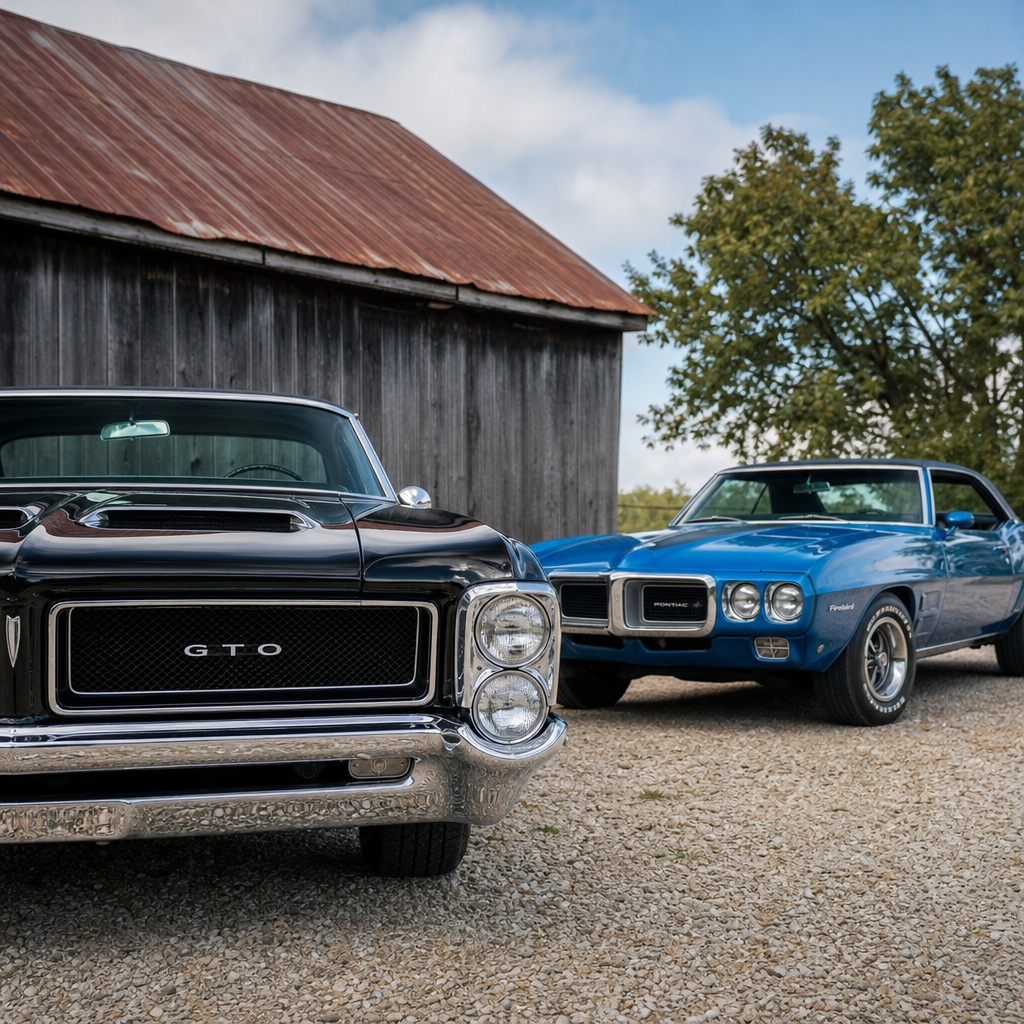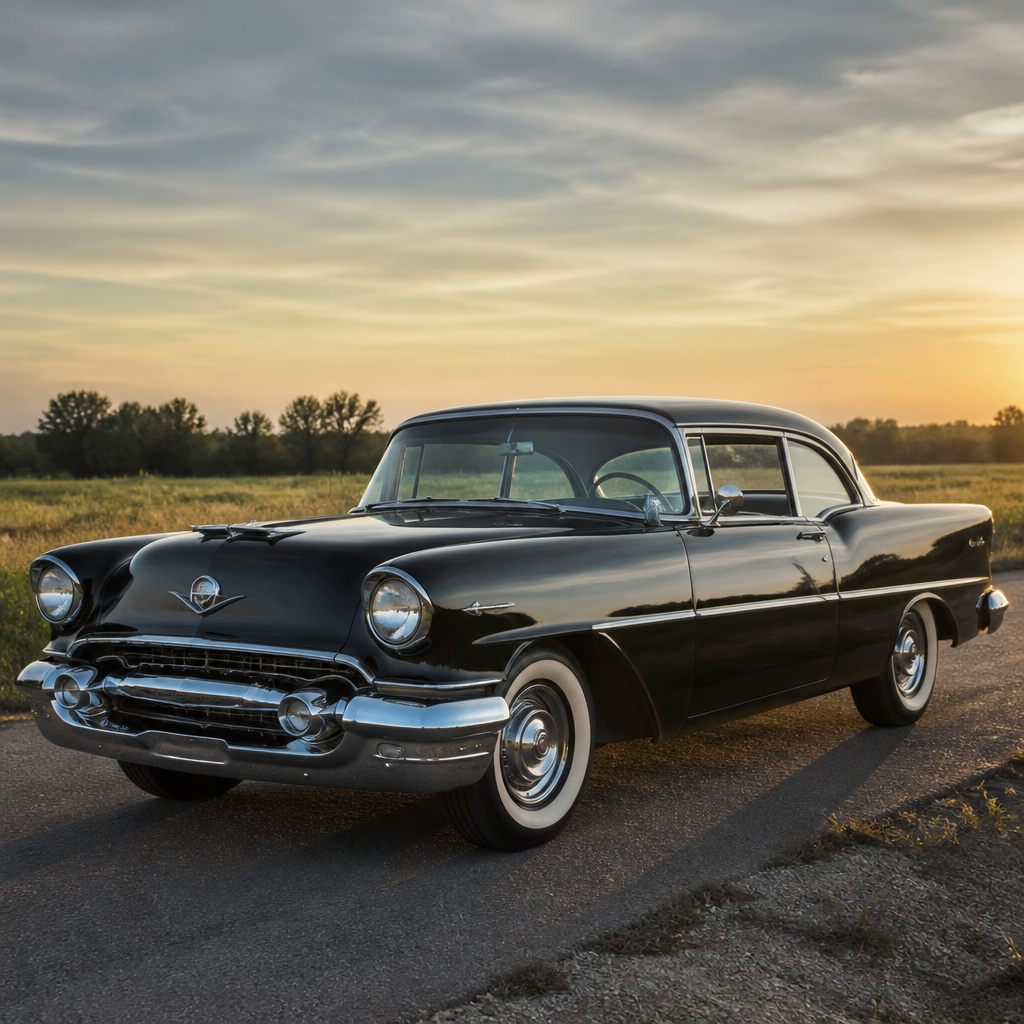
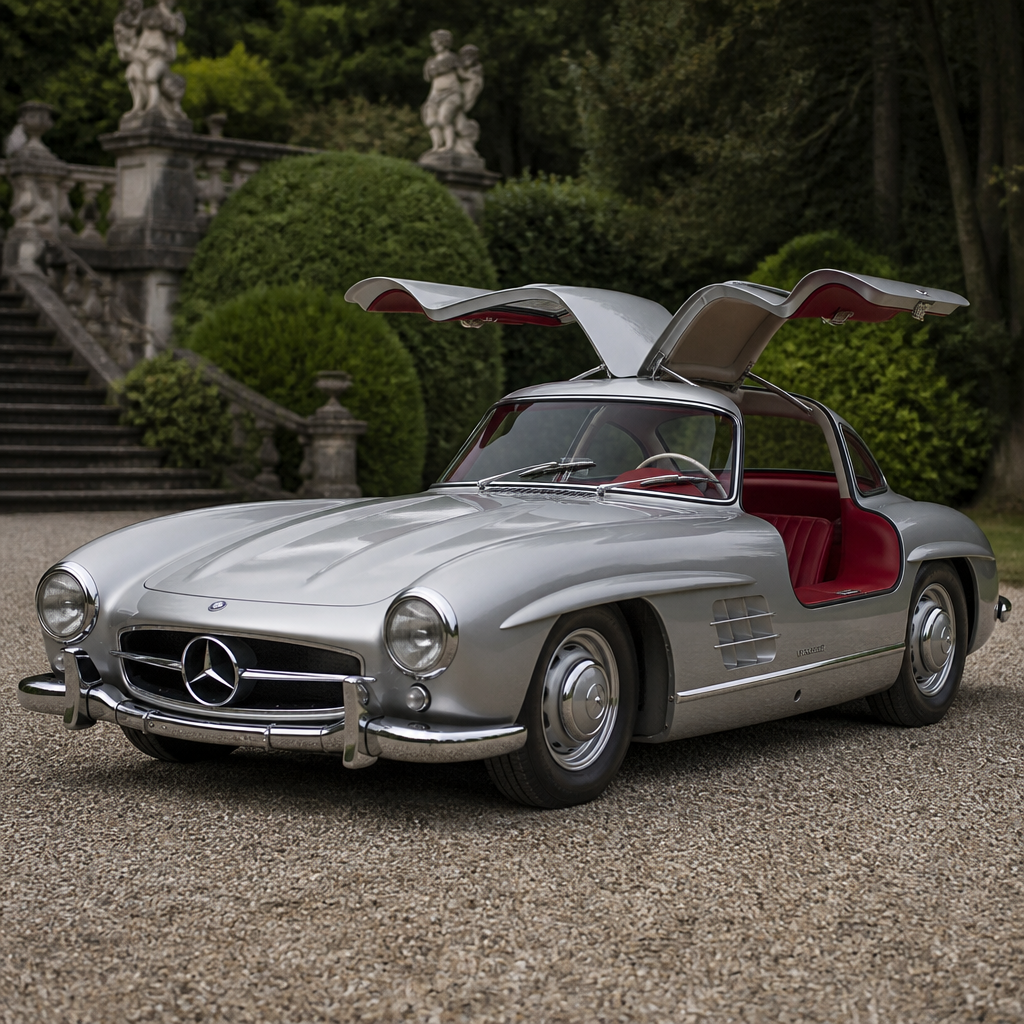
Rare classic cars command high prices because they combine scarcity, mechanical significance, cultural status, and buyer emotion in a way few assets can match. In the collector market, a “classic car” usually refers to a vehicle old enough to hold historical interest, while a “rare classic car” goes further: limited production, low survival numbers, unusual specifications, or a direct link to a turning point in design, racing, or luxury motoring. Concept and rare cars sit at the center of this fascination. Some were built in tiny numbers for homologation, some introduced styling themes that shaped later models, and some existed mainly to test ideas before production caught up. I have spent years watching auctions, reading factory records, and comparing restoration files, and the same pattern appears repeatedly: price follows story, authenticity, and supply more than simple age. That matters for collectors, insurers, restorers, and enthusiasts because headline sales can distort the market unless buyers understand what they are actually paying for. A rare classic is not expensive merely because it is old. It is expensive when age intersects with provenance, originality, design relevance, and documented demand. This hub explains why concept and rare cars become so valuable, how the market judges them, what separates a genuinely important car from an overhyped one, and how readers can use this knowledge to explore related classic car models and brands with sharper judgment.
Scarcity creates the starting point, but not the whole price
The first driver of value is scarcity, yet scarcity on its own is incomplete. A car can be rare because few were built, because many were crashed or scrapped, or because surviving examples lost their original engines, bodies, or paperwork. Collectors pay the highest premiums when rarity is both numerical and meaningful. A 1955 Mercedes-Benz 300 SLR Uhlenhaut Coupé is the extreme example: effectively unique in market terms, technologically advanced for its time, and tied directly to motorsport history. When one sold in a private museum transaction for a reported 135 million euros in 2022, the price reflected far more than low production. It reflected singular significance.
Production numbers matter most when they can be verified. Factory ledgers, marque registries, and club archives help establish whether a car is one of 25, one of 250, or simply one of many with a rare paint code. Survival rate matters just as much. I have seen buyers walk away from “one of 100 built” claims after discovering that 70 still exist in healthy condition. By contrast, a model with 1,000 original examples but only 40 documented survivors may function as the scarcer car in real market terms. In the concept and rare car space, scarcity often overlaps with prototype status, coachbuilt variation, or short-run homologation specials, which creates stronger collector appeal than ordinary low-volume trims.
Historical importance turns a rare car into a benchmark asset
Prices rise sharply when a car marks a first, a last, or a breakthrough. The market consistently rewards vehicles that introduced a new engine layout, pioneered aerodynamic design, established a performance standard, or changed a brand’s direction. The 1962 Ferrari 250 GTO is the clearest benchmark. Its rarity is important, but its racing success, Giotto Bizzarrini and Mauro Forghieri engineering lineage, and place in Ferrari competition history explain why it sits near the top of the market. Buyers are not purchasing sheet metal alone; they are acquiring a cornerstone of automotive history.
Concept cars can command exceptional attention when they previewed major trends. The 1951 General Motors Le Sabre, for example, showcased aircraft-inspired styling, wraparound windshields, and technical experimentation that influenced American design through the decade. Most concept cars never reach public sale because manufacturers retain them, destroy them, or keep them in museums. That institutional scarcity gives the few privately held concepts unusual gravity. Even when a concept lacks road usability, it may be prized as a design artifact if it represents a manufacturer’s strategic vision at a decisive moment.
Historical importance also includes competition pedigree. Homologation cars such as the Lancia Stratos HF Stradale, Ford RS200, and BMW M3 Sport Evolution derive value from the fact that their road versions existed to qualify purpose-built race machines. In practice, collectors treat these cars as road-legal extensions of motorsport programs. That historical function gives them stronger long-term value than a standard production model with similar performance.
Originality, provenance, and documentation separate elite cars from ordinary survivors
In every high-end sale I have analyzed, authenticity sits near the top of the checklist. Originality means retaining factory-correct components, finishes, trim, drivetrain stampings, and configuration. Provenance means a traceable ownership and event history. Documentation includes build sheets, invoices, restoration photography, judging sheets, ownership records, period photos, and correspondence from recognized historians or registries. When all three align, prices climb quickly because uncertainty falls.
A numbers-matching engine and gearbox can add enormous value, especially for Ferrari, Porsche, Shelby, and air-cooled Mercedes markets. Color and trim combinations also influence price when they can be traced to the original build record. Provenance becomes even more powerful when a car was owned by a notable figure, shown at a major concours, campaigned by a famous driver, or featured in period media. A celebrity link alone does not guarantee quality, but a documented connection to a meaningful owner or event can transform buyer interest.
Documentation protects buyers from one of the market’s biggest risks: recreated rarity. Some cars have been rebodied, re-stamped, or reconstructed around partial identities. This is why experts rely on chassis-number research, marque specialists, and inspection by recognized authenticators. In the world of concept and rare cars, where one prototype can be worth many millions, documentation is not a bonus. It is part of the asset itself.
Design, engineering, and brand mythology amplify demand
Some cars become expensive because they are the purest expression of a design era or engineering philosophy. A Jaguar E-Type Lightweight, Bugatti Type 57SC Atlantic, or Alfa Romeo 8C does more than represent a brand; each distills proportion, craftsmanship, and technical ambition into a recognizable icon. Design matters because collectors often buy with their eyes first and justify the purchase with history second. Engineering matters because enduring innovations keep a car relevant long after its launch.
Brand mythology adds another multiplier. Ferrari, Porsche, Mercedes-Benz, Aston Martin, and Bugatti benefit from deeply established collector ecosystems: factory archives, specialist restorers, active registries, and international auction demand. That infrastructure creates liquidity and confidence. A rare car from an obscure marque can still be valuable, but it often trades at a discount relative to an equally rare car from a globally recognized badge because fewer buyers feel qualified to value it.
Concept cars intensify this dynamic. A one-off concept from Bertone, Pininfarina, Zagato, or Ghia can carry value from both the manufacturer and the design house. Collectors may be buying coachbuilding history as much as car history. When a concept links a major brand to a famed studio at a known turning point in design, demand expands beyond normal marque collectors into museum and design circles.
The market prices condition differently for rare cars than for ordinary classics
Condition always matters, but elite rare cars are judged through a more nuanced lens than ordinary classics. For a common collector car, a flawless restoration may be the clear price leader. For a top-tier rare car, originality can outrank cosmetic perfection. Collectors increasingly value “preservation class” examples with factory finishes, known wear, and untouched components because they provide physical evidence of authenticity. Pebble Beach, Villa d’Este, and major marque concours have reinforced this preference by awarding well-preserved cars, not just freshly restored ones.
That does not mean restoration is bad. It means the quality, method, and reversibility of restoration are decisive. Correct materials, period finishes, and photographic records support value. Over-restoration can hurt it, especially if modern coatings, incorrect hardware, or non-original upholstery erase historical evidence. I have seen six-figure price differences based on details as small as replacement carburetors, reproduction body tags, or an engine block cast at the wrong date. In concept and rare car collecting, condition is judged alongside historical fidelity, not apart from it.
How collectors and auction houses actually evaluate price
Market value is usually built from a blend of public comparables, private sales intelligence, expert inspection, and sentiment. Auction houses such as RM Sotheby’s, Gooding Christie’s, Bonhams, and Mecum use production data, ownership history, event eligibility, restoration quality, and recent demand to frame estimates. Insurers often look to agreed value policies supported by appraisals from marque specialists. Price guides from Hagerty and other market trackers are useful, but they can lag the top end because the rarest cars trade too infrequently for broad indexing.
| Value driver | What experts examine | Effect on price |
|---|---|---|
| Rarity | Production totals, surviving examples, body style, prototype status | Creates scarcity premium when demand is proven |
| Provenance | Ownership chain, celebrity or racing history, period photos | Can multiply value beyond mechanical condition |
| Originality | Numbers-matching drivetrain, factory colors, untouched components | Often raises top-tier cars above restored comparables |
| Historical significance | First-of-kind features, homologation role, design influence | Supports long-term demand and museum interest |
| Condition | Preservation quality, restoration accuracy, mechanical health | Changes desirability, but must align with authenticity |
| Brand strength | Collector base, specialist support, global recognition | Improves liquidity and stabilizes premium pricing |
One overlooked factor is event eligibility. Cars accepted at the Mille Miglia, Le Mans Classic, Pebble Beach, or top concours often carry a stronger premium because ownership includes access, not just possession. Buyers know these events reinforce reputation and future saleability. In practical terms, the market pays for experiences attached to the car.
Concept cars occupy a special niche in the rare car market
Concept cars are unusual because they were not always built to be sold, driven regularly, or even fully engineered for road use. Yet they can command astonishing interest because they capture design experimentation in its purest form. Manufacturers use concepts to preview technology, test public reaction, and signal brand direction. When one survives outside factory control, it can become a singular artifact. The 1954 Oldsmobile F-88 concept, sold by Barrett-Jackson for more than $3 million in 2005, showed how collectors value rarity plus styling significance plus the near impossibility of replacement.
Still, concept cars have tradeoffs. Some lack titles, replacement parts, or straightforward service procedures. Others contain nonfunctional features built for auto-show display. Their market is therefore thinner and more specialized than the market for rare production classics. Buyers typically include museums, advanced collectors, and institutions comfortable preserving an object that may be better suited to exhibition than road touring. Even so, when a concept foreshadows a major production model or embodies a famous design house’s vision, scarcity and symbolism can outweigh practical limitations.
Why prices rise and fall: economics, demographics, and global demand
Rare classic car prices are not immune to broader market forces. Interest rates, stock market performance, currency movements, and generational taste all affect demand. During strong economic periods, trophy assets often appreciate because wealthy buyers pursue diversification and status purchases. During uncertain periods, the market tends to reward only the very best examples, while mediocre cars soften. This “flight to quality” is visible across collector segments.
Demographics also matter. Buyers often peak in interest when they can afford the dream cars they admired in youth, which is why 1980s and 1990s icons have risen sharply in the last decade. Globalization has expanded the buyer base further. Online catalogs, digital bidding, and instant access to chassis histories mean a rare Porsche in Europe can attract bidders from the United States, Japan, the Middle East, and Australia simultaneously. Wider exposure increases price discovery and intensifies competition for genuinely important cars.
How to judge whether a rare classic is truly worth the premium
The safest approach is to ask five direct questions. First, how many were built and how many survive in this exact specification? Second, what documents prove identity, originality, and ownership history? Third, why does this model matter historically: design, racing, technology, or cultural influence? Fourth, what restoration or preservation work has been done, by whom, and to what standard? Fifth, who will still want this car ten years from now?
If those answers are strong, the premium may be justified. If the answers rely on rumor, vague rarity claims, or cosmetic shine, caution is warranted. For readers using this page as a hub within classic car models and brands, that principle applies across concept cars, homologation specials, coachbuilt one-offs, and limited-production exotics. The highest prices are earned where rarity is documented, significance is obvious, and authenticity is defendable.
Rare classic cars command high prices because they are more than transportation or even more than old machines. At their best, they are verified pieces of industrial history with design, engineering, and cultural importance that cannot be reproduced. Scarcity starts the conversation, but provenance, originality, historical relevance, and brand strength finish it. Concept cars add another layer by representing ideas that shaped the future, even when they were never intended for ordinary ownership. For collectors and enthusiasts, the main benefit of understanding these factors is clarity: you can separate meaningful rarity from marketing language and judge value with confidence. Use this hub as your starting point for deeper research into specific classic car models and brands, then compare production records, auction results, and expert documentation before making any move.
Frequently Asked Questions
What makes a rare classic car so valuable compared to an ordinary old car?
The biggest difference is that rarity alone is not enough. An ordinary old car may be aged and nostalgic, but a rare classic car usually combines limited production, low survival numbers, historical importance, and strong collector demand. In other words, value comes from the intersection of scarcity and significance. A car that was built in small numbers, features an unusual factory specification, or represents a major milestone in design, engineering, racing, or luxury motoring will typically attract much more attention than a mass-produced model from the same era.
Collectors also pay for story and status. A rare classic car often represents a specific moment in automotive history, such as the introduction of a groundbreaking engine, a coachbuilt design from a respected manufacturer, or a model associated with motorsport success. If the car helped shape a brand’s identity or became culturally iconic, its desirability rises even more. That emotional and historical appeal separates true collector-grade vehicles from simply old transportation.
Condition, originality, and documentation play a major role as well. Two examples of the same model can sell for dramatically different amounts depending on whether they retain matching numbers, original body panels, correct trim, factory colors, and a well-documented ownership history. In short, rare classic cars command high prices because they are not valued merely as used vehicles, but as scarce artifacts with mechanical, cultural, and emotional weight.
How does scarcity influence the price of a rare classic car?
Scarcity is one of the most powerful drivers of value in the classic car market, but it has several layers. The first is production rarity: how many were originally built. If a manufacturer made only a few hundred or a few thousand examples, that creates a limited pool from the start. The second layer is survival rarity: how many remain today in authentic, restorable, or roadworthy condition. Many cars that were once uncommon become truly scarce because they were raced, crashed, modified, neglected, or scrapped over the decades.
There is also specification rarity, which can be just as important as raw production numbers. A model may not be exceptionally rare overall, but a factory lightweight version, a special engine configuration, a unique coachbuilt body, or a short-run performance package can make certain examples far more desirable. Collectors often compete intensely for cars that sit at the most exclusive end of a model range, especially when those cars represent the purest or most celebrated form of that vehicle.
That said, scarcity only translates into high prices when buyers actually care about the car. A rare model with little enthusiast following may remain relatively affordable, while a rare car tied to a prestigious brand, major racing history, or iconic styling can see values rise sharply. In practice, scarcity acts like an amplifier. When demand is strong, limited supply pushes prices upward quickly, especially at auctions and private sales where serious collectors are competing for the same handful of top-tier cars.
Why do provenance and history matter so much in rare classic car pricing?
Provenance is essential because it helps establish authenticity, importance, and desirability. In the collector world, a car is worth more when buyers can clearly trace where it came from, how it was configured when new, who owned it, and what role it played over time. Original build sheets, factory records, service invoices, restoration photos, period registration documents, and expert verification all strengthen confidence in the car’s identity. The stronger the paper trail, the easier it is for a buyer to justify paying a premium.
History becomes even more valuable when it connects the car to notable people or events. A rare classic car with documented celebrity ownership, motorsport participation, concours recognition, or a place in a major collection often commands more than a similar example without that background. Collectors are not just buying metal, leather, and chrome; they are buying a narrative. A vehicle linked to a famous driver, influential designer, or important race can become a piece of broader cultural history, which increases both prestige and market value.
Provenance also protects against one of the biggest risks in the market: uncertainty. Rare classic cars are often restored, modified, or re-created over many decades, and mistakes or misrepresentations can happen. Clear documentation reduces doubt about originality, matching numbers, and authenticity of components. Because top-end collectors are willing to pay significantly more for confidence, a well-documented car often sells faster and for a stronger price than an equally attractive example with gaps in its history.
Do condition and originality matter more than restoration quality?
In many cases, originality matters just as much as, and sometimes more than, the quality of restoration. Collectors often place a premium on cars that retain their original engine, gearbox, chassis, body, interior materials, and factory-correct finishes. That is because originality provides a direct connection to the car’s era and confirms that it has not been excessively altered. Even visible signs of age can be acceptable, or even desirable, if they support the car’s authenticity and preserve its character.
That does not mean restoration is unimportant. A high-level restoration performed to factory-correct standards can dramatically improve value, especially when a car is extremely rare and preservation is no longer practical. However, the market usually distinguishes between accurate, well-documented restoration and over-restoration. If a car is refinished in the wrong colors, fitted with non-original parts, or modernized in ways that erase period correctness, collectors may discount it. The best restorations respect the original specifications and are supported by expert research and documentation.
Ultimately, buyers evaluate condition and originality together. A beautifully preserved unrestored car can command exceptional prices because it offers authenticity that can never be fully recreated. A concours-level restoration can also achieve top value when it is done correctly and on the right model. What hurts pricing most is inconsistency: uncertain history, poorly executed work, replacement drivetrains, missing components, or modifications that weaken the car’s historical integrity. In the upper tiers of the market, details matter enormously.
Are rare classic cars good investments, or are high prices mainly driven by passion?
Rare classic cars can perform well financially, but they should not be viewed as guaranteed investments in the same way people might think of stocks, bonds, or income-producing real estate. Their prices are influenced by collector trends, brand prestige, economic conditions, generational shifts in taste, and the availability of exceptional examples. The rarest and most historically important cars from respected marques often show long-term strength, especially when they combine scarcity, originality, and documented provenance. Even so, values can fluctuate, and not every rare car appreciates at the same rate.
Passion plays a huge role in why these vehicles command such high prices. Buyers are often motivated by memory, identity, craftsmanship, sound, design, and the emotional experience of ownership. Unlike many assets, a rare classic car offers sensory and social value: it can be driven, displayed, discussed, and enjoyed. That emotional pull is one reason the market remains resilient for truly exceptional cars. When collectors fall in love with a model’s shape, engineering, or history, they may be willing to pay far beyond what a purely rational financial analysis would suggest.
The smartest way to think about rare classic cars is as passion assets with investment potential. A buyer who focuses on quality, authenticity, documented history, and long-term desirability is generally in the best position. Cars tied to major automotive milestones, limited production runs, racing pedigree, or iconic cultural presence tend to hold the strongest appeal. But because ownership also includes storage, insurance, maintenance, and specialized care, the most rewarding purchases are usually the ones that make sense both emotionally and financially.